

Society
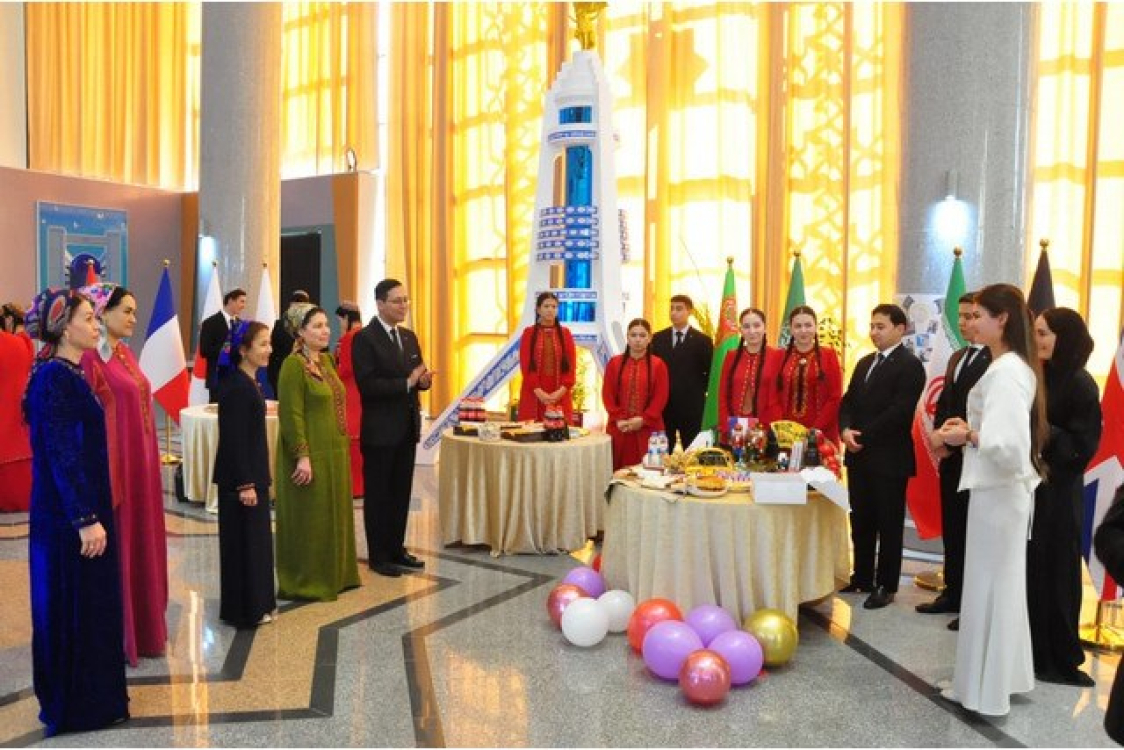
IIR MFA held a competition on diplomacy and foreign languages
25.10.2026On October 23, 2026, the Institute of International Relations of the Ministry of Foreign Affairs of Turkmenistan held the “Model UN: Language & Negotiation Simulation” competition to mark the 81st anniversary of the United Nations. The event was organized by the Lingvo World academic club of the World Languages Department to develop students’ international negotiation and foreign language skills, the institute’s press service reported. The competition consisted of three stages. First, participants presented a cultural exhibition showcasing the foreign policies and cultures of Arabic-speaking countries, Iran, Germany, France, Japan and China in the respective languages. In the second stage, students translated political and diplomatic expressions from the languages they study into Turkmen. In the final stage, participants shared their views in foreign languages on issues raised in a video about the current UN agenda. The jury awarded first place to students of the Faculty of International Journalism, second place to the Faculty of International Relations and third place to the Faculty of International Law. The competition gave students an opportunity to demonstrate their language proficiency, diplomatic translation skills and ability to express positions on international issues.
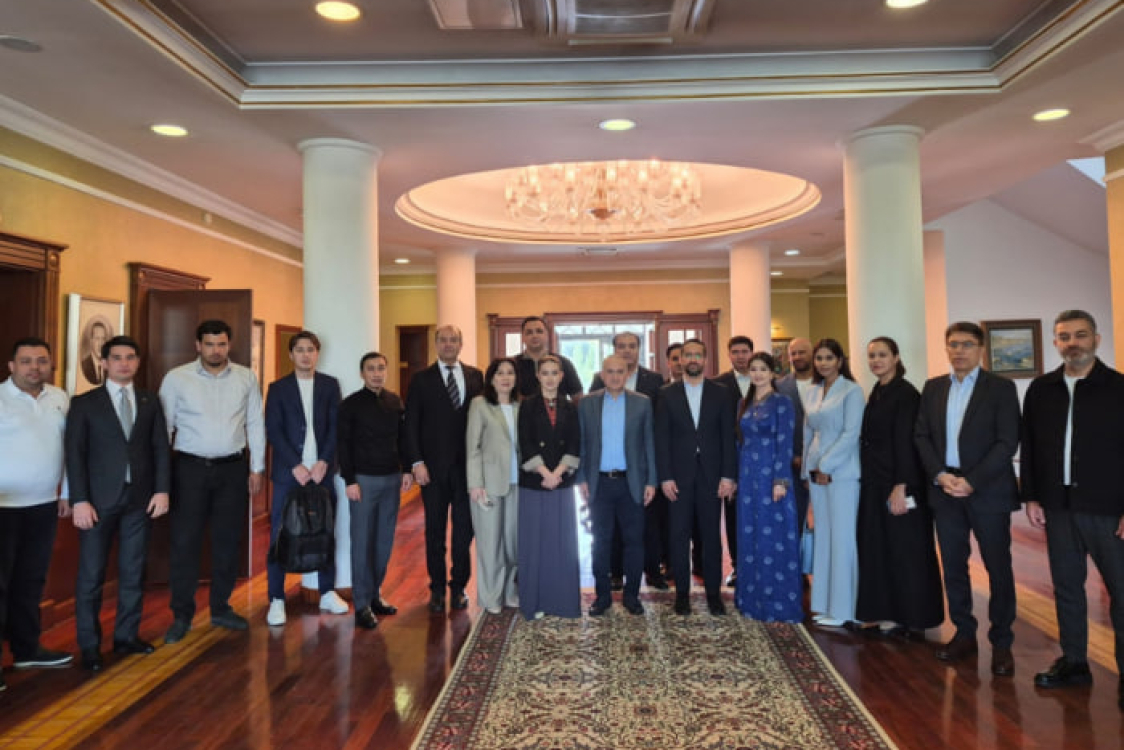
Turkish ambassador to Turkmenistan met with media representatives
25.10.2026Turkish Ambassador to Turkmenistan Şener Cebeci met with representatives of local and foreign media accredited in the country. The meeting took place on Saturday at the ambassador’s residence in Ashgabat, the "Business Turkmenistan" online publication reported. Cebeci noted that relations between Turkmenistan and Türkiye are based on historical ties, brotherhood and friendship between the two peoples. Cooperation spans the political, diplomatic, trade, economic and cultural spheres. The ambassador also said he considered it an honor to represent Türkiye in the historical homeland of the Turkmen people. Speaking about tourism, the diplomat reported that more than 151,000 tourists from Turkmenistan visited Türkiye in 2026. In 2025, the total number of foreign visitors to Türkiye reached approximately 64 million, while tourism revenue amounted to $65.2 billion. The ambassador thanked journalists for taking part in a press tour of Türkiye’s historical sites organized by the embassy for representatives of Turkmenistan’s media. Cebeci also stated his intention to support the further development of bilateral relations. At the end of the meeting, guests were served Turkish cuisine and took a group photograph with the ambassador.
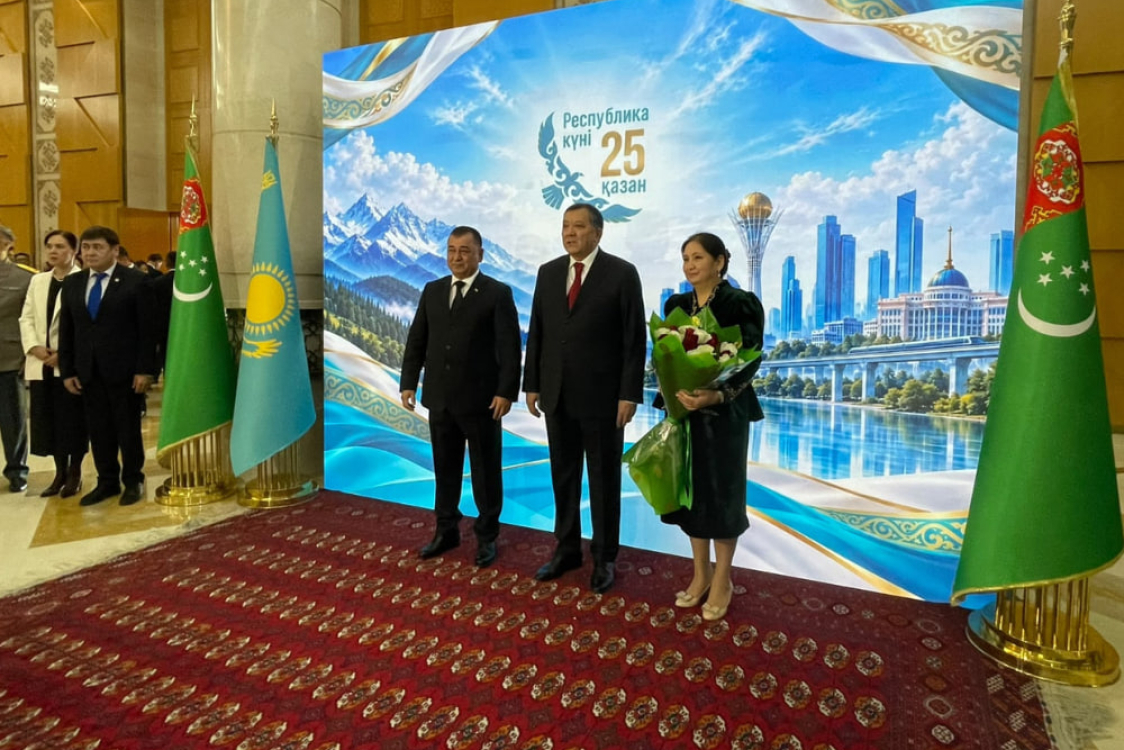
A reception marking Kazakhstan’s Republic Day held in Ashgabat
25.10.2026A formal reception marking the Republic of Kazakhstan Day was held on October 24 at the Yyldyz Hotel in Ashgabat. The event was attended by Deputy Chairman of the Cabinet of Ministers of Turkmenistan Nokerguly Atagulyyev, Kazakhstan’s Ambassador to Turkmenistan Nurlan Nogayev, members of the diplomatic corps, representatives of international organizations and the Kazakh community. This was reported by online publication «Business Turkmenistan». Nurlan Nogayev highlighted the historical and cultural ties between the two countries, as well as the development of cooperation in the political, economic and humanitarian spheres. The ambassador identified trade, energy, industry, transport and logistics, the development of the Kazakhstan–Turkmenistan–Iran corridor, interregional ties and the use of the potential of Caspian ports as promising areas for further cooperation. Nokerguly Atagulyyev congratulated Kazakhstan on its national holiday on behalf of the leadership and people of Turkmenistan. The Deputy Chairman of the Cabinet of Ministers emphasized that bilateral relations are based on good-neighborly ties and a shared cultural and spiritual heritage. Turkmenistan and Kazakhstan are developing cooperation in energy, industry, trade, transport, logistics and agriculture. The bilateral intergovernmental commission on economic cooperation plays an important role in this process. Kazakhstan’s Republic Day is celebrated on October 25 to commemorate the adoption of the Declaration of State Sovereignty in 1990. A photo exhibition dedicated to Kazakhstan was also presented during the reception.
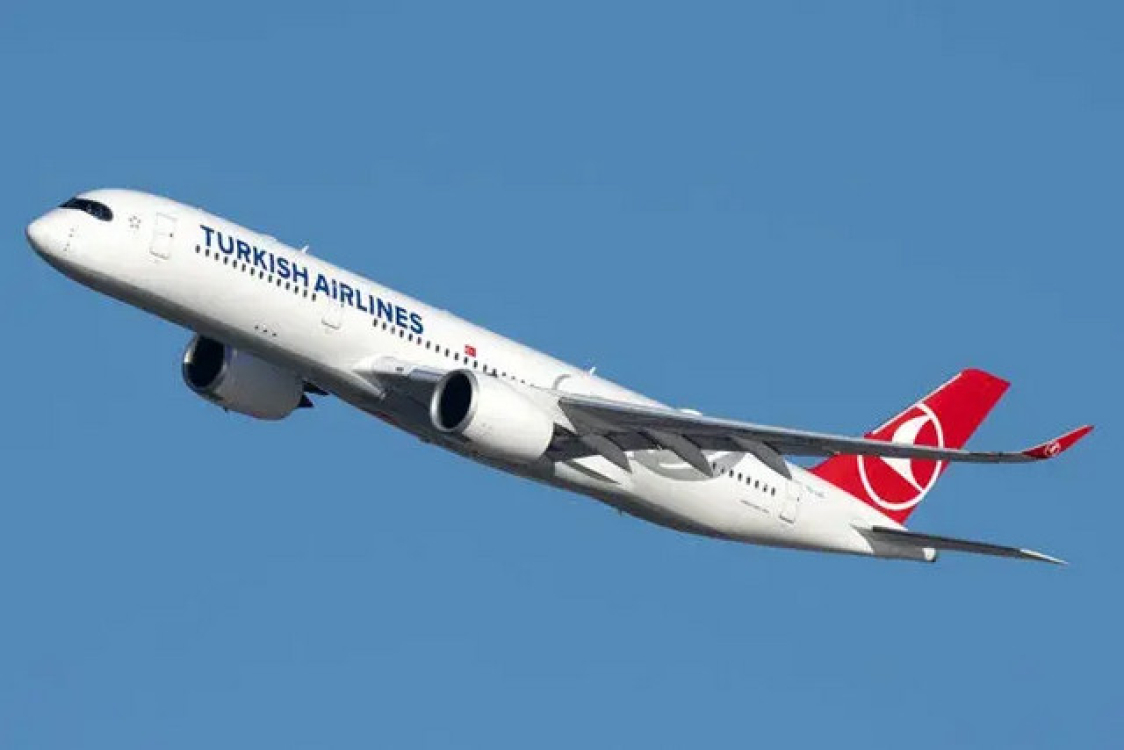
Turkish Airlines to increase flights between Ashgabat and Istanbul
24.10.2026Turkish Airlines will increase the frequency of flights on the Ashgabat–Istanbul (IST)–Ashgabat route to 18 per week from 26 October 2026. This was reported by Turkmenportal. The winter schedule will run from 25 October 2026 to 27 March 2027. Two flights in each direction are scheduled daily. From Istanbul, flight TK322 departs at 21:15 and arrives in Ashgabat at 02:55, while flight TK324 departs at 01:55 and arrives at 07:40. From Ashgabat, flight TK323 departs at 04:15 and arrives in Istanbul at 06:30, while flight TK325 departs at 09:00 and arrives at 11:10. An additional pair of flights, TK320 and TK321, will operate on Mondays, Wednesdays, Fridays and Sundays. Flight TK320 departs Istanbul at 14:25 and arrives in Ashgabat at 20:10. The return flight, TK321, departs Ashgabat at 21:30 and arrives in Istanbul at 23:45. These flights are scheduled to operate until 26 March 2027. All departure and arrival times are local.
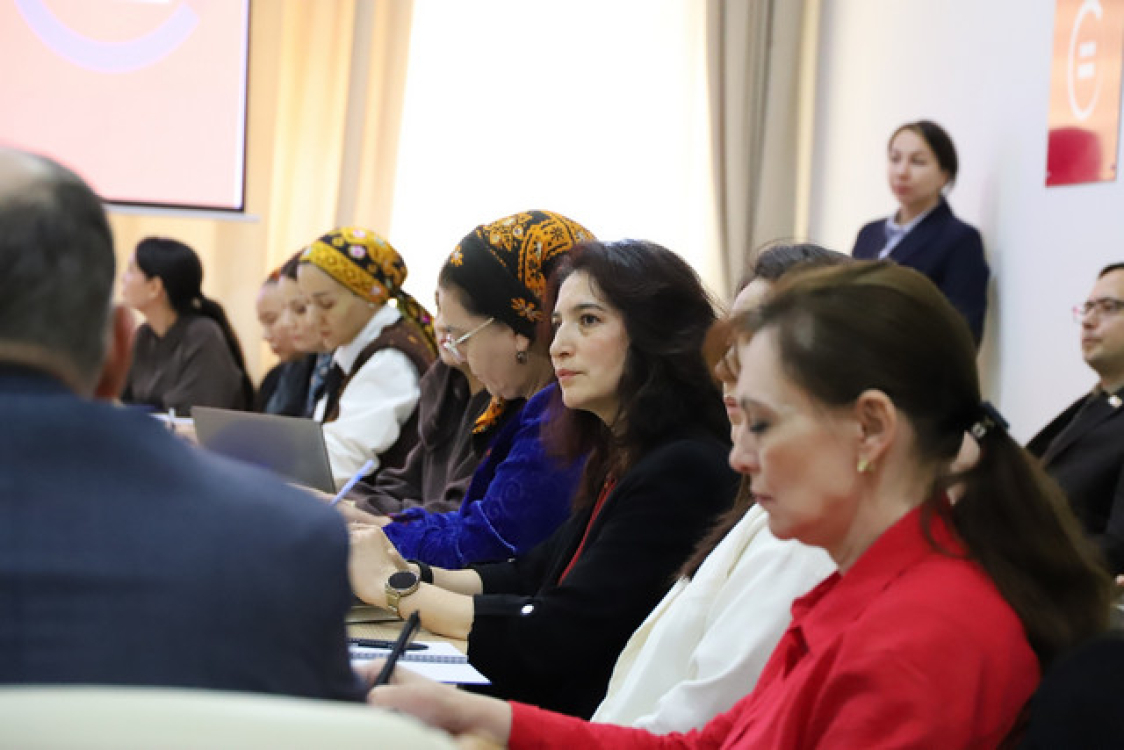
National component of CHANGE programme presented in Ashgabat
24.10.2026Ashgabat hosted the presentation of the national component of the international CHANGE programme, which aims to promote gender equality and transform social norms. The initiative is being implemented by the United Nations Development Programme (UNDP) and the United Nations Population Fund (UNFPA), with the support of the European Union in Central Asian countries. This was reported by Orient. The regional project, with a budget of €5.2 million, aims to develop inclusive economic policies and improve social institutions. Research will be one of the programme’s key areas. UNDP and UNFPA will support national partners in conducting a time-use survey and studying the informal labour market. The findings will help assess employment patterns and develop recommendations to expand access to vocational education, retraining and entrepreneurship opportunities for young people. UNDP Resident Representative in Turkmenistan Narine Saakyan noted that expanding women’s economic opportunities contributes to sustainable national economic growth. UNFPA Head of Office Kemal Goshlyyev and Maciej Adam Madalinski, a representative of the European Union Delegation, emphasised the importance of developing an evidence base to strengthen institutions promoting equal opportunities. The CHANGE programme aligns with Turkmenistan’s national priorities for achieving the United Nations Sustainable Development Goals, particularly SDG 5, “Gender Equality”, and SDG 8, “Decent Work and Economic Growth”.
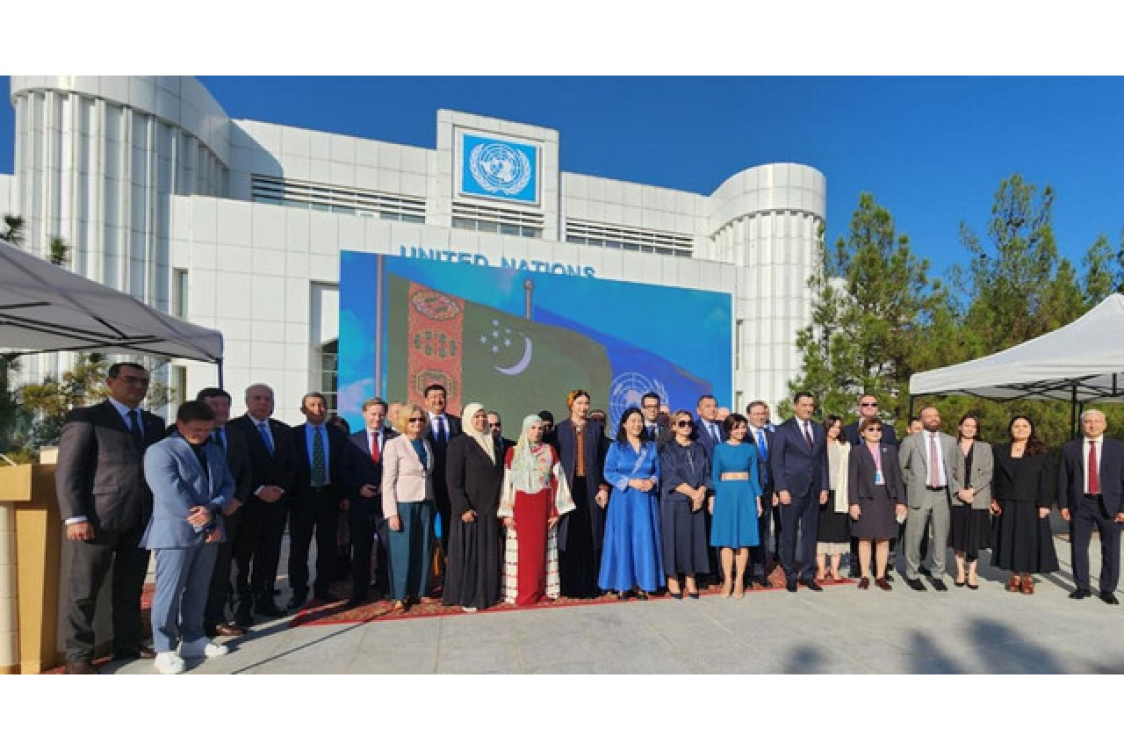
United Nations Day celebrated in Ashgabat
24.10.2026On 23 October, an event was held at the UN building in Ashgabat to commemorate United Nations Day, which is celebrated annually on 24 October. The date is timed to the entry into force of the UN Charter in 1945, according to the press service of the Ministry of Foreign Affairs of Turkmenistan. The event was organised by the Office of the UN Resident Coordinator in Turkmenistan with the support of the country’s Ministry of Foreign Affairs. Participants included representatives of Turkmenistan’s ministries and agencies, as well as media outlets. At the opening, Deputy Minister of Foreign Affairs of Turkmenistan Myahri Byashimova and UN Permanent Coordinator in Turkmenistan Grace Wang spoke. Participants noted the role of the UN in maintaining international peace and security, promoting cooperation among countries and promoting sustainable development. It was also stressed that Turkmenistan considers the organization as a key international platform for solving global issues on the basis of international law and the principles of the UN Charter. Special attention was paid to Turkmenistan’s long-standing cooperation with the United Nations. It covers international peace and security, sustainable development, environment, transport, energy, humanitarian action and protection human rights. During the event, they also noted Turkmenistan’s support of multilateral diplomacy, expansion of international dialogue and strengthening of the role of the UN in solving contemporary challenges. Among the country’s priorities are the development of a culture of peace and trust, preventive diplomacy, and promotion of neutrality. The event confirmed Turkmenistan’s interest in further cooperation with the UN in the interests of peace, security and sustainable development.
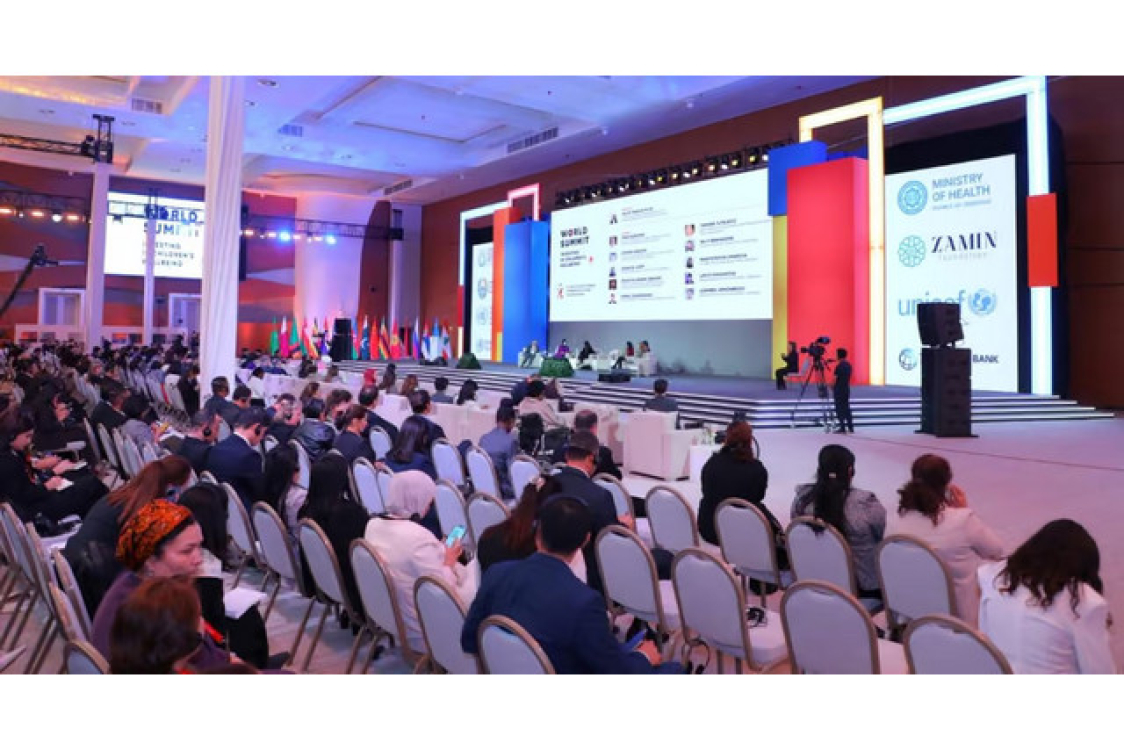
Turkmenistan participated in the World summit on child well-being
22.10.2026A delegation from Turkmenistan took part in the World Summit “Investing in Children’s Well-Being: A Path to Sustainable and Equitable Development for Future Generations,” which was held on October 21–22 in Samarkand. The forum was organized at the initiative of Uzbekistan with the participation of UN agencies, UNICEF, the World Health Organization, and the World Bank, according to the IIC of Turkmenistan. Representatives from more than 100 countries participated in the summit. The main topics included the protection of children’s rights, health care, access to education, and the development of social support systems. The program included plenary sessions, thematic sessions, the Second International Congress on Childhood Cancer, and specialized events. At the opening ceremony, a greeting from Uzbekistan’s President Shavkat Mirziyoyev and a message from UN Secretary-General António Guterres were read aloud. Speakers included Khalilur Rahman, President of the 81st Session of the UN General Assembly; Ziroat Mirziyoyeva, First Lady of Uzbekistan; and Najat Maalla M’jid, Special Representative of the UN Secretary-General on Violence against Children. In a video message, UN Deputy Secretary-General Amina Mohammed emphasized the importance of increasing investment in early childhood development, as well as ensuring equal access to quality health care and education. As part of the summit, an interactive exhibition titled “The World Through a Child’s Eyes” was held. Its 13 thematic sections were dedicated to the protection of mothers and children, as well as the education and socialization of the younger generation. At the conclusion of the forum, the participants unanimously adopted the Samarkand Declaration. The document established common commitments and practical guidelines for international cooperation in the field of children’s rights.
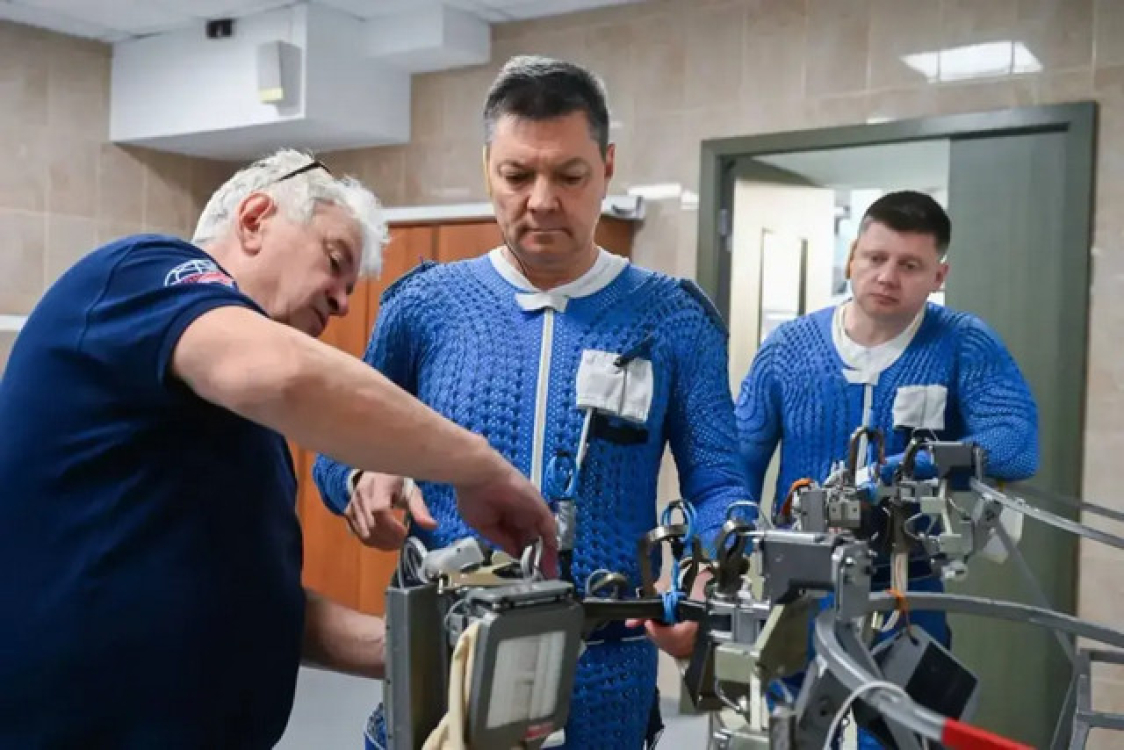
Oleg Kononenko, a native of Turkmenistan, is training for a flight to the ISS
22.10.2026Oleg Kononenko, head of the Cosmonaut Training Center, and Roscosmos cosmonaut Alexander Grebenkin are training as part of the backup crew for ISS-76. Kononenko has been appointed crew commander, according to Turkmenportal. One of the training stages took place in the Cosmonaut Training Center’s hydro-laboratory. The cosmonauts practiced spacewalk operations: working with the airlock hatch, moving along handrails on the station’s surface, transporting equipment, laying cables, and connecting electrical connectors. Special attention was paid to working with the ERA remote manipulator, designed to move equipment outside the Russian segment of the ISS. The trainees practiced moving along a mock-up of the manipulator, using a portable operator workstation, and responding to potential emergency situations. Oleg Kononenko was born on June 21, 1964, in the city of Chardzhou, now known as Turkmenabat. The future cosmonaut graduated with honors from Secondary School No. 15 in his hometown. In 2009, Kononenko’s achievements were recognized with a state award from Turkmenistan—the “Prezidentiň Ýyldyzy” (“Star of the President”) Order. During his flights to the ISS, the cosmonaut repeatedly addressed the people of Turkmenistan and photographed Ashgabat at night from orbit.
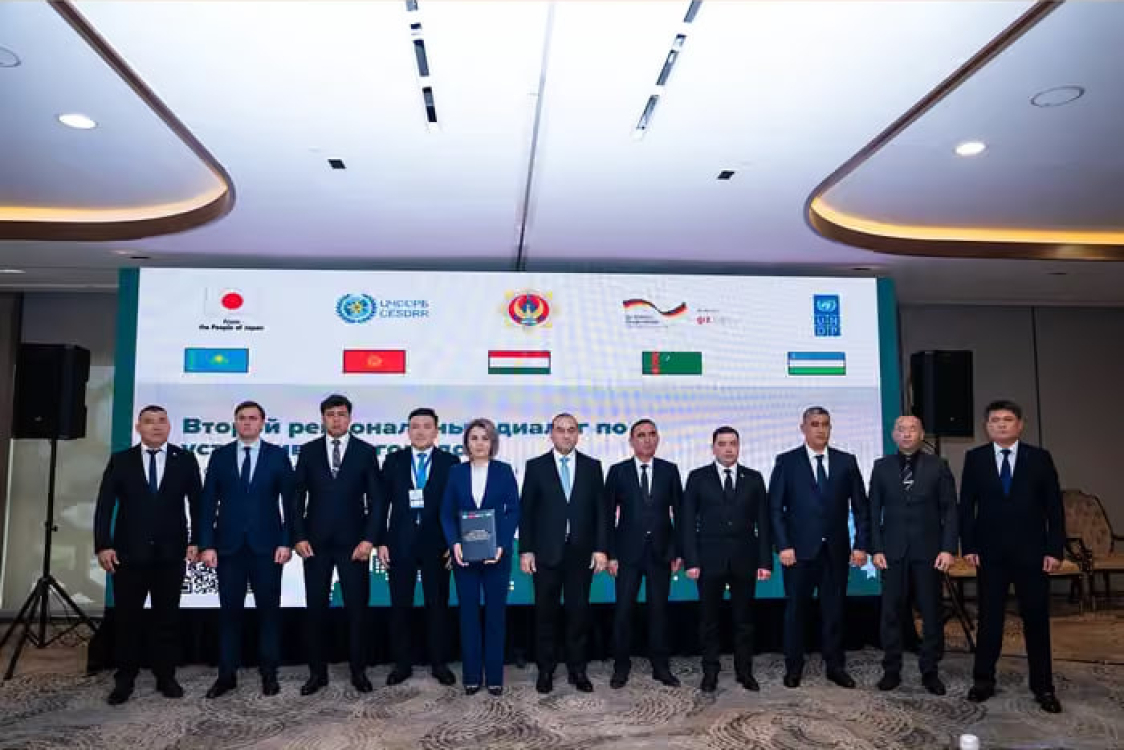
Ashgabat participated in a dialogue on urban sustainability
22.10.2026Turkmenistan participated in the Second Regional Dialogue on Urban Sustainability, which took place in Tashkent with the participation of representatives from governments, municipalities, and experts from Central Asian countries. This was reported by the IIC of Turkmenistan. During the forum, the Coalition for Urban Sustainability expanded from five to ten members. Bishkek, Manas, Isfara, Fergana, and Kokand joined the founding cities, including Ashgabat. Participants discussed sharing experiences in urban planning and protecting the population from climate threats and natural disasters. Another outcome of the meeting was the signing of a memorandum between the national seismological institutes of Central Asian countries. The document provides for the exchange of scientific data, coordination of efforts, and joint assessment of seismic activity. The dialogue was organized by the Ministry of Emergency Situations of the Republic of Uzbekistan, the Center for Emergency Situations and Natural Disaster Risk Reduction, and the United Nations Development Programme (UNDP), with financial and technical support from the Government of Japan. These initiatives are aimed at implementing the Sendai Framework for Disaster Risk Reduction, the Paris Agreement on Climate Change, and the UN Sustainable Development Goals for 2030.
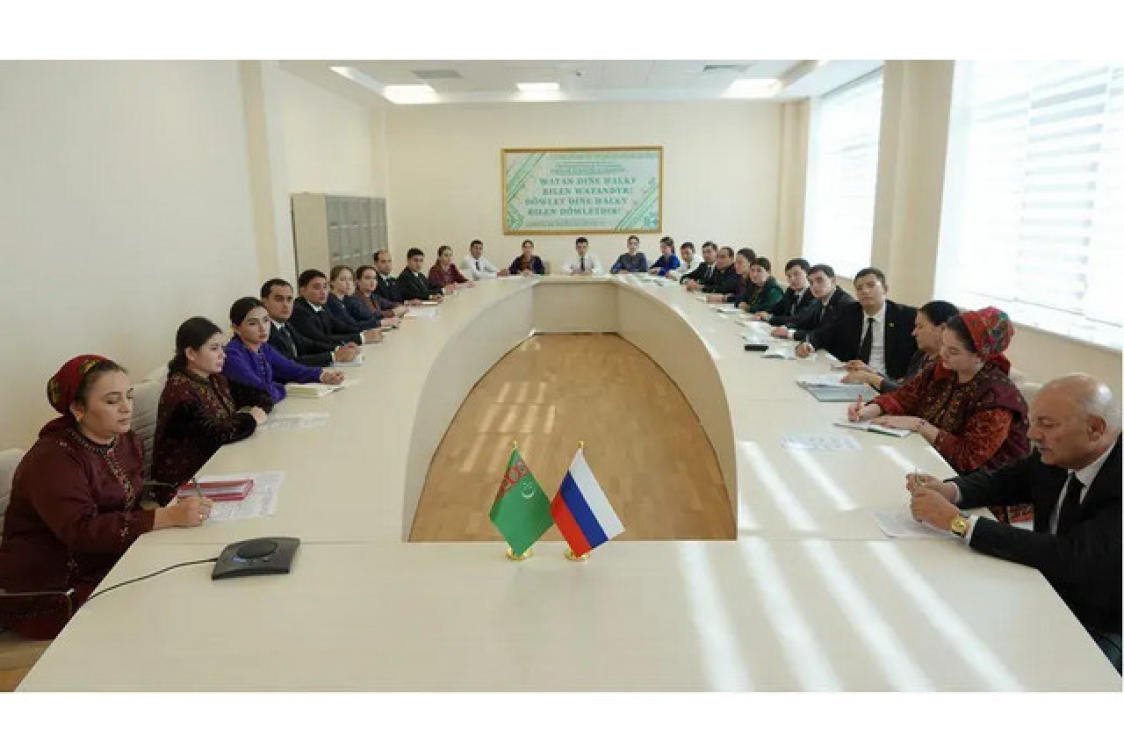
Employees of the Academy of Public Administration of Turkmenistan are mastering new management methods
21.10.2026Employees of the Academy of Public Administration under the President of Turkmenistan are taking online courses on contemporary issues in public administration organized by the Russian Presidential Academy of National Economy and Public Administration (RANEPA). This was reported by Turkmenportal. The training is being conducted under a cooperation agreement signed by the two institutions in 2024. The programme covers modern approaches to public administration, financial planning, budget and resource management. A separate module focuses on financial statement analysis. RANEPA instructors are conducting online seminars on public financial management, strategic planning, sustainable socio-economic development and the digitalization of public services. Participants are also studying the application of artificial intelligence in public administration, labour law, and methods for preventing and resolving workplace conflicts. Other topics include strategic human resource management, emotional intelligence and the development of mentoring programmes. In addition to theoretical sessions, participants complete practical assignments and analyse case studies related to the course topics. This helps them consolidate their knowledge and develop skills in analysing management situations. Upon completion of the programme, participants will receive certificates of advanced professional training. The course aims to strengthen the professional competencies of specialists in public administration.
DevFest Ashgabat 2026 will bring together developers and technology enthusiasts
20.10.2026DevFest Ashgabat 2026, the annual technology festival, will take place on November 22 at Bilelik Hub, a creative space located in Ashgabat Mall. According to the Orient news agency, the event is organized by the volunteer community GDG Ashgabat, which expects more than 150 participants. DevFest is a free conference for developers, students, entrepreneurs, and anyone interested in emerging technologies. This year’s theme is “Build, Secure, Scale: Developers and Builders in the Agentic Era.” The program will feature expert talks on artificial intelligence, software development, startups, and cybersecurity. Participants will also be able to attend hands-on workshops on building software with AI agents and protecting code against security threats, take part in team competitions with prizes, and network with representatives of technology companies in the partner zone. Google Developer Groups (GDG) has been active in Ashgabat since 2020 and brings together more than 1,400 members. Admission to the festival is free, but advance registration is required. Applications can be submitted via the official registration link.
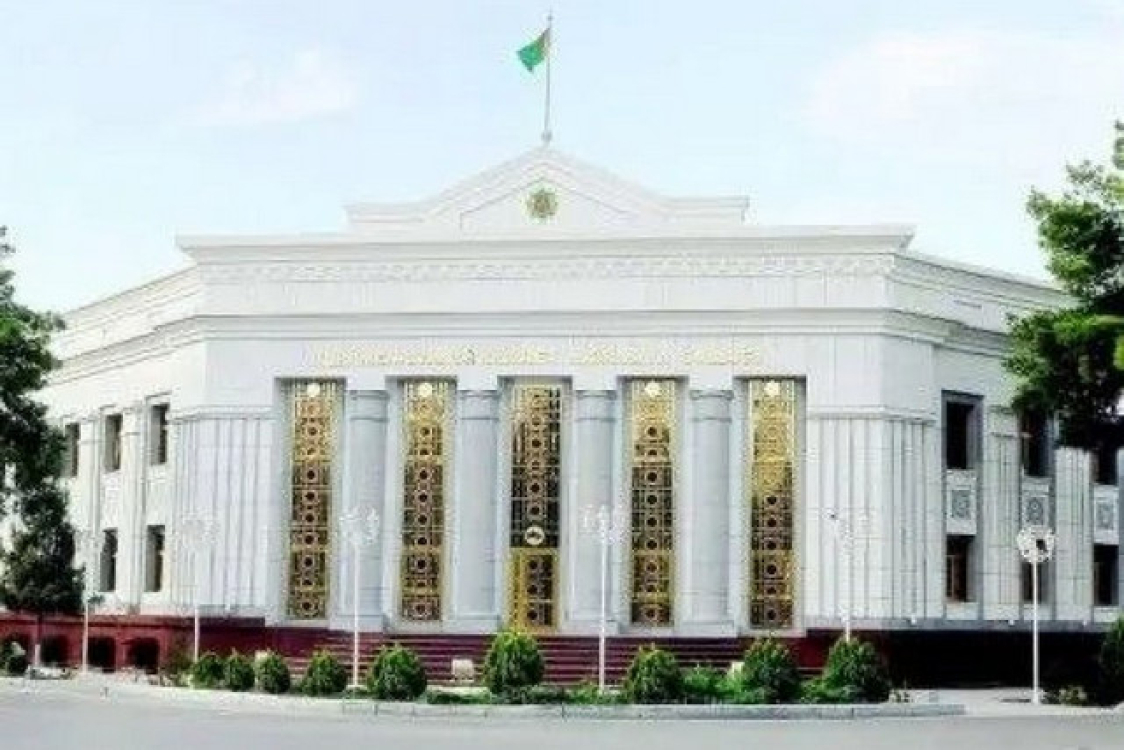
Turkmen specialists receive training on border management in China
20.10.2026On October 18, an international training seminar for specialists from the migration and border services of Central Asian countries began in the city of Changji, People's Republic of China. Representatives of the State Migration Service of Turkmenistan and international experts are participating in the event, the agency's press service reports. The program is aimed at improving specialists' qualifications and studying international standards for integrated border management. Participants are learning about strategic planning and risk assessment methods, as well as discussing interagency cooperation, improvements to control procedures, and the application of international experience in migration and border security. The seminar will run until November 1.
Read also
Advertising
 Read us in Zen


