


Society
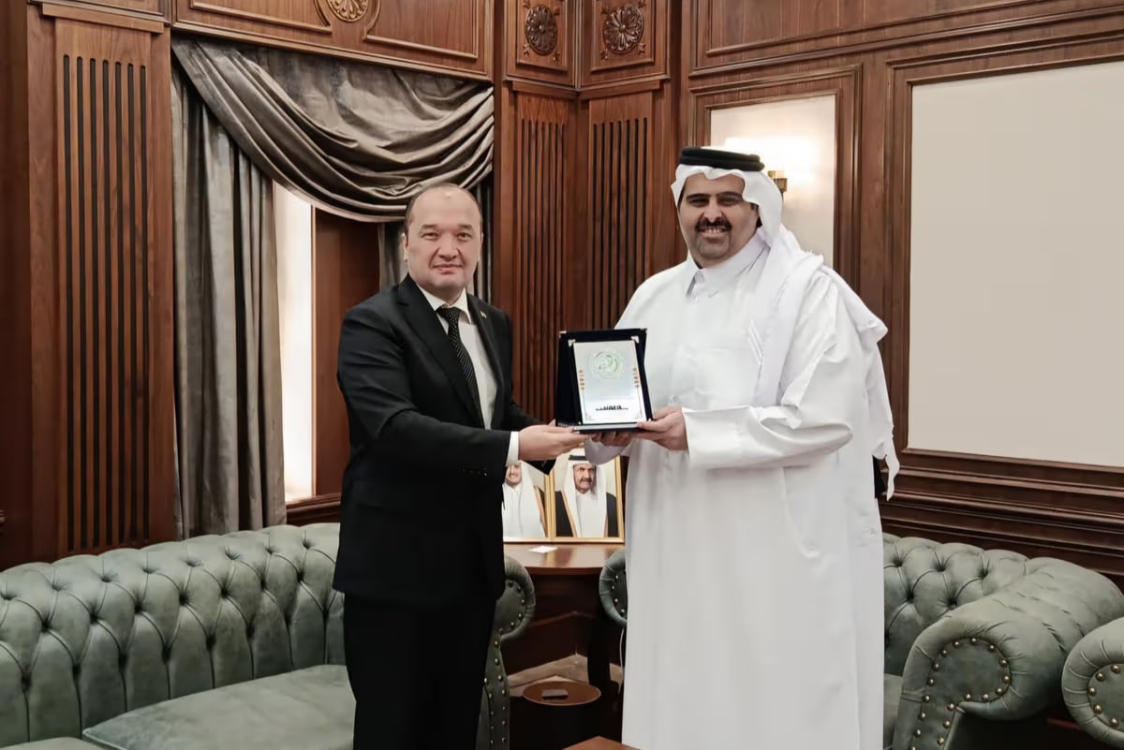
Turkmenistan and Qatar discussed cooperation in the media sector
19.08.2026On 18 August 2026, the Ambassador Extraordinary and Plenipotentiary of Turkmenistan, M. Seyitmammedov, met with the Executive Director of the Qatar Media Corporation, Sheikh Khalid bin Abdulaziz bin Jassim Al-Thani. This was reported by the IIC of Turkmenistan. During the meeting, the parties discussed prospects for developing cooperation in the media sector. Particular attention was paid to collaboration between the State Committee of Turkmenistan for Television, Radio Broadcasting and Cinematography and the Qatar Media Corporation, as well as to the exchange of expertise. The Ambassador of Turkmenistan outlined the main directions of Turkmenistan’s foreign and domestic policies, spoke about the country’s achievements and the international events being held to mark the 35th anniversary of state independence. The parties also emphasised the importance of reciprocal visits by high-level delegations and participation in international forums and academic conferences.
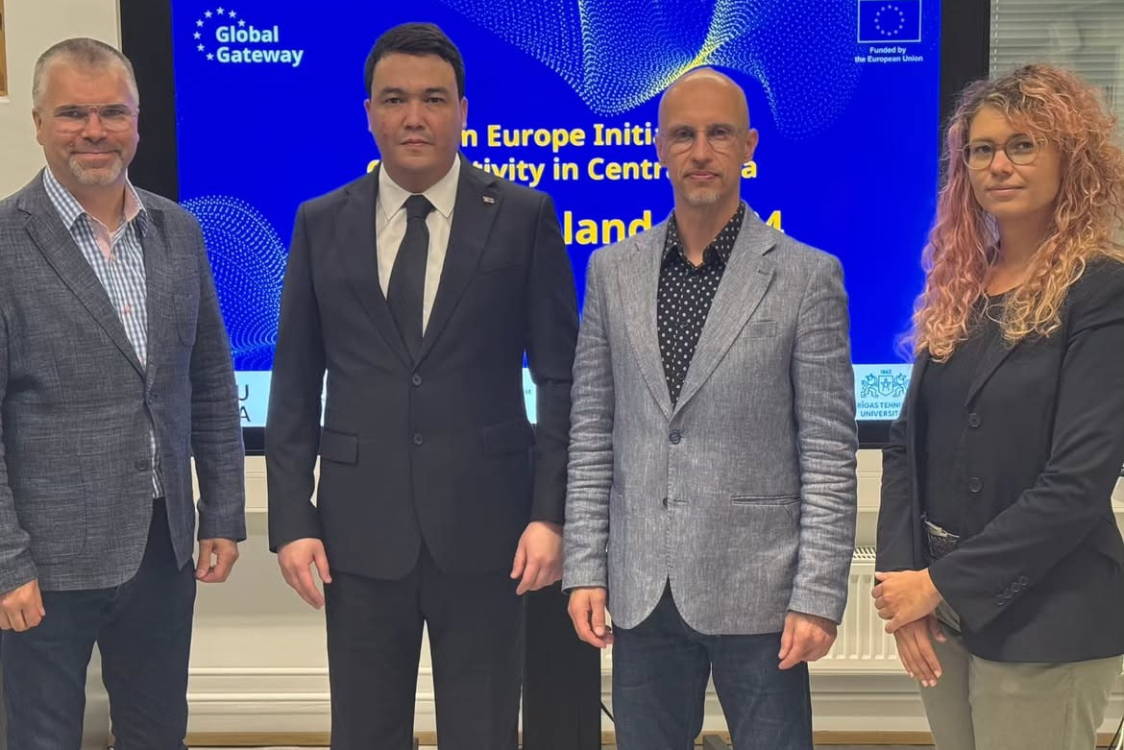
Turkmenistan and Finland are developing cooperation in the digital sector
19.08.2026Representatives from the International University for the Humanities and Development are taking part in a study visit to Helsinki, which is taking place from 17 to 22 August as part of the European Union’s regional project ‘Connectivity for Central Asia’ (C4CA). This was reported by the press office of the Ministry of the Textile Industry of Turkmenistan. The project is being implemented by Laurea University of Applied Sciences in collaboration with the Finnish Institute of Public Administration (HAUS). The programme aims to facilitate the exchange of expertise and foster cooperation in the fields of digital transformation, communication technologies and digital infrastructure. During the visit, N. Shikhlyev, Vice-Rector of the International University for the Humanities and Development, discussed areas of cooperation and joint initiatives in the fields of education and science with the project leaders. The parties agreed to implement part of the project at the International University for the Humanities and Development. The participants also examined Finland’s experience in the fields of digital development, e-infrastructure and the implementation of digital solutions in higher education and public administration.
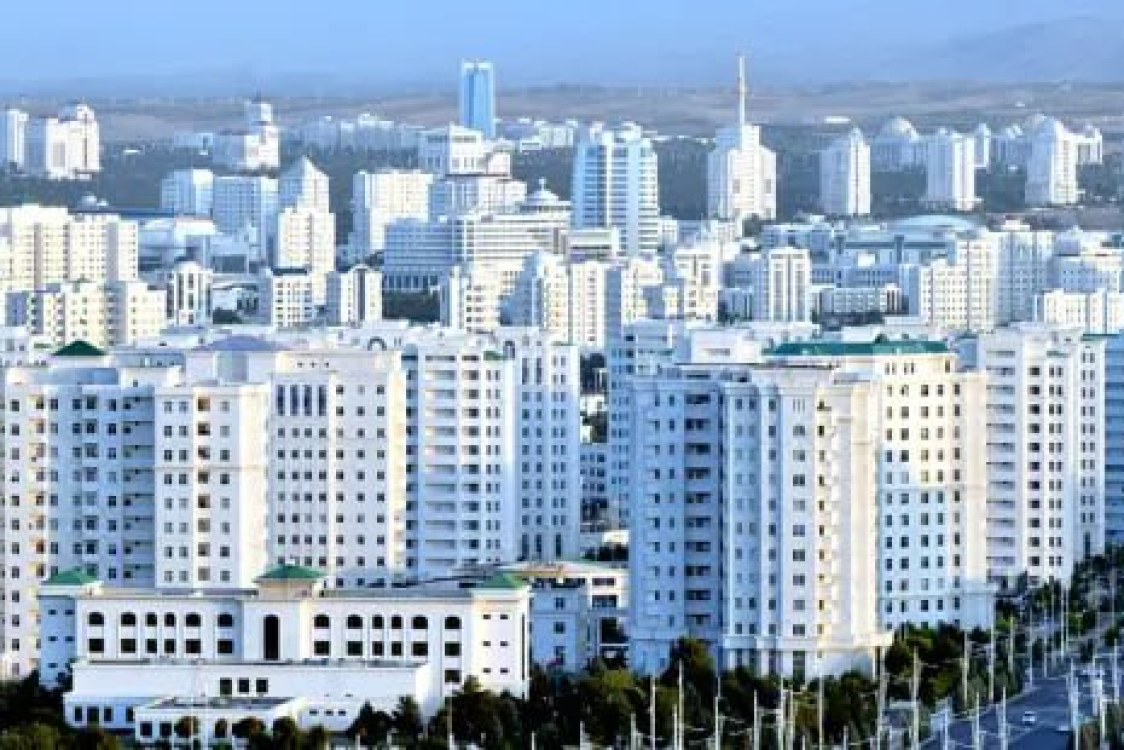
Two new solutions for the oil and gas industry have been patented in Turkmenistan
19.08.2026Two new solutions for the oil and gas industry have been developed and patented in Turkmenistan — a biological method for cleaning soil contaminated with petroleum products and a building material based on gas purification waste. This is reported by the news website Turkmenportal. The first development is a method for the deep remediation and restoration of soil contaminated with petroleum products. It is based on the isolation and cultivation of specialised strains of local degrading microorganisms capable of breaking down heavy hydrocarbons under conditions of summer heat and soil salinity. The method makes it possible to replace costly and environmentally hazardous chemical reagents when remediating the effects of man-made pollution at oil and gas facilities. The second development is a patent for a formulation of organo-mineral sulphur-polymer concrete. The material is produced using surplus technical sulphur, which is a by-product of natural gas purification at fields. Sulphur-polymer concrete can be used in hydraulic engineering, in the construction of irrigation canals, brackish water drainage systems and port facilities – wherever conventional cement concrete rapidly deteriorates under the influence of salts. The use of this material reduces the cost of capital construction and addresses the issue of sulphur waste disposal.
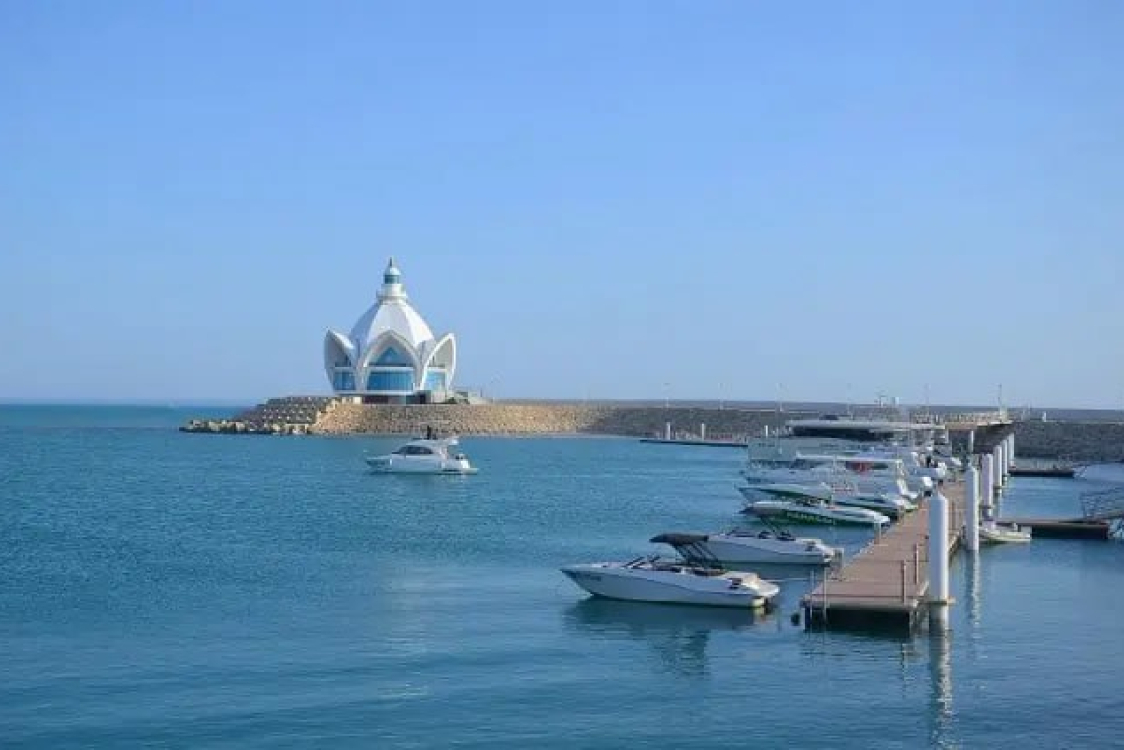
Turkmenistan and its neighbours on the Caspian Sea: a comparison of resort areas
18.08.2026The resorts on the Caspian Sea are shared amongst the five coastal states – Russia, Iran, Kazakhstan, Turkmenistan and Azerbaijan. Each country is developing its own resort infrastructure, according to the news website Turkmenportal. In Turkmenistan, the main resort remains the ‘Awaza’ National Tourist Zone near Turkmenbashi. The area features hotels, health resorts and water parks, and the length of its well-maintained beaches reaches around 25 kilometres. The zone is aimed, amongst others, at foreign tourists. In Kazakhstan, holidaymakers are welcomed by Aktau, with its high-class hotels and well-equipped beaches, as well as the Kenderli resort area south of Zhanaozen, with its sandy beaches and warm summer climate. In Russia, resort life on the Caspian Sea is centred in Dagestan – in Makhachkala, Kaspiysk and Derbent. In the Astrakhan Region, tourists are drawn not to beach holidays but to nature-based holidays: fishing and holiday camps in the Volga Delta. In Azerbaijan, the beaches of the Absheron Peninsula – Bilgah, Nardaran and Shuvalan – are popular, as are the resorts further south, in the Lankaran area, where the coastline meets the foothills of the Talysh Mountains. In Iran, the resort area covers the provinces of Mazandaran and Gilan. In Mazandaran, tourists are welcomed by Ramsar and Noshahr, whilst in Gilan it is the port town of Anzali. These regions are renowned for their green landscapes and mild climate. Each of the five Caspian countries is developing its own model of tourism – ranging from large-scale resort areas to eco-tourism and fishing holidays.
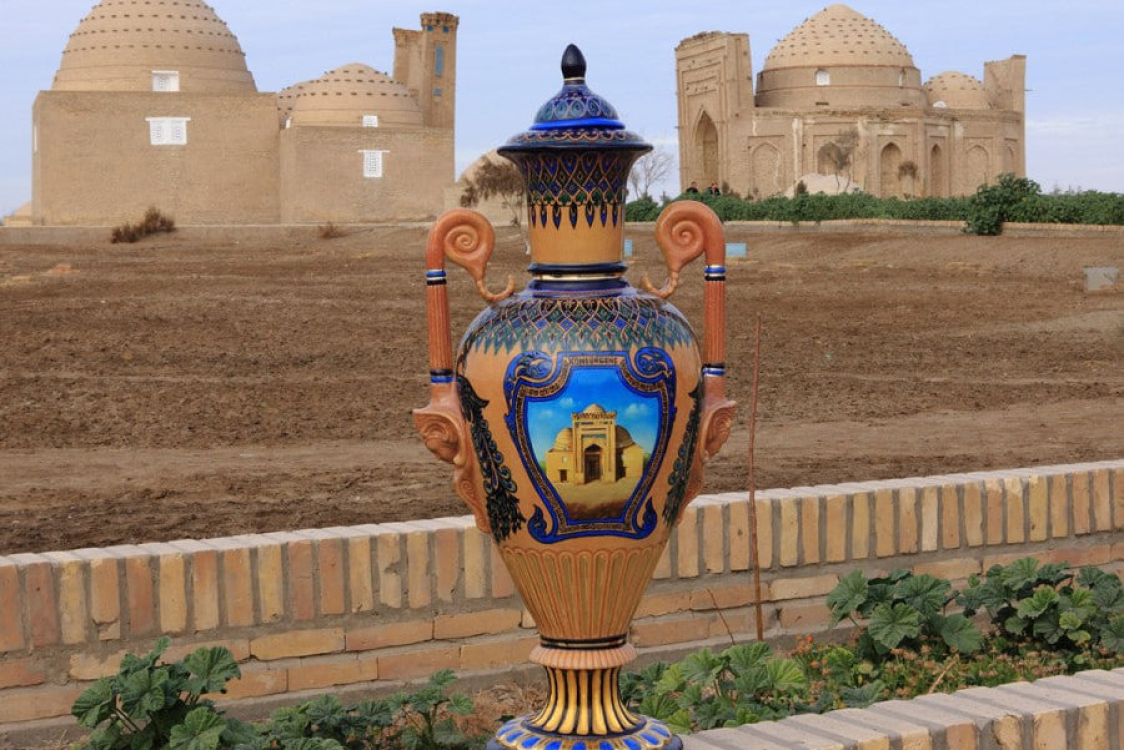
A rail tour to Kunya-Urgench is to be organised in Turkmenistan
18.08.2026From 28 to 30 August 2026, the magazine ‘Medeniýet we Syýahat’, published by the Ministry of Culture of Turkmenistan, is organising a tour to the ancient city of Kunya-Urgench. This was reported by the news agency Orient. Participants will travel by rail to the historical monuments of the ancient city and explore its architectural and cultural heritage. The magazine ‘Medeniýet we Syýahat’ also organises domestic tourist itineraries to the ‘Awaza’ National Tourist Zone, UNESCO World Heritage sites, the Koytendag valleys and other destinations. Both rail and road transport are used for these trips.
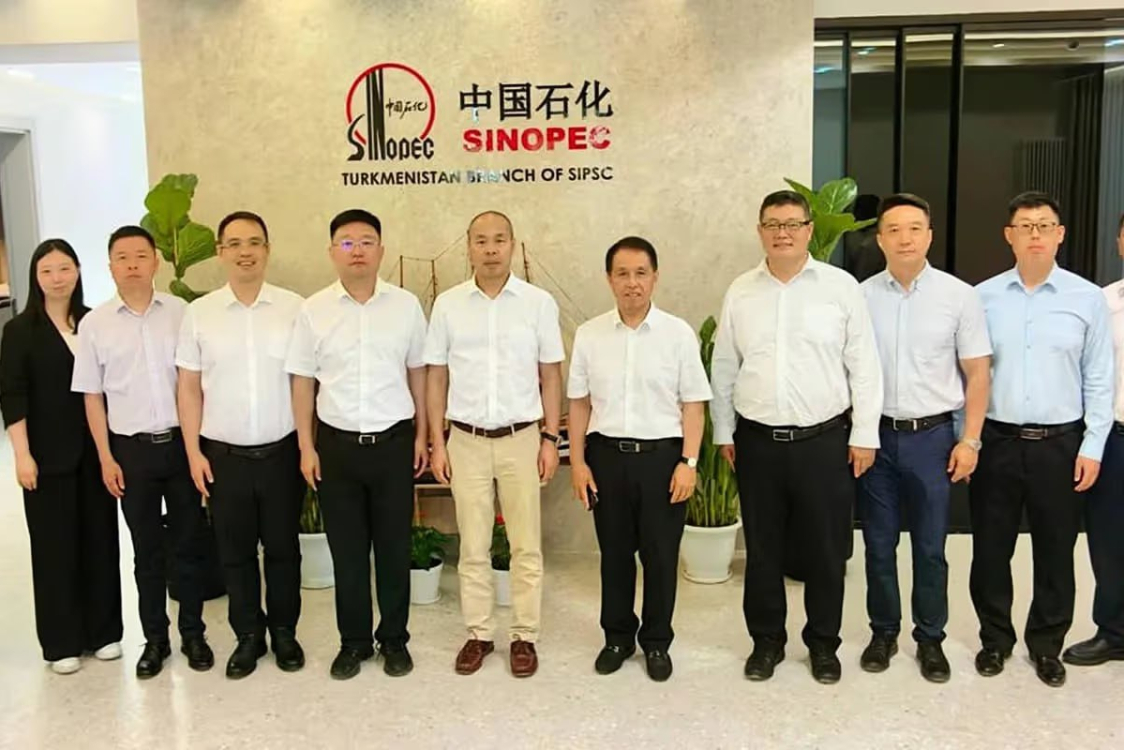
Turkmenistan and China are strengthening their cooperation in the energy sector
18.08.2026Ji Shumin, Ambassador Extraordinary and Plenipotentiary of the People’s Republic of China to Turkmenistan, paid a working visit to the Turkmen branch of ‘Sinopec Petroleum Technology Corporation’. This was reported by IIC of Turkmenistan. The diplomat familiarised himself with the company’s current operations and spoke highly of its contribution to strengthening bilateral cooperation in the energy sector. According to him, the convergence of the strategy to revive the Great Silk Road with the ‘Belt and Road’ initiative creates favourable conditions for the implementation of joint projects. During the meeting, they also discussed issues relating to quality control of the work being carried out and compliance with applicable regulations in the conduct of business activities.
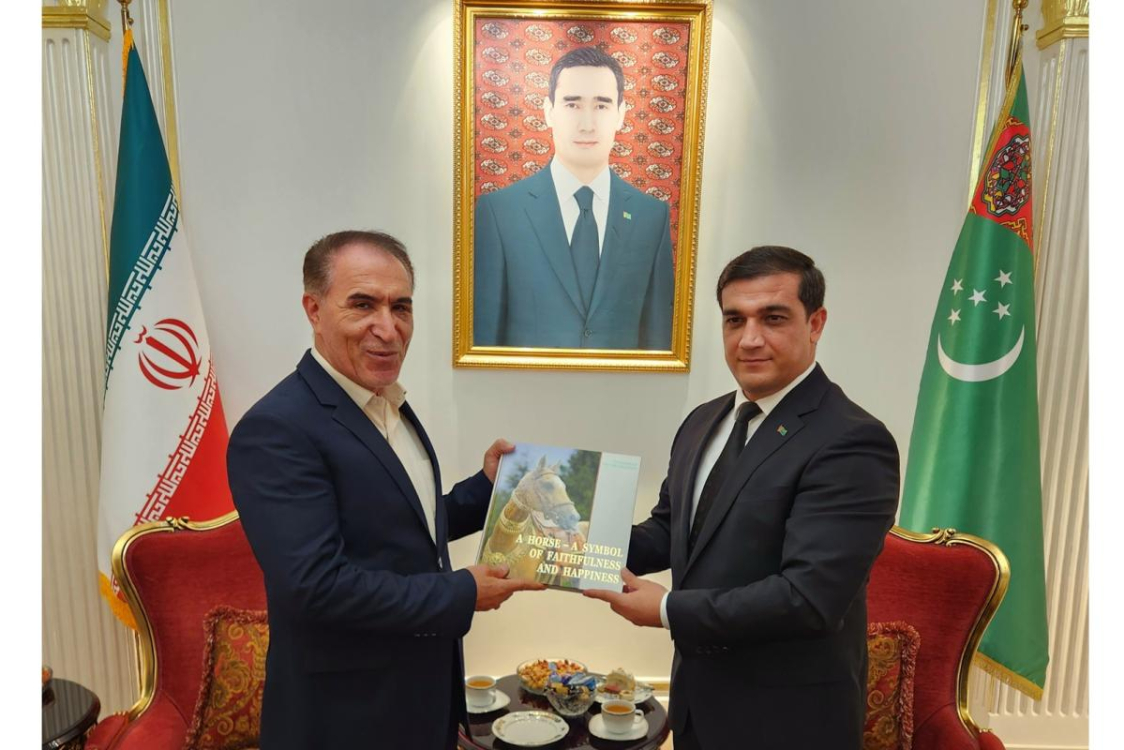
Turkmenistan and Iran discussed cooperation in equestrian sports
18.08.2026On 15 August, a meeting took place in Tehran between I. Gayipov, Ambassador of Turkmenistan to Iran, and Mahmoud Heydari, President of the Equestrian Federation of the Islamic Republic of Iran. This was reported by the press office of the Foreign Affairs Ministry of Turkmenistan. The parties discussed bilateral cooperation in the field of equestrian sports and events held under the motto ‘Independent Neutral Turkmenistan − the Homeland of Purposeful Winged Horses’. The Iranian counterpart was presented with an invitation to take part in international events dedicated to Ahal-Teke horses, which will take place from 4 to 6 September 2026 in the Netherlands. M. Heydari thanked the Turkmen side for the invitation, noting the importance of promoting Ahal-Teke horses on the world stage and developing equestrian sports. The Iranian side also proposed exploring cooperation between the Aba Annayev International Horse Academy and relevant Iranian institutions, as well as organising joint equestrian competitions in both countries.

The KIDS EXPO 2026 chess festival is to be held in Ashgabat
17.08.2026From 19 to 22 August, Ashgabat will host the international fair ‘KIDS EXPO: Everything for Children’. The highlight of the sports programme will be a major chess festival featuring renowned international guests, according to the Orient news agency. Two grandmasters, both former world junior champions, will be visiting Turkmenistan: Darmen Sadvakasov, First Vice-President of the Kazakhstan Chess Federation and Vice-President of the Asian Chess Federation, and Ilaha Kadimova, Women’s Grandmaster and Secretary-General of the Turkic Chess Association and the Azerbaijan Chess Federation. They will conduct training masterclasses for the country’s women’s and junior national teams. The centrepiece of the festival will be the ‘Kids Expo Chess Cup 2026’ international rapid and blitz tournament, which will take place on 19–20 August. Interactive zones will be set up for visitors to the exhibition at the ‘Chess Island’ venue: - a 30-minute crash course in chess; - a simultaneous blindfold chess session led by experienced masters; - quizzes with prizes, games against professionals and a themed photo zone. On 19 August, as part of the business programme, an international round-table discussion will take place with representatives from chess federations in 11 countries. Participants will discuss the experience and prospects of introducing chess into the region’s school curricula. The tournament is organised and supported by the Chamber of Commerce and Industry of Turkmenistan, the Chess Federation of Turkmenistan, the International School Chess Federation (ISCF), the Turkic Chess Association (TCA), the Freedom Asian Chess Initiatives (FACI) programme of the Kazakhstan Chess Federation, the Freedom Group of Companies, and TurkmenExpo. The chess festival, held as part of KIDS EXPO 2026, aims to promote chess among children and young people in Turkmenistan and to expand international sporting and educational cooperation.
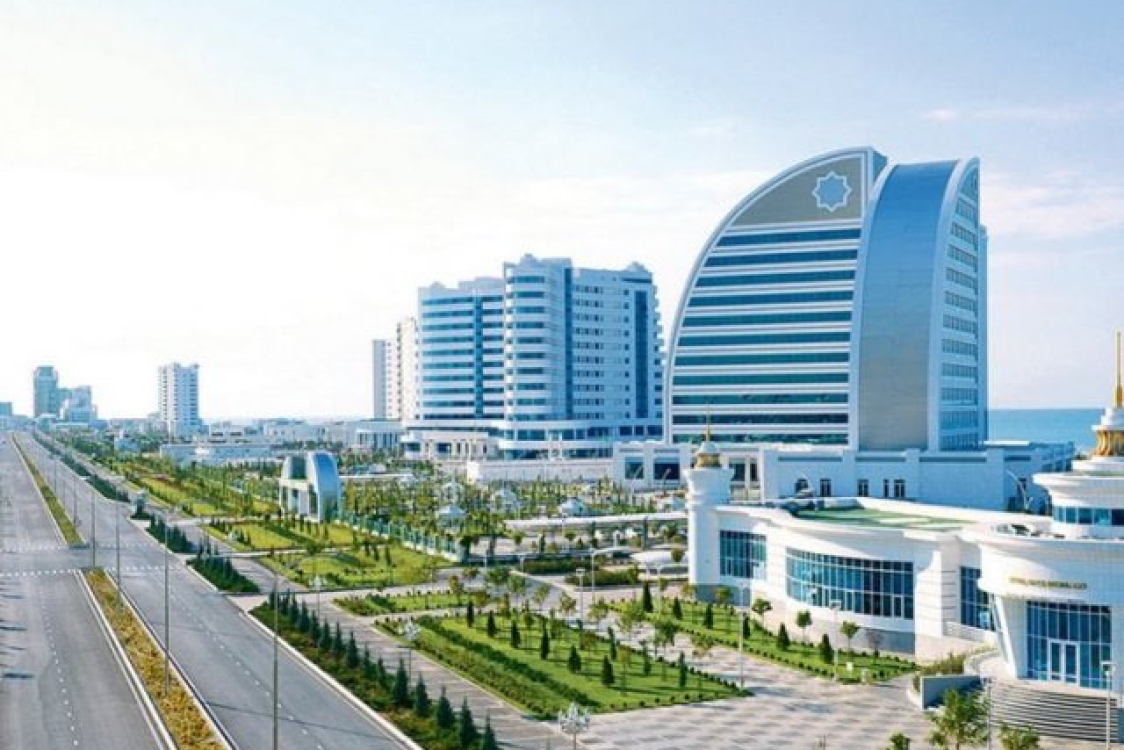
Environmental infrastructure is being strengthened in ‘Awaza’
17.08.2026Comprehensive development of the ‘Awaza’ National Tourist Zone is continuing on the Turkmen coast of the Caspian Sea. Particular attention is being paid to expanding green spaces and modern tourist infrastructure, reports AsmanNews. Work on greening the coastline began in autumn 2009. As a result, a strip of greenery stretching over 12 kilometres in length and approximately 300 metres in width has been created. Hundreds of thousands of trees and shrubs resistant to local climatic conditions have been planted here, including pines, thuja, cypresses, plane trees and olive trees. The park areas are irrigated using drip and sprinkler systems with biologically treated water. The man-made woodlands help to protect the resort from dust and mitigate the effects of the summer heat. Cycling infrastructure is also being developed in Awaza. A 3,000-space car park, opened in 2016 at the entrance to the resort area, has helped to restrict vehicle traffic within the resort. The expansion of forest and park areas is provided for in the ‘National Forest Programme of Turkmenistan for 2026–2030’. Their protection and sustainable use are regulated by the Forest Code of Turkmenistan. Awaza remains one of the hubs for environmental cooperation in the region. In 2012, the First Caspian Environmental Forum was held here. Every year on 12 August, Turkmenistan celebrates Caspian Sea Day. The resort offers facilities for climatotherapy, balneology and active leisure. Modern health resorts operate along the coast, including the ‘Awaza’ sanatorium. On 9 December 2025, a branch of the Gurbanguly Berdimuhamedov Charitable Foundation for Assistance to Children in Need of Guardianship was opened here. The resort area is also used to host state and sporting events, including the ‘Amul–Hazar’ horse race, held to mark the 35th anniversary of Turkmenistan’s independence.
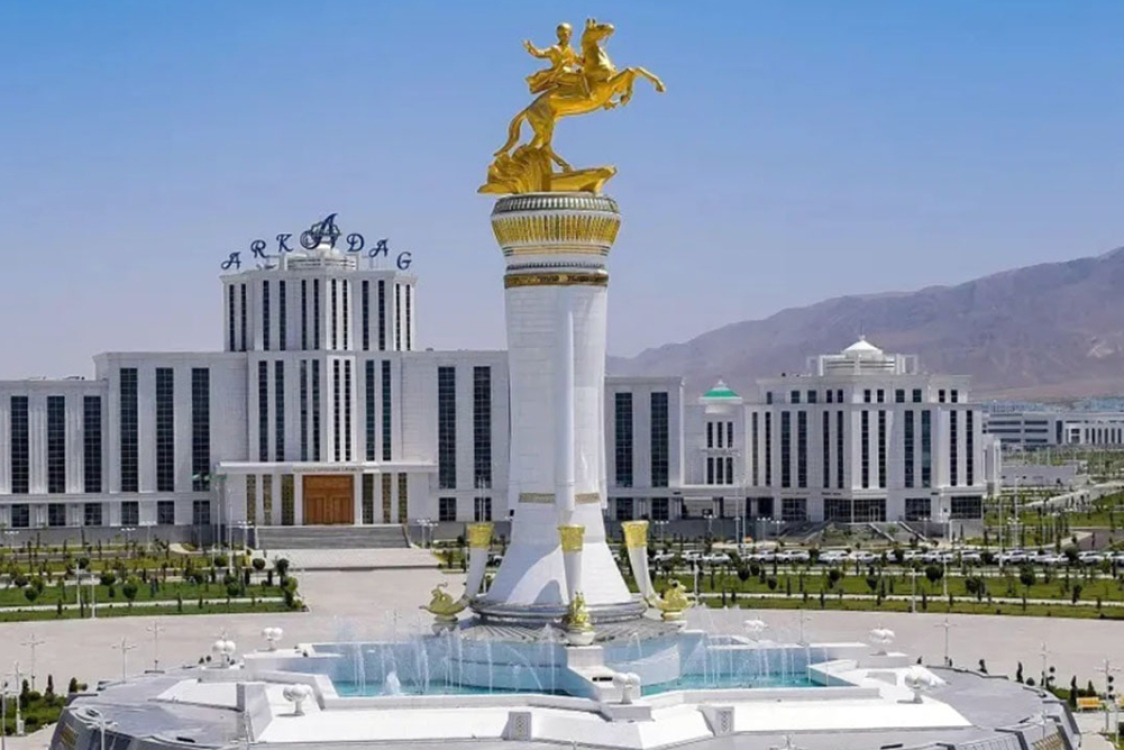
A sadaqah was held in Turkmenistan to mark the registration of a new mosque
16.08.2026On 14 August, a celebratory sadaqah was held at the ‘Märkaw’ cultural and entertainment centre in the city of Arkadag to mark the presentation of the registration certificate for the new mosque, ‘Arkadagyň ruhy metjidi’. This was reported by the TDH news agency. The name of the mosque, which has a capacity of 30,000 people, was approved following suggestions from the local community and registered by the Ministry of Justice in accordance with the established procedure. The day before, on 13 August, the National Leader of the Turkmen people and Chairman of the Halk Maslahaty, Gurbanguly Berdimuhamedov, visited the city of Arkadag, where he familiarised himself with the plans for the second phase of construction. At a working meeting, he was informed of the registration of the new mosque’s name. During the sadaqah, the Mufti of Turkmenistan recited the ‘tebarek’ prayer and offered supplications for peace, prosperity and the unity of the people. Participants in the event were served traditional dishes. After the sadaqah, the elders visited the Gokdepe Mosque, where they performed Friday prayers. During the prayer, verses from the Holy Quran were recited and prayers were offered for the country’s prosperity, unity and a peaceful life for the people.
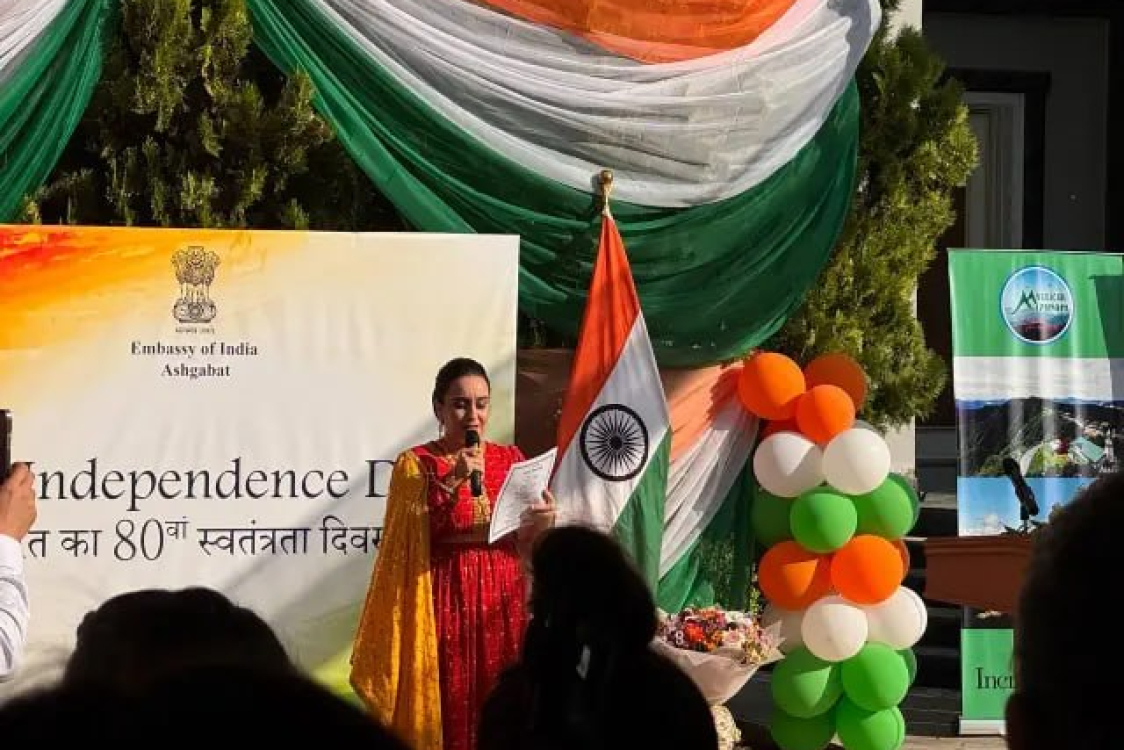
India’s Independence Day was celebrated in Ashgabat
16.08.2026At a reception in Ashgabat to mark India’s Independence Day, the Indian national anthem ‘Vande Mataram’ was performed. The a cappella rendition was given by the Turkmen singer Tachnabat Yomudova, who was joined by guests at the event, according to the news website Turkmenportal. The reception in the Turkmen capital was held to mark the 80th anniversary of India’s Independence Day, which the country celebrates on 15 August. The theme of this year’s celebrations was ‘The Power of Youth’ and the contribution of the younger generation to the country’s development by 2047. Bandaru Wilsonbabu, India’s Ambassador to Turkmenistan, addressed the reception. He expressed Delhi’s readiness to expand cooperation with Ashgabat in the trade, economic, cultural and educational spheres. “India is ready and intends to further strengthen cooperation as a partner country in the Global South, as a developing country, and as a close friend and partner in the wider neighbourhood,” he said. According to the Ambassador, trade between the two countries exceeded $270 million last year. He noted the growing interest among Turkmen citizens in medical tourism and higher education in India, and also congratulated Turkmenistan on the upcoming 35th anniversary of the country’s independence, which will be celebrated next month. ‘Vande Mataram’ is a song in Sanskrit and Bengali, written by Bankim Chandra Chatterjee. Since 1950, following the adoption of the Indian Constitution, it has held the status of a national song, whilst the country’s national anthem is ‘Jana Gana Mana’. In August 2026, the Indian Parliament passed a law extending legal protection to the national song, similar to that afforded to the national anthem.

Ashgabat is set to host the regional round of the Startup World Cup 2026
16.08.2026On 19 September 2026, Ashgabat will host the regional round of the Startup World Cup 2026 international competition. Start-ups will present their projects to a panel of experts and compete for a place in the global final in San Francisco, according to the Orient news agency. Start-ups from various sectors are invited to take part, regardless of their stage of development. Participants must complete an application form, prepare a pitch deck and present their project to the jury. The winner of the regional round will earn the right to represent Turkmenistan at the Startup World Cup global final, which will take place on 4–6 November 2026 in San Francisco. The top prize at the global final is US$1 million. Participation in the regional round is free of charge, but places are limited.
Read also
Advertising



 Read us in Zen


