


Society
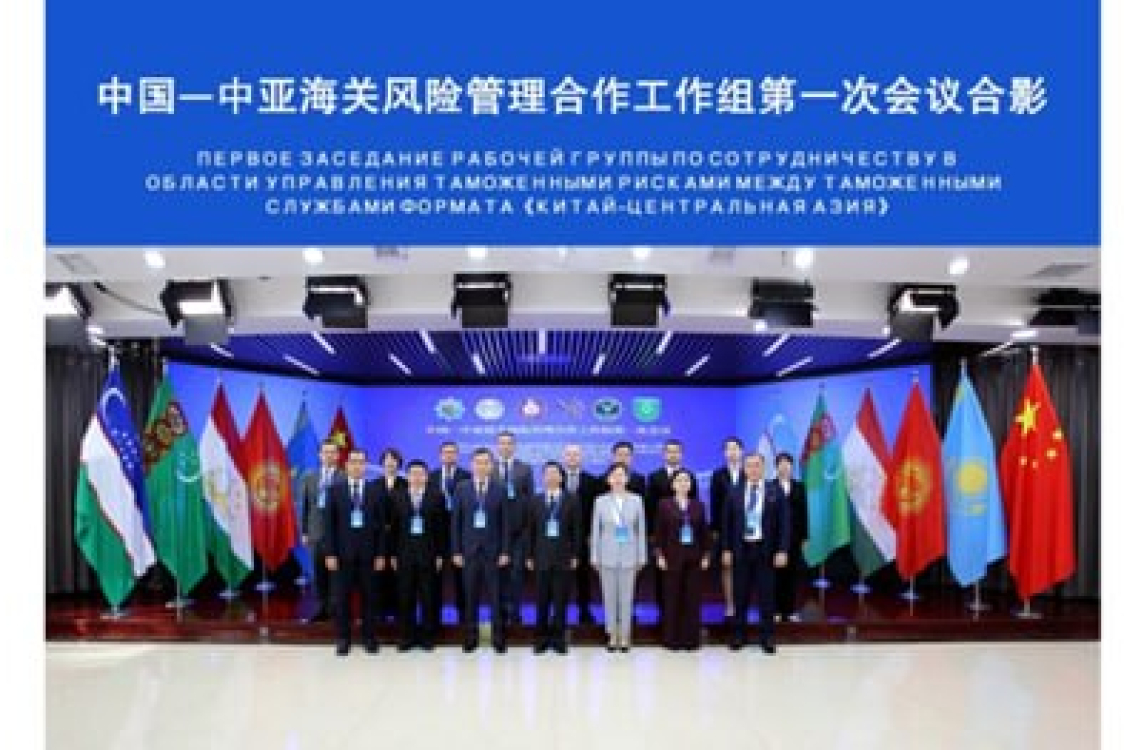
Turkmenistan is involved in the development of digital cooperation between customs services
25.09.2026The first meeting of the specialised Working Group on Cooperation between the Customs Services of Central Asian Countries and the People’s Republic of China took place in China on 15–17 September 2026. A delegation from the State Customs Service of Turkmenistan took part in the event, according to the press office of the State Customs Service of Turkmenistan. Representatives from China, Turkmenistan, Kazakhstan, Kyrgyzstan and Uzbekistan discussed the introduction of modern technologies into customs administration, including risk management, artificial intelligence and data analysis. One of the key outcomes of the meeting was the agreement on a draft ‘Cooperation Procedure’, providing for the operational exchange of information between customs services. The document is expected to be signed at the Third ‘China–Central Asia’ Summit in 2027. The parties also agreed to explore the possibility of launching a pilot data-sharing scheme. The next meeting of the Working Group is scheduled to take place in Kazakhstan. The Turkmen delegation’s participation as observers provided an opportunity to learn about international experience in the digitalisation of customs and approaches to modernising the national customs control system.
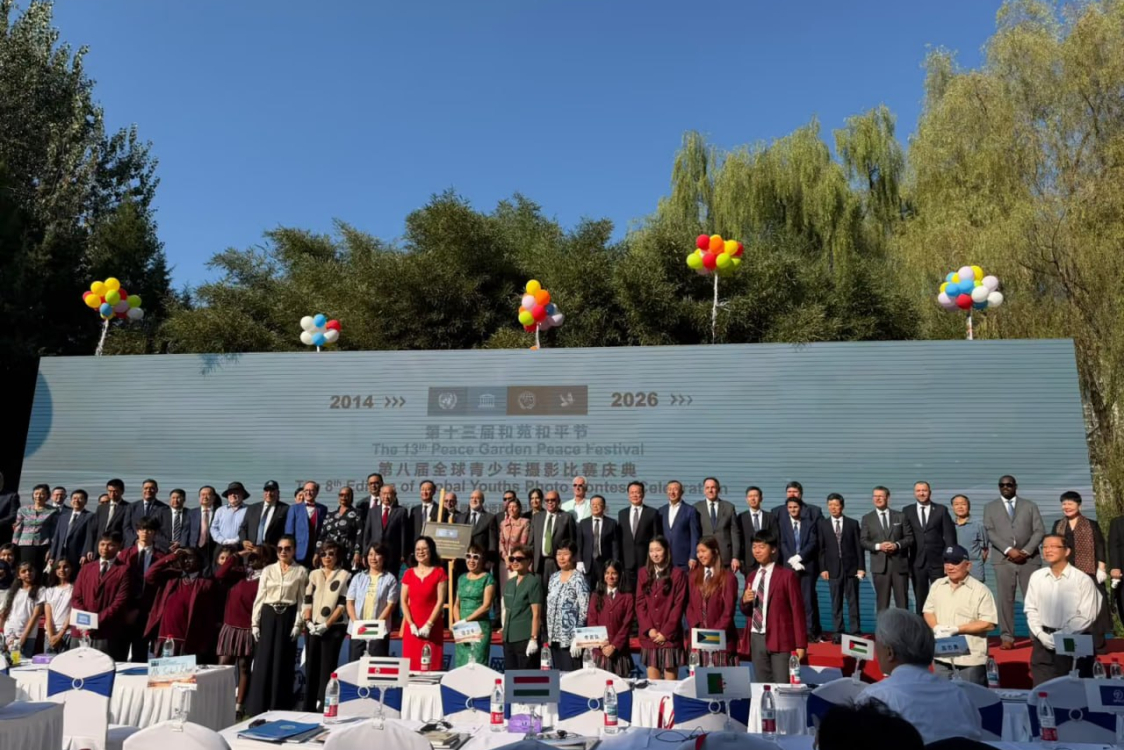
The Embassy of Turkmenistan presented an exhibition at the Peace Festival in Beijing
23.09.2026On 21 September, the 13th Peace Festival took place in Beijing, organised by the China International Peace Foundation and the Beijing International Peace Culture Foundation, with the participation of the embassies of Turkmenistan and Austria in China. This was reported by IIC of Turkmenistan. The event was attended by ambassadors and diplomats, representatives of international organisations, academics and other guests. Participants discussed issues relating to conflict resolution, global governance, intercultural dialogue, cultural exchanges, youth development and international humanitarian aid. The festival has been held annually since 2014. In 2022, the Beijing International Peace Culture Foundation became an official partner of UNESCO. During the event, Turkmenistan’s role in promoting peace and trust in cooperation with the UN was highlighted. Particular attention was paid to the resolution ‘Year of International Law, 2028’, initiated by Turkmenistan and adopted by the UN General Assembly by consensus. The document was adopted on 24 July 2026 without a vote. The Embassy of Turkmenistan in the People’s Republic of China presented a photographic exhibition dedicated to the 2026 motto ‘Independent Neutral Turkmenistan − the Homeland of Purposeful Winged Horses’, as well as an exhibition of folk and applied arts. The exhibition featured works by the National Leader of the Turkmen people, Chairman of the Halk Maslahaty of Turkmenistan Gurbanguly Berdimuhamedov and President of Turkmenistan Serdar Berdimuhamedov, including publications in Chinese, photographs of modern life in the country and its cultural and historical sites, national jewellery and other items reflecting Turkmenistan’s cultural heritage.
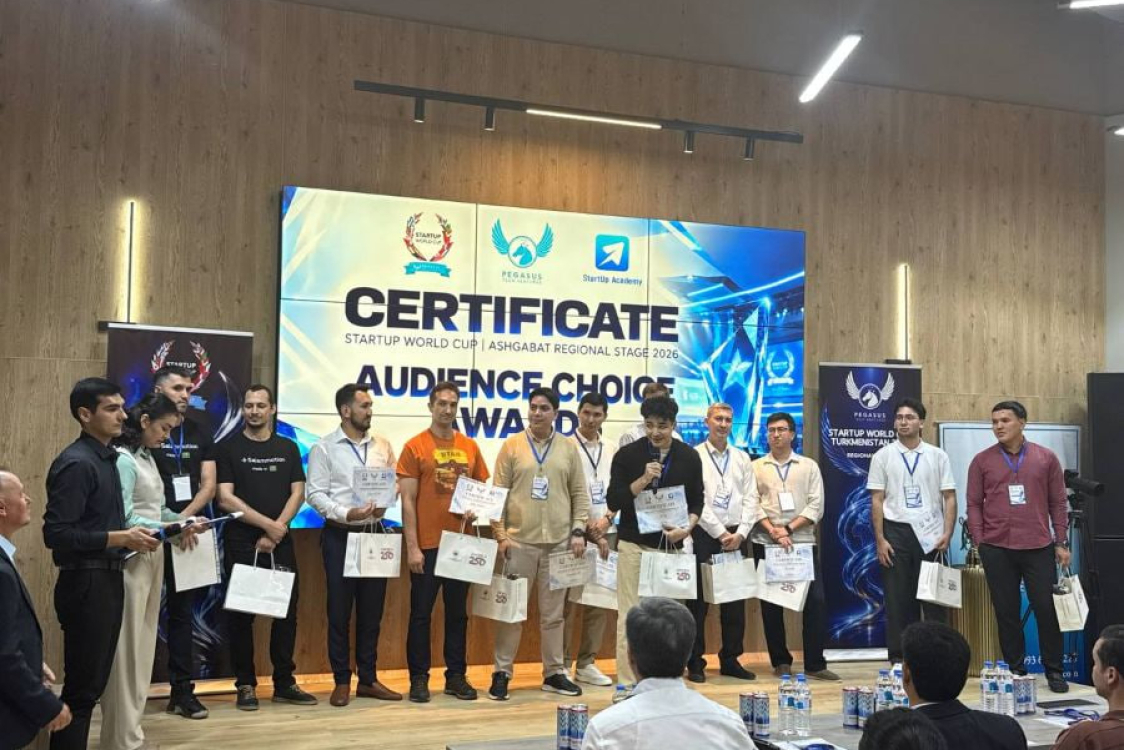
The Turkmen startup ‘SalamMotion’ has reached the final of the Startup World Cup 2026
21.09.2026On 19 September, the national selection round for the Startup World Cup 2026 international competition took place in Ashgabat. The winner was the start-up ‘SalamMotion’, which has developed a service for creating video content using artificial intelligence. The project will represent Turkmenistan in the competition’s final in the US, according to the Orient news agency. The final will take place on 4–6 November in San Francisco. More than 200 teams from around the world will take part. The top prize is US$1 million. A total of 51 applications were submitted to the competition. Twelve projects made it through to the pitch battle, where they presented their ideas in English. The judging panel included representatives from the BIZANGEL Business Angels Club and the US Embassy in Turkmenistan. The audience choice award went to the start-up ‘Elkitap’. Over 150 guests attended the event, including Kristin Hawkins, the US Chargé d’Affaires ad interim in Turkmenistan. Bill Reichert, Chief Evangelist at Startup World Cup and partner at Pegasus Tech Ventures, delivered a video message. The national selection round was organised by StartUp Academy, Turkmenistan’s first private start-up accelerator and the official regional partner of the Pegasus Tech Ventures fund.
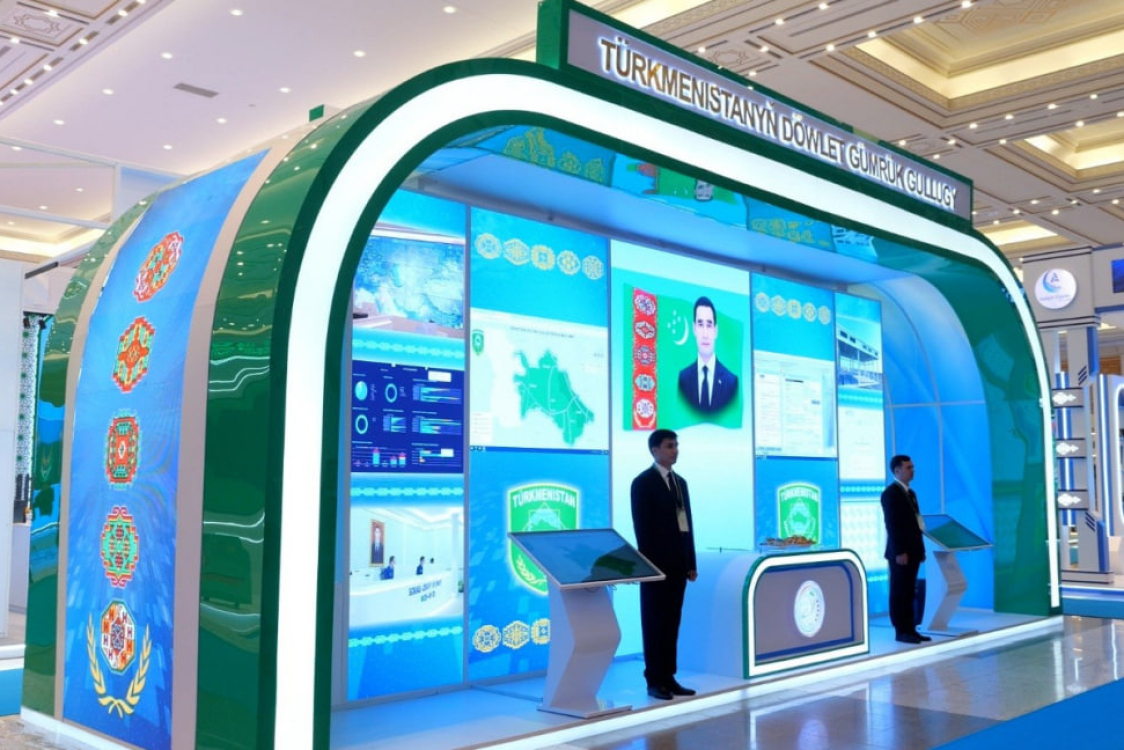
The customs service’s digital solutions were showcased at an exhibition in Ashgabat
21.09.2026From 17 to 19 September 2026, the Chamber of Commerce and Industry of Turkmenistan hosted an Exhibition of Economic Achievements to mark the 35th anniversary of the country’s independence. The State Customs Service of Turkmenistan presented a technology pavilion at the exhibition, dedicated to the modernisation of the customs system and the digitalisation of trade procedures, according to the press office of the agency. The exhibition featured the ‘Single Window’ electronic system and the electronic GPS monitoring system for transit freight. Interactive panels demonstrated how these technologies can speed up customs procedures, enhance the transparency of controls and enable real-time tracking of consignments. Joint projects with international partners were also showcased. The pavilion featured a consultation area where visitors could obtain information on customs clearance and business support services. The exhibition highlighted the State Customs Service’s activities aimed at developing the country’s transit and logistics potential and facilitating international trade.
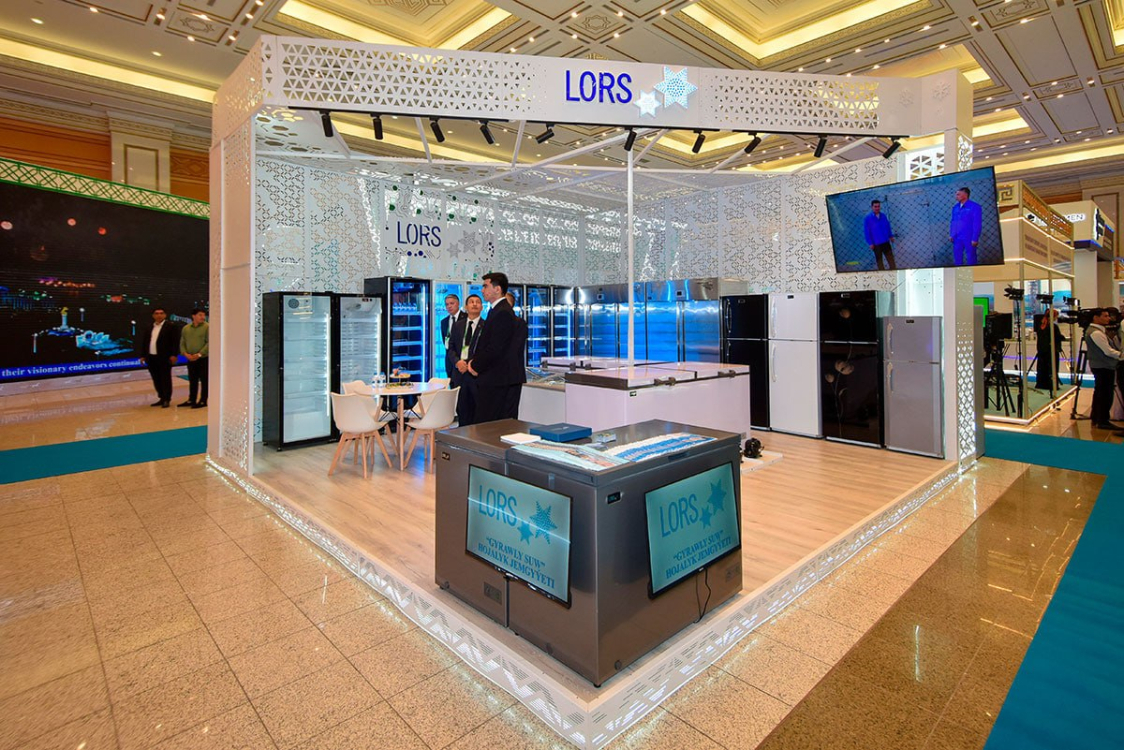
Uzbek entrepreneurs have shown interest in ‘LORS’ refrigerators from Turkmenistan
21.09.2026The ‘Gyrawly suw’ business association from the Mary velayat showcased refrigerators under the ‘LORS’ trademark at the Exhibition of Economic Achievements. The exhibition is being held to mark the 35th anniversary of Turkmenistan’s independence, according to the news agency ‘Turkmenistan: Golden age’. The company manufactures seven types of refrigeration equipment that meet international standards. The models vary in capacity and colour, with options featuring solid or glass doors. The appliances can be used both at home and in retail outlets for storing and displaying products. According to Akmuhammet Bayhanov, a representative of the ‘Gyrawly suw’ company, the company was the first in the country to establish production of refrigerators under the ‘LORS’ brand. ‘Since the launch, we have been striving to meet the domestic market’s demand for high-quality appliances,’ he said. Participation in the exhibition helped the company strengthen its position, find new partners and showcase its latest products to its compatriots. Entrepreneurs from Uzbekistan expressed an interest in wholesale supplies and reviewed the terms of purchase. To expand exports, the company plans to increase production to 300–400 units per month. Due to growing demand for shop refrigerators, the company intends to produce 10–20 such units per day. The company was founded in 2025. The factory is equipped with digital machinery from China and Iran. Leading specialists have undergone training abroad to automate production processes. Some of the chemical components are imported. The company sources polypropylene for the casings and insulating foam from local manufacturers. This reduces the production cost. Wholesale customers are offered a three-year warranty on all products.
A forum of the Association with the participation of foreign diasporas was held in Turkmenistan
20.09.2026A forum of the Humanitarian Association of Turkmen Worldwide was held at the Centre for Public Organisations of Turkmenistan. Delegates from all regions of the country and representatives of overseas diasporas took part, according to IIC of Turkmenistan. Following the performance of the national anthem, the Association’s Executive Secretary, Rejep Bazarov, read out a welcoming address from the President of Turkmenistan, Serdar Berdimuhamedov. The delegates heard a report on the work carried out and discussed the Organisation’s objectives. Representatives of overseas branches from Germany, Afghanistan, the United Arab Emirates and Turkey spoke about supporting their compatriots and preserving their native language and traditions abroad. Outstanding members of the Association were presented with certificates of honour. The forum concluded with a message of gratitude addressed to the President of Turkmenistan. Before the event began, participants laid flowers at the Monument to Independence of Turkmenistan. An exhibition of national heritage was presented in the foyer, featuring museum artefacts and works by masters of applied arts.
Turkmen migration experts took part in an OSCE seminar in Bari
20.09.2026Representatives of the State Migration Service of Turkmenistan took part in the 42nd training seminar on border management for senior staff. The seminar took place in the Italian city of Bari, according to IIC of Turkmenistan. The seminar was organised by the OSCE Border Management Staff College (BMSC). It was attended by specialists from various countries and international organisations. The programme was designed to enhance the professional skills of senior officials. Participants studied international standards for integrated border management, as well as methods of strategic planning, risk assessment and crisis management. In addition, they discussed inter-agency cooperation, the modernisation of border control procedures and the implementation of best practices in the field of migration security.
In Turkmenistan, ‘CROPWAT’ has been adapted to arid conditions
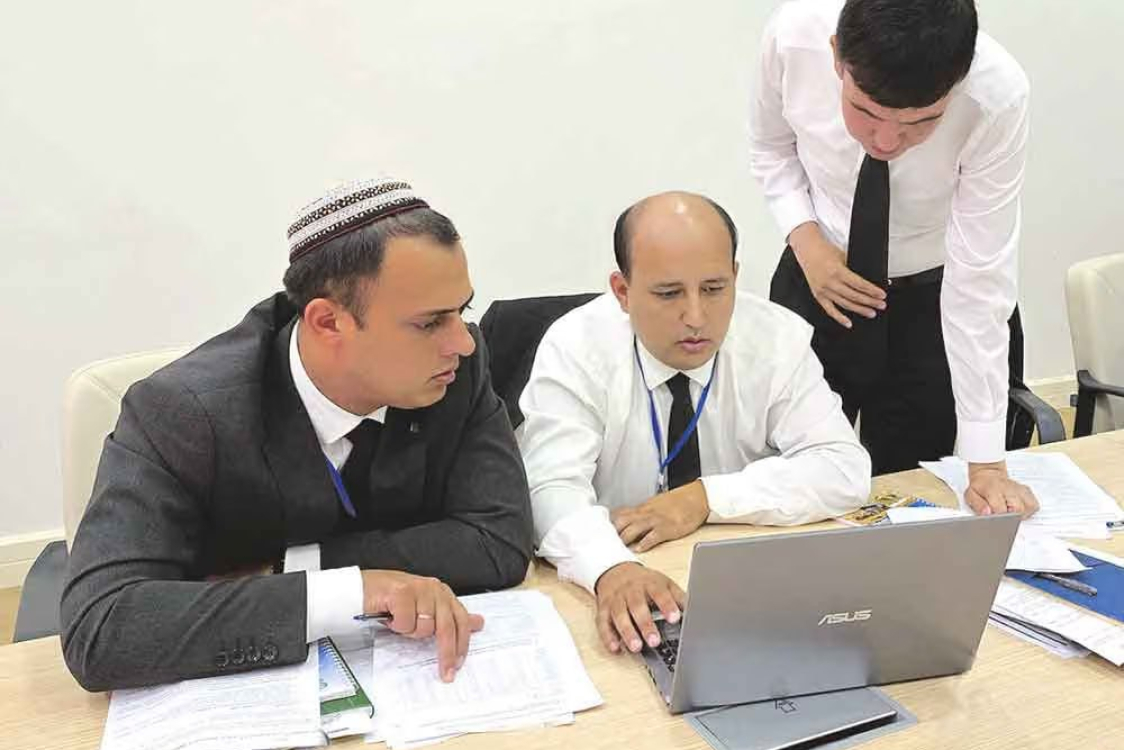
19.09.2026The Food and Agriculture Organisation of the United Nations (FAO)’s ‘CROPWAT’ programme was presented at the UN building in Ashgabat. It enables the calculation of crop irrigation regimes under conditions of climate change, according to IIC of Turkmenistan. The event took place as part of a joint project between the Government of Turkmenistan, UNDP and the GEF on water and land resource management in the Aral Sea basin. The methodology has been adapted to the arid conditions of the Saparmyrat Turkmenbashi etrap in Dashoguz velayat. Local agronomists and engineers will now be able to calculate crop water requirements rather than relying on approximate estimates. Participants discussed combating secondary soil salinisation, hydromodular zoning and the role of protective forest strips. At the end of the event, certificates were awarded to specialists who had successfully completed the training on the digital tool.
Ashgabat marked the conferral of an honorary title on Serdar Berdimuhamedov
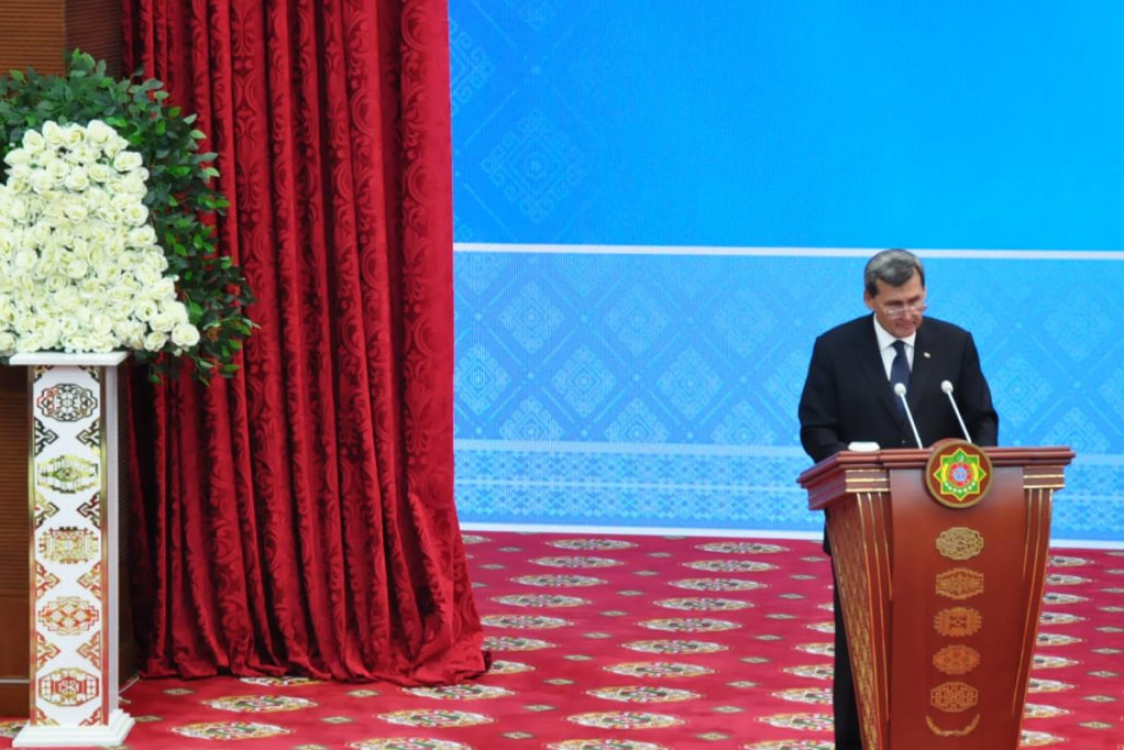
19.09.2026On 18 September 2026, a conference was held at the Institute of International Relations of the Foreign Affairs Ministry of Turkmenistan to mark the conferral of the title of ‘Honorary Doctor of Political Science’ from Sungkyunkwan University in the Republic of Korea upon the President of Turkmenistan, Serdar Berdimuhamedov. This was reported by the press office of the Foreign Affairs Ministry of Turkmenistan. The event was attended by representatives of the Ministry of Foreign Affairs, the Ministry of Education, the Academy of Sciences of Turkmenistan, higher education institutions, the academic community, the diplomatic corps, the media and students. Rashid Meredov, Deputy Foreign Affairs Minister of Turkmenistan, delivered a welcoming address. The Foreign Affairs Ministry highlighted the significance of the honorary title and the contribution of the President of Turkmenistan to the country’s development and international cooperation. Participants emphasised the event’s role in further strengthening the partnership between Turkmenistan and the Republic of Korea in the fields of science, education, digitalisation and workforce development. As part of the conference, a thematic exhibition was held, dedicated to Turkmenistan’s achievements in the fields of science and education and the development of international relations. Following the event, the participants adopted an Address to the President of Turkmenistan, Serdar Berdimuhamedov.
Turkmenistan showcased its Ahal-Teke horses at the Red Crescent forum in Istanbul
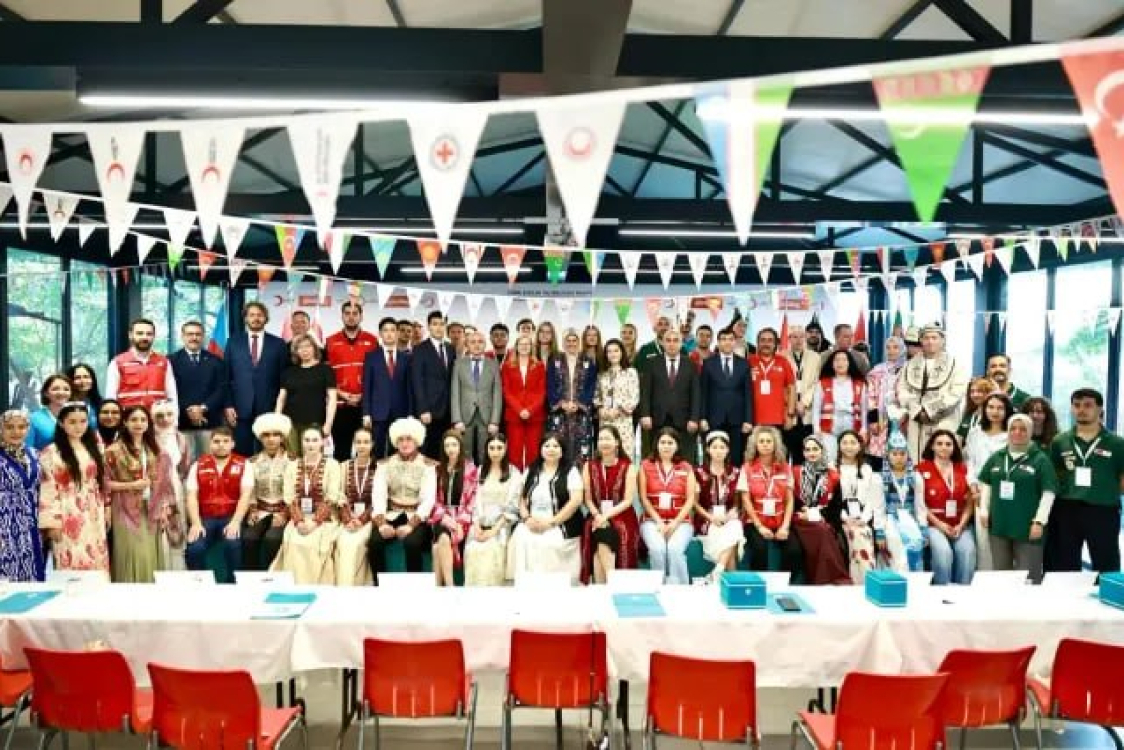
19.09.2026Representatives of the National Red Crescent Society of Turkmenistan (NRCS) took part in the 2nd Volunteer Camp and experience-sharing programme organised by the Turkic Red Network (TRN) Secretariat with the support of the Turkish Red Crescent. This was reported by the news website Turkmenportal. Representatives from Kazakhstan, Turkmenistan, Hungary, Cyprus, Kyrgyzstan, Uzbekistan, Azerbaijan and Turkey took part in the events. The NRCS delegation comprised three volunteers from the Balkan and Lebap velayats and Ashgabat, as well as two staff members of the organisation. The volunteer camp took place from 31 August to 5 September on Heybeliada Island, whilst the experience-sharing programme ran from 6 to 12 September in Istanbul. The camp was aimed at developing the volunteers’ leadership skills and strengthening cooperation between national societies. The programme included seminars and practical sessions on providing assistance during emergencies. As part of the practical exercises, an earthquake simulation was carried out: participants, who had been assigned roles in advance, administered first aid, worked in the emergency response centre, pitched tents and organised meals for those affected. In the evenings, the delegations showcased the national culture and traditions of their countries, as well as the activities of their national Red Crescent Societies. The Turkmenistan delegation gave a presentation on Ahal-Teke horses, timed to coincide with the Year of ‘Independent Neutral Turkmenistan − the Homeland of Purposeful Winged Horses’ and the 35th anniversary of the country’s independence. The experience-sharing programme in Istanbul was designed for staff of national societies and included practical training in emergency preparedness and response, as well as the exchange of expertise in the areas of volunteering, disaster risk reduction and strengthening community resilience.
Turkmenistan and ‘Daewoo E&C’ have signed a memorandum on the Karakum Canal
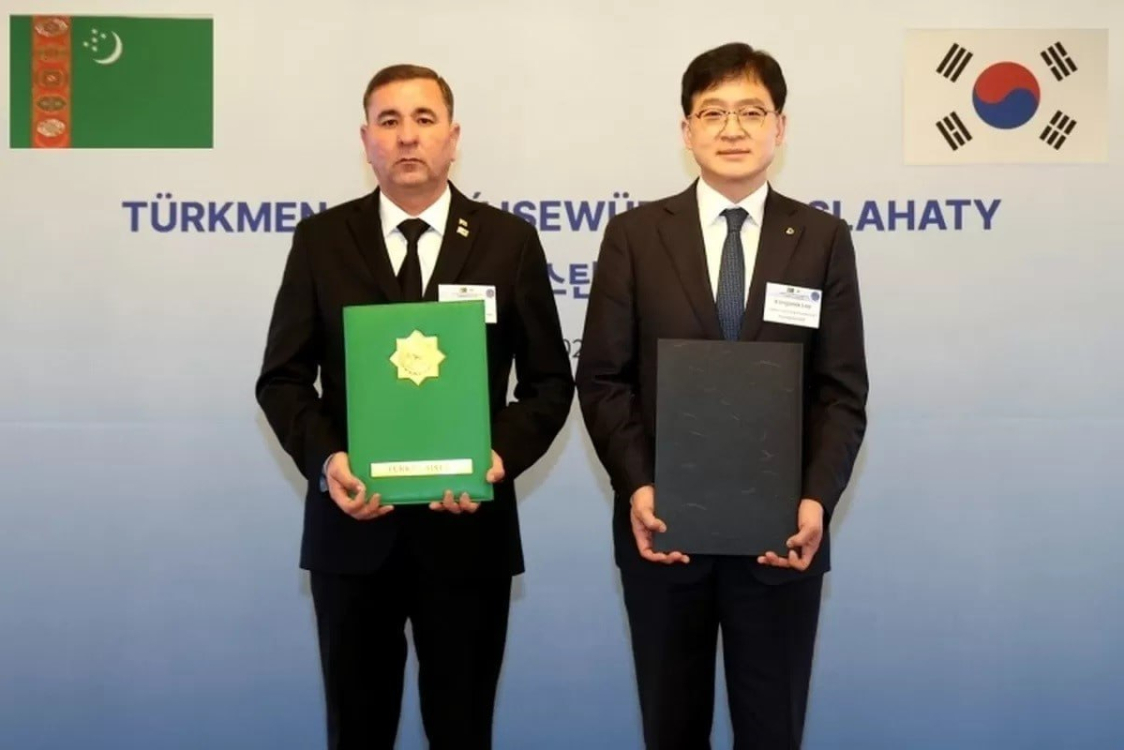
19.09.2026The South Korean construction and engineering company ‘Daewoo E&C’ intends to expand its operations in the Turkmen market by offering solutions in the fields of water management and environmental infrastructure. This was reported by the Orient news agency. On the sidelines of the Turkmen-Korean Business Forum in Seoul, ‘Daewoo E&C’ CEO Lee Kang-seok and the Chairman of Turkmenistan’s State Committee for Water Management, Durdy Genjiev, signed a Memorandum of Understanding on cooperation in the project to modernise the Karakum Canal. The signing took place following on from agreements reached during the state visit by the President of Turkmenistan, Serdar Berdimuhamedov, to the Republic of Korea, when the parties agreed on the introduction of South Korean water-saving technologies. ‘Daewoo E&C’ is considering the possibility of participating in the reconstruction of a section of the canal approximately 250 kilometres long. The Karakum Canal is an irrigation artery approximately 1,100 kilometres long, running from east to west across Turkmenistan from the Amu Darya and supplying water to the country’s agriculture, industry and settlements. The company’s entry into the Turkmen market is linked to the plans of ‘Daewoo E&C’ Chairman, Jung Won-Ju, to develop business in Central Asia with Turkmenistan as a base. Since 2023, he has visited Ashgabat on several occasions for negotiations with the country’s leadership and ministries. In May last year, ‘Daewoo E&C’ signed a contract worth $784 million with the State Concern ‘Türkmenhimiýa’ to build a mineral fertiliser plant in Turkmenabat with an annual capacity of 350,000 tonnes of phosphate fertiliser and 100,000 tonnes of ammonium sulphate. According to the South Korean publication Insight.co.kr, the company also hopes to participate in projects involving the construction of petrochemical complexes, the development of gas fields, and the expansion of the railway network and urban infrastructure. ‘Daewoo E&C’ notes that the agreements reached form the basis for the company’s continued involvement in the modernisation of Turkmenistan’s infrastructure.
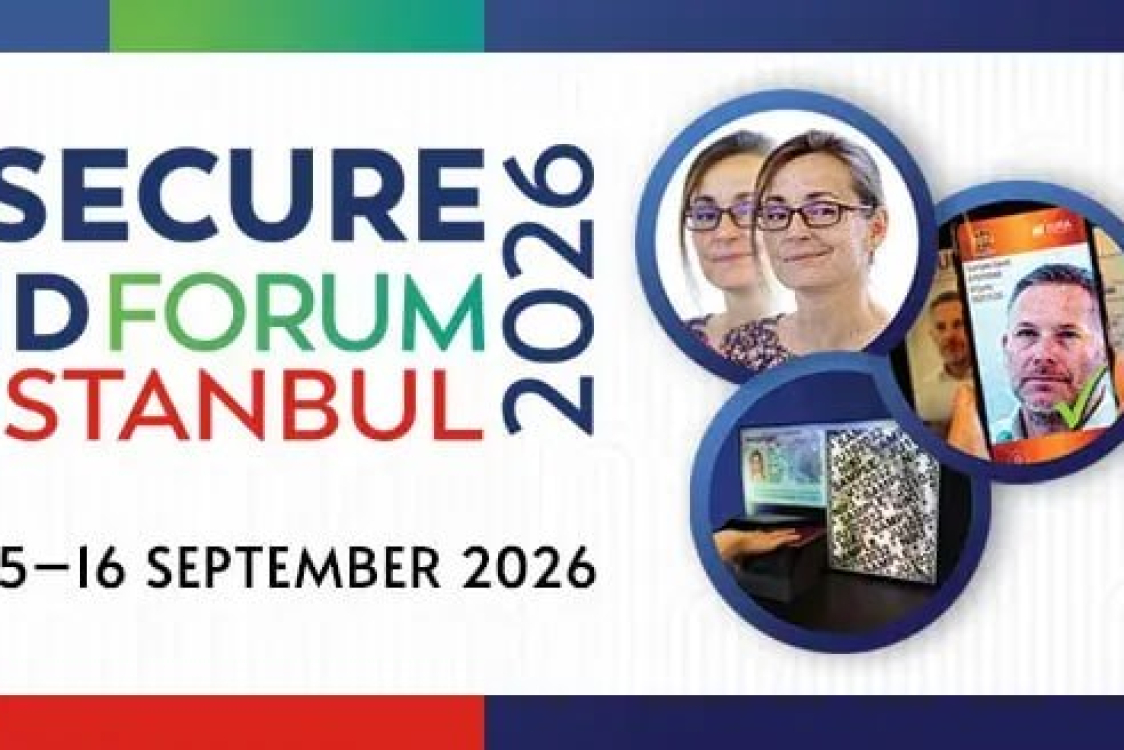
Turkmenistan took part in the ‘Secure ID 2026’ forum in Istanbul
19.09.2026The international forum ‘Secure ID 2026’ – one of the world’s leading events in the field of biometrics, electronic documents and border control systems – took place in Istanbul on 15–16 September. This was reported by the press office of the Migration Service of Turkmenistan. The forum was attended by representatives from a number of foreign countries and regional organisations, as well as a delegation from the State Migration Service of Turkmenistan. The forum’s programme covered issues relating to the introduction of digital identity cards and electronic passports, the modernisation of border control systems and electronic visas, biometric security, the application of artificial intelligence and cybersecurity. Participants noted that work is underway in the field of migration to introduce high-tech methods. An international exhibition was also held as part of the forum, showcasing international best practice and the latest equipment for identity verification and border security.
Read also
Advertising
 Read us in Zen


