


Society
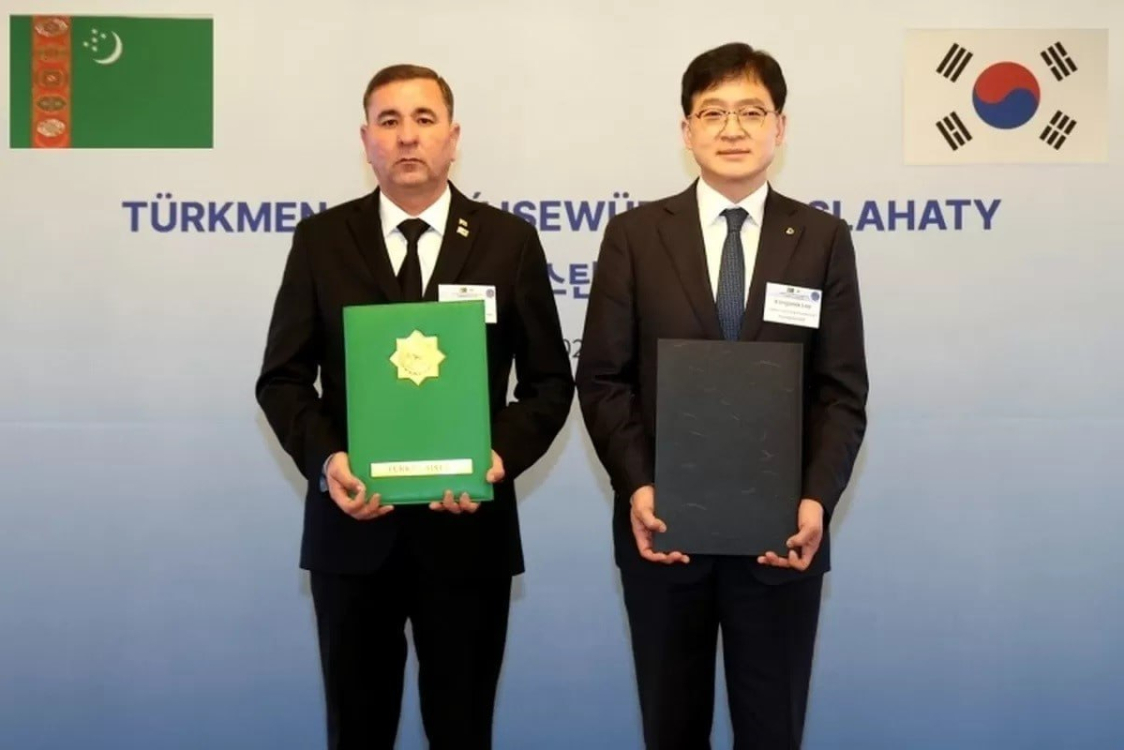
Turkmenistan and ‘Daewoo E&C’ have signed a memorandum on the Karakum Canal
19.09.2026The South Korean construction and engineering company ‘Daewoo E&C’ intends to expand its operations in the Turkmen market by offering solutions in the fields of water management and environmental infrastructure. This was reported by the Orient news agency. On the sidelines of the Turkmen-Korean Business Forum in Seoul, ‘Daewoo E&C’ CEO Lee Kang-seok and the Chairman of Turkmenistan’s State Committee for Water Management, Durdy Genjiev, signed a Memorandum of Understanding on cooperation in the project to modernise the Karakum Canal. The signing took place following on from agreements reached during the state visit by the President of Turkmenistan, Serdar Berdimuhamedov, to the Republic of Korea, when the parties agreed on the introduction of South Korean water-saving technologies. ‘Daewoo E&C’ is considering the possibility of participating in the reconstruction of a section of the canal approximately 250 kilometres long. The Karakum Canal is an irrigation artery approximately 1,100 kilometres long, running from east to west across Turkmenistan from the Amu Darya and supplying water to the country’s agriculture, industry and settlements. The company’s entry into the Turkmen market is linked to the plans of ‘Daewoo E&C’ Chairman, Jung Won-Ju, to develop business in Central Asia with Turkmenistan as a base. Since 2023, he has visited Ashgabat on several occasions for negotiations with the country’s leadership and ministries. In May last year, ‘Daewoo E&C’ signed a contract worth $784 million with the State Concern ‘Türkmenhimiýa’ to build a mineral fertiliser plant in Turkmenabat with an annual capacity of 350,000 tonnes of phosphate fertiliser and 100,000 tonnes of ammonium sulphate. According to the South Korean publication Insight.co.kr, the company also hopes to participate in projects involving the construction of petrochemical complexes, the development of gas fields, and the expansion of the railway network and urban infrastructure. ‘Daewoo E&C’ notes that the agreements reached form the basis for the company’s continued involvement in the modernisation of Turkmenistan’s infrastructure.
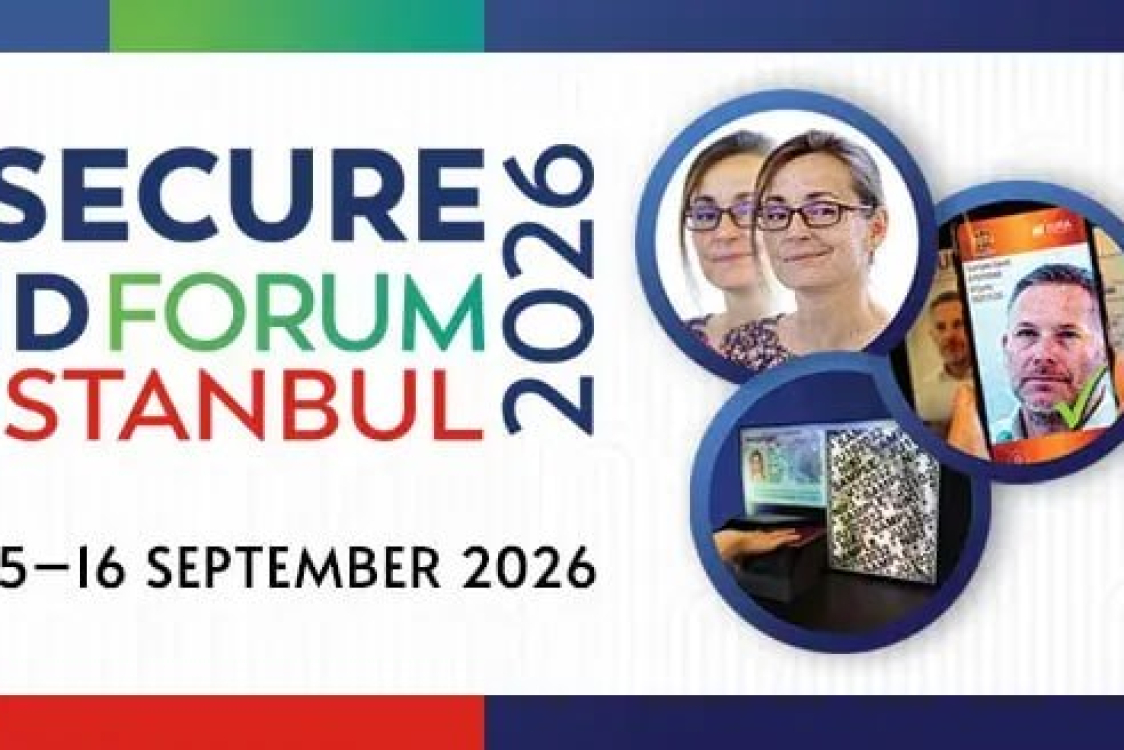
Turkmenistan took part in the ‘Secure ID 2026’ forum in Istanbul
19.09.2026The international forum ‘Secure ID 2026’ – one of the world’s leading events in the field of biometrics, electronic documents and border control systems – took place in Istanbul on 15–16 September. This was reported by the press office of the Migration Service of Turkmenistan. The forum was attended by representatives from a number of foreign countries and regional organisations, as well as a delegation from the State Migration Service of Turkmenistan. The forum’s programme covered issues relating to the introduction of digital identity cards and electronic passports, the modernisation of border control systems and electronic visas, biometric security, the application of artificial intelligence and cybersecurity. Participants noted that work is underway in the field of migration to introduce high-tech methods. An international exhibition was also held as part of the forum, showcasing international best practice and the latest equipment for identity verification and border security.
Representatives from Turkmenistan studied border management practices in Bari
19.09.2026The 42nd training seminar on border management for senior officials, organised by the OSCE Border Management Staff College (BMSC), took place in Bari (Italy). This was reported by the press office of the State Migration Service of Turkmenistan. The event was attended by representatives from a number of foreign states and international organisations, including the State Migration Service of Turkmenistan. The programme was designed to enhance the professional skills of senior officials, examine international standards for integrated border management, and explore methodologies for strategic planning, risk assessment and crisis management. Participants discussed issues relating to inter-agency cooperation, the modernisation of control procedures and the application of global best practices in the field of migration and border security. The participation of representatives from the State Migration Service of Turkmenistan in international conferences and forums on migration issues reflects the country’s growing international cooperation in this field.
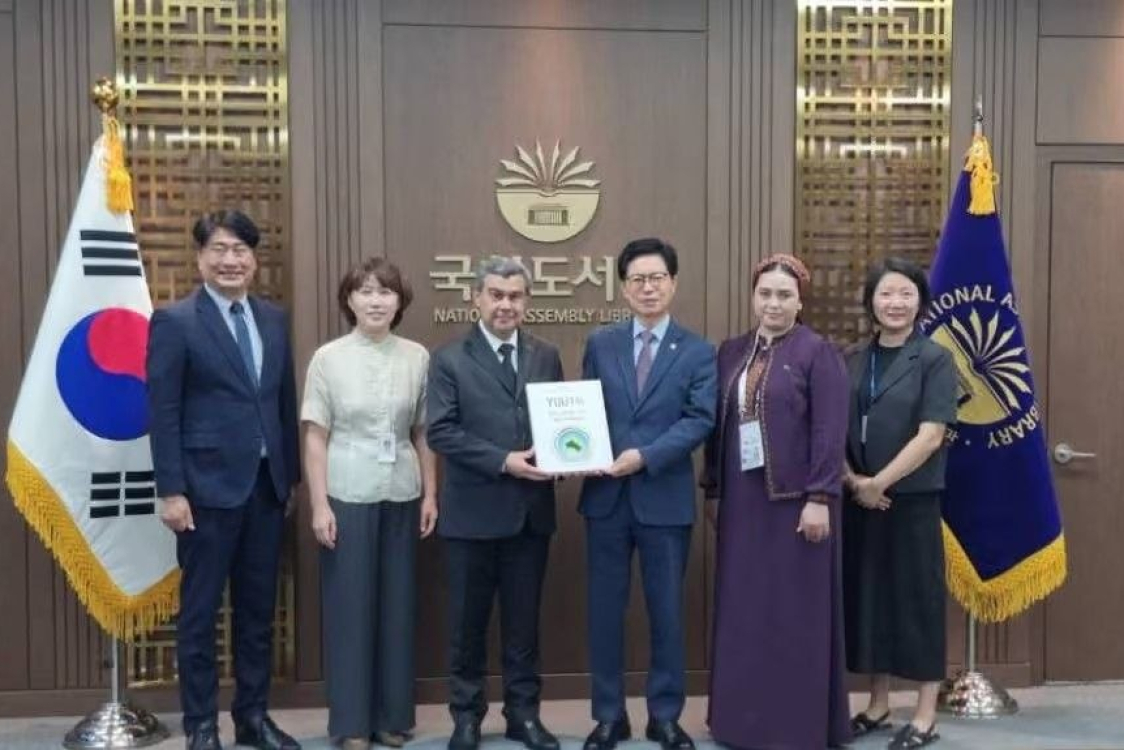
Turkmenistan and Sungkyunkwan University have signed a memorandum of cooperation
19.09.2026In the Republic of Korea, as part of the state visit by the President of Turkmenistan, Serdar Berdimuhamedov, a meeting took place between the Minister of Education of Turkmenistan, J. Gurbangeldiyev, and the President of Sungkyunkwan University, Yoo Ji-beom. This was reported by the IIC of Turkmenistan. The parties discussed strengthening their partnership in the field of education and the implementation of joint initiatives. The Memorandum of Understanding signed with Sungkyunkwan University during the visit laid the legal foundation for the development of inter-university ties. Particular attention was paid to cooperation in the field of digital technologies and expanding access to information. It was noted that young people and students from Turkmenistan and the Republic of Korea take part in international competitions, conferences and exhibitions. The parties proposed integrating Sungkyunkwan University’s 600-year-old academic traditions with fields of science such as artificial intelligence, new energy and modern engineering. This involves launching long-term projects, expanding academic exchanges and intensifying joint scientific activities.
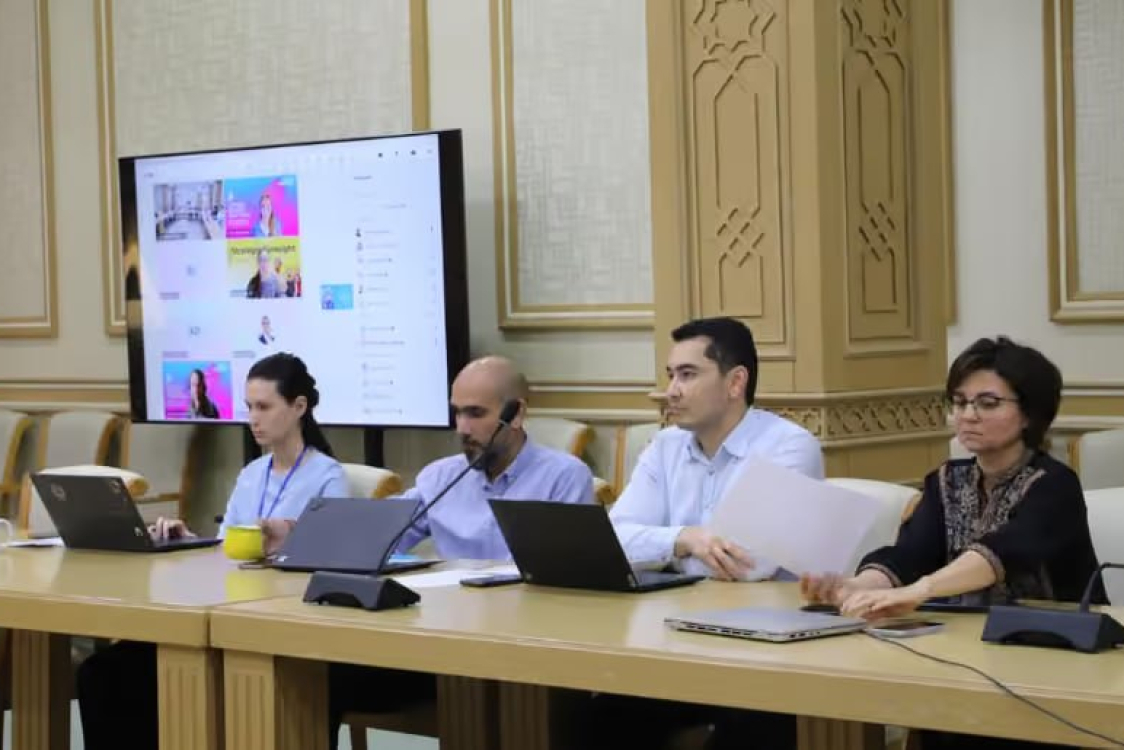
The UN in Turkmenistan was the first in the world to apply the G-PESTLE methodology
18.09.2026The UN Country Team in Turkmenistan was the first among the organisation’s missions worldwide to trial the G-PESTLE strategic forecasting methodology, developed by UN Women. This was reported by the IIC. A training session was held in Ashgabat, attended by representatives of UN agencies and international experts. Participants studied approaches to analysing future trends and making decisions, taking into account the principles of gender equality and inclusivity. The methodology enables the assessment of political, economic, social, technological, legal and environmental changes and their impact on various population groups, including women, young people and people with disabilities. During the practical sessions, participants examined the consequences of climate change, water scarcity, labour market transformation and the development of digital technologies. The next stage will be the creation of a G-PESTLE checklist. It is planned to be used when updating the UN’s country analysis, monitoring trends and developing joint programmes in Turkmenistan.
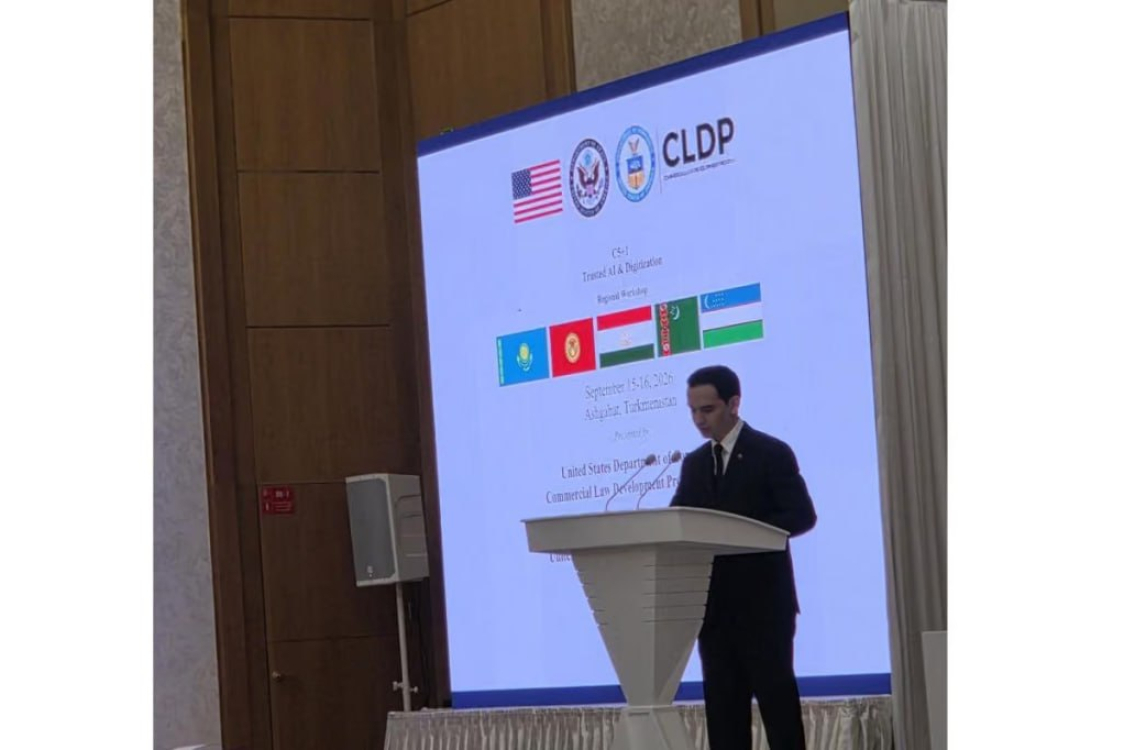
The C5+1 seminar on digital technologies has concluded in Ashgabat
18.09.2026A two-day ‘C5+1’ seminar in Ashgabat, focusing on artificial intelligence, digital technologies, cyber security and information and communications infrastructure, has come to a close. This was reported by the IIC of Turkmenistan. The event, held with the support of the Ministry of Foreign Affairs of Turkmenistan, brought together representatives of government bodies from Central Asian countries and the USA, as well as international companies and experts. Participants discussed the implementation of digital solutions, enhancing the resilience and security of networks, and the protection of critical information infrastructure. Particular attention was paid to the application of artificial intelligence, the development of satellite communications, radio spectrum management and the establishment of data centres. During the seminar, the delegations exchanged experiences, explored opportunities for attracting investment in technology projects and discussed further areas of cooperation.
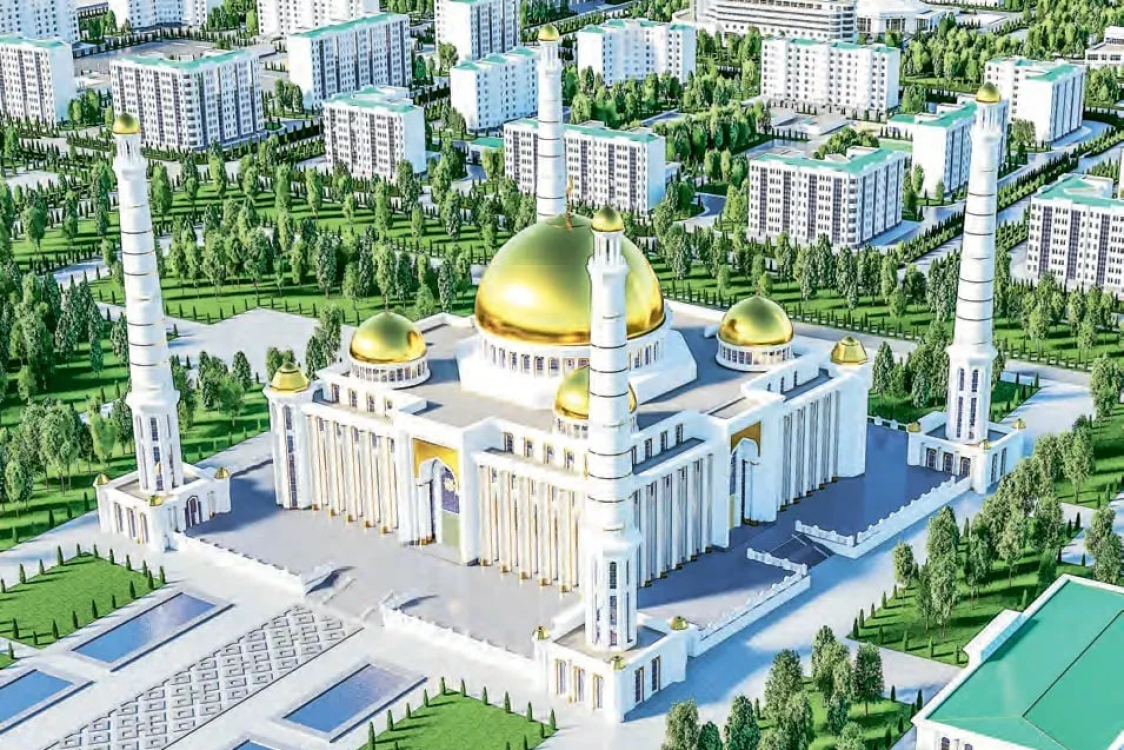
Turkmenistan is developing a spiritual and educational environment in the city of Arkadag
18.09.2026The construction of the mosque in the city of Arkadag is one of the most notable projects in the emerging architectural and spiritual landscape of the new city. The scale of the project, its location and the development of educational infrastructure in the vicinity mean that the future mosque can be viewed not only as a religious building, but also as part of a broader process of shaping the urban environment. The mosque, designed to accommodate 30,000 people, has been named ‘Arkadagyň ruhy metjidi’. The decision on the name has been registered by the Ministry of Justice in accordance with the established procedure. The madrasah located nearby is an equally important component. It is intended to provide facilities for teaching, staff accommodation and student accommodation and leisure. The areas of study and the content of the educational programmes are also being considered. The design of the madrasah provides for the use of modern equipment and the incorporation of international best practice in the field of Islamic education. This combination of religious and educational spaces is significant for the very character of the new city. The city of Arkadag continues to take shape as a comprehensive urban environment, where public, cultural, educational and spiritual facilities are integrated into a single architectural concept. Furthermore, particular attention is being paid to combining modern architectural solutions and cutting-edge technologies with the traditions of national architecture. This principle takes on special significance for the future mosque: the building must blend harmoniously into the city’s architectural ensemble, whilst preserving the characteristic elements of religious and national architecture. The progress of construction and the development of the city of Arkadag are regularly reviewed during working visits by the National Leader of the Turkmen people and Chairman of the Halk Maslahaty of Turkmenistan, Gurbanguly Berdimuhamedov. During these working visits, Hero Arkadag familiarises himself with the pace of project implementation, architectural solutions and the plans drawn up for new facilities. In addition, Turkmenistan is also carrying out a project to build a mosque in Fizuli, Azerbaijan, which is being constructed as a gift to the brotherly people. Its construction is also ongoing. The mosque in Fizuli has a capacity of 500 people and is being built on a site covering more than one hectare. The construction of the mosque has become one of the specific projects linking the architectural development of the two states. Thus, from the overall urban development plan to specific solutions regarding architecture, urban improvements and educational infrastructure, the city of Arkadag continues to take shape as a unified space in which the future mosque is set to occupy a prominent place.
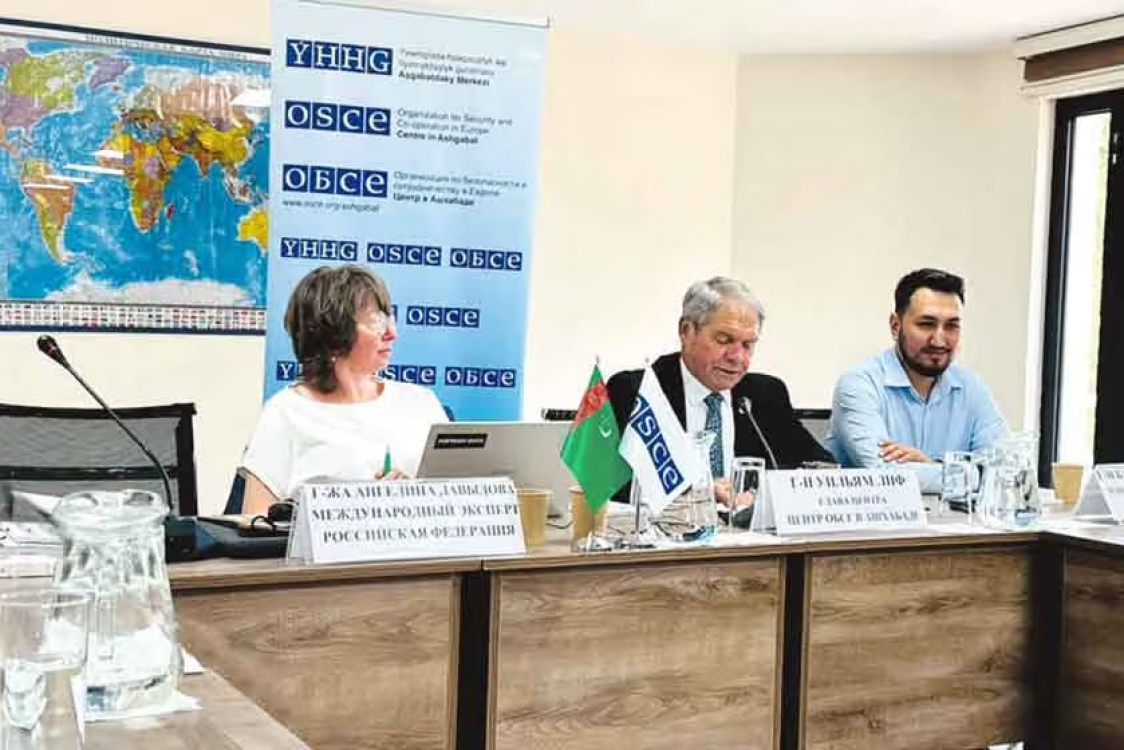
A training course on environmental journalism for the media was held in Ashgabat
17.09.2026A two-day training session for representatives of the national media on covering environmental issues was held at the OSCE Centre in Ashgabat, according to IIC of Turkmenistan. The event was attended by staff from state media, television and leading online media platforms. The Head of the OSCE Centre, Ambassador William Leaf, delivered a welcome address, noting that the modern security ecosystem is directly linked to the state of the environment and the public’s access to reliable information. Participants studied a practical guide to environmental journalism published by UNESCO and the OSCE Representative on Freedom of the Media. Under the guidance of expert Angelina Davydova, they discussed international trends and developed media projects in small groups. A separate section of the programme was devoted to the application of artificial intelligence in newsroom work, the ethical aspects of its use and countering misinformation. Media trainer Marat Sadykov and AI implementation expert Batyr Rejepov introduced the journalists to the tools Gemini Notebook, ChatGPT and Typeless, which enable the processing of large data sets, the transcription of audio recordings and the structuring of content. The experts emphasised that artificial intelligence can only act as an assistant, whilst the responsibility for fact-checking, analysis and writing style remains with the journalist.
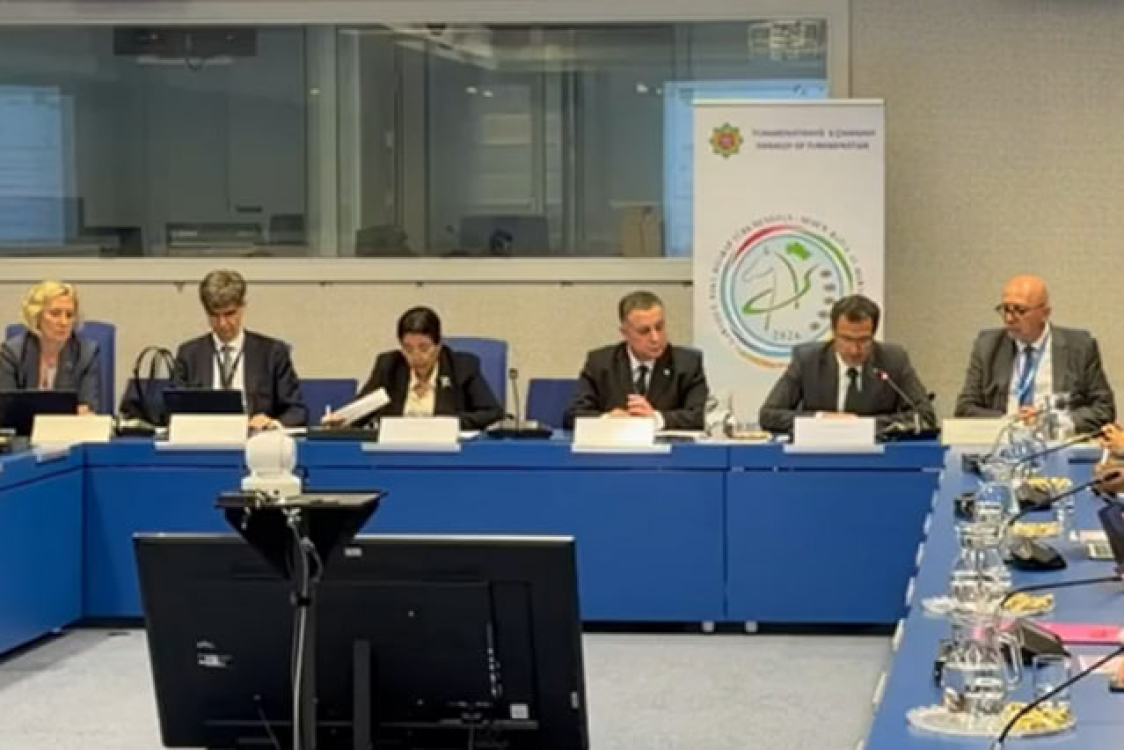
Turkmenistan presented the potential of nuclear science for LLDCs in Vienna
17.09.2026On 14 September 2026, in Vienna, as part of the 70th session of the IAEA General Conference, a side event entitled ‘Atoms for LLDCs: From Commitment to Action – Nuclear Science for the Implementation of the Awaza Programme of Action’ was held, organised by the Permanent Mission of Turkmenistan to the IAEA. This was reported by the press service of the Foreign Affairs Ministry of Turkmenistan. Participants discussed the application of nuclear science and technology for the advancement of healthcare and sustainable development in landlocked developing countries. IAEA Deputy Director General and Head of the Department of Nuclear Sciences and Applications, Najat Mokhtar, and Azat Ovezov, Deputy Minister of Health and Medical Industry of Turkmenistan, emphasised the need to develop infrastructure, introduce modern technologies and train specialists in the field of cancer prevention and treatment. Issues relating to radiotherapy, nuclear medicine, medical physics, cancer care planning and staff training were also discussed. Particular attention was paid to the IAEA’s Technical Cooperation Programme, PACT and the ‘Rays of Hope’ initiative. Following the meeting, the importance of international partnership, investment and capacity-building for the implementation of the Awaza Action Programme and for expanding LLDCs’ access to the peaceful uses of nuclear science and technology was emphasised. The 70th session of the IAEA General Conference will continue in Vienna until 18 September 2026.
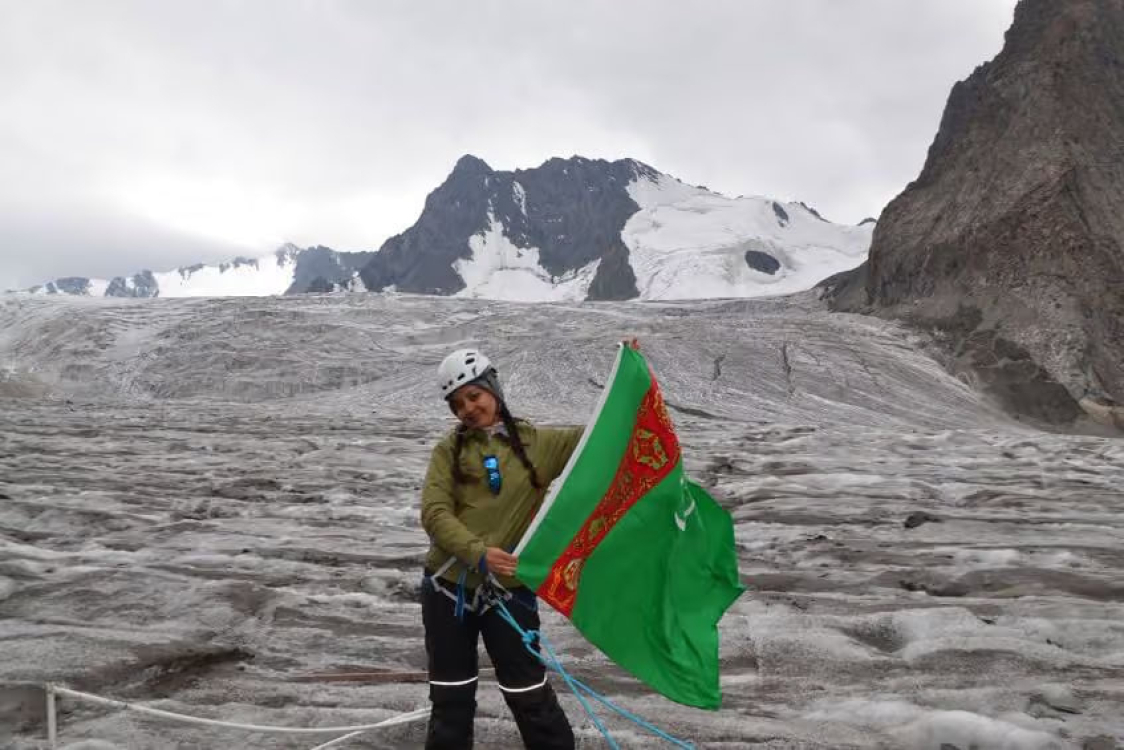
The flag of Turkmenistan was raised at an altitude of 3,300 metres
17.09.2026The flag of Turkmenistan was raised on the Golubin Glacier in the Ala-Archa Gorge at an altitude of 3,300 metres above sea level. The ascent was timed to coincide with the 35th anniversary of the country’s independence, according to the IIC of Turkmenistan. The event was organised by Dinara Begliyeva, a postgraduate student at the Kazakh-German University, as part of an international research programme on climate change and water resource conservation in Central Asia.
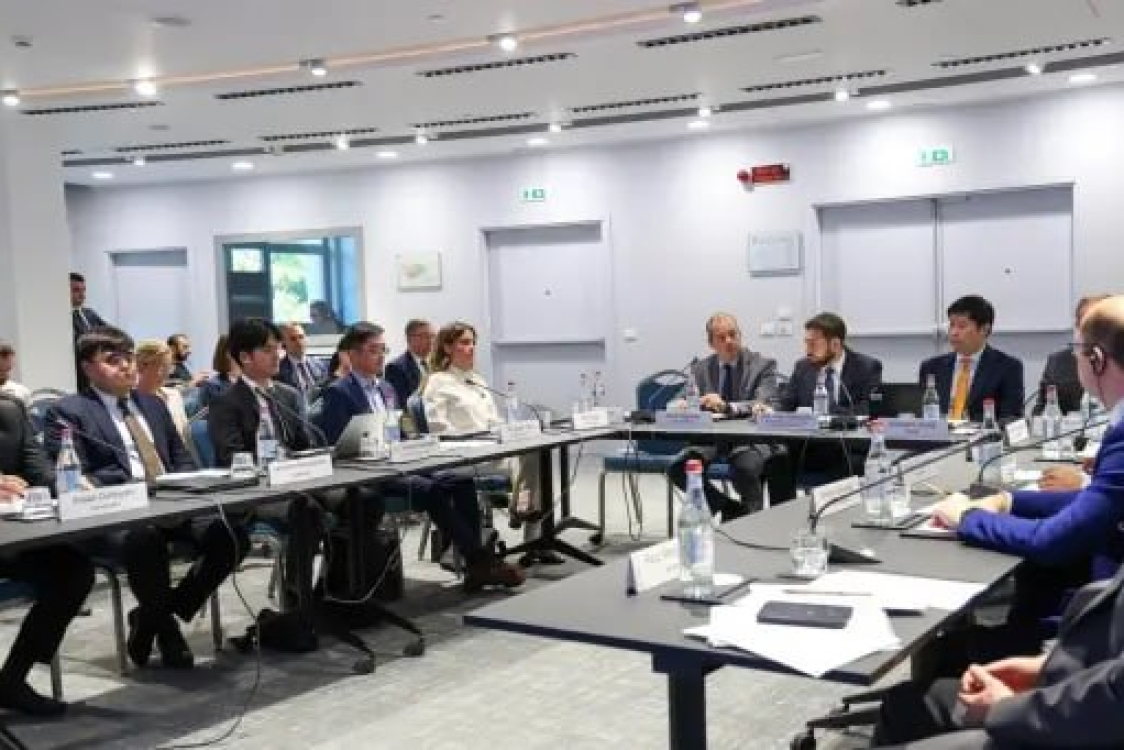
Turkmenistan took part in a transport seminar in Yerevan
17.09.2026Representatives from Turkmenistan took part in a seminar entitled ‘Promoting Sustainable Transport Corridors to Strengthen Inter-Regional and Intra-Regional Connectivity’. The two-day event took place on 14–15 September in Yerevan, according to the news website Turkmenportal. The seminar was organised by the Ministry of Foreign Affairs and International Trade of the Republic of Armenia and the United Nations Economic and Social Commission for Asia and the Pacific (ESCAP). The event was attended by representatives of member states’ governments, transport operators, the private sector, academia, international organisations and development partners. Participants exchanged experiences and discussed common challenges in the development of transport corridors. They also examined practical approaches to enhancing their efficiency, sustainability and environmental friendliness.
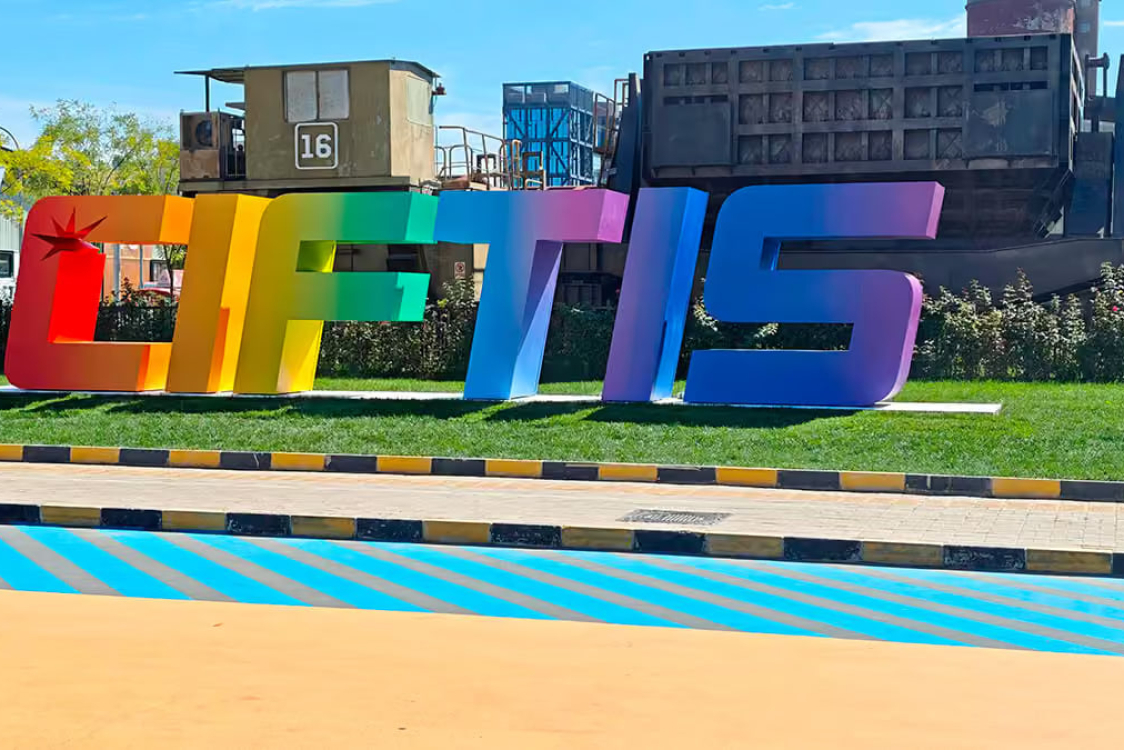
Representatives of the Turkmen media are learning about modern media technologies in China
16.09.2026Representatives of the Turkmen media are taking part in the China International Press Communication Centre (CIPCC) 2026 international training programme, which is being held in China from September to December. The programme combines theoretical sessions, Chinese language lessons and practical training in modern media technologies, according to the IIC. The programme was officially launched on 8 September. During the first few days, participants attended a lecture by Li Yunhui, a research fellow at the Chinese Academy of Sciences, on the national characteristics of the People’s Republic of China, strategic partnerships with regions and the workings of modern media. The programme also featured a lecture by Zhao Ping, head of China Global Television Network (CGTN), on the application of artificial intelligence in the development of the media industry and international communications. The students visited the 11th ‘Colourful World’ cultural exhibition as part of the China International Fair for Trade in Services (CIFTIS) and took part in the international event ‘East Meets West: Charming Beijing’. In addition, they attended practical Chinese language classes focused on everyday communication.
Read also
Advertising

 Read us in Zen


