



Education
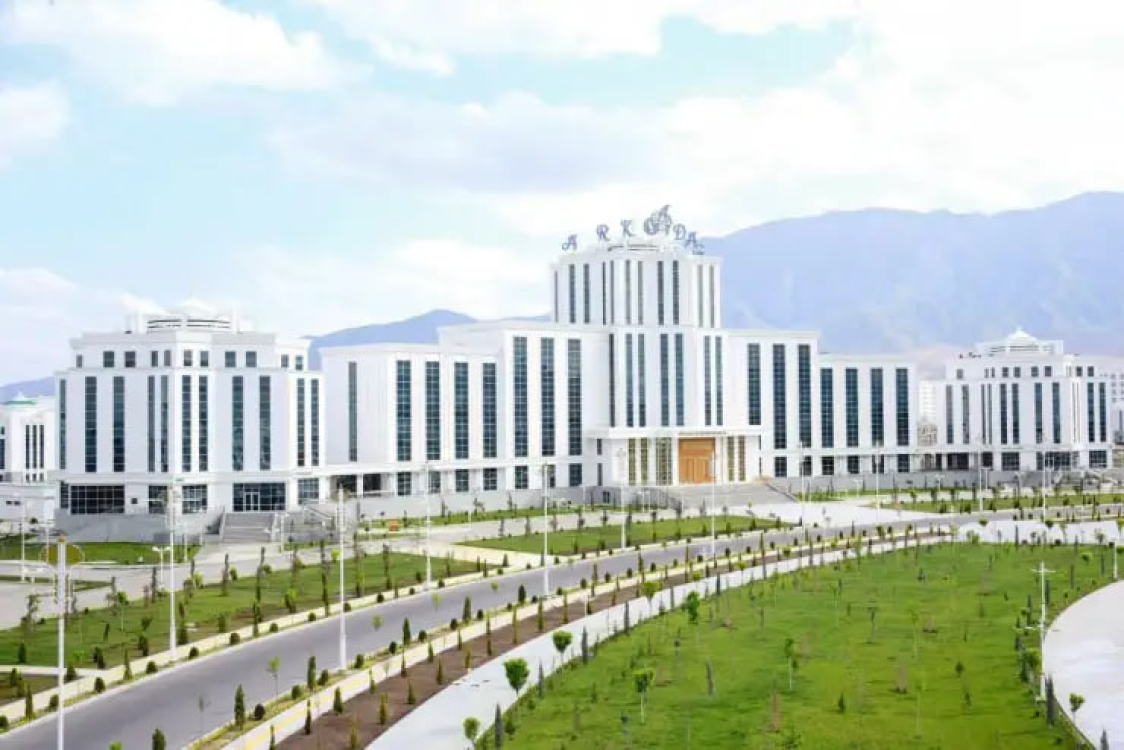
The city of Arkadag will host a joint lesson with university students and schoolchildren
31.08.2026On 2 September, a joint lesson with students and schoolchildren from Turkmenistan will take place at the ‘Ruhyýet’ Palace in Arkadag. The event will be attended by the National Leader of the Turkmen people and Chairman of the Halk Maslahaty of Turkmenistan, Gurbanguly Berdimuhamedov. This was announced by the President of Turkmenistan, Serdar Berdimuhamedov, at a meeting of the Cabinet of Ministers, reports TDH. The event is timed to coincide with Knowledge and Student Youth Day and the start of the new academic year. Heads of institutions have been instructed to carry out the necessary organisational work at the universities under their supervision. President Serdar Berdimuhamedov emphasised the need to further develop the education system and equip young people with up-to-date knowledge. The Head of State also congratulated education workers and young people on the start of the new academic year.
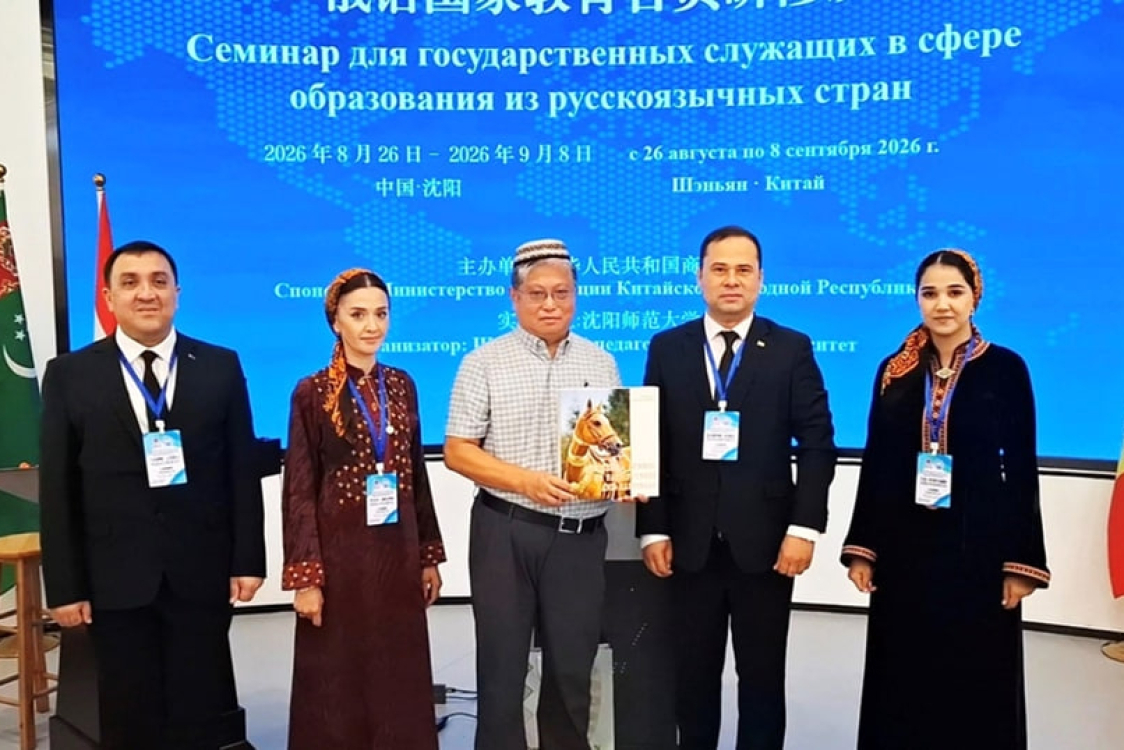
Representatives from Turkmenistan are taking part in an international seminar in China
30.08.2026From 26 August to 8 September 2026, Shenyang Normal University (PRC) is hosting an international seminar for civil servants in the education sector from Russian-speaking countries, with representatives from Turkmenistan taking part. This was reported by the press office of the Ministry of Education of Turkmenistan. The programme focuses on China’s experience in education management, reform and digitalisation. Participants are studying issues relating to the modernisation of university management, the development of leadership skills, intercultural communication and the concept of the ‘smart campus’. The programme also includes work placements at educational institutions in Liaoning Province, a visit to Xiamen University and the Shenzhen Innovation Centre. Participants are learning about the practice of collaboration between science, education and industry, as well as support mechanisms for technology start-ups.
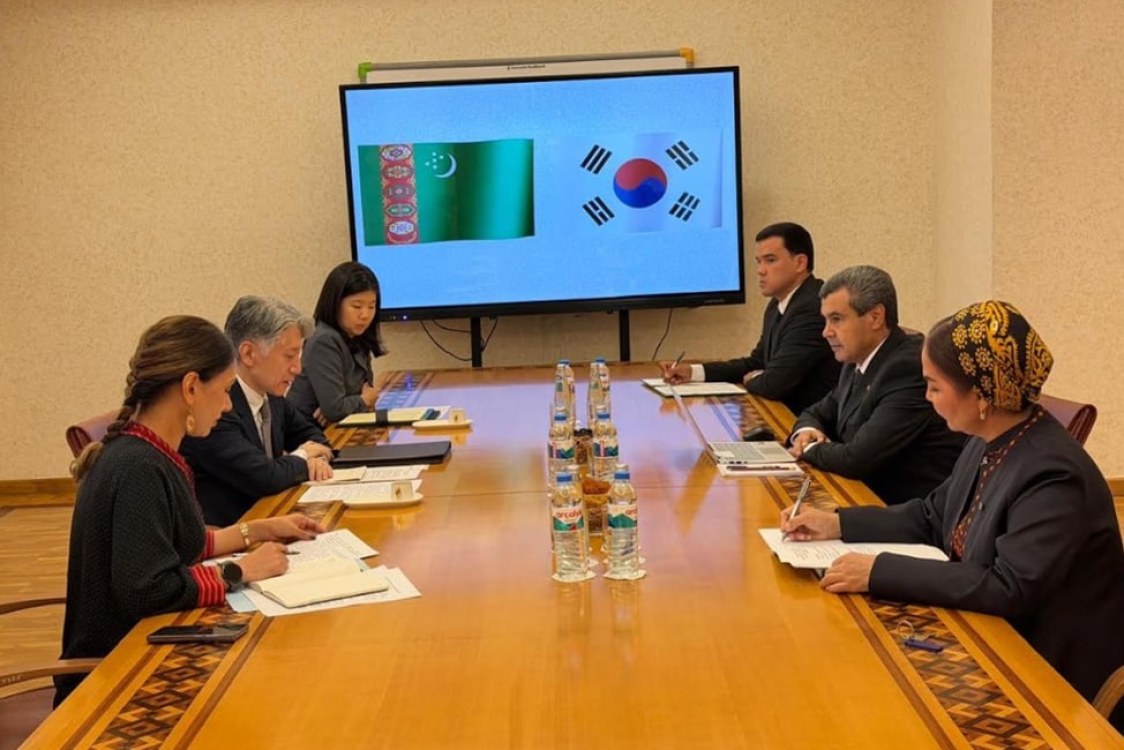
Turkmenistan and the Republic of Korea are developing cooperation in the field of education
29.08.2026On 28 August 2026, the Minister of Education of Turkmenistan, J. Gurbangeldiyev, met with the newly appointed Ambassador Extraordinary and Plenipotentiary of the Republic of Korea to Turkmenistan, Lee Won-jae. The parties discussed prospects for cooperation in the field of education. This was reported by the press office of the Ministry of Education of Turkmenistan. At present, around 20 agreements and memoranda of understanding have been concluded between the two countries. It is planned to sign new documents during the First ‘Central Asia–Republic of Korea’ Summit in Seoul in September. The parties also discussed Korean language studies, student exchanges and cooperation between the Dovletmammet Azadi Turkmen National Institute of World Languages and Kangwon National University. In July, six students from the Turkmen institute undertook an internship in Korea, whilst eight Korean students undertook an internship in Turkmenistan. A further three students have been sent to Kangwon National University for a year-long course of study. The meeting examined new areas of cooperation, including preparation for international Olympiads, academic publications, digital education and the Korean side’s participation in an international exhibition and academic conference in Ashgabat. Discussions also covered the modernisation of the infrastructure at the Magtymguly Turkmen State University in 2026 and the Dovletmammet Azadi Turkmen National Institute of World Languages in 2027, as part of the Korean Ministry of Foreign Affairs’ small grants programme.
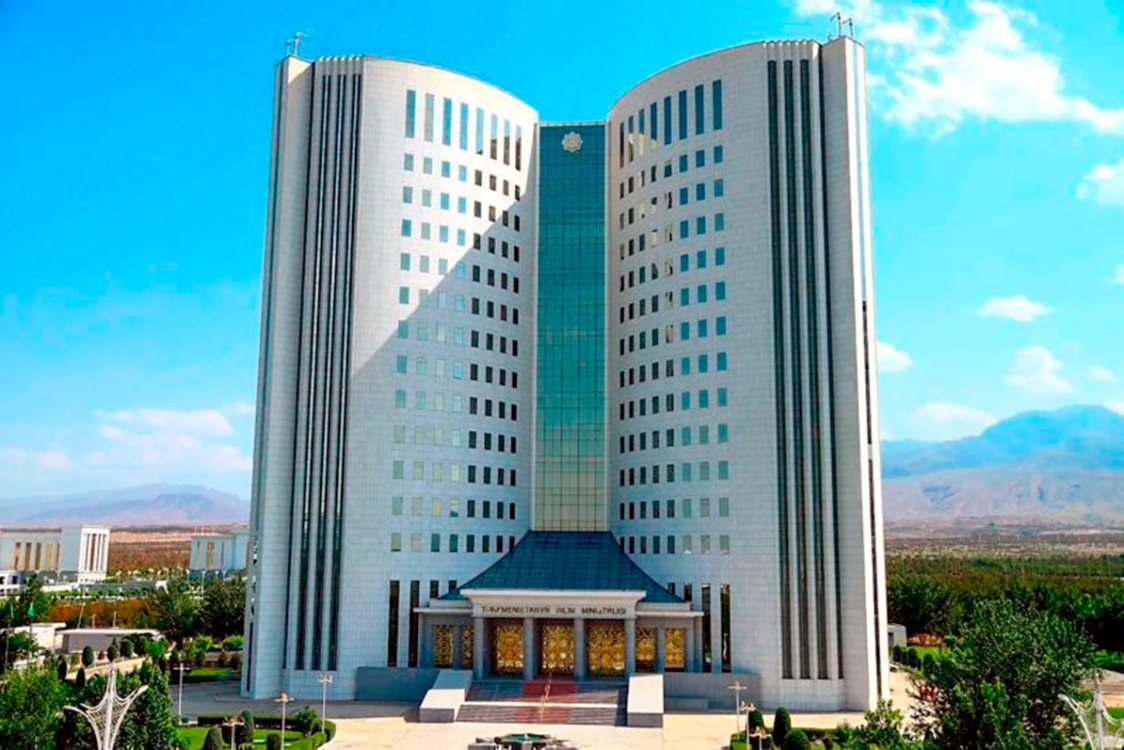
Turkmenistan is expanding the use of AI in the education system
29.08.2026A regulatory framework for the use of artificial intelligence (AI) in education is being established in Turkmenistan. The work involves the development of a National AI Strategy, state programmes and new educational standards, according to the news agency ‘Turkmenistan: Golden age’. In early 2026, the President of Turkmenistan, Serdar Berdimuhamedov, instructed that work begin on establishing a regulatory framework for AI. The Ministry of Communications, in collaboration with international experts from the UNDP, is developing the National AI Strategy. In addition, the State Programme for the Development of the Digital Economy for 2026–2028 is being implemented, and an AI Development Centre is being established at the ‘Turkmentelekom’ telecommunications company. The basis for the introduction of AI is provided by the Law of Turkmenistan ‘On Education’, the Concept for the Development of the Digital Economy for 2026–2028 and the corresponding State Programme. These documents provide for the use of digital technologies, including AI, in the public sector and in education. The experience of CIS countries and the European Union is being studied as part of the development of national regulations. In particular, the provisions of the European AI Act are being examined, including the classification of AI systems by risk level, transparency requirements and the protection of users’ rights. Work is also underway on technical regulations for AI products, copyright issues, the protection of personal data and the allocation of powers amongst state bodies in the area of overseeing the use of AI. In May 2026, a draft National Strategy for Turkmenistan in the field of AI was prepared in collaboration with the UNDP. In July, the country proposed developing, under the auspices of the UN, an International Code on the Peaceful Use of AI for Digital Trust in Diplomacy. The practical application of AI has already begun in certain sectors. Since June 2026, the State Customs Service has been using AI technologies to automatically calculate customs duties. In education, the main areas of digital transformation have been identified. These include providing educational institutions with high-speed internet and modern technology, improving AI literacy amongst teachers and students, developing AI systems that support the Turkmen language, and strengthening the protection of personal data. In 2026, a delegation from the Ministry of Education held negotiations with OpenAI at the World Education Forum in London. The parties discussed the use of AI for data analysis and personalised learning, as well as improving the AI literacy of students and teachers. From the 2026/2027 academic year, new national educational standards for training specialists in the field of AI will be introduced. A Bachelor’s degree programme in ‘Artificial Intelligence and Expert Systems’ has been launched at the International University of Industrialists and Entrepreneurs, and a specialisation in ‘Artificial Intelligence and Data Analysis’ has been introduced at the Polytechnic Secondary Specialised Educational Institution of the Ministry of Communications. Turkmenistan is also studying South Korea’s experience in training AI professionals and is testing adaptive learning platforms for mathematics and AI tools for managing the quality of education in collaboration with UNESCO bodies.
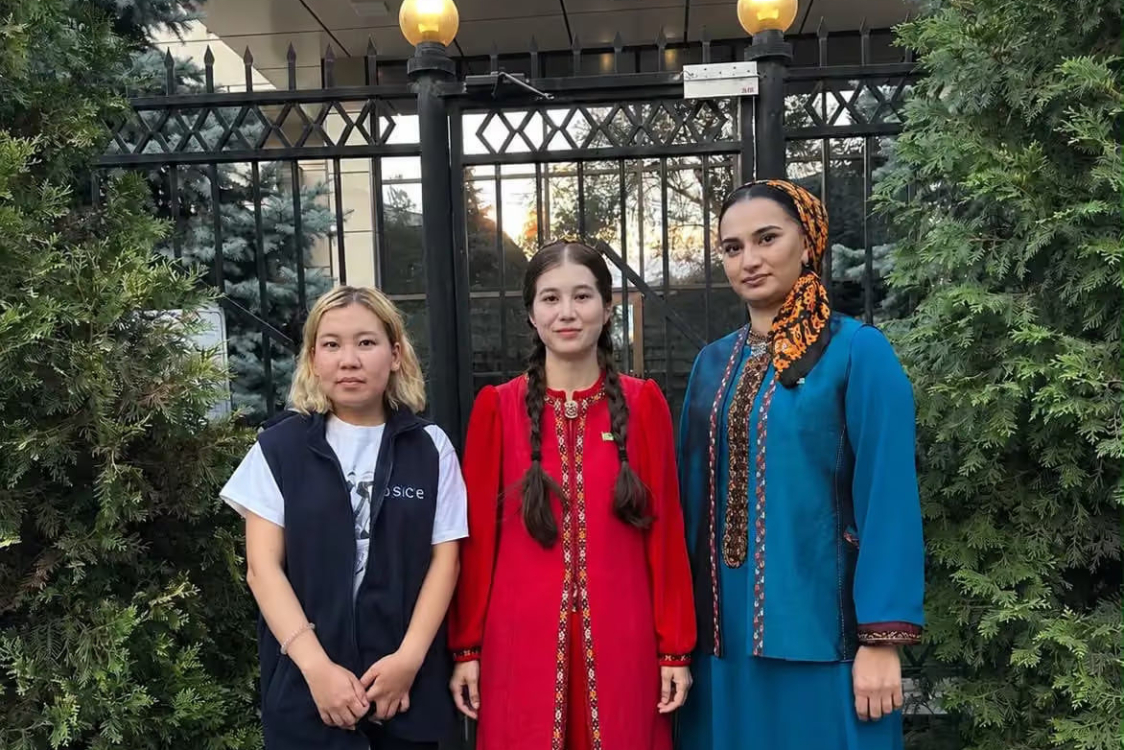
Representatives from the Medical University of Turkmenistan completed the OSCE programme
28.08.2026Representatives from the Myrat Garryev State Medical University of Turkmenistan took part in the regional summer training programme ‘Climate-Youth-Mountains’. The event took place from 16 to 22 August in the Issyk-Kul region and was organised by the Organisation for Security and Co-operation in Europe (OSCE), according to IIC. Participants from Central Asian countries attended lectures, discussions and practical workshops on environmental protection, the conservation of mountain ecosystems, climate change and youth participation in addressing environmental challenges. Representatives from the Turkmen university presented their own initiatives in the field of environmental well-being in the region. At the conclusion of the programme, participants were awarded certificates. The university noted that the event had fostered regional cooperation and the exchange of international expertise in the field of ecology.
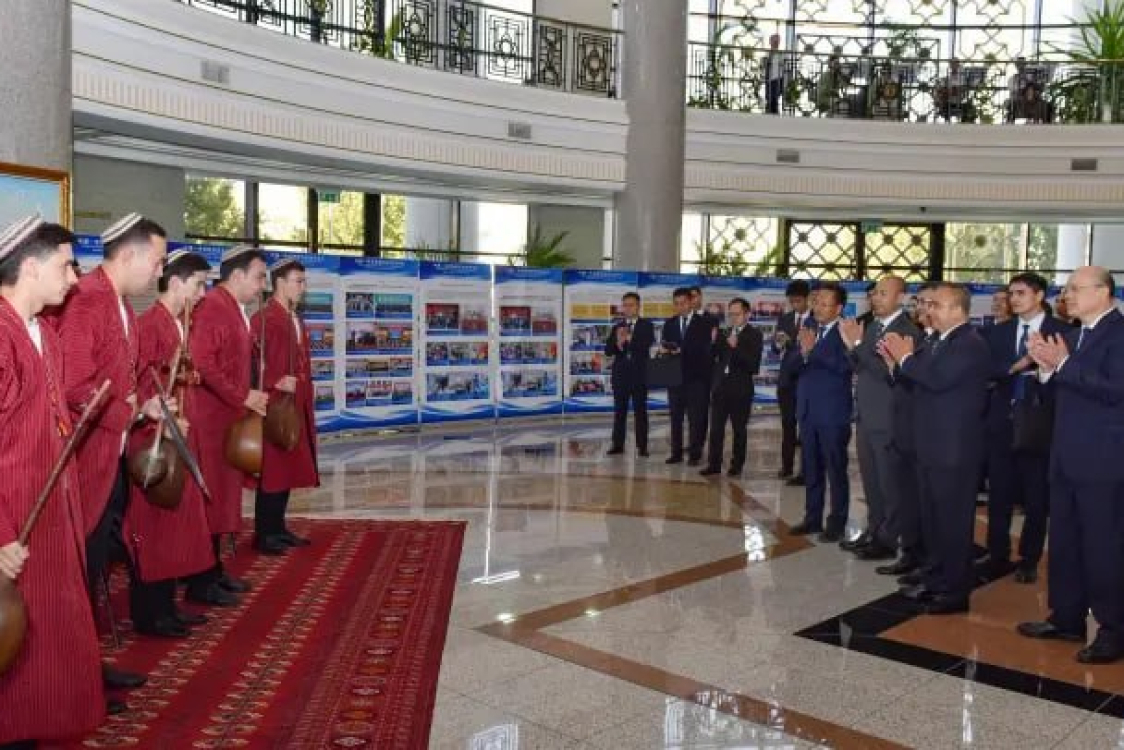
Turkmen students will be allocated a quota for study in China
28.08.2026China allocates a quota of 100 state scholarships to students from Turkmenistan each year. This was announced by Li Guoliang, Secretary of the Education Work Committee of the Xinjiang Uyghur Autonomous Region (XUAR) Party Committee, according to the news website Turkmenportal, citing the newspaper ‘Neutral Turkmenistan’. According to him, the scholarships are aimed at training qualified personnel and developing educational ties between Turkmenistan and the XUAR. The visit by the Chinese delegation to Turkmenistan is seen as one of the steps towards implementing the agreements reached at the second ‘Central Asia–China’ summit. The parties are paying particular attention to scientific cooperation: the Chinese side is offering Turkmen scientists joint research projects in the fields of energy, arid agriculture and medicine, involving leading Chinese universities and the Xinjiang Institute of Advanced Studies.
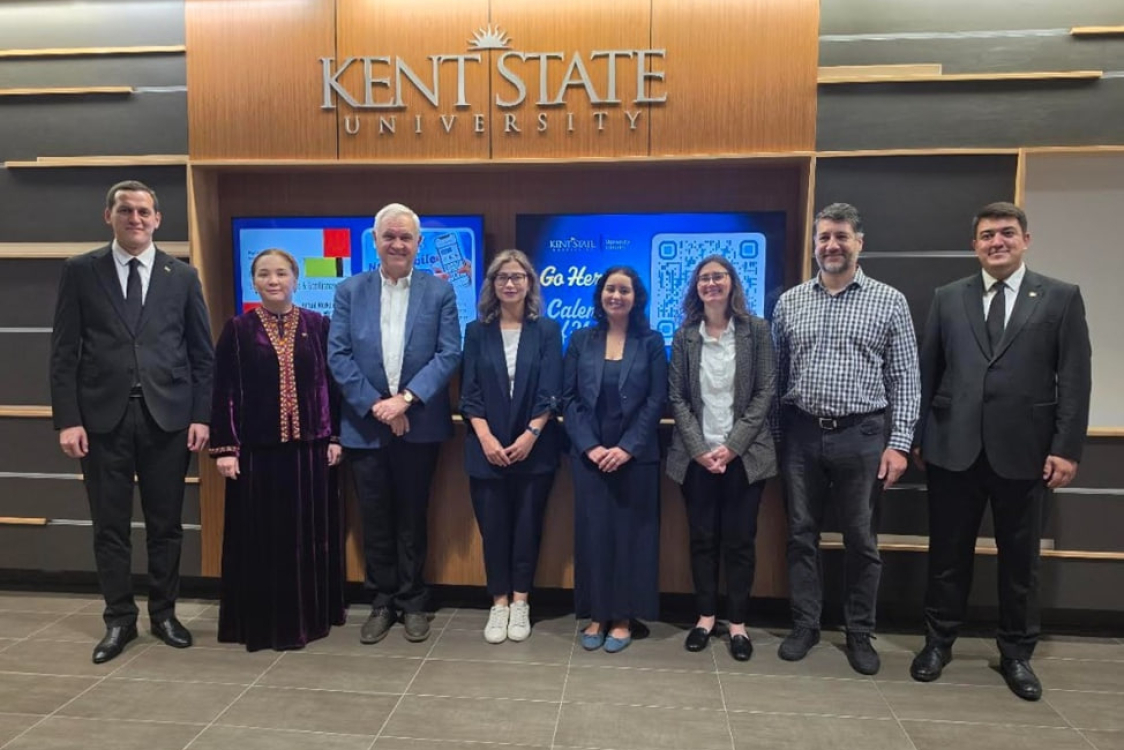
A delegation from a Turkmen university is studying the US higher education system
27.08.2026A delegation from the International University for the Humanities and Development (IUHD) is on an official visit to Kent State University (USA) from 17 to 27 August 2026. This was reported by the press office of the Ministry of Education of Turkmenistan. According to the source, during the visit, representatives of the Turkmen university are studying the experience of the US higher education system and discussing with their colleagues issues relating to dual degree programmes, the quality of education, accreditation, the development of study programmes and modern teaching methods. Particular attention is being paid to quality assurance and accreditation. The delegation is familiarising itself with approaches based on HLC, ABET and AACSB, as well as procedures for the evaluation and approval of study programmes. A ‘roadmap’ is also being drawn up to improve the quality assurance system and create new academic programmes at IUHD. In addition, discussions during the visit are focusing on the admission and support of international students, and the development of MBA, Master’s and PhD programmes. The delegation visited the university library, the Design Innovation Hub (DI Hub), the Student Centre, halls of residence and other campus facilities. Representatives from IUHD also held meetings with the management of the College of Honours, the Global Education and Partnership team and representatives from the Embassy of Turkmenistan.
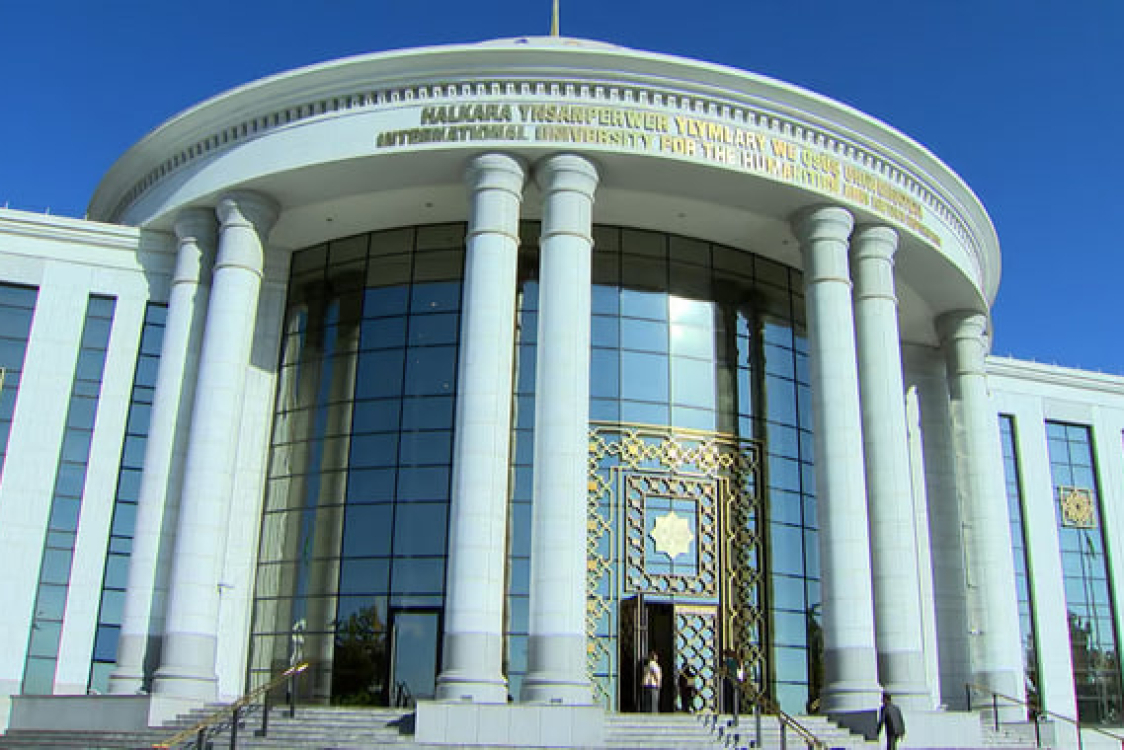
The TESOL26 international seminar has begun in Ashgabat
27.08.2026An international seminar for English language teachers, ‘TESOL26: English for Tomorrow’, is taking place at the International University for the Humanities and Development (IUHD) in Ashgabat. The event was organised by the US Embassy in collaboration with the Government of Turkmenistan, according to the IIC. The seminar is attended by teachers from various regions of Turkmenistan and international experts. They are discussing modern methods of teaching English, the use of artificial intelligence, the assessment of language skills, teaching mixed-ability classes and student motivation. The programme includes presentations and interactive sessions on student-centred learning, neuropedagogy, the development of critical thinking, and the prevention of professional burnout. The university is also hosting an exhibition of teaching resources and study guides. The seminar will run until 28 August. Following the event, it is planned to draw up recommendations for improving the teaching of English in educational institutions across Turkmenistan.
Türkmenistan’daki üniversiteler 11 hackathon ve üç startup yarışması düzenledi
27.08.2026Since the start of 2026, universities in Turkmenistan have held 11 hackathons and three start-up competitions aimed at commercialising scientific developments and fostering links between education, science and innovation. This was reported by the news website Turkmenportal. As a result of scientific research, the country’s universities have been granted 320 national certificates (patents). These results demonstrate a rise in scientific activity and the economic efficiency of research. Furthermore, since the start of the year, higher education institutions have organised 23 international events, including 10 competitions and 13 scientific and practical conferences. These were attended by representatives of universities, research centres and international organisations from various countries.
A Strategy for the Development of Higher Education is being implemented in Turkmenistan
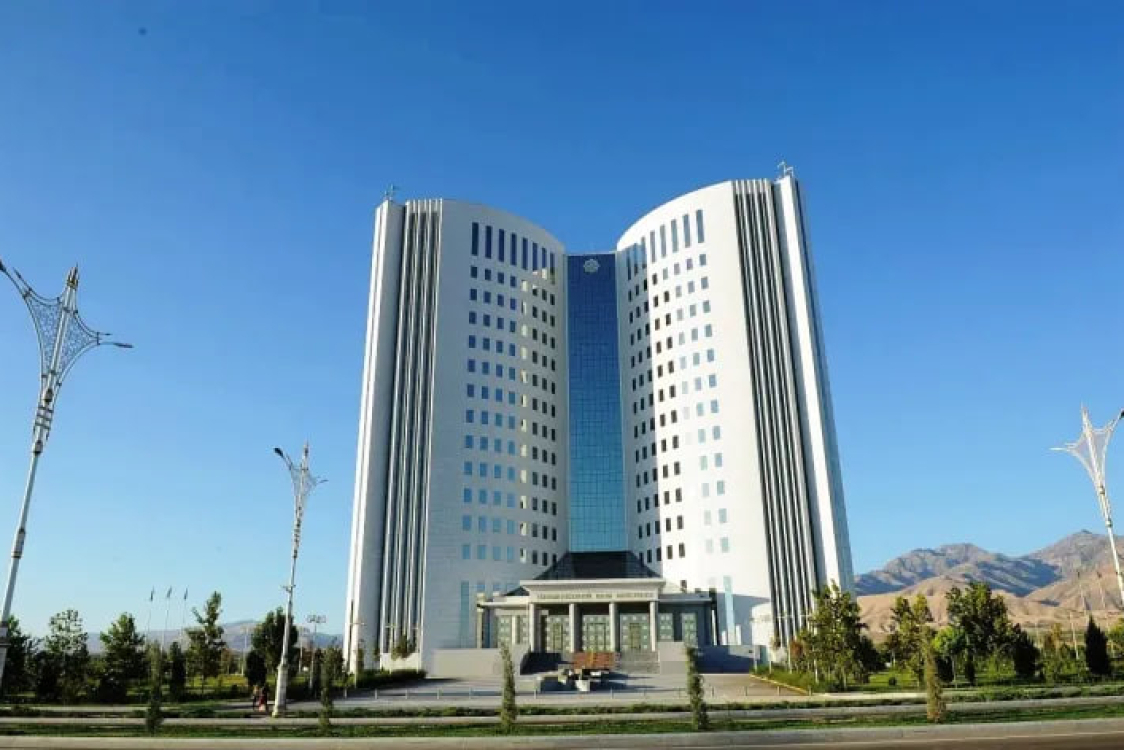
26.08.2026The Ministry of Education of Turkmenistan and higher education institutions have begun implementing the Strategy for the Development of Higher Professional Education in Turkmenistan for 2026–2052. The document was approved by a Resolution of the President of Turkmenistan dated 17 October 2025, together with the Action Plan for 2026–2030, reports the news agency TDH. The strategy aims to improve the quality of higher education, train specialists in high demand, develop science and innovation, promote digitalisation and expand international cooperation. As part of its implementation, the regulatory framework is being improved and mechanisms are being established to analyse labour market needs. A methodology for surveying employers and a digital platform for analysing the knowledge and skills required of graduates have been developed. The university ranking system has also been updated, with the results published on the rating.bilim.tm portal. To identify promising areas for specialist training, the Ministry of Education of Turkmenistan has published the ‘Geljegiň hünärleriniň atlasy’ (‘Atlas of Future Professions’). Scientific research and innovation are being actively developed at higher education institutions. Since the start of the year, 11 hackathons and three start-up competitions have been held, and 320 national certificates (patents) have been granted. International cooperation is expanding. Since the start of the year, higher education institutions have organised 23 international events, including 10 academic competitions and 13 scientific and practical conferences. International accreditation of educational programmes, academic exchanges and the professional development of teaching staff also remain priorities. The strategy provides for the development of inclusive education, the use of digital resources and distance learning. Facilities for people with disabilities are being created in new teaching buildings. The development of public-private partnerships has become an important focus. The International University of Industrialists and Entrepreneurs, the country’s first non-state higher education institution, trains specialists in the fields of business, industry, digital technologies and innovation. At the same time, mechanisms for assessing the quality of education are being improved, and programmes are being developed to promote a healthy lifestyle, foster patriotism and support the cultural development of young people.

A Turkmen university has studied Finland’s experience of digital transformation
26.08.2026A delegation from Turkmenistan, comprising staff from the International University for the Humanities and Development (IUHD), undertook a working visit to Helsinki as part of the European Union’s regional project ‘Connectivity for Central Asia’ (C4CA). This was reported by the IIC of Turkmenistan. The programme for the visit was organised by Laurea University of Applied Sciences and the Finnish Institute of Public Administration (HAUS). It focused on studying Finland’s experience of digital transformation, the development of IT infrastructure and the implementation of innovative solutions in public administration and higher education systems. During the trip, the leadership of the Turkmen university held negotiations with European partners and consolidated the agreements reached following the signing of a Memorandum of Understanding in June 2026. The parties agreed on the practical implementation of part of the project at the IUHD, which will enable international expertise to be integrated into the domestic educational environment. The initiative is in line with the objectives of Turkmenistan’s State Programme for the Development of the Digital Economy for 2026–2028 and is aimed at training qualified specialists and strengthening academic ties.
A professor from Mexico delivered training courses for university lecturers in Turkmenistan
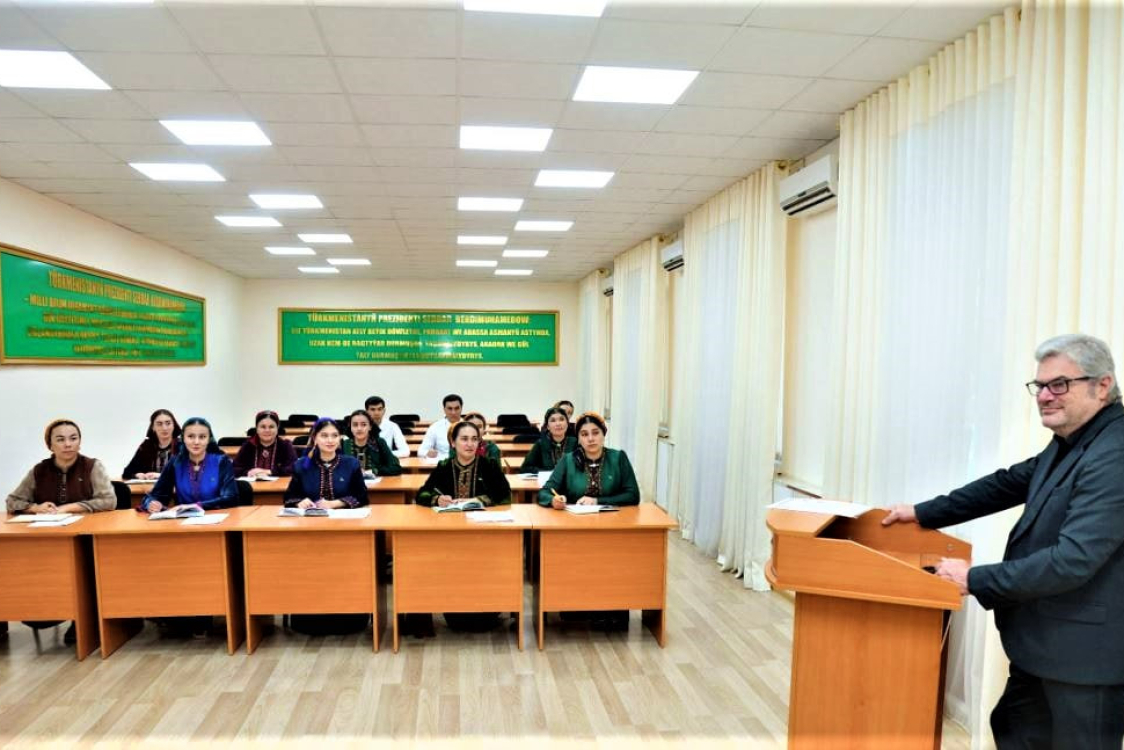
26.08.2026Kenneth Richter, a professor at the University of Guanajuato (Mexico), led a two-week professional development programme for lecturers at higher education institutions in Turkmenistan. During his visit, he worked in Ashgabat and Turkmenabat, according to the news agency Orient. The 20-hour course was organised for lecturers from the Oguz Han University of Engineering and Technology and the Seyitnazar Seydi State Pedagogical Institute. The programme focused on modern methods of teaching English and communicative practices. Professor K. Richter also held open meetings with students and members of the public. Participants discussed academic and institutional practices in Latin and North America. The visit marked the first instance of direct academic cooperation between the University of Guanajuato and higher education institutions in Turkmenistan.
Read also
Advertising

 Read us in Zen


