


Education
International experts held seminars at Turkmenistan's energy university
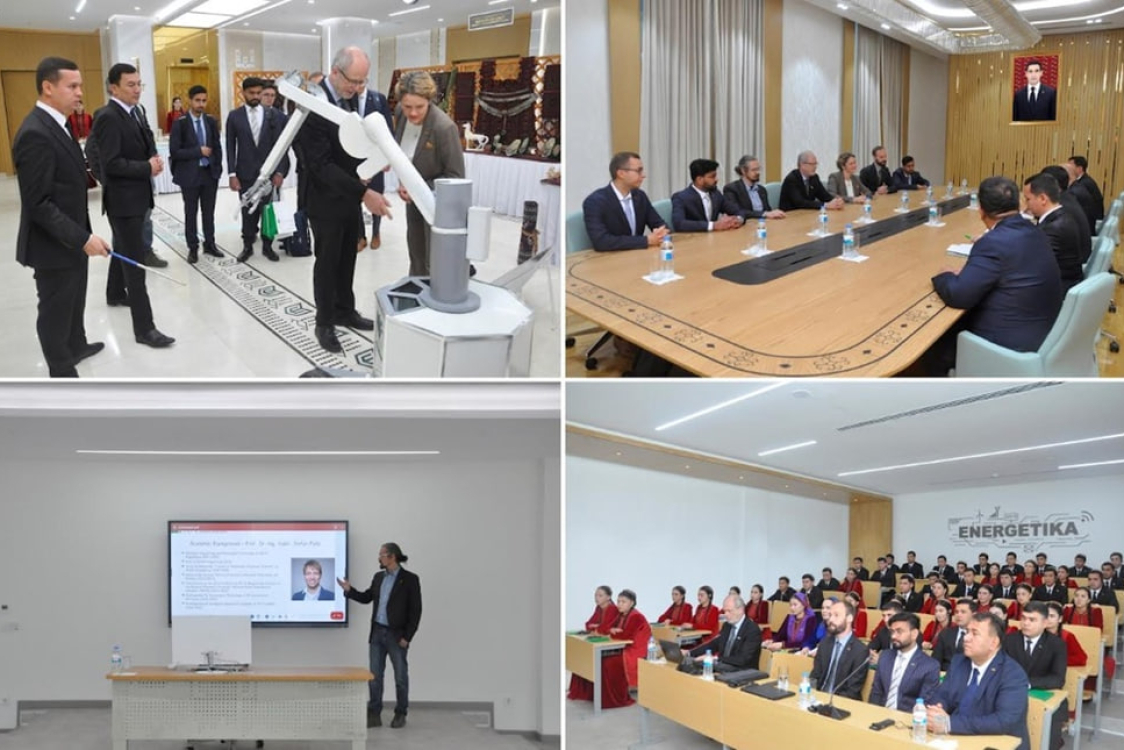
15.10.2026Training seminars on “Integration of Renewable Energy Sources” and “Practical Applications of Artificial Intelligence” were held at the State Energy Institute of Turkmenistan on October 14–15. This was reported by the press service of the Ministry of Education of Turkmenistan. The seminars were organized under a Memorandum of Understanding between the State Energy Institute of Turkmenistan and Clausthal University of Technology in Germany, with support from the German Agency for International Cooperation (GIZ) project “European Union for Green Development in Turkmenistan: Policy Dialogue and Climate Action for 2024–2029.” Participants explored the integration of renewable energy sources, geothermal energy, the use of biomass and hydrogen technologies, and applications of artificial intelligence. International experts and lecturers from Clausthal University of Technology exchanged knowledge and experience with the institute’s specialists, lecturers, and students. The sessions also covered energy system modelling, electricity pricing, and power conversion technologies.
Turkmenistan and Russia are expanding cooperation in the field of education
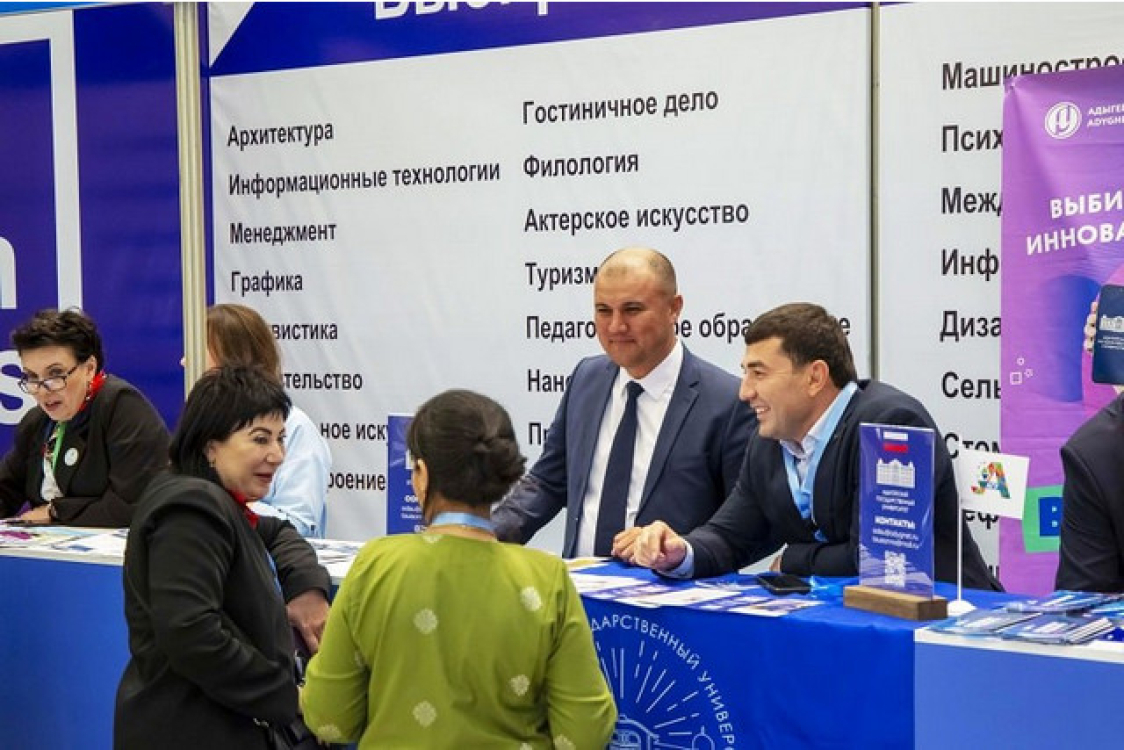
14.10.2026The international exhibition and scientific conference on healthcare, education and sports, held in Ashgabat, became a platform for discussing prospects for Turkmen-Russian cooperation. The results of the forum and plans for further cooperation were outlined by Yulia Zaitseva, First Secretary of the Russian Embassy in Turkmenistan and representative of Rossotrudnichestvo, according to the «Turkmenistan: Golden Age» news agency. One of the key events was the signing of a cooperation agreement between the Dovletmammet Azadi Turkmen National Institute of World Languages and Lomonosov Moscow State University. As Yulia Zaitseva noted, cooperation between universities provides for the implementation of practical educational programs. Teachers and senior-year students of the Turkmen institute have already completed professional development courses. Young people also participate in the International Financial Security Olympiad and research projects in the healthcare sector. The next campaign to select applicants from Turkmenistan for admission to Russian universities will begin in mid-November. According to a representative of Rossotrudnichestvo, this year they plan to simplify the procedure using digital solutions, including a unified digital platform and the RU ID service. These tools will allow foreign applicants to choose educational institutions and fields of study. The exhibition in Ashgabat also gave schoolchildren, prospective students and their parents the opportunity to speak in person with representatives of Russian universities. Visitors could learn about educational programs and the specific features of the Russian regions where the universities are located.
A roundtable on the development of cooperation between Turkmenistan and the ETF was held in Ashgabat
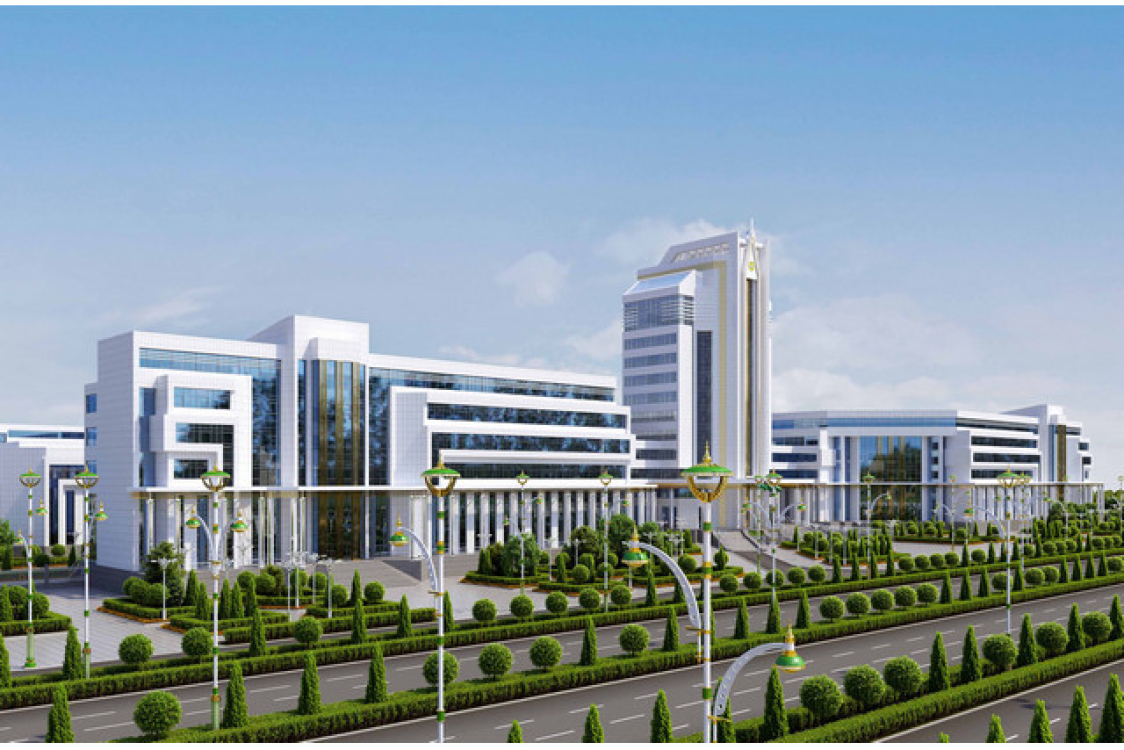
12.10.2026On October 12, a high-level roundtable entitled “Turkmenistan – European Training Foundation: Human Capital as the Foundation of Connectivity” was held at the Turkmen State Institute of Architecture and Construction. The event was organized by the Ministry of Education of Turkmenistan and the European Training Foundation (ETF), with the support of the Ministry of Foreign Affairs of Turkmenistan and the Delegation of the European Union, reports the IIC of Turkmenistan. The event was attended by ETF Director Pilvi Torsti, EU Special Representative for Central Asia Eduards Stiprais, Ambassador of the European Union to Turkmenistan Luc Devigne, representatives of government agencies, rectors of higher education institutions and experts from international organizations. Participants discussed issues of modernizing vocational and higher education, digitalization of the educational process and training specialists in line with labor market needs. Particular attention was paid to developing competencies in transport, logistics, energy and digital communications within the framework of the EU Global Gateway strategy. During the discussions, the parties also addressed issues of mutual recognition of diplomas and qualifications, as well as expanding the participation of Turkmen students and teachers in the Erasmus+ and Horizon Europe programmes. A separate topic was the prospects for cooperation between Turkmenistan and the European Union for 2028–2034. The parties discussed the preparation of a joint action programme between the Ministry of Education of Turkmenistan and the ETF, as well as the possibility of establishing a working group to coordinate and implement joint initiatives.
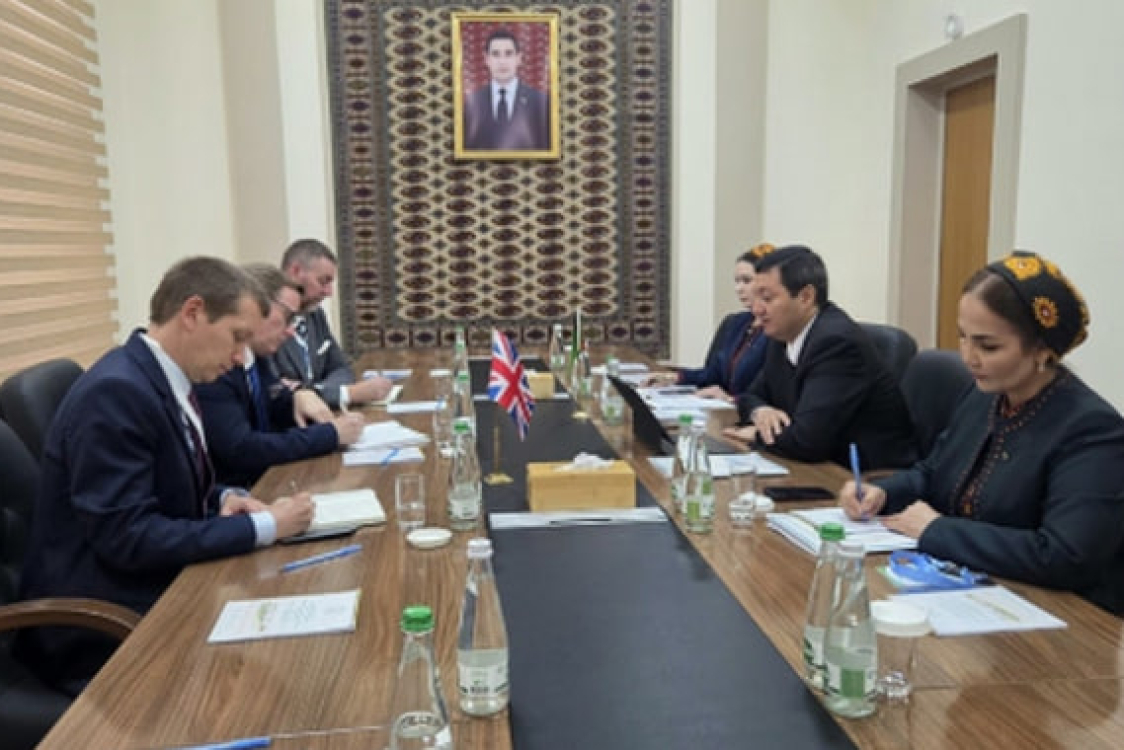
Turkmenistan is developing academic ties with international partners
11.10.2026On 10 October, Azat Atayev, Deputy Minister of Education of Turkmenistan, held meetings with representatives from Georgia and the United Kingdom as part of the international exhibition and scientific conference ‘Healthcare, Education and Sports in the Renaissance Era of a New Epoch of a Powerful State’ at the Chamber of Commerce and Industry of Turkmenistan. The parties discussed the implementation of previously reached agreements, according to the press office of the Ministry of Education of Turkmenistan. During negotiations with Zviad Gabisonia, Deputy Minister of Education, Science and Youth of Georgia, and Konstantin Sabiashvili, Georgian Ambassador to Turkmenistan, they discussed the outcomes of the President of Turkmenistan’s state visit to Georgia and the first meeting of the joint working group on cooperation in the field of education. The parties agreed to approve a roadmap for cooperation in November, to hold a webinar for Turkmen academics with the participation of the Shota Rustaveli National Science Foundation and the Horizon Europe office, and to identify universities for establishing partnerships. It was proposed that the next meeting of the working group be held in Tbilisi. Stephen Conlon, the British Ambassador to Turkmenistan, took part in the meeting with the British Council delegation. Discussions centred on the outcomes of the World Education Forum in London, the third phase of the AELLCA programme, the professional development of English language teachers, the administration of IELTS exams in Ashgabat, quality assurance in higher education, and the creation of a unified platform for educational cooperation. Discussions with representatives from Cambridge University Press & Assessment focused on opportunities for Turkmen teachers to obtain Cambridge qualifications and on cooperation in assessing English language proficiency. At a meeting with the Vice-Chancellor of the University of Westminster, Professor Andrew Linn, discussions centred on the implementation of the memorandum of understanding with the International University for the Humanities and Development, joint doctoral programmes and academic research. With representatives from Hamilton House Publishers, we explored the possibility of providing language centres with interactive materials for teaching English to children and of conducting a pilot project.
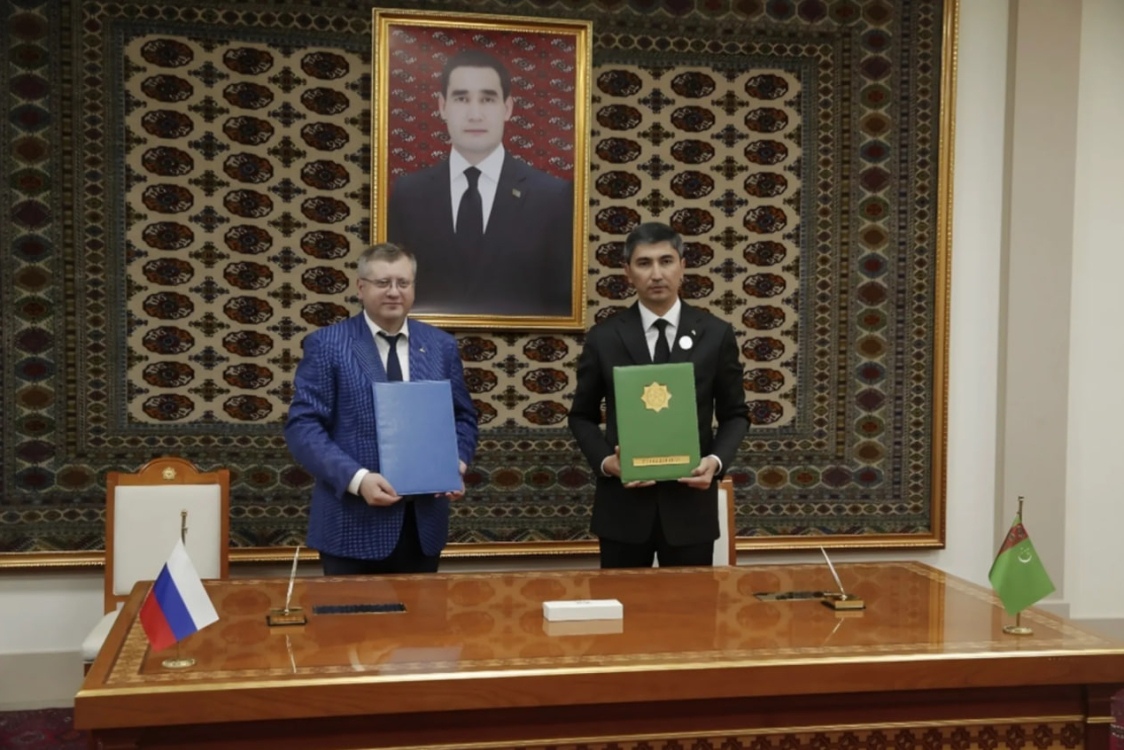
A Turkmen university has signed a Cooperation Agreement with Moscow State University
11.10.2026The D. Azadi Turkmen National Institute of World Languages and Lomonosov Moscow State University have signed a Cooperation Agreement. The document was signed by the Institute’s Rector, Maksat Charyev, and the Vice-Rector of Moscow State University, Ivan Aleshkovsky, according to the news website Turkmenportal. The parties intend to develop academic exchanges, enhance the professional skills of teaching staff, share experience and implement joint initiatives. The signing ceremony took place at the Chamber of Commerce and Industry of Turkmenistan, where the international exhibition ‘Healthcare, Education and Sports in the Renaissance Era of a New Epoch of a Powerful State’ is being held from 10 to 12 October.
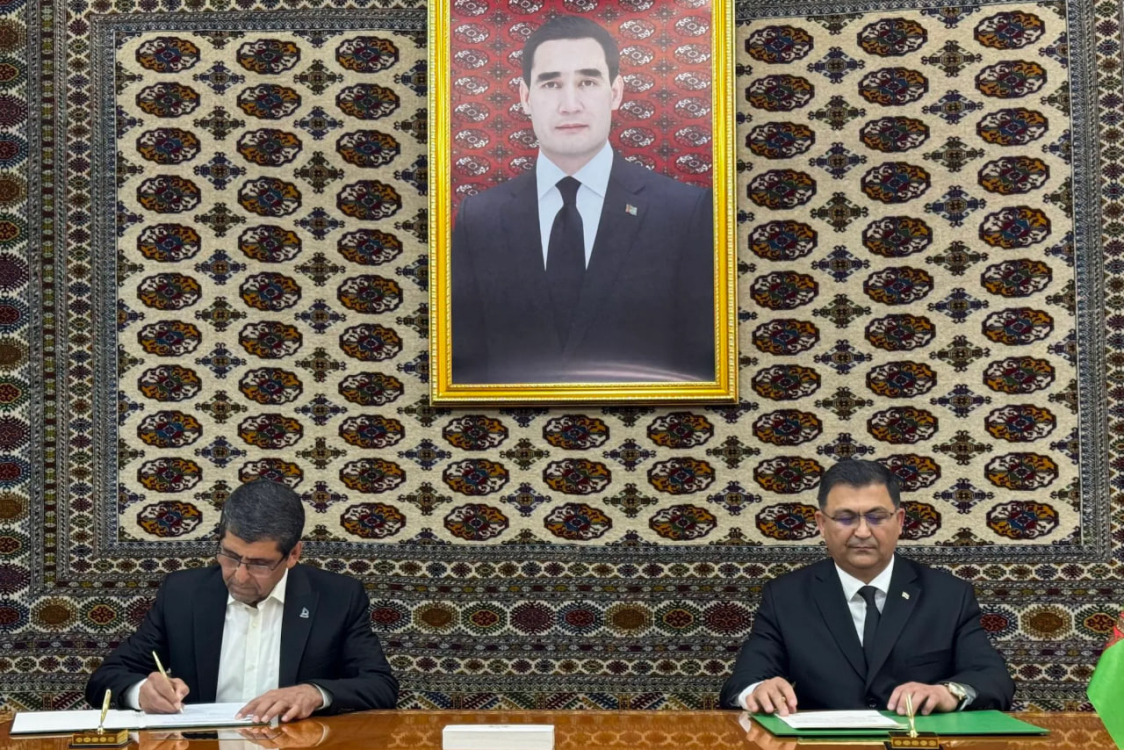
Universities in Turkmenistan and Iran have agreed to cooperate
11.10.2026The Magtymguly Turkmen State University and the Ferdowsi University of Mashhad (Iran) have signed a Cooperation Agreement. The document was signed by Orazgeldi Ovezsahedov, Rector of Magtymguly State University, and Abdolreza Javan Jafari Bojnordi, Rector of the Iranian university, according to the news website Turkmenportal. The parties plan to develop academic exchanges, enhance the professional development of teaching staff, share expertise and implement joint initiatives. The signing ceremony took place at the Chamber of Commerce and Industry of Turkmenistan, where the international exhibition ‘Healthcare, Education and Sports in the Renaissance Era of a New Epoch of a Powerful State’ is being held from 10 to 12 October.
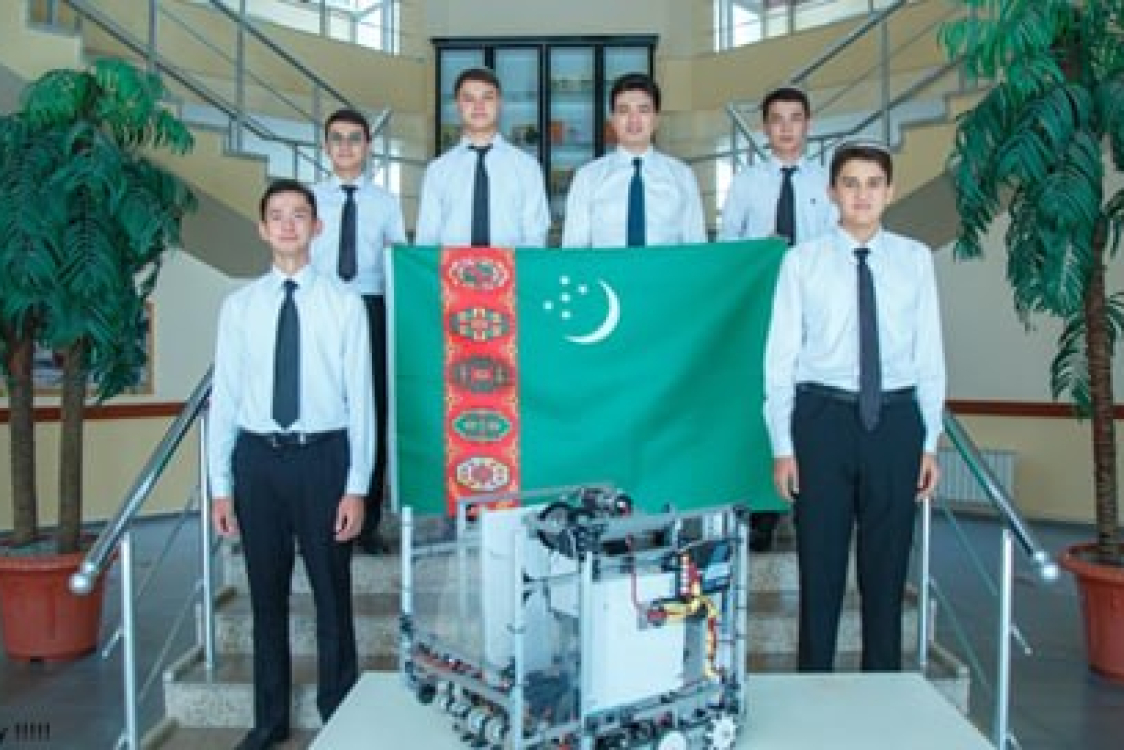
School students from Turkmenistan will compete in an international robotics competition
06.10.2026A team of school students from Turkmenistan will represent the country at the ‘FIRST Global Challenge 2026’ international robotics tournament, which will take place on 7–10 October in Incheon (Republic of Korea). Young engineers from more than 190 countries are expected to take part in the competition, according to the IIC of Turkmenistan. Turkmenistan will be represented at the tournament by the ‘OguzRobot’ team, made up of students from Specialised Secondary School No. 97 in Ashgabat, which offers an in-depth programme in foreign languages. The team comprises Suhan Novbatov, Orazniyaz Rejepov, Aznavur Cholukov, Arslan Babajiyev and Dayhan Gurbanov. The team members were the winners of the ‘Young Engineer 2026’ competition. Since April, they have been training at the ‘Erjeller’ computer department of the ‘Kämil bilim’ training centre. Their mentors were Myrat Sahetgulyev, a computer science teacher at the 1st Specialised Educational Complex in Arkadag, and Davut Gurbanov, a student at the Oguz Han Engineering and Technology University of Turkmenistan. The ‘FIRST Global Challenge’ is organised along the lines of the Olympic Games and brings together school students from different countries every year. The theme of this year’s tournament is the development of technologies to prevent wildfires, mitigate their consequences and protect the environment. The competition is held under the motto ‘Igniting Innovation’. Turkmen school students already have a track record of success at this competition. In 2025, at the competition in Panama, the team from Turkmenistan took first place in the ‘Skill Challenge’ category.
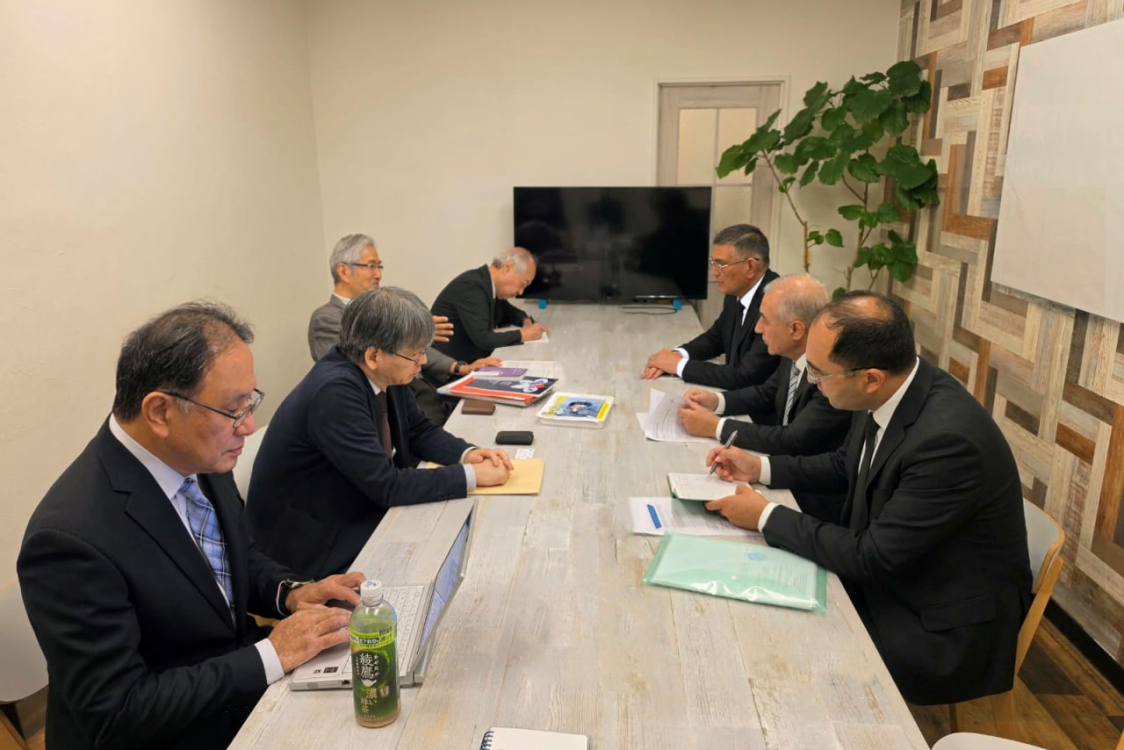
Turkmenistan and Japan are developing cooperation in science and technology
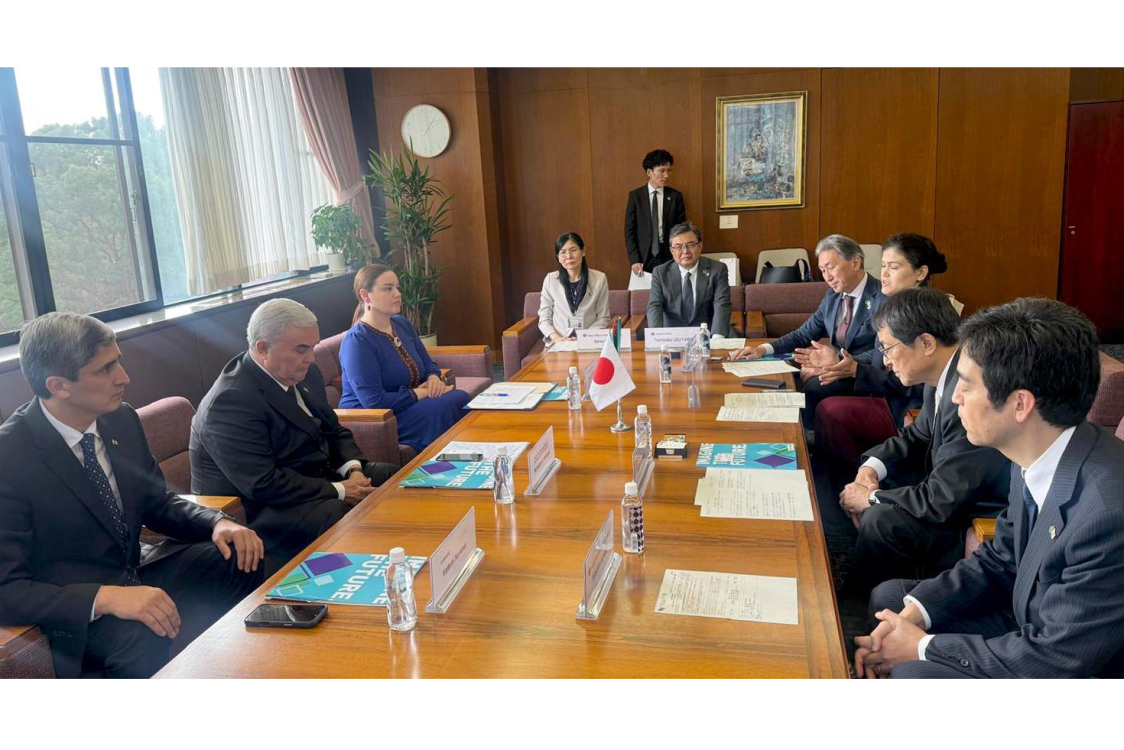
05.10.2026From 2 to 8 October, a Turkmen delegation is on a working visit to Japan. The delegation comprises A. Ashirov, President of the Academy of Sciences of Turkmenistan; G. Mezilov, Rector of the Oguz Han University of Engineering and Technology of Turkmenistan; and I. Orazov, Senior Lecturer in the Department of Cyber-Physical Systems. This was reported by the news agency ‘Turkmenistan: Golden age’. During the visit, discussions are taking place on the current state and prospects of scientific, educational and technological cooperation, as well as new areas of collaboration. The delegation held meetings with representatives of leading Japanese universities, research institutions and technology companies. In particular, negotiations were held with H. Koinuma, Chairman of the Turkmen-Japanese Association for Scientific and Technological Cooperation; Professors Yuji Matsumoto of Tohoku University and Kenji Itaka of Hirosaki University; and M. Yamazumi, a representative of ‘Tohkemy Corporation’. The parties reviewed the implementation of the Memoranda of Understanding concluded between Japanese institutions and the Oguz Han Engineering and Technology University of Turkmenistan. Particular attention was paid to the development of academic cooperation with Tohoku University, including student and staff exchanges and collaboration within educational programmes. Joint scientific research, conferences and training seminars, the expansion of academic ties and the participation of young researchers in scientific projects were also discussed. Modern technologies, engineering, artificial intelligence and innovation were identified as priority areas for cooperation.
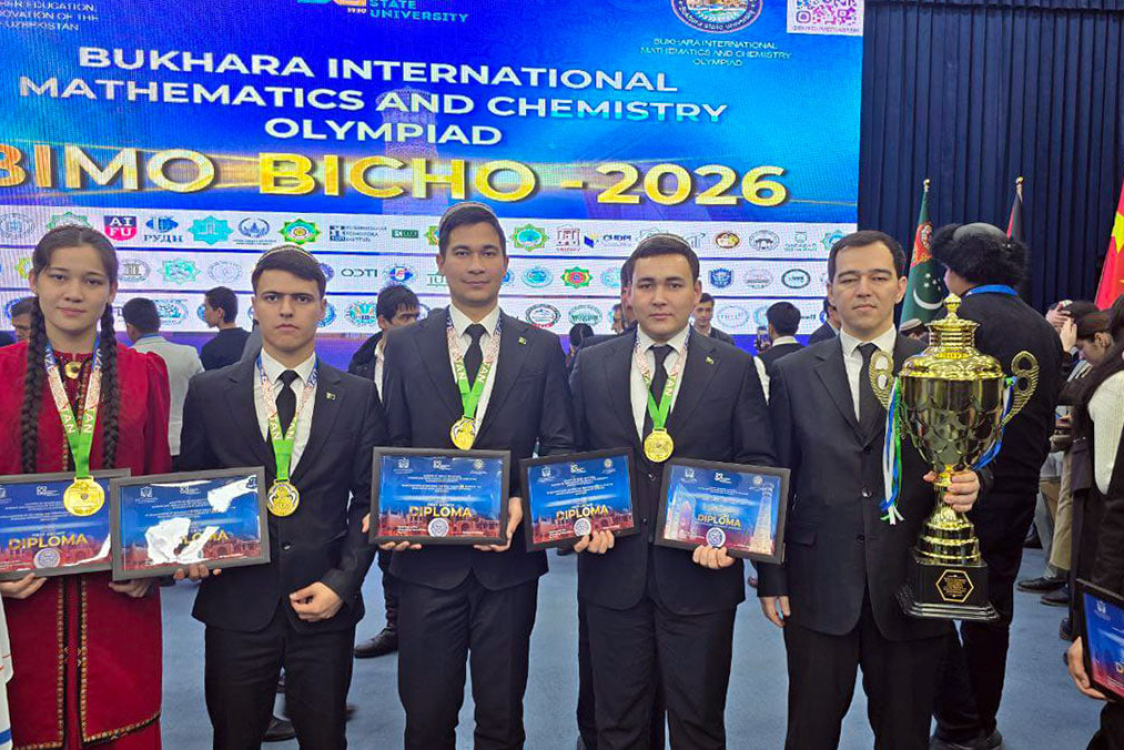
Students from Turkmenistan have won 1,040 medals at international Olympiads
04.10.2026Between January and September 2026, athletes from Turkmenistan won 554 medals at international competitions, whilst school students and university students won 1,040 medals at international subject Olympiads. This was announced by the Deputy Chairman of the Cabinet of Ministers, B. Mammedov, at a government meeting, according to the news agency TDH. According to the Deputy Prime Minister, modern teaching methods were introduced in the education sector over the course of the nine months. To mark Knowledge and Student Youth Day, educational institutions held celebratory events and held their first lessons on the theme ‘Independent Neutral Turkmenistan − the Homeland of Purposeful Winged Horses’. First-year pupils were presented with laptops. The Deputy Prime Minister noted that, in the presence of the Head of State, new buildings had been opened at the Turkmen State Institute of Architecture and Construction and the Seyitnazar Seydi Turkmen State Pedagogical Institute, as well as educational institutions in the Ahal and Lebap velayats. In the scientific sphere, work continued to improve the effectiveness of research and to introduce new technologies into production. The country’s scientists were awarded the academic titles of professor, associate professor and senior research fellow. According to the Deputy Prime Minister’s report, modern methods of practical medicine were being introduced into the healthcare system. Surgeries and treatment for children were carried out using funds from the Gurbanguly Berdimuhamedov Charitable Foundation for Assistance to Children in Need of Guardianship. In September, a month-long campaign entitled ‘Road safety is the peace of our life’ took place. Having heard the report, the Head of State instructed that work in the fields of science, education, healthcare and sport should continue to be improved. The Deputy Prime Minister was also instructed to make preparations for the opening of modern medical facilities in time for Healthcare and Medical Industry Workers’ Day.
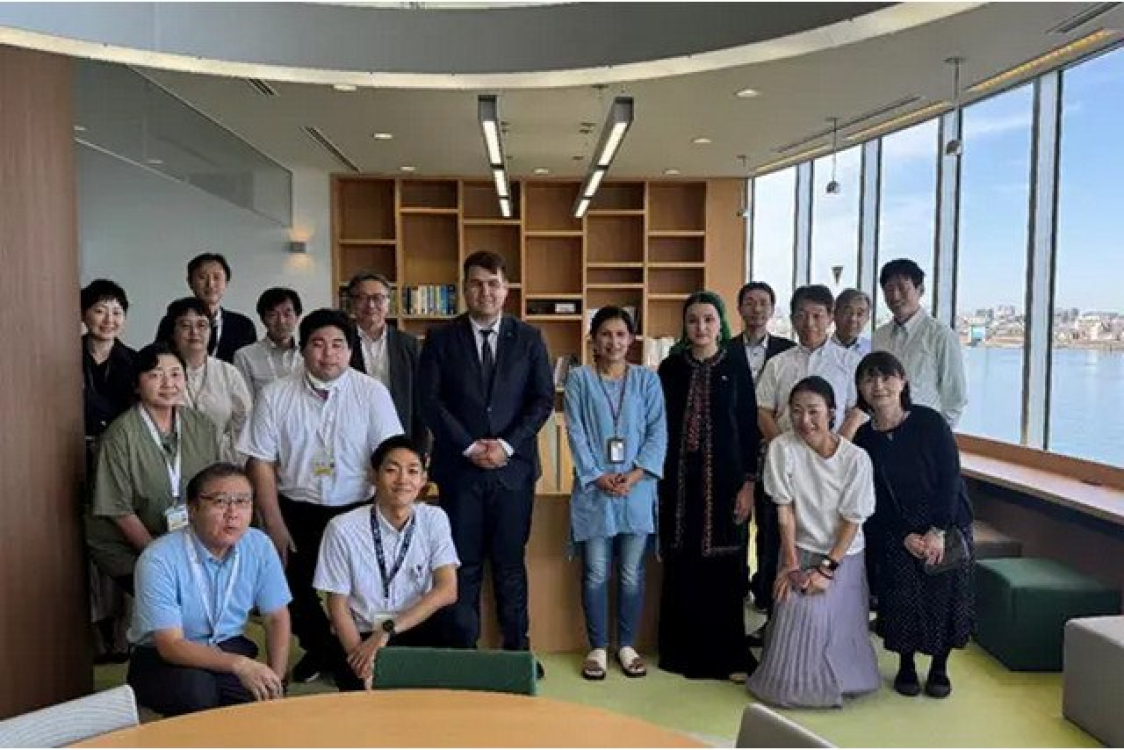
A digital guide to Japan is to be launched for Turkmen students
04.10.2026A digital ‘Information Guide’ has been created for Turkmen students and young professionals travelling to Japan for study and work placements. The platform is designed to assist citizens of Turkmenistan with their practical, administrative and cultural adaptation, according to the press office of the Turkmen university. The project was developed by students at the Oguz Han Engineering and Technology University of Turkmenistan, drawing on their experience of work placements at Japanese universities. The platform contains instructions on preparing for the trip, applying for a visa, going through airport procedures, registration, obtaining a residence card and taking out national health insurance. The platform also features resources on everyday life, education, work ethics and cultural aspects of Japan. The platform is scheduled to launch in time for the autumn intake of 2026. The project’s development is based on collaboration between Oguz Han University and Japanese universities, including the Universities of Tsukuba, Tohoku and Hirosaki.
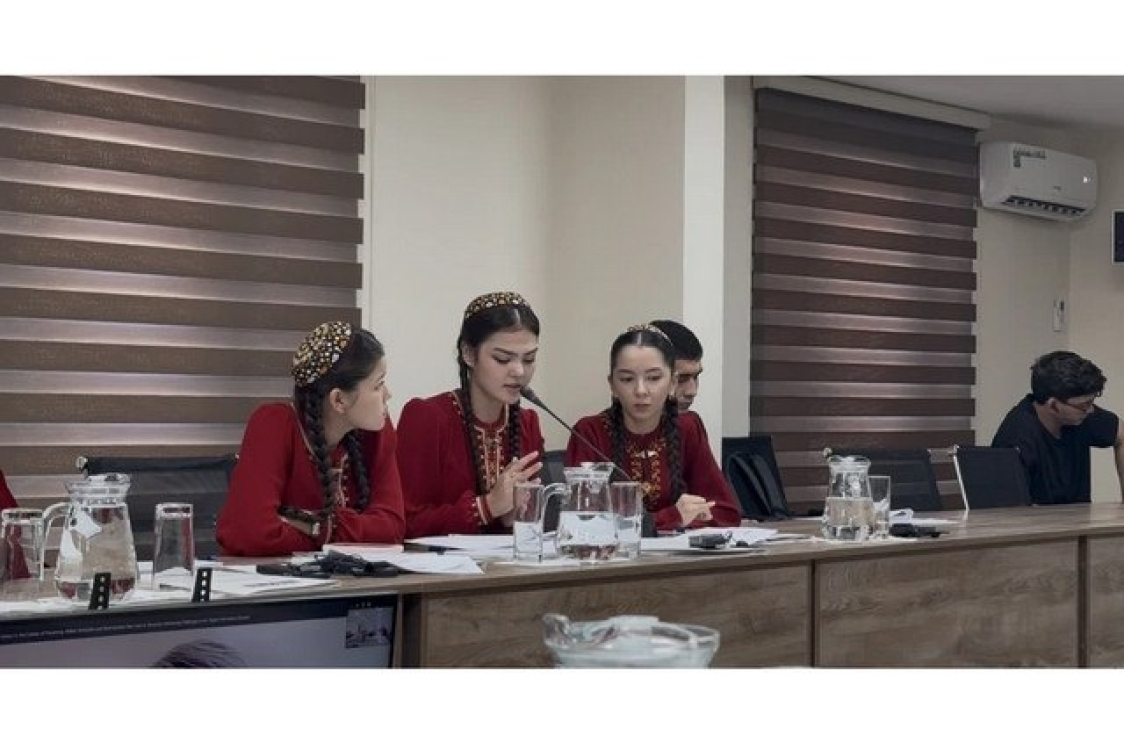
Students from Turkmenistan took part in an OSCE training course on media literacy
04.10.2026From 30 September to 2 October 2026, the OSCE Centre held a training course in Ashgabat on enhancing media and information literacy with a view to preventing violent extremism and radicalisation. This was reported by the press office of the IIR MFA of Turkmenistan. The event was attended by students from Turkmen universities, representatives of the Magtymguly Youth Organisation, young volunteers from the National Red Crescent Society and civil society organisations. Participants learnt methods for verifying sources, identifying disinformation and critically evaluating online content, including material generated using AI. Practical sessions focused on finding primary sources, cross-referencing data, the responsible use of AI and the protection of personal data. At the end of the training, participants completed practical tasks and received certificates.
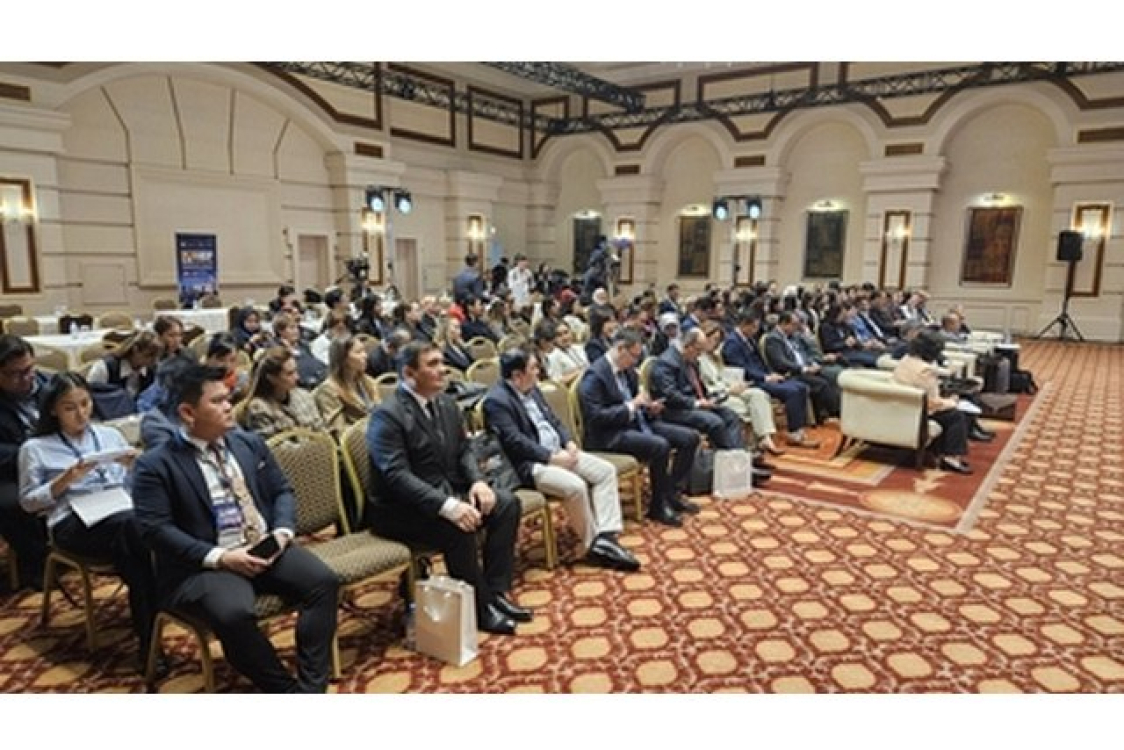
Turkmenistan is strengthening its cooperation with Malaysia in the field of higher education
04.10.2026Turkmenistan is expanding its cooperation with Malaysia in the field of higher education, including academic exchanges, joint educational programmes and the training of specialists for strategic sectors. This was reported by the press office of the Ministry of Education of Turkmenistan. On 28 September 2026, the Malaysia–Central Asia Forum on Higher Education took place in Astana, at which Turkmenistan was represented by Berdinazar Khashirov, an official from the Ministry of Education. The Yagshygeldi Kakayev International University of Oil and Gas is collaborating with the Petronas University of Technology (UTP) in the fields of geology, oil and gas engineering, chemical technology and energy. Other Turkmen higher education institutions are developing links with Malaysian educational centres in the fields of the digital economy, cyber security, artificial intelligence, marketing and logistics. Turkmen specialists and young researchers are also undergoing training and professional development in Malaysia as part of the Malaysian Technical Cooperation Programme. In addition, Malaysian universities are running distance-learning courses on entrepreneurship and innovation management for Turkmen students.
Read also

Advertising

 Read us in Zen


