



Culture
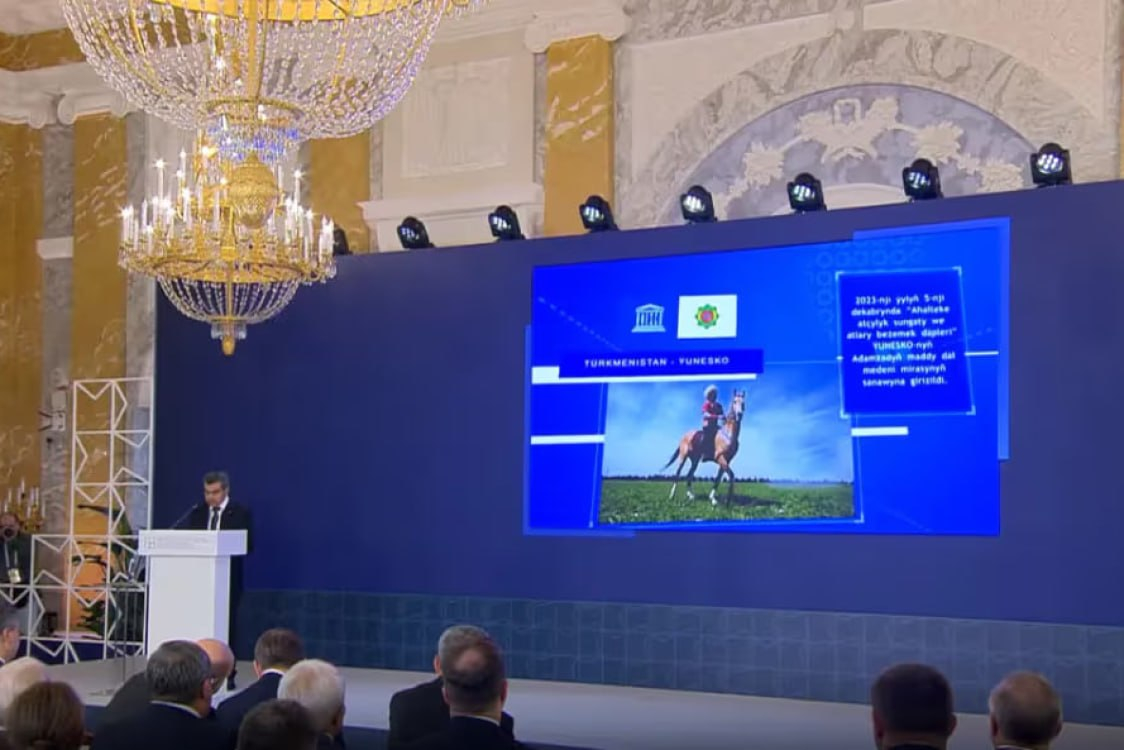
A meeting of the CIS Council for Cultural Cooperation will be held in Ashgabat
19.06.2026This year, Ashgabat will host a meeting of the Council for Cultural Cooperation of the Commonwealth of Independent States (CIS) member states. This was announced by the Minister of Education of Turkmenistan, Jumamyrat Gurbangeldiev, at the International Conference on the Development of Creative Industries in St. Petersburg, according to the IIC. During the event, participants are expected to discuss priority areas of cooperation in the humanitarian sphere, including the preservation of historical and cultural heritage and the development of creative exchanges among CIS countries. The Minister of Education of Turkmenistan noted that the country, acting as the CIS chair, places special emphasis on implementing humanitarian initiatives aimed at strengthening multilateral cooperation. According to the head of the Turkmen delegation, culture is seen as a key tool for strengthening trust and mutual understanding between peoples. The meeting in Ashgabat is expected to contribute to the development of cultural dialogue and the strengthening of friendly relations within the CIS.
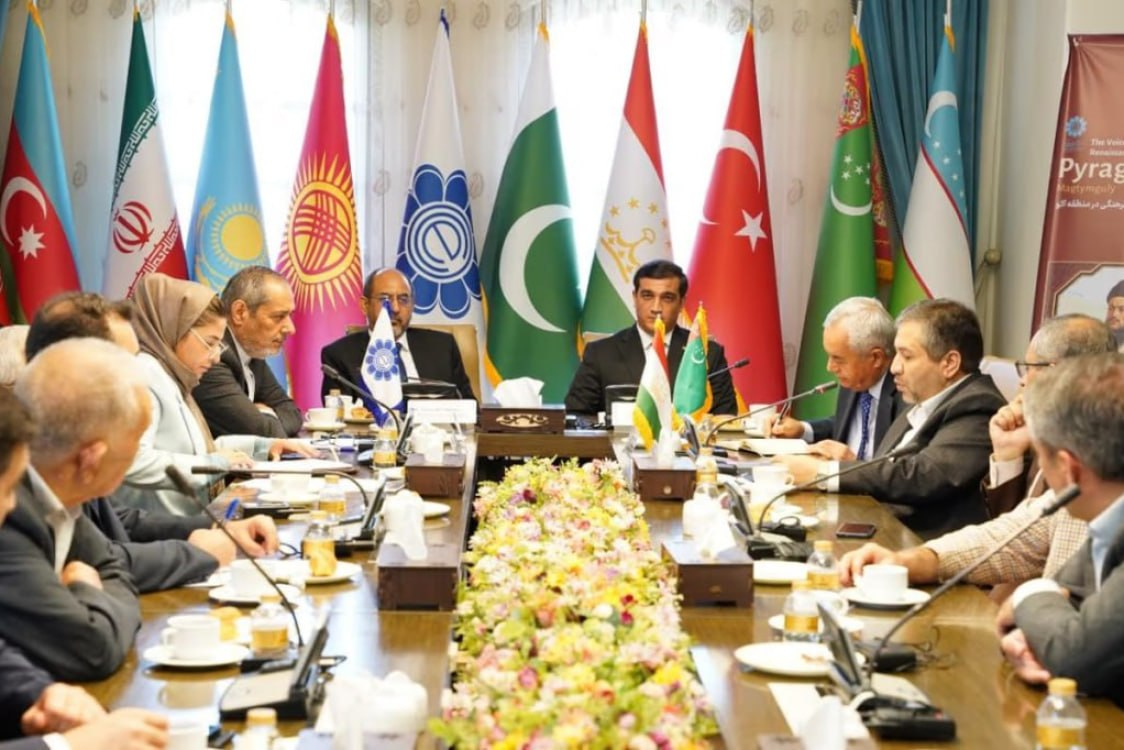
Iran Discusses the Cultural Heritage of Turkmen Poet Magtymguly Fragi
19.06.2026Events dedicated to the legacy of the Turkmen poet Magtymguly Fragi were held in Tehran, according to the IIC. On June 17, the conference “The Voice of Unity and Cultural Revival in the ECO Region” was held at the Cultural Institute of the Economic Cooperation Organization (ECO). The event brought together diplomats, researchers, and cultural figures. Speakers highlighted the significance of the poet’s works for both national and world literature, as well as his ideas of patriotism, unity, and humanism. Video presentations about his life and literary heritage were also shown. On June 16, a separate cultural program dedicated to the poetry of Magtymguly Fragi was held at Kharazmi University. The event was attended by diplomats from Turkmenistan and Tajikistan, as well as representatives of Iranian institutions. The program featured presentations, poetry readings, musical performances, and theatrical productions based on Turkmen literature.
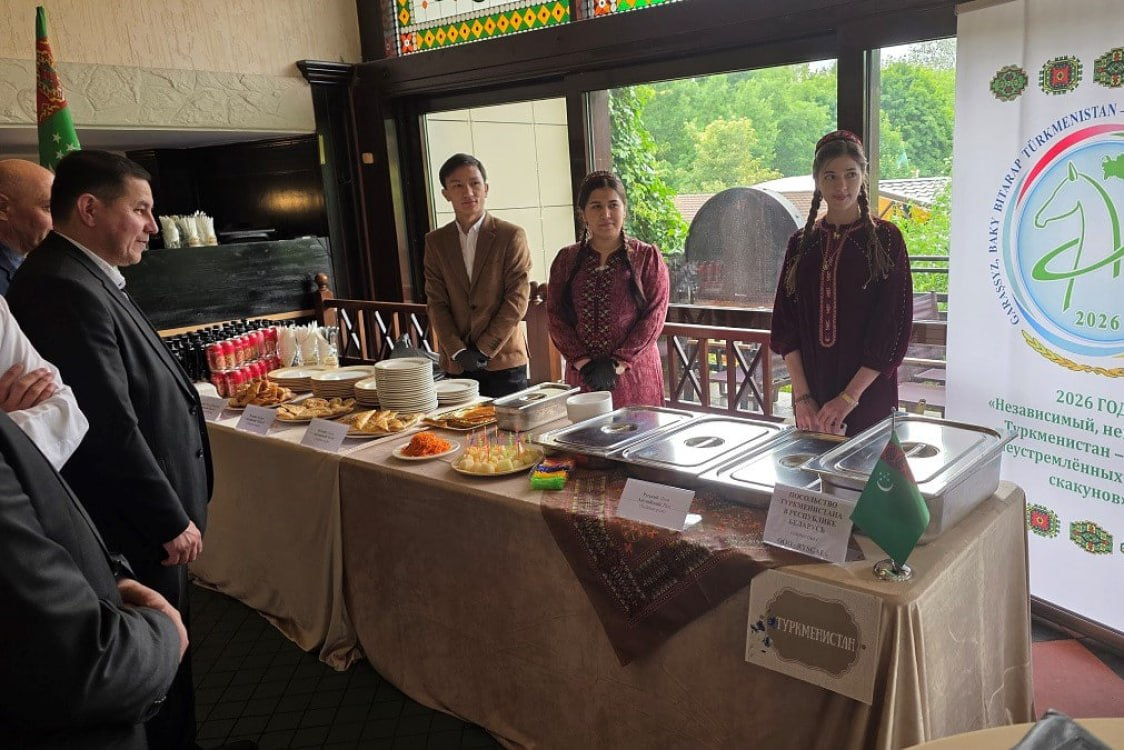
Turkmenistan presents national cuisine at a festival in Minsk
15.06.2026The gastronomic festival “Taste Diplomacy” was held on June 13 in Minsk at the initiative of the Ministry of Foreign Affairs of the Republic of Belarus. The main theme of the event was the culinary traditions and cultural heritage of the peoples of the world. Diplomatic missions from more than 25 countries took part in the festival, as well as the Minister of Foreign Affairs of Belarus, Maksim Ryzhenkov, according to the news agency Orient. The program included presentations of national cuisines, tastings, chef masterclasses, and a fashion show based on traditional costumes. The Embassy of Turkmenistan presented its own exhibition, which became one of the most visited venues of the festival. The Ambassador Extraordinary and Plenipotentiary of Turkmenistan to the Republic of Belarus, Nazarghuly Shaguliyev, presented guests with a Turkmen dastarkhan and national dishes. As part of the presentation, participants also learned about the history and preparation methods of traditional dishes. Turkmen diplomats and diaspora representatives worked in national costumes, highlighting the country’s cultural traditions. The participation of the Turkmen diplomatic mission in the festival is connected to preparations for the 35th anniversary of Turkmenistan’s independence, which will be celebrated in 2026. In the country, this year is being held under the motto: “Independent, neutral Turkmenistan — the homeland of determined winged horses.” The festival became a platform for strengthening cultural interaction between Turkmenistan and Belarus and promoting folk traditions. The Embassy of Turkmenistan in Minsk continues its work on developing bilateral humanitarian and diplomatic relations.
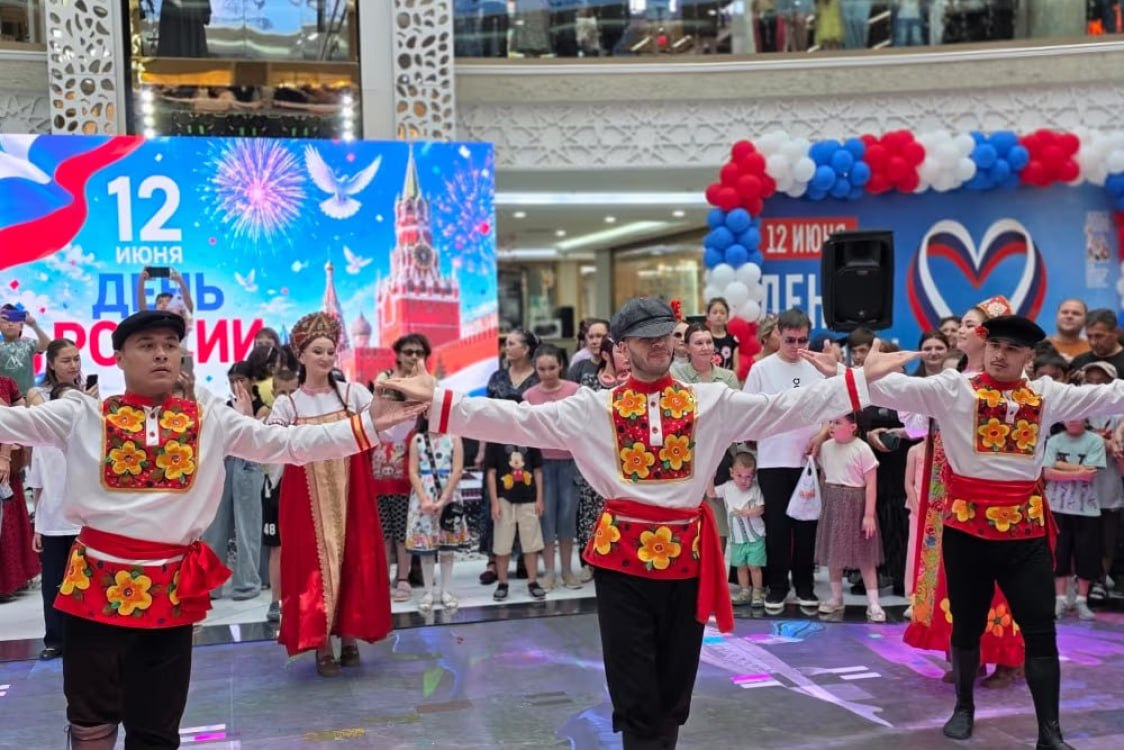
Ashgabat Hosts Russia Day Celebration
15.06.2026On June 12, a Russia Day celebration organized by the Russian House took place at the Arkach Shopping and Entertainment Center in Ashgabat. The event featured a concert, folk performances, and a variety of creative activities, according to the IIC. Renowned performers, including Mansur Sharipov and Bahar Durdiyeva, took the stage with popular songs and traditional national melodies. The concert also included dance performances, contests, and concluded with a rendition of the famous Russian folk song “Kalinka.” A handicrafts fair and creative workshops were held alongside the concert. Visitors had the opportunity to explore traditional crafts, purchase souvenirs, and create handmade items of their own. The celebration was marked by a warm and festive atmosphere and attracted a large number of participants.
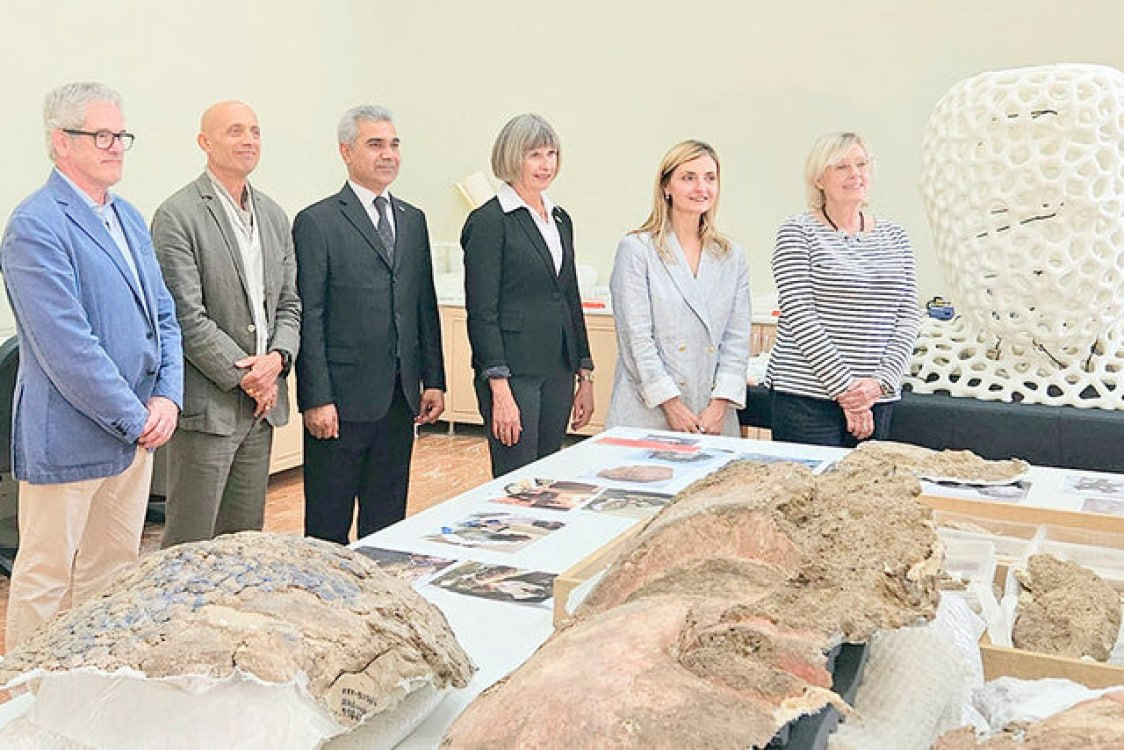
Restoration of a Buddha statue fragment continues in Turkmenistan
13.06.2026Representatives of the J. Paul Getty Museum (Los Angeles, USA) have arrived in Turkmenistan on another official visit to continue a project focused on the conservation and restoration of fragments of a 5th-century Buddha head statue discovered in Ancient Merv. This was reported by the news agency “Turkmenistan: Golden Age”. The work has been ongoing for several years at the State Museum of the State Cultural Center of Turkmenistan. The project is being implemented within the framework of the U.S. Ambassadors Fund for Cultural Preservation (AFCP) program and is significant for the study of Silk Road history and the preservation of cultural heritage. The expert team includes Dr. Suzanne Gansicke, head of the Antiquities Conservation Department at the Getty Museum, restorer Fabio Colombo, and 3D visualization specialist Giuseppe Salemi. At the current stage, the specialists have applied 3D printing technology and created a full-scale model of the Buddha’s head to strengthen the artifact and clarify missing elements. During the visit of U.S. Under Secretary of State for Public Diplomacy Sarah Rogers, a delegation including Special Assistant Vanessa Vidal Castellanos, Special Advisor Joseph Gunnar Sidak, and U.S. Ambassador to Turkmenistan Elizabeth Rood visited the State Museum laboratory. Professor Suzanne Gansicke presented the progress of the restoration work to participants and demonstrated the digital model and research results. The historical significance of the artifact was emphasized. The sculpture fragment was discovered in Ancient Merv in 1960 and dates back to the 5th century. It is part of a stupa—a Buddhist religious structure located in the city, which in antiquity was an important hub of the Great Silk Road. According to researchers, after the destruction of the stupa, Buddhist monks may have hidden the fragment to protect it from destruction. Suzanne Gansicke expressed gratitude to the leadership of Turkmenistan and the United States for supporting the project, as well as to the U.S. State Department for its attention to the specialists’ work. The visit of American restorers will last until June 20. The joint work of specialists from both countries is aimed at preserving the archaeological monument and developing cultural and humanitarian cooperation between Turkmenistan and the United States.
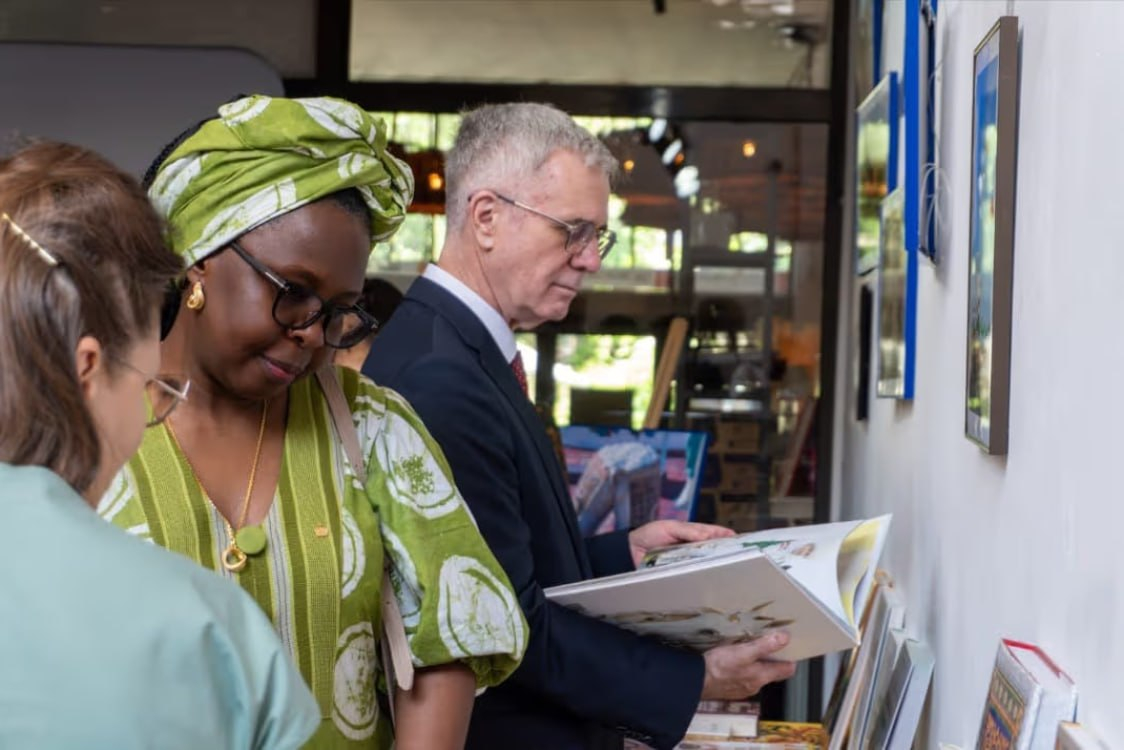
Turkmenistan Showcases Cultural Heritage at the National Museum in Bucharest
11.06.2026On June 9, the exhibition “Turkmenistan: 35 Years of Independence – A Celebration of Heritage and Culture” opened at the National Museum of the Romanian Peasant in Bucharest. The event was organized by the Embassy of Turkmenistan in Romania, according to the IIC. The exhibition is dedicated to the 35th anniversary of Turkmenistan’s independence and the 2026 motto: “Independent and Permanently Neutral Turkmenistan – the Homeland of Purposeful Winged Steeds.” The opening ceremony was attended by representatives of the diplomatic corps, Romanian government institutions, academic and cultural circles, the business community, the media, and Turkmen students. Visitors were presented with Turkmen carpets, decorative and applied arts, national costumes, jewelry, and photographic materials reflecting the country’s cultural heritage and contemporary development. Special attention was given to Turkmenistan’s role in international humanitarian cooperation, including its collaboration with the United Nations and UNESCO in the preservation of cultural heritage. The exhibition highlighted the role of culture as an instrument of international dialogue and the strengthening of interstate relations.
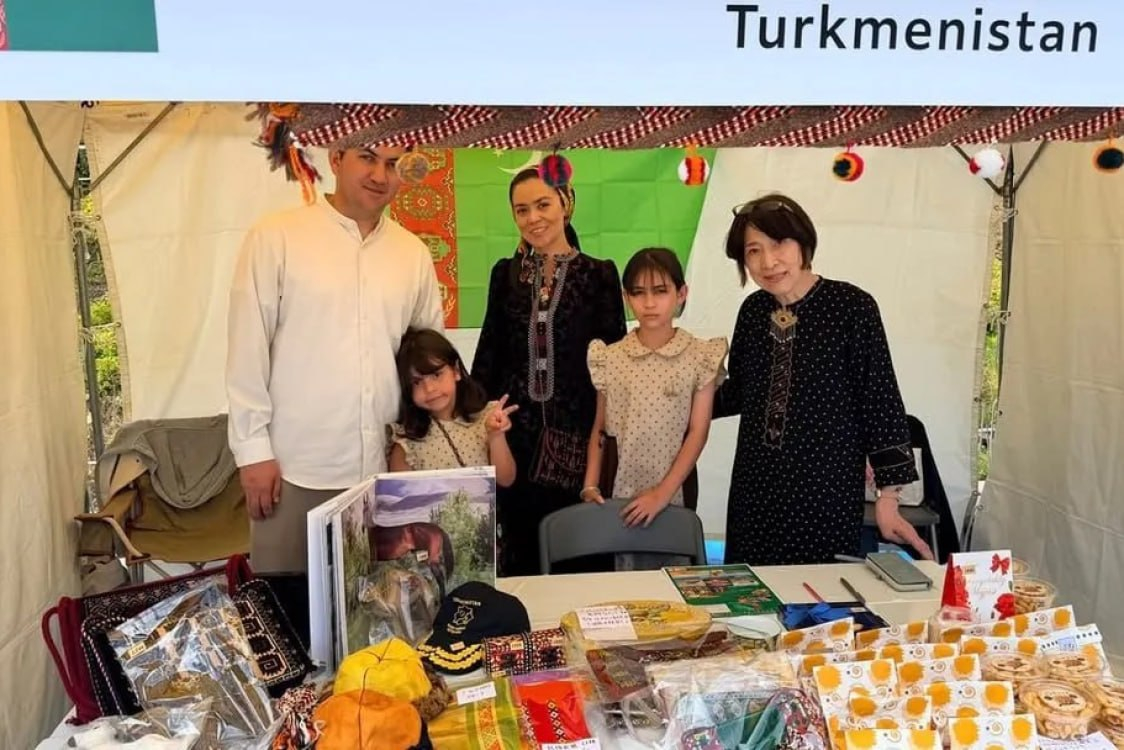
Turkmenistan showcased its culture at a festival in Tokyo
09.06.2026From June 6 to 7 in Tokyo, as part of the Setagaya Festival, Turkmenistan presented its own stand dedicated to the country’s culture and history. This was reported by the news website Turkmenportal. The exhibition included items of cultural heritage, national dishes and sweets, as well as traditional handicrafts and souvenir products. According to the organizers, the exhibition attracted strong interest from local residents: visitors explored informational materials about the country and showed interest in its tourism opportunities. Participation in the event contributed to strengthening cultural ties between Turkmenistan and Japan.
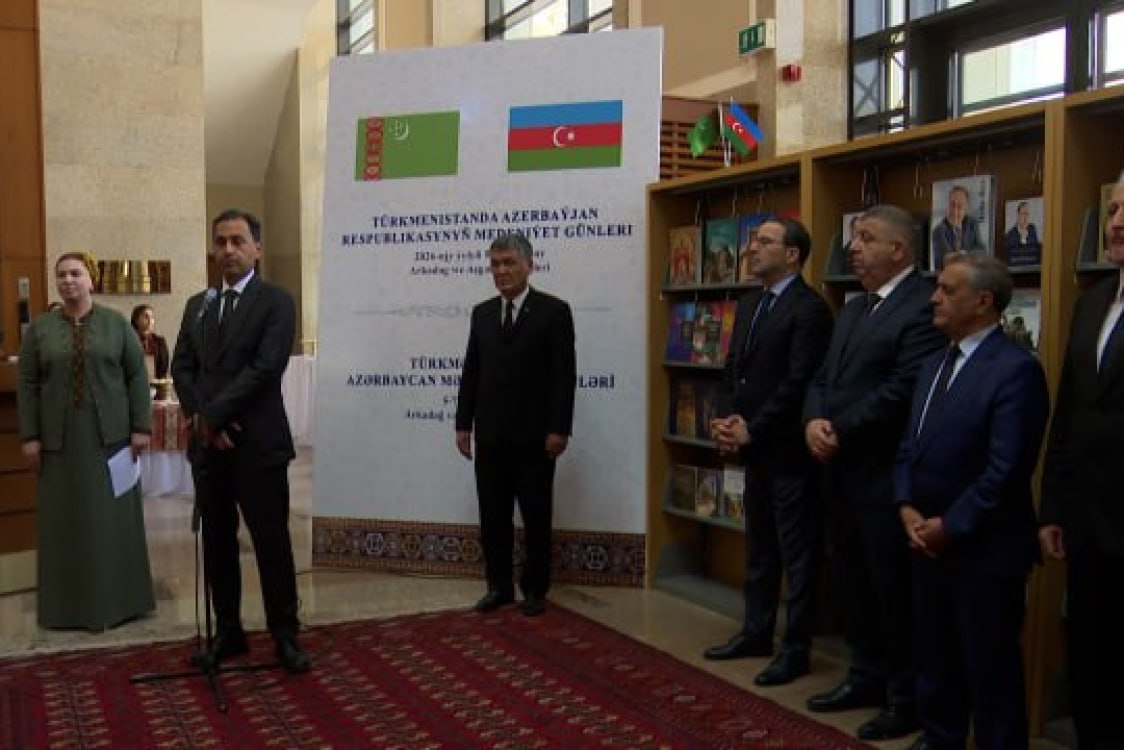
In Turkmenistan, a corner dedicated to Azerbaijani literature has opened
09.06.2026On June 6, a “Corner of Azerbaijani Literature” was inaugurated at the State Library of Turkmenistan as part of Azerbaijan’s Cultural Days. This was reported by the news website Asmannews. The ceremony was attended by representatives of the ministries of culture of both countries, the National Library of Azerbaijan, the country’s parliament, and the Union of Writers of Azerbaijan. As noted during the event, the new section will allow residents of Turkmenistan as well as the Azerbaijani diaspora to become familiar with works by Azerbaijani authors and public figures. The collection includes books on Azerbaijan’s history, culture, literature, and modern development, and it will be regularly updated with new publications.
The Culture Days of the Republic of Azerbaijan concluded in Turkmenistan
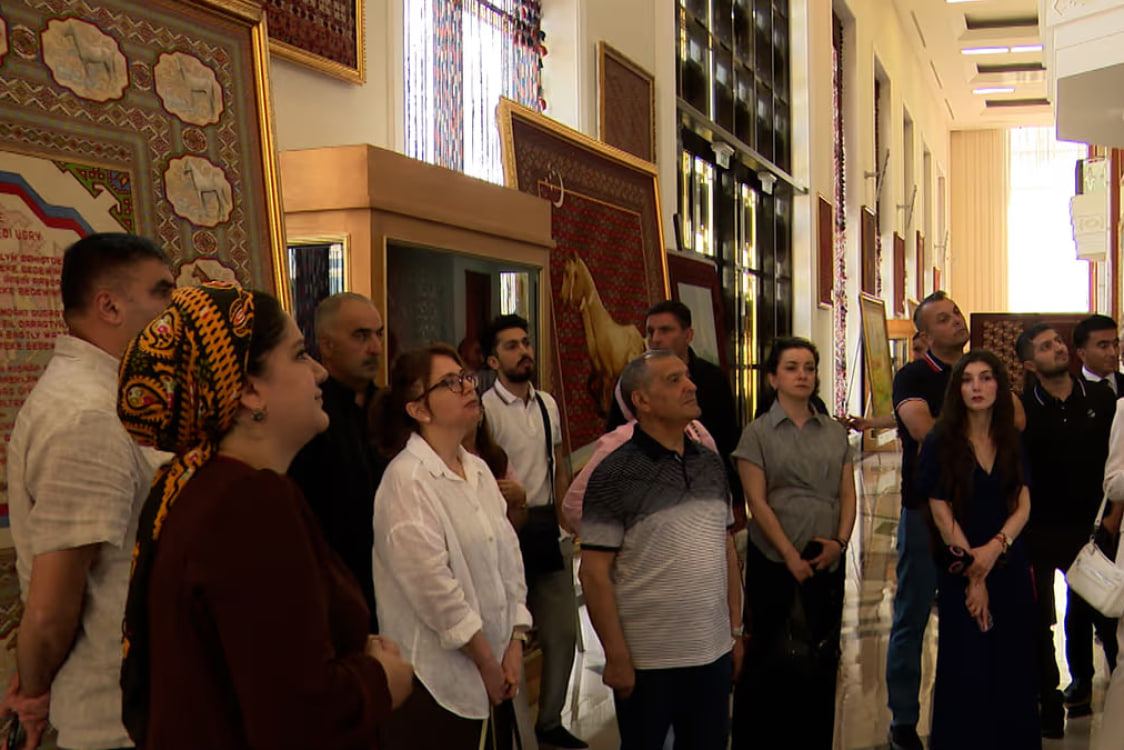
08.06.2026The Culture Days of the Republic of Azerbaijan in Turkmenistan have concluded in Ashgabat. On the final day of the program, members of the creative delegation visited cultural and historical sites in the capital and took part in film screenings, according to IIC. The guests were introduced to the exhibition of the National Museum of Turkmen Carpet, which features unique examples of traditional carpet weaving. The delegation was briefed on the characteristics of Turkmen carpet schools and the significance of this art form in national culture. They then visited the State Museum of the State Cultural Center of Turkmenistan. There, they were presented with archaeological and ethnographic exhibits reflecting various stages of the history of the Turkmen people and statehood. As part of the cultural program, Azerbaijani films were screened at the “Ashgabat” cinema. The audience watched the musical comedy “Arshin Mal Alan” and the film “Ene Toprak.” Thus, the Culture Days of the Republic of Azerbaijan in Ashgabat concluded, aimed at strengthening cultural ties between the two countries.
Turkmenistan’s Consulate General presents cultural program in Istanbul
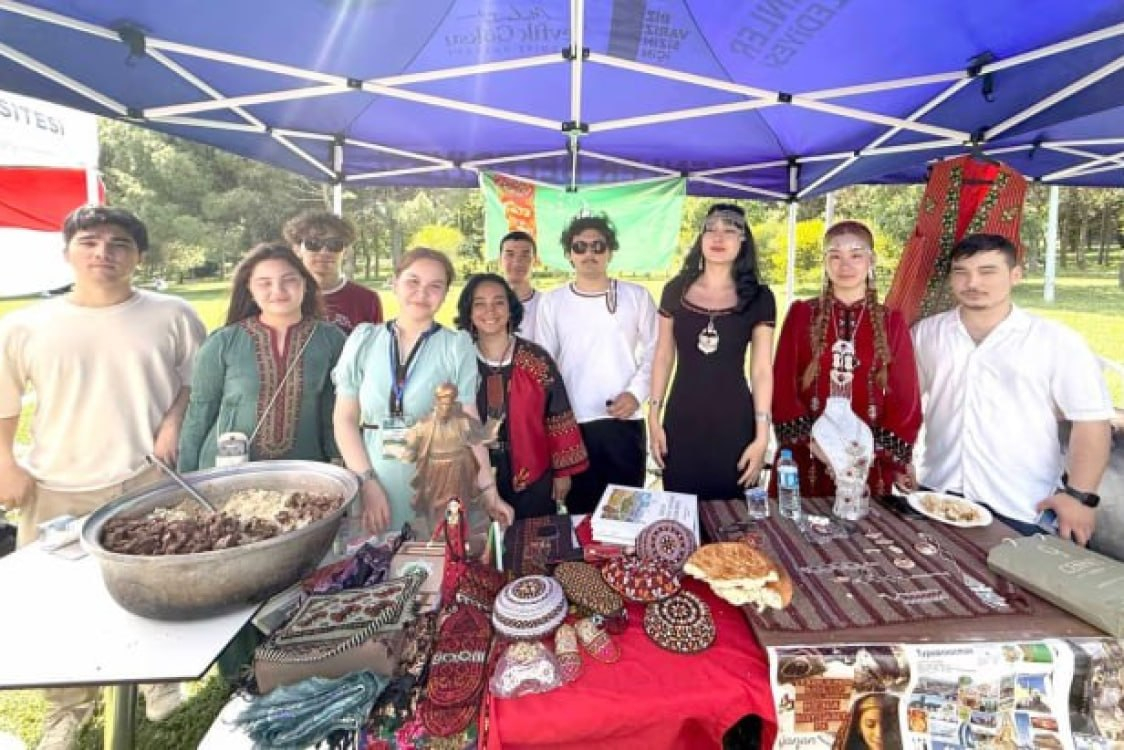
08.06.2026On June 6, a cultural event organized by the Consulate General of Turkmenistan was held at Yıldız Technical University in Istanbul. The event was dedicated to the 2026 motto — “Independent Neutral Turkmenistan – the homeland of purposeful winged horses,” according to the news website Asmannews. The gathering brought together representatives of the Turkmen diaspora, lecturers, students, and guests interested in the country’s culture. Participants were presented with materials on Turkmen traditions, spiritual values, the history of statehood, and the country’s policy of neutrality. Special emphasis was placed on the significance of the 2026 motto and the symbolic role of Akhal-Teke horses as one of the national symbols of the country.
Turkmenistan and Azerbaijan discussed expanding cultural cooperation
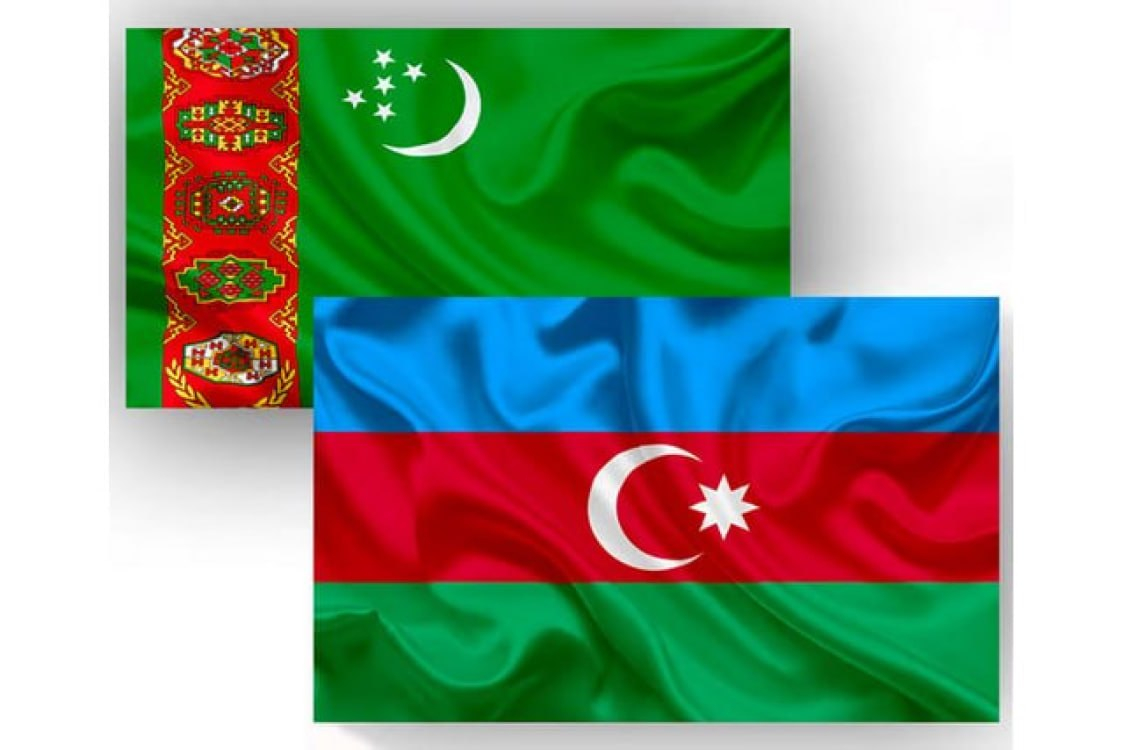
07.06.2026A meeting was held at the Ministry of Culture of Turkmenistan between Deputy Minister Nursahat Shirimov and his Azerbaijani counterpart Murad Huseynov, according to the IIC. The sides discussed the development of intergovernmental cultural and humanitarian cooperation, as well as new areas of collaboration. A positive dynamic in bilateral relations was noted, with emphasis placed on the importance of strengthening ties based on the historical and cultural proximity of the two peoples. Special attention was given to cooperation in the field of cinematography, including joint projects and exchange of expertise between professionals. The importance of regularly holding Culture Days was also highlighted, as these events are seen as a tool for strengthening friendship and promoting the cultural heritage of both countries.
Arkadag City Hosts the Days of Azerbaijani Culture
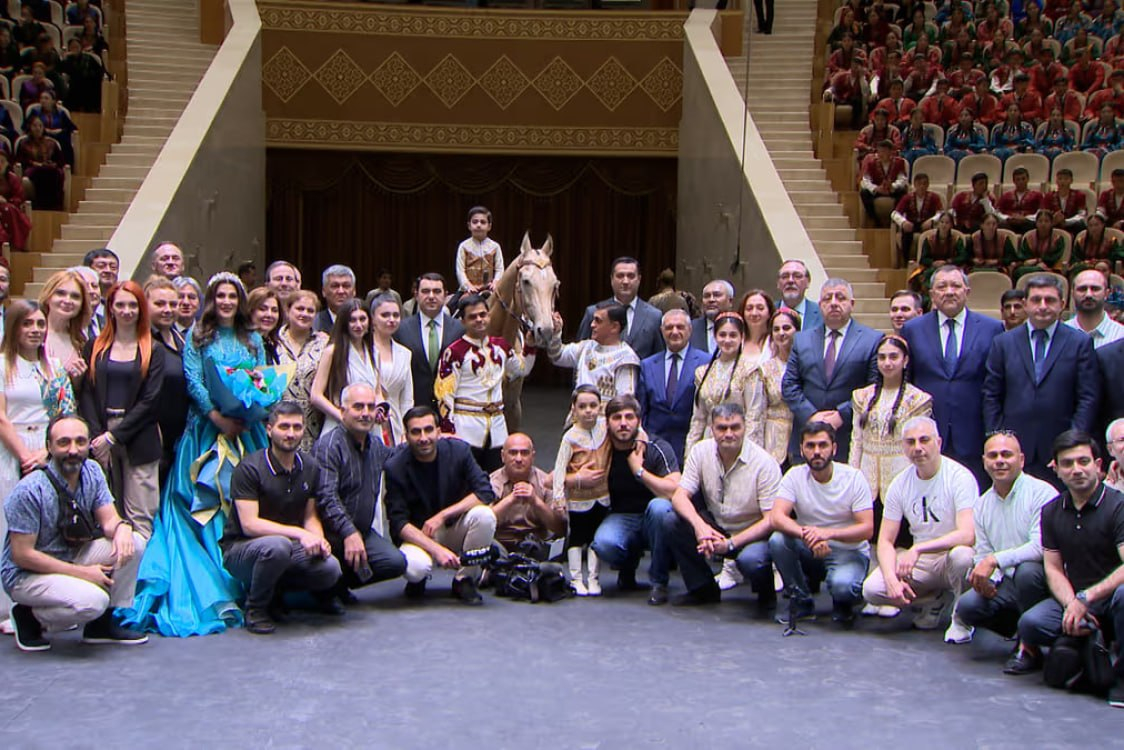
07.06.2026Events dedicated to the Days of Azerbaijani Culture were held in the city of Arkadag, IIC reported. The program began with a scientific conference at the city library named after Döwletmämmet Azadi. Participants discussed the literary heritage of the Turkmen poet and thinker Döwletmämmet Azadi and the Azerbaijani enlightener Seyid Azim Shirvani, highlighting the historical ties between the cultures of the two peoples. A photo exhibition opened at the Arkadag Museum of History and Local Lore, dedicated to the traditions, history, architecture, and modern life of Azerbaijan. The events concluded with a joint concert by Turkmen and Azerbaijani artists. Folk and pop performances were presented for the audience. The national equestrian group “Galkynysh” also performed, showcasing a program featuring elements of equestrian stunts on Akhal-Teke horses.
Read also
Advertising



 Read us in Zen


