

Culture
Azerbaijani decorative and applied arts presented in Ashgabat
06.06.2026An exhibition of Azerbaijani decorative and applied arts has opened in Ashgabat. The exhibition is based on exhibits from the National Carpet Museum of Azerbaijan, covering a period from the 19th century to the present day, according to the IIC. A separate section is dedicated to carpet schools. On display are Guba carpets “Gymyly,” Karabakh carpets “Arjiman,” and Baku carpets “Zili.” Household items such as khorjuns and chuvals with traditional ornaments are also presented. The contemporary section features works by Azerbaijani masters, including tapestries by Khalida Nasirova titled “Azerbaijan in the Third Millennium” and carpets by Eldar Mikayilzade titled “Shebi-Khijran” and “Leyli and Majnun,” inspired by the poetry of Fuzuli. Jewelry and metalworking art pieces are also showcased. Visitors can see copper vessels, bathhouse chests (hamam trunks), and silver jewelry. The exhibition also demonstrates shebeke, a traditional technique of creating wooden window lattices with colored glass without the use of nails or glue. The organizers noted that the exhibition has become a platform for cultural exchange and expressed gratitude to the National Leader of the Turkmen people Gurbanguly Berdimuhamedov and President Serdar Berdimuhamedov for organizing the Culture Days and supporting bilateral cooperation.
Turkmenistan hosts Days of Culture of the Republic of Azerbaijan
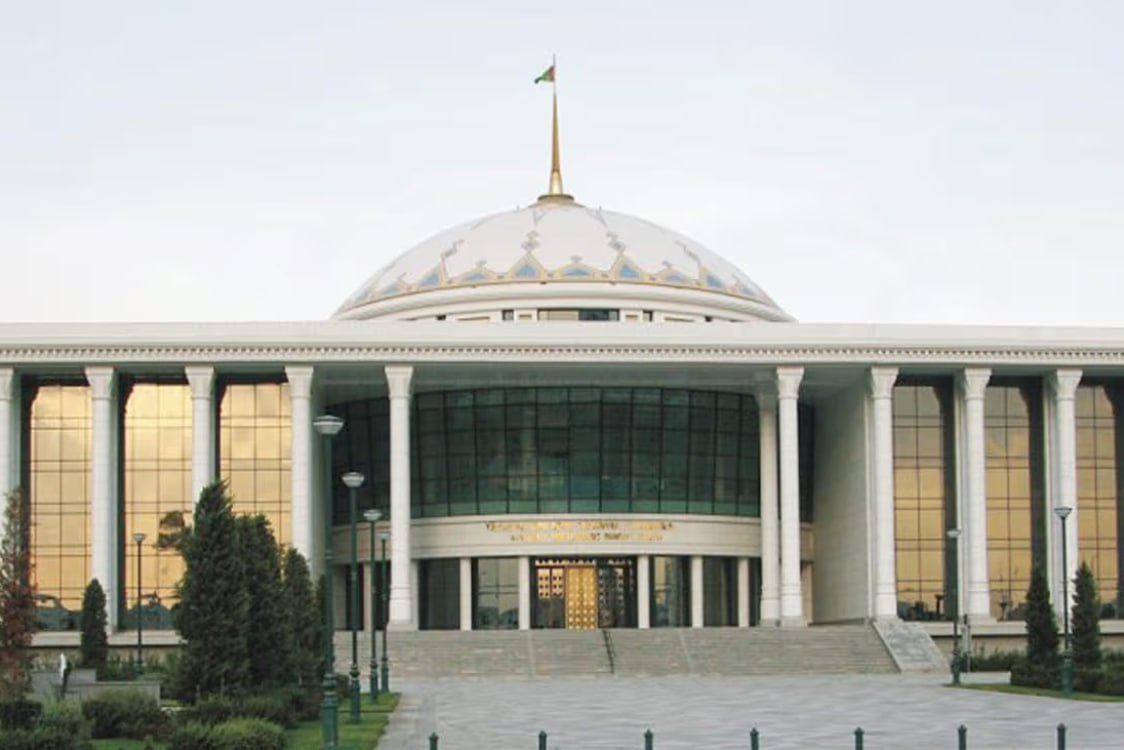
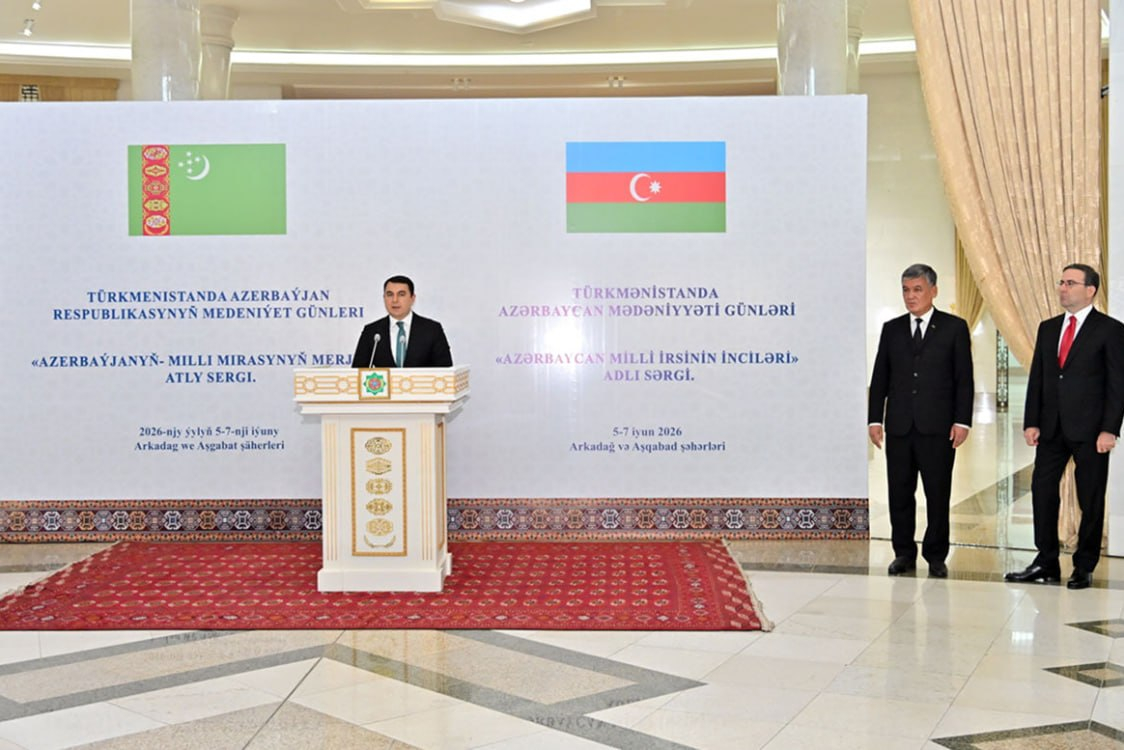
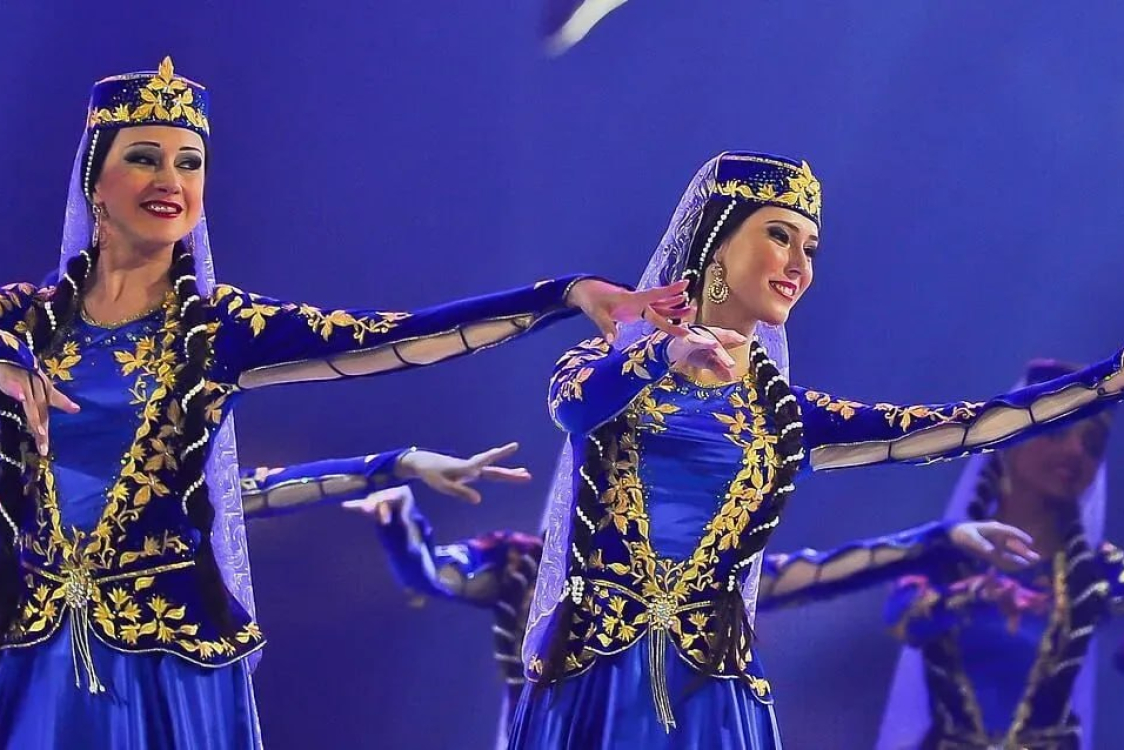
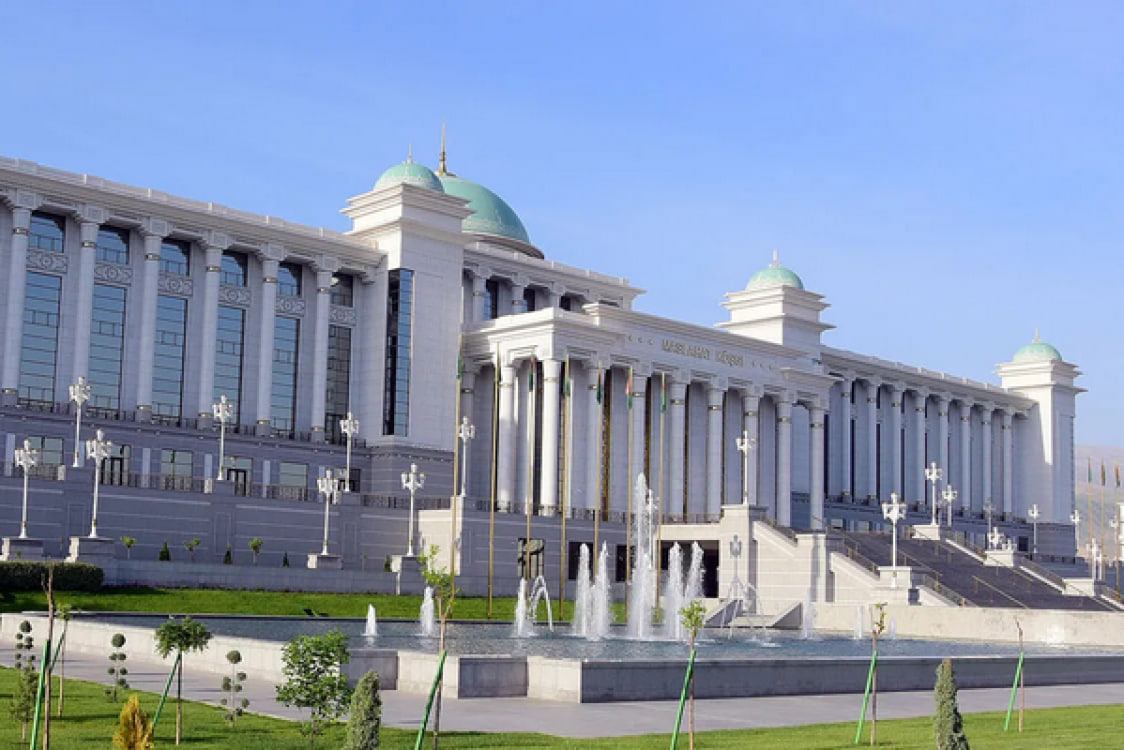
06.06.2026A ceremonial opening of the Days of Culture of the Republic of Azerbaijan took place on June 5 in Ashgabat at the Mukamlar Palace of the State Cultural Center of Turkmenistan. This was reported by AsmanNews. The event was attended by representatives of the cultural sectors of both countries, as well as artists and public figures. Speakers emphasized the importance of cultural cooperation in strengthening Turkmen-Azerbaijani relations and expressed gratitude to the leadership of both states for supporting humanitarian ties. It was noted that cooperation between Turkmenistan and Azerbaijan is steadily developing across various fields, including culture, with mutual visits and joint projects playing an important role. The central event of the first day was a concert featuring Azerbaijani and Turkmen artistic ensembles. Performers included the Azerbaijan State Orchestra of Folk Instruments named after Fikret Amirov, the Azerbaijan State Chamber Orchestra named after Gara Garayev, the percussion ensemble of the Azerbaijan State Dance Ensemble, as well as well-known performers from both countries. The program also included joint performances by Turkmen and Azerbaijani artists. One of the highlights of the evening was the performance of the “Küştdepdi” dance featuring the Turkmen “Galkynyş” ensemble and an Azerbaijani soloist. As part of the cultural days, the Museum of Fine Arts of Turkmenistan named after Great Saparmurat Turkmenbashi opened an exhibition titled “Pearl of Azerbaijan’s National Heritage.” The exhibition includes carpets, jewelry, embroidery, traditional headwear, and other exhibits from the collection of the Azerbaijan National Carpet Museum. In addition, Azerbaijani feature films were screened at the “Ashgabat” cinema. The cultural program will continue in the city of Arkadag. Planned events include a scientific conference dedicated to the works of classical Turkmen and Azerbaijani literature, a photo exhibition, as well as a joint concert of artists from both countries featuring the Galkynyş National Equestrian Games Group.

Designers from France, Russia and Other Countries to Showcase Collections in Ashgabat
03.06.2026As part of the Turkmen Textile Expo 2026, which will take place in Ashgabat from June 4 to 6, international fashion shows will be held. This was reported by Turkmenportal. The runway shows will feature Turkmen brands as well as designers from France, Morocco, Oman, Uzbekistan and Russia. Visitors will be able to see clothing collections and contemporary interpretations of fashion. Among the invited guests are Marzio Nocera, owner of Fashion Channel, and Carlo D'Amario, CEO of Vivienne Westwood. France will be represented by the Claude Patrick Fashion House and Romuald Bertrand. Morocco will be represented by Wafaa Idrissi Haute Couture, while Oman will showcase the Yoland Fashion House. Uzbekistan will be represented by Dilovar Mirzaev and Madinabonu Ergashova, and Russia by Olga Kadeikina and the SOLOVE brand. Turkmenistan will present the Miras Fashion House, the brands Goç Ýigit, Däp, Gulyaka Lybaslary, Emine Bridal and Peykam, as well as designers Abat Muhammetniyazova, Seyrangeldy Berdyev and Anna Korostova. Throughout the exhibition, the catwalk will feature collections in both ethnic and contemporary styles.
Culture Days of Azerbaijan with a rich program to be held in Turkmenistan
02.06.2026Culture Days of Azerbaijan will be held in Turkmenistan from May 5 to May 7. The program includes concerts by Azerbaijani artists, exhibitions, film screenings, and scientific conferences. This was reported by the news website Turkmenportal. On June 5, screenings of Azerbaijani films “Tagiyev: Oil” (10:00) and “Dream of Paradise” (13:00) will take place at the Ashgabat cinema. At 15:00, the exhibition “Pearl of Azerbaijan’s National Heritage” will open at the Saparmurat Turkmenbashi Museum of Fine Arts. At 17:30, the opening ceremony of Culture Days of Azerbaijan in Turkmenistan will be held at the Mukam Palace. On June 6, a scientific conference dedicated to the works of Döwletmämmet Azady and Seyid Azim Shirvani will be held at the library of the city of Arkadag, with participation from academic circles of Turkmenistan and Azerbaijan. At 16:00, the photo exhibition “Azerbaijan – From Lens to History” will open at the Arkadag Museum. At 18:00, a joint concert of Azerbaijani and Turkmen artists will take place at the State Equestrian Sports Circus named after Görogly in Arkadag. On June 7, at 10:00 the film “Arshin Mal Alan” will be screened at the Ashgabat cinema, and at 13:00 “Native Land” will be shown. At 16:00, a scientific conference dedicated to the works of Magtymguly Fragi and Molla Panah Vagif will be held at the State Library of the State Cultural Center of Turkmenistan. The program will conclude at 19:00 at the Mukam Palace with the closing ceremony of Culture Days of Azerbaijan in Turkmenistan.
The State Association “Türkmenhaly” has received a diploma from TURKSOY
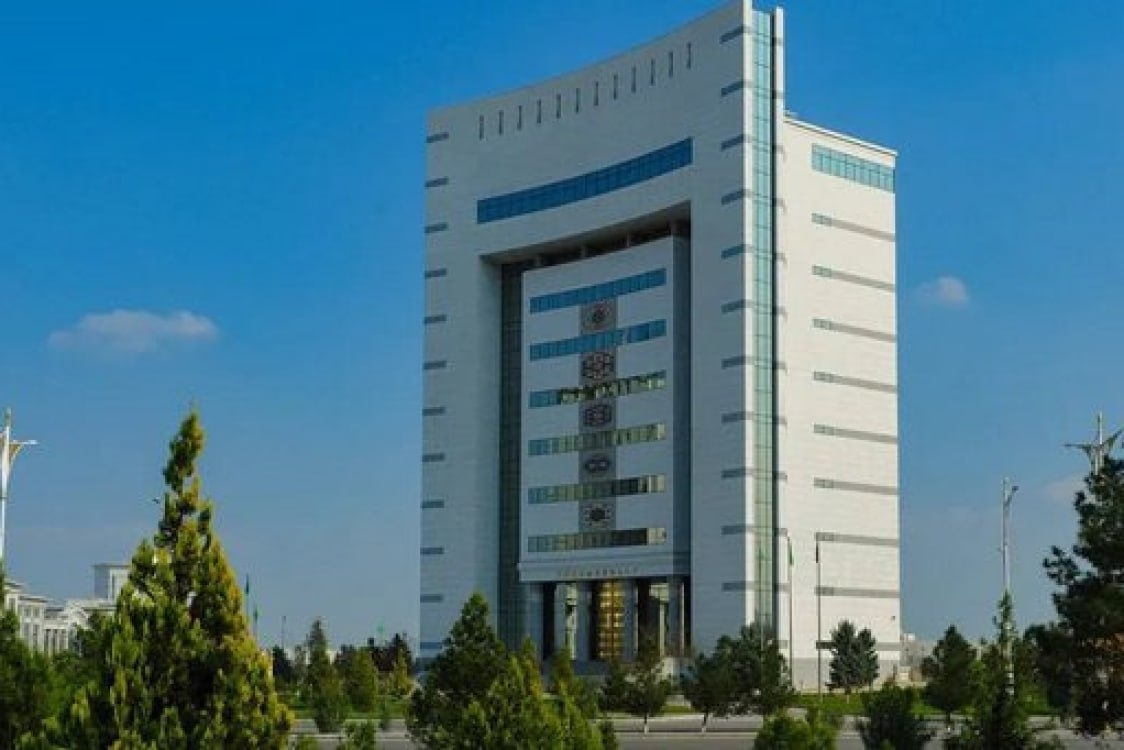
02.06.2026In Ashgabat, as part of the celebrations dedicated to Turkmen Carpet Day, a ceremony was held to present a special diploma from the International Organization of Turkic Culture (TURKSOY) to the State Association “Türkmenhaly” for its contribution to the development of carpet weaving in the Turkic world. The best female artisans of the industry also received letters of appreciation. This was reported by Turkmenportal, citing the news agency TDH. During the ceremony, TURKSOY Secretary General Sultan Raev delivered a speech. He noted that in Turkmenistan, Turkmen Carpet Day is celebrated at a high level and holds significant importance for the cultural heritage of Turkic peoples. According to him, carpets are not only an element of decorative and applied art but also a carrier of historical traditions and the spiritual heritage of the Turkic world. Sultan Raev expressed gratitude to the State Association “Türkmenhaly” and the craftswomen for their contribution to the preservation and development of carpet weaving. At the end of the ceremony, he presented the special diploma and letters of appreciation.
Turkmenistan Participated in an International Conference Within the Framework of the OIMO Festival
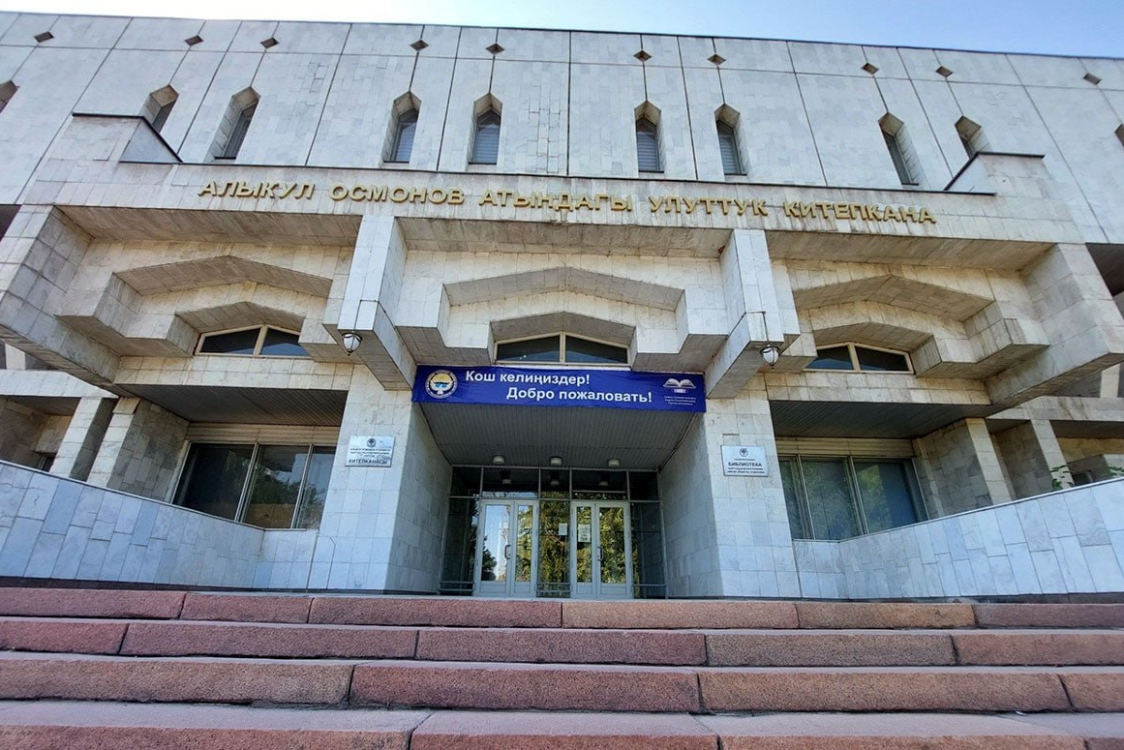
30.05.2026The head of the UNESCO-affiliated national creative group “Design Plus” and a People's Master of Turkmenistan took part online on May 26 in a conference dedicated to the preservation of traditional culture and the development of creative industries based on intangible cultural heritage. This was reported by the news agency “Turkmenistan: Golden Age”. The event was held at the A. Osmonov National Library of Kyrgyzstan as part of the 20th International OIMO Festival. More than 100 representatives of government institutions, international organizations, museums, the academic community, as well as artists, designers, and craftspeople from Kyrgyzstan, Kazakhstan, India, and the United Kingdom also participated in the conference. A special event of the program was the screening of a documentary dedicated to the memory of Dinara Chochunbaeva, the founder of the OIMO Festival and one of the key figures in the development of the country's handicraft movement. Participants discussed the role of museums in interpreting nomadic heritage, issues of national identity in material culture, the protection of traditional knowledge, and international experience in the field of cultural heritage. Tajigul Kurbanova also delivered an online presentation, speaking about traditional folk and applied arts and the transmission of cultural traditions to younger generations. The OIMO Festival remains one of the region’s important platforms for safeguarding intangible cultural heritage and promoting international cultural cooperation.
Turkmenistan presented its cultural heritage and national cuisine in Dushanbe
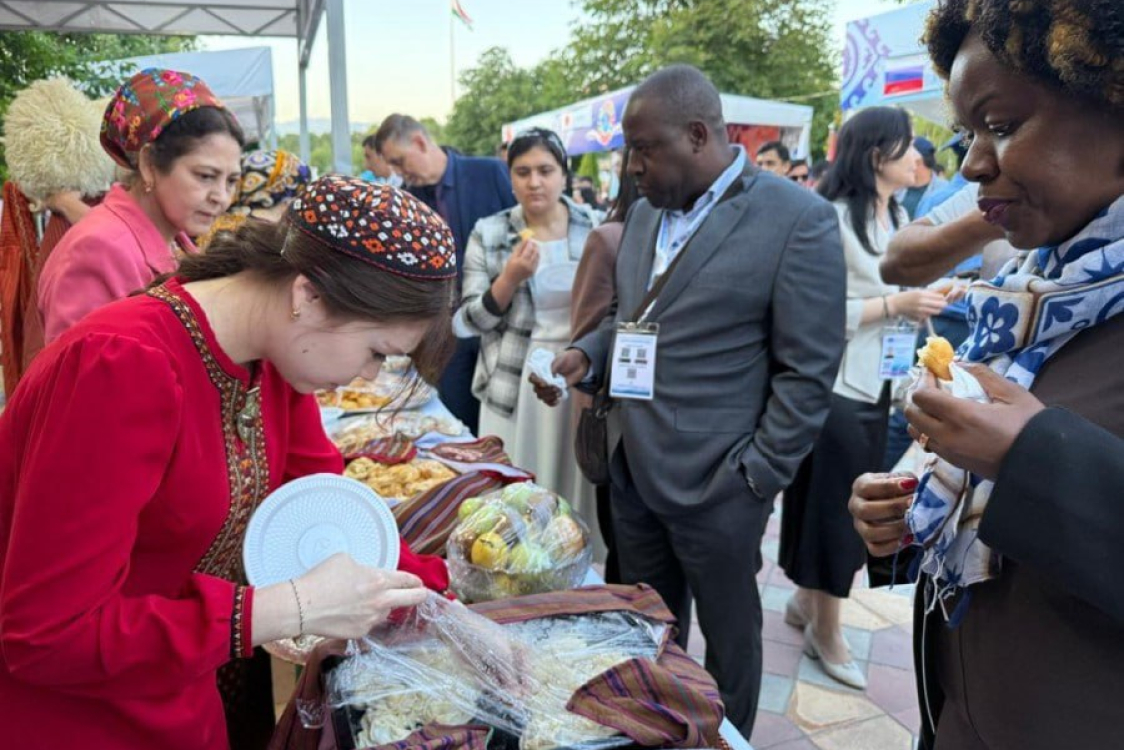
30.05.2026On May 25, within the framework of the Fourth International Conference on the International Decade for Action “Water for Sustainable Development, 2018–2028,” the International Festival of Folk Crafts and National Cuisine was held at the Navruzgoh Culture and Recreation Park. This was reported by the news agency Orient. The Embassy of Turkmenistan in Tajikistan actively participated in the event, showcasing the country’s cultural heritage, traditional crafts, and national dishes. The exhibition featured handwoven carpets, embroidery, and decorative and applied arts reflecting Turkmenistan’s national identity. Guests showed great interest in Turkmen cuisine, oriental sweets produced by local enterprises, and tea served in line with the traditions of Turkmen hospitality.
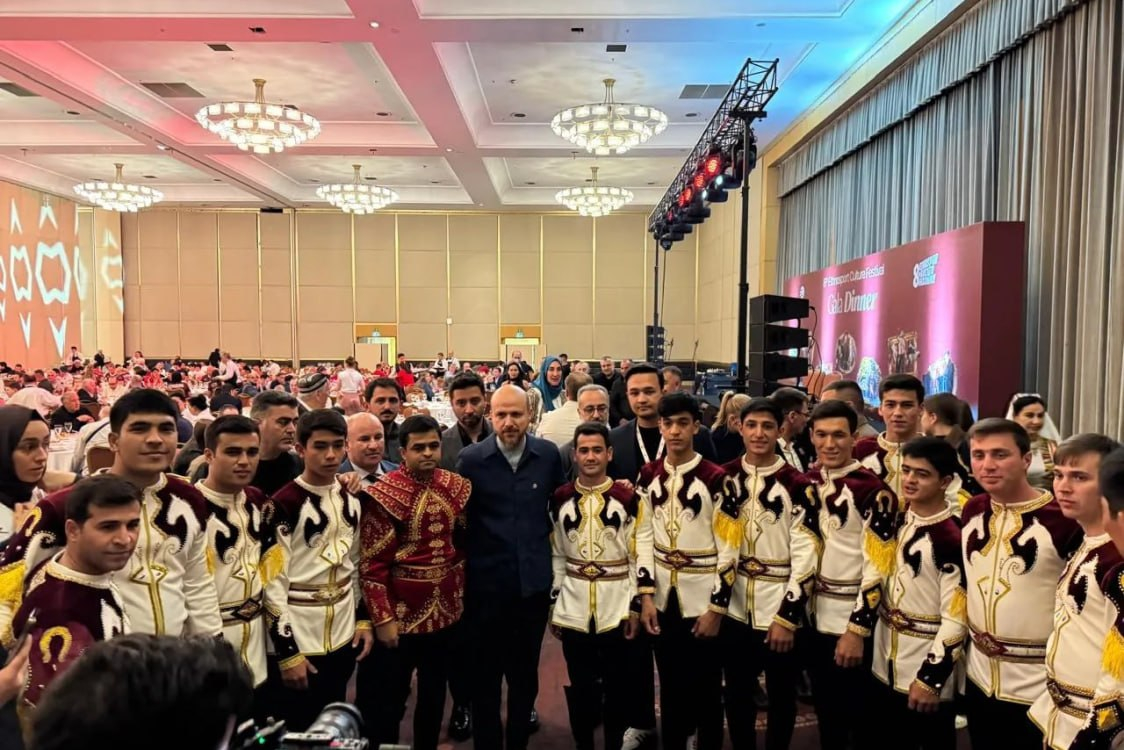
Bilal Erdogan expressed gratitude to the “Galkynysh” group for their performance in Istanbul
25.05.2026The President of the World Ethnosport Union, Bilal Erdogan, thanked the head of the equestrian group “Galkynysh,” Serdar Pygyyev, for their performance at the 8th International Ethnosport Culture Festival in Istanbul. This was reported by the news website Turkmenportal. The festival, organized by the World Ethnosport Confederation, took place from May 21 to 24 at the Atatürk Airport premises. The program featured traditional sports, folk games, crafts, gastronomy, and cultural performances. The Turkmen equestrian group, consisting of 25 members, demonstrated the art of trick riding alongside participants from various countries. It is noted that Bilal Erdogan previously visited Turkmenistan and discussed with the country’s leadership the prospects for developing cooperation in the field of sports, emphasizing the country’s potential in national sports disciplines.
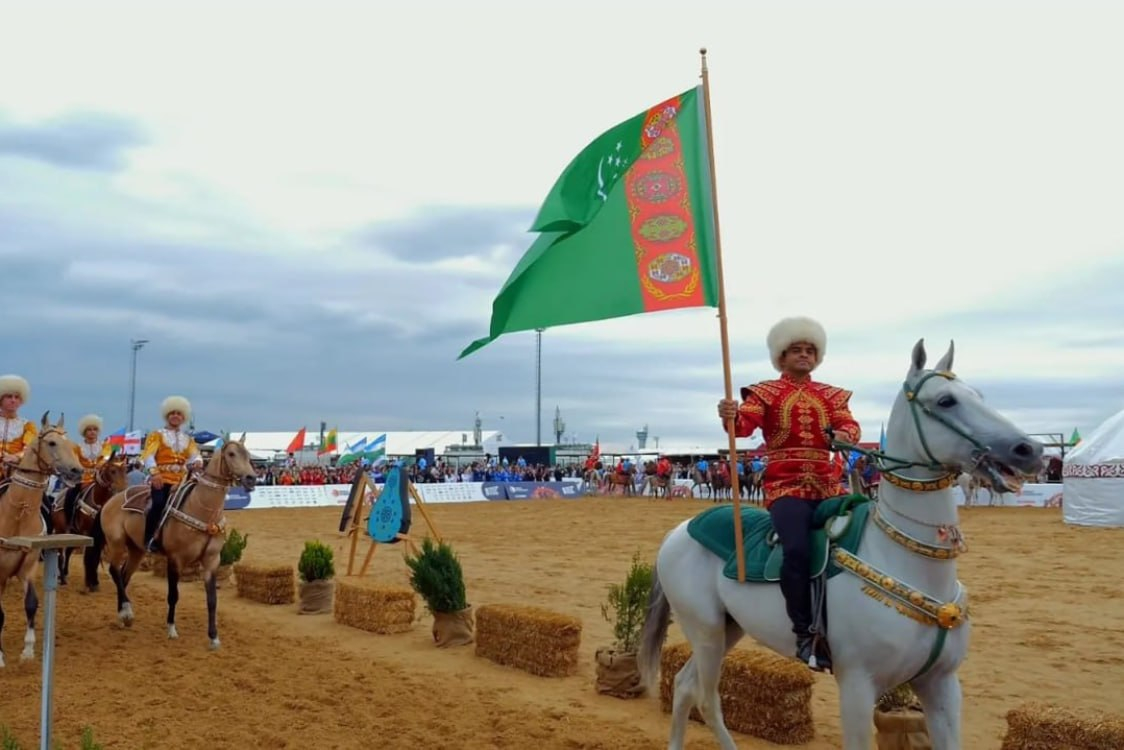
Turkmen group “Galkynysh” performed at the Ethnosport Festival in Istanbul
25.05.2026The Turkmen equestrian group “Galkynysh,” consisting of 25 participants, is taking part in the 8th Ethnosport Festival, which was held in Istanbul at Atatürk Airport from May 21 to 24. The delegation is headed by Honored Horse Breeder of Turkmenistan Serdar Pygyev, according to the news website Turkmenportal. The event is organized by the World Ethnosport Confederation and brings together traditional sports and elements of cultural heritage. The opening ceremony, held at the “Khan” tent, featured musical ensembles and orchestras, as well as an official ceremony attended by the President of the World Ethnosport Confederation Bilal Erdogan. Representatives from more than 20 countries, including nations from Europe, Asia, Africa, and Latin America, took part in the festival.
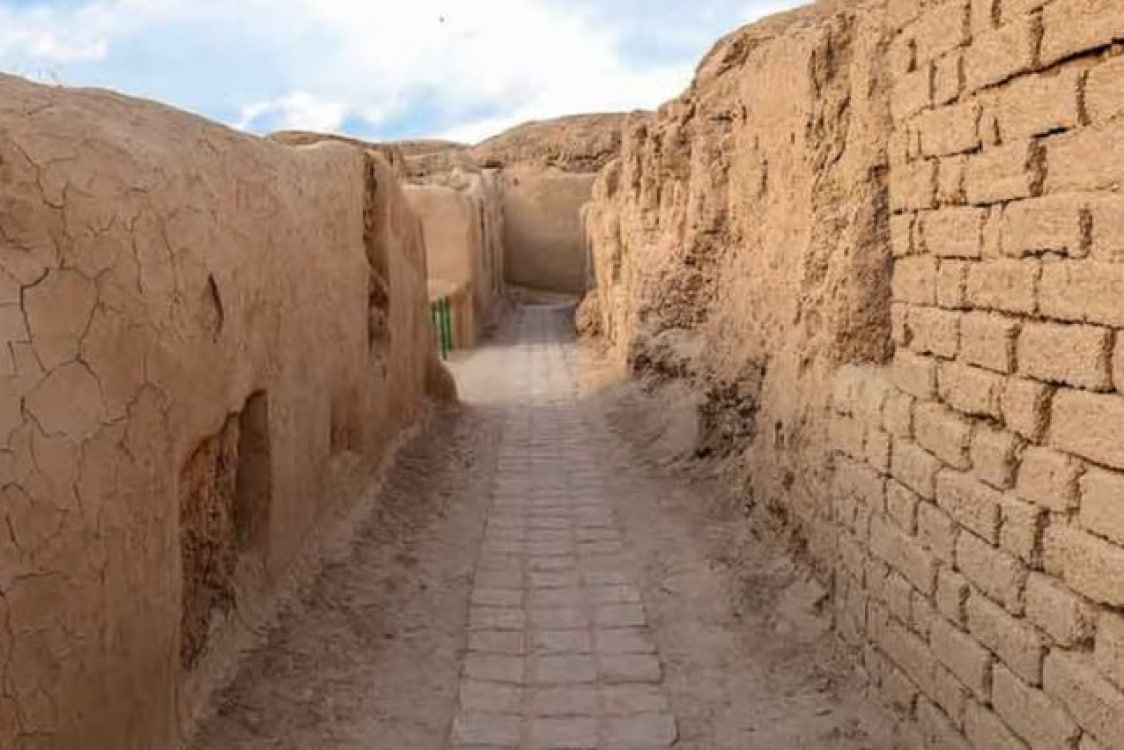
Turkmen–Russian archaeological cooperation enters a new stage
21.05.2026Turkmenistan, through which the Great Silk Road once passed, has since ancient times served as a connecting link between East and West and was one of the cradles of early civilizations. For more than 50 years, its archaeological heritage has been actively studied by Soviet and Russian researchers, who have made a significant contribution to the formation of a scientific school and the training of local specialists, according to the IIC. Among the key sites is Gonur Depe, the largest settlement of ancient Margiana, where excavations have uncovered unique architectural complexes, the earliest mosaics, and early evidence of horse domestication, confirming the high level of this civilization. An equally important discovery was the settlement of Yylgynly Depe, where workshops for producing clay figurines were found, reshaping views on the development of crafts in the prehistoric period. Significant results were also obtained from the study of Old Nisa, the center of the Parthian Kingdom, where royal archives and ritual vessels were discovered. Today, cooperation between Russia and Turkmenistan continues: restoration work is underway, findings are being systematized, and joint exhibition projects are being prepared aimed at popularizing the ancient heritage of the region.
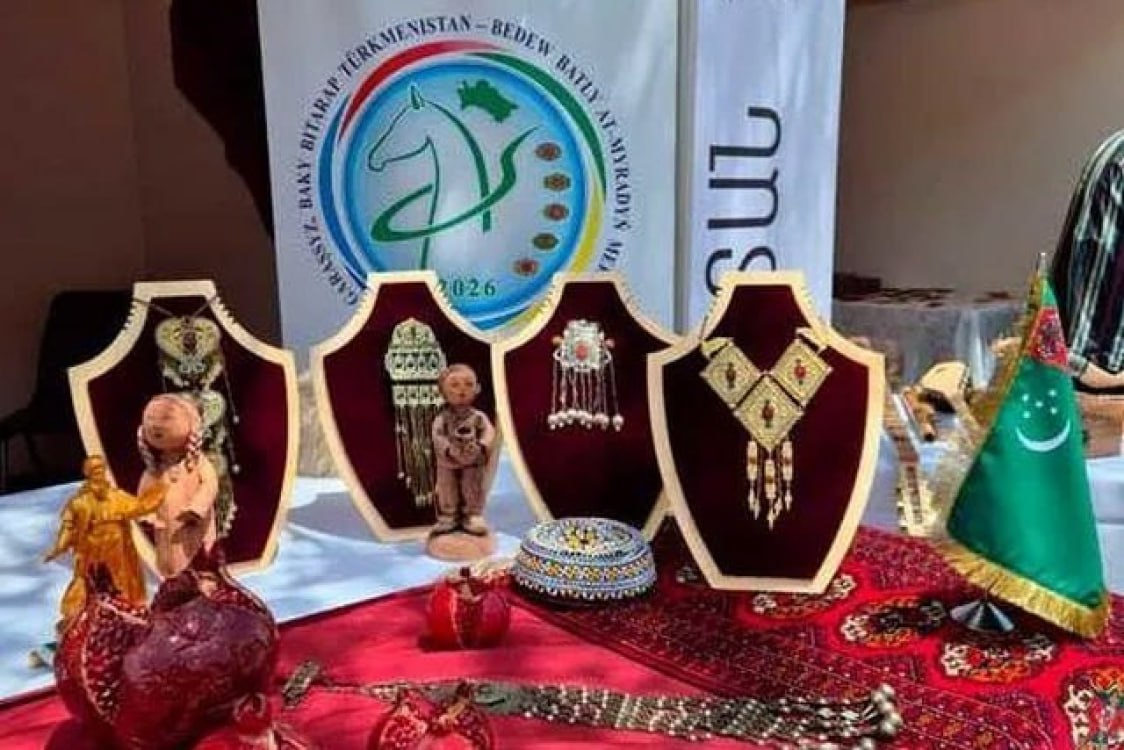
Turkmen artisans presented traditional crafts at a festival in Armenia
21.05.2026A delegation from Turkmenistan took part in the 5th International Crafts Festival, held on May 16–17 in the city of Meghri, Republic of Armenia. This was reported by the news website Turkmenportal. Turkmen artisans showcased traditional decorative and applied arts products. National jewelry, carpets, embroidery, and souvenir items attracted particular interest from visitors. As part of the festival, Turkmen bakhshi — performers of traditional folk music — also gave performances. The event was held under the slogan “Creative Community, Sustainable Future.” Craftsmen and artisans from Armenia, CIS countries, Georgia, and Iran participated in the festival.
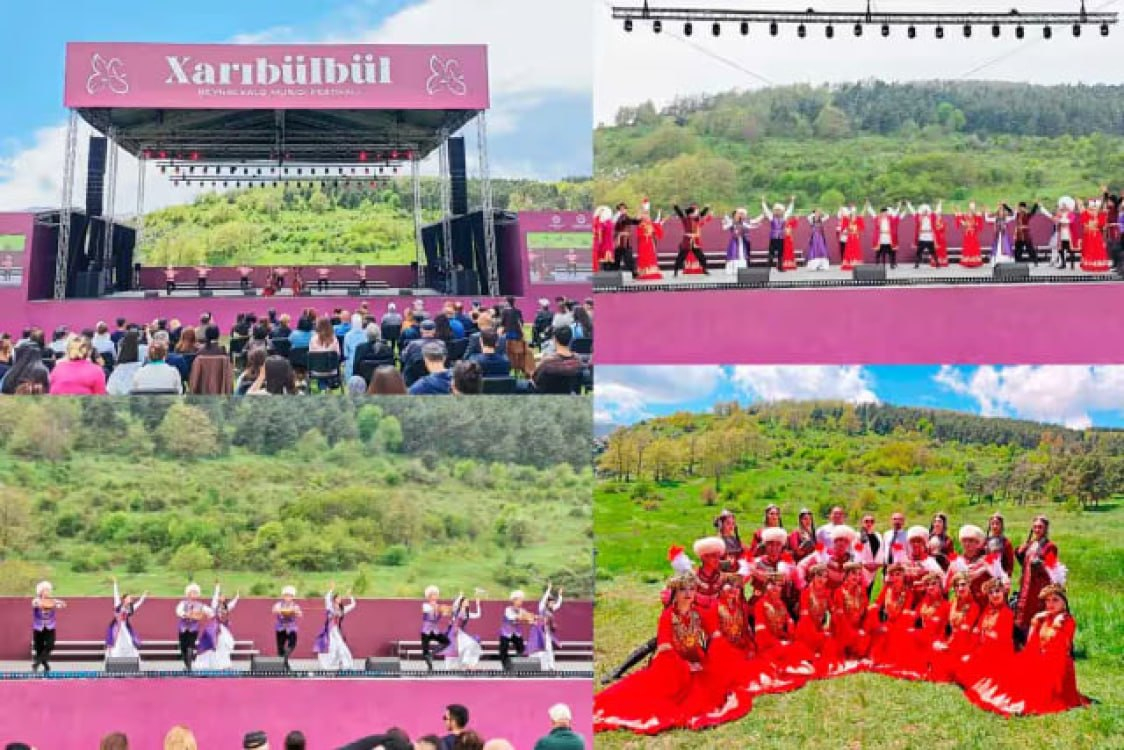
Turkmen artists presented culture at a festival in Azerbaijan
19.05.2026From May 14 to 15, the 9th International “Xarı bülbül” Festival was held in the city of Shusha (Azerbaijan). Representatives of Turkmenistan took part in the event. According to the Ministry of Culture of Turkmenistan, the country was represented by the folk group “Galkynysh” of the State Concern “Turkmengaz”. The ensemble performed at the festival and presented the musical heritage of the Turkmen people, showcasing its cultural diversity and traditions.
Read also
Advertising



 Read us in Zen


