



Culture
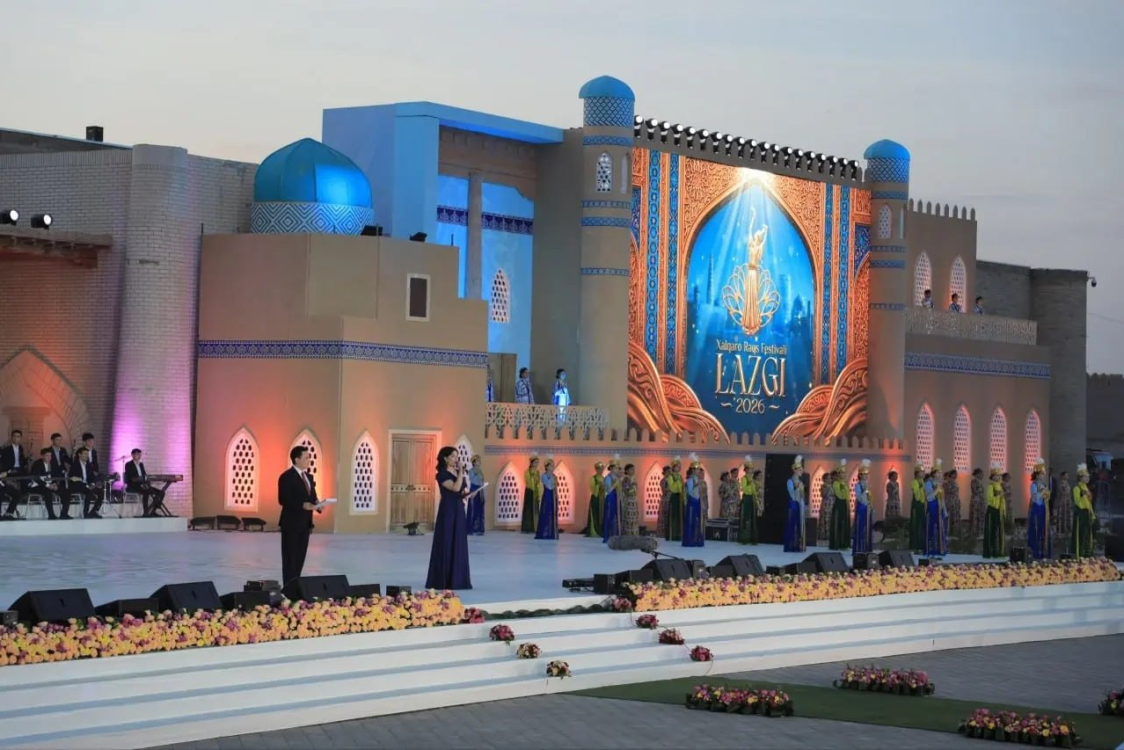
Turkmenistan’s dance art has been recognised at a festival in Khiva
03.05.2026Turkmenistan was represented at the 3rd International ‘Lazgi’ Dance Festival, which took place from 25 to 30 April in the ancient city of Khiva. The event brought together over 300 artists and researchers from 30 countries under the auspices of UNESCO and in partnership with TURKSOY, according to the Orient news agency. For Turkmenistan, participation in the festival marked a notable creative success. The dance group ‘Dessan’ was awarded one of the most prestigious prizes – the ‘Audience Choice Award’. The group’s performance at the walls of the historic Itchan-Kala fortress drew an enthusiastic response from the audience. The performers presented a medley of Turkmen folk dances as part of the ethnocultural programme, showcasing a blend of traditional melodies, national instruments and a well-crafted stage interpretation. The performance served as a vivid example of artistic dialogue between cultures. The ‘Lazgi-2026’ Festival combined not only a festive atmosphere but also a serious academic agenda. As part of the 3rd International Scientific and Practical Conference, participants discussed the significance of dance art in the development of world culture and the preservation of universal human values. Turkmen specialists also took part in a meeting of heads of relevant higher education institutions from TURKSOY countries, where the project ‘Anthology of Traditional Folk Dances of the Turkic World’ was discussed. The meeting resulted in the adoption of a document aimed at the systematic preservation and promotion of the national dance heritage of the Turkic states. The festival’s closing ceremony, timed to coincide with International Dance Day (29 April), highlighted the uniqueness of the Khorezm Lazgi, which is included on UNESCO’s List of Intangible Cultural Heritage of Humanity. The award ceremony for the winners of the competition programme also took place on this day. The festival was attended in person by groups and specialists from the United Kingdom, France, Tajikistan, Turkmenistan, Kazakhstan, Belarus, Russia, Turkey, Kyrgyzstan, Serbia, Brazil, Japan, Spain, Egypt, Georgia, India, Ukraine, Bulgaria, Qatar, Azerbaijan and Uzbekistan, as well as online from the USA, Austria, Jordan, Mexico, Ghana, Russia, North Macedonia, Iran, China, Pakistan and Italy.
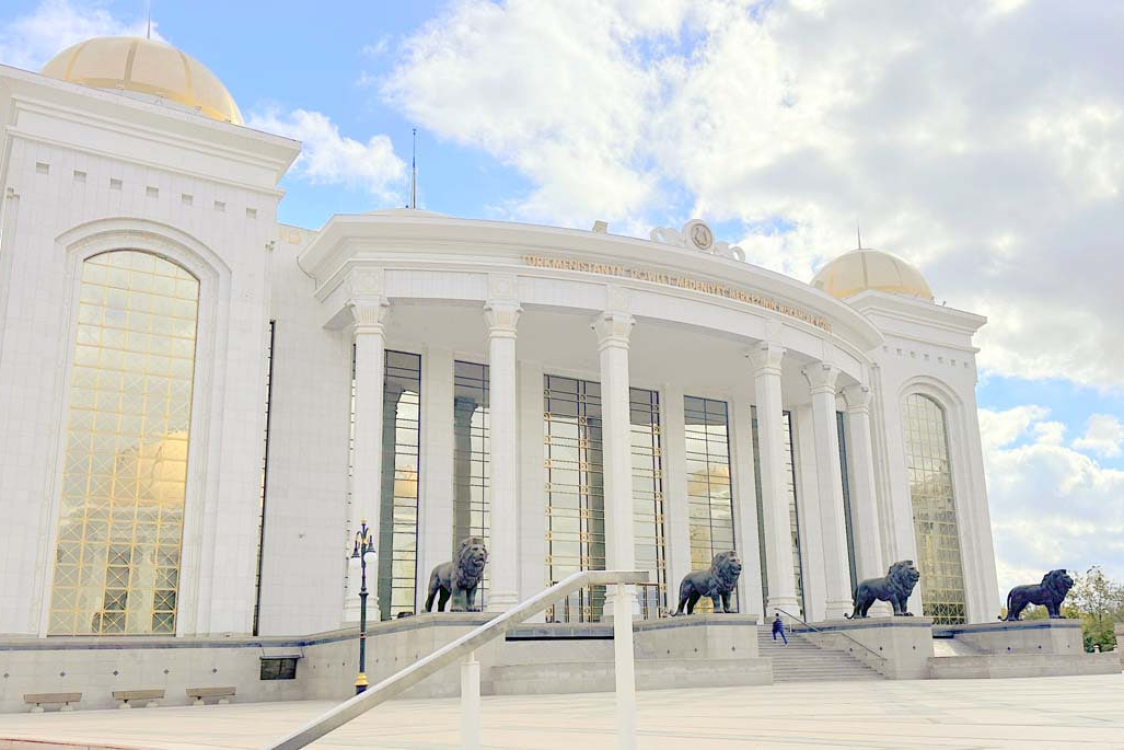
TURKSOY concerts and new museum exhibitions are to be held in Ashgabat
02.05.2026Residents and visitors to Ashgabat can look forward to a cultural programme over the coming days, featuring concerts, exhibitions and theatre performances. This information comes from the publication ‘Turkmenistan: Golden age’. On 2 and 3 May at 6.00 pm, gala concerts featuring opera singers from TURKSOY member states will take place at the ‘Mukam’ Palace of the State Cultural Centre of Turkmenistan. Artists from Azerbaijan, Kazakhstan, Kyrgyzstan, Uzbekistan, Turkey and Turkmenistan will perform. Musical accompaniment will be provided by the State Symphony Orchestra of Turkmenistan. Admission is free. The Saparmyrat Turkmenbashi Museum of Fine Arts of Turkmenistan will open two exhibitions. On 1 May at 16:00, an exhibition marking the 105th anniversary of Niyazmyrat Dovodov, Honoured Artist of Turkmenistan, will open. On 4 May at 11:00, the exhibition ‘Gahrymanlarymyza hormat’, dedicated to Victory Day in the Great Patriotic War of 1941–1945, will open. The capital’s theatres are continuing to stage performances from their current repertoire. However, changes to the schedule and cast are possible. Before attending, spectators are advised to check for updates at the box office or on the theatres’ official websites.
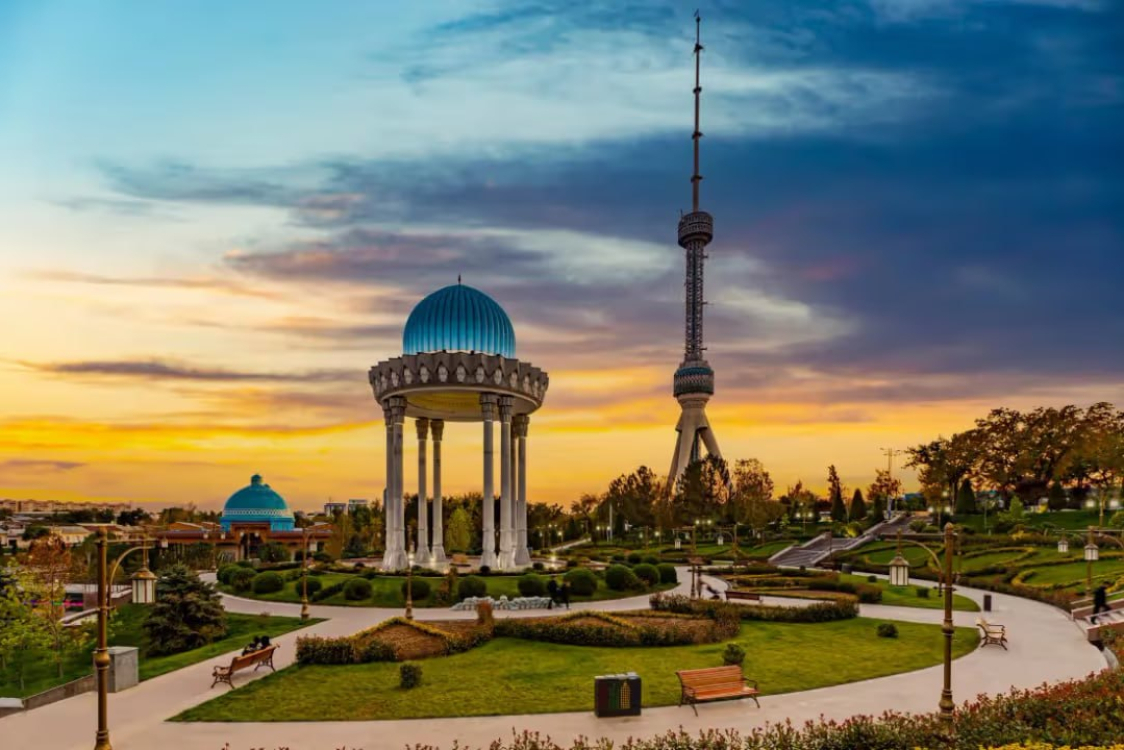
Turkmen artist awarded a special prize by TURKSOY
28.04.2026Turkmen artist Gurban Babatajov has been awarded a special TURKSOY prize following a competitive exhibition of young artists from Turkic-speaking countries, which took place in Tashkent. This was reported by the news website Turkmenportal. The exhibition ‘One Spirit – Different Colours’ took place from 19 to 25 April and was organised by TURKSOY in collaboration with Uzbek art organisations as part of an international festival of fine and applied arts. By decision of the jury, the award was also presented to the Uzbek artist Kamoliddin Hazratulov. G. Babatajov teaches at the Turkmen State Art School attached to the Academy of Arts of Turkmenistan.
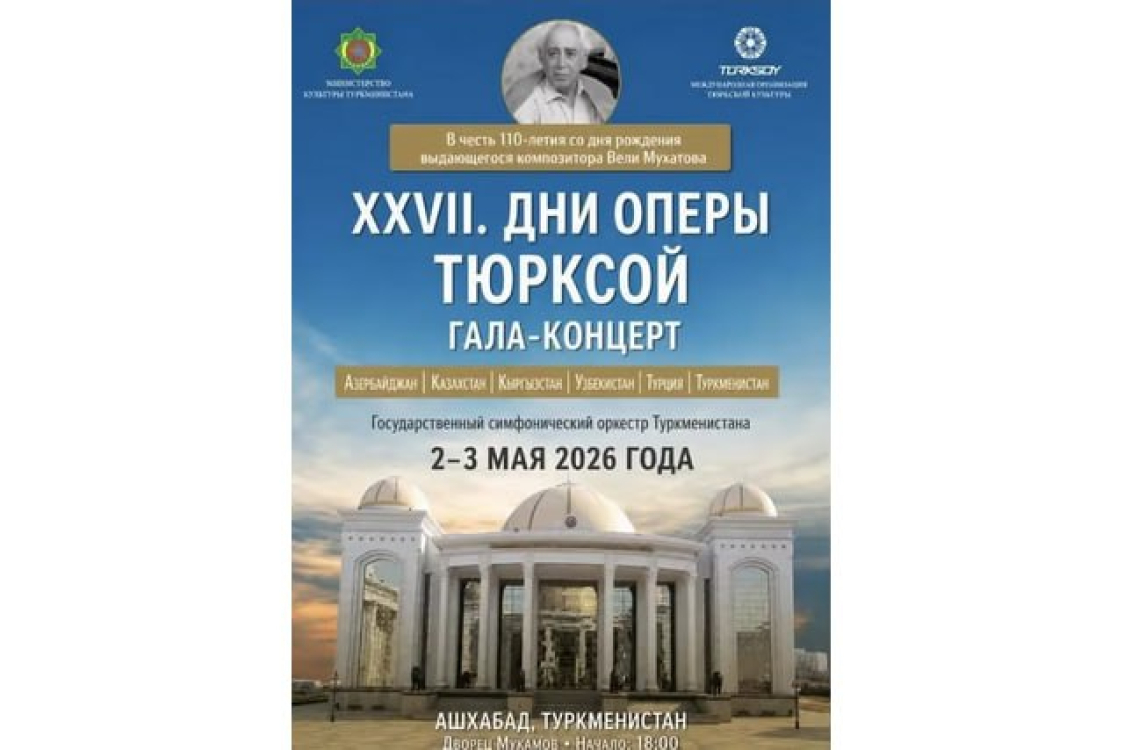
TURKSOY opera stars will perform in Ashgabat to mark the 110th anniversary of Veli Muhatov
27.04.2026A gala concert featuring leading opera soloists from TURKSOY member states will take place in Ashgabat on 2 and 3 May. The event marks the 110th anniversary of composer Veli Muhatov, the founder of Turkmen academic music, according to the IIC of Turkmenistan. The concert will serve not only as a tribute to the master, but also as a platform for cultural exchange among Turkic-speaking countries. Artists from Azerbaijan, Kazakhstan, Kyrgyzstan, Uzbekistan and Turkey, as well as leading vocalists from Turkmenistan, will perform on stage at the ‘Mukam’ Palace. They will be accompanied by the State Symphony Orchestra of Turkmenistan, performing world classics and national works. The programme will highlight the continuity between generations and the high calibre of contemporary performers, as well as the unifying role of Muhatov’s legacy.
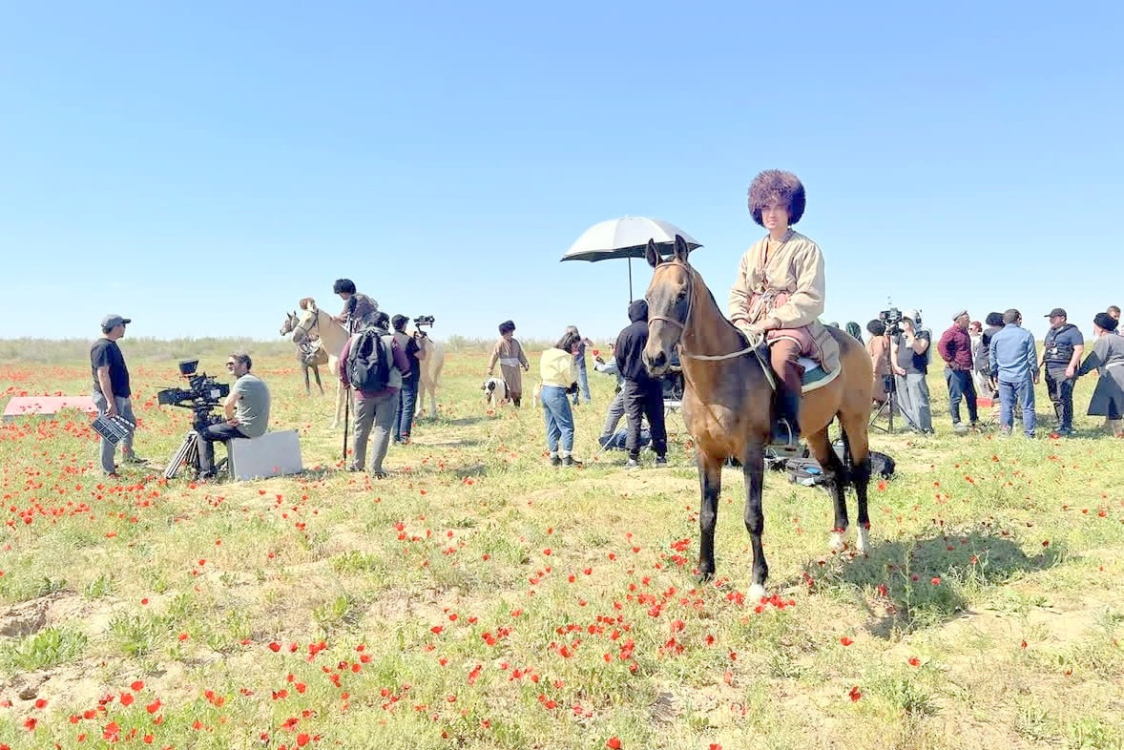
Filming for the international film ‘Hodja Nasreddin’ took place in the Ahal velayat
21.04.2026Filming has been completed in Turkmenistan for the international feature film titled ‘Hodja Nasreddin: My Friend in Hard Times’. The project is being carried out under the auspices of TURKSOY, with the participation of filmmakers from Azerbaijan, Turkey, Uzbekistan, Kazakhstan, Kyrgyzstan and Turkmenistan. This news was announced by the ‘Turkmenistan: Golden age’. Filming took place in the village of Gavers and the settlement of Bokurdak in the Ahal velayat. Here, caravan scenes were filmed using the Karakum Desert as a backdrop. The locations were chosen for their natural colours. The work was carried out with the participation of the “Türkmenfilm” Association named after Oguzhan. The project featured Turkmenistan People’s Artist Chary Seyitliyev. Students studying various art forms took part in the group scenes. The film tells the story of Hodja Nasreddin. The plot highlights the shared values and traditions of Turkic peoples through humour. The director and screenwriter is Vagif Mustafayev. According to him, the image of Nasreddin combines humour with social satire. The project is supported by TURKSOY. The decision to implement the project was taken at the 40th meeting of the Council of Culture Ministers of member states, held as part of the 1st Turkic World Culture Forum in Shusha in October 2023. The production is being carried out by ‘Nasreddin Production MMC’ with the support of the relevant ministries. Post-production will commence once filming is complete. The film’s premiere and participation in international festivals are planned for this summer.
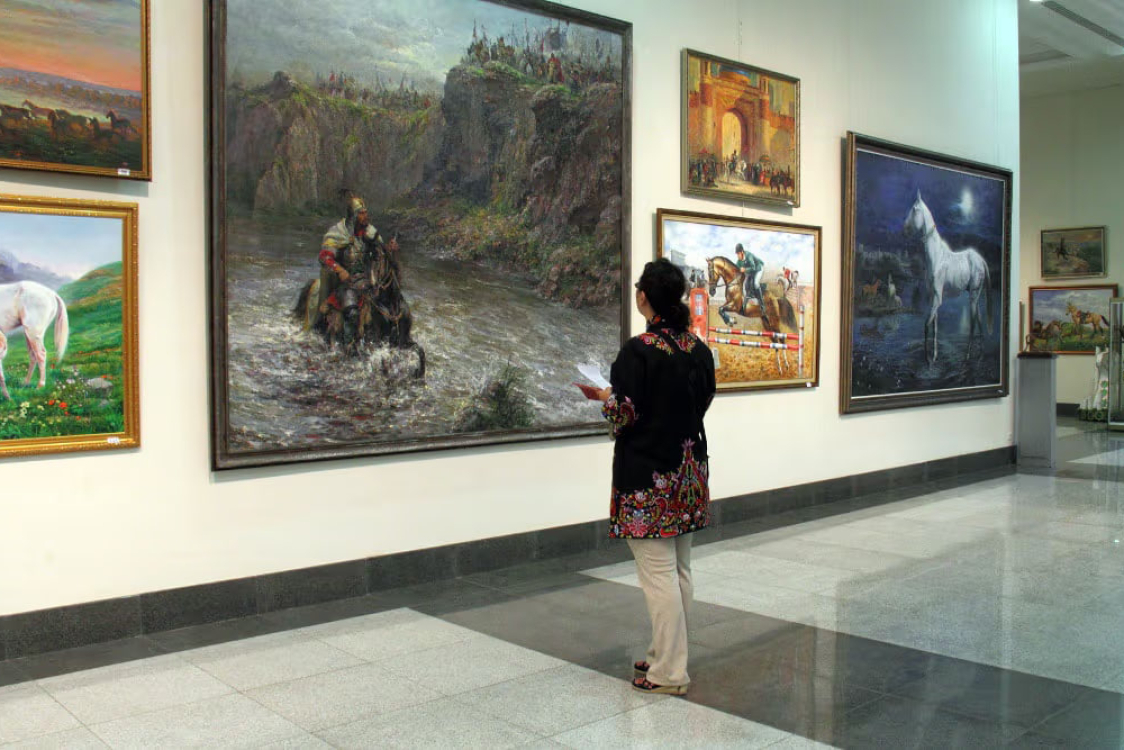
An exhibition has opened in Turkmenistan to mark the Horse Festival
21.04.2026An exhibition marking the National Day of the Turkmen Horse has opened in the exhibition hall of the State Academy of Arts of Turkmenistan. The exhibition centres on works by People’s Artists of Turkmenistan Ada Gutlyev and Babasary Annamyradov. This was reported by IIC. Cultural figures spoke at the ceremony. Teachers, students of the academy and residents of Ashgabat attended. Ada Gutlyev presented a series of carpet canvases created between 2011 and 2026. The works are dedicated to Ahal-Teke horses — a symbol of the Turkmen people. Babasary Annamyradov displayed around 50 sculptures. The works carry philosophical meaning, lean towards abstraction and touch upon eternal values. The exhibition combines tradition with a contemporary perspective on national heritage.
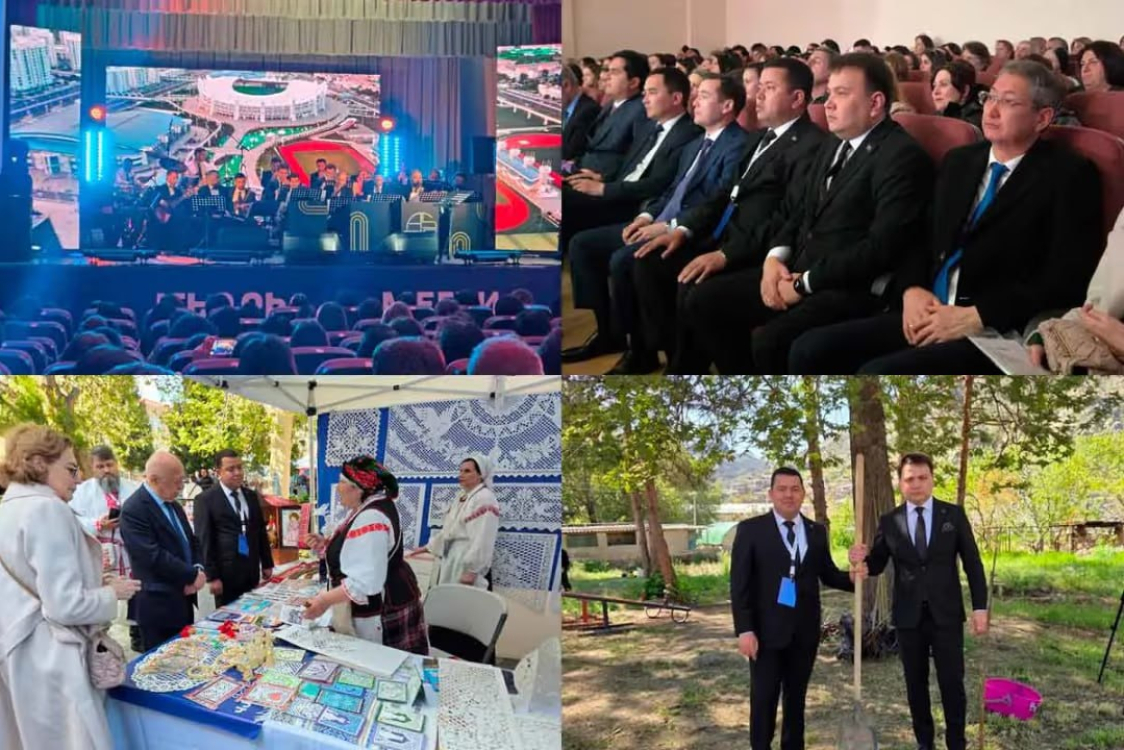
A delegation from Turkmenistan attended the celebrations in the city of Meghri
21.04.2026A delegation from Turkmenistan took part in events marking the designation of the Armenian city of Meghri as the cultural capital of the Commonwealth of Independent States (CIS). This was reported by the news website Turkmenportal. As part of the celebrations held in Meghri from 14 to 18 April, representatives of the Turkmen side took part in the ceremony to lay the foundation stone for a new public garden. In addition, the guests explored the city’s historical landmarks and the cultural heritage of the Armenian people. The visit concluded with the delegation attending a festive gala concert, according to a statement on the website of the Ministry of Culture of Turkmenistan.
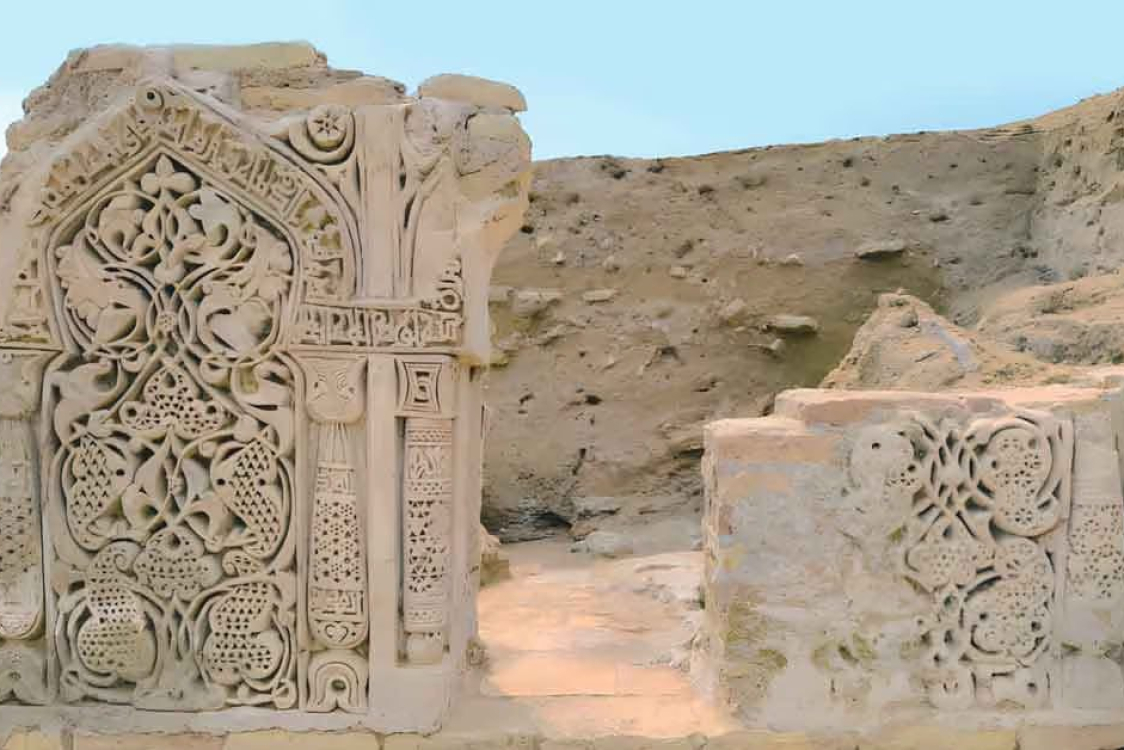
Turkmenistan is stepping up its efforts to preserve its historical and cultural heritage
20.04.2026In Turkmenistan, as part of International Day for Monuments and Sites, greater emphasis is being placed on the preservation and study of cultural heritage, with this being regarded as a priority of state policy in the fields of science, culture and tourism. This was reported by the IIC of Turkmenistan. The country has a programme for 2022–2028, approved by the President of Turkmenistan, Serdar Berdimuhamedov, which provides for archaeological research, the restoration of monuments and their integration into tourist routes. The work is being carried out by specialist institutions and the Academy of Sciences. Among the key sites is Paryz-depe, where excavations, studies of ancient irrigation systems and digital reconstruction are continuing. At the mausoleum of Abu Said Abul Khair, restoration of medieval mosaics is underway. Research is also continuing at the Dandanakan site, where new elements of the mosque’s decoration have been discovered. International partners, including research centres in the US and the UK, are participating in the projects. The list of significant sites also includes the Akcha-Kala caravanserai, a UNESCO World Heritage Site, where conservation work is ongoing. International cooperation is developing: projects are being implemented with the participation of specialists from France and Italy, including research at Ulug-depe and the introduction of 3D scanning technologies. Experts note that Turkmenistan is strengthening scientific ties and creating conditions for the study and promotion of its historical and cultural heritage.
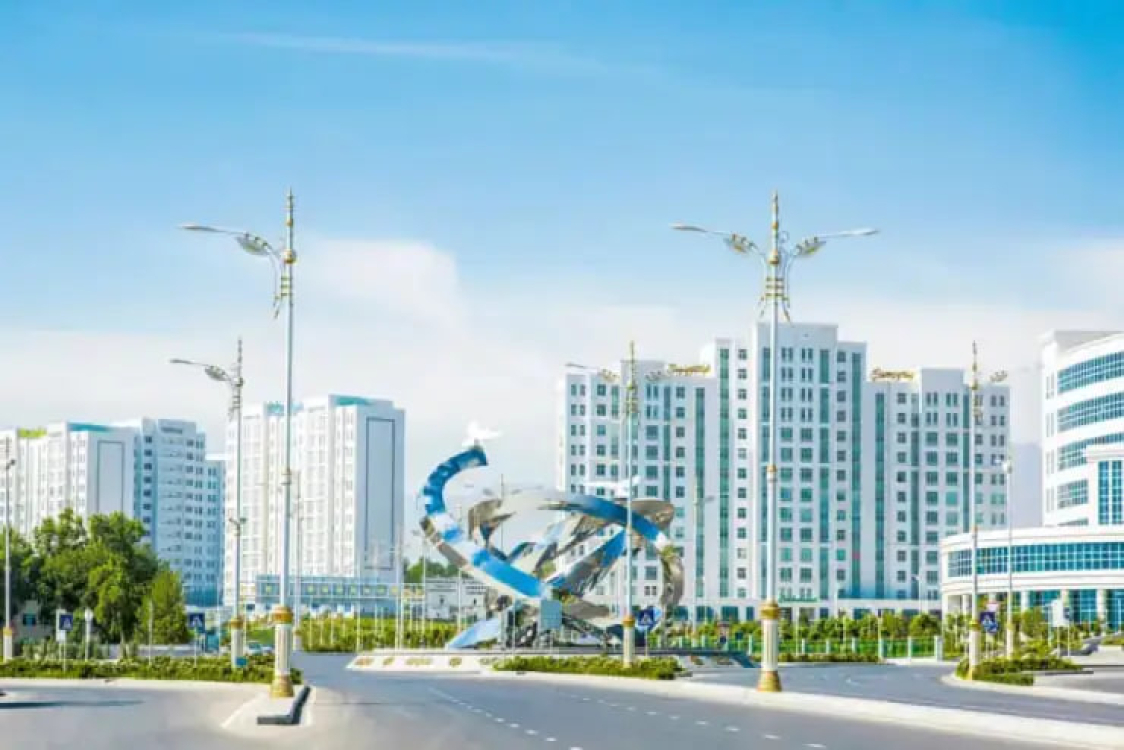
Turkmenistan is organising cultural events in collaboration with TURKSOY
20.04.2026On 18 April, at a Cabinet meeting on the digital system, Deputy Prime Minister B. Seyidova reported on cooperation with TURKSOY. This was reported by TDH. It was noted that Turkmenistan is participating in the organisation’s projects aimed at developing ties between Turkic peoples, preserving shared cultural heritage and promoting the work of cultural figures. It was reported that events are being prepared in Ashgabat for May. Plans include an opera concert to mark the 110th anniversary of composer Veli Muhadov and the TURKSOY Opera Days. The proposal has been submitted to the Head of State for consideration. President of Turkmenistan Serdar Berdimuhamedov emphasised the need to expand cooperation with TURKSOY and instructed that a high standard of preparation and execution of the events be ensured.
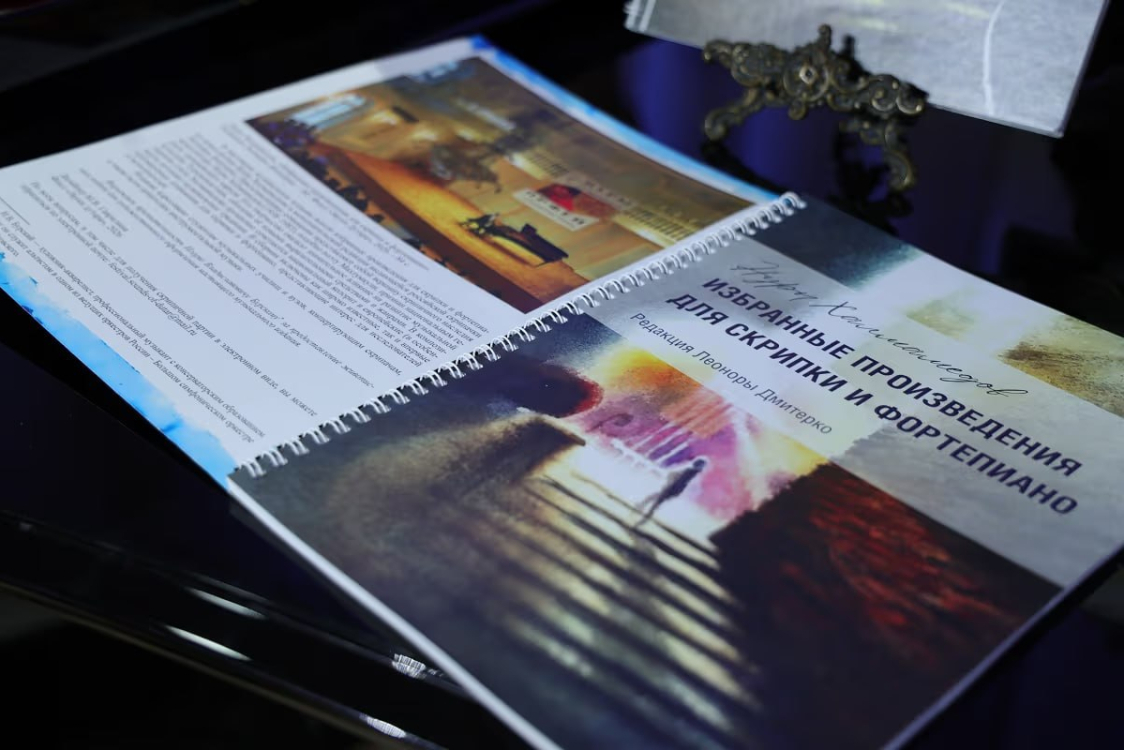
A collection of works by an outstanding Turkmen composer has been published in Moscow
17.04.2026A collection of selected works for violin and piano by the Turkmen composer Nury Halmammedov has been published in Moscow. The publication was prepared by the ‘Sounds of Dutar’ Foundation as part of a project to publish rarely performed works and marks the 10th anniversary of the festival of the same name, reports IIC. The book includes the composer’s key works, edited by violinist Leonora Dmyterko, which represent the pinnacle of his violin legacy. The collection brings together both well-known and previously unpublished works, reflecting a synthesis of national traditions and the European musical school. A special place is given to a new transcription of the fantasia from the ballet ‘The Decisive Step’, adapted for the first time for violin and piano. The publication is aimed at professional musicians, students and lovers of instrumental music. Work on the project took several years and was Leonora Dmyterko’s final undertaking: the collection was published in March 2026, and the violinist passed away in April. It has been decided to dedicate the concert at ‘Mosconcert’ on 29 April to her memory and to the presentation of this publication.
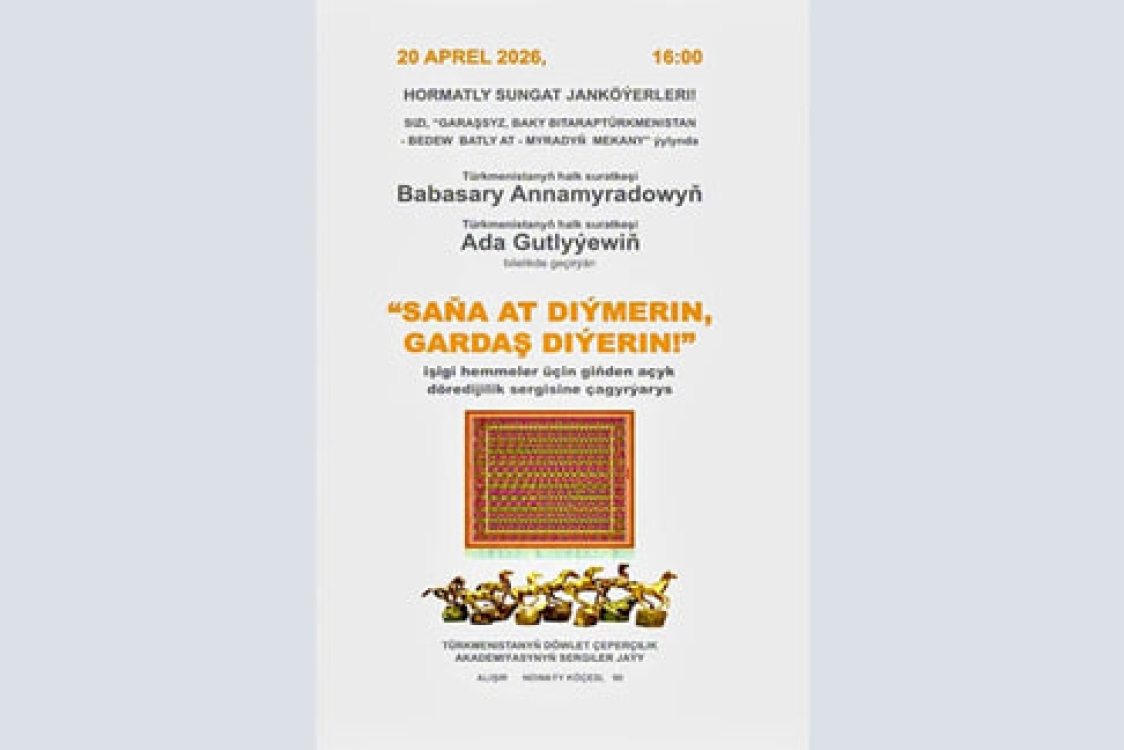
An exhibition of works by People's Artists is to be held in Ashgabat
16.04.2026On 20 April, a joint exhibition by People’s Artists Babasary Annamyradov and Ada Gutlyev will open in the exhibition hall of the State Academy of Arts of Turkmenistan. This was reported by the IIC of Turkmenistan. The opening ceremony is scheduled for 16:00. Cultural figures, students from relevant universities and art enthusiasts are expected to attend. The exhibition is entitled ‘Saña at diýmerin, gardaş diýerin!’ (‘I won’t call you a horse, I’ll call you a brother!’). In their works, the artists draw on the image of the Ahal-Teke horse as a symbol of cultural tradition, historical memory and the bond between man and his native land. The project brings together works by two masters with different artistic styles, both focused on exploring national heritage within contemporary art. The exhibition showcases the creative dialogue between the artists, whose works hold a significant place in the artistic culture of Turkmenistan.
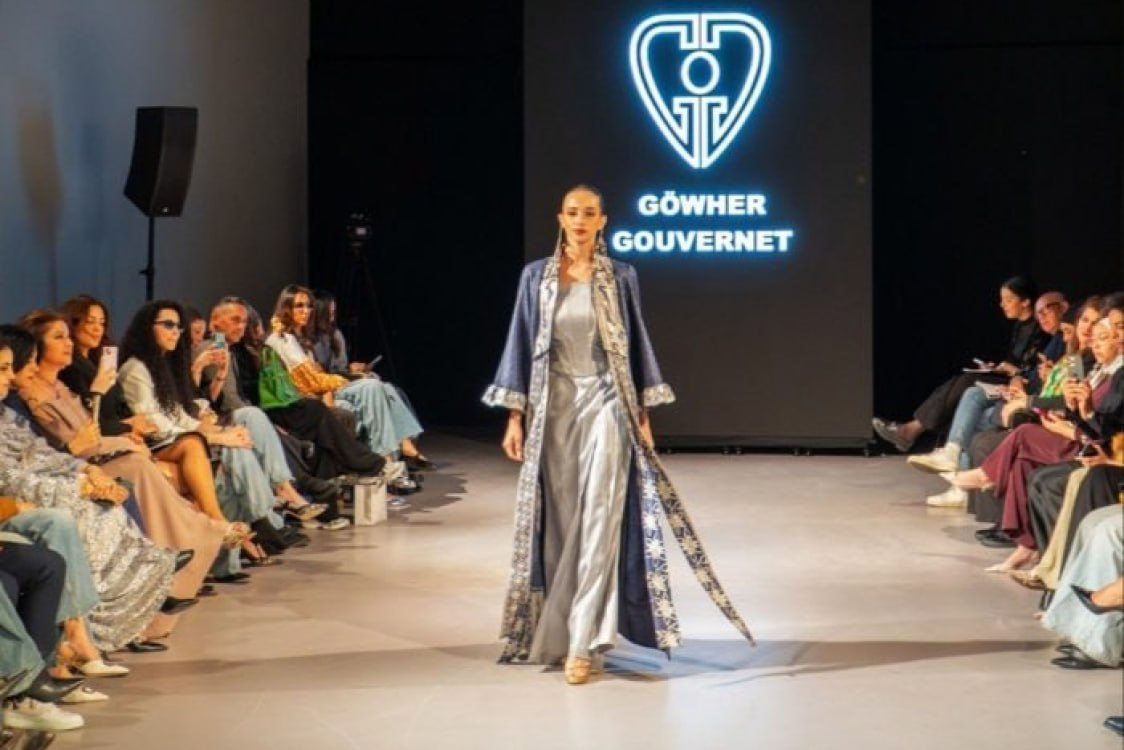
A Turkmen designer took part in the “Maroc Fashion Week 2026” in Marrakech
14.04.2026Turkmen designer Govkher Guvernet-Pirkulyeva took part in the “Maroc Fashion Week 2026” in Marrakech, where she presented her own collection on an international runway. This was reported by the online publication “Business Turkmenistan”. The show brought together designers, buyers, and representatives of the fashion industry from various countries, serving as a platform to promote Morocco’s fashion sector on the global stage. As part of the fashion week, designers from China, France, and Turkmenistan showcased their work, along with Moroccan brands. Participants also included well-known fashion houses such as Max Mara and Gérard Darel. “Maroc Fashion Week” is positioned as the country’s first fashion week and aims to develop the creative industry and promote both traditional and contemporary Moroccan fashion.
Read also
Advertising



 Read us in Zen


