

Culture
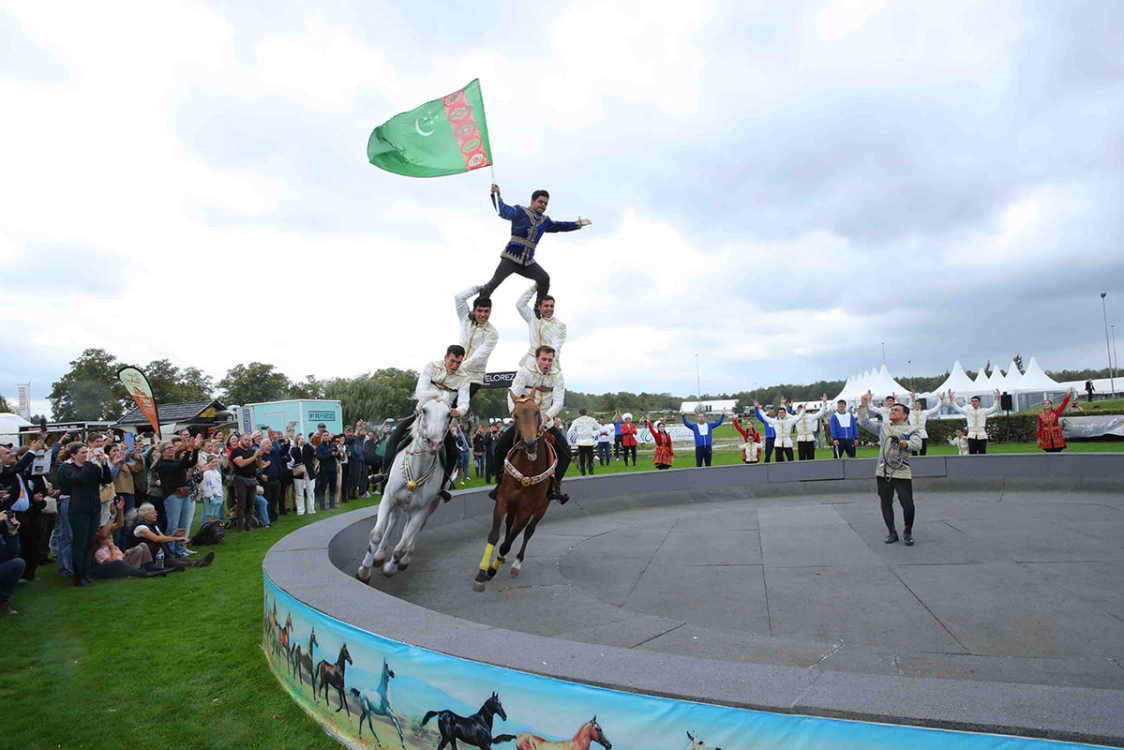
The Ahal-Teke horse preserves Turkmenistan’s centuries-old heritage
23.09.2026The Ahal-Teke horse is one of the symbols of Turkmenistan and holds a special place in the country’s history and culture. Over the centuries, Turkmen horse breeders have passed down their knowledge of breeding the breed, shaping its characteristic qualities — endurance, speed and the ability to withstand a hot climate, reports the news agency ‘Turkmenistan: Golden age’. The breed’s name is linked to the Ahal oasis and the Teke tribe. In traditional Turkmen culture, the horse was not only a means of transport, but also a faithful companion and helper to man. The history of the Ahal-Teke is intertwined with numerous legends. According to one widely held theory, the breed’s ancestor may have been Bucephalus — Alexander the Great’s horse, which in ancient times was associated with the Nisean racehorses. Sources also mention the special regard held for these horses in Ancient China, where they were called ‘heavenly horses’. The traditional training system played an important role in the development of the breed. Turkmen grooms paid great attention to individual care and close contact with the horse. This contributed to the development of the behavioural traits and character of the Ahal-Teke. The Ahal-Teke horse occupies a prominent place in the culture of Turkmenistan. Its image is reflected in literature, art and architecture, and is also featured on the country’s national emblems. The horse is perceived as a symbol of strength, freedom, dignity and the pursuit of goals. The year 2026 is being held under the motto ‘Independent Neutral Turkmenistan − the Homeland of Purposeful Winged Horses’. Throughout the year, the country is hosting equestrian competitions, exhibitions, international meetings, and scientific and cultural events dedicated to Ahal-Teke horses. One such international event was the World Equestrian Championship and Ahal-Teke Horse Beauty Contest, held in early September at the Peelbergen Equestrian Centre in Kronenberg, Kingdom of the Netherlands. The event was attended by over 100 representatives of the breed from 25 countries. International events featuring Ahal-Teke horses contribute to the development of cooperation in the field of horse breeding and the promotion of the breed outside Turkmenistan. The traditions of Ahal-Teke horse breeding and the art of horse decoration have also gained international cultural recognition. The preservation and development of Ahal-Teke horse breeding remains one of the priorities of Turkmenistan’s state policy. The country is creating favourable conditions for the keeping and breeding of racehorses, and hosts national and international events. Particular attention is paid to passing on the traditions of horse grooming to the younger generation and to expanding international cooperation. Today, the Ahal-Teke racehorse represents Turkmenistan at international competitions, exhibitions and other events, maintaining the link between the country’s modern equestrian sector and the centuries-old traditions of Turkmen horse breeding.
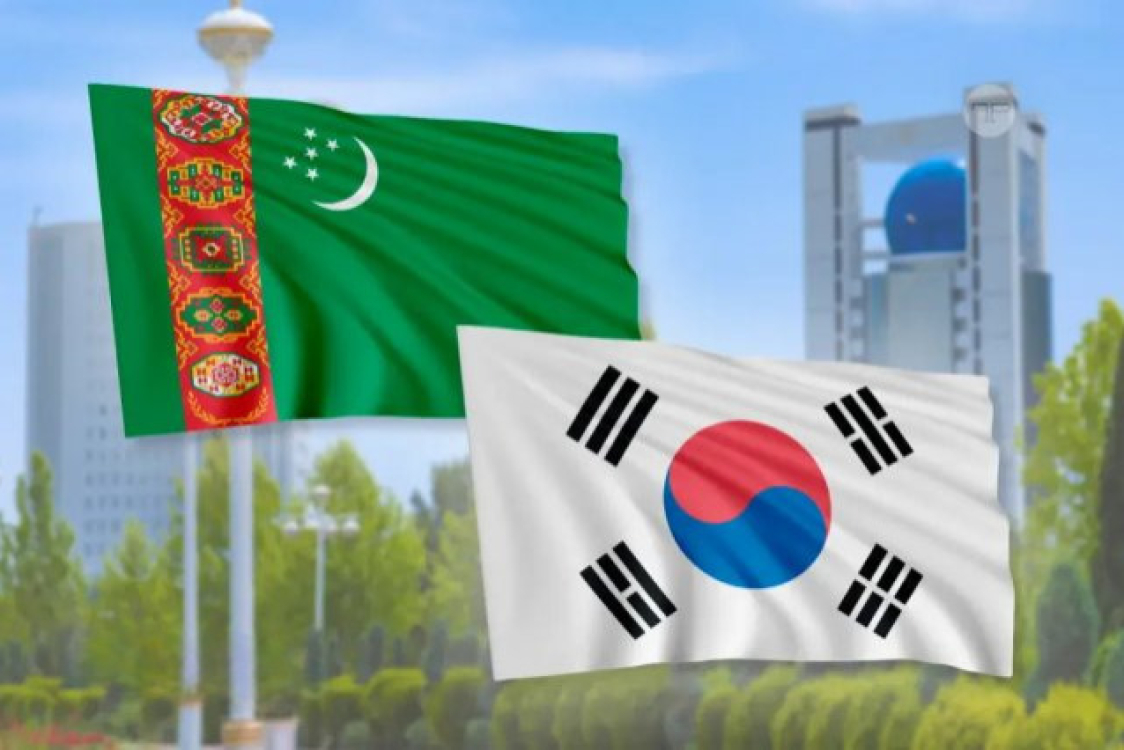
Turkmenistan Culture Days have begun in the Republic of Korea
17.09.2026On 16 September, the opening ceremony of the Turkmenistan Cultural Days took place in the Republic of Korea. The event marked one of the practical steps towards implementing the agreements reached at the highest level, according to Turkmenportal. The development of cultural and humanitarian cooperation was discussed at a meeting between the President of Turkmenistan, Serdar Berdimuhamedov, and the President of the Republic of Korea, Lee Jae-myung. The negotiations took place in a one-on-one format, followed by an expanded meeting involving the official delegations of both countries. The President of Turkmenistan emphasised the priority importance of the humanitarian dimension in bilateral relations. He noted that Turkmenistan and the Republic of Korea have accumulated experience in organising joint events involving figures from the worlds of culture and the arts. The Head of State emphasised that holding reciprocal Culture Days helps to bring the two peoples closer together. He said that the Turkmenistan Culture Days in the Republic of Korea are intended to give new impetus to cooperation and to strengthen friendship and mutual understanding.
A triumph in Kronenberg: Turkmenistan showcases its winged horses to the world
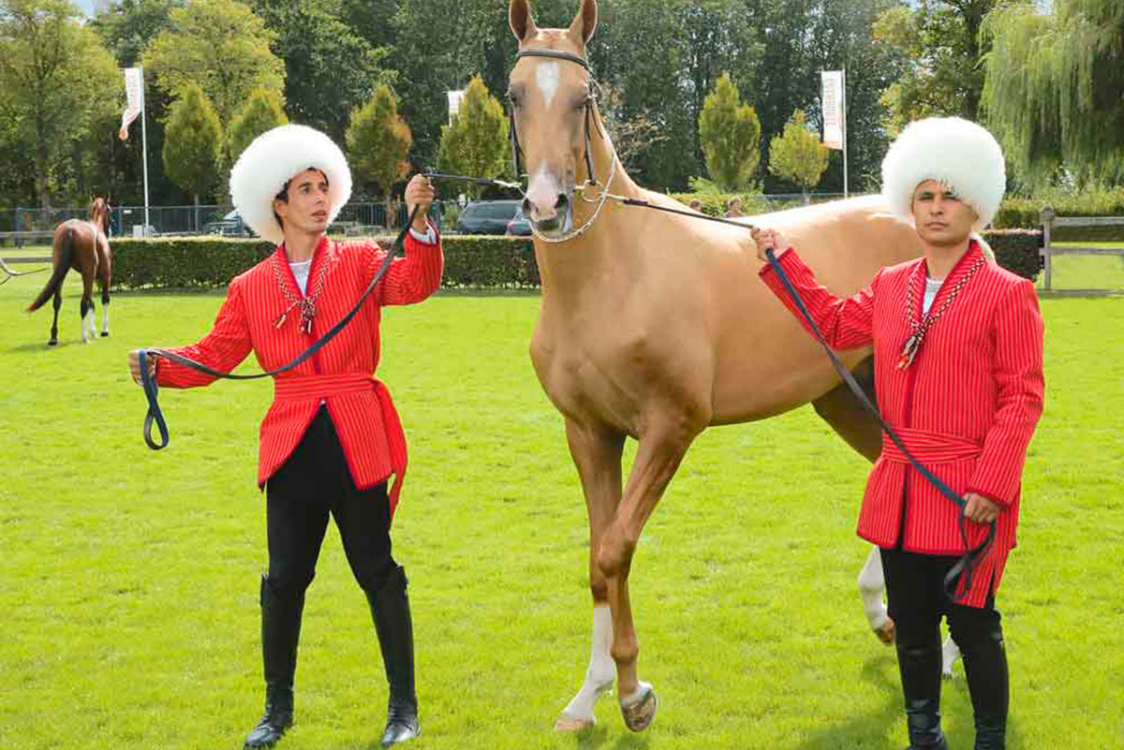
16.09.2026Ahal-Teke horses are an integral part of the historical and cultural heritage of the Turkmen people. The breed originated in what is now Turkmenistan and is considered one of the oldest in the world. One of the key events for the modern development and international promotion of the Ahal-Teke breed was the World Equestrian Championships and the Ahal-Teke Beauty Contest, which took place from 4 to 6 September 2026. The events were attended by the National Leader of the Turkmen people, Chairman of the Halk Maslahaty of Turkmenistan, Gurbanguly Berdimuhamedov. The championship was the centrepiece of a large-scale programme combining sporting, scientific and cultural events. The programme included an open session of the International Ahal-Teke Horse Association, an international scientific and practical conference, the presentation of the book ‘A Horse – A Symbol of Faithfulness and Happiness’ in Dutch, and an exhibition dedicated to Turkmen culture and horse-breeding traditions. The championship itself served as a prominent platform for showcasing Ahal-Teke racehorses. Gurbanguly Berdimuhamedov’s participation lent the event a special international dimension. Hero Arkadag emphasised the championship’s significance for further enhancing the international prestige of Ahal-Teke racehorses and expanding cooperation in this field. According to the Chairman of the Halk Maslahaty of Turkmenistan, holding the events in Kronenberg was a gesture of respect towards Turkmenistan, its history and culture as the homeland of the Ahal-Teke breed. As part of his visit, Hero Arkadag also took part in the closing ceremony of the competition. On behalf of the President of Turkmenistan, Serdar Berdimuhamedov, the winner was awarded the main prize – the ‘Grand Prix’ in the ‘World Champion among Ahal-Teke Horses’ category. Thus, the championship in the Netherlands became not only a sporting competition but also an international platform for showcasing Ahal-Teke horses in the fields of equestrian sport, scientific research and cultural heritage. This combination of sporting, scientific and cultural elements was one of the distinctive features of the event. The programme of Gurbanguly Berdimuhamedov’s visit extended well beyond his participation in the championship itself. An open meeting of the International Ahal-Teke Horse Association was held in Kronenberg, attended by representatives of the international horse breeding community. During the meeting, the prospects for the further development of the breed and for international cooperation were discussed. Hero Arkadag proposed holding the World Ahal-Teke Horse Championship every five years. The meeting’s participants supported this proposal. Areas for further work were also identified, including expanding the participation of Ahal-Tekes in international equestrian sport, the development of scientific research, veterinary medicine and the exchange of expertise. Particular attention was paid to creating conditions for the preservation of the breed’s genetic pool and the development of international scientific links. Among the proposals was an initiative to establish an International Ahal-Teke Horse Fund. The scientific programme continued at the international conference ‘Ahalteke bedewi: türkmeniň dünýewi seýisçilik sungaty’ (‘The Ahal-Teke Horse: Turkmen Art of Universal Horse Breeding’). The conference was attended by scientists and horse-breeding specialists from more than 20 countries. The topics of the parallel sessions included the history and development of the Ahal-Teke breed, its influence on global horse-breeding culture, issues of selection and veterinary care, the genetic foundations for preserving the breed’s purity, as well as the depiction of the racehorse in fine and decorative-applied arts. The championship thus became a unique focal point, bringing together scientific research, cultural projects, professional networking and the presentation of national traditions. A significant international milestone was the inclusion, on 5 December 2023, of the national nomination ‘Art of Ahal-Teke horse breeding and traditions of horses' decoration’ on UNESCO’s Representative List of the Intangible Cultural Heritage of Humanity. This decision relates to the body of knowledge and traditions associated with the breeding, rearing and decoration of Ahal-Teke horses. Therefore, the preservation of this heritage involves not only sustaining the breed itself, but also passing on professional skills, the traditions of seysis and the art forms associated with horse breeding. In the Netherlands, this theme was given practical expression. As part of the championship, an exhibition was held dedicated to Turkmen culture, horse breeding, crafts and traditions. Visitors were able to familiarise themselves with national equestrian equipment, jewellery, carpets, clothing and other elements of cultural heritage. A special feature was the presentation of the Dutch edition of Gurbanguly Berdimuhamedov’s book ‘A Horse – A Symbol of Faithfulness and Happiness’. First published in 2019, the book is dedicated to the role of the horse in the history and life of the Turkmen people, the traditions of horse breeding and the distinctive features of the Ahal-Teke breed. Its translation has broadened the Dutch audience’s understanding of Turkmen equestrian culture. The Netherlands was not chosen as the venue for the championship by chance: Kronenberg is one of Europe’s renowned centres for equestrian sport. It was here that representatives from various countries, professional riders, academics, specialists and enthusiasts of the Ahal-Teke breed were brought together. Gurbanguly Berdimuhamedov’s visit to the Netherlands formed part of a wider effort to promote Ahal-Teke horse breeding internationally. Even before the 2026 championship, Hero Arkadag had visited equestrian facilities abroad and discussed issues of international cooperation in the field of horse breeding. In particular, during a trip to the USA, the Chairman of the Halk Maslahaty of Turkmenistan visited the ‘La Victoria’ equestrian complex, whilst in Germany he held a working meeting on preparations for international equestrian events. The championship demonstrated that the further development of Ahal-Teke horse breeding is linked to the preservation of traditions, scientific research into the breed, participation in international competitions and the expansion of professional cooperation. The programme of events continued on 12 September at the ‘Ruhyýet’ Palace in the city of Arkadag, where a high-level conference entitled ‘Independent Neutral Turkmenistan − the Homeland of Purposeful Winged Horses: A Space of Peace, Friendship and Cooperation’ was held. It was attended by representatives of the Government, ministries and departments, diplomatic missions and international organisations, as well as civil society organisations and young people. International attention to the results of the championship was also reflected in a letter from Marian Weltevreden, Head of the European Ahal-Teke Horse Association, addressed to the National Leader of the Turkmen people. The letter highlighted the significance of the event held in the Netherlands for promoting the Ahal-Teke breed and expanding international cooperation. Thus, the Ahal-Teke racehorse was presented not only as a representative of an ancient breed, but also as a link between Turkmenistan’s historical heritage and modern international equestrian sport.
Turkmenistan took part in the TURKSOY writers’ meeting
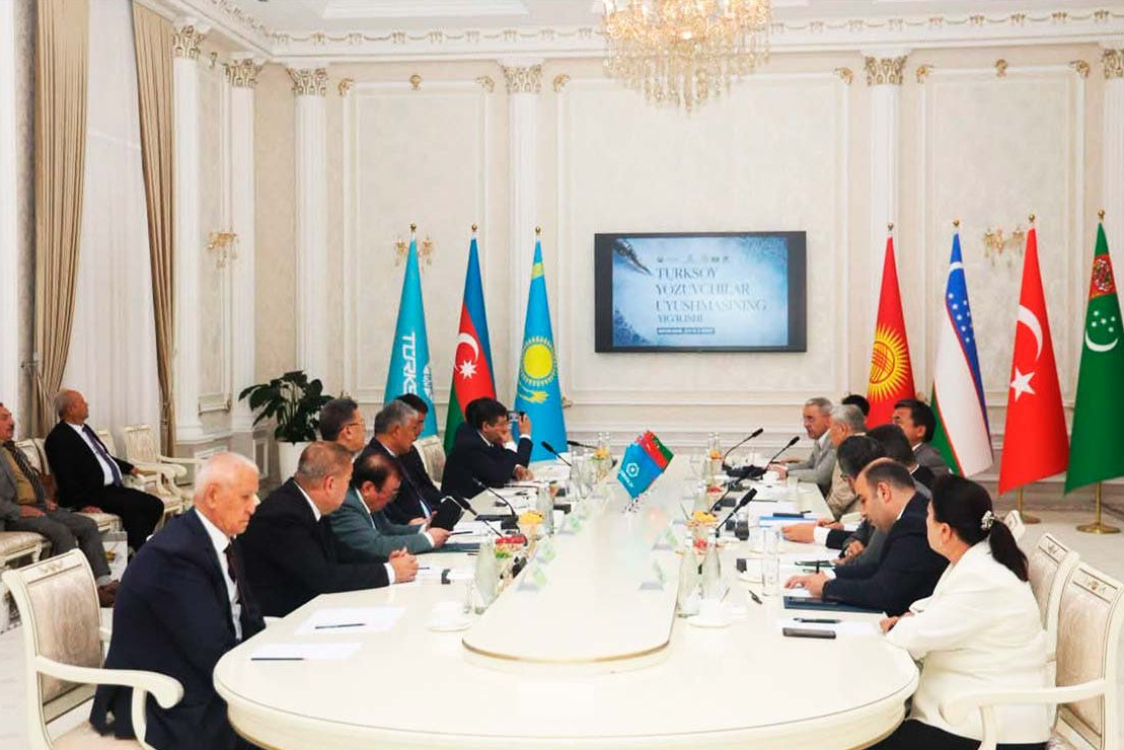
30.08.2026A meeting of writers and poets from the member states of the International Organisation of Turkic Culture (TÜRKSOY) took place in the city of Andijan. Turkmenistan was represented by Akmyrat Rejepov, Deputy Head of the Department for Creative Workers at the Ministry of Culture of Turkmenistan, according to the press office of the Ministry of Culture of Turkmenistan. The event, organised by TURKSOY, the Ministry of Culture of the Republic of Uzbekistan, the Authors’ Association of Uzbekistan and the Andijan Regional Administration, took place as part of the designation of the city of Andijan as the ‘Cultural Capital of the Turkic World’ for 2026. Participants discussed the creation of a common digital literary platform for the Turkic world, an electronic library and an information system on writers. Issues relating to the preservation and translation of literary heritage, joint participation in book fairs and festivals, as well as the organisation of festivals for young poets and a literary forum, were also considered. On the same day, a conference dedicated to the literary heritage of Ziya Gokalp was held at the Andijan State Medical Institute. The event was organised as part of TURKSOY’s declaration of 2026 as the ‘Year of Ziya Gokalp’. Following the events, several participants were presented with letters of appreciation from the Authors’ Association of Uzbekistan.
Ashgabat will host Korean Culture Week in November
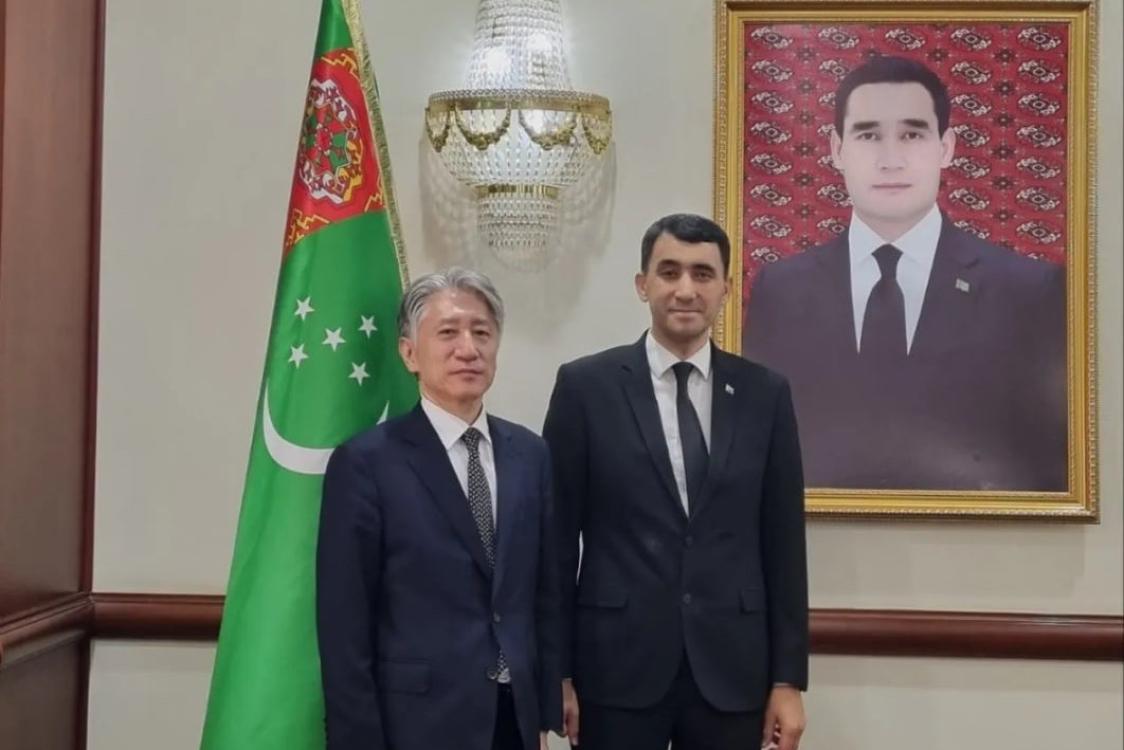
28.08.2026‘Korean Culture Week’ is to take place in Ashgabat this November. This was announced by the Embassy of the Republic of Korea in Turkmenistan following a meeting between Ambassador Lee Won-jae and the Turkmen Minister of Culture, Gurbanmyrat Myrataliyev, according to the news website Turkmenportal. The parties discussed the expansion of cultural cooperation. Lee Won-jae called for attention to be paid to the preparation of the event and for assistance to be provided in organising it. According to the Ambassador, the first visit by the President of Turkmenistan, Serdar Berdimuhamedov, to the Republic of Korea, scheduled for September, will give further impetus to the development of cultural ties. The first summit between the leaders of the Central Asian states and the Republic of Korea will also take place in Seoul on 16–17 September. The presidents of Kazakhstan, Kyrgyzstan, Tajikistan, Turkmenistan and Uzbekistan are expected to attend.
Turkmenistan will present photographic works at the UNESCO exhibition in Almaty
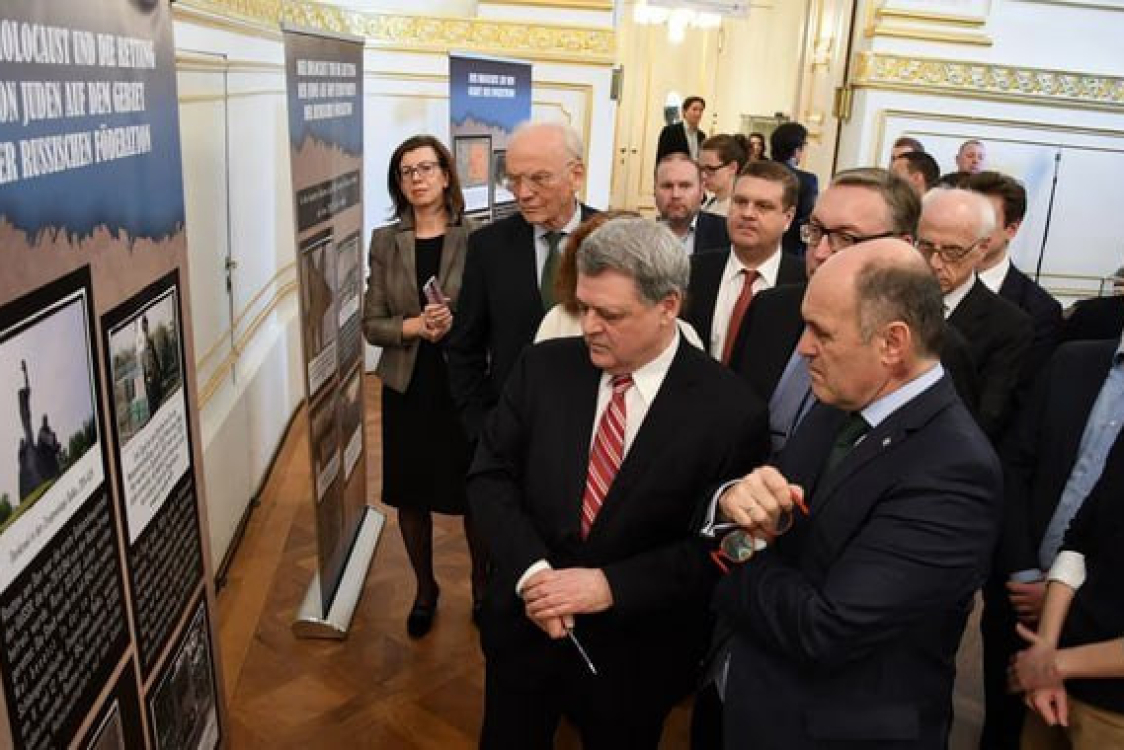
16.08.2026Photographs from Turkmenistan will be included in a UNESCO exhibition dedicated to the culture, traditions and natural heritage of Central Asia. The exhibition is due to take place in autumn 2026 in Almaty, according to the online news site AsmanNews. The exhibition will showcase the best entries from the international photography competition ‘Nomadic Culture of Central Asia: Preserving Traditions and Biodiversity’. In addition to Turkmenistan, Kazakhstan, Kyrgyzstan, Tajikistan and Uzbekistan will take part in the exhibition. The photographs will depict traditional livestock farming, intangible cultural heritage, the lives of local communities, pastures and the region’s natural landscapes. The works were selected by the UNESCO Regional Office in Almaty as part of the International Year of Pastures and Pastoralists. The competition was open to professional and amateur photographers aged 18 and over.
Turkmenistan preserves its historical and cultural heritage
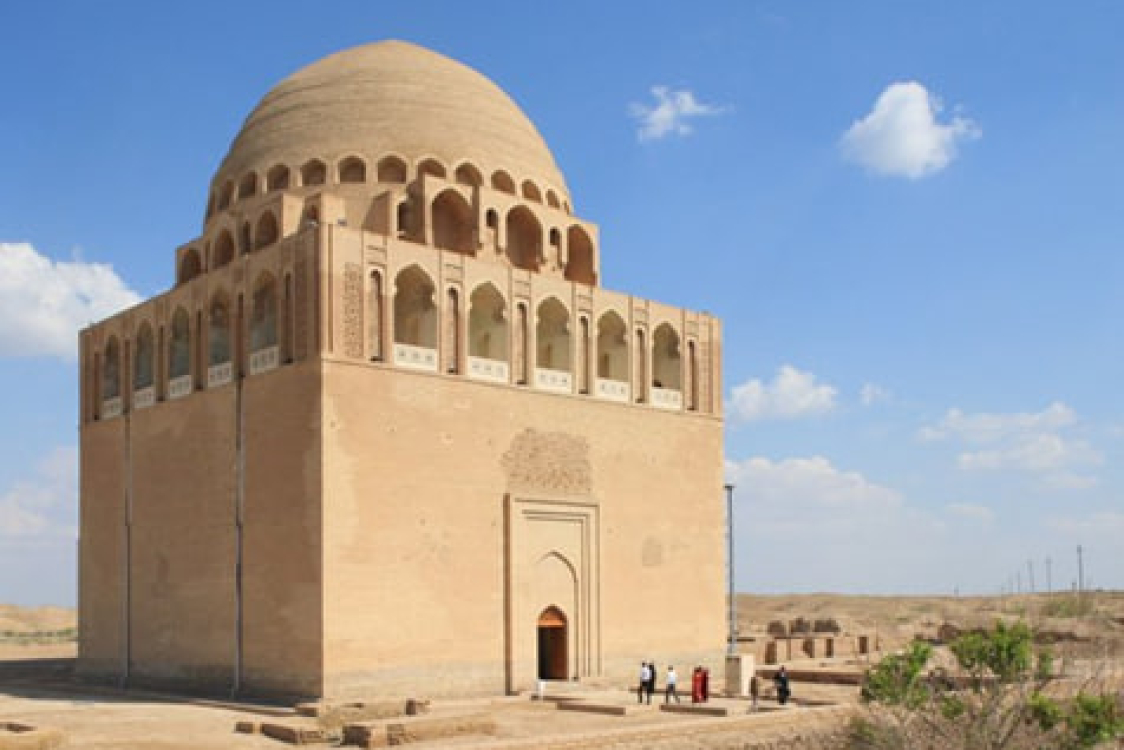
14.08.2026In the run-up to the 35th anniversary of Turkmenistan’s independence, the country is taking stock of its efforts to preserve its historical and cultural heritage and develop its culture. State policy combines ancestral traditions with modern technologies, reports AsmanNews, citing the newspaper ‘Neutral Turkmenistan’. One of the main tools for the protection of monuments is the State Register of National Historical and Cultural Heritage Sites. Its data is integrated into land registries, which allows archaeological sites to be taken into account in urban planning. As part of the ‘State Programme for 2022–2028’, research is being carried out at historical heritage sites, including the UNESCO World Heritage Sites of Ancient Merv, Nisa and Kunya-Urgench, as well as the ‘käriz’ (qanat) at the Paryz-Depe settlement. Ground-penetrating radar, digital technologies and 3D modelling are being used in the study of Bronze Age settlement sites — Gonurdepe, Altyndepe and Namazgadepe. The work by the President of Turkmenistan, Serdar Berdimuhamedov, entitled ‘Anau – Culture Originated from the Millennia’, remains a key scholarly source on the country’s ancient history. The book presents research on Turkmenistan’s role in the development of ancient civilisations and the Great Silk Road. International scientific cooperation constitutes a separate area of focus. One example of this was the exhibition ‘Ancient Civilisations of Turkmenistan’ at the Capitoline Museums in Rome, which showcased artefacts from Margiana and Parthia.
A portrait of Nury Halmamedov has been in the collection of the Museum of Fine Arts for 60 years
12.08.2026The State Museum of Fine Arts of Turkmenistan houses the painting ‘Portrait of the Composer Nury Halmamedov’ by Mamed Mamedov, an Honoured Artist of Turkmenistan. In 2026, the work will celebrate its 60th anniversary, according to the news agency ‘Turkmenistan: Golden age’. The portrait holds a special place amongst the numerous works of art dedicated to Nury Halmamedov. In the painting, the composer is depicted against a rural landscape, leaning against an old mulberry tree. His bright red shirt contrasts with the autumnal colours of nature and serves as a compositional focal point of the painting. Art historian and Honoured Worker of Culture of Turkmenistan Azat Annayev notes that the work is open to two interpretations. According to the first, the artist captured the composer in a moment of creative reflection. The second is linked to the recollections of Yevgeny Mikhelson, an Honoured Artist of Turkmenistan, who recounted how Nury Halmamedov stood in the courtyard, leaning against a tree, whilst awaiting the admissions committee’s decision. According to Azat Annayev, Mamed Mamedov portrayed the composer not only as an outstanding musician, but also as a man deeply invested in his creative work. The image of the mulberry tree in the painting also takes on symbolic significance, evoking notions of resilience and vitality. Mamed Mamedov and Nury Halmamedov were born in 1938. Both were brought up in a children’s home and received higher education at art universities in Russia. In 1964, Mamed Mamedov graduated from the I. Repin Leningrad Institute of Painting, Sculpture and Architecture and returned to Turkmenistan. In the 1960s, the artist became one of the leading figures of a new generation of Turkmen painters. He was a member of the ‘Magnificent Seven’ – a group of seven Turkmen painters so named by the art historian Galina Saurova. Mamed Mamedov’s works are on display at the State Museum of Fine Arts of Turkmenistan. These include ‘Prayer for Water’, ‘Wedding’, ‘Conversation about the Universe’, ‘Karakum’ and other pieces. Among these, ‘Portrait of the Composer Nury Halmamedov’ is considered one of the artist’s most famous works. Six decades on, the painting continues to hold its place in the museum’s exhibition, portraying the image of the outstanding Turkmen composer through a combination of portraiture and symbols of his native landscape.
National costumes preserve the traditions of the Turkmen people
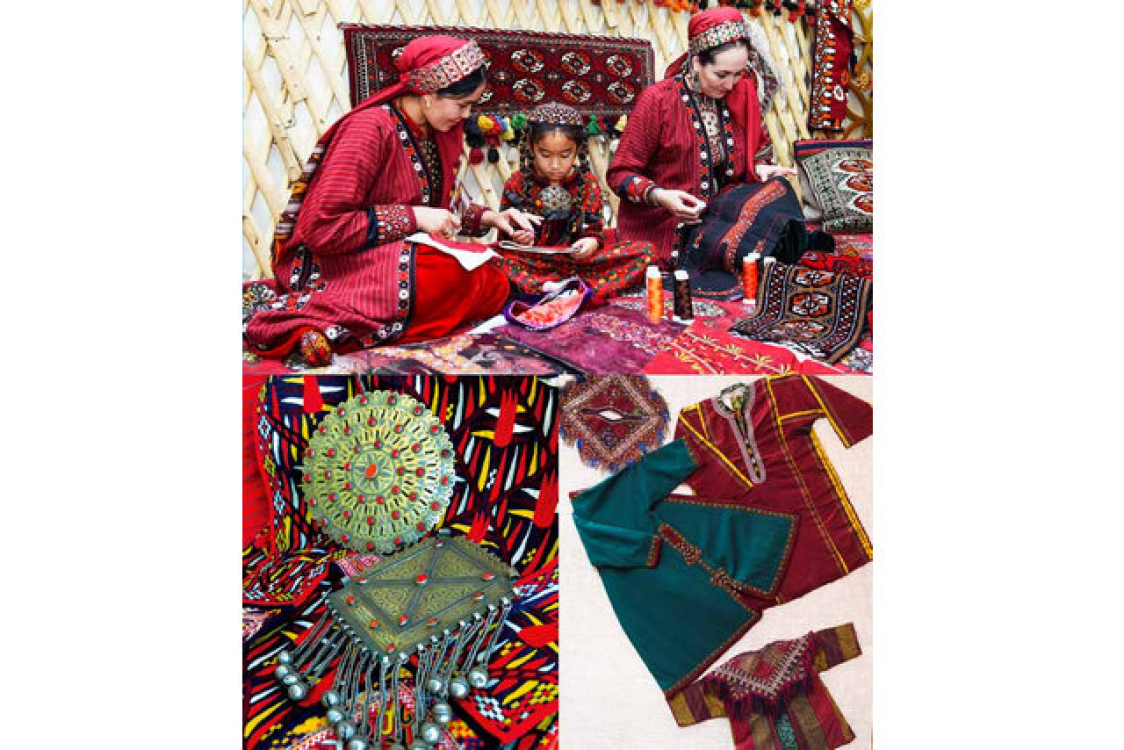
10.08.2026The national costumes of the Turkmen people remain an important part of their cultural and historical heritage and of modern everyday life. They retain their traditional cut, colour schemes and cultural significance. This was reported by the press office of the Ministry of Culture of Turkmenistan. Turkmenistan is known for its well-developed textile industry. Local weaving traditions were shaped by the characteristics of a nomadic and semi-nomadic way of life. Wool, cotton and keten silk were traditionally used to produce fabrics. In clothing culture, great importance was attached to age and family status. Everyday attire was characterised by practicality, whilst festive attire featured rich decorative embellishments. The women’s national costume consisted primarily of long, straight-cut dresses. A woman’s age, marital status and affiliation with a particular region or tribe could be determined by the colour of the fabric, the design of the collar and the type of headdress. Embroidery held a special place. The art of embroidery, included in UNESCO’s Representative List of the Intangible Cultural Heritage of Humanity, became one of the main decorative elements of national dress. The intricate patterns on the collars not only added decorative flair to the outfits but also reflected the distinctive features of individual regions. Women’s costumes were complemented by silver jewellery set with carnelian. A distinct type of women’s clothing is the ‘Ýanly köýnek’ – a dress characterised by its distinctive cut and comfort. This tradition continues to this day. Experts gathered information on its manufacture during expeditions across the country’s regions. When sewing the dress, the front and back shoulder sections are first joined, then the collar is shaped. Its shape depends on the woman’s age and preferences and may be decorated with various patterns. The inner part of the back is traditionally reinforced with cotton fabric. Once the dress is complete, a tie is attached to the collar. Its ends may be decorated with multicoloured threads and tassels. The new dress is accompanied by good wishes for family well-being and the opportunity to wear it on festive occasions.
Turkmenistan is expanding its cultural heritage and international cooperation
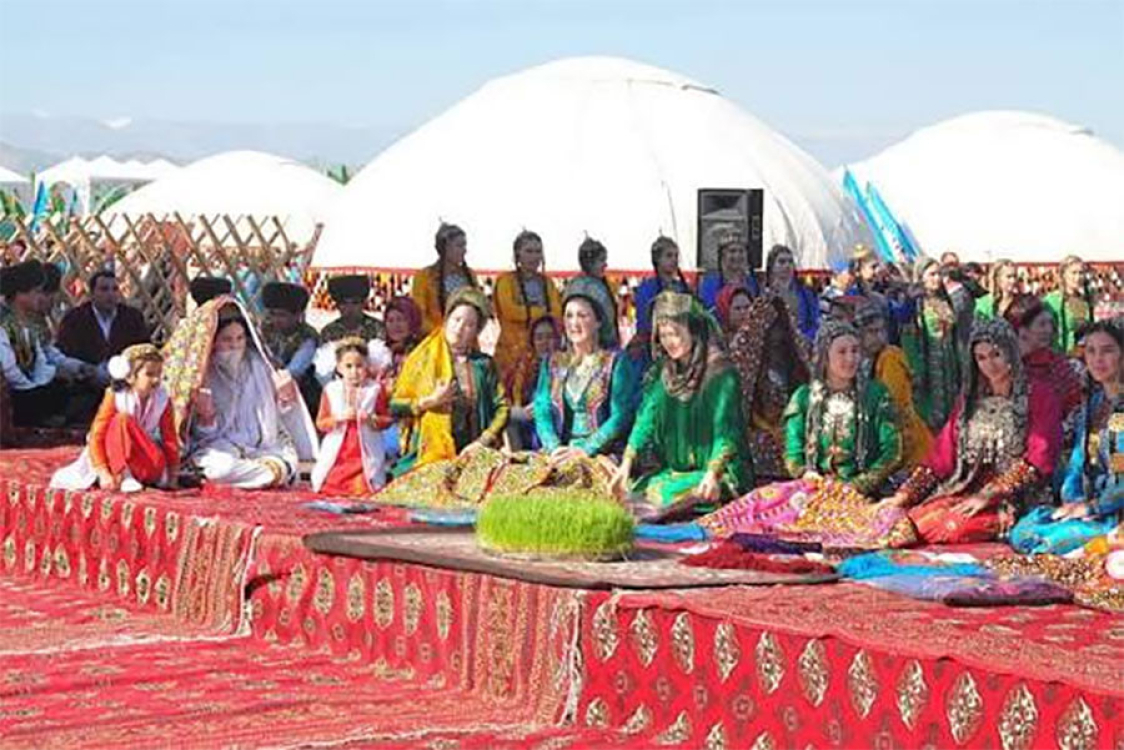
06.08.2026Work is continuing in Turkmenistan to develop culture, preserve the national heritage and promote it abroad. One of the priorities of state policy is to support creative activities, modernise cultural infrastructure and improve the regulatory framework, according to the news agency TDH. Libraries, museums, theatres and arts institutions play a significant role in the cultural sphere. The country is implementing the ‘State Programme for the Development of the Library Sector in Turkmenistan for 2025–2029’, aimed at modernising library services and introducing digital technologies. Electronic catalogues and virtual libraries are expanding access to information resources. Museums in Turkmenistan continue their work to preserve the country’s historical and cultural heritage. Their collections are being expanded with new exhibits, whilst digital projects and virtual tours are being developed. In recent years, exhibitions of the country’s museum treasures have been held at cultural centres abroad, including the Metropolitan Museum of Art in New York and museums in Germany. In 2026, the exhibition ‘Ancient Civilisations of Turkmenistan’ concluded at the Capitoline Museums in Rome. Theatre, music and opera are flourishing. The country’s theatres stage productions based on works by Turkmen and foreign authors. The development of the national opera continues, with well-known works being reintroduced into the repertoire and new productions being created. As part of Culture Week 2026, the opera ‘Leyli and Majnun’ was performed. Particular attention is paid to the preservation of traditional art forms. The performing art of the bakhshi and the national art of singing and dancing known as ‘kushtdepdi’ are being developed. Specialists in the field of culture are trained at the Maya Kuliyeva Turkmen National Conservatoire and the Turkmen State Institute of Culture, as well as at music and art schools. In Ashgabat, construction is continuing on the ‘Güneşli’ Children’s and Youth Centre, which will house the Bazar Amanov State Children’s Library, complete with digital facilities and an observatory. The project is being funded by the Gurbanguly Berdimuhamedov Charitable Foundation for Assistance to Children in Need of Guardianship. National competitions remain one of the key areas for fostering creative potential, including the President of Turkmenistan’s ‘Türkmeniň Altyn asyry’ Award, the television competition ‘Ýaňlan, Diýarym!’, as well as the ‘Çalsana, bagşy!’ and ‘Garaşsyzlygyň merjen däneleri’ competitions. Cultural diplomacy is an important part of Turkmenistan’s international cooperation. As part of the Strategy for the Development of Cultural Diplomacy in Turkmenistan for 2026–2052, the country is expanding its humanitarian ties and developing cooperation with international organisations, including UNESCO, TURKSOY and ICESCO. Cooperation with UNESCO on the preservation of sites of historical and cultural heritage continues. Monuments, traditions and natural sites in Turkmenistan of universal significance have been included in the organisation’s relevant lists. In 2026, Ashgabat hosted the 27th TURKSOY Opera Days, bringing together artists from Turkmenistan, Turkey, Azerbaijan, Kazakhstan, Kyrgyzstan and Uzbekistan. Events were also held to mark the 110th anniversary of the composer Veli Muhadov. Turkmenistan is expanding its cooperation with ICESCO following its granting of observer status with the organisation. During the ‘KazanForum 2026’ international events, initiatives to develop cultural cooperation were presented, including the prospect of Ashgabat being declared the cultural capital of the Islamic world in 2028. Cultural Days, exhibitions, concerts, theatre festivals and film screenings are held regularly both at home and abroad. In 2026, Azerbaijan Cultural Days took place in Ashgabat and Arkadag, whilst Turkmenistan Cultural Days were held in Moscow and Tbilisi. The domestic film industry is also developing. The film ‘The Composer’, produced by the Oguz Han ‘Türkmenfilm’ Association with the support of the Gurbanguly Berdimuhamedov Charitable Foundation for Assistance to Children in Need of Guardianship, has received international awards from TURKSOY. The film had previously been recognised at international film festivals. Cultural diplomacy is also linked to the development of tourism. As a member of the World Tourism Organisation (UNWTO), Turkmenistan is developing cooperation in the field of cultural and educational tourism and the promotion of the country’s historical attractions. The works of Magtymguly Pyragy hold particular significance within the country’s cultural heritage. In 2024, the ‘Magtymguly Pyragy’ cultural and park complex was opened in Ashgabat to mark the 300th anniversary of the poet and thinker. Efforts are also being made to promote Ahal-Teke horses. To this end, international equestrian competitions and horse beauty contests are held, and the ‘Galkynyş’ National Equestrian Games Group performs abroad.
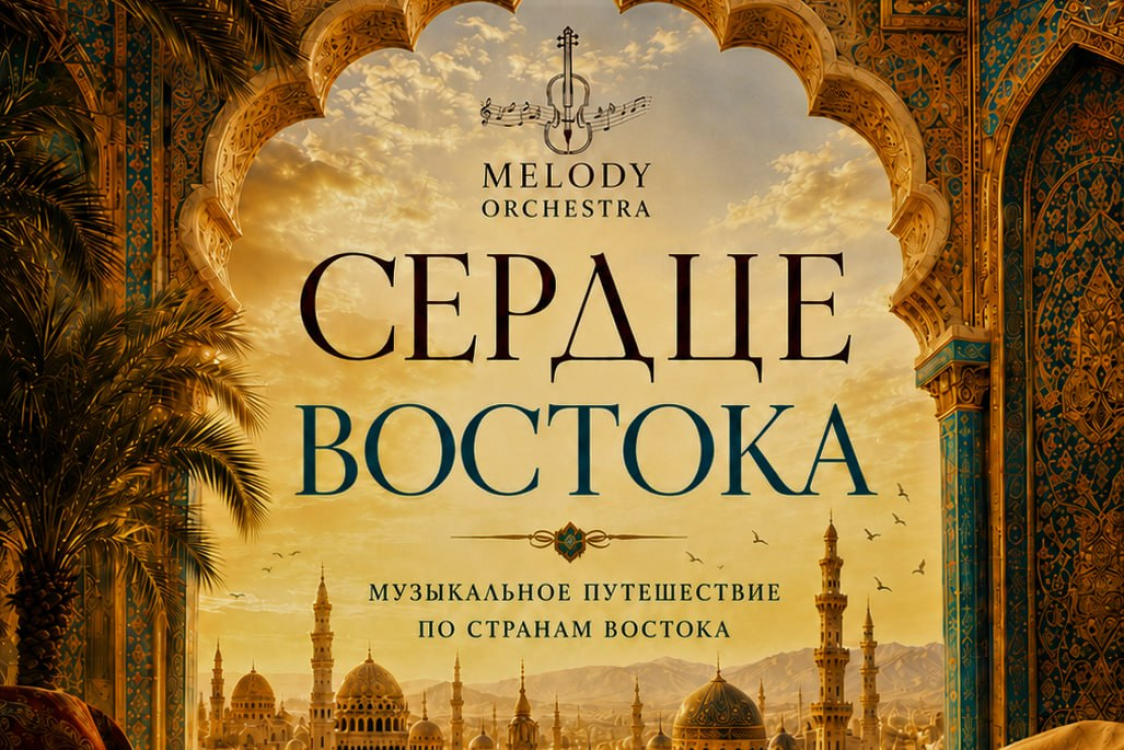
The ‘Melody’ Orchestra is to present a concert entitled ‘Heart of the East’ in Ashgabat
04.08.2026On 29 August, the ‘Watan’ Cinema and Concert Hall in Ashgabat will host a festive concert by the ‘Melody’ Youth Orchestra, entitled ‘Heart of the East’. This was reported by the news agency Orient. The programme will feature new orchestral arrangements of well-known Eastern compositions, combining traditional motifs with a contemporary sound. The musicians will perform pieces reflecting the cultural heritage of the peoples of the East. The repertoire will include Turkmen, Uzbek, Azerbaijani, Armenian, Tajik, Kazakh and Arabic melodies. Each piece will be presented in a contemporary orchestral interpretation whilst retaining its national character. The ‘Melody’ Orchestra, led by cellist Annaoraz Dovletov, is renowned for its performances of classical, contemporary and folk pieces in original arrangements. The organisers note that the event is aimed at a family audience. Seating in the auditorium is limited.
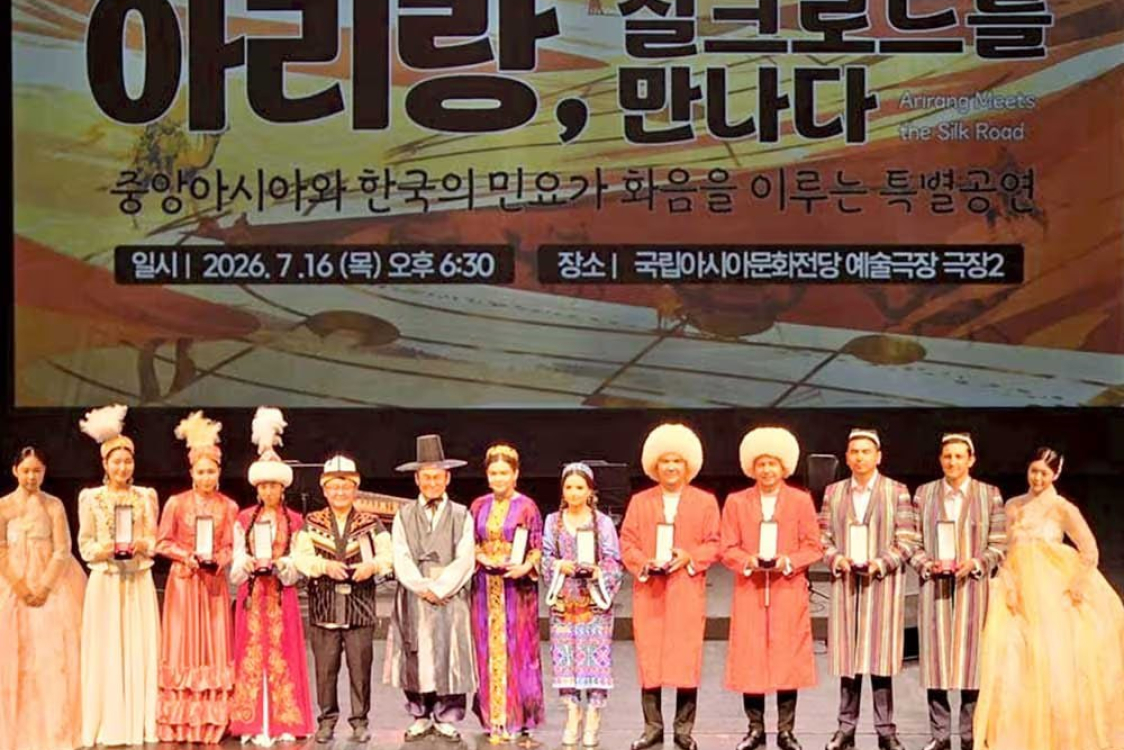
Turkmen performers receive awards at a festival in South Korea
23.07.2026The international song festival ‘A New Cultural Journey Along the Silk Road Through Arirang’ took place in Gwangju, South Korea, to mark the upcoming ‘Central Asia–Republic of Korea’ summit. This was reported by the IIC of Turkmenistan. Turkmenistan was represented at the event by Begench Gayipov, a lecturer at the Maya Kuliyeva Conservatoire, and Arslan Jumayev, an artist from the Cultural Centre of the Charjew etrap in the Lebap velayat. They performed their own interpretation of the Korean folk song ‘Arirang’ in traditional dress. Following the festival, the Turkmen artists were awarded commemorative medals and certificates from the Friendship Association in recognition of their contribution to the development of cultural dialogue and international humanitarian cooperation.
Read also
Advertising


 Read us in Zen


