

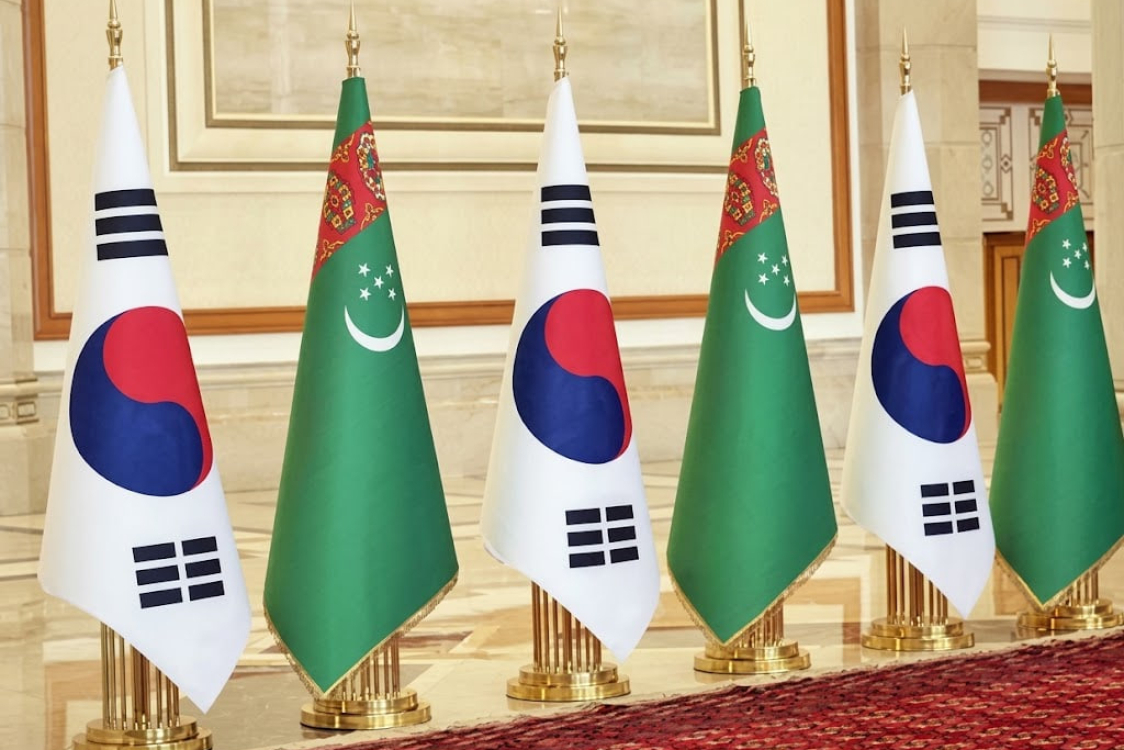
Next year, Turkmenistan and the Republic of Korea will mark the 35th anniversary of the establishment of diplomatic relations. Over this period, bilateral ties have expanded and are now developing on the basis of a strategic partnership, encompassing the political, trade and economic, energy, transport, educational, scientific and humanitarian spheres.
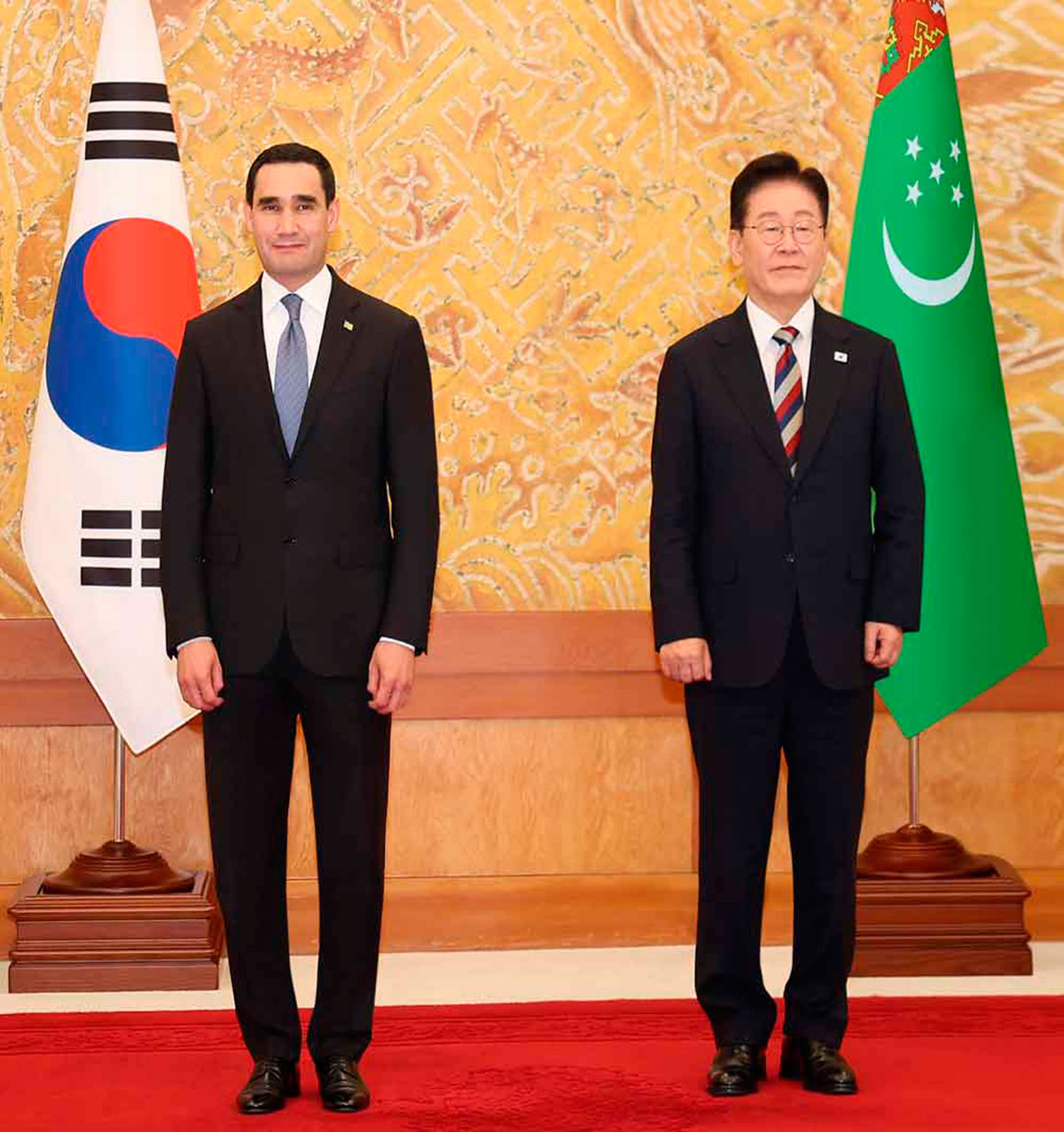
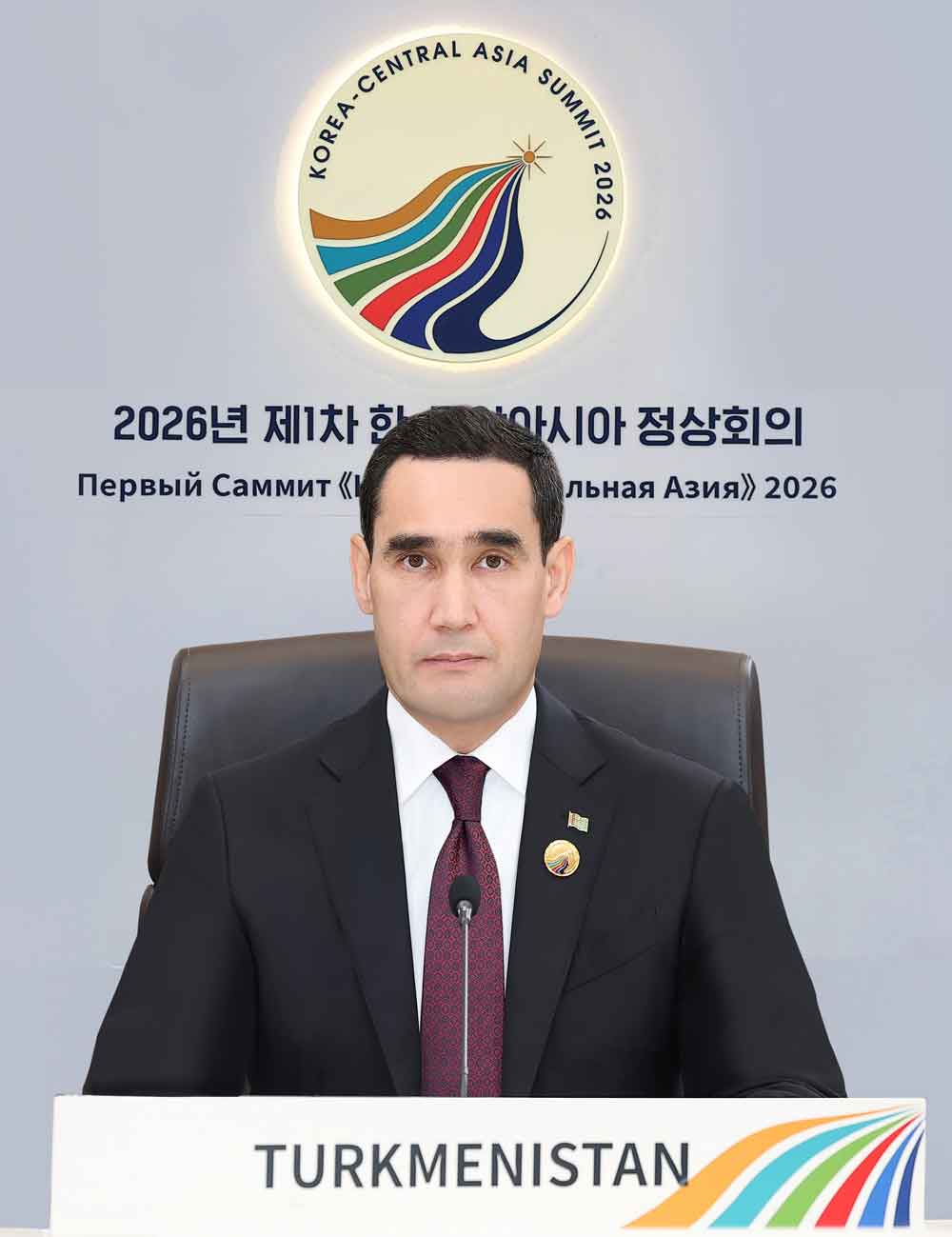
The state visit by the President of Turkmenistan, Serdar Berdimuhamedov, to the Republic of Korea, which took place from 14 to 16 September 2026, gave further impetus to bilateral relations. The highlight of the visit was the Head of State’s participation in the first ‘Republic of Korea–Central Asia’ Summit, held on 16 September in Seoul. The meeting of the Heads of State of the five Central Asian countries and the Republic of Korea marked the first summit at the highest level in this format.
The ‘Republic of Korea–Central Asia’ format has a history stretching back at least 20 years. Cooperation was launched in 2007 on the initiative of the Korean side as a multilateral consultative platform.
The first summit of Heads of State elevated this dialogue to a new political level. The Presidents of Turkmenistan, Kazakhstan, the Kyrgyz Republic, the Republic of Tajikistan, the Republic of Uzbekistan and the Republic of Korea gathered in Seoul.
The summit agenda covered issues relating to transport and logistics connectivity, energy, industrial cooperation, high technology, digitalisation, the environment and the climate agenda. Particular attention was paid to the processing of raw materials using South Korean technologies, the joint development of deposits, the establishment of industrial enterprises and the development of transport corridors providing Central Asian countries with access to global markets. Projects in the fields of artificial intelligence, the digitalisation of public services, ‘green’ technologies and adaptation to climate change were also discussed.
Following the meeting, the Seoul Declaration of the first ‘Republic of Korea–Central Asia’ Summit was adopted. In addition, the parties adopted a number of documents setting out specific areas for further cooperation.
Turkmenistan’s Initiatives
In his address at the summit, the President of Turkmenistan noted that the summit lays the foundation for a new phase of cooperation between the Republic of Korea and the states of Central Asia. Turkmenistan regards peace and trust as essential conditions for sustainable development and bases its foreign policy on its status of permanent neutrality, which has been recognised three times by the UN General Assembly.
One of the areas proposed by Turkmenistan was urban development and infrastructure. In particular, the Head of State presented the ‘Smart Cities Diplomacy’ initiative, which envisages the pooling of efforts, the exchange of experience and information, the joint implementation of scientific and technical achievements, and the creation of integrated models of urban planning.
A separate set of proposals concerned education, science and youth cooperation. Turkmenistan proposed developing new forms of interaction between educational institutions in Central Asian countries and the Republic of Korea, including dual-degree programmes. The need to expand young people’s digital literacy and to organise joint academic competitions, contests and conferences was also highlighted.
In the scientific sphere, it was proposed to step up joint research and project-based research work by young scientists, as well as to establish an Institute to support the development and implementation of innovative ideas by young people.
Cultural cooperation is to be developed through the Roadmap for Intercultural Exchanges between Young People from Central Asian Countries and the Republic of Korea and the ‘Young Talents’ programme. In the sporting sphere, Turkmenistan has proposed expanding the exchange of specialists, promoting a healthy lifestyle and exploring the possibility of organising International Youth Sports Games involving the countries of Central Asia and the Republic of Korea.
Economy and the involvement of Korean business
Economic cooperation is one of the key areas of Turkmen-Korean relations. Over recent years, Korean companies have been involved in major projects in the oil and gas, gas chemical, industrial, transport and infrastructure sectors.
According to data presented by the President of Turkmenistan at the Turkmen-Korean Business Forum, 17 investment projects involving Korean companies, with a total value of over 12 billion US dollars, are registered in the country.
New projects are currently being implemented and discussed in Turkmenistan involving Daewoo Engineering & Construction Co., Ltd., Koryo Shipbuilding Industry Technology Co., Ltd., Korea Meditech Co., Ltd. and other companies.
During the negotiations and business meeting, opportunities were identified for expanding cooperation in the energy sector, gas chemistry, the chemical industry, transport, logistics, shipbuilding, construction, medicine, digital technologies and environmental projects.
Transport and logistics as a separate priority
Cooperation in transport and logistics has become one of the key elements of both intergovernmental and business dialogue.
Turkmenistan is developing ‘East–West’ and ‘North–South’ infrastructure, viewing it in the context of strengthening Eurasia’s transit and logistical connectivity. During the summit and the Business Summit, discussions centred on the development of multimodal corridors, the expansion of logistics routes and the enhancement of the region’s transit capacity.
Particular attention was paid to the potential of the Trans-Caspian Transport Corridor. Practical issues included the digitalisation of customs procedures, the harmonisation of standards, the protection of intellectual property and the streamlining of cargo clearance.
For Turkmenistan, the participation of Korean businesses in these projects is linked not only to the development of transport infrastructure, but also to the expansion of Central Asia’s links with the Caspian region and other international destinations.
The Business Summit as a mechanism for practical cooperation
The first ‘Republic of Korea–Central Asia’ Business Summit served as a dedicated platform for discussing investment, trade and economic projects. In his speech, Serdar Berdimuhamedov identified the business community as one of the key elements in the practical implementation of intergovernmental agreements.
Thematic sessions addressed cooperation on rare-earth mineral resources, energy and supply chains, as well as issues relating to trade and investment, industry, transport and logistics.
In particular, discussions centred on the joint development of deposits using Korean technological and environmental standards, the expansion of lending programmes through Korean financial institutions, and the establishment of high-tech manufacturing facilities in Central Asian countries.
The industry and transport session examined multimodal corridors, the expansion of logistics routes—including the Trans-Caspian route—the digitalisation of customs procedures, and the harmonisation of standards to accelerate freight flows.
Bilateral package of agreements
An important outcome of the state visit was Serdar Berdimuhamedov’s negotiations with the President of the Republic of Korea, Lee Jae-myung, as well as meetings with the Prime Minister of the Republic of Korea, Han Seong-sook, and the Speaker of the National Assembly, Cho Jeong-sik.
During the negotiations, the parties identified investment, trade, energy, industry, the chemical sector, rail transport, artificial intelligence, science and technology, water management and the environment as areas for further cooperation.
A separate set of bilateral documents covered the areas of investment, customs, industry, water resources, youth policy, law, security, transport, digital technologies and the climate agenda.
Agreements and memoranda of understanding were also signed by Turkmen and South Korean organisations in the fields of oil refining, road and rail transport, telecommunications, water management, shipbuilding, aviation, education, science, IT and culture.
In the fields of education and science, agreements were concluded between Turkmen higher education institutions and Kangwon National University, KOREATECH, Kyung Hee University, Incheon National University, Seoul National University and other organisations.
Also, during the visit, the President of Turkmenistan was awarded the title of ‘Honorary Doctor of Political Science’ by Sungkyunkwan University. During his address at the university, the Head of State emphasised the need to expand exchanges of students, lecturers and researchers, as well as to implement joint educational programmes in the fields of artificial intelligence, engineering, energy, digital technologies and industrial management.
Parliamentary and humanitarian dimensions
Inter-parliamentary ties between Turkmenistan and the Republic of Korea have been developing since 2015. The first consultative meeting between representatives of the Mejlis of Turkmenistan and the National Assembly of the Republic of Korea took place in September 2023, followed by a second meeting in October 2024.
At a meeting with Cho Jeong-sik, Speaker of the National Assembly of the Republic of Korea, the parties noted the importance of parliamentary contacts in strengthening mutual understanding and trust.
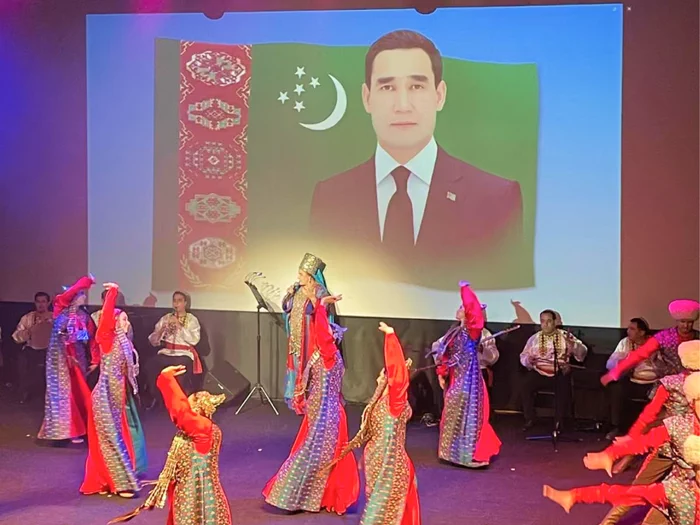
Furthermore, on 16 September, the Turkmenistan Culture Days opened at the National Centre for Asian Culture in Gwangju. The event was attended by representatives of the two countries’ ministries of culture, artists and other guests.
The programme included a concert by master artists and an exhibition of national decorative and applied arts, museum exhibits, works by painters and sculptors, as well as national costumes.
The state visit covered several levels of Turkmen-Korean cooperation at once: negotiations between the Heads of State, contacts with the government and parliament, business dialogue, educational and scientific ties, as well as cultural cooperation.
A key outcome was the integration of the bilateral agenda with a new regional framework. Whilst bilateral relations encompass specific investment, industrial, transport, educational and humanitarian projects, the ‘Republic of Korea– Central Asia’ summit created an additional platform for linking these to regional objectives.
The next important milestone will be 2027, when Turkmenistan and the Republic of Korea will mark the 35th anniversary of the establishment of diplomatic relations. During the negotiations, Serdar Berdimuhamedov proposed marking this date with a wide range of events in both countries, and also invited President Lee Jae-myung to visit Turkmenistan next year.
Thus, the September visit shaped both the bilateral and regional agendas for Turkmen-Korean cooperation.
Read also
Advertising
 Read us in Zen


