

Health
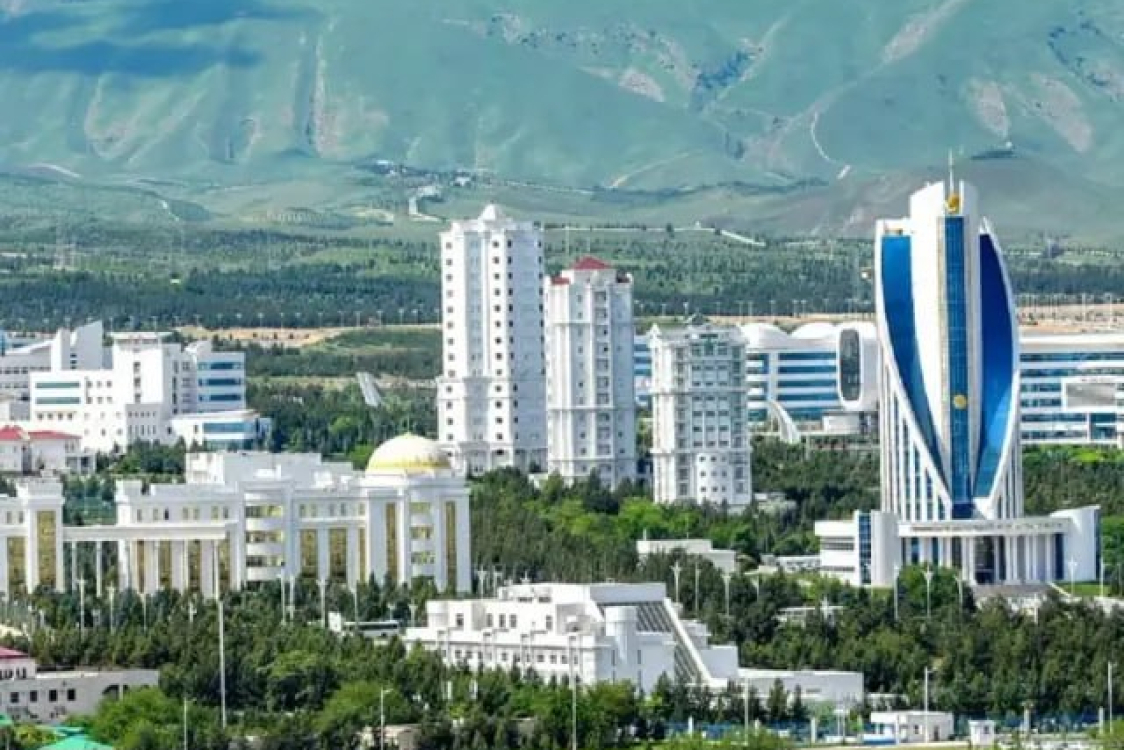
New healthcare facilities are set to open in time for the professional holiday
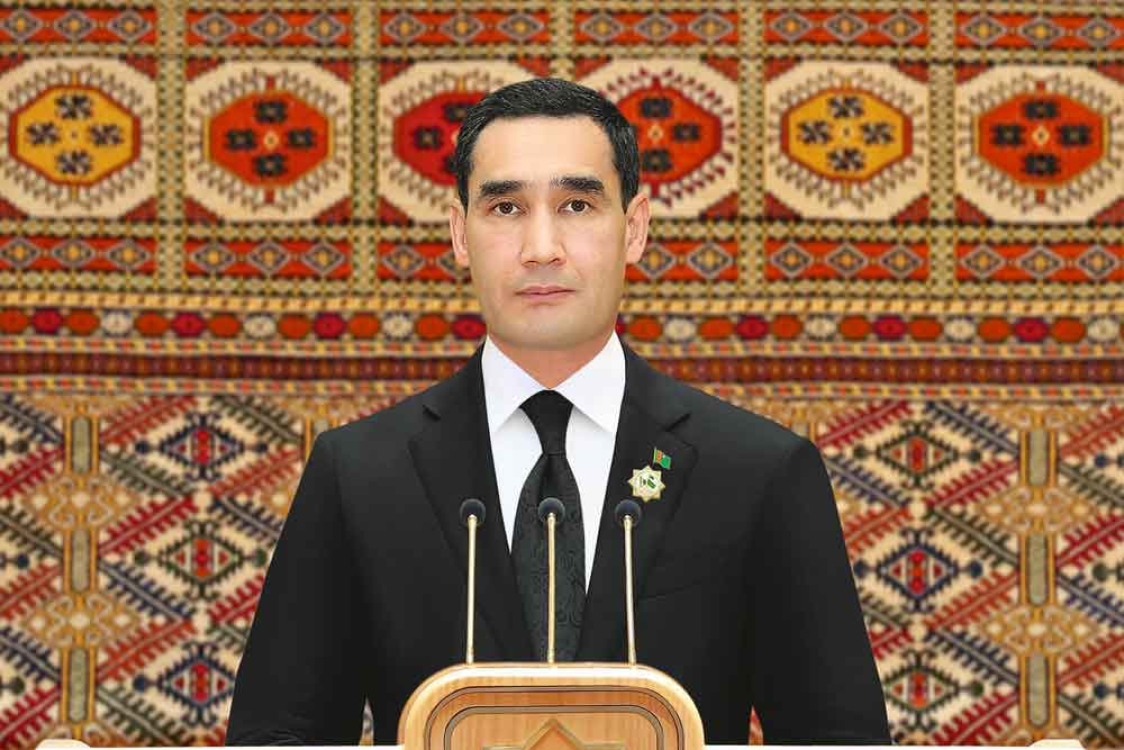
20.09.2026On 18 September, at a meeting of the Cabinet of Ministers of Turkmenistan, Deputy Chairman of the Cabinet of Ministers B. Mammedov reported on preparations for events to mark Healthcare and Medical Industry Workers’ Day. This was reported by the TDH news agency. As part of the ‘Saglyk’ State Programme, an additional complex of buildings at the ‘Arçman’ sanatorium in the Baherden etrap of the Ahal velayat is scheduled to be commissioned in October. In Ashgabat, the International Scientific and Clinical Centre for Oncology, the International Centre for Paediatrics and the Dental Centre will be opened. The professional holiday will also be marked by the International Exhibition and Scientific Conference ‘Healthcare, Education and Sports in the Renaissance Era of a New Epoch of a Powerful State’ and other events. The Deputy Prime Minister presented the relevant proposal to the Head of State. The President of Turkmenistan, Serdar Berdimuhamedov, instructed that preparations be made for the exhibition and conference, and that opening ceremonies be organised for the new medical facilities.
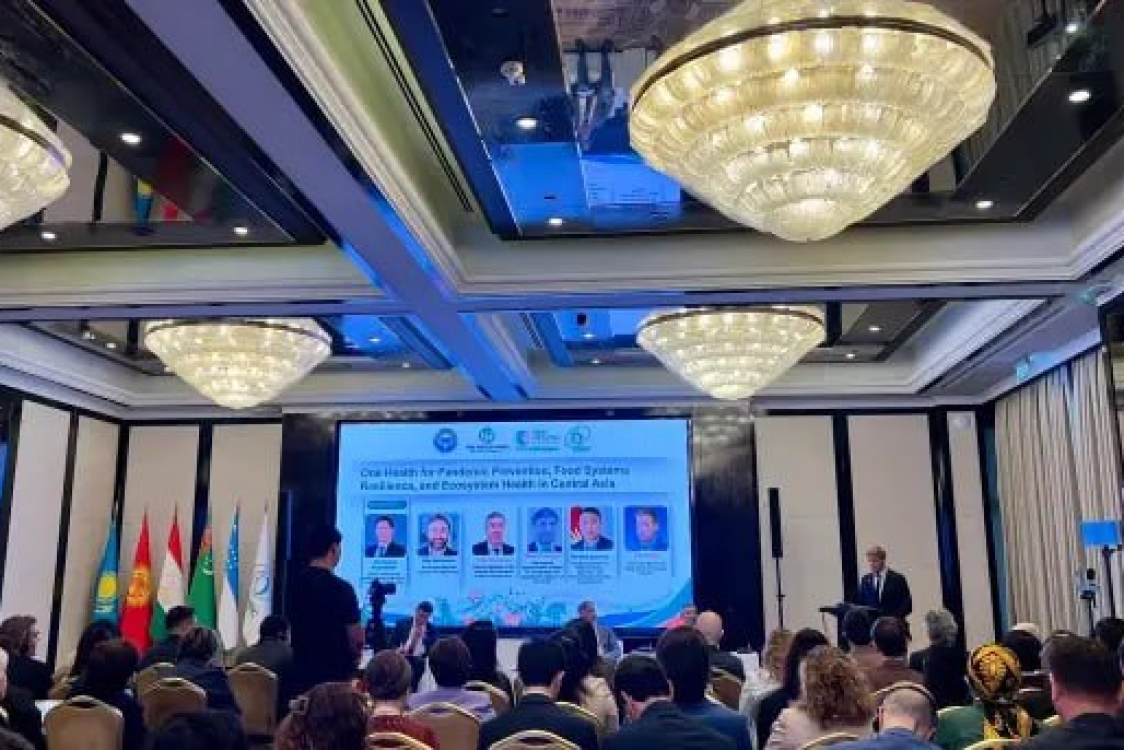
A delegation from Turkmenistan is taking part in the ‘One Health’ conference in Bishkek
14.09.2026The “One Health – 2026” Regional Conference opened in Bishkek on 14 September. More than 150 representatives of government bodies, international organisations and the expert community from five Central Asian countries, including Turkmenistan, are taking part, according to the news website Turkmenportal. Delegates are discussing ways to strengthen regional cooperation in the prevention of zoonotic diseases, pandemic preparedness, epidemiological and veterinary surveillance, as well as collaboration between the health, agriculture and environmental sectors. The event was organised by the Government of the Kyrgyz Republic, the Regional Environmental Centre for Central Asia (CAREC) and the World Bank, with the support of the Pandemic Fund and the Quadripartite Secretariat for One Health — FAO, WHO, WOAH and UNEP. The high-level plenary session was moderated by Zharkynbek Kasymbekov, Director of the National Institute of Public Health under the Ministry of Health of the Kyrgyz Republic. The session featured a presentation on the Kyrgyz component of the ‘One Health’ programme, which provides for funding of US$30 million in the form of a loan and US$1.79 million in the form of a grant. The funds are intended to strengthen governance in this sector, develop human resource capacity and improve systems for prevention, detection and response to threats, including laboratory networks and epidemiological surveillance. The World Bank’s Regional Director for Central Asia, Najy Benhassine, noted that the Bank provides financial and technical support to countries in the region, helping to strengthen national systems and foster collaboration on preventing cross-border infectious disease threats. Batyr Mammedov, Executive Director of CAREC, emphasised that the regional initiative is moving from the development of common approaches to practical implementation, and highlighted the role of the ‘One Health’ Regional Secretariat, based at CAREC, in coordinating actions between countries. During the conference, representatives from Kazakhstan, Kyrgyzstan, Tajikistan, Turkmenistan and Uzbekistan are discussing the progress of national programmes and priorities for further cooperation.
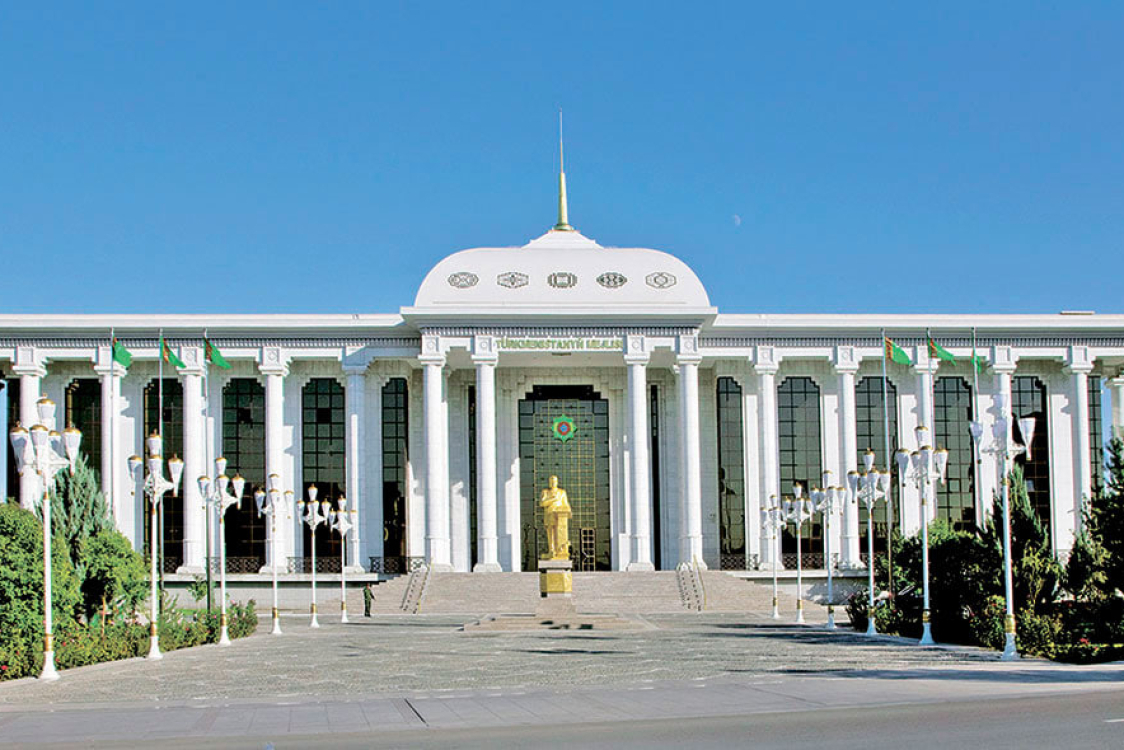
The Mejlis of Turkmenistan is improving the legislative framework
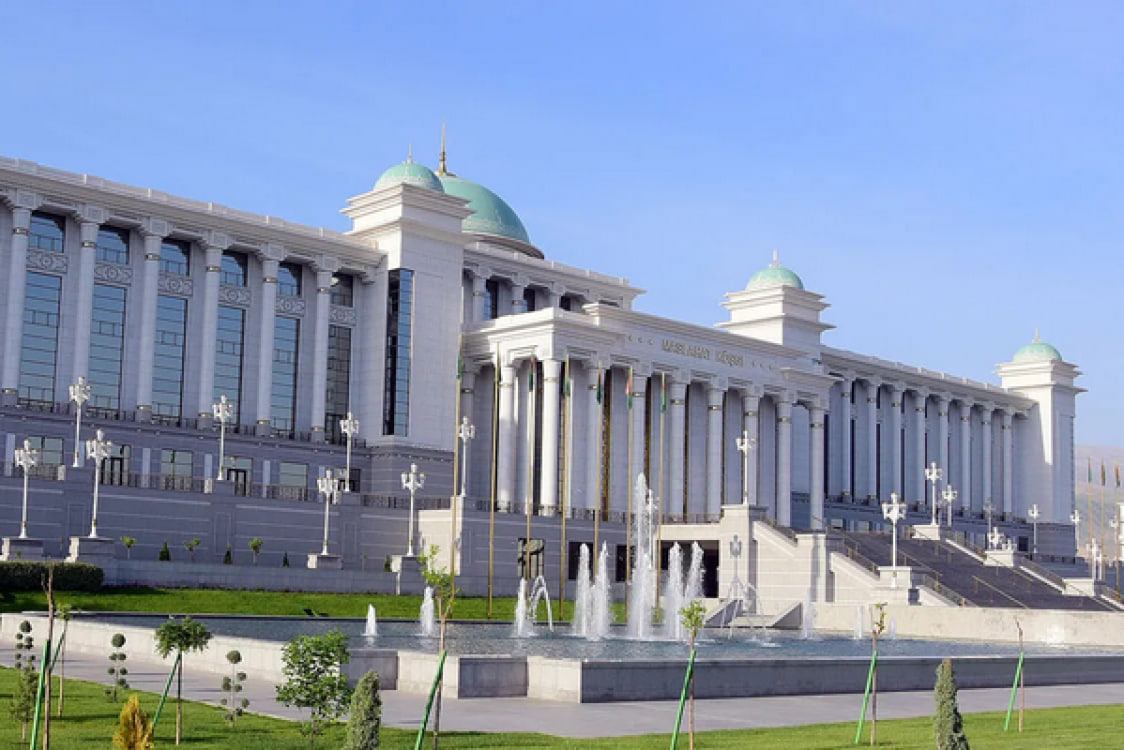
12.09.2026On 11 September, at a meeting of the Cabinet of Ministers of Turkmenistan, the Chairwoman of the Mejlis, D. Gulmanova, presented information on efforts to improve the country’s legislation. This was reported by the news agency TDH. Working groups are currently drafting the Laws of Turkmenistan ‘On State Registration of Rights to Real Estate’ and ‘On State Protection of Ahal-Teke Horses in Turkmenistan’. Amendments and additions are also being prepared for the laws ‘On Leasing’, ‘On Joint-Stock Companies’, ‘On Publishing Activities’ and ‘On the Licensing of Certain Types of Activities’. In addition, information was presented on preparations for the next session of the Halk Maslahaty of Turkmenistan. As part of an exchange of experience in the field of law-making, representatives of the national parliament visited Samarkand (Republic of Uzbekistan) and Kuala Lumpur (Malaysia). President Serdar Berdimuhamedov emphasised the importance of further strengthening the country’s legal framework and improving legislative activity.

A delegation from Turkmenistan took part in an obstetrics conference in Ankara
10.09.2026A delegation from Turkmenistan took part in the regional conference ‘Accelerating Midwifery in Eastern Europe and Central Asia’, held on 7–8 September in Ankara. This was reported by Turkmenportal. The conference was attended by representatives of health ministries, international experts and specialists from countries in the region. Participants discussed the development of midwifery, regional cooperation and the preparation of multi-year national action plans to ensure safe motherhood and strengthen health systems. The event was organised by the United Nations Population Fund (UNFPA), the Turkish Ministry of Health and the Turkish Cooperation and Co-ordination Agency (TIKA). The conference also served as a platform for political dialogue, the exchange of experiences and the alignment of national practices with international standards in the field of maternal and newborn health.
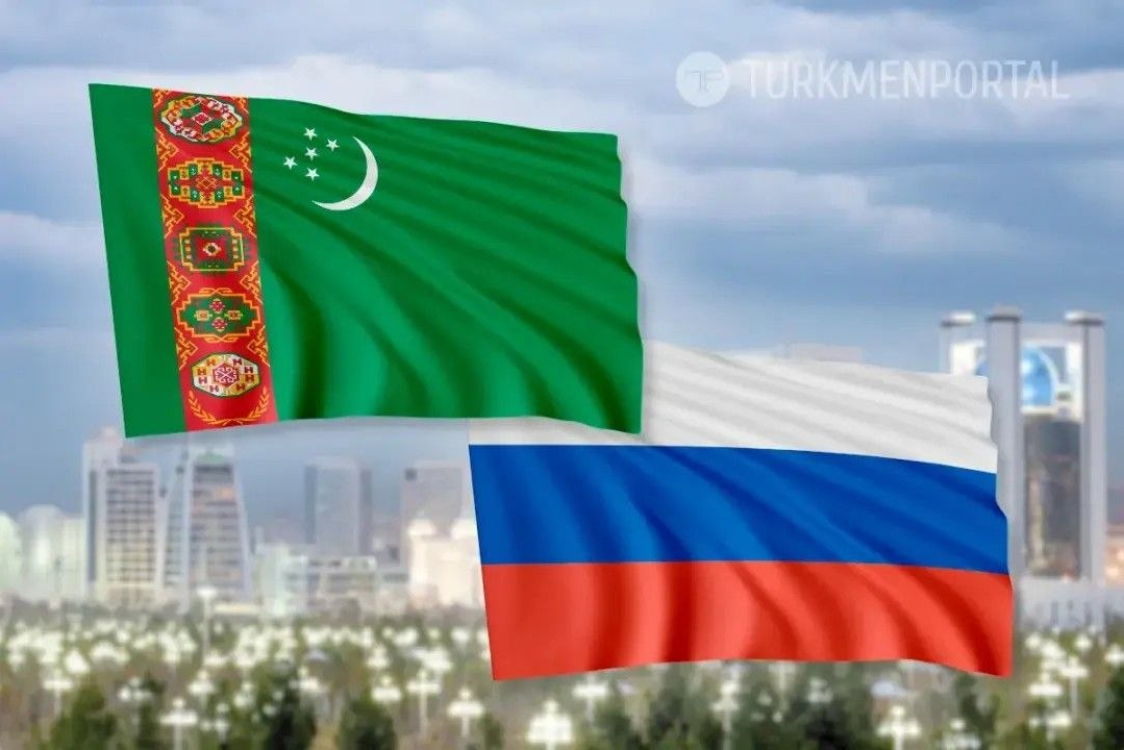
St. Petersburg has proposed cooperation with Turkmenistan in the fields of medicine and culture
10.09.2026St. Petersburg has proposed that Turkmenistan develop cooperation in the field of medicine, as well as organise cultural exchanges and tours by theatre companies. This was stated to journalists by the city’s vice-governor, Vladimir Omelnytsky, according to the news website Turkmenportal. ‘We proposed the possibility of holding so-called video conferences using artificial intelligence to exchange expertise, because there are top-level professionals in medical institutions in both Turkmenistan and St. Petersburg,’ he said, adding that St. Petersburg’s medical professionals have accumulated a wealth of experience in preserving health and saving lives, which they are ready to share. Furthermore, according to Omelnytsky, the parties discussed cooperation in the cultural sphere — St. Petersburg proposed organising touring performances by theatre companies and presenting exhibitions from its museums in Ashgabat. ‘The cultural capital — the city of St. Petersburg — is ready to share everything we have... I am talking about museums and exhibitions that we are ready to stage here, in the halls of Ashgabat,’ said the vice-governor. He expressed confidence that all the proposals put forward by the St. Petersburg side would be implemented, and thanked the Government of Turkmenistan for its attentive consideration of them. Omelnytsky is on a working visit to Turkmenistan on behalf of the Governor of St. Petersburg, Alexander Beglov. As part of the trip, he held a meeting with Bahar Seyidova, Deputy Chairwoman of the Cabinet of Ministers of Turkmenistan for Culture and the Media, during which the parties discussed promising areas for cooperation.
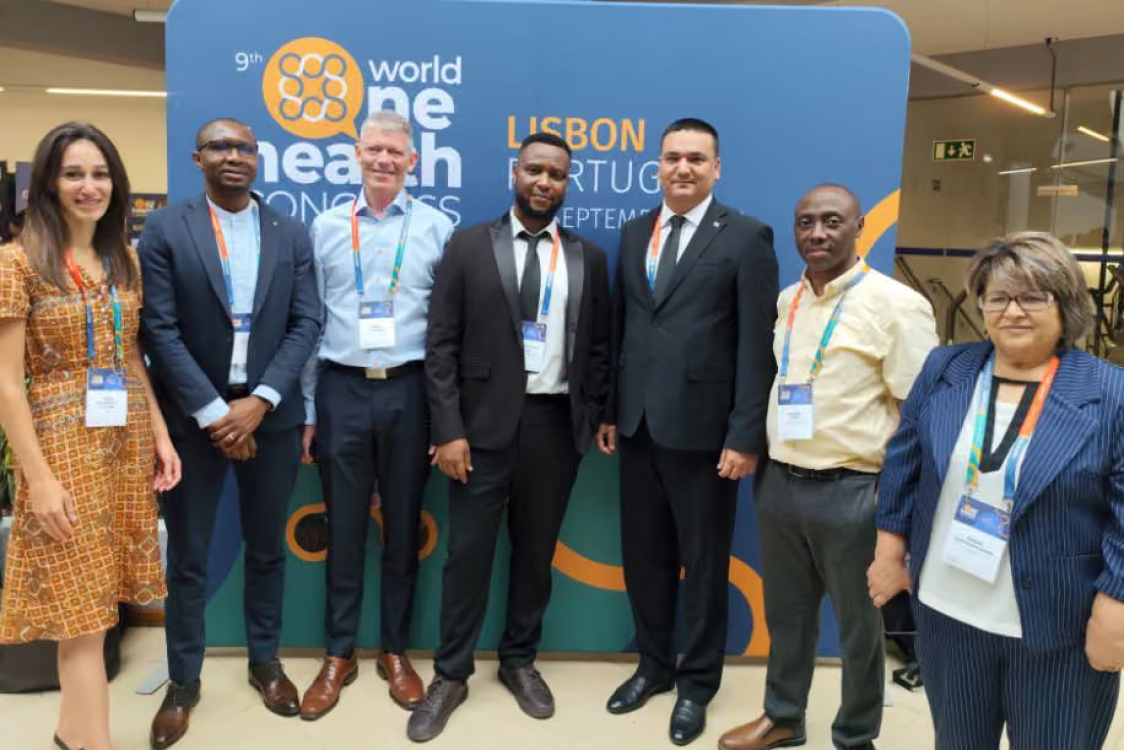
Turkmenistan is taking part in the ‘One Health’ World Congress
06.09.2026The 9th World ‘One Health’ Congress has opened at the Lisbon Congress Centre in Portugal. The forum has brought together experts, scientists and practitioners to discuss issues of global security. This was reported by the IIC of Turkmenistan. Turkmenistan is represented at the congress by Arslan Soltanmyradov, Head of the Department of International and Scientific Relations and National Coordinator for the implementation of the ‘One Health’ approach at the State Veterinary Service under the country’s Ministry of Agriculture. Over the course of four days, participants are examining issues relating to the prevention of zoonotic diseases, the resilience of food systems, the fight against antimicrobial resistance, biosafety and the impact of climate change on ecosystems. As part of the forum, he spoke at a dedicated panel session, presenting Turkmenistan’s experience in developing cross-sectoral interaction and cooperation in the field of protecting human, animal and environmental health.
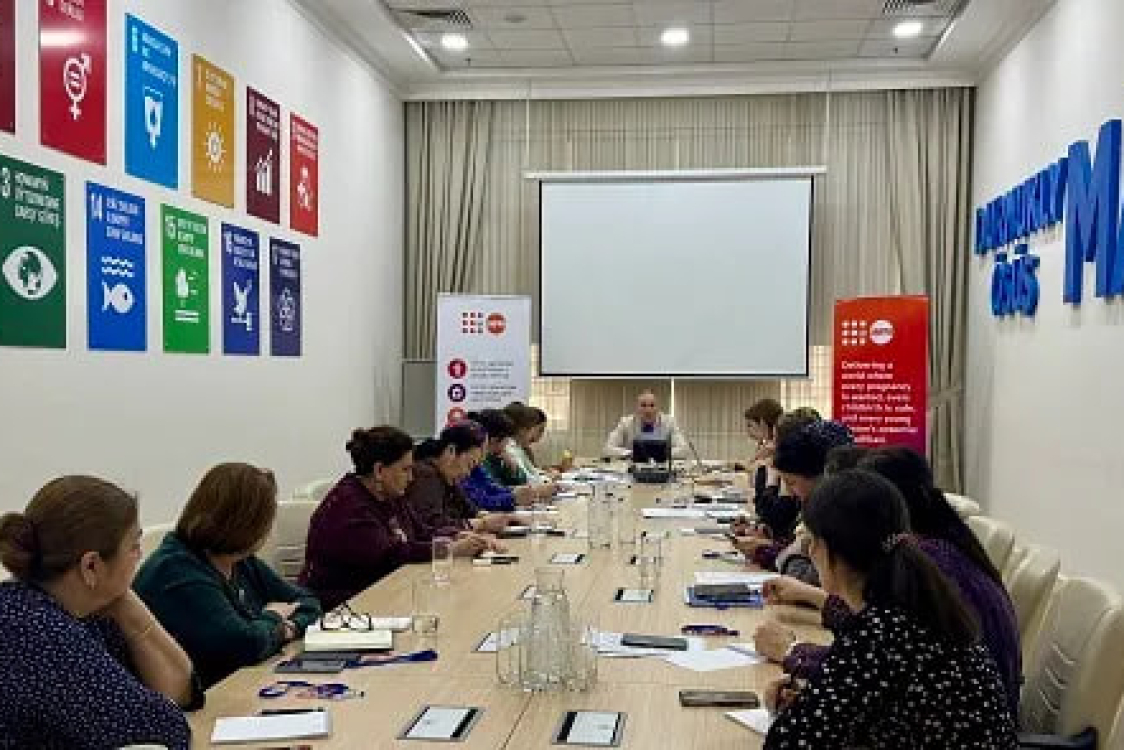
Turkmenistan is implementing a programme to protect the health of mothers and children
05.09.2026In Turkmenistan, measures are being implemented to protect the health of mothers and children as part of the National Programme for the Protection of Maternal and Child Health for 2026–2030, ‘Healthy Mother – Healthy Child – Healthy Future’, which was approved in June 2026. This is reported by Arzuw.News, citing the newspaper ‘Neutral Turkmenistan’. The document places particular emphasis on supporting breastfeeding. The programme provides for measures to strengthen the health of mothers and children, improve medical care and enhance population health indicators. The action plan sets out the main areas of its implementation. According to the recommendations of the World Health Organisation, exclusive breastfeeding is recommended for the first six months of a child’s life, with continued breastfeeding until the age of two or beyond. The legal framework for supporting breastfeeding in Turkmenistan is enshrined in the relevant law. Healthcare professionals inform pregnant women and breastfeeding mothers about the benefits of breastfeeding and the necessary skills.
The International Paediatric Centre is preparing to open
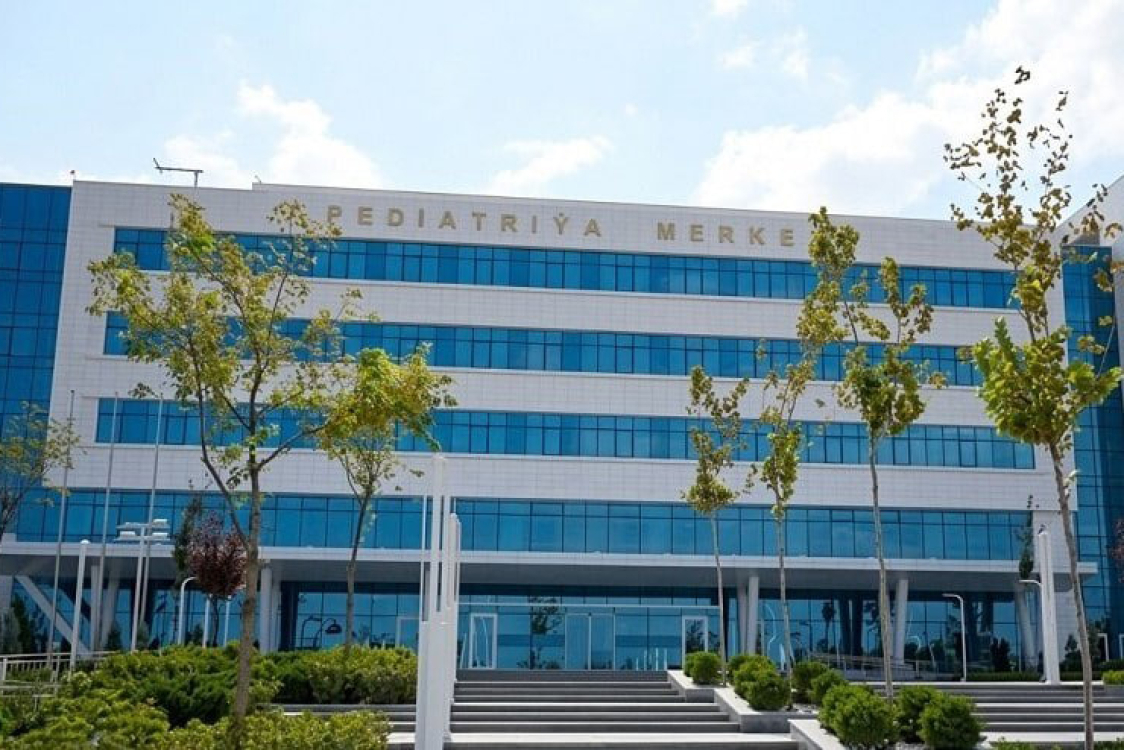
02.09.2026Construction of the International Paediatric Centre in the southern part of Ashgabat is nearing completion. President Serdar Berdimuhamedov recently inspected the progress of work at the site. This was reported by the news agency ‘Turkmenistan: Golden age’. The five-storey medical complex is designed to provide highly specialised care for children over the age of three. Its opening is scheduled to coincide with the 35th anniversary of Turkmenistan’s independence and will be timed to mark Healthcare and Medical Industry Workers’ Day. The centre will collaborate with leading foreign clinics. President Serdar Berdimuhamedov highlighted the centre’s importance for the development of paediatric medicine. The centre is equipped with state-of-the-art facilities for diagnosis, treatment and high-tech therapy, as well as the integration of digital solutions and artificial intelligence. The consultation area has been designed with the specific needs of child psychology in mind. The diagnostics department is equipped with systems for functional and radiological diagnostics, endoscopic equipment and AI-based data processing technologies. The therapeutic department has equipment for digital radiography and intensive care. The operating theatre and intensive care unit are designed to enable online data exchange between departments. The post-operative wards are equipped in accordance with infection control requirements. The hospital provides facilities for children to stay round the clock, and there is a playground on the premises. Particular attention is paid to hygiene and sanitation standards, sterility, cleanliness and effective ventilation of the premises.

AI will help speed up diagnosis at the new Dental Centre in Ashgabat
28.08.2026On 26 August, the President of Turkmenistan, Serdar Berdimuhamedov, inspected the final stage of construction of the Dental Centre and instructed that its digital capabilities be utilised to the full. The Head of State emphasised the need to introduce artificial intelligence technologies and modern equipment to speed up diagnosis and improve the quality of medical care, according to the news agency ‘Turkmenistan: Golden age’. Given the Centre’s high patient throughput, the President of Turkmenistan emphasised the importance of well-organised operations, the prompt reception of patients and the provision of expert consultations. The facility will carry out anaesthesia, tooth extractions and fillings, reconstructive maxillofacial surgery, prosthetics and dental implant procedures. Services will also include orthodontic treatment, the fabrication of custom-made dentures with colour matching, early diagnosis of oral pathologies and the correction of defects in the maxillofacial region. Particular attention has been paid to specialised monitors and AI systems, which will enable the exchange of medical data with domestic clinics and facilitate international consultations with overseas partners.
Construction of the region’s largest cancer centre is nearing completion in Ashgabat
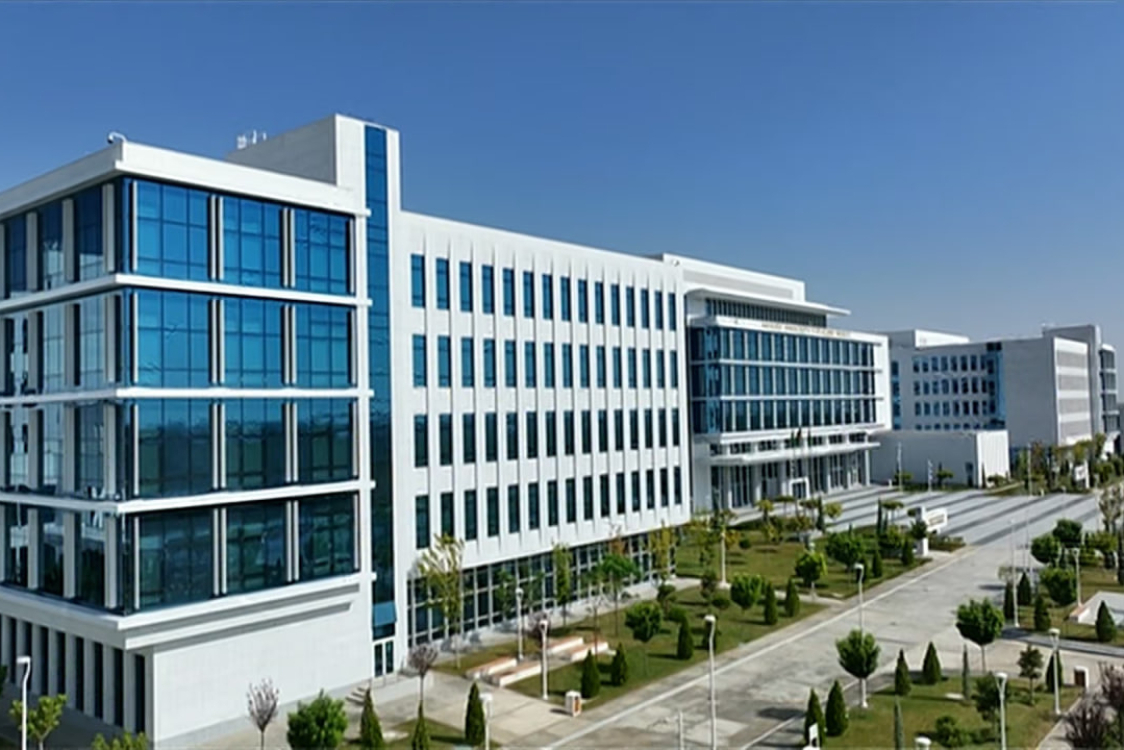
23.08.2026The National Leader of the Turkmen people and Chairman of the Halk Maslahaty of Turkmenistan, Gurbanguly Berdimuhamedov, inspected the progress of construction of the region’s largest International Scientific and Clinical Oncology Centre in the northern part of Ashgabat. The facility is in the final stages of construction, reports IIC of Turkmenistan. He was joined on the tour by Professors Fritz and Susanne Spelsberg from the Ludwig Maximilian University Hospital Munich. The project is being implemented in cooperation with the International Atomic Energy Agency (IAEA). The centre will house departments of radiological and functional diagnostics, radiopharmacy, and adult and paediatric haematology. The complex is equipped with a system for the safe storage and neutralisation of radioactive medical waste. Provision has also been made for a digital infrastructure utilising artificial intelligence technology for the analysis of medical images. Gurbanguly Berdimuhamedov proposed using the centre as a treatment and educational base for training specialists and creating a unified medical campus in the northern part of Ashgabat. The opening of the International Scientific and Clinical Oncology Centre is scheduled for this year. It will coincide with Turkmenistan’s Healthcare Workers’ Day and an international scientific and practical conference.
A training course for leading medical specialists is taking place in Ashgabat
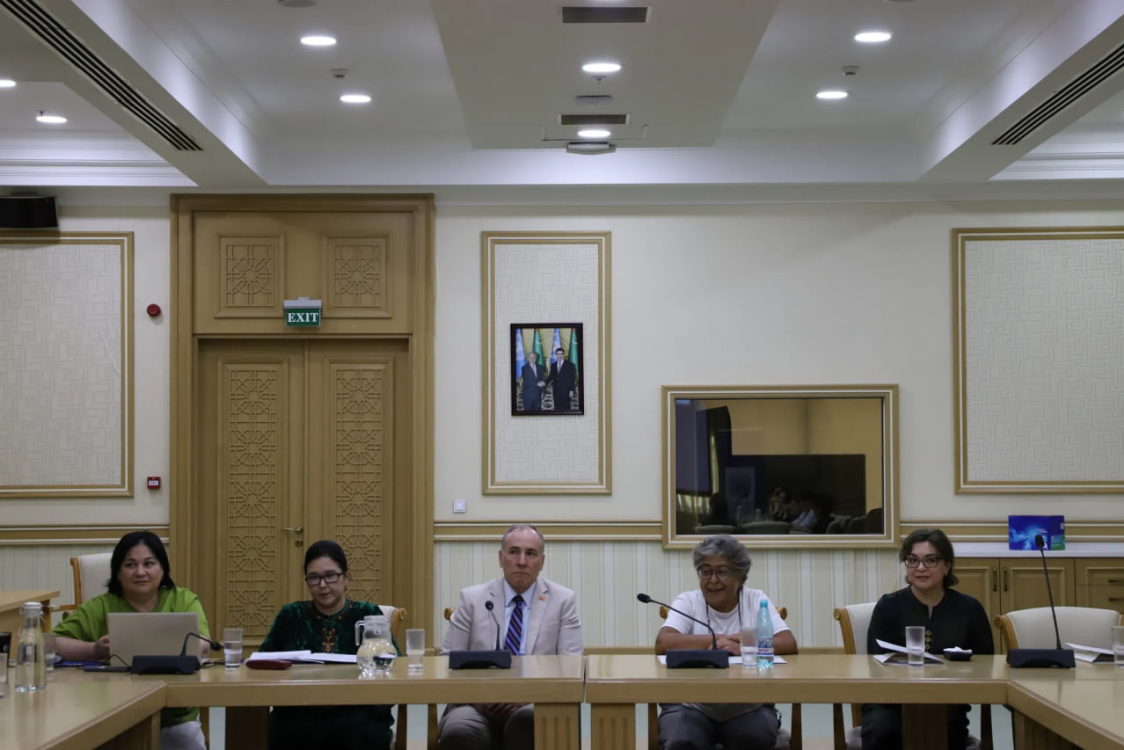
20.08.2026On 19 August, a three-day training course entitled ‘Gender-Responsive Approach in Healthcare’ began in Ashgabat for 30 leading medical specialists from all regions of Turkmenistan. The event was organised by the United Nations Development Programme (UNDP) and the United Nations Population Fund (UNFPA), according to the news website Turkmenportal. Participants in the training include chief general practitioners, obstetricians and gynaecologists, and specialists in reproductive health and family medicine from five velayats, Ashgabat and the city of Arkadag. The training aims to develop skills in applying gender-sensitive and rights-based approaches when providing healthcare. Participants are learning methods of gender-sensitive communication, reducing stigma and discrimination, and ensuring equal access to high-quality healthcare services. The training is being conducted as part of a joint initiative between UNDP and UNFPA to support inclusive and people-centred healthcare services. The programme has been developed in line with the recommendations of the 2024 assessment of community participation, human rights and gender aspects in the context of tuberculosis in Turkmenistan. The initiative also provides support to the Ministry of Health and Medical Industry of Turkmenistan in strengthening the national health system.
A system for the protection of maternal and child health is being developed in Turkmenistan
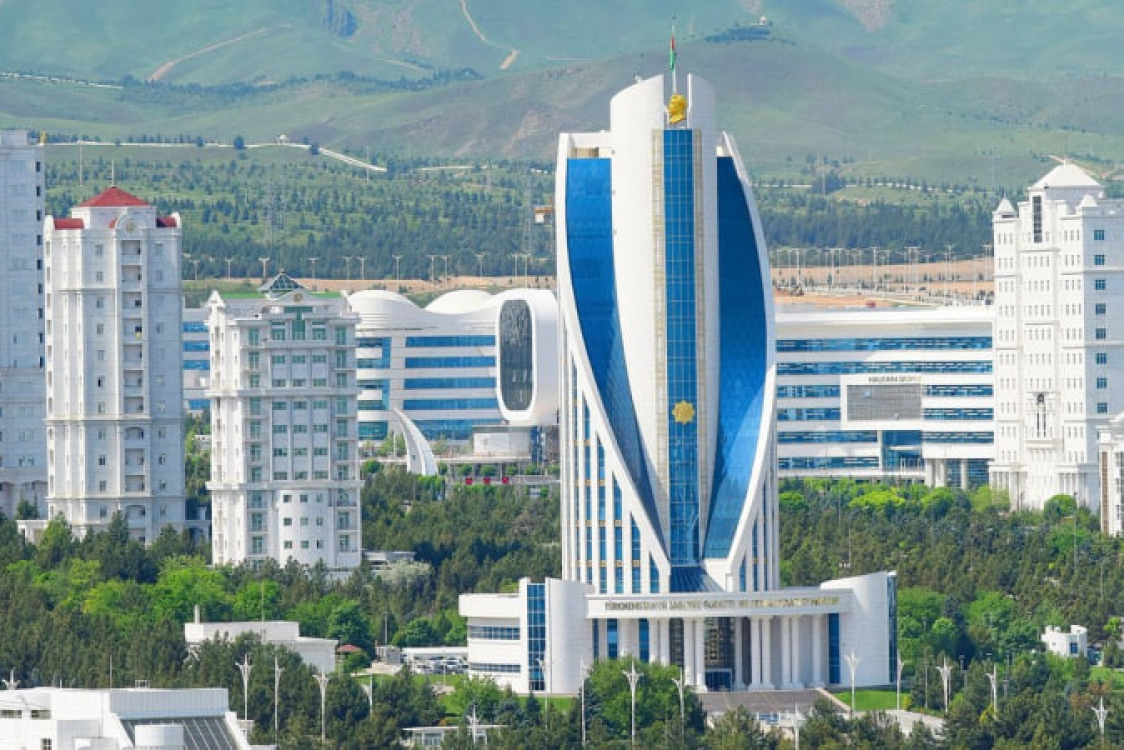
05.08.2026In Turkmenistan, implementation is continuing of the National Programme for the Protection of Maternal and Child Health for 2026–2030, ‘Healthy Mother – Healthy Child – Healthy Future’, approved by a Resolution of the President of Turkmenistan on 20 June 2026. The document aims to improve reproductive health, reduce maternal and child morbidity and mortality, and expand access to high-quality healthcare, according to the news agency TDH. The programme provides for disease prevention, early diagnosis, improvements to medical care for women during the antenatal and postnatal periods, the development of a screening system, support for families and improved training for medical staff. There are plans to review the educational programmes of relevant educational institutions, introduce new specialisms and increase student intake. In addition, the country is continuing to implement state programmes in the healthcare sector, including the ‘Saglyk’ (‘Health’) State Programme. Particular attention is being paid to breastfeeding and the prevention of iron-deficiency anaemia, iodine deficiency and vitamin D deficiency. According to the 2023 National Micronutrient Survey, the prevalence of anaemia among women of reproductive age, pregnant women and children has decreased compared with 2011. The development of preventive medicine, the promotion of a healthy lifestyle, physical education and sport, as well as the improvement of the primary healthcare system, remain key priorities. The modernisation of medical infrastructure is continuing. Across the country’s regions, clinics, research and clinical centres, health centres and maternal and child health centres are being built and refurbished. Healthcare facilities are being supplied with modern equipment, medicines, consumables and specialised transport. The programme provides for the further development of the regional maternal and child health system, the introduction of modern clinical protocols, the strengthening of the regulatory framework and the expansion of international cooperation. Particular attention is paid to reproductive health, the prevention of infertility, the early detection of congenital and acquired diseases, and the maintenance of high immunisation coverage. In accordance with the National Immunisation Schedule, children are vaccinated against 14 infectious diseases. The procurement of vaccines approved by the World Health Organisation is funded from the state budget. Support continues in the country for children without parental care, as do the activities of the Gurbanguly Berdimuhamedov Charitable Foundation for Assistance to Children in Need of Guardianship, which funds treatment, operations, rehabilitation and the purchase of medical equipment. The national programme will be implemented in two phases: between 2026 and 2028, the main activities will be carried out and an interim assessment of the results will be conducted; between 2029 and 2030, the programme will be completed and its targets achieved.
Read also
Advertising

 Read us in Zen


