



In 2026, Turkmenistan held the chairmanship of two multilateral forums — the Consultative Meeting of the Heads of State of Central Asia and Azerbaijan, and the Commonwealth of Independent States. As part of its chairmanship, the country is putting forward proposals aimed at developing regional integration, expanding economic partnerships, and strengthening transport links and international security, according to the news agency ‘Turkmenistan: Golden age’.
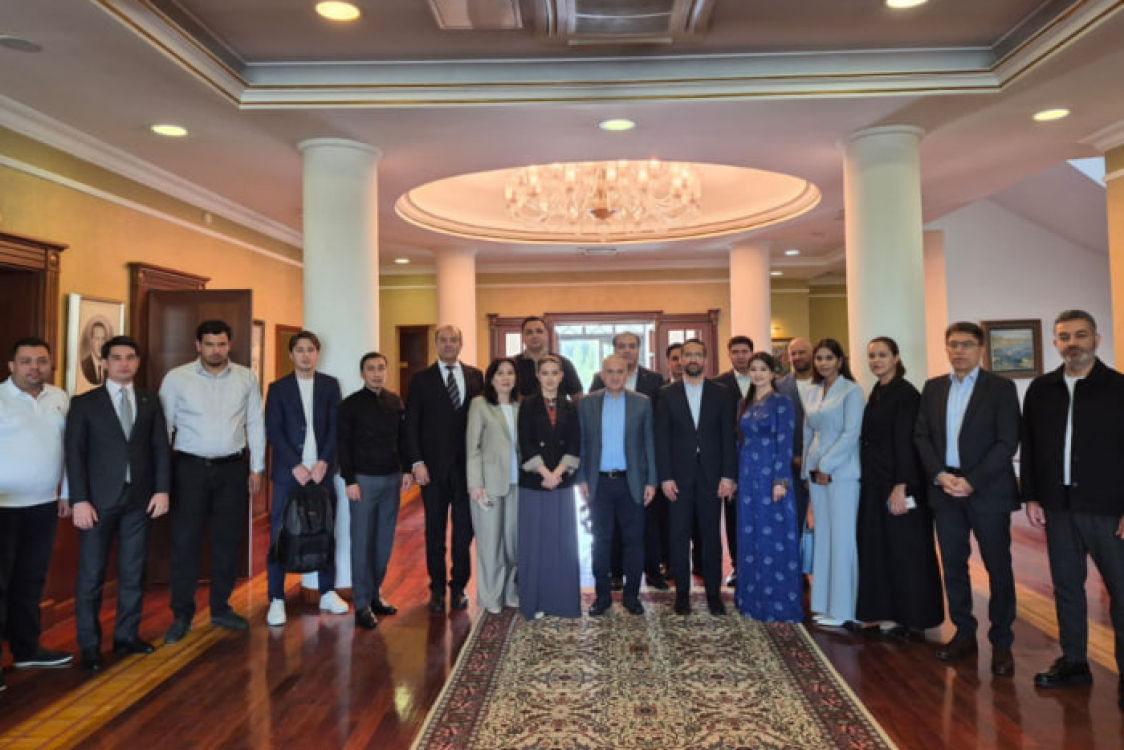
Key events included the summit meetings held on 8 and 9 October at the ‘Awaza’ National Tourist Zone. The Eighth Consultative Meeting took place for the first time with the participation of Azerbaijan, bringing together six states. The President of Turkmenistan, Serdar Berdimuhamedov, proposed expanding political consultations, developing ‘East–West’ and ‘North–South’ transport corridors, and strengthening cooperation in the energy sector, industry, agriculture and digital technologies. Particular attention was paid to mutual investment, e-commerce systems and humanitarian exchanges.
At the CIS summit, held to mark the 35th anniversary of the Commonwealth’s formation, the Head of State outlined the priorities for trade, economic and humanitarian cooperation. One of the key initiatives was the proposal to declare 2029 the ‘Year of CIS Transport Connectivity’. Turkmenistan also advocated for the active participation of the organisation’s member states in implementing the UN Decade of Sustainable Transport for 2026–2035 and in developing ‘North–South’ transport routes. Furthermore, Ashgabat’s initiative to declare 2028 the ‘Year of International Law’ was highlighted and received the support of the Commonwealth countries.
On 15 October, at the summit of the Conference on Interaction and Confidence-Building Measures in Asia (CICA) in Baku, the President of Turkmenistan presented proposals on strengthening international security, developing preventive diplomacy and upholding international law. These included declaring 2027–2037 the ‘UN Decade of Dialogue and Preventive Diplomacy’, as well as expanding the activities of the UN Regional Centre for Preventive Diplomacy for Central Asia, based in Ashgabat.
The Turkmen side also proposed developing transport corridors, digital technologies and environmental cooperation, drafting an International Code on the Peaceful Use of Artificial Intelligence in International Relations, and establishing the Ashgabat Climate Dialogue. In the humanitarian sphere, the prospect of forming a Network of Young Ambassadors of Trust comprising representatives from the member states of CICA was outlined.
On 30 October, Serdar Berdimuhamedov took part in the 13th Summit of the Organisation of Turkic States in Ankara, where Turkmenistan holds observer status. In his address, he outlined prospects for cooperation in the energy, industrial, transport, agricultural, construction and textile sectors. The Head of State also emphasised the importance of expanding investment, business contacts and cooperation in the fields of education, science, culture and tourism. During his visit, Serdar Berdimuhamedov was awarded an Honorary Doctorate in International Relations by Hacettepe University.
Turkmenistan’s climate initiatives were presented by the National Leader of the Turkmen people and Chairman of the Halk Maslahaty of Turkmenistan, Gurbanguly Berdimuhamedov, at the COP31 Leaders’ Summit in Antalya. Hero Arkadag reaffirmed the country’s commitment to its international obligations on climate change and proposed the establishment of regional centres in Central Asia for climate technologies and the fight against desertification.
Other proposals included declaring 2028–2037 the ‘Decade of Climate Resilience and Adaptation’, holding the first international meeting of the Ashgabat Climate Dialogue in 2027, compiling a Digital Atlas of Climate Change, and establishing a global partnership for the provision of climate technologies. The need to implement the climate component of the Awaza Action Programme for 2024–2034 was also emphasised.
Turkmenistan’s international initiatives cover a wide range of issues — from regional integration and transport connectivity to energy, digitalisation, environmental security and humanitarian cooperation. Ashgabat’s proposals are aimed at expanding multilateral cooperation and developing partnerships at regional and international levels.
Read also


Advertising



 Read us in Zen


