



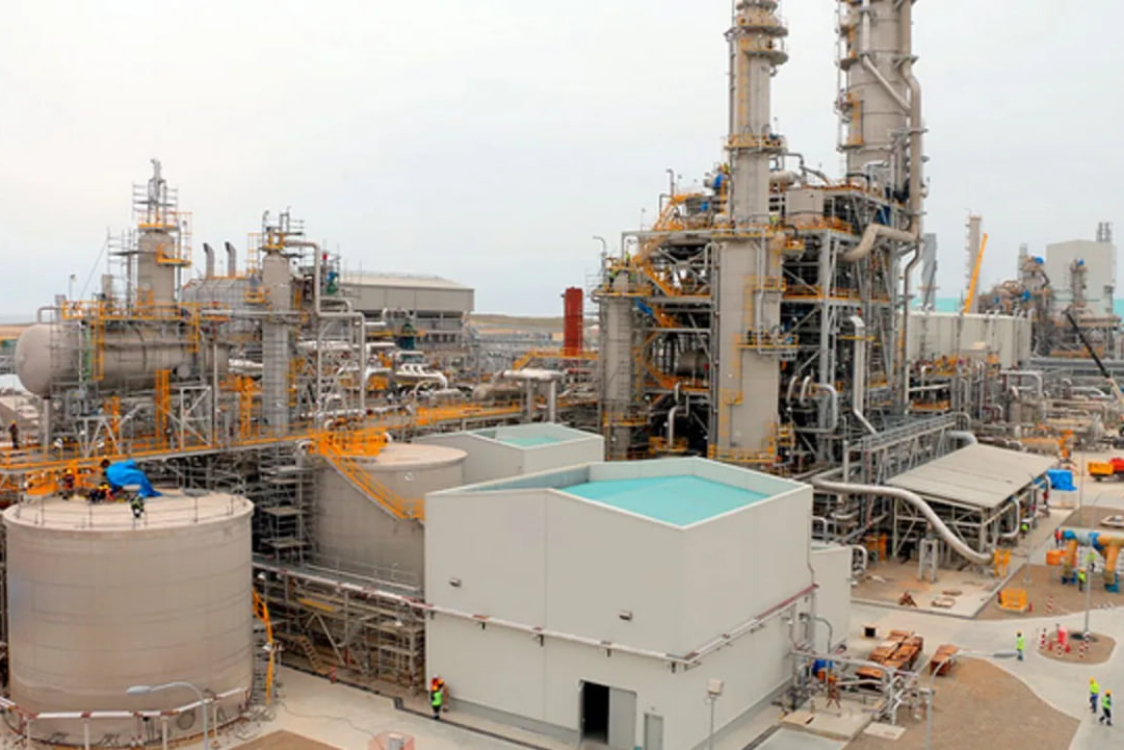
Turkmenistan continues to develop its chemical industry. Projects are being implemented in the sector to modernise production facilities, build new enterprises and expand output, according to TDH.
The State Concern ‘Türkmenhimiýa’ is working to increase production capacity and introduce modern technologies. The development of the industry is being carried out within the framework of the programme ‘Era of the Revival of a New Epoch of a Powerful State: National Programme for the Socio-Economic Development of Turkmenistan for 2022–2052’ and other state programmes.
One of the priority areas remains the production of mineral fertilisers. The country has increased its production of nitrogen, phosphorus and potassium fertilisers, which makes it possible to meet the needs of agriculture and expand export supplies.
The Turkmenabat Chemical Plant named after S.A. Niyazov plays an important role in the industry. The enterprise produces phosphorus fertilisers, including ammonium superphosphate, as well as technical sulphuric acid. Part of the production is exported.
The plant is regularly modernised. In 2016, a new sulphuric acid production facility was commissioned here. The enterprise is also introducing digital process control systems to monitor product quality and ensure compliance with ISO 9001 international standards.
In October 2025, the foundation for a new mineral fertiliser production complex was laid on the plant's territory. The project envisages the production of 350,000 tonnes of superphosphate and 100,000 tonnes of ammonium sulphate per year. The enterprise plans to apply ‘Industry 4.0’ technologies, including industrial internet and data analysis systems.
Particular attention is paid to environmental safety. Closed water circulation systems, modern filters and purification technologies are being introduced at the enterprises. This reduces the impact on the environment and ensures the rational use of natural resources.
The enterprise also cooperates with scientific institutions in the country. Together with the Academy of Sciences of Turkmenistan, research is being conducted on the creation of new types of fertilisers aimed at increasing crop yields and preserving soil fertility.
In the near future, the plant plans to establish the production of liquid fertilisers, which are in demand in greenhouse farming.
The development of the chemical industry remains one of the areas of diversification of the country's economy and expansion of industrial production.
Read also





Advertising




 Read us in Zen


