

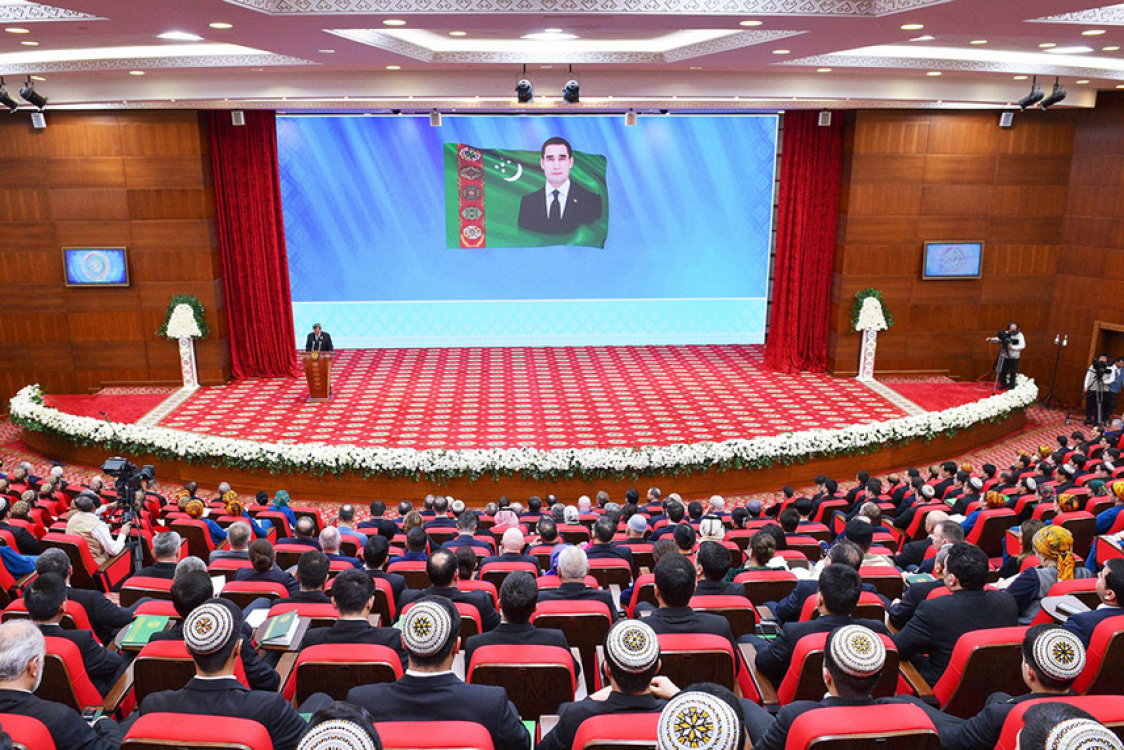
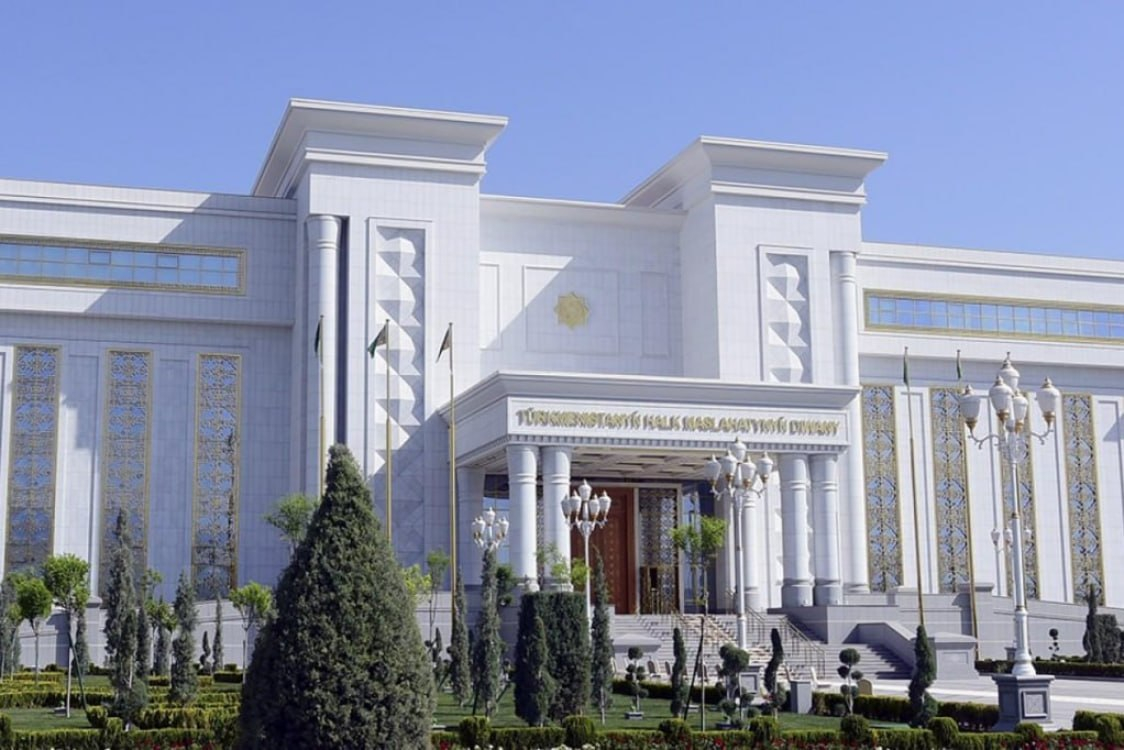
The Institute of International Relations of the Foreign Affairs Ministry of Turkmenistan hosted an international conference dedicated to the professional holiday of diplomats. The forum brought together representatives of foreign ministries and experts to discuss the key vectors of the country's diplomacy. This was reported by the publication ‘Turkmenistan: Golden age’.
One of the central speeches was delivered by Rashid Meredov, Deputy Chairman of the Cabinet of Ministers and Foreign Affairs Minister of Turkmenistan. He outlined the priorities of modern Turkmen diplomacy and emphasised the importance of permanent neutrality as the basis for foreign policy.
The Head of the Foreign Affairs Ministry stressed that in the context of global change, Turkmenistan is forming its positions based on the historical experience, culture and ethical norms of its people. He highlighted new challenges and opportunities, including issues of global governance and international alliances, and noted that the country's foreign policy takes these realities into account.
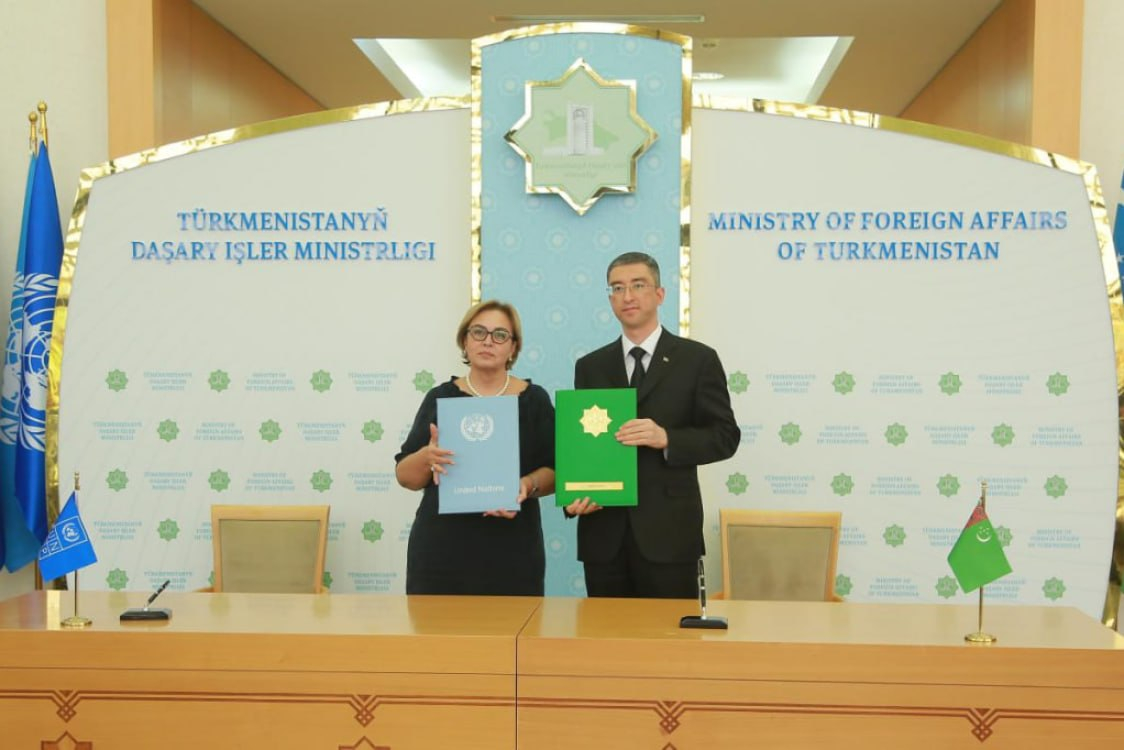
The forum paid particular attention to respect for the national characteristics of states, non-interference in internal affairs and the prevention of the imposition of external development models. In this context, R. Meredov emphasised the role of the United Nations, expressing support for the initiatives of the UN Secretary-General – the ‘Pact for the Future’ and ‘UN-80’.
‘The UN must remain the basis for equal dialogue between peoples and states,’ the Minister said. He also noted the importance of international law as a key condition for global security and announced that Turkmenistan had proposed declaring 2028 the Year of International Law.
The conference confirmed that Turkmenistan's foreign policy combines loyalty to traditions and a readiness for renewal. The country's principled position, aimed at humanising international relations, remains an important factor for stability in the world.
Read also
Advertising


 Read us in Zen


