

News
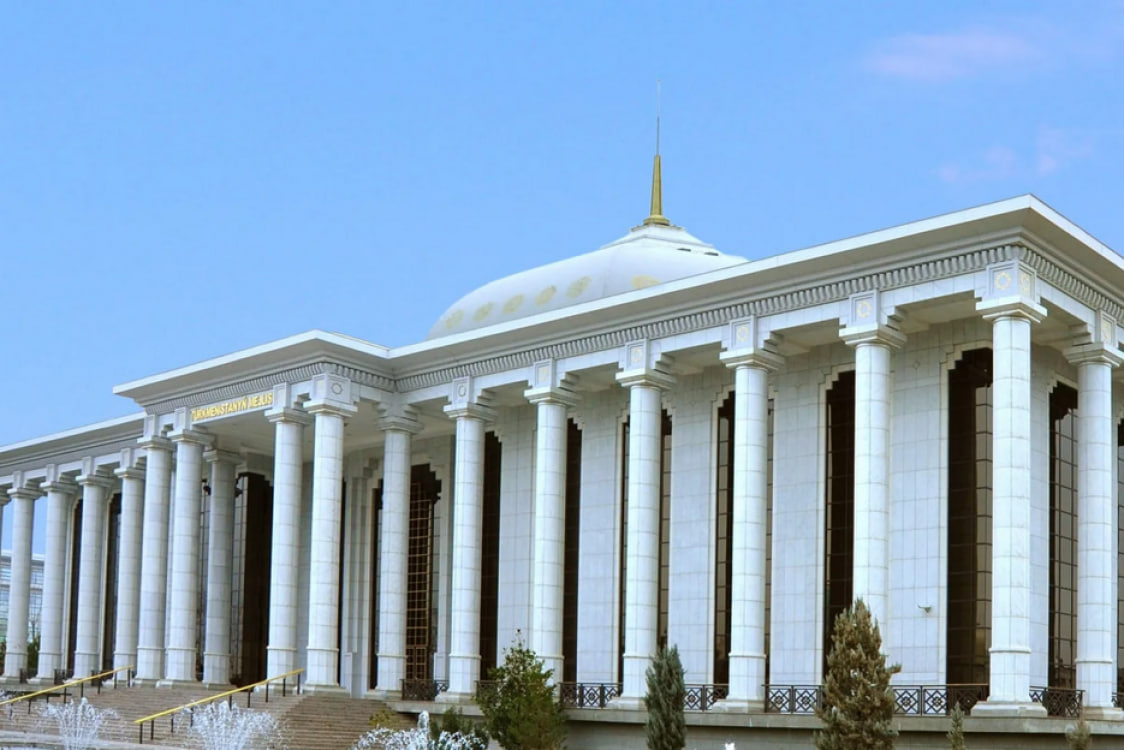
The Mejlis of Turkmenistan continues to improve the legislation
29.08.2026The legislative framework in Turkmenistan continues to be refined. The Chairwoman of the Mejlis, D. Gulmanova, reported on the work currently underway in this area during a meeting of the Cabinet of Ministers held on 28 August 2026, according to the news agency TDH. D. Gulmanova noted that the Mejlis is drafting the Law of Turkmenistan ‘On E-commerce’. Amendments and additions are also being prepared for the Criminal, Customs, Labour, Public Health and Family Codes, as well as a number of other legislative acts. Work is underway to provide the legal framework for the country’s accession to international instruments. In addition, preparations are continuing for the forthcoming session of the Halk Maslahaty of Turkmenistan and for the nomination of employees from various sectors for state awards. MPs visited the Republic of Uzbekistan to exchange experience in the field of legislation. The parliamentarians also took part in conferences and meetings organised by United Nations bodies in conjunction with the relevant state authorities of Turkmenistan. Having heard the report, the President of Turkmenistan, Serdar Berdimuhamedov, emphasised the importance of thorough preparations for the session of the Halk Maslahaty of Turkmenistan and of further strengthening the country’s legislative framework.
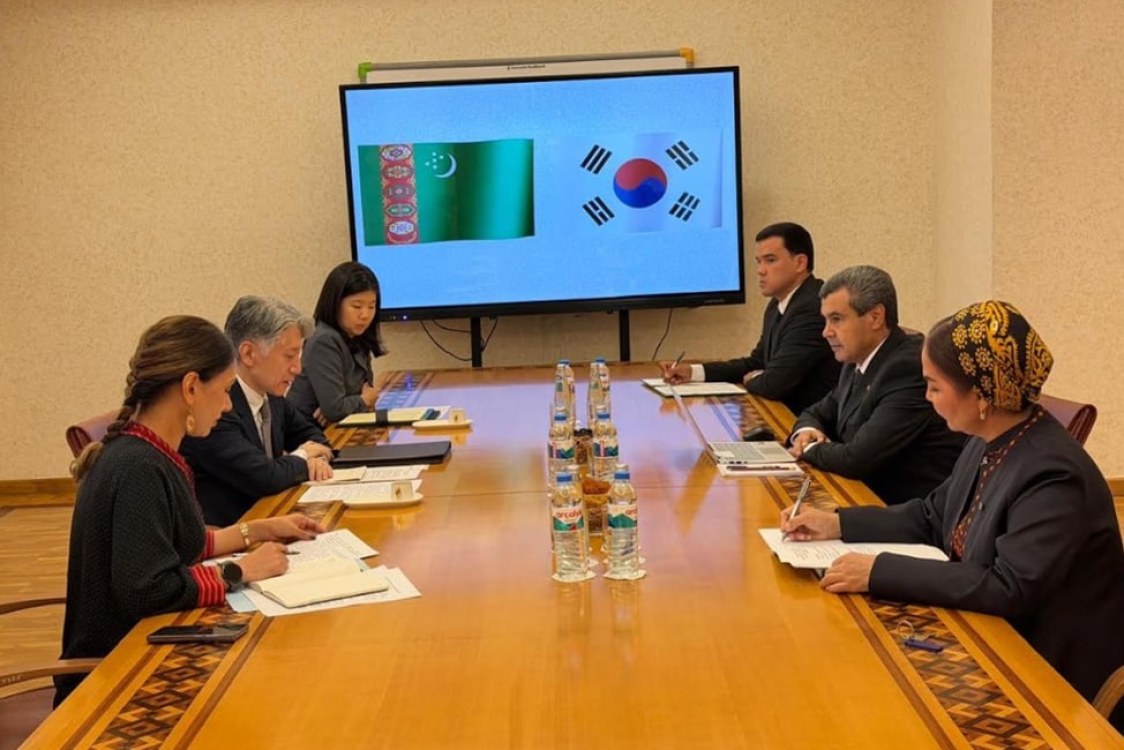
Turkmenistan and the Republic of Korea are developing cooperation in the field of education
29.08.2026On 28 August 2026, the Minister of Education of Turkmenistan, J. Gurbangeldiyev, met with the newly appointed Ambassador Extraordinary and Plenipotentiary of the Republic of Korea to Turkmenistan, Lee Won-jae. The parties discussed prospects for cooperation in the field of education. This was reported by the press office of the Ministry of Education of Turkmenistan. At present, around 20 agreements and memoranda of understanding have been concluded between the two countries. It is planned to sign new documents during the First ‘Central Asia–Republic of Korea’ Summit in Seoul in September. The parties also discussed Korean language studies, student exchanges and cooperation between the Dovletmammet Azadi Turkmen National Institute of World Languages and Kangwon National University. In July, six students from the Turkmen institute undertook an internship in Korea, whilst eight Korean students undertook an internship in Turkmenistan. A further three students have been sent to Kangwon National University for a year-long course of study. The meeting examined new areas of cooperation, including preparation for international Olympiads, academic publications, digital education and the Korean side’s participation in an international exhibition and academic conference in Ashgabat. Discussions also covered the modernisation of the infrastructure at the Magtymguly Turkmen State University in 2026 and the Dovletmammet Azadi Turkmen National Institute of World Languages in 2027, as part of the Korean Ministry of Foreign Affairs’ small grants programme.
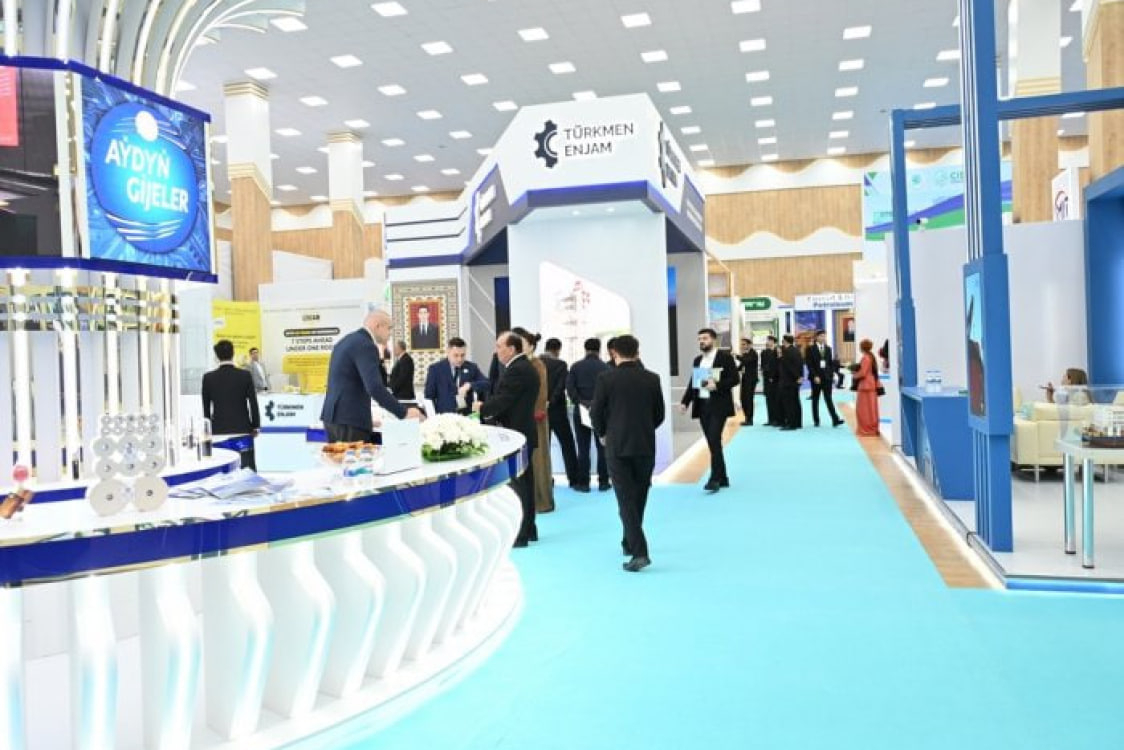
Zaha Hadid Architects will take part in the CIET 2026 conference
29.08.2026The international architectural practice Zaha Hadid Architects (ZHA) will take part in the CIET 2026 conference and exhibition, which will take place from 3 to 5 November in Ashgabat. This was reported by the IIC of Turkmenistan. As part of the conference, Manuela Gatto, Director of Zaha Hadid Architects, will present international expertise in contemporary architecture, sustainable design, urban development and the implementation of complex infrastructure projects. Previously, representatives from ZHA took part in ‘White City Ashgabat – 2026’, where they discussed with Turkmen partners the prospects for cooperation in the fields of contemporary architecture, sustainable urban development and innovative design solutions. CIET 2026 will bring together representatives from government bodies, international companies, investors, architects, engineers and technology suppliers. Participants will discuss the development of Turkmenistan’s construction, industrial, chemical and energy sectors.
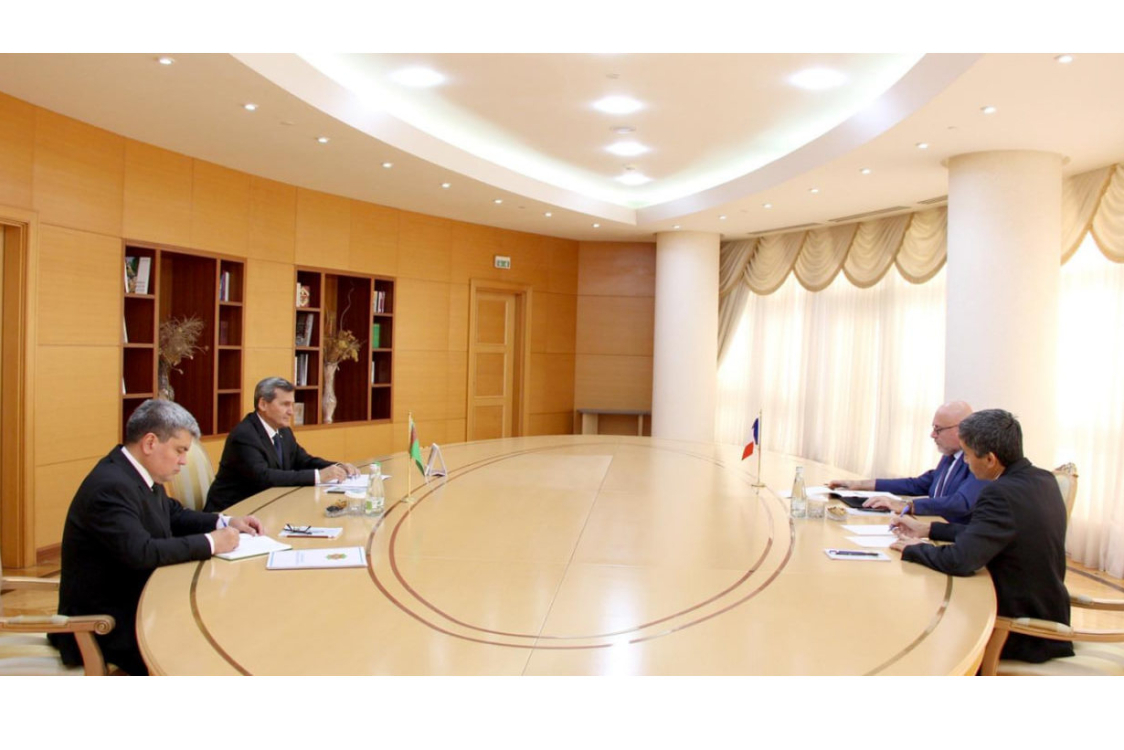
A meeting was held at the MFA of Turkmenistan with the French Ambassador, who is concluding his diplomatic mission
29.08.2026On 28 August 2026, Rashid Meredov, Foreign Affairs Minister of Turkmenistan, held a meeting with Philippe Merlin, Ambassador Extraordinary and Plenipotentiary of the French Republic to Turkmenistan, who is concluding his diplomatic mission in Ashgabat. This was reported by the press office of the Foreign Affairs Ministry of Turkmenistan. The parties discussed the development of Turkmen-French relations in the political-diplomatic, trade-economic and cultural-humanitarian spheres. Particular emphasis was placed on the role of contacts at the highest and senior levels. The main focus was on trade and economic cooperation, including agriculture and water management, as well as ‘green’ technologies. The parties also noted the results of their long-standing cooperation in the cultural and humanitarian spheres. Philippe Merlin expressed his gratitude to the Turkmen side for their hospitality.
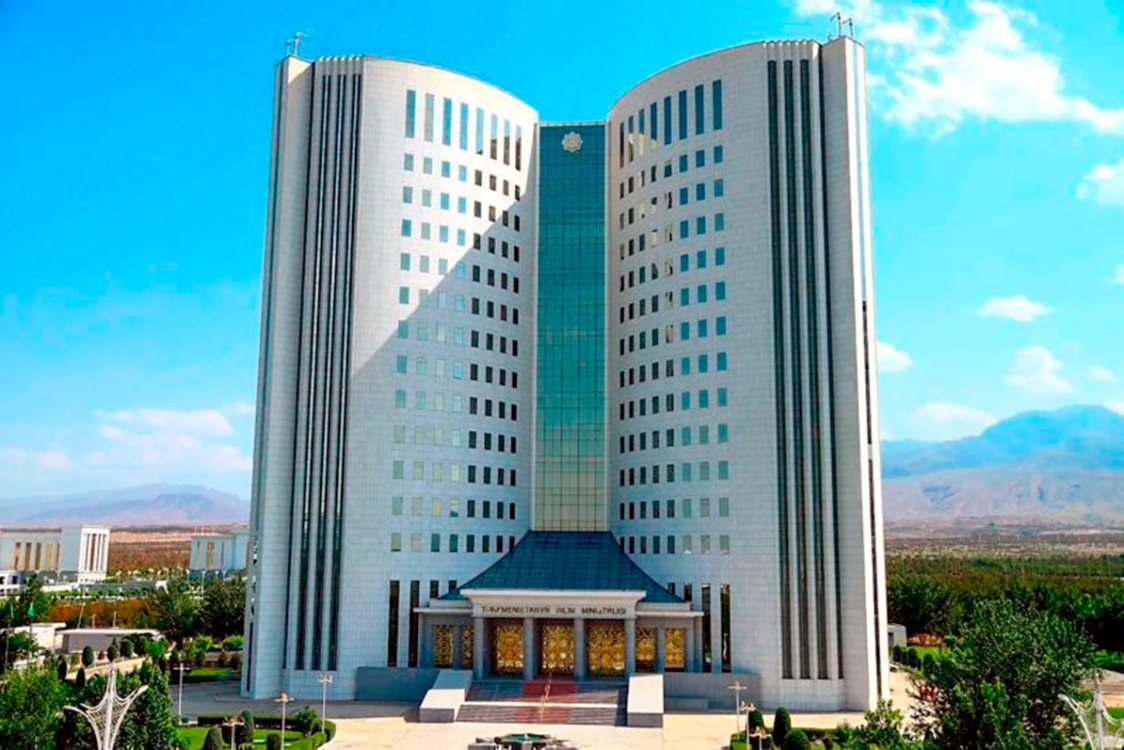
Turkmenistan is expanding the use of AI in the education system
29.08.2026A regulatory framework for the use of artificial intelligence (AI) in education is being established in Turkmenistan. The work involves the development of a National AI Strategy, state programmes and new educational standards, according to the news agency ‘Turkmenistan: Golden age’. In early 2026, the President of Turkmenistan, Serdar Berdimuhamedov, instructed that work begin on establishing a regulatory framework for AI. The Ministry of Communications, in collaboration with international experts from the UNDP, is developing the National AI Strategy. In addition, the State Programme for the Development of the Digital Economy for 2026–2028 is being implemented, and an AI Development Centre is being established at the ‘Turkmentelekom’ telecommunications company. The basis for the introduction of AI is provided by the Law of Turkmenistan ‘On Education’, the Concept for the Development of the Digital Economy for 2026–2028 and the corresponding State Programme. These documents provide for the use of digital technologies, including AI, in the public sector and in education. The experience of CIS countries and the European Union is being studied as part of the development of national regulations. In particular, the provisions of the European AI Act are being examined, including the classification of AI systems by risk level, transparency requirements and the protection of users’ rights. Work is also underway on technical regulations for AI products, copyright issues, the protection of personal data and the allocation of powers amongst state bodies in the area of overseeing the use of AI. In May 2026, a draft National Strategy for Turkmenistan in the field of AI was prepared in collaboration with the UNDP. In July, the country proposed developing, under the auspices of the UN, an International Code on the Peaceful Use of AI for Digital Trust in Diplomacy. The practical application of AI has already begun in certain sectors. Since June 2026, the State Customs Service has been using AI technologies to automatically calculate customs duties. In education, the main areas of digital transformation have been identified. These include providing educational institutions with high-speed internet and modern technology, improving AI literacy amongst teachers and students, developing AI systems that support the Turkmen language, and strengthening the protection of personal data. In 2026, a delegation from the Ministry of Education held negotiations with OpenAI at the World Education Forum in London. The parties discussed the use of AI for data analysis and personalised learning, as well as improving the AI literacy of students and teachers. From the 2026/2027 academic year, new national educational standards for training specialists in the field of AI will be introduced. A Bachelor’s degree programme in ‘Artificial Intelligence and Expert Systems’ has been launched at the International University of Industrialists and Entrepreneurs, and a specialisation in ‘Artificial Intelligence and Data Analysis’ has been introduced at the Polytechnic Secondary Specialised Educational Institution of the Ministry of Communications. Turkmenistan is also studying South Korea’s experience in training AI professionals and is testing adaptive learning platforms for mathematics and AI tools for managing the quality of education in collaboration with UNESCO bodies.
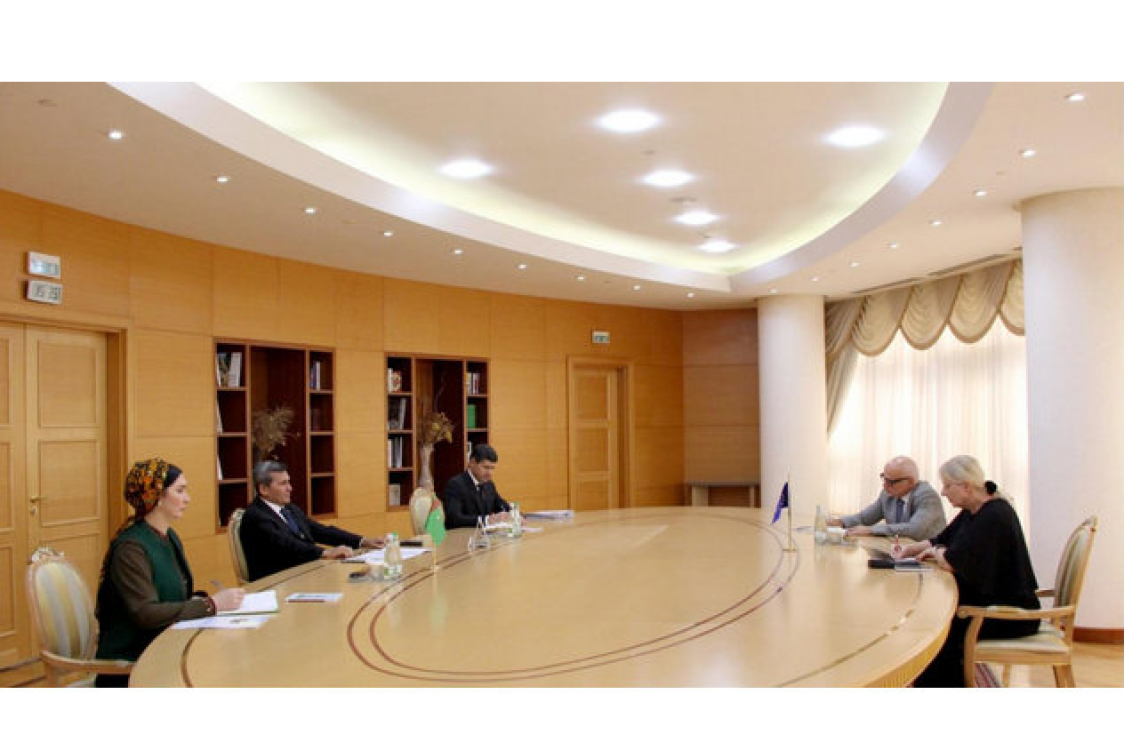
Turkmenistan’s Foreign Affairs Minister met with the EU Ambassador
29.08.2026On 28 August 2026, a meeting took place at the Foreign Affairs Ministry of Turkmenistan between Rashid Meredov, the Foreign Affairs Minister of Turkmenistan, and Beata Peksa, the European Union’s Ambassador to Turkmenistan, who is concluding her diplomatic mission in the country. This was reported by the press office of the Foreign Affairs Ministry of Turkmenistan. The parties discussed the current state of cooperation between Turkmenistan and the European Union in the political, economic, transport and energy, and cultural and humanitarian spheres. The results of joint projects in the fields of the rule of law, human rights, the environment, digitalisation, transport and private sector development were highlighted. The parties also emphasised the importance of cooperation within the ‘EU–Central Asia’ framework. Rashid Meredov expressed his gratitude to Beata Peksa for her contribution to the development of friendly relations between Turkmenistan and the European Union.
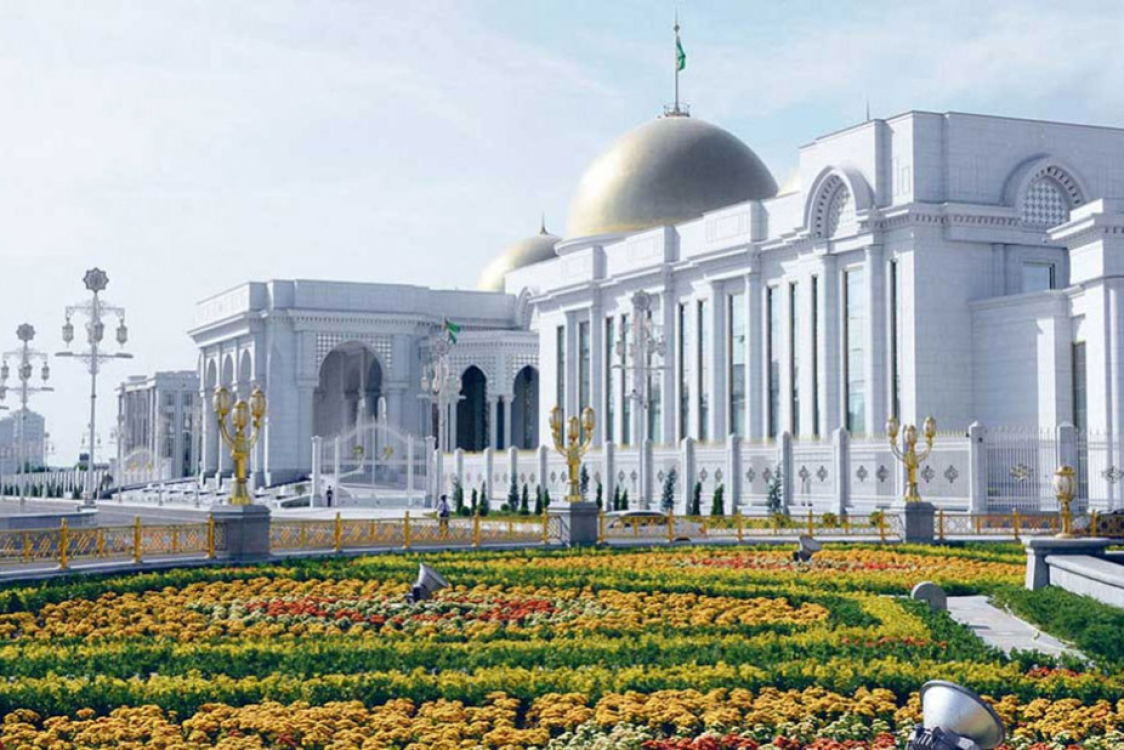
The Head of Turkmenistan received the credentials of the new Turkish Ambassador
29.08.2026On 28 August, the President of Turkmenistan, Serdar Berdimuhamedov, received the newly appointed Ambassador Extraordinary and Plenipotentiary of the Republic of Turkey to Turkmenistan, Shener Cebeci, who presented his credentials. This was reported by the online news site TerraNews. The President of Turkmenistan congratulated the diplomat on his appointment and wished him every success in his work to further strengthen inter-state relations. Shener Cebeci conveyed greetings and best wishes from President Recep Tayyip Erdogan to the Head of State and National Leader of the Turkmen people, Chairman of the Halk Maslahaty, Gurbanguly Berdimuhamedov. During the meeting, the parties noted the strategic nature of relations between Turkmenistan and the Republic of Turkey. They discussed cooperation both bilaterally and within the framework of international organisations, primarily the United Nations. Serdar Berdimuhamedov emphasised the significance of President Recep Tayyip Erdogan’s participation in the events marking the 30th anniversary of Turkmenistan’s permanent neutrality on 12 December 2025. Particular attention was paid to trade and economic cooperation. The role of the Inter-governmental Commission on Economic Cooperation and the Business Council in further expanding cooperation was highlighted. The parties also discussed the development of ties in the fields of culture, science, the arts and creativity. Shener Cebeci gave an assurance that, during his diplomatic mission, he would work to strengthen relations and expand cooperation between the two countries.
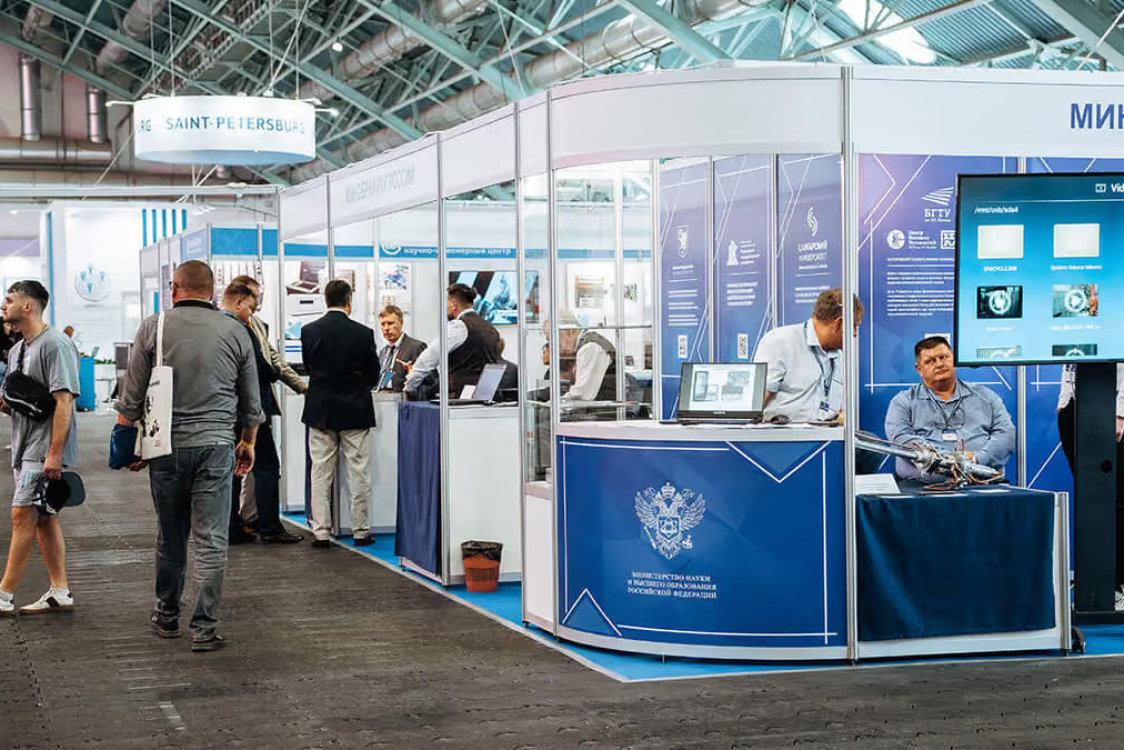
Turkmen businesspeople are invited to an industrial forum in Minsk
29.08.2026Entrepreneurs and representatives of the business community in Turkmenistan are invited to the Belarusian Industrial Forum, which will take place on 14–16 October in Minsk. The event is organised by the company ‘Expoforum’, according to the IIC of Turkmenistan. The forum will feature six specialised exhibitions focusing on industrial engineering, welding and digital technologies, the chemical and oil and gas sectors, polymers and laboratory solutions. Themed conferences, a welding competition and a subcontracting exchange are also planned to involve small and medium-sized enterprises in production chains. The forum aims to develop business ties, foster direct interaction between the state and the industrial sector, and promote modern equipment on international markets.
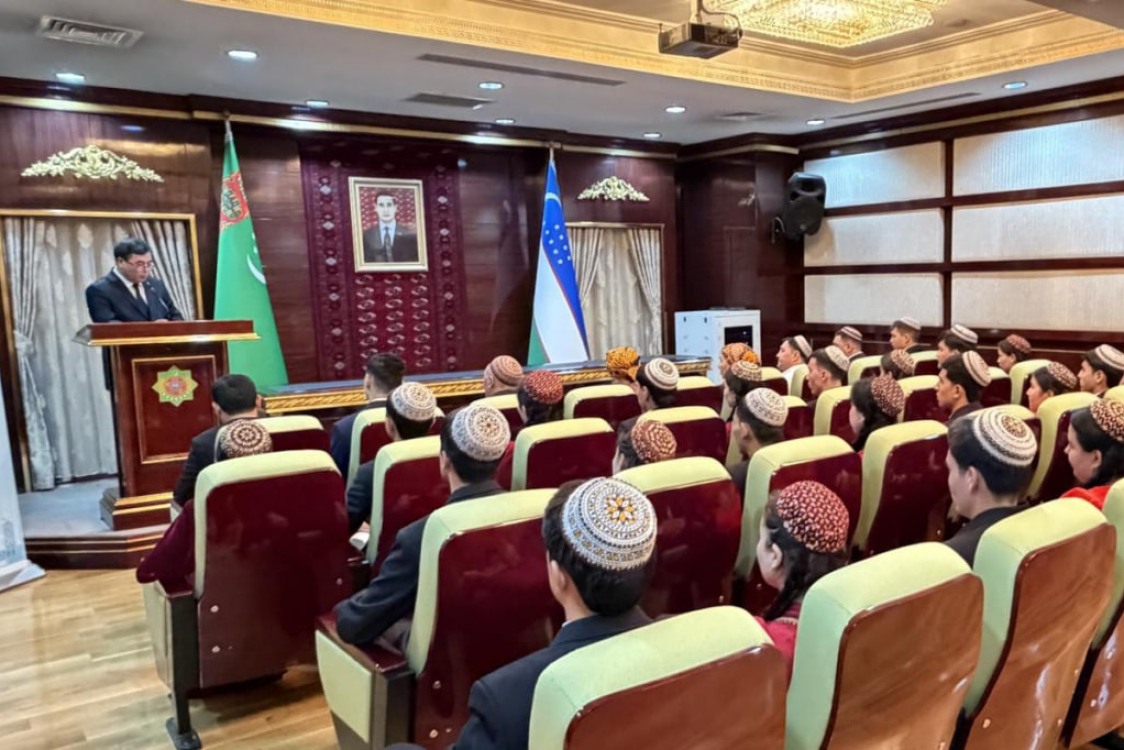
A meeting of the Halk Maslahaty of Turkmenistan was discussed at the Embassy of Turkmenistan in Uzbekistan
29.08.2026On 28 August, a conference was held at the Embassy of Turkmenistan in the Republic of Uzbekistan, dedicated to the forthcoming session of the Halk Maslahaty of Turkmenistan and the UN General Assembly resolution ‘Year of International Law, 2028’. This was reported by the press office of the Foreign Affairs Ministry of Turkmenistan. Participants included a deputy of the Legislative Chamber of the Oliy Majlis of the Republic of Uzbekistan, the Chair of the Turkmen National Cultural Centre, G. Avezdurdiyeva, representatives of the Turkmen diaspora, and compatriots working and studying in Uzbekistan. During the conference, the importance of the Halk Maslahaty of Turkmenistan in the country’s socio-political life, the consolidation of society and the discussion of issues of national importance was highlighted. Particular attention was paid to the session scheduled for 23 September, on the eve of the 35th anniversary of Turkmenistan’s independence. It is planned that this meeting will review the country’s development achievements, future socio-economic priorities and long-term objectives. Separately, participants discussed the initiative by the President of Turkmenistan, Serdar Berdimuhamedov, to declare 2028 the Year of International Law. A corresponding resolution by the UN General Assembly was supported by 78 states. The conference concluded with a cultural programme featuring musical performances on the dutar. The art of making the dutar and the traditions of playing it are included in UNESCO’s Representative List of the Intangible Cultural Heritage of Humanity.
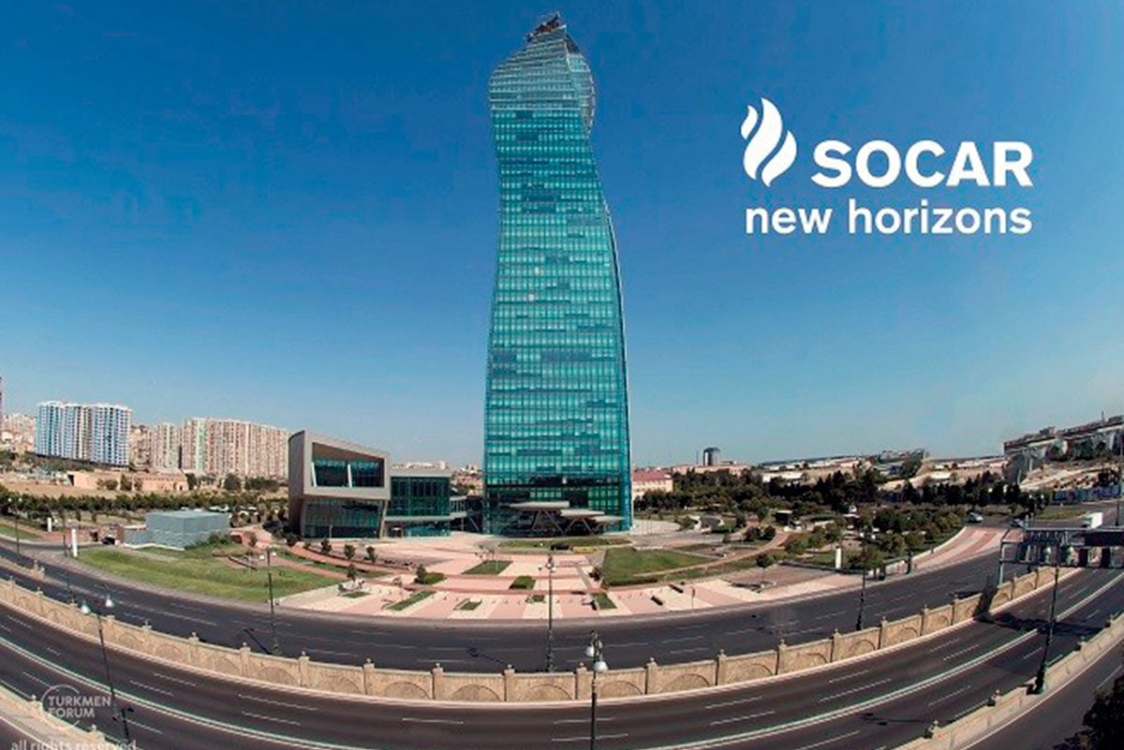
SOCAR will be the General Partner of OGT 2026 in Ashgabat
29.08.2026The State Oil Company of the Republic of Azerbaijan (SOCAR) will be the General Partner of the 31st International Conference and Exhibition ‘Oil and Gas of Turkmenistan – 2026’ (OGT 2026), which will take place on 21–23 October in Ashgabat. This was reported by the news agency ‘Turkmenistan: Golden age’. The forum will bring together energy companies, investors, financial institutions, technology suppliers, and representatives of the international energy sector. The partnership between SOCAR and OGT reflects the development of energy cooperation between Azerbaijan and Turkmenistan. The company continues to expand its activities in exploration and production, refining, trading, the gas business and international investment. As part of its Corporate Strategy to 2035, SOCAR is developing its international presence, technological capabilities, digitalisation and projects to reduce its carbon footprint. In 2023, SOCAR opened a representative office in Ashgabat. The company maintains cooperation with the state-owned concerns ‘Türkmengaz’ and ‘Türkmennebit’. One of the key joint projects remains the ‘Dostluk’ field in the Caspian Sea. An inter-governmental Memorandum of Understanding on its joint exploration and development was signed in January 2021. Turkmen energy resources are also involved in cross-border Caspian cooperation. The ‘Baku–Tbilisi–Ceyhan’ (BTC) pipeline transports crude from Turkmenistan and Kazakhstan alongside Azerbaijani oil. SOCAR’s international portfolio includes projects in Europe, the Middle East, Africa and Central Asia. In particular, the company has expanded its operations in Italy following the acquisition of Italiana Petroli (IP), and has also acquired stakes in the ‘Tamar’ gas field off the coast of Israel and the ‘Baleine’ project in Côte d’Ivoire. OGT 2026 will be held under the motto ‘Energy. Partnership. Progress’. The main topics will include investment in Turkmenistan’s energy sector, the development of the ‘Galkynyş’ field, gas export routes, the TAPI project, the development of hydrocarbon resources in the Turkmen sector of the Caspian Sea, gas processing, digitalisation, the reduction of methane emissions and low-carbon technologies. The forum is organised by the State Concerns ‘Türkmengaz’ and ‘Türkmennebit’, and the State Corporation ‘Türkmengeologiýa’ in collaboration with the ‘Turkmen Energy Forum’. The previous OGT brought together over 1,400 delegates from 70 countries. OGT 2026 will continue efforts to attract investment, develop technological cooperation and implement international energy projects.
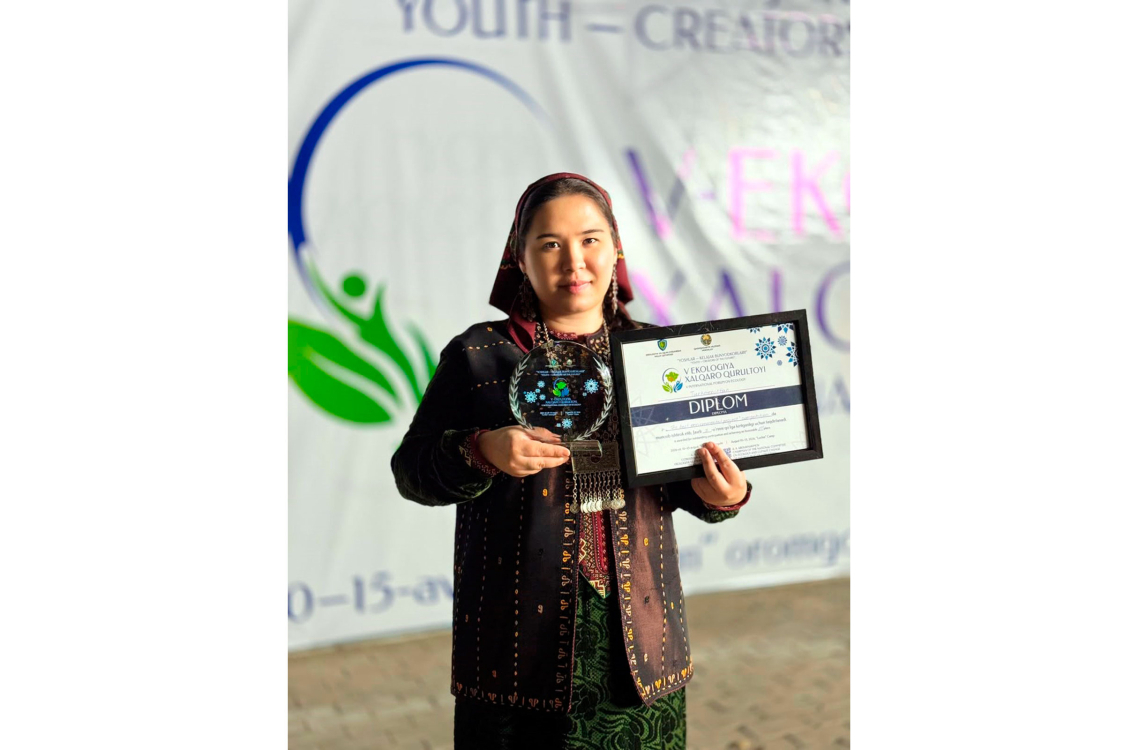
Turkmen project named best at environmental congress
29.08.2026A representative from Turkmenistan took first place at the 5th International Environmental Congress ‘Youth – Builders of the Future,’ held August 10–15, 2026, in Shakhrisabz, Uzbekistan, according to the ‘Turkmenistan: Golden age’ news agency. The forum brought together around 1,000 participants from Central Asian countries, the Russian Federation, the Republic of Belarus, Azerbaijan, Turkey and other states. The main topics included environmental protection, sustainable use of natural resources, climate change and environmental education for young people. Turkmenistan was represented at the congress by Oguldurdy Bayramova, a lecturer and researcher at the Department of Ecology and Environmental Technologies at the Oguz Han Engineering and Technology University of Turkmenistan. In the ‘Best International Environmental Project’ competition, she took first place in the relevant category. Participants in the competition presented innovative environmental projects and exchanged experiences.
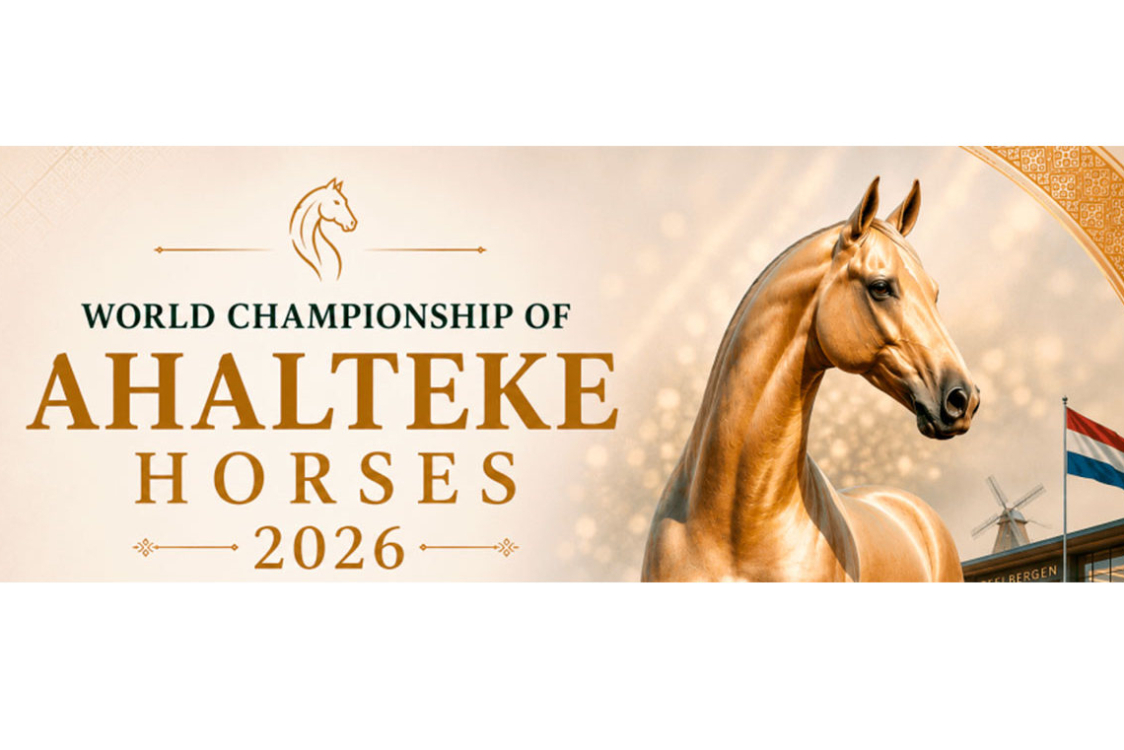
The first World Championship for Ahal-Teke racehorses will take place in the Netherlands
29.08.2026The first-ever World Championship for Ahal-Teke horses will take place from 4 to 6 September in Kronenberg, the Netherlands. The event will be held at the Peelbergen Equestrian Centre, one of Europe’s largest equestrian centres, according to the news agency ‘Turkmenistan: Golden age’. This will be the first time that a world championship dedicated to the Ahal-Teke breed has been held in Europe. Experts, horse breeders, athletes and horse enthusiasts from various countries are expected to attend. The championship will feature sporting competitions and a beauty contest for Ahal-Teke horses. The judging panel will assess the riders’ skill, the horses’ sporting qualities, as well as their conformation, grace, stamina and the characteristic golden sheen of their coats. Ahal-Teke horses are now bred in many countries and take part in international shows and competitions. The championship is intended to promote the further development of international cooperation in the fields of horse breeding and equestrian sports. The tournament is organised by the State Association ‘Türkmen atlary’, the Ministry of Culture of Turkmenistan and the European Ahal-Teke Horse Breeding Association. The tournament will also showcase Turkmenistan’s cultural heritage and the traditions of national horse breeding. In recent years, the country has been developing international cooperation in this field, focusing on preserving the purity of the breed, scientific research and the promotion of the national school of horse breeding.
Read also
Advertising

 Read us in Zen


