


News
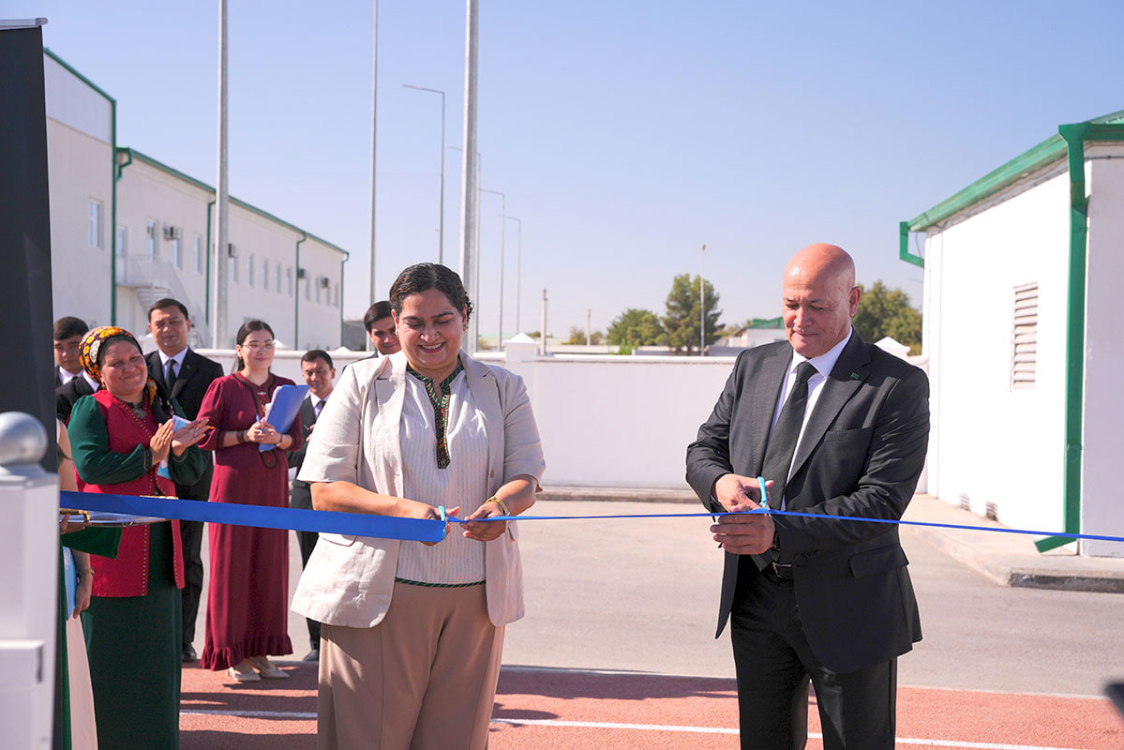
A solar power station has been commissioned at the school in Mary
29.08.2026On 27 August, UNICEF and the Ministry of Education of Turkmenistan commissioned a solar power station at Secondary School No. 36 in the city of Mary. The project was implemented as part of the ‘Green School’ programme to improve energy efficiency and learning conditions, according to IIC. The system comprises a 12.5 kW photovoltaic power station, a 48 kWh lithium-ion battery, a hybrid inverter, inverter-based air conditioning units and digital monitoring equipment. The plant provides lighting for the sports ground and school playground in the evenings. It will also be used as a practical training facility for schoolchildren and students in the region.
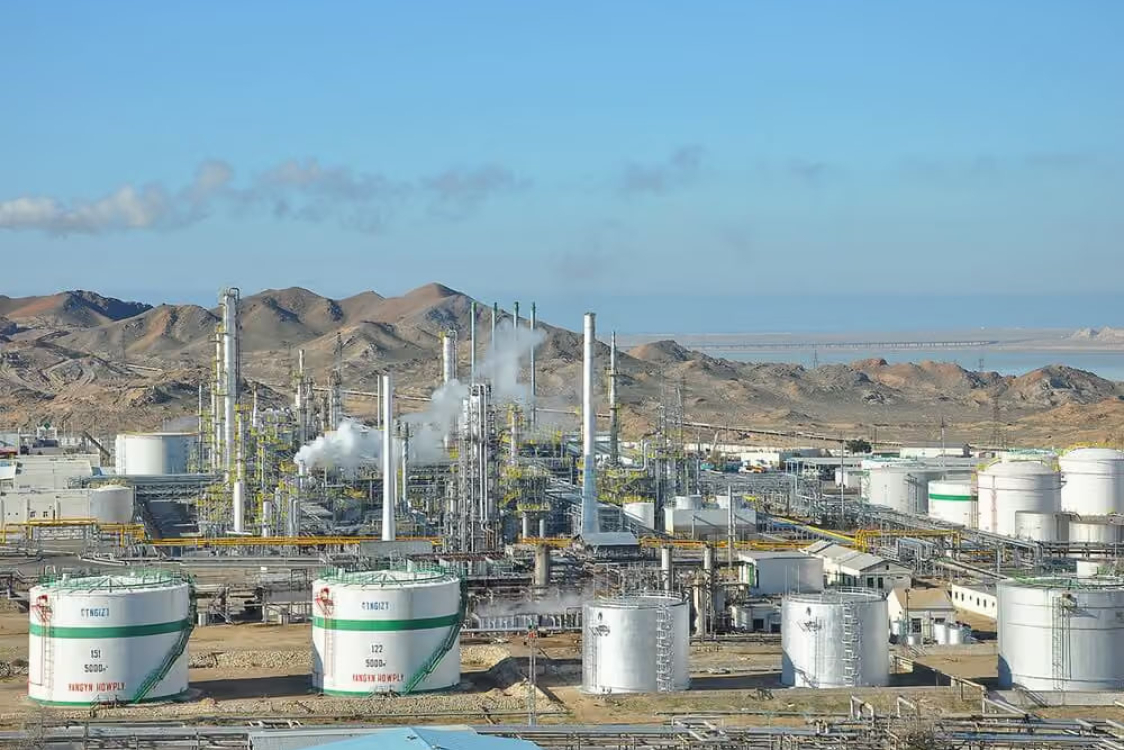
Korean companies are expanding their cooperation with the Turkmenbashi Oil Refinery
29.08.2026Lee Won-jae, Ambassador Extraordinary and Plenipotentiary of the Republic of Korea to Turkmenistan, visited the Turkmenbashi Oil Refinery Complex (TORC). This was reported by the IIC of Turkmenistan. During a meeting with the plant’s director, Dovran Chishiyev, the parties discussed the development of cooperation in the oil and gas sector and the expansion of Korean companies’ involvement in the modernisation of the plant. The Ambassador of the Republic of Korea also met with representatives of ‘Koryo Shipbuilding Industry Technology’ (KSIT) and ‘Yuhan Tech’, familiarised himself with the progress of their projects and discussed operational matters. He noted the embassy’s readiness to support the activities of South Korean enterprises in Turkmenistan. To conclude the visit, the delegation toured the production facilities at the TORC.
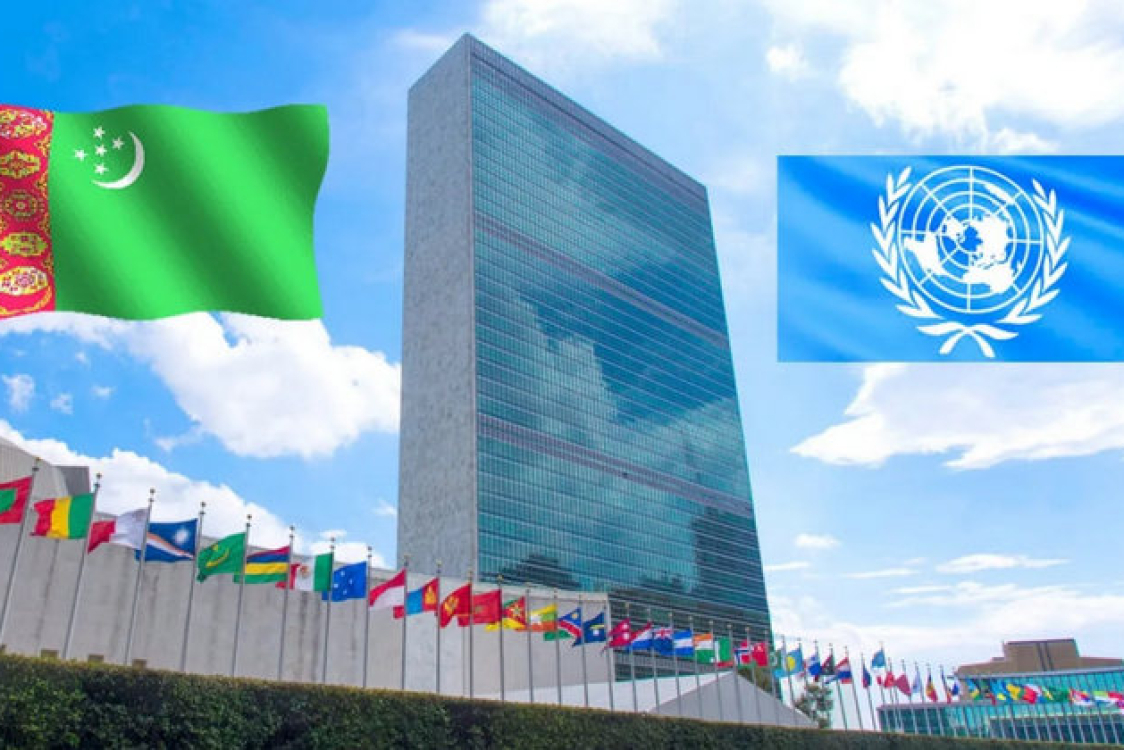
Turkmenistan will expand its cooperation with the UN in key areas
29.08.2026Turkmenistan has set out its key priorities for the 81st session of the UN General Assembly. These include sustainable transport, energy and environmental security, the climate agenda, and cooperation in the interests of women and young people, according to the news agency TDH. In the transport sector, the country intends to propose the creation, under the auspices of the UN, of a trans-regional corridor linking South and Central Asia with Europe via the Caspian Sea. It is also proposed to consider establishing an International Centre for Sustainable Trade Logistics and Customs Cooperation in Turkmenistan under the auspices of the UN. Turkmenistan will continue to implement the resolution on the ‘UN Decade of Sustainable Transport for 2026–2035’, adopted on its initiative at the 80th session of the UN General Assembly, and its work on the Global Atlas of Sustainable Transport Connectivity. In the energy and climate sectors, the country intends to promote issues relating to energy security, ‘green’ energy and hydrogen technologies. Consultations are planned during the 81st session to prepare for the high-level forum ‘Sustainable Energy for All’. Previously, the National Leader of the Turkmen people and Chairman of the Halk Maslahaty of Turkmenistan, Gurbanguly Berdimuhamedov, proposed the development, under the auspices of the UN, of an ‘Energy Code’ and a Global Programme for the Transition to Hydrogen Energy. Turkmenistan will also continue to implement the Awaza Action Programme for 2024–2034 and the Awaza Political Declaration, adopted following the Third UN Conference on Landlocked Developing Countries. In the humanitarian sphere, the country intends to develop the Central Asian Women’s Dialogue and the Central Asian Youth Dialogue, thereby expanding the participation of women and young people in regional and international processes. Work will continue under the agendas ‘Women, Peace and Security’ and ‘Youth, Peace and Security’. At the 81st session, Turkmenistan will continue its work as a member of the United Nations Economic and Social Council (ECOSOC) for the period 2026–2028 and in other bodies of the UN system. In April, the country was unanimously elected to the UN Commission on Science and Technology for Development for the period 2027–2030. The main objective of Turkmenistan’s foreign policy within the UN framework remains the development of multilateral cooperation and the promotion of initiatives in the fields of peace, sustainable development, transport, energy, the environment, climate and humanitarian cooperation.
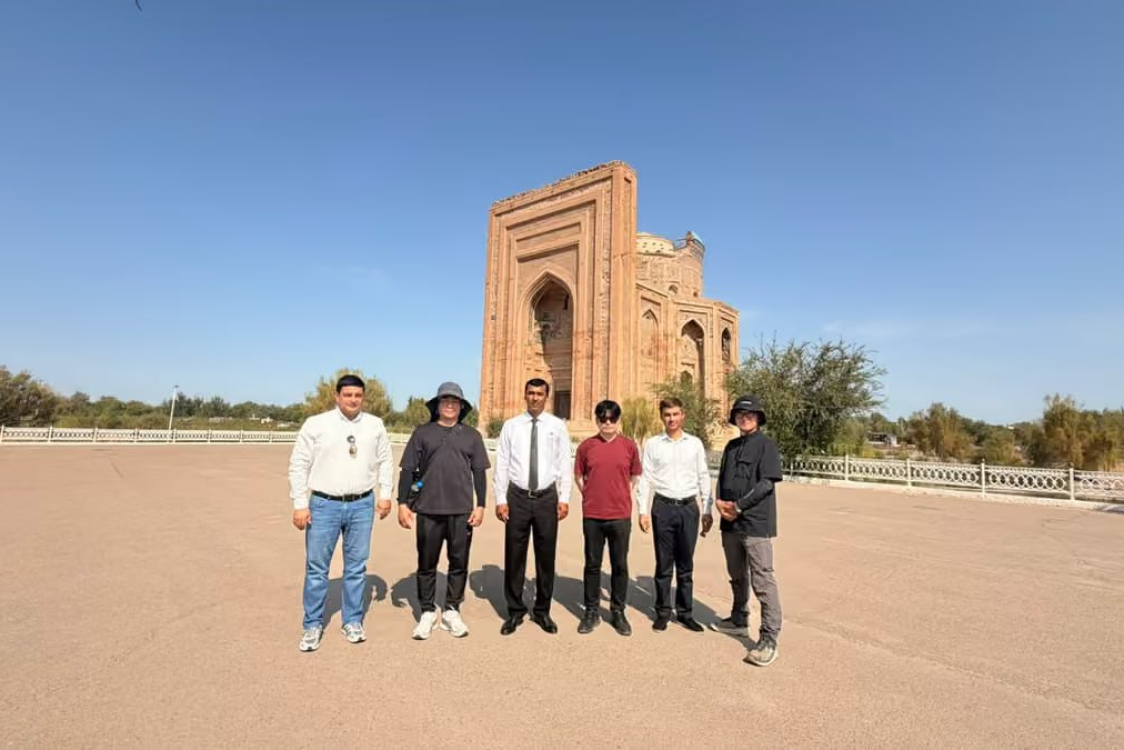
Filming has begun in Turkmenistan on the ‘Circle Vision’ project
28.08.2026From 25 to 31 August 2026, a creative and film crew from the National Centre for Asian Culture of the Ministry of Culture, Sport and Tourism of the Republic of Korea is on a working visit to Turkmenistan as part of the ‘Circle Vision’ project. This was reported by the IIC. The aim of the visit is to promote Turkmenistan’s historical and cultural heritage using digital technologies: 360-degree video footage is being filmed at the country’s historical and cultural monuments. The filming is taking place in collaboration between the South Korean specialists and representatives of the State Committee of Turkmenistan for Television, Radio Broadcasting and Cinematography. This joint effort enables the filming process to be organised to a high standard and facilitates the exchange of experience in the application of modern media technologies. 360° technology makes it possible to showcase historical and cultural monuments on a larger scale than traditional video formats – viewers can examine the site from any angle and better appreciate its architectural features and surroundings. The project is significant for the digital documentation and preservation of Turkmenistan’s historical and cultural heritage, as well as for its promotion on an international level: the content being created introduces the country’s monuments to viewers around the world in a new format. Furthermore, ‘Circle Vision’ contributes to the development of the Turkmen-Korean partnership in the cultural and media sectors and the exchange of professional expertise.
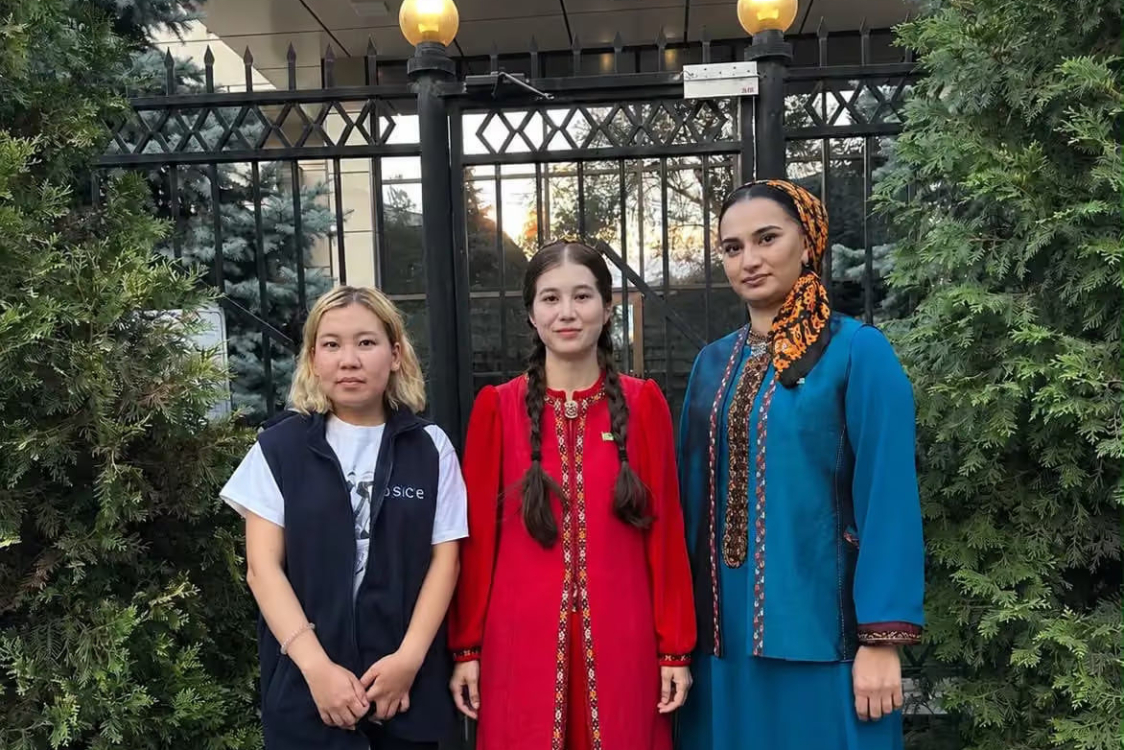
Representatives from the Medical University of Turkmenistan completed the OSCE programme
28.08.2026Representatives from the Myrat Garryev State Medical University of Turkmenistan took part in the regional summer training programme ‘Climate-Youth-Mountains’. The event took place from 16 to 22 August in the Issyk-Kul region and was organised by the Organisation for Security and Co-operation in Europe (OSCE), according to IIC. Participants from Central Asian countries attended lectures, discussions and practical workshops on environmental protection, the conservation of mountain ecosystems, climate change and youth participation in addressing environmental challenges. Representatives from the Turkmen university presented their own initiatives in the field of environmental well-being in the region. At the conclusion of the programme, participants were awarded certificates. The university noted that the event had fostered regional cooperation and the exchange of international expertise in the field of ecology.

A new book on the archaeological heritage of Paryz-depe has been published
28.08.2026A book entitled ‘Paryz-depe – The Heritage of Millenniums’ has been published in Turkmenistan. The author of the monograph is Rejep Jomyev, an archaeologist at the Institute of History and Archaeology of the Academy of Sciences of Turkmenistan, who took part in the excavations of the site, according to the news agency ‘Turkmenistan: Golden age’. Published by the State Publishing Service of Turkmenistan, the book was produced by the ‘Ylym’ publishing house in Turkmen, English and Russian. The book summarises the results of research carried out in the autumn of 2023 and the spring of 2024. Archaeological work at Paryz-depe was carried out from autumn 2017 to spring 2024. Researchers identified three main phases in the settlement’s development and refined its chronology. The site is situated in the south-eastern part of the Gokdepe etrap in the Ahal velayat. Separate sections are devoted to the restoration of a jug from the Anau culture, archaeological finds, ancient architecture, pottery and copper production, as well as burial rites. The book consists of four heads. These examine the history of research into Paryz-depe, its cultural strata, the material and spiritual culture of its inhabitants, architectural features and international studies of the site. The ceramic fragments found and the reconstructed pottery items attest to the existence here of a large settled settlement in the 5th millennium BCE during the Anau culture period. The monograph was prepared as part of the ‘State Programme for the Preservation, Protection, Study and Promotion of National Historical and Cultural Heritage Sites to Attract Tourists for 2022–2028’.
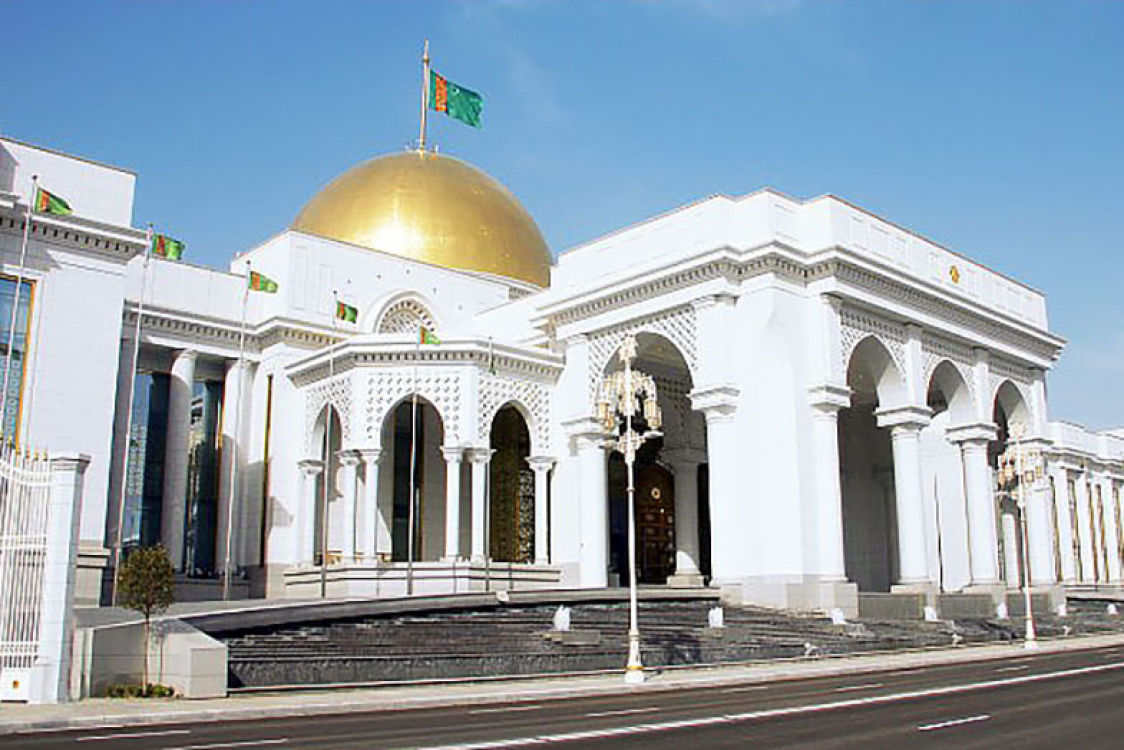
Serdar Berdimuhamedov expressed his condolences to the Nepalese leadership
28.08.2026The President of Turkmenistan, Serdar Berdimuhamedov, has expressed his condolences to the President of the Federal Democratic Republic of Nepal, Ram Chandra Paudel, and the country’s Prime Minister, Balendra Shah, following the loss of life and destruction caused by floods and landslides in the northern regions of Nepal. This was reported by the online news site AsmanNews. On behalf of the people and Government of Turkmenistan, as well as on his own behalf, the Head of State conveyed words of support to the families and loved ones of those who had lost their lives and wished a speedy recovery to those affected.
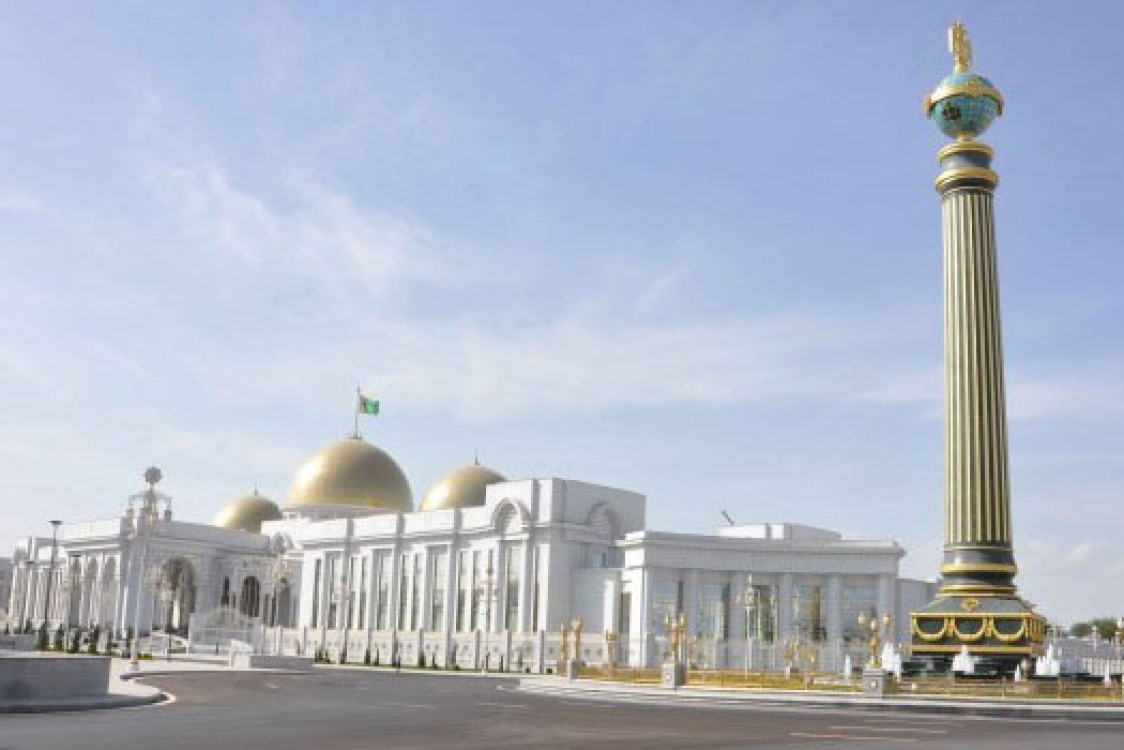
The President of Turkmenistan has sent his condolences to the President of the People’s Republic of China
28.08.2026President of Turkmenistan Serdar Berdimuhamedov has expressed his condolences to Xi Jinping, President of the People’s Republic of China, following the natural disaster in the Tibet Autonomous Region, which has had tragic consequences. This was reported by the TDH news agency. On behalf of the people and Government of Turkmenistan, as well as on his own behalf, the Head of State conveyed words of support to the families and loved ones of those who lost their lives and wished a speedy recovery to those affected.
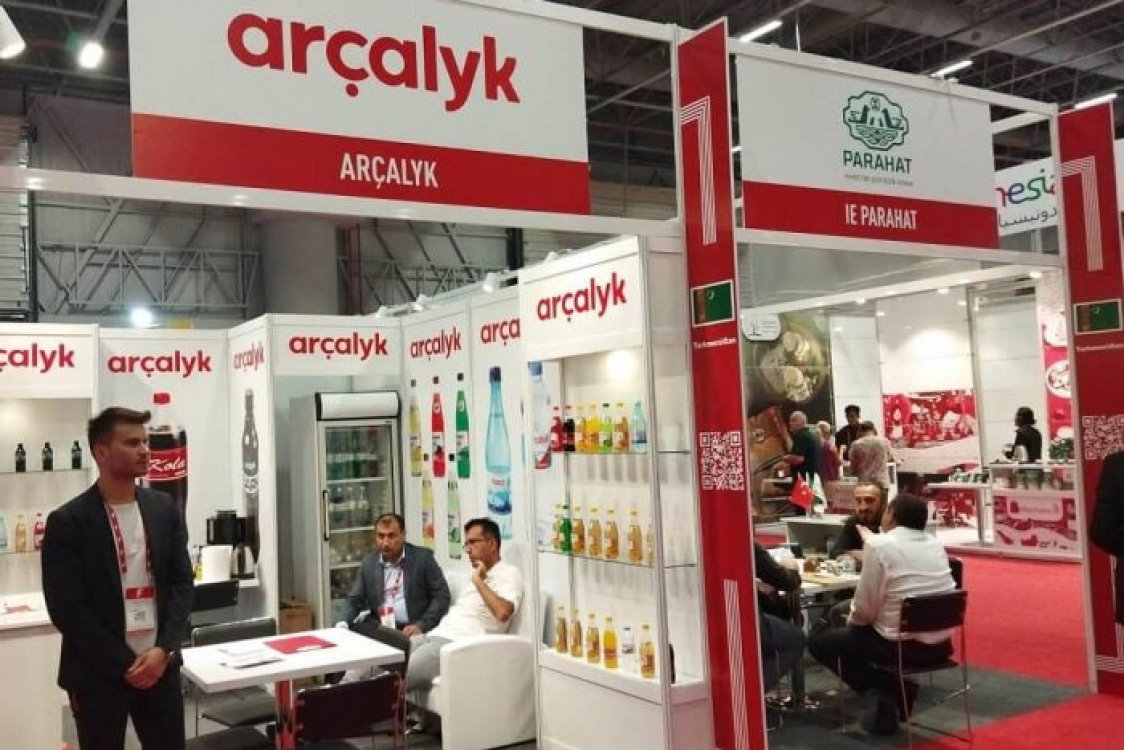
Turkmen companies are taking part in the ‘F Istanbul 2026’ exhibition
28.08.2026Turkmen companies are taking part in the ‘F Istanbul 2026’ international food and drink exhibition, which is being held from 26 to 29 August in Istanbul, Turkey. This was reported by the online publication ‘Business Turkmenistan’. The companies presenting their products at the exhibition include the business society ‘Çäksiz lezzet’, the soft drinks manufacturer ‘Tükel’, and ‘Arçalyk’, which specialises in the production of drinking and sparkling water. According to the official ‘F Istanbul 2026’ website, more than 1,000 companies from 18 countries are taking part in the event. The exhibition is taking place at the Istanbul Expo exhibition centre and brings together manufacturers, retailers, wholesalers and distributors from the food industry. This is the fifth edition of the exhibition, which aims to develop business contacts and establish new trade links.

The Indian Embassy in Turkmenistan is to organise competitions to mark Hindi Language Day
28.08.2026The Indian Embassy in Turkmenistan will hold creative competitions on 10 September to mark National Hindi Language Day (Hindi Diwas), which is celebrated on 14 September. This was reported by the news agency ‘Turkmenistan: Golden age’. The programme comprises three categories: a recitation competition, an essay competition and an art competition. Participants in the recitation competition will be required to recite a poem or a poetic excerpt in Hindi from memory and with expression. The topic for the essay competition will be announced on the day of the event. For artists, there will be an art competition on themes related to India and the Hindi language. To take part, applicants must pre-register by 8 September inclusive. Paper for the drawings will be provided by the organisers; participants must bring their own brushes and watercolours.

AI will help speed up diagnosis at the new Dental Centre in Ashgabat
28.08.2026On 26 August, the President of Turkmenistan, Serdar Berdimuhamedov, inspected the final stage of construction of the Dental Centre and instructed that its digital capabilities be utilised to the full. The Head of State emphasised the need to introduce artificial intelligence technologies and modern equipment to speed up diagnosis and improve the quality of medical care, according to the news agency ‘Turkmenistan: Golden age’. Given the Centre’s high patient throughput, the President of Turkmenistan emphasised the importance of well-organised operations, the prompt reception of patients and the provision of expert consultations. The facility will carry out anaesthesia, tooth extractions and fillings, reconstructive maxillofacial surgery, prosthetics and dental implant procedures. Services will also include orthodontic treatment, the fabrication of custom-made dentures with colour matching, early diagnosis of oral pathologies and the correction of defects in the maxillofacial region. Particular attention has been paid to specialised monitors and AI systems, which will enable the exchange of medical data with domestic clinics and facilitate international consultations with overseas partners.
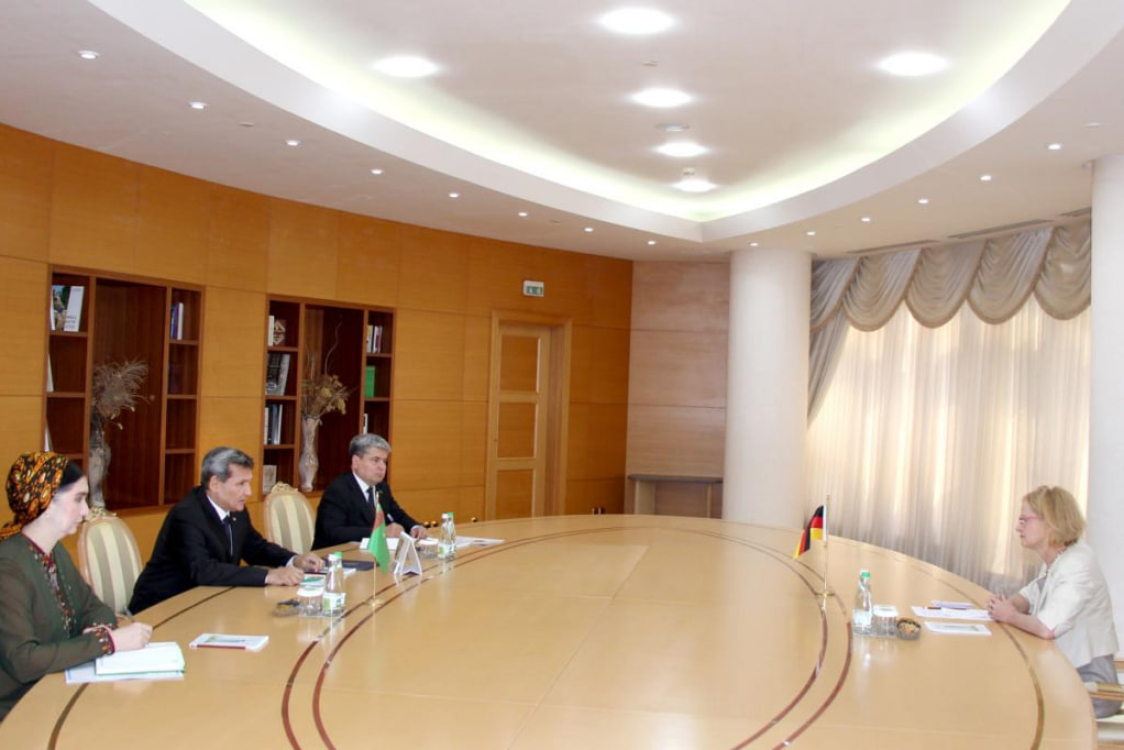
The Head of the Foreign Ministry of Turkmenistan met with the German Ambassador
28.08.2026On 27 August 2026, Rashid Meredov, Foreign Affairs Minister of Turkmenistan, met with Petra Dachtler, Ambassador Extraordinary and Plenipotentiary of the Federal Republic of Germany to Turkmenistan. The diplomat presented copies of her credentials to the Turkmen side. This was reported by the press office of the Foreign Affairs Ministry of Turkmenistan. Rashid Meredov congratulated Petra Dachtler on her appointment and wished her every success in her diplomatic mission in Turkmenistan. The parties discussed the development of Turkmen-German cooperation in the political, diplomatic, trade, economic, cultural and humanitarian spheres. The importance of high-level contacts for strengthening bilateral relations was emphasised. Cooperation within the framework of the UN, the EU and the ‘Central Asia–Germany’ format was considered separately. The parties also highlighted the long-standing trade and economic ties and the activities of the German Economy’s Committee on Eastern European and Central Asian Countries. During the meeting, prospects for cooperation in the fields of culture, healthcare and education were discussed.
Read also
Advertising

 Read us in Zen


