

News
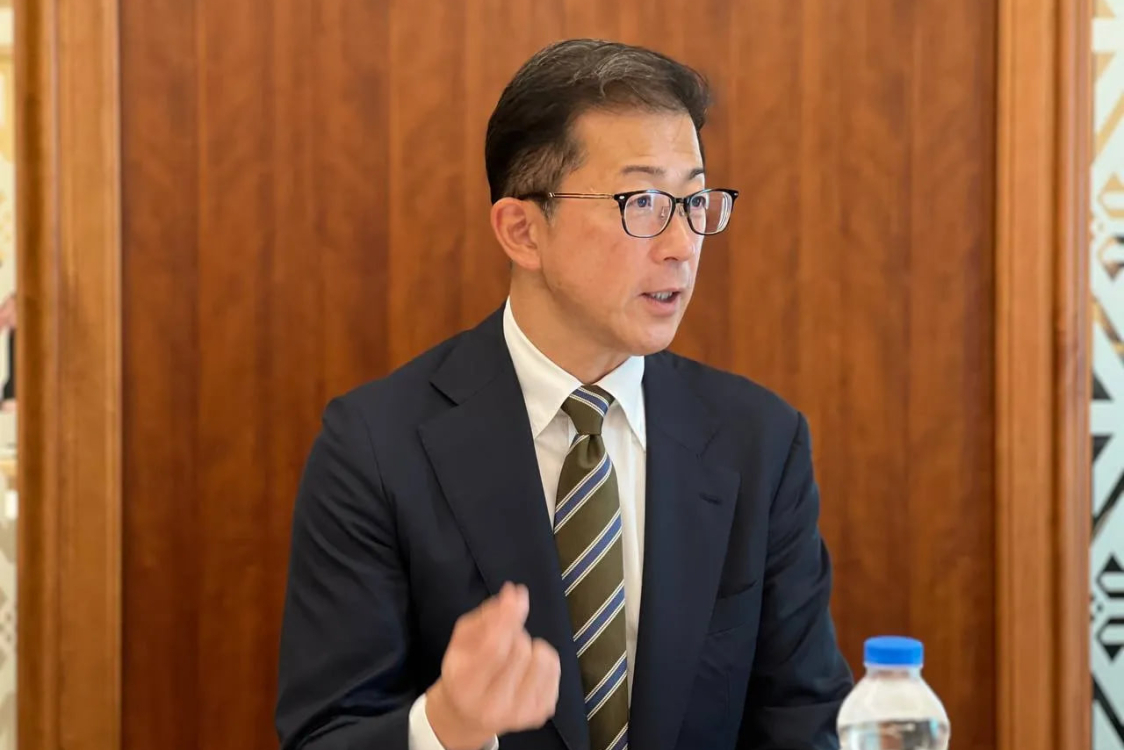
Turkmenistan and Japan are planning to set up data centres
31.08.2026Japan plans to train Turkmen specialists in the field of artificial intelligence and to support the establishment of data centres in Turkmenistan. This was stated by Toshihiro Kitamura, Director-General for Press and Public Affairs at the Foreign Affairs Ministry of Japan, at a press briefing in Ashgabat, according to the news website Turkmenportal. According to him, online training could be delivered with the participation of specialists from the University of Tokyo, which houses a laboratory run by a professor specialising in artificial intelligence. Cooperation in this area is developing within the framework of the ‘Central Asia–Japan’ dialogue. Mr Kitamura highlighted the need to develop AI for economic growth and to establish international rules governing its use. The Japanese side also intends to take Turkmenistan’s needs into account. In particular, Tokyo is prepared to facilitate the use of AI in the exploration of natural resources. Furthermore, Japanese private companies are interested in establishing data centres in Turkmenistan. They are considering the possibility of cooperating with local companies or working directly with the country’s government.
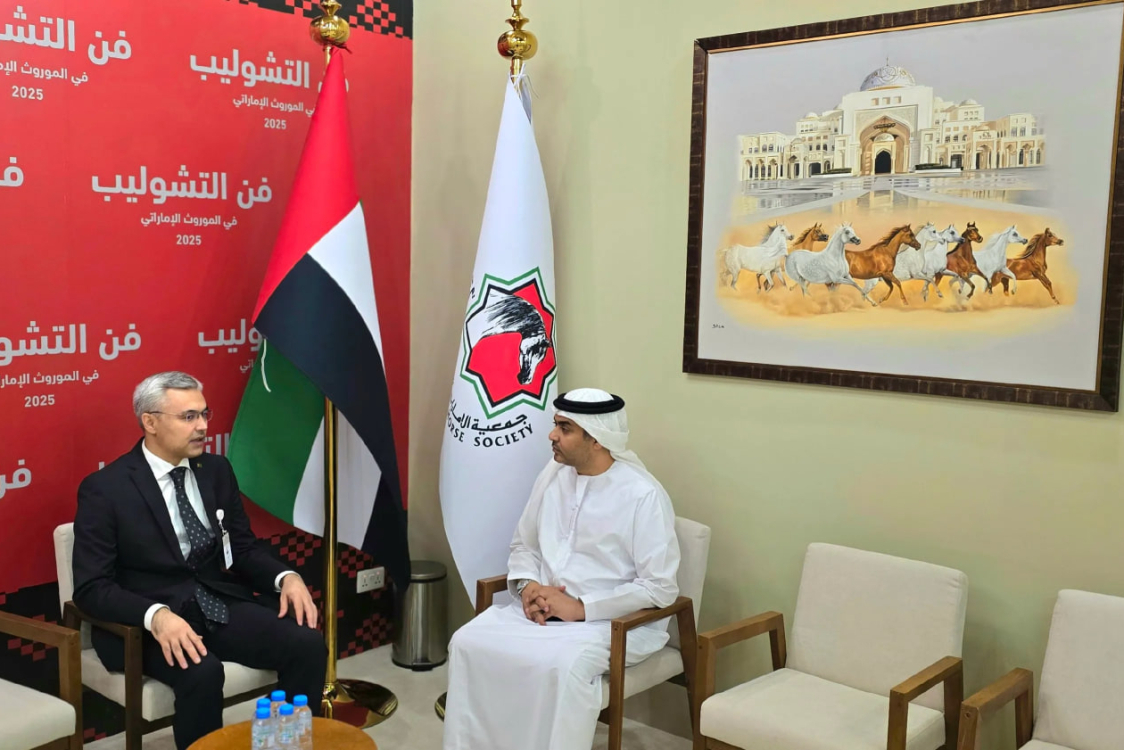
Turkmenistan and the UAE discussed cooperation in the field of horse breeding
31.08.2026Bayram Bayramov, Ambassador of Turkmenistan to the UAE, met with Mohammed Ahmed Al Harbi, Director-General of the Emirates Arabian Horse Society (EAHS). The negotiations took place at the Abu Dhabi International Hunting and Equestrian Exhibition (ADIHEX), according to the news website Turkmenportal. The parties discussed the further development of cooperation in the field of horse breeding. The Emirati side noted the success of the Society’s delegation’s visit to Turkmenistan on 5–7 August. Particular attention was paid to the performance by the ‘Galkynyş’ equestrian troupe, as well as to the Aba Annayev International Academy of Horse Breeding and the Scientific and Production Centre for Horse Breeding in Arkadag. During the meeting, information was also provided on the Ahal-Teke Horse Championship, which is to be held for the first time on 4–6 September at the Peelbergen Equestrian Centre in Kronenberg, the Netherlands. The event aims to promote the Ahal-Teke breed abroad.
Universities in Turkmenistan will take part in a scientific and educational forum in Tashkent
31.08.2026Higher education institutions in Turkmenistan will take part in a scientific and educational forum involving leading universities from Central Asian countries, to be held in Tashkent from 27 to 30 October 2026. This has been reported by IIC. Participants will discuss the exchange of academic experience, the development of inter-university cooperation and academic mobility. As part of the forum, plans are in place to consider joint research and educational programmes, as well as to sign agreements on scientific and technical cooperation.
Serdar Berdimuhamedov sent a message of congratulations to the President of Kyrgyzstan
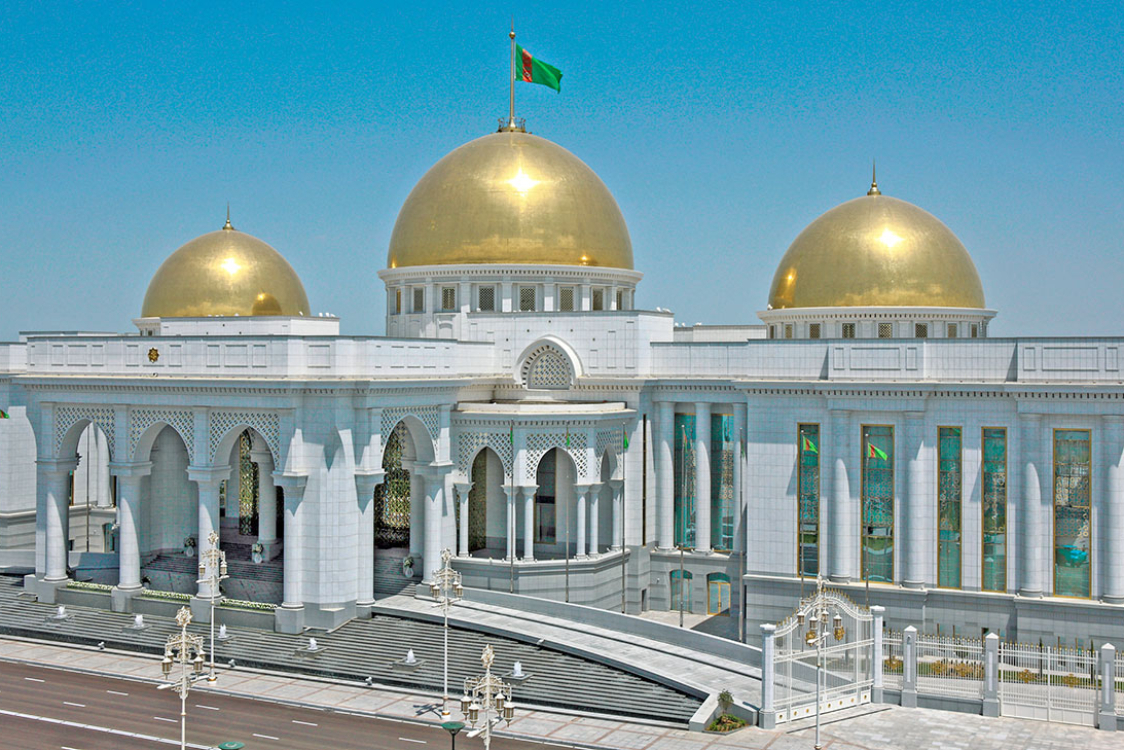
31.08.2026The President of Turkmenistan, Serdar Berdimuhamedov, has congratulated the President of the Kyrgyz Republic, Sadyr Japarov, and the people of Kyrgyzstan on the 35th anniversary of the country’s independence. This was reported by the online news site TerraNews. In his message, the Head of Turkmenistan highlighted the Republic of Kyrgyzstan’s achievements in the political and socio-economic spheres, as well as its development across various sectors. President Serdar Berdimuhamedov also emphasised the dynamic development of Turkmen-Kyrgyz relations, based on good neighbourliness, friendship and mutual understanding, and reaffirmed his readiness to continue close cooperation in the interests of both nations. The Head of Turkmenistan wished President Sadyr Japarov good health, happiness and well-being, and the people of the Kyrgyz Republic peace, progress and prosperity.
The President of Turkmenistan congratulated Malaysia on its Independence Day
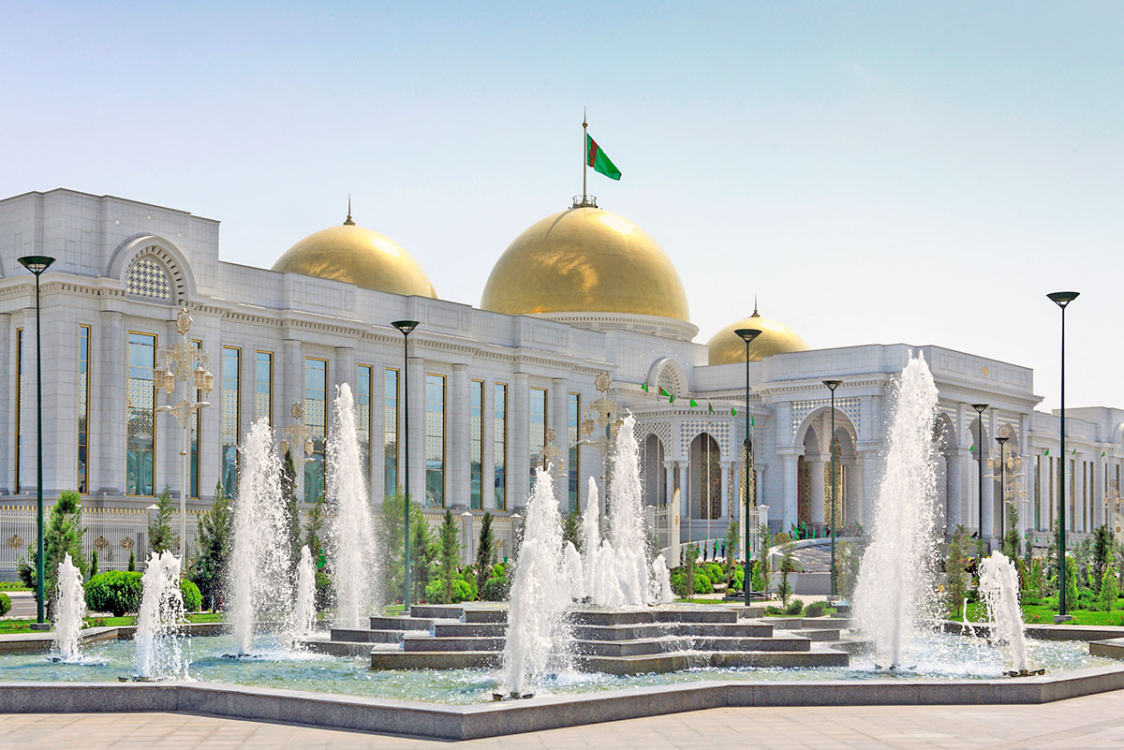
31.08.2026The President of Turkmenistan, Serdar Berdimuhamedov, has congratulated the Prime Minister of Malaysia, Anwar Ibrahim, the 17th Supreme Head of Malaysia, Sultan Ibrahim Ibni Almarhum Sultan Iskandar, and the people of Malaysia on their national holiday — Independence Day. This was reported by the news agency TDH. The Head of State noted the traditionally friendly nature of relations between Turkmenistan and Malaysia and reaffirmed his interest in their further development on the basis of mutual respect, trust and equality. The President of Turkmenistan also referred to recent negotiations with Prime Minister Anwar Ibrahim in Ashgabat. According to the Head of State, the parties reaffirmed their commitment to strengthening their partnership and expanding bilateral cooperation. Serdar Berdimuhamedov expressed his confidence that the decisions reached following the visit would contribute to the development of ties between the two countries. President Serdar Berdimuhamedov wished the Malaysian leadership good health and well-being, and the country’s people peace, progress and prosperity.
The Head of Turkmenistan has sent his condolences to the King of Norway
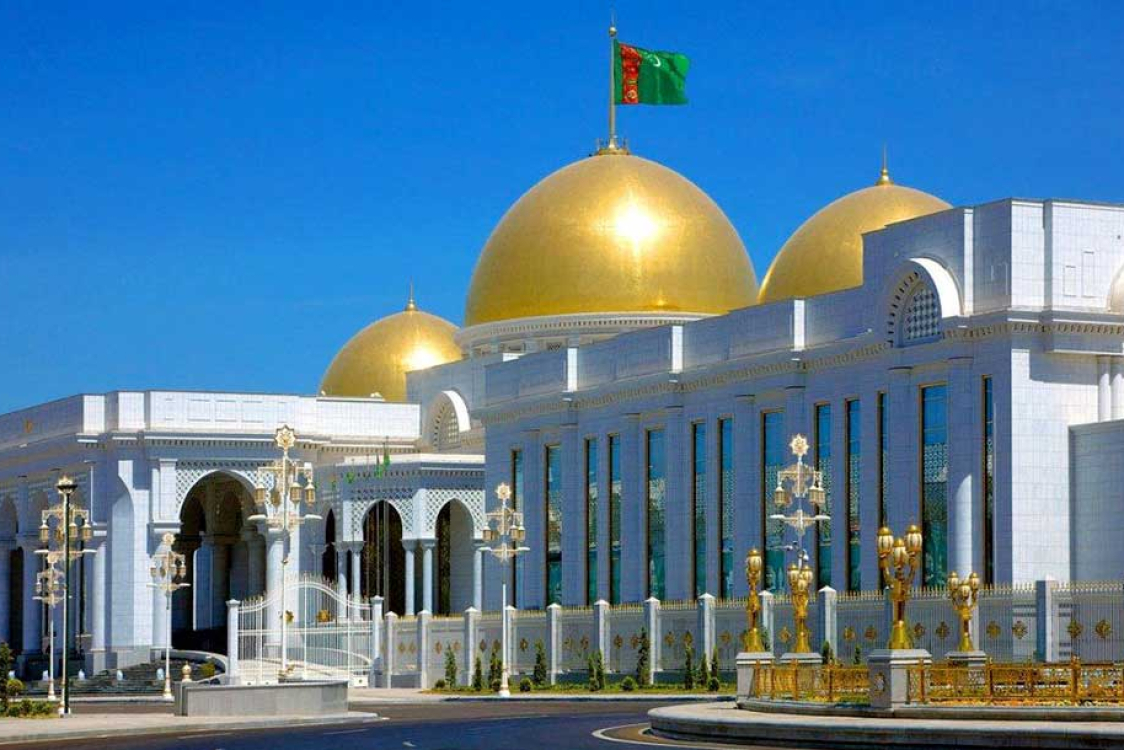
31.08.2026President Serdar Berdimuhamedov has sent his condolences to King Haakon VIII of Norway following the passing of His Majesty King Harald V of Norway. This was reported by the online news site TerraNews. The Head of State highlighted King Harald V’s contribution to Norway’s development and to strengthening the unity of the Norwegian people. On behalf of the people and Government of Turkmenistan, as well as on his own behalf, the President expressed his sincere sympathy and support to King Haakon VIII, the members of the royal family and the people of Norway.
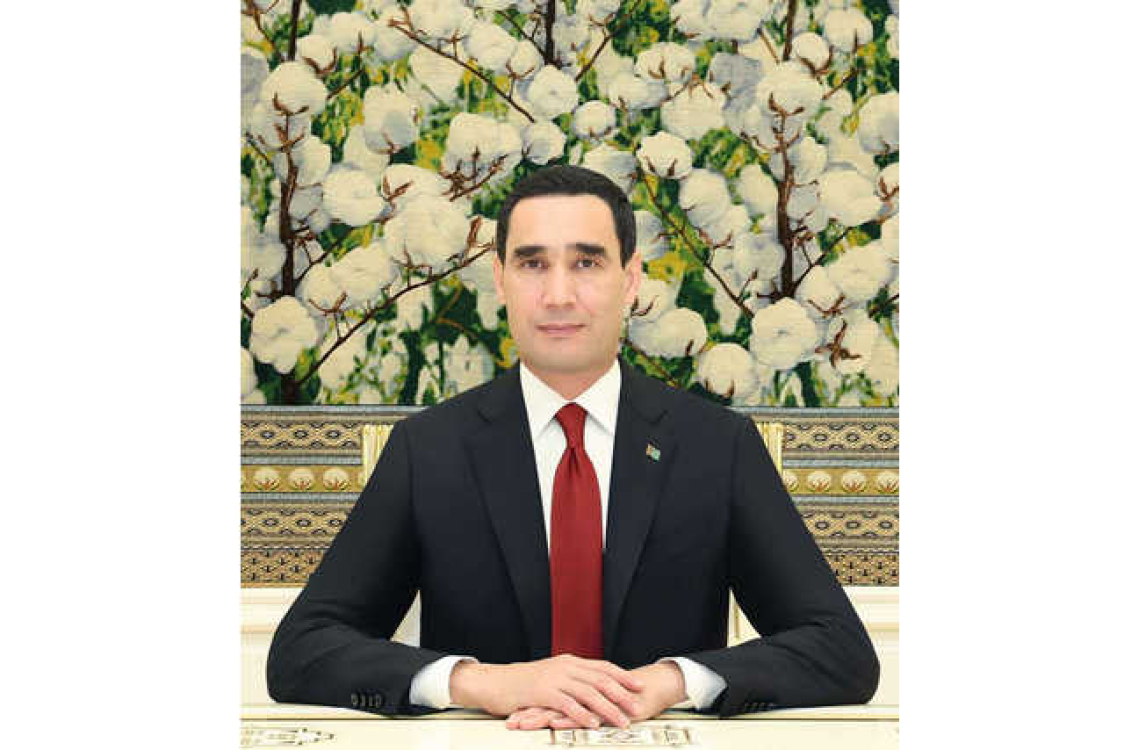
The President of Turkmenistan met with the Head of the Japanese Foreign Affairs Ministry
31.08.2026On 30 August, the President of Turkmenistan, Serdar Berdimuhamedov, received the Japanese Foreign Affairs Minister, Toshimitsu Motegi, who had arrived in Turkmenistan on a visit. This was reported by the news agency TDH. Toshimitsu Motegi conveyed greetings from Emperor Naruhito of Japan and Prime Minister Sanae Takaichi to the President of Turkmenistan and National Leader of the Turkmen people, Chairman of the Halk Maslahaty of Turkmenistan Gurbanguly Berdimuhamedov. He also thanked the Head of State for his condolences following the earthquake in Kumamoto Prefecture. Serdar Berdimuhamedov conveyed his own best wishes to the Japanese leadership and noted that Toshimitsu Motegi’s visit would contribute to the expansion of bilateral cooperation. The parties emphasised the strategic nature of the Turkmen-Japanese partnership and the development of cooperation in a bilateral context, within the framework of the United Nations and the ‘Central Asia–Japan’ Dialogue. The Head of State highlighted the outcomes of his working visit to Japan last year to attend the first summit of the ‘Central Asia–Japan’ Dialogue. Toshimitsu Motegi emphasised the contribution of the Head of State’s visits to the development of Japan–Turkmenistan cooperation. The meeting also covered inter-parliamentary ties and the work of the Turkmen-Japanese Inter-Parliamentary Friendship Group. Particular attention was paid to trade and economic cooperation. The President of Turkmenistan highlighted the role of the Turkmen-Japanese Committee on Economic Cooperation and the prospects for Japanese companies’ participation in the gas and chemical industries. Among the current partners mentioned were ‘ITOCHU Corporation’, ‘Toyo Engineering Corporation’ and ‘Kawasaki Heavy Industries Ltd.’. The parties also emphasised the importance of cultural and humanitarian cooperation, including the organisation of Cultural Days, exhibitions and other joint events. Following the meeting, Serdar Berdimuhamedov and Toshimitsu Motegi expressed their confidence in the further strengthening of bilateral relations.
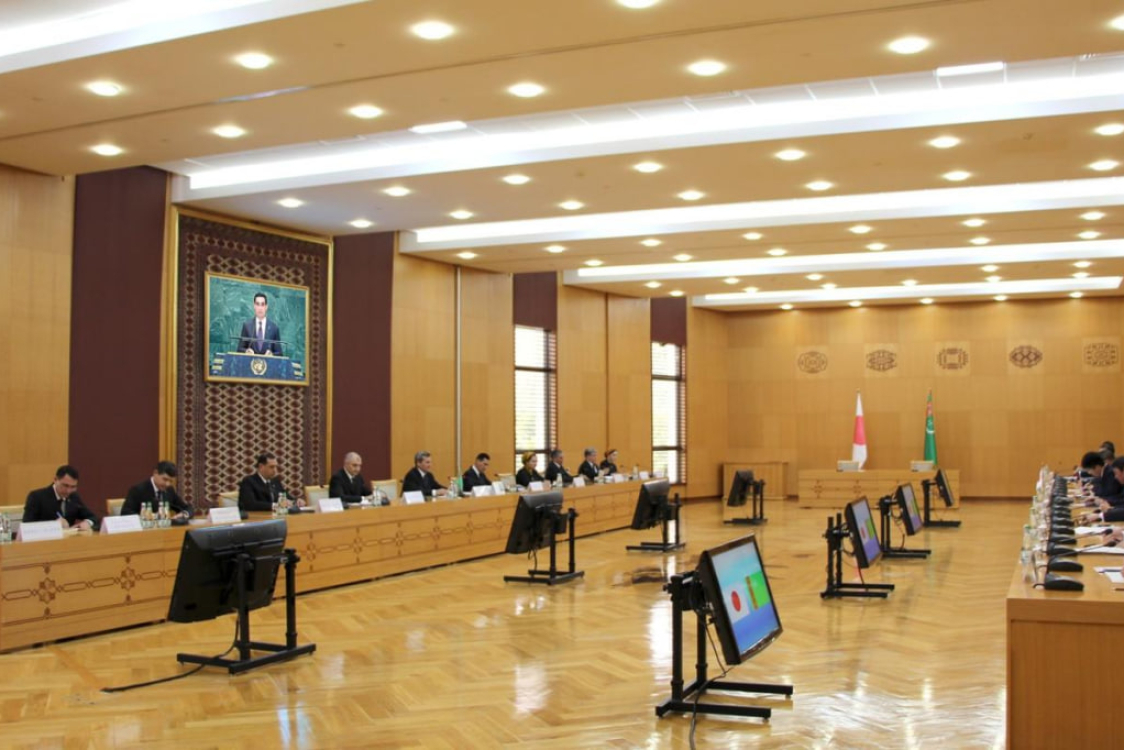
Turkmenistan and Japan discussed the development of bilateral cooperation
31.08.2026On 30 August 2026, a meeting took place at the Foreign Affairs Ministry of Turkmenistan between delegations led by Rashid Meredov, Foreign Affairs Minister of Turkmenistan, and Toshimitsu Motegi, Foreign Affairs Minister of Japan, who had arrived in Ashgabat on a visit. This was reported by the press office of the Foreign Affairs Ministry of Turkmenistan. The parties reviewed the state of affairs and prospects for Turkmen-Japanese relations in the political, diplomatic, trade, economic, cultural and humanitarian spheres. Particular attention was paid to cooperation within international organisations, including the UN, as well as collaboration within the ‘Central Asia + Japan’ framework. The Japanese side reaffirmed its support for Turkmenistan’s foreign policy course of permanent neutrality. In the economic sphere, discussions centred on cooperation in gas chemistry, the electricity sector and transport, as well as prospects for collaboration in the fields of advanced technologies and artificial intelligence. The participation of Japanese companies, including ‘Sumitomo Corporation’, ‘Toyo Engineering Corporation’, ‘Kawasaki Heavy Industries, Ltd.’, ‘ITOCHU Corporation’ and ‘Mitsubishi Heavy Industries, Ltd.’, in the implementation of industrial projects in Turkmenistan. The parties also discussed preparations for a joint meeting of the Turkmen-Japanese and Japanese-Turkmen Committees on Economic Cooperation, which is scheduled to take place this year in Tokyo. Following the negotiations, a Programme of Cooperation between the Ministry of Foreign Affairs of Turkmenistan and the Ministry of Foreign Affairs of Japan for the period 2027–2029 was signed.
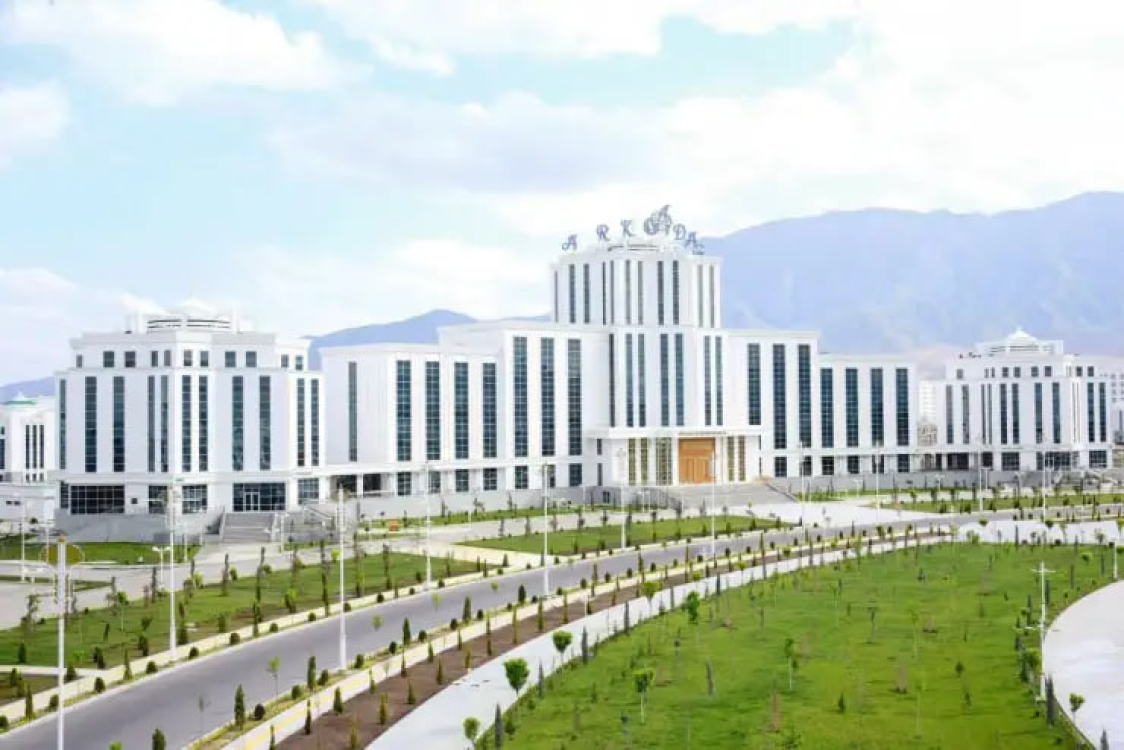
The city of Arkadag will host a joint lesson with university students and schoolchildren
31.08.2026On 2 September, a joint lesson with students and schoolchildren from Turkmenistan will take place at the ‘Ruhyýet’ Palace in Arkadag. The event will be attended by the National Leader of the Turkmen people and Chairman of the Halk Maslahaty of Turkmenistan, Gurbanguly Berdimuhamedov. This was announced by the President of Turkmenistan, Serdar Berdimuhamedov, at a meeting of the Cabinet of Ministers, reports TDH. The event is timed to coincide with Knowledge and Student Youth Day and the start of the new academic year. Heads of institutions have been instructed to carry out the necessary organisational work at the universities under their supervision. President Serdar Berdimuhamedov emphasised the need to further develop the education system and equip young people with up-to-date knowledge. The Head of State also congratulated education workers and young people on the start of the new academic year.
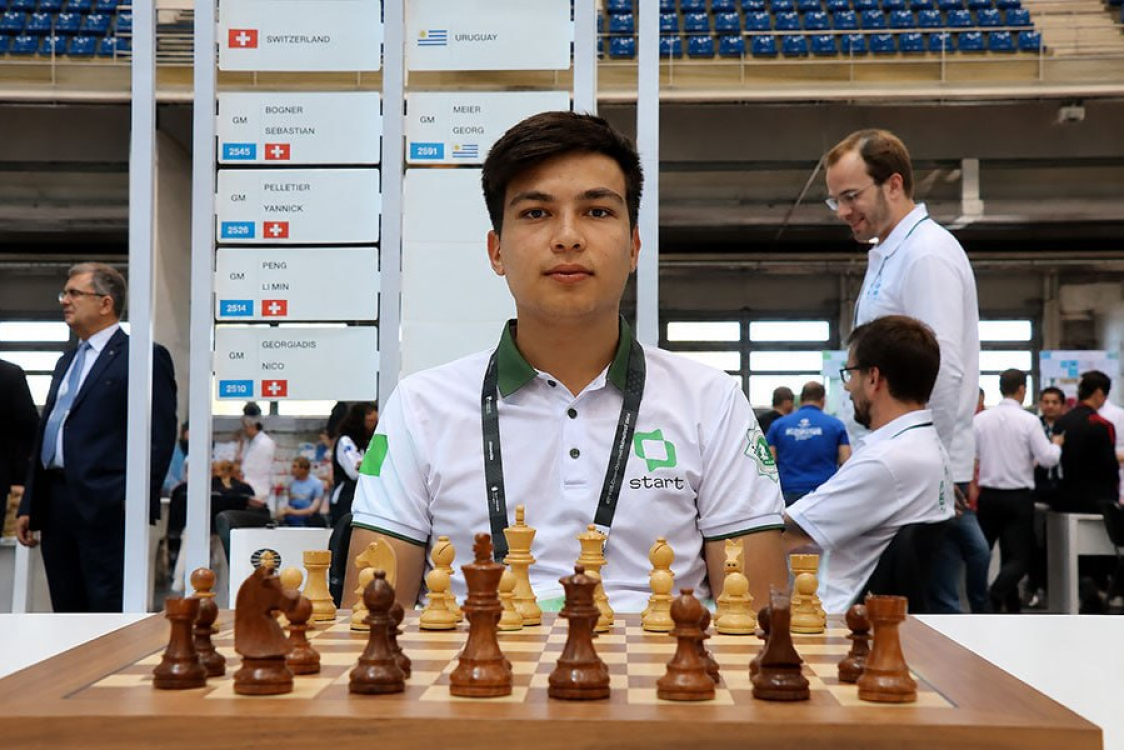
A chess player from Turkmenistan scored 8 points out of 9 at a tournament in Abu Dhabi
31.08.2026Turkmen chess player Allayar Shirliyev won the Open A category at the 32nd International Chess Festival in Abu Dhabi. The tournament took place at the Radisson Blu Hotel on the Corniche and was organized by the Abu Dhabi Chess Club and Center for Intellectual Games—one of the region's largest intellectual forums, attracting hundreds of participants annually, according to the ‘Turkmenistan: Golden age’ news agency. The Open A category was contested using the Swiss system over nine rounds with classical time control. The 22-year-old from Ashgabat, seeded seventh with a FIDE rating of 2184 and a Candidate for Master of Sport, scored 8 points out of 9 and took first place outright. Second and third places went to International Masters Bashir Eiti (Syria) and Richilieu III Salcedo (Philippines) – each with 7.5 points. Following the tournament, Shirliyev’s FIDE rating rose by 40.6 points. At the same time, tournaments in the Masters, Open B and Juniors U16 categories were held in Abu Dhabi. The line-up for the Grandmaster tournament included Daniil Dubov, Pa Iniyan, Anand Pranav, S. L. Narayanan, Abhijeet Gupta, David Paravyan, Alexander Rakhmanov and Ivan Zemlyansky. Shirliyev’s victory continued a successful run of performances by Turkmen athletes during the summer of 2026. From 16 to 26 August, Mumbai hosted the Asian Under-20 Junior Championships, where chess player Lala Shohradova won gold in the rapid event, adding to the silver she had won in the blitz event on 17 August. Earlier this summer, the Turkmenistan national team won 16 medals at the Central and North Asian Championships in Kyrgyzstan.

Turkmen wrestling has been included in the programme of the World Nomad Games
30.08.2026The 6th World Nomad Games will take place in Kyrgyzstan from 31 August to 6 September 2026. The competition programme includes more than 40 national sports and games from the participating countries, including Turkmen national wrestling, according to the press office of the State Committee for Physical Culture and Sport of Turkmenistan. The opening and closing ceremonies of the Games will take place in Bishkek, whilst the competitions will be held at Issyk-Kul. According to the organisers, more than 100,000 people from friendly nations are expected to take part in this international event, which is held every two years. Whilst 19 countries took part in the first Games, held in 2014, a record number of participating nations is expected in 2026: representatives from around 20 countries will take part in these traditional sports competitions for the first time. The World Nomad Games have become an international platform for the preservation and development of the sporting and cultural heritage of peoples. The inclusion of Turkmen national wrestling in the Games’ programme reflects its status amongst national sports. For Turkmenistan, participation in the event is of particular significance: in the year marking the 35th anniversary of independence, Turkmen athletes will have the opportunity to showcase their national sporting traditions on the international stage.
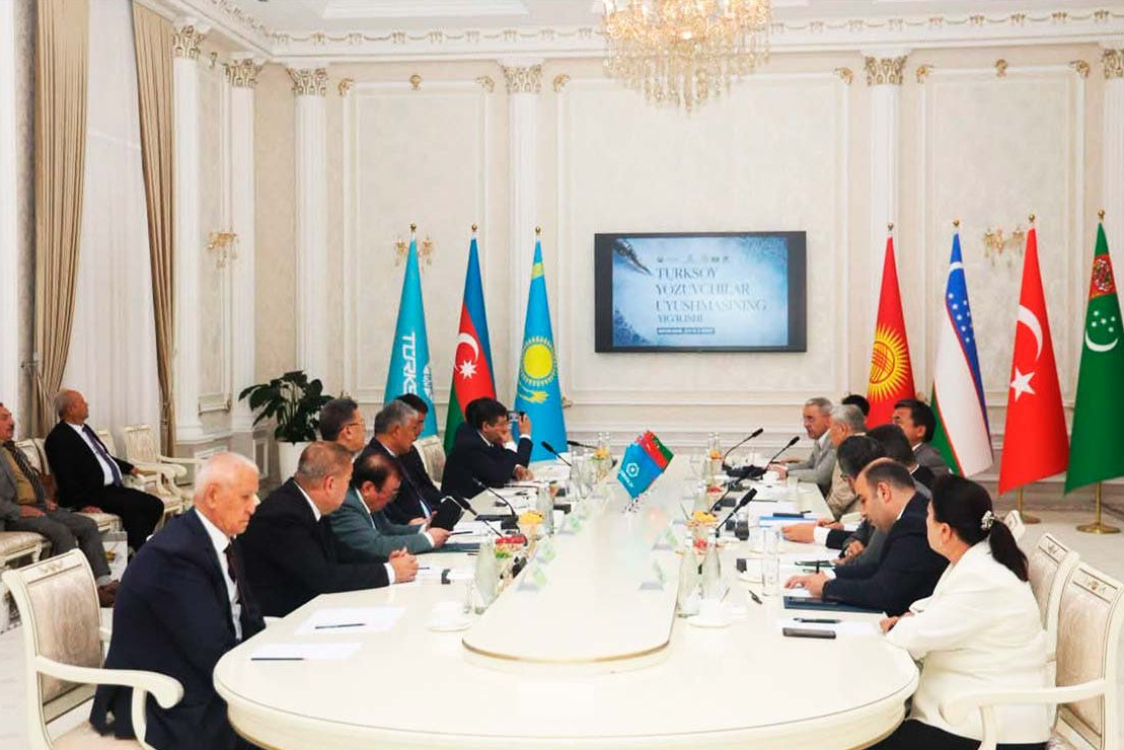
Turkmenistan took part in the TURKSOY writers’ meeting
30.08.2026A meeting of writers and poets from the member states of the International Organisation of Turkic Culture (TÜRKSOY) took place in the city of Andijan. Turkmenistan was represented by Akmyrat Rejepov, Deputy Head of the Department for Creative Workers at the Ministry of Culture of Turkmenistan, according to the press office of the Ministry of Culture of Turkmenistan. The event, organised by TURKSOY, the Ministry of Culture of the Republic of Uzbekistan, the Authors’ Association of Uzbekistan and the Andijan Regional Administration, took place as part of the designation of the city of Andijan as the ‘Cultural Capital of the Turkic World’ for 2026. Participants discussed the creation of a common digital literary platform for the Turkic world, an electronic library and an information system on writers. Issues relating to the preservation and translation of literary heritage, joint participation in book fairs and festivals, as well as the organisation of festivals for young poets and a literary forum, were also considered. On the same day, a conference dedicated to the literary heritage of Ziya Gokalp was held at the Andijan State Medical Institute. The event was organised as part of TURKSOY’s declaration of 2026 as the ‘Year of Ziya Gokalp’. Following the events, several participants were presented with letters of appreciation from the Authors’ Association of Uzbekistan.
Read also
Advertising



 Read us in Zen


