

News
The President of Turkmenistan met with the Head of the Japanese Foreign Affairs Ministry
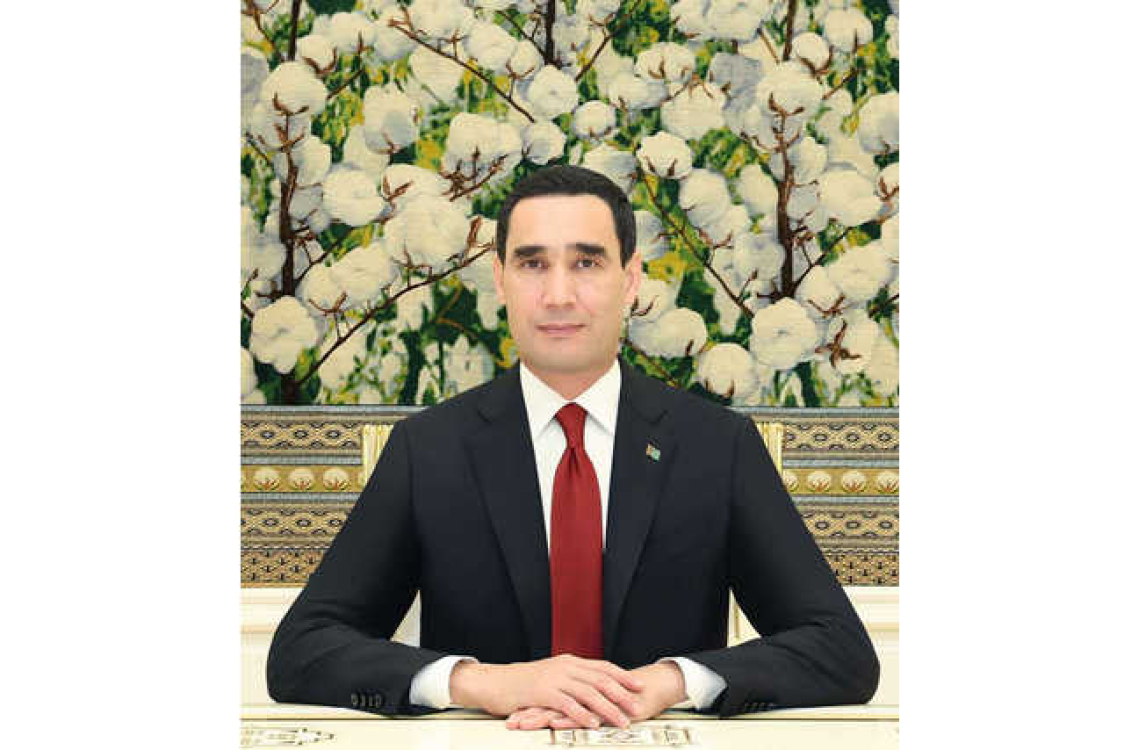
31.08.2026On 30 August, the President of Turkmenistan, Serdar Berdimuhamedov, received the Japanese Foreign Affairs Minister, Toshimitsu Motegi, who had arrived in Turkmenistan on a visit. This was reported by the news agency TDH. Toshimitsu Motegi conveyed greetings from Emperor Naruhito of Japan and Prime Minister Sanae Takaichi to the President of Turkmenistan and National Leader of the Turkmen people, Chairman of the Halk Maslahaty of Turkmenistan Gurbanguly Berdimuhamedov. He also thanked the Head of State for his condolences following the earthquake in Kumamoto Prefecture. Serdar Berdimuhamedov conveyed his own best wishes to the Japanese leadership and noted that Toshimitsu Motegi’s visit would contribute to the expansion of bilateral cooperation. The parties emphasised the strategic nature of the Turkmen-Japanese partnership and the development of cooperation in a bilateral context, within the framework of the United Nations and the ‘Central Asia–Japan’ Dialogue. The Head of State highlighted the outcomes of his working visit to Japan last year to attend the first summit of the ‘Central Asia–Japan’ Dialogue. Toshimitsu Motegi emphasised the contribution of the Head of State’s visits to the development of Japan–Turkmenistan cooperation. The meeting also covered inter-parliamentary ties and the work of the Turkmen-Japanese Inter-Parliamentary Friendship Group. Particular attention was paid to trade and economic cooperation. The President of Turkmenistan highlighted the role of the Turkmen-Japanese Committee on Economic Cooperation and the prospects for Japanese companies’ participation in the gas and chemical industries. Among the current partners mentioned were ‘ITOCHU Corporation’, ‘Toyo Engineering Corporation’ and ‘Kawasaki Heavy Industries Ltd.’. The parties also emphasised the importance of cultural and humanitarian cooperation, including the organisation of Cultural Days, exhibitions and other joint events. Following the meeting, Serdar Berdimuhamedov and Toshimitsu Motegi expressed their confidence in the further strengthening of bilateral relations.
Turkmenistan and Japan discussed the development of bilateral cooperation
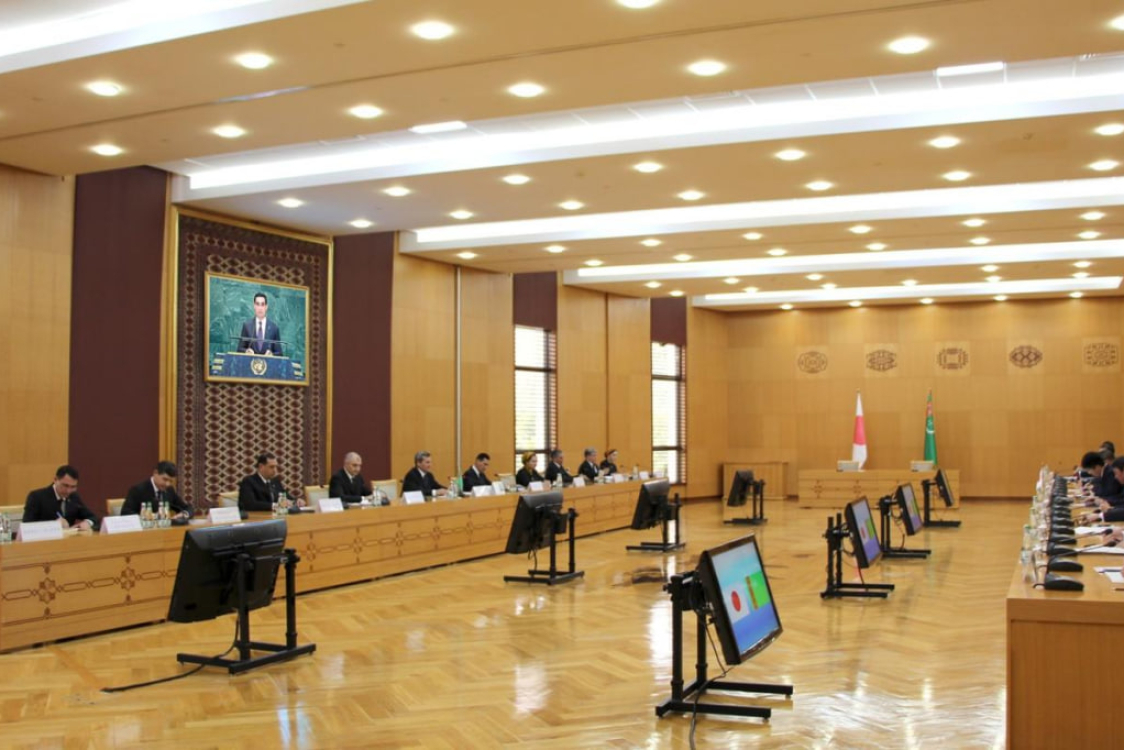
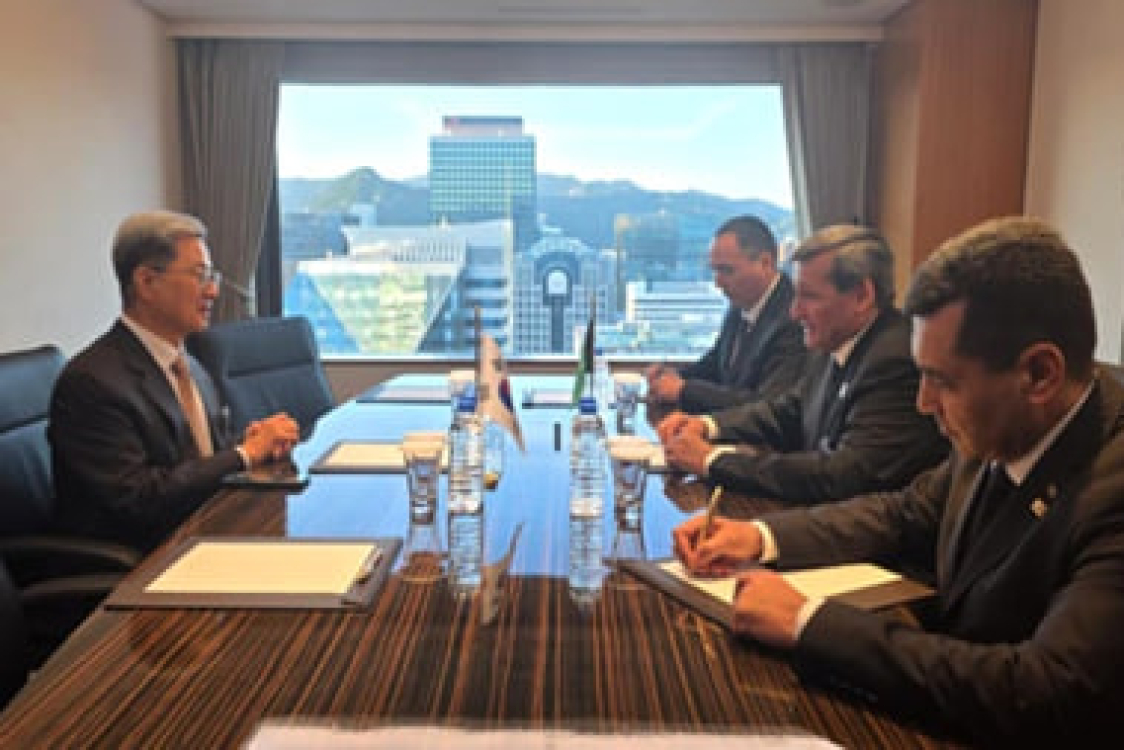
31.08.2026On 30 August 2026, a meeting took place at the Foreign Affairs Ministry of Turkmenistan between delegations led by Rashid Meredov, Foreign Affairs Minister of Turkmenistan, and Toshimitsu Motegi, Foreign Affairs Minister of Japan, who had arrived in Ashgabat on a visit. This was reported by the press office of the Foreign Affairs Ministry of Turkmenistan. The parties reviewed the state of affairs and prospects for Turkmen-Japanese relations in the political, diplomatic, trade, economic, cultural and humanitarian spheres. Particular attention was paid to cooperation within international organisations, including the UN, as well as collaboration within the ‘Central Asia + Japan’ framework. The Japanese side reaffirmed its support for Turkmenistan’s foreign policy course of permanent neutrality. In the economic sphere, discussions centred on cooperation in gas chemistry, the electricity sector and transport, as well as prospects for collaboration in the fields of advanced technologies and artificial intelligence. The participation of Japanese companies, including ‘Sumitomo Corporation’, ‘Toyo Engineering Corporation’, ‘Kawasaki Heavy Industries, Ltd.’, ‘ITOCHU Corporation’ and ‘Mitsubishi Heavy Industries, Ltd.’, in the implementation of industrial projects in Turkmenistan. The parties also discussed preparations for a joint meeting of the Turkmen-Japanese and Japanese-Turkmen Committees on Economic Cooperation, which is scheduled to take place this year in Tokyo. Following the negotiations, a Programme of Cooperation between the Ministry of Foreign Affairs of Turkmenistan and the Ministry of Foreign Affairs of Japan for the period 2027–2029 was signed.
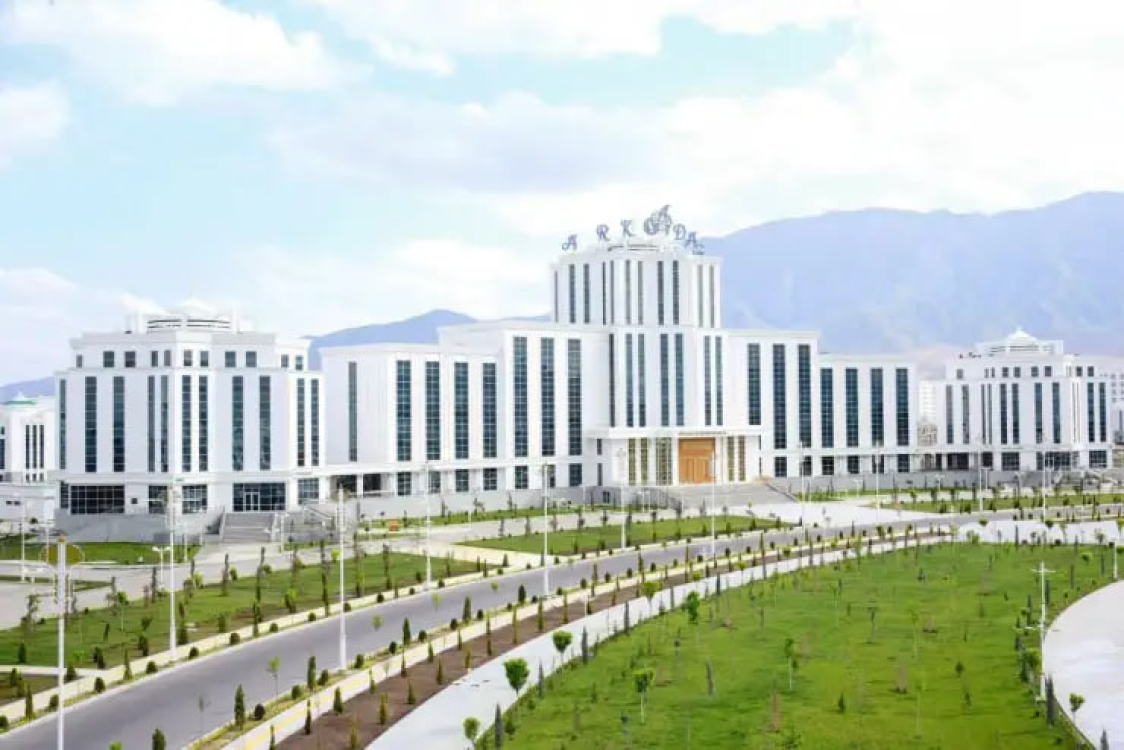
The city of Arkadag will host a joint lesson with university students and schoolchildren
31.08.2026On 2 September, a joint lesson with students and schoolchildren from Turkmenistan will take place at the ‘Ruhyýet’ Palace in Arkadag. The event will be attended by the National Leader of the Turkmen people and Chairman of the Halk Maslahaty of Turkmenistan, Gurbanguly Berdimuhamedov. This was announced by the President of Turkmenistan, Serdar Berdimuhamedov, at a meeting of the Cabinet of Ministers, reports TDH. The event is timed to coincide with Knowledge and Student Youth Day and the start of the new academic year. Heads of institutions have been instructed to carry out the necessary organisational work at the universities under their supervision. President Serdar Berdimuhamedov emphasised the need to further develop the education system and equip young people with up-to-date knowledge. The Head of State also congratulated education workers and young people on the start of the new academic year.
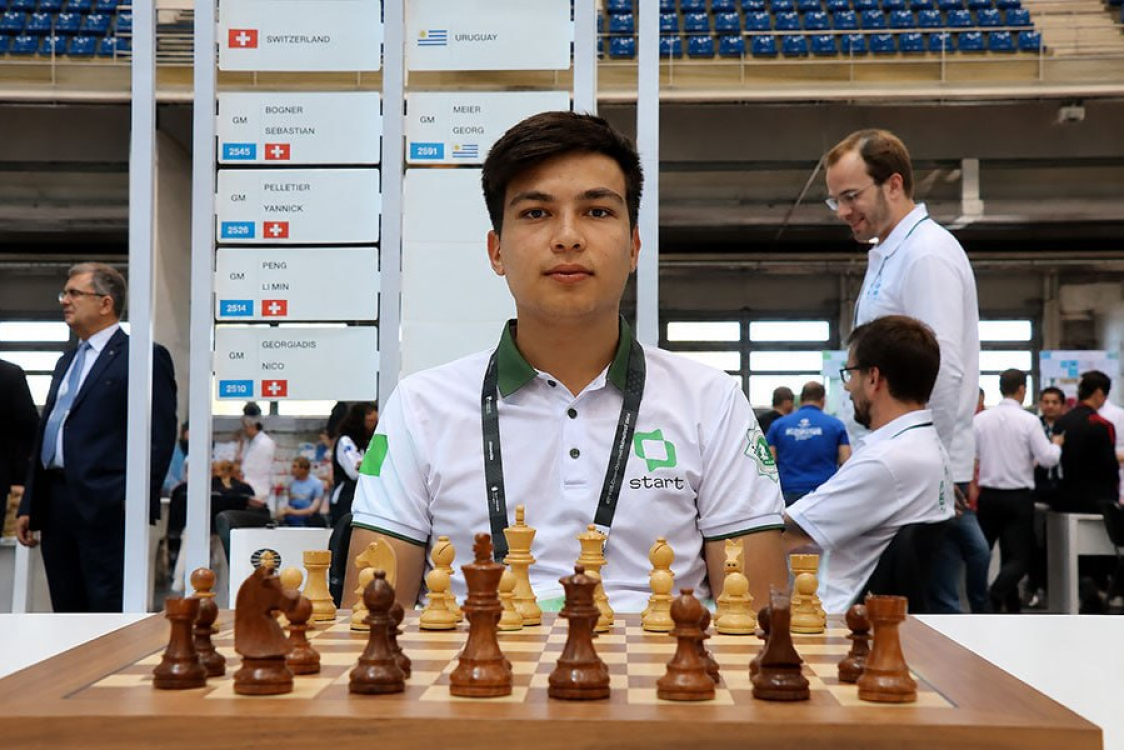
A chess player from Turkmenistan scored 8 points out of 9 at a tournament in Abu Dhabi
31.08.2026Turkmen chess player Allayar Shirliyev won the Open A category at the 32nd International Chess Festival in Abu Dhabi. The tournament took place at the Radisson Blu Hotel on the Corniche and was organized by the Abu Dhabi Chess Club and Center for Intellectual Games—one of the region's largest intellectual forums, attracting hundreds of participants annually, according to the ‘Turkmenistan: Golden age’ news agency. The Open A category was contested using the Swiss system over nine rounds with classical time control. The 22-year-old from Ashgabat, seeded seventh with a FIDE rating of 2184 and a Candidate for Master of Sport, scored 8 points out of 9 and took first place outright. Second and third places went to International Masters Bashir Eiti (Syria) and Richilieu III Salcedo (Philippines) – each with 7.5 points. Following the tournament, Shirliyev’s FIDE rating rose by 40.6 points. At the same time, tournaments in the Masters, Open B and Juniors U16 categories were held in Abu Dhabi. The line-up for the Grandmaster tournament included Daniil Dubov, Pa Iniyan, Anand Pranav, S. L. Narayanan, Abhijeet Gupta, David Paravyan, Alexander Rakhmanov and Ivan Zemlyansky. Shirliyev’s victory continued a successful run of performances by Turkmen athletes during the summer of 2026. From 16 to 26 August, Mumbai hosted the Asian Under-20 Junior Championships, where chess player Lala Shohradova won gold in the rapid event, adding to the silver she had won in the blitz event on 17 August. Earlier this summer, the Turkmenistan national team won 16 medals at the Central and North Asian Championships in Kyrgyzstan.

Turkmen wrestling has been included in the programme of the World Nomad Games
30.08.2026The 6th World Nomad Games will take place in Kyrgyzstan from 31 August to 6 September 2026. The competition programme includes more than 40 national sports and games from the participating countries, including Turkmen national wrestling, according to the press office of the State Committee for Physical Culture and Sport of Turkmenistan. The opening and closing ceremonies of the Games will take place in Bishkek, whilst the competitions will be held at Issyk-Kul. According to the organisers, more than 100,000 people from friendly nations are expected to take part in this international event, which is held every two years. Whilst 19 countries took part in the first Games, held in 2014, a record number of participating nations is expected in 2026: representatives from around 20 countries will take part in these traditional sports competitions for the first time. The World Nomad Games have become an international platform for the preservation and development of the sporting and cultural heritage of peoples. The inclusion of Turkmen national wrestling in the Games’ programme reflects its status amongst national sports. For Turkmenistan, participation in the event is of particular significance: in the year marking the 35th anniversary of independence, Turkmen athletes will have the opportunity to showcase their national sporting traditions on the international stage.
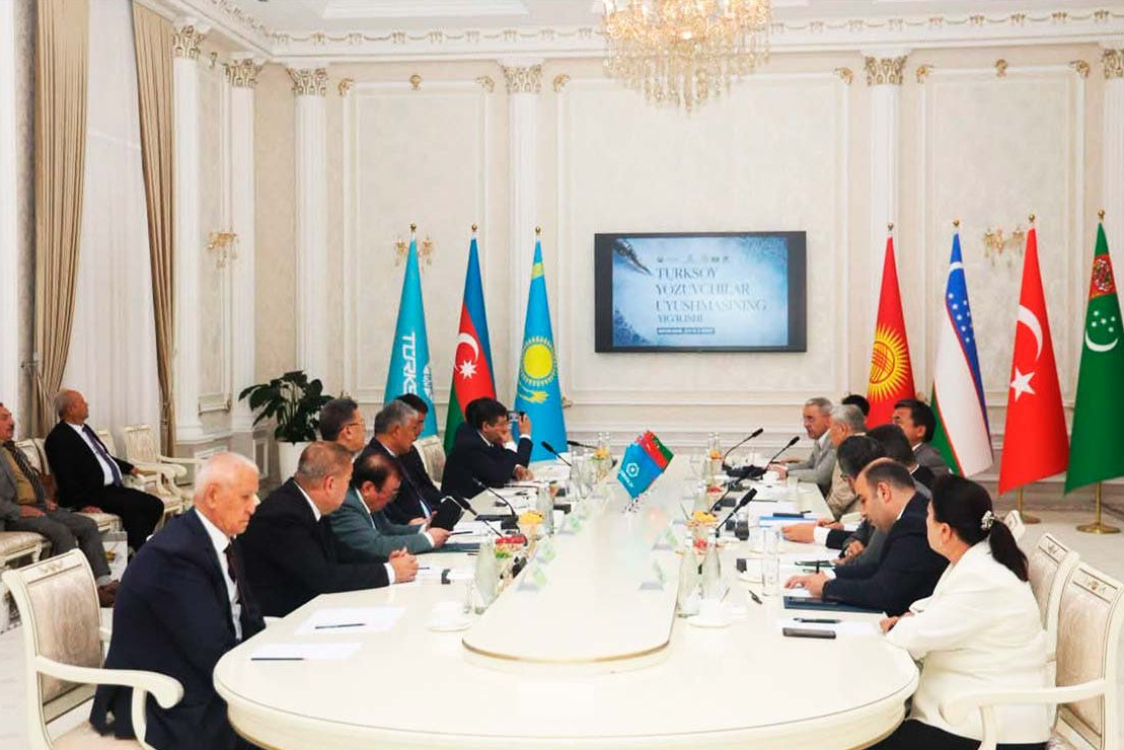
Turkmenistan took part in the TURKSOY writers’ meeting
30.08.2026A meeting of writers and poets from the member states of the International Organisation of Turkic Culture (TÜRKSOY) took place in the city of Andijan. Turkmenistan was represented by Akmyrat Rejepov, Deputy Head of the Department for Creative Workers at the Ministry of Culture of Turkmenistan, according to the press office of the Ministry of Culture of Turkmenistan. The event, organised by TURKSOY, the Ministry of Culture of the Republic of Uzbekistan, the Authors’ Association of Uzbekistan and the Andijan Regional Administration, took place as part of the designation of the city of Andijan as the ‘Cultural Capital of the Turkic World’ for 2026. Participants discussed the creation of a common digital literary platform for the Turkic world, an electronic library and an information system on writers. Issues relating to the preservation and translation of literary heritage, joint participation in book fairs and festivals, as well as the organisation of festivals for young poets and a literary forum, were also considered. On the same day, a conference dedicated to the literary heritage of Ziya Gokalp was held at the Andijan State Medical Institute. The event was organised as part of TURKSOY’s declaration of 2026 as the ‘Year of Ziya Gokalp’. Following the events, several participants were presented with letters of appreciation from the Authors’ Association of Uzbekistan.
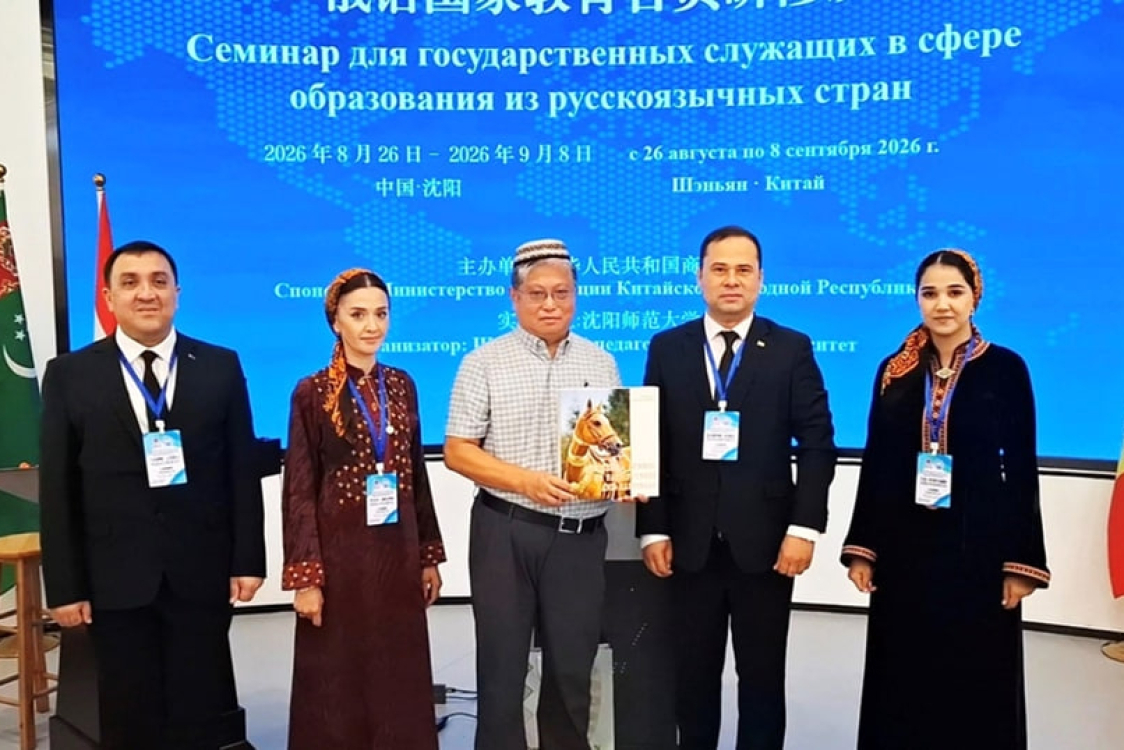
Representatives from Turkmenistan are taking part in an international seminar in China
30.08.2026From 26 August to 8 September 2026, Shenyang Normal University (PRC) is hosting an international seminar for civil servants in the education sector from Russian-speaking countries, with representatives from Turkmenistan taking part. This was reported by the press office of the Ministry of Education of Turkmenistan. The programme focuses on China’s experience in education management, reform and digitalisation. Participants are studying issues relating to the modernisation of university management, the development of leadership skills, intercultural communication and the concept of the ‘smart campus’. The programme also includes work placements at educational institutions in Liaoning Province, a visit to Xiamen University and the Shenzhen Innovation Centre. Participants are learning about the practice of collaboration between science, education and industry, as well as support mechanisms for technology start-ups.
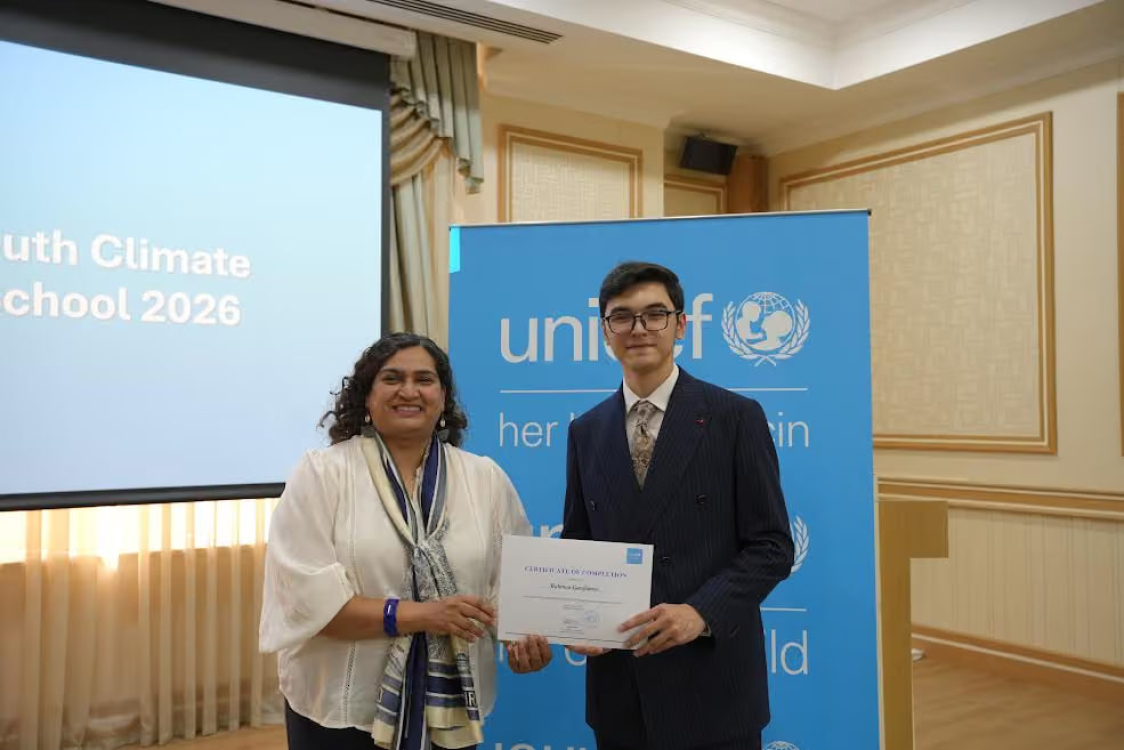
The UNICEF Youth Summer School has come to an end in Turkmenistan
30.08.2026The second UNICEF Youth Summer School on climate change has come to a close in Turkmenistan. Thirty-three young representatives from all the velayats of the country took part. The event was held as part of the Joint Work Plan for 2026 between the Ministry of Education of Turkmenistan and UNICEF, according to IIC of Turkmenistan. Participants took part in interactive sessions and practical workshops, and visited the Kopetdag State Nature Reserve and the private enterprise ‘Tudana’. As a result, they developed initiatives for their local communities. The main outcome of the School was the drafting of a National Youth Statement from Turkmenistan for the 31st Conference of the Parties to the United Nations Framework Convention on Climate Change (COP 31), which will take place from 9 to 20 November this year. The draft document will be discussed amongst young people across all regions of the country, after which it will be submitted to YOUNGO – the official youth group of the UNFCCC.
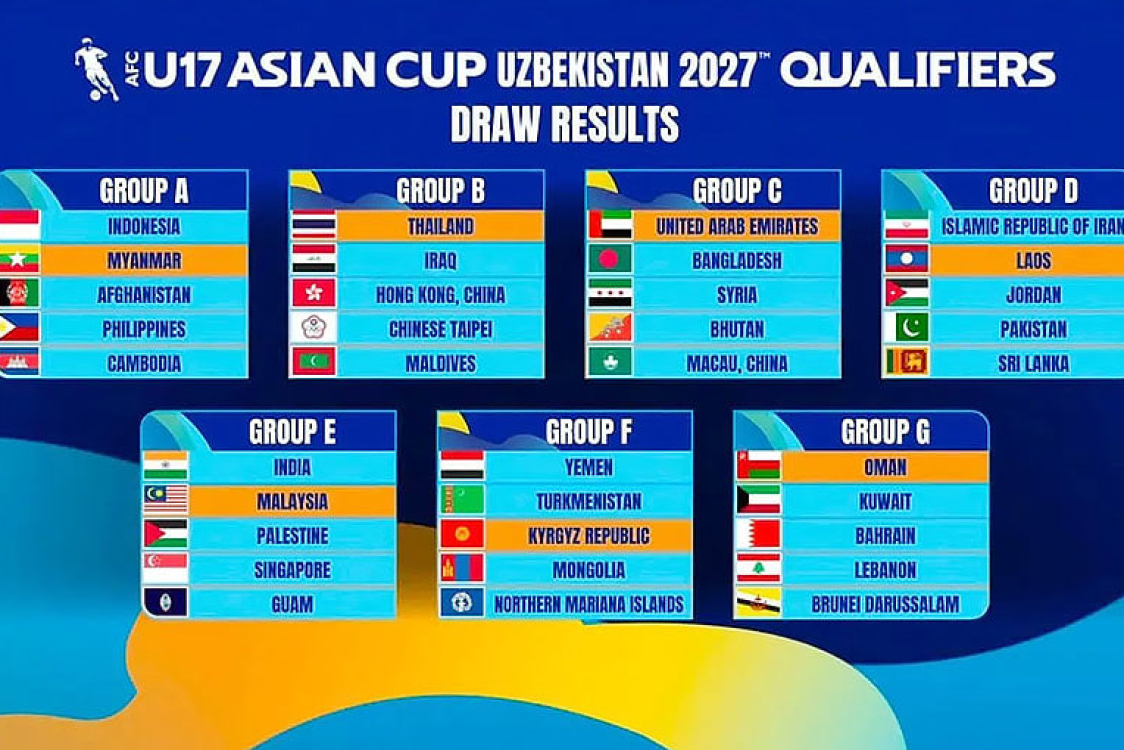
The Turkmenistan national team has learnt its opponents for the 2027 AFC U-17 Asian Cup qualifiers
30.08.2026Turkmenistan’s U17 national team will compete in Group F of the 2027 AFC Cup qualifiers alongside teams from Yemen, Kyrgyzstan, Mongolia and the Northern Mariana Islands. The draw took place at the Asian Football Confederation headquarters in Kuala Lumpur, according to the news agency ‘Turkmenistan: Golden age’. A total of 35 national teams will compete in the qualifiers, divided into seven groups. Group F matches will be played in Bishkek from 8 to 20 November 2026 in a single round-robin format. On 8 November, Turkmenistan will face Kyrgyzstan, on 14 November – Mongolia, and on 17 November – the Northern Mariana Islands. The final match against Yemen will take place on 20 November. The winners of the seven groups will qualify for the U-17 Asian Cup finals, which will be held in Uzbekistan from 12 to 29 May 2027. They will be joined by nine teams that have automatically qualified following the 2026 FIFA U-17 World Cup in Qatar: Australia, China, Japan, the Republic of Korea, Qatar, Saudi Arabia, Tajikistan, Uzbekistan and Vietnam. The Turkmenistan U17 national team is being prepared for the tournament by a coaching staff led by Azat Muhadov. In April, the team finished fourth at the Central Asian Football Association Championship (CAFA-2026) in Uzbekistan.

Turkmenistan is preparing for an exhibition showcasing its economic achievements
30.08.2026On 28 August, at a meeting, the Deputy Chairman of the Cabinet of Ministers, N. Atagulyev, reported on preparations for an exhibition showcasing Turkmenistan’s economic achievements, timed to coincide with the 35th anniversary of the country’s independence. This was reported by the news agency TDH. Preparations are currently under way to organise and stage the exhibition. The exhibition will showcase Turkmenistan’s achievements since independence and the reforms undertaken in various sectors. Having heard the report, the President of Turkmenistan, Serdar Berdimuhamedov, instructed that the exhibition should highlight the country’s key achievements and that the exhibition be organised and staged to a high standard.
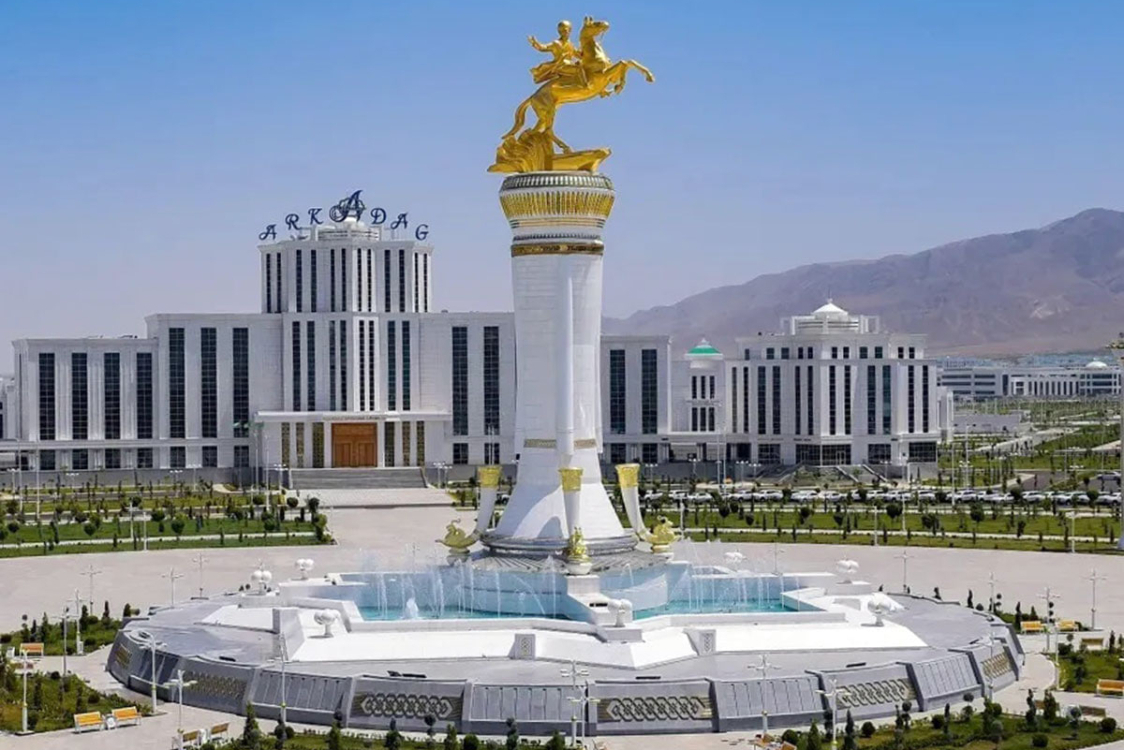
Construction of the second phase of the city of Arkadag is continuing in Turkmenistan
30.08.2026The National Leader of the Turkmen people, Chairman of the Halk Maslahaty of Turkmenistan, Gurbanguly Berdimuhamedov, inspected the progress of construction work on the second phase of projects in the city of Arkadag. This was reported by IIC of Turkmenistan. The working visit began with a tour of the new museum complex next to the Grand Mosque. The exhibition will be presented in digital format, utilising 3D graphics and artificial intelligence technologies. The multimedia system is designed to support the Turkmen, Russian and English languages. The Hero Arkadag was also presented with plans for a nursery school and a secondary school offering in-depth foreign language studies. The design of the buildings incorporates a blend of modern solutions and traditional architectural elements. Gurbanguly Berdimuhamedov then visited the International Ahal-Teke Equestrian Complex, where renovation work is ongoing. The racecourses are to be refurbished using special natural soil. Plans also include new evening lighting for the racecourse and improvements to the social infrastructure of the Aba Annayev Horse Breeders’ Settlement. In the complex’s indoor riding arena, the National Leader of the Turkmen people visited the racehorse Hanbeg and went for a ride. Finally, plans were presented for the expansion of ‘Ahalteke atlary’ Avenue. Along the route, there are plans to create a park area and install sculptural compositions depicting Ahal-Teke racehorses.
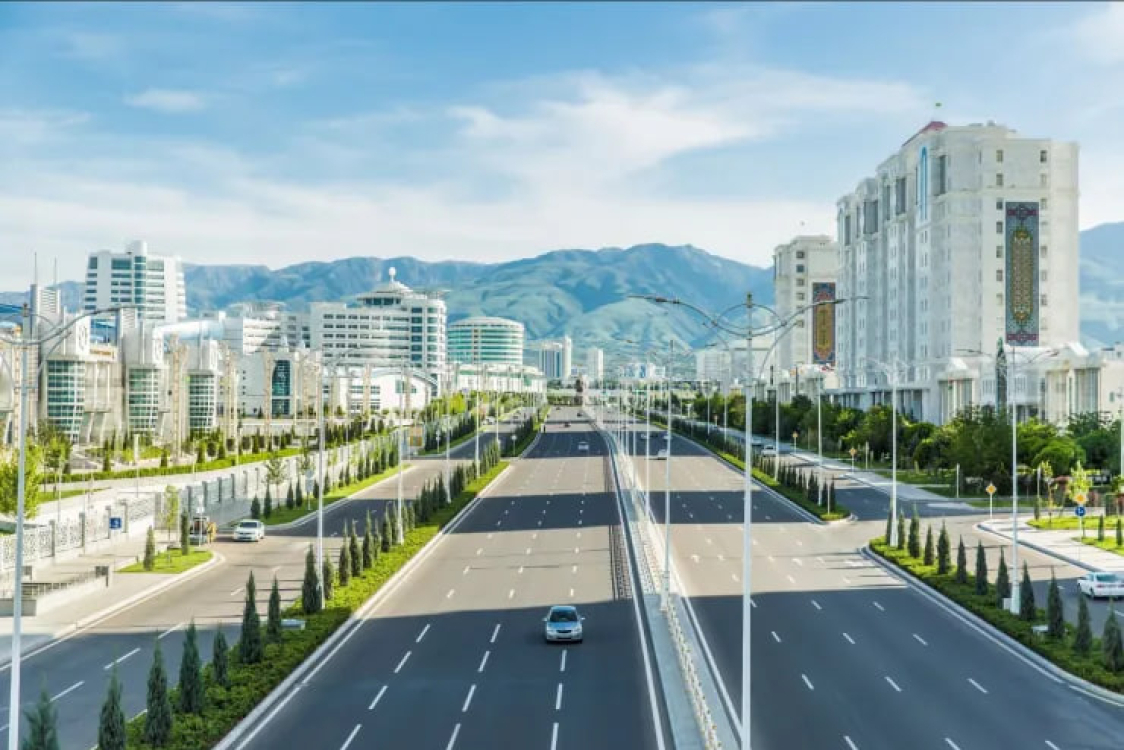
The 111th meeting of the CIS Economic Council will take place in Ashgabat
29.08.2026The 111th meeting of the Economic Council of the Commonwealth of Independent States is to be held in Ashgabat this September. Preparations for the event were discussed on 28 August at a meeting of the Cabinet of Ministers of Turkmenistan. According to the news agency TDH, Deputy Chairman of the Cabinet of Ministers H. Geldimyradov reported on the current preparatory work. According to the Deputy Prime Minister, the meeting in a restricted format is scheduled to consider issues of economic cooperation among CIS countries, the implementation of the Transport Security Strategy for 2026–2030, and the organisation of the next meeting of the Economic Council. In addition, in an expanded format, participants will discuss the activities of the Interstate Council on Standardisation, Metrology and Certification for 2023–2026, as well as draft proposals for a Concept for the Development of Cooperation in the Production of Advanced Materials for High-Tech Industries and a Plan for its implementation. Having heard the report, the President of Turkmenistan, Serdar Berdimuhamedov, instructed that appropriate preparations be made for the meeting in Ashgabat.
Read also
Advertising



 Read us in Zen


