

News
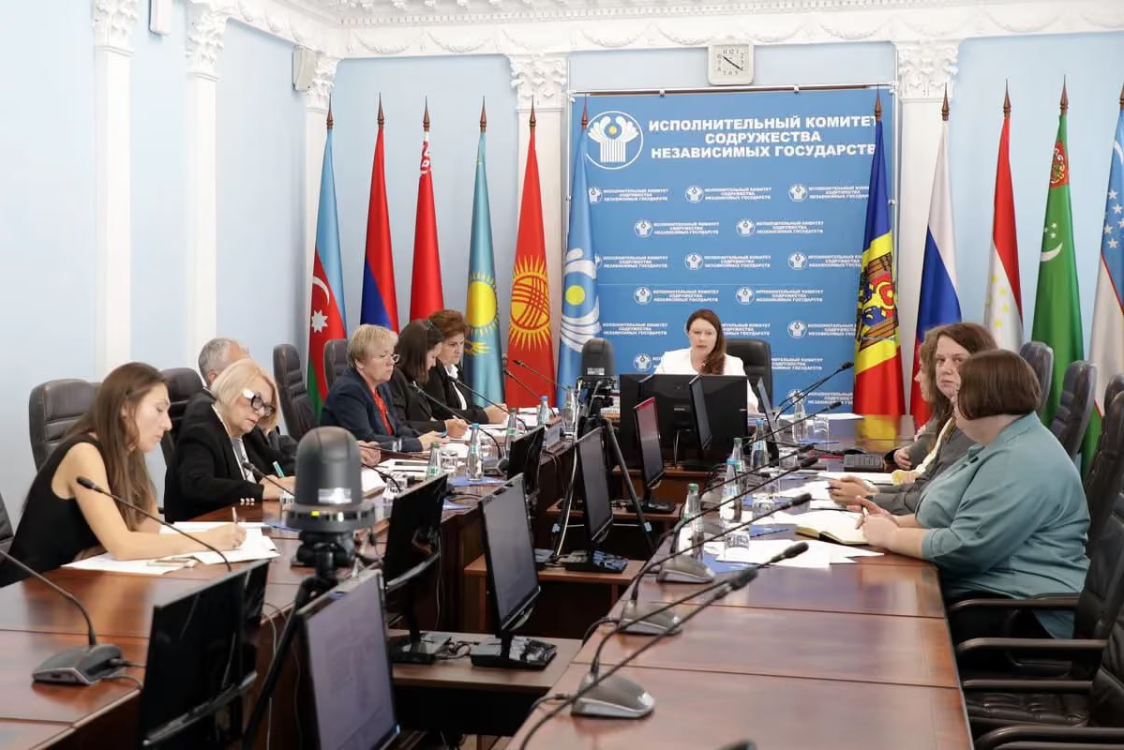
The resolution on the CIS Year of Social Development is to be presented in Turkmenistan
03.09.2026A meeting of the Working Group of the Advisory Council on Labour, Employment and Social Protection of the Population of the CIS Member States took place in Minsk. Chaired by the Kyrgyz Republic, experts discussed proposals for the draft Action Plan for the preparation and implementation of the Year of Social Development and Quality of Life in 2028, according to IIC of Turkmenistan. Delegations from Turkmenistan, Azerbaijan, Armenia, Belarus, Kazakhstan, Kyrgyzstan, Russia, Tajikistan and Uzbekistan took part in the discussion, as well as representatives of the CIS Executive Committee, the Interparliamentary Assembly, the Interstate Statistical Committee, trade unions and veterans’ organisations. Following consideration of the comments, the necessary additions and clarifications were made to the draft document. Coordination of the Plan will continue with the involvement of the Commonwealth’s grassroots organisations and civil society bodies. The next round of negotiations will take place in September, chaired by the Belarusian side. The final draft Resolution on declaring 2028 the Year of Social Development and Quality of Life is scheduled to be submitted for consideration by the Council of Heads of State of the CIS on 9 October in Turkmenistan. The initiative of the Kyrgyz Republic is designed to strengthen the socio-demographic potential of the region’s countries, boost employment and improve citizens’ quality of life.
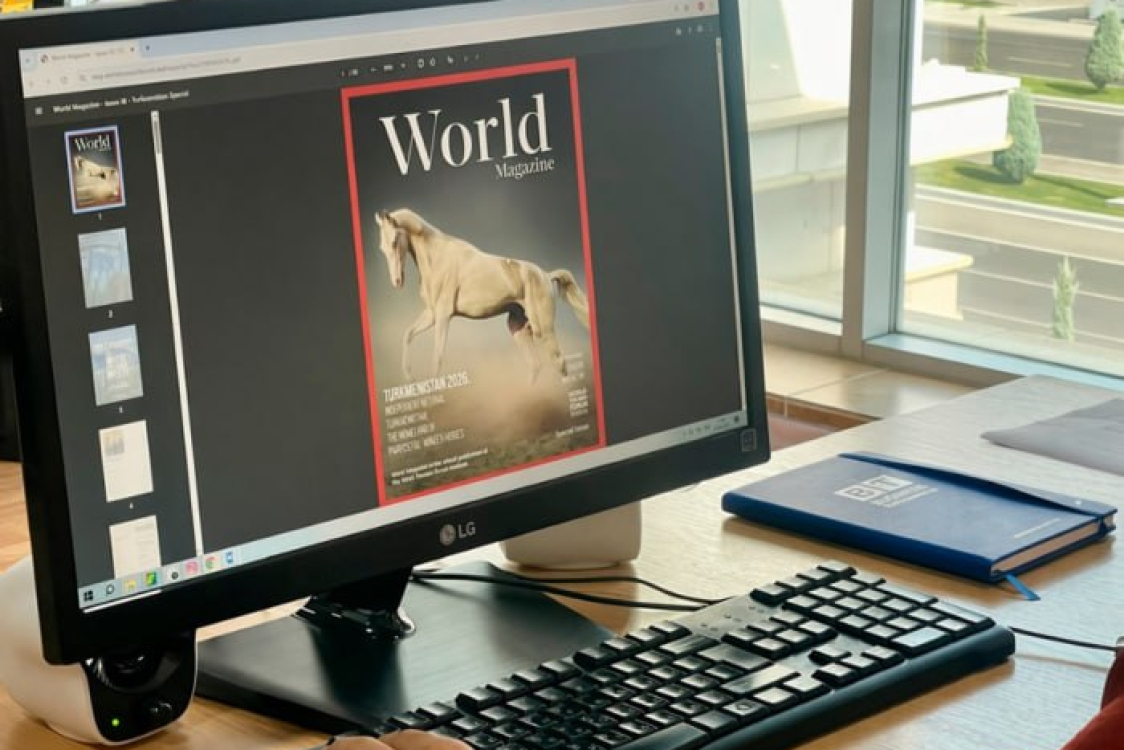
‘World Magazine’ has dedicated a special issue to Turkmenistan
03.09.2026A special issue of the international travel magazine ‘World Magazine’ is entirely devoted to Turkmenistan. Issue 18 of the official publication of the World Tourism Forum Institute comprises 60 pages featuring articles on the country’s cultural heritage, its economy, tourism opportunities and Turkmenistan’s role as a transit transport hub in Eurasia, according to the online publication ‘Business Turkmenistan’. The issue is entitled ‘Turkmenistan 2026: Independent Neutral Turkmenistan, the Homeland of Purposeful Winged Horses’ and marks the 35th anniversary of the country’s independence. The cover features a photograph of an Ahal-Teke racehorse. The articles in this issue cover Turkmenistan’s status of permanent neutrality, its role in the Caspian Sea, the Turkmenbashi International Seaport, the country’s economic development and its tourism potential. Particular attention is paid to Ahal-Teke horses, the Turkmen Alabay, the literary legacy of Magtymguly Pyragy, and historical and cultural monuments. The magazine also features Ashgabat, the Darwaza gas crater, the Yangykala Canyon and the ‘Awaza’ national tourist zone on the Caspian coast, whilst exploring the country’s tourism and investment opportunities. ‘World Magazine’ is the official publication of the World Tourism Forum Institute; it is not available for sale and is distributed for informational purposes, covering current issues in the development of global tourism, industry trends and investment.
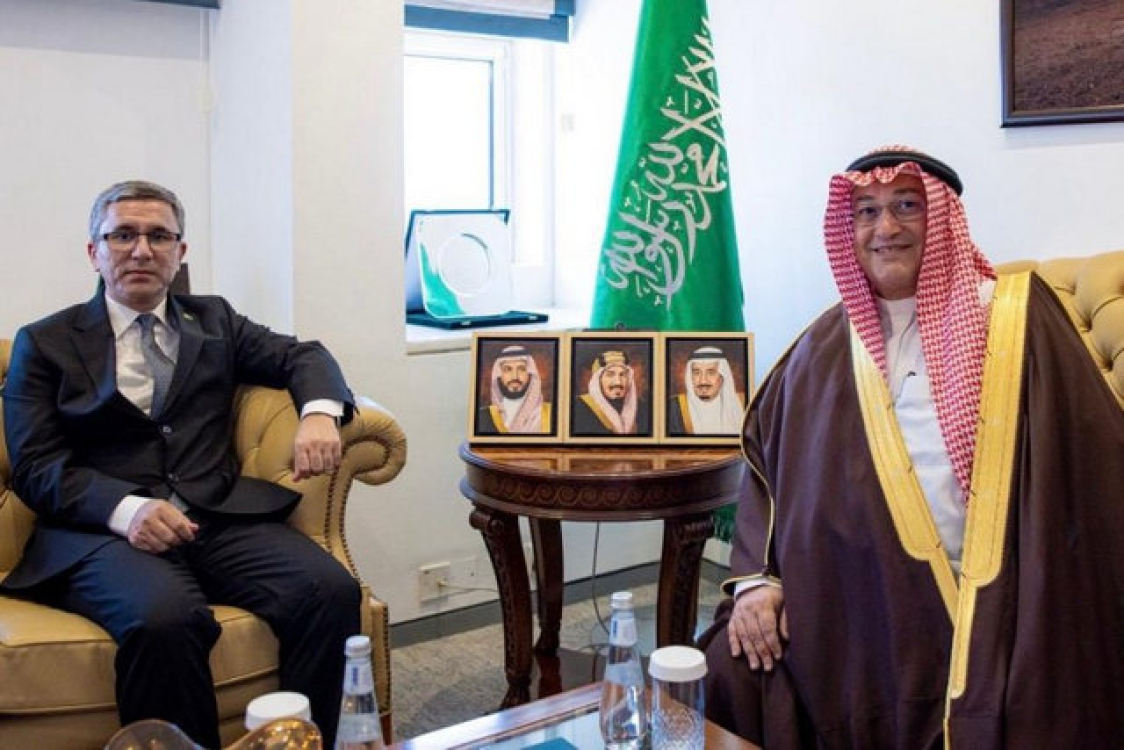
The Turkmenistan Ambassador held a meeting with the Deputy Foreign Affairs Minister of Saudi Arabia
02.09.2026On 31 August 2026, Muhammetgeldi Ayazov, Ambassador Extraordinary and Plenipotentiary of Turkmenistan to the Kingdom of Saudi Arabia, met with Dr Raed bin Khaled Qarmali, Deputy Foreign Affairs Minister of the Kingdom of Saudi Arabia for Public Diplomacy. This was reported by the press office of the Turkmen diplomatic mission. The parties discussed the further strengthening of political, cultural, scientific, educational and humanitarian ties. The Ambassador of Turkmenistan was briefed on the implementation of the ‘Vision 2030’ programme, aimed at developing the country’s economic and social sectors. Particular attention was paid to cooperation between higher education institutions. M. Ayazov proposed expanding cooperation, including through the signing of a Memorandum of Understanding and other documents. The importance of exchanging experience, training students and organising joint scientific conferences and exhibitions was also highlighted.
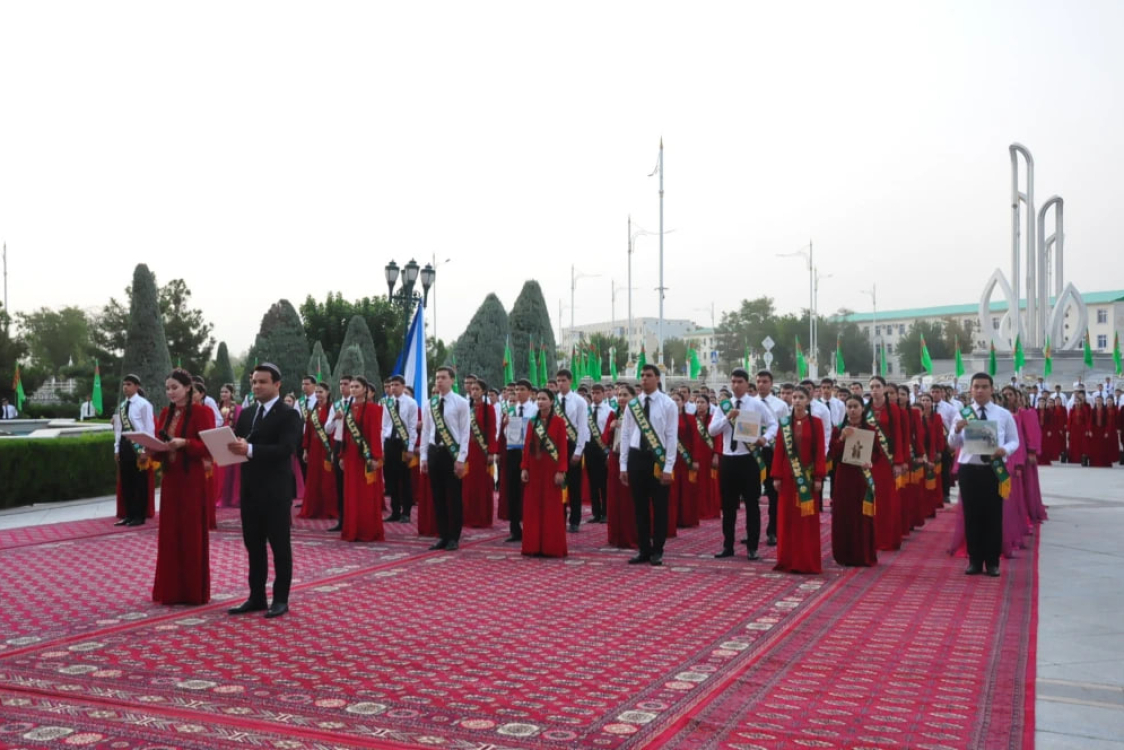
The IIR of the MFA of Turkmenistan celebrated the Day of Knowledge and Student Youth
02.09.2026On 1 September 2026, the Institute of International Relations of the Ministry of Foreign Affairs of Turkmenistan hosted a festive musical celebration entitled ‘Independent Neutral Turkmenistan − the Homeland of Purposeful Winged Horses’, dedicated to Knowledge and Student Youth Day, as well as the start of the 2026–2027 academic year. This was reported by the press office of the university. The event was attended by the Deputy Chairman of the Cabinet of Ministers of Turkmenistan, the Foreign Affairs Minister R. Meredov, the institute’s academic staff, students and representatives of the country’s diplomatic service. Following the performance of the National Anthem of Turkmenistan, R. Meredov read out a message of congratulations from the President of Turkmenistan, Serdar Berdimuhamedov, on the occasion of Knowledge and Student Youth Day. The message highlighted the importance of science and education in the country’s development, as well as the need to nurture an educated and patriotic youth proficient in modern technologies. The younger generation was called upon to contribute to strengthening the country’s scientific and educational potential. Congratulatory speeches were delivered by G. Yusupova, Rector of the Institute of International Relations of the Ministry of Foreign Affairs of Turkmenistan, and Chary Niyazov, Associate Professor of the Department of International Relations and Diplomacy at the Institute, Ambassador Extraordinary and Plenipotentiary of Turkmenistan and Candidate of Technical Sciences. The first-year students presented a literary and musical performance. They were presented with their student ID cards and a symbolic key to knowledge. After the first bell rang, the students began their first lesson of the new academic year on the topic ‘Independent Neutral Turkmenistan − the Homeland of Purposeful Winged Horses’. The participants discussed the country’s achievements since independence, the principles of neutrality and the challenges facing the younger generation.
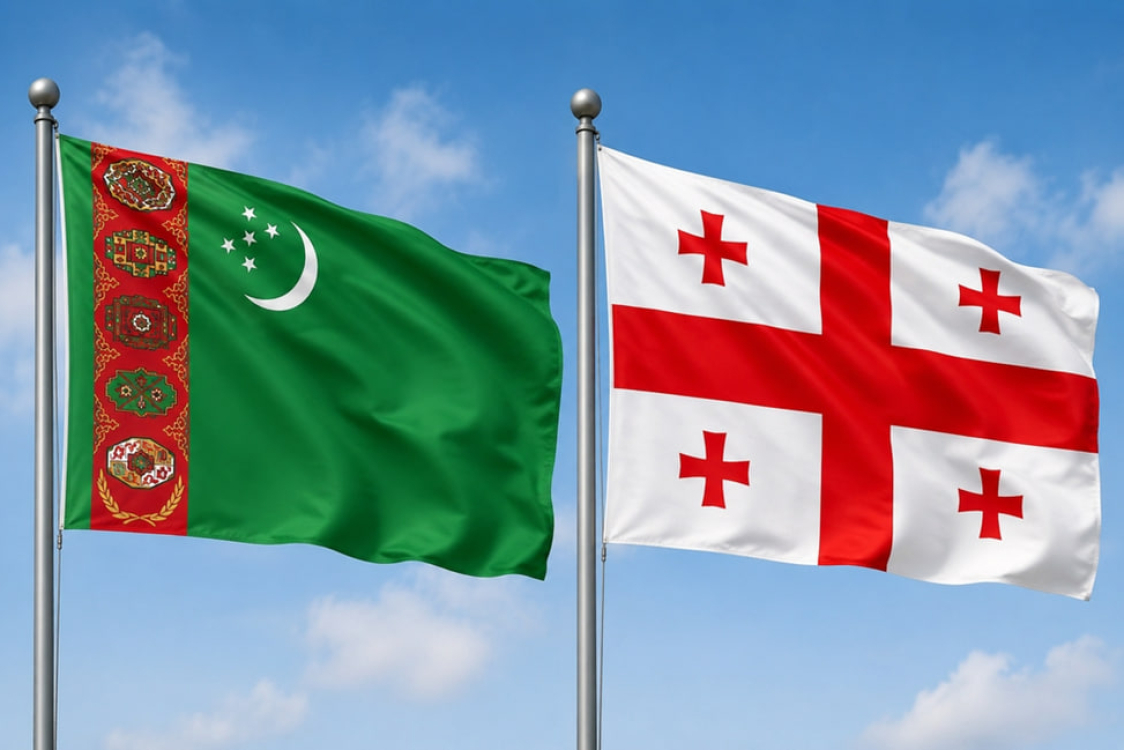
Turkmenistan and Georgia discussed new projects in education and science
02.09.2026On 1 September 2026, a meeting took place at the building of the Cabinet of Ministers of Turkmenistan between Batyr Mammedov, Deputy Chairman of the Cabinet of Ministers of Turkmenistan, and Givi Mikanadze, Minister of Education, Science and Youth of Georgia. This was reported by the press office of the Ministry of Education of Turkmenistan. The parties discussed the development of cooperation in the fields of education, science and youth policy. In particular, they discussed direct links between educational and scientific institutions, academic mobility, joint programmes, and exchanges of lecturers and students. During the meeting, the Turkmen side presented the reforms currently being implemented in the field of education, including the introduction of digital technologies and artificial intelligence, the development of scientific research, and the strengthening of links between education, industry and the labour market. The Georgian side proposed expanding study opportunities for Turkmen students at Georgian universities, holding an education fair in Turkmenistan involving Georgian universities, supporting joint research projects and exploring the possibility of opening a branch of one of Georgia’s higher education institutions in Turkmenistan. Discussions also covered joint summer camps, student exchanges, meetings of young researchers, and joint educational, scientific and innovation projects. Particular attention was paid to the establishment of a Turkmen-Georgian Working Group on cooperation in the field of education. It will operate at the level of the two countries’ deputy ministers of education and coordinate the implementation of joint initiatives. Following the meeting, the parties confirmed their readiness to expand cooperation in the fields of education, science and youth policy and to implement specific joint projects.
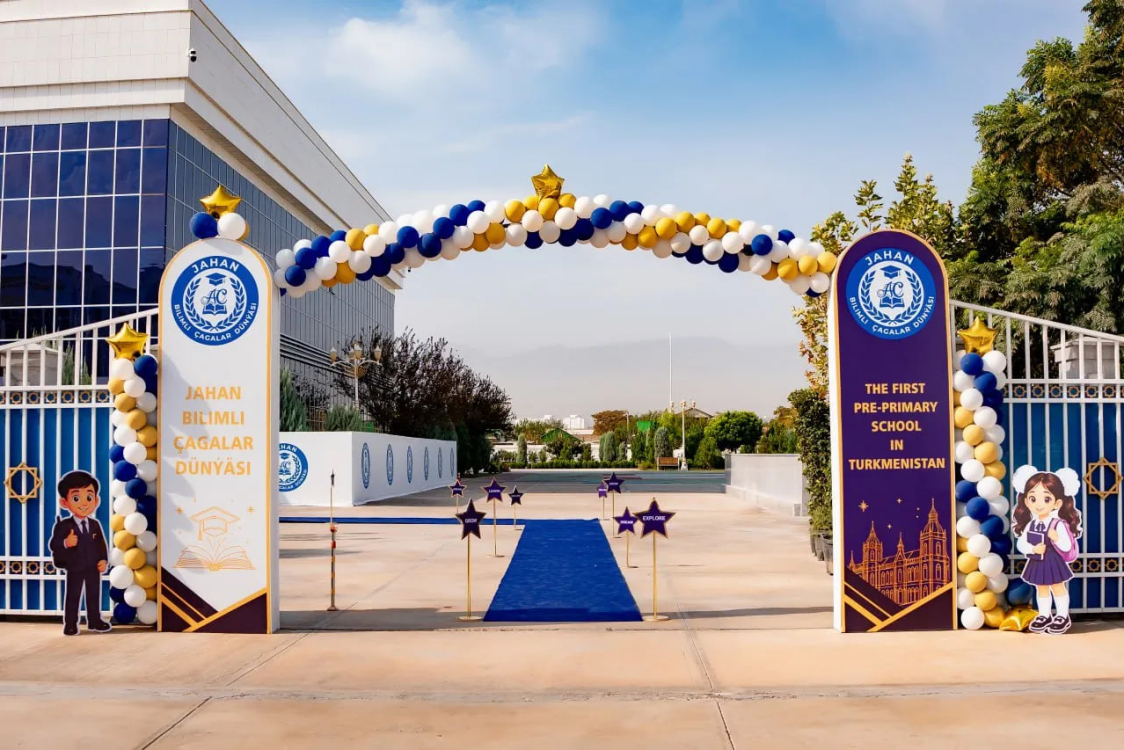
An international school for pre-school children has opened in Ashgabat
02.09.2026On 1 September, the ‘Jahan Bilimli Çagalar Dünýäsi’ international preparatory school for children aged 4 to 6 was officially opened in Ashgabat. The school’s educational programme is based on modern international standards, according to the news website Turkmenportal. The ceremony was attended by the school’s headteacher, M. Kakabayeva, and Steve King, Head of the ‘Partnership in Education’ division (covering Europe, Central Asia and the Americas) at the University of Cambridge’s Press & Assessment organisation. One of the school’s key focuses is teaching in English. Lessons are delivered by native-speaking teachers with international experience, working in accordance with the Early Education Pathway standards. The programme includes play-based and practical activities, as well as creative and research projects. It is designed to develop children’s independence, critical thinking and creative abilities, whilst taking into account the national traditions of Turkmenistan.
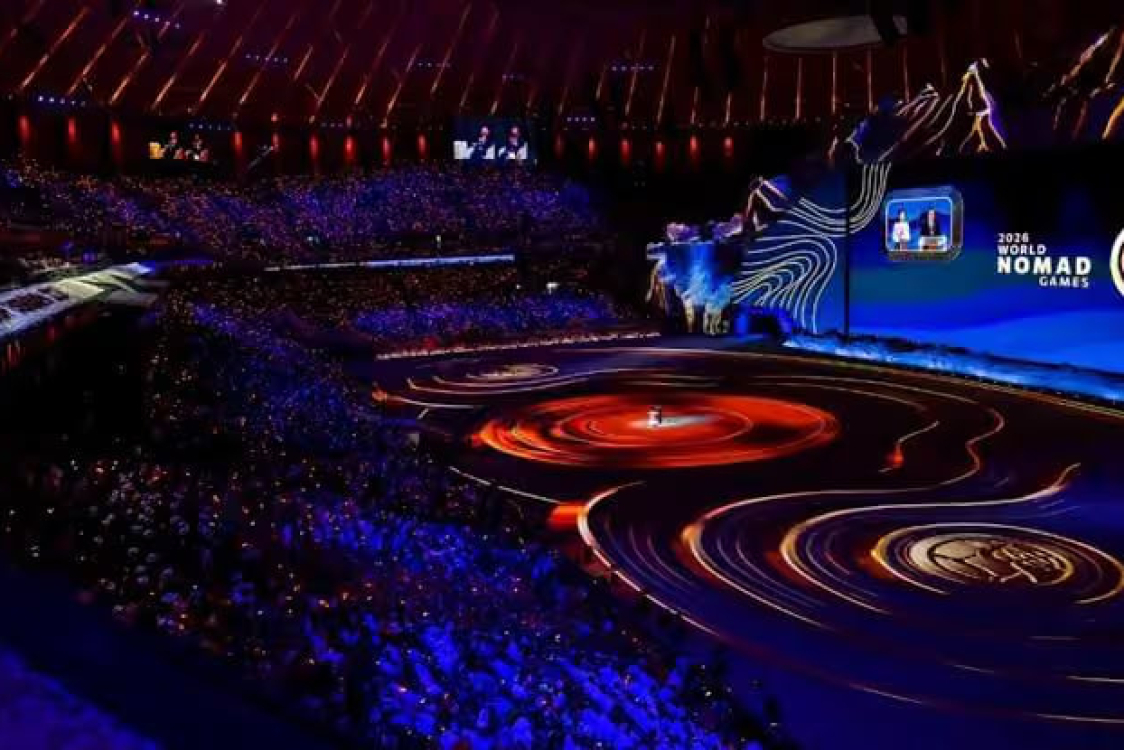
A delegation from Turkmenistan took part in the opening ceremony of the 6th World Nomad Games
02.09.2026A delegation from Turkmenistan took part in the opening ceremony of the 6th World Nomad Games, which took place on 31 August at the ‘Bishkek Arena’ stadium in the capital of Kyrgyzstan. The event is being attended by 2,355 athletes, coaches and officials from 106 countries, according to the IIC of Turkmenistan. The ceremony was attended by the President of Kyrgyzstan, Sadyr Japarov, and high-ranking foreign guests, including leaders of a number of member states and partner countries of the Shanghai Cooperation Organisation. The 6th World Nomad Games are taking place from 31 August to 6 September. The opening and closing ceremonies will be held in Bishkek, whilst the main competitions will take place on the shores of Lake Issyk-Kul. The programme includes more than 40 traditional and national sports, including Turkmen national wrestling.
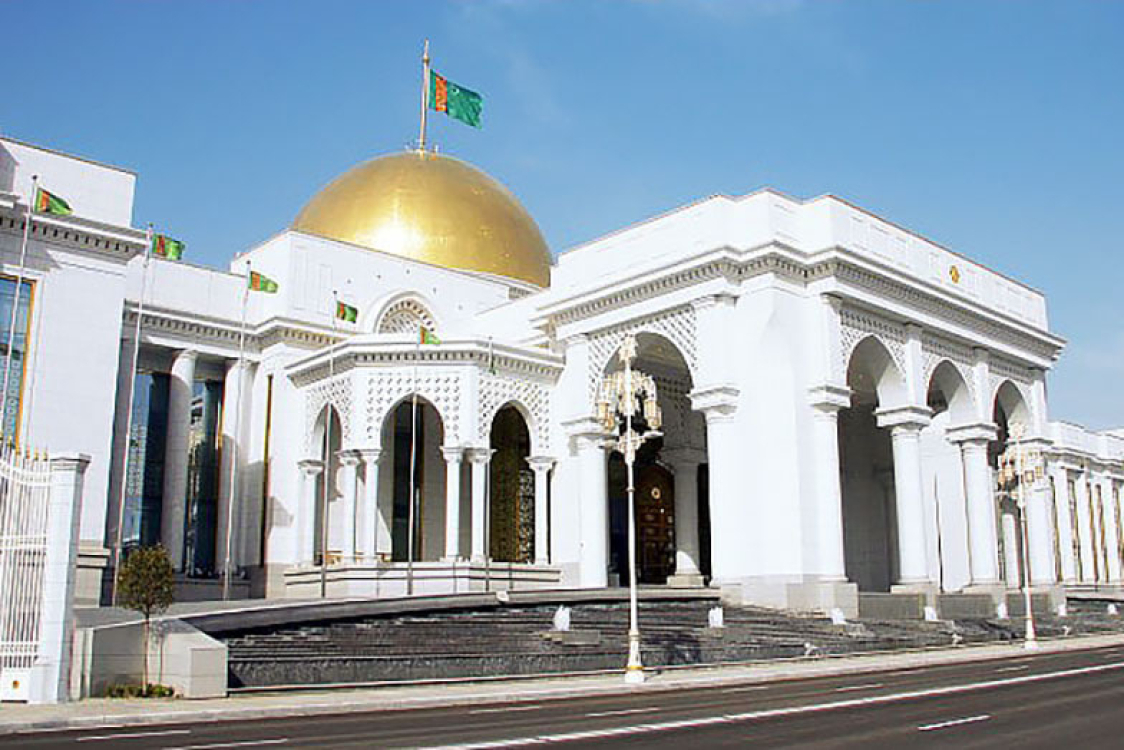
Serdar Berdimuhamedov congratulated the President of Vietnam on Independence Day
02.09.2026President of Turkmenistan Serdar Berdimuhamedov has sent his congratulations to the President of the Socialist Republic of Vietnam, To Lam, on the occasion of the national holiday — Independence Day of the Socialist Republic of Vietnam. This was reported by the news agency TDH. The Head of State wished the President of the Socialist Republic of Vietnam good health, happiness and well-being, and the people of Vietnam peace, progress and prosperity.
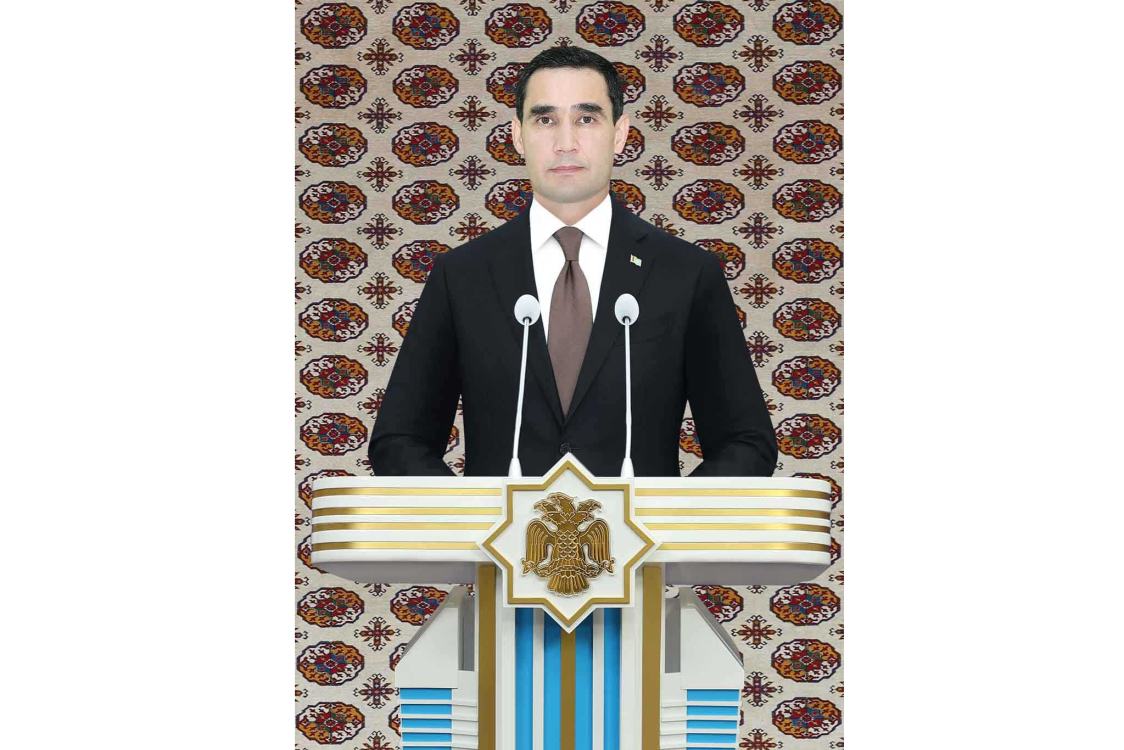
The President of Turkmenistan highlighted the role of education in the country’s development
02.09.2026On 1 September, the President of Turkmenistan, Serdar Berdimuhamedov, addressed the opening ceremony for the new building complexes of the Turkmen State Institute of Architecture and Construction and the Seyitnazar Seydi Turkmen State Pedagogical Institute. This was reported by the online news site AsmanNews. The Head of State congratulated his compatriots, professors, lecturers and students on Knowledge Day and on Student Youth Day, as well as on the opening of the new educational complexes. In his address, the President of Turkmenistan noted that the development of science and education is one of the priorities of state policy. Measures are being implemented in the country to modernise the education system, strengthen its material and technical base, introduce scientific advances, train highly qualified specialists and expand international cooperation. On 1 September, new complexes of higher education institutions were opened in Ashgabat and Turkmenabat. According to the Head of State, modern general education and pre-school institutions are simultaneously being commissioned in the country’s regions. First-year schoolchildren are being presented with ‘Bilimli’ computers. The new complex of the Turkmen State Institute of Architecture and Construction has a capacity of 5,000 students. It comprises a 13-storey main building, eight faculties, 28 departments, a library, a conference hall, a hall of residence with 2,600 places, and two residential blocks, each with 40 flats for teaching staff. The complex of the Seyitnazar Seydi Turkmen State Pedagogical Institute in Turkmenabat also has a capacity of 5,000 places. It comprises a five-storey main building, eight faculties, 22 departments, a conference hall, a library, a hall of residence with 2,000 places, as well as facilities for sporting and cultural events. The President of Turkmenistan emphasised that the new campuses will help train qualified specialists for the construction, industrial and educational sectors. Concluding his speech, the Head of State congratulated the students on the start of the new academic year and wished them every success in their studies, and the teaching staff every success in their work.
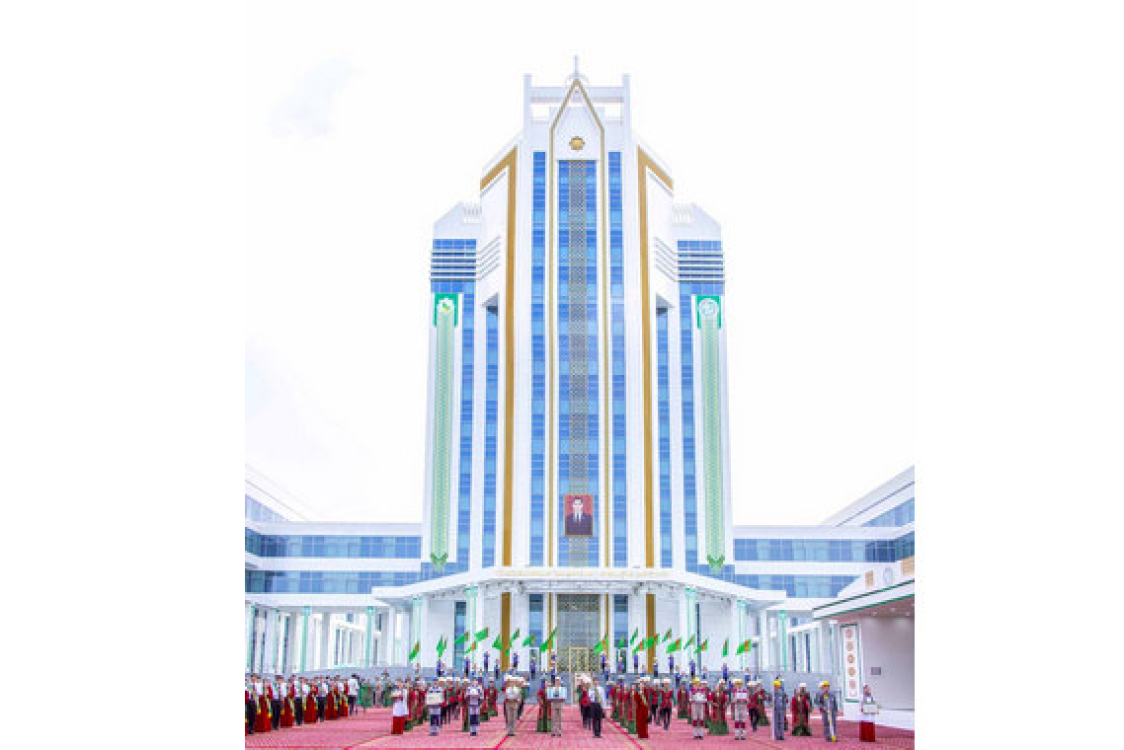
Modern campus complexes at two universities have opened in Turkmenistan
02.09.2026On 1 September, in the presence of President Serdar Berdimuhamedov, the new building complexes of the Turkmen State Institute of Architecture and Construction and the Seyitnazar Seydi Turkmen State Pedagogical Institute were officially opened. The Head of State took part in the opening ceremony of the Turkmen State Pedagogical Institute complex via a digital system. This was reported by the news agency TDH. The new complexes were commissioned on Knowledge and Student Youth Day. Their construction formed part of measures to develop the education system and strengthen its material and technical base. The complex of the Turkmen State Institute of Architecture and Construction in Ashgabat is designed to accommodate 5,000 students. It comprises a 13-storey main building, eight faculties, 28 departments, a library, a conference hall, a hall of residence with 2,600 beds and residential blocks for teaching staff. The total area of the complex is 32.2 hectares. The complex of the Seyitnazar Seydi Turkmen State Pedagogical Institute in Turkmenabat is also designed to accommodate 5,000 students. It comprises a main building and teaching blocks, eight faculties, 22 departments, an assembly hall, a library, a canteen with seating for 1,000 people, six halls of residence with 2,000 places, sports facilities and other amenities. The complex covers an area of approximately 26 hectares. During the ceremony, the President of Turkmenistan noted that the development of the scientific and educational sectors and the training of qualified specialists remain priority areas of state policy. The Head of State familiarised himself with the learning and working conditions provided at the universities. At the Turkmen State Institute of Architecture and Construction, the President of Turkmenistan visited the laboratories of architecture and earthquake-resistant construction, electromechanics and general chemical technology, where he was shown modern equipment for research and the practical training of students. Serdar Berdimuhamedov also signed the guest book at the Turkmen State Institute of Architecture and Construction and the Seyitnazar Seydi Turkmen State Pedagogical Institute. In addition, a ceremony was held to present international certificates to the Turkmen State Institute of Architecture and Construction and the Turkmen State Pedagogical Institute named after Seyitnazar Seydi. The Institute of Architecture and Construction received certificates of compliance with five international ISO standards, as well as UNDP certificates in the fields of energy efficiency, water conservation and sustainable development. Furthermore, the university was awarded a ‘Certiport Authorised Testing Centre’ certificate confirming the establishment of an international examination centre. The Seyitnazar Seydi Turkmen State Pedagogical Institute was presented with certificates from the Naberezhnye Chelny State Pedagogical University of the Russian Federation, the ‘Contribution to the Future’ Charitable Foundation, the United Nations Children’s Fund, as well as a letter of appreciation from the UNESCO Institute for Information Technologies in Education and a certificate of membership in the UNESCO International Association of Universities. At the conclusion of the ceremonies, both universities were presented with car keys. Festive sadaqah ceremonies were held to mark the commissioning of the new complexes.
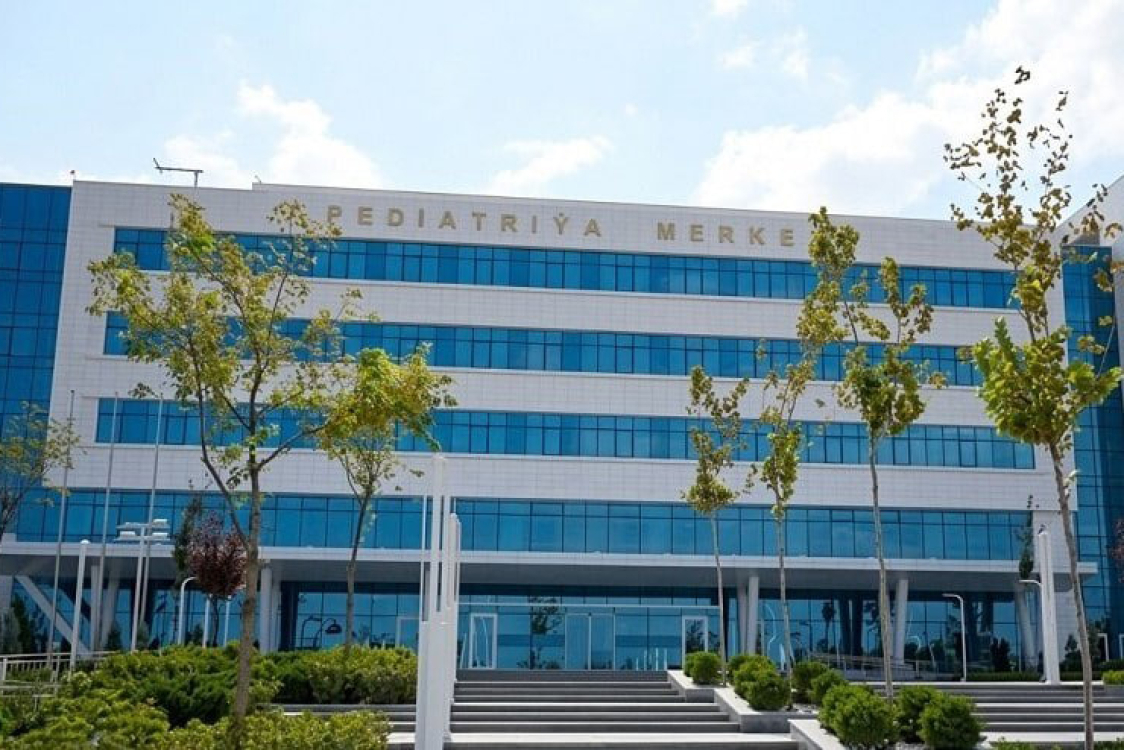
The International Paediatric Centre is preparing to open
02.09.2026Construction of the International Paediatric Centre in the southern part of Ashgabat is nearing completion. President Serdar Berdimuhamedov recently inspected the progress of work at the site. This was reported by the news agency ‘Turkmenistan: Golden age’. The five-storey medical complex is designed to provide highly specialised care for children over the age of three. Its opening is scheduled to coincide with the 35th anniversary of Turkmenistan’s independence and will be timed to mark Healthcare and Medical Industry Workers’ Day. The centre will collaborate with leading foreign clinics. President Serdar Berdimuhamedov highlighted the centre’s importance for the development of paediatric medicine. The centre is equipped with state-of-the-art facilities for diagnosis, treatment and high-tech therapy, as well as the integration of digital solutions and artificial intelligence. The consultation area has been designed with the specific needs of child psychology in mind. The diagnostics department is equipped with systems for functional and radiological diagnostics, endoscopic equipment and AI-based data processing technologies. The therapeutic department has equipment for digital radiography and intensive care. The operating theatre and intensive care unit are designed to enable online data exchange between departments. The post-operative wards are equipped in accordance with infection control requirements. The hospital provides facilities for children to stay round the clock, and there is a playground on the premises. Particular attention is paid to hygiene and sanitation standards, sterility, cleanliness and effective ventilation of the premises.
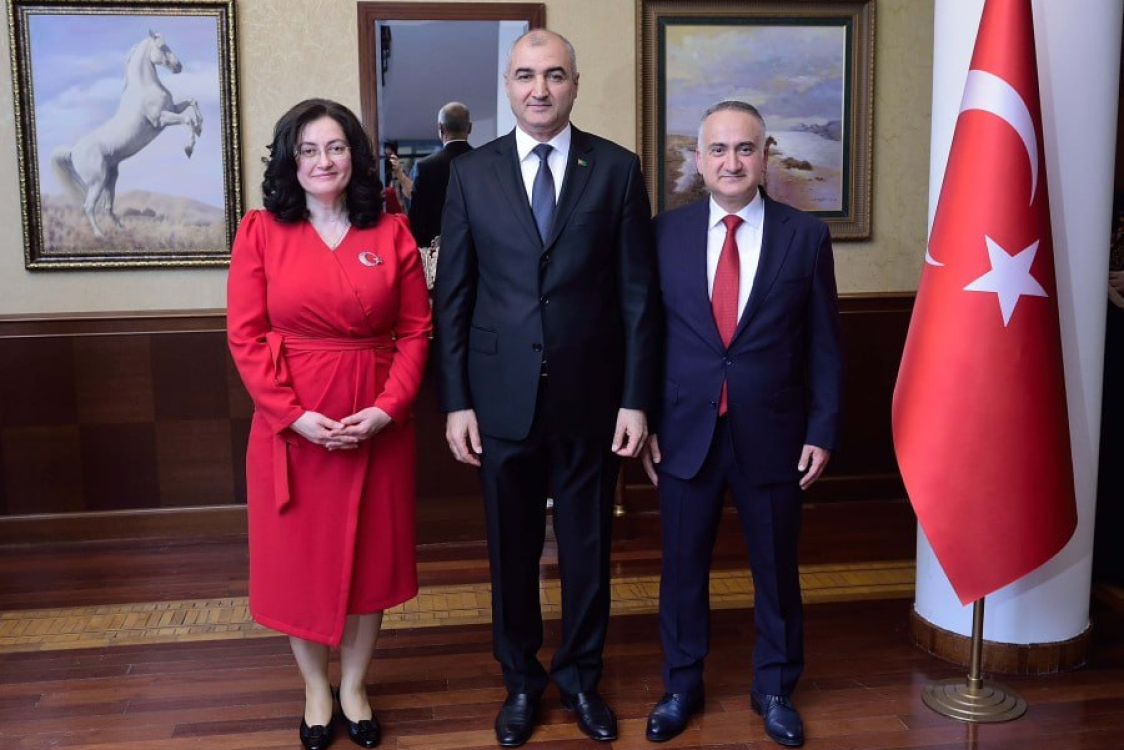
Ashgabat marked the 104th anniversary of Victory Day in Turkey
02.09.2026On 31 August in Ashgabat, the Embassy of the Republic of Turkey in Turkmenistan organised a formal reception to mark the 104th anniversary of Victory Day, which is celebrated on 30 August. The event was attended by members of the diplomatic corps and officials, including Turkmenistan’s Deputy Foreign Affairs Minister, Ahmet Gurbanov, according to the Orient news agency. Shener Cebeci, Ambassador Extraordinary and Plenipotentiary of the Republic of Turkey to Turkmenistan, delivered a welcoming speech. He noted that the reception was his first event in his capacity as Head of the diplomatic mission: ‘I welcome you to our event, organised in honour of the 104th anniversary of Victory Day — one of the most significant chapters in the struggle for the independence and freedom of the Republic of Turkey. As the Turkish Ambassador, having recently taken up my duties in our ancestral homeland – Turkmenistan – I am honoured, together with my wife, to welcome you to this reception.’ The Ambassador also expressed his condolences regarding the shipwreck off the coast of Kyrenia, which occurred the previous day and resulted in the loss of life. He read out a festive message from the President of the Republic of Turkey, Recep Tayyip Erdogan, which emphasised the significance of 30 August as the date that cemented the independence of the Turkish people and marked the beginning of the development of the modern state. Speaking on behalf of the Turkmen side, Ahmet Gurbanov congratulated the Turkish people on their national holiday and welcomed the new Ambassador at the start of his mission in Turkmenistan. He described Victory Day as a holiday that unites those who serve their country and care for its security and prosperity. A. Gurbanov discussed in detail the state of Turkmen-Turkish relations, which he described as multifaceted and strategic. He recalled the visit of the National Leader of the Turkmen people, Chairman of the Halk Maslahaty of Turkmenistan Gurbanguly Berdimuhamedov, to the Republic of Turkey in March 2024 and the visit by the President of Turkey, Recep Tayyip Erdogan, to Turkmenistan in December 2025, describing them as the foundation of a robust political dialogue between the two countries. Speaking on economic cooperation, the Deputy Minister noted the steady growth in trade between the countries and the activities of Turkish companies in various sectors of the Turkmen economy. He also emphasised the importance of cultural and humanitarian ties, including the organisation of reciprocal Culture Days and joint exhibitions. A. Gurbanov expressed his confidence that Turkmen-Turkish relations would continue to develop dynamically with the support of the leadership of both countries.
Read also
Advertising

 Read us in Zen


