


News
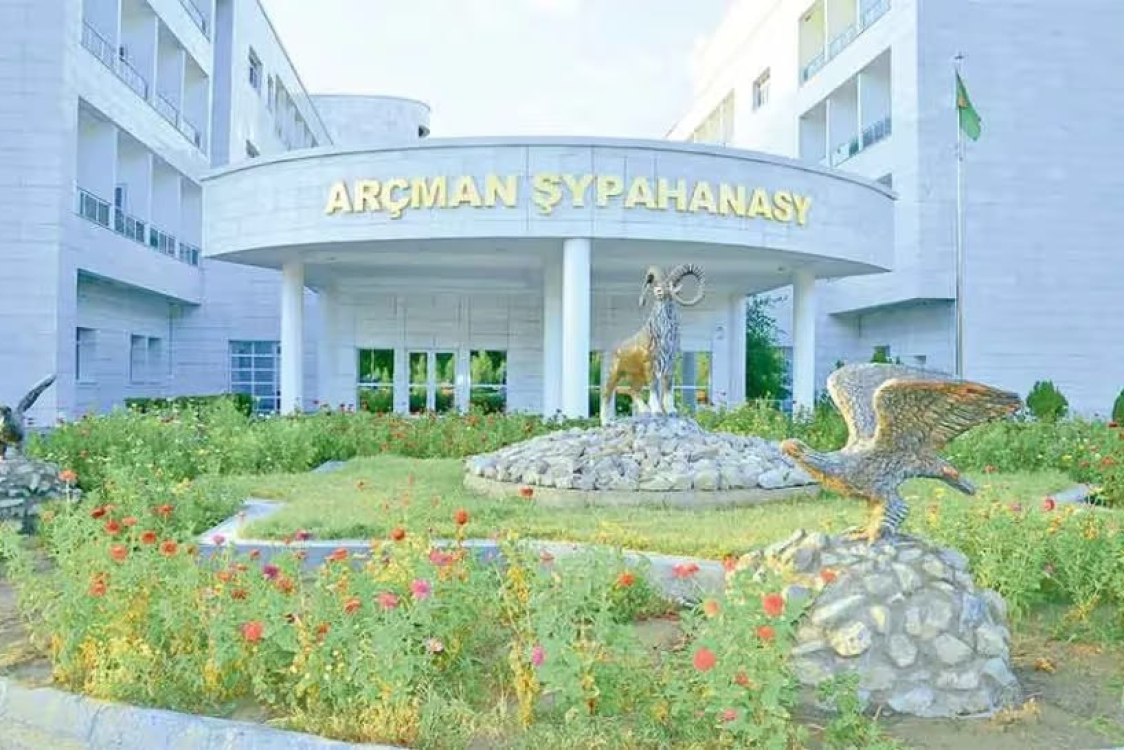
Experts from China visited Turkmenistan’s leading health resorts
17.04.2026A Chinese delegation led by Tang Zhishu, Rector of Beijing University of Chinese Medicine, visited the ‘Arçman’ and ‘Ýyly Suw’ health resorts in Turkmenistan, as well as the Kow Ata underground lake. This was reported by the news website Turkmenportal. The guests were introduced to the resorts’ natural therapeutic resources and their potential for health improvement. Experts paid particular attention to the natural environment, noting its high therapeutic value. At Kow Ata, the delegation was introduced to the unique features of the underground lake and cave complex. Following the visit, the participants spoke highly of the country’s health resort infrastructure.
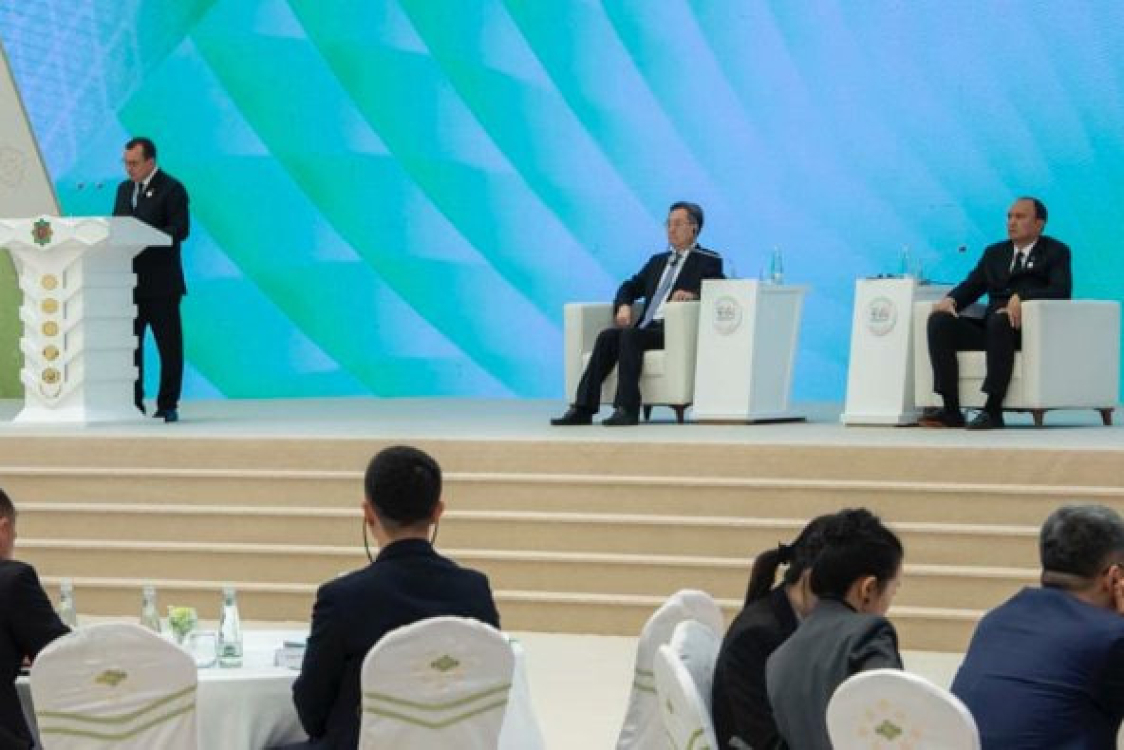
‘Türkmengaz’ strengthens its partnership with CNPC
17.04.2026Maksat Babayev, State Minister of Turkmenistan and Chairman of the State Concern ‘Türkmengaz’, summarised the results and outlined the prospects for cooperation with China. The statement was made at the International Scientific and Practical Conference marking the 20th anniversary of the strategic partnership in the gas sector, reports AsmanNews. During the high-level plenary session, he noted that over this period, ‘Türkmengaz’ and CNPC had implemented large-scale projects. At the ‘Galkynysh’ field, three gas processing plants with a combined capacity of 30 billion cubic metres of gas per year have been built and commissioned as part of the first phase. The facilities are operating normally and meet domestic demand as well as supplying exports. A key milestone in the cooperation was the signing in 2007 of the Production Sharing Agreement for the ‘Bagtyyarlyk’ contract area on the right bank of the Amu Darya. A modern production infrastructure was established as part of the project. Investments totalled US$10.7 billion and have been fully recouped. As of 1 April 2026, the Turkmen side’s revenue from the project exceeded US$19.2 billion. The project involves not only gas production but also the processing of hydrocarbon feedstock, including the production of gas condensate and industrial sulphur. Around 8,700 people work at ‘Bagtyyarlyk’, over 90% of whom are citizens of Turkmenistan. Staff training programmes are being implemented, including training at the China University of Petroleum. The implementation of the fourth phase of the ‘Galkynysh’ project and the development of the ‘Bagtyyarlyk’ area have been identified as priorities for further cooperation. Particular attention is being paid to technological modernisation, including digitalisation and the introduction of modern management systems. As Maksat Babayev noted, CNPC remains a strategic partner of ‘Türkmengaz’, and the parties intend to deepen their cooperation. According to him, cooperation in the gas sector has contributed to the economic development and strengthening of the region’s energy security.

Turkmen fighter Yagshymuradov defeated Tyson Pedro in Belfast
17.04.2026Turkmen mixed martial arts fighter Dovletjan Yagshymuradov secured a victory over Frenchman Tyson Pedro at the PFL tournament held in Belfast (Northern Ireland). This was reported by IIC. The bout marked the athlete’s latest appearance on the international stage. In October 2025, at the PFL Road to Dubai tournament, Yagshymuradov lost to American Corey Anderson by judges’ decision. The victory in Belfast allowed him to bounce back from that defeat. Yagshymuradov’s professional record stands at 26 wins, 8 losses and 1 draw. For Tyson Pedro, this fight was his first since March 2024. On that occasion, he lost to Brazilian Vitor Petrino at UFC Fight Night 238. He has 10 wins and 6 losses to his name. The result of the fight has strengthened Yagshymuradov’s position in mixed martial arts.
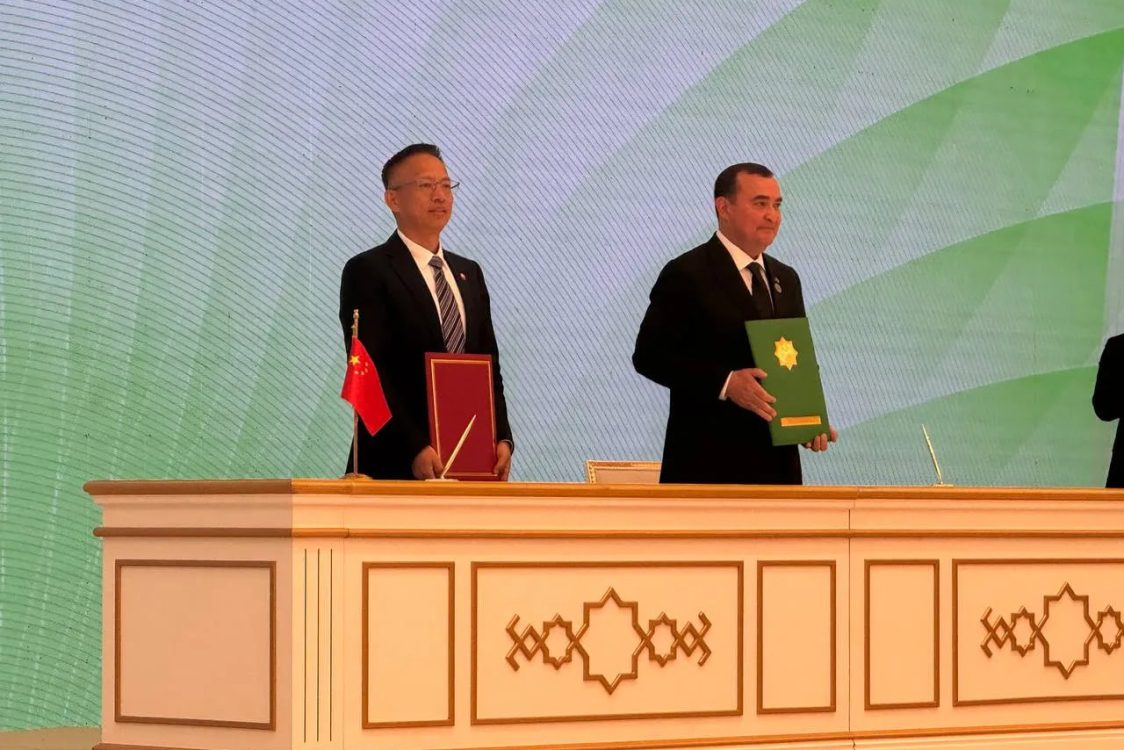
A contract has been signed in Ashgabat for the fourth phase of the ‘Galkynysh’ field
17.04.2026A contract for the turnkey development of phase IV of the ‘Galkynysh’ field has been signed in Ashgabat. The ceremony took place as part of the International Scientific and Practical Conference marking the 20th anniversary of the strategic partnership between Turkmenistan and China in the gas sector, reports Turkmenportal. The document was signed by Maksat Babayev, Chairman of the ‘Türkmengaz’ State Concern, and Du Yumin, Chairman of ‘CNPC Amudarya Petroleum Company Ltd.’ The ‘Galkynysh’ field is one of the largest in the world. It plays a significant role in shaping the country’s export potential. Its development is proceeding in stages as part of the long-term cooperation between Turkmenistan and China in the energy sector.
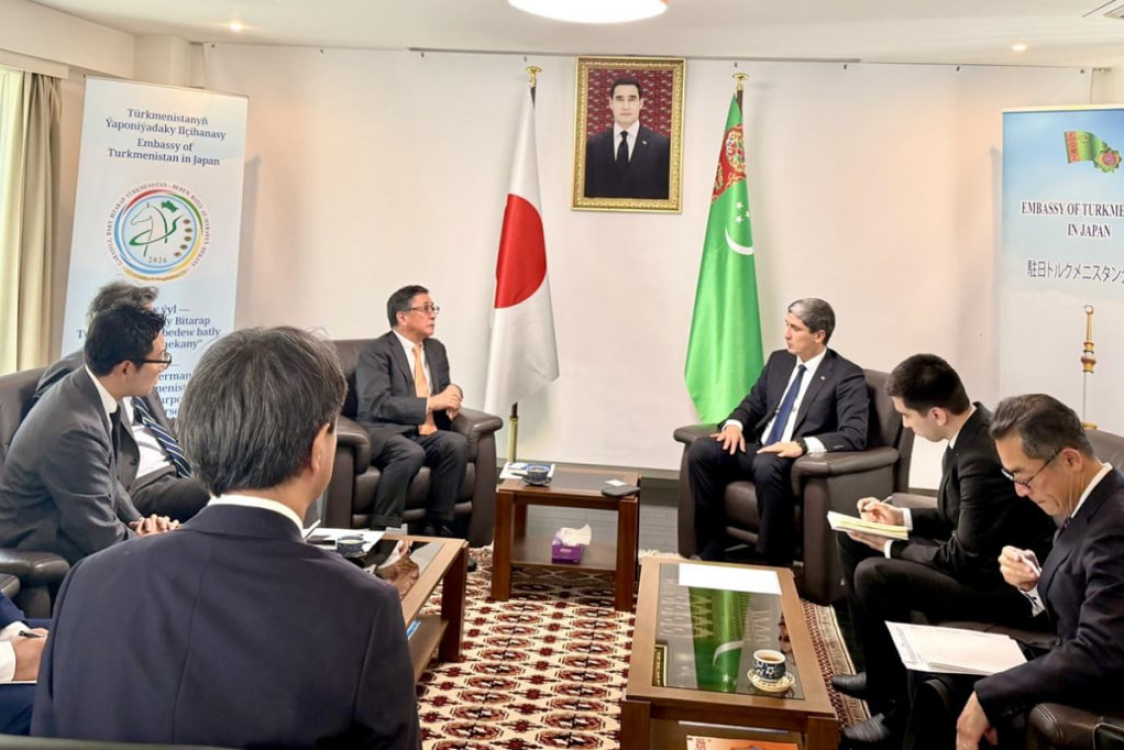
The Turkmen Ambassador to Japan discussed cooperation with ITOCHU
17.04.2026On 6 April, the Ambassador of Turkmenistan to Japan, A. Bayramov, held a meeting with H. Tsubai, a member of the Board of Directors and Executive Vice-President of ITOCHU Corporation, President of the Machinery and Equipment Division, and Chairman of the Japan-Turkmenistan Committee on Economic Cooperation. This was reported by the press service of the Foreign Affairs Ministry of Turkmenistan. The parties discussed ITOCHU Corporation’s projects in Turkmenistan and other issues of bilateral cooperation. Particular attention was paid to preparations for the 16th meeting of the Turkmen-Japanese and Japan-Turkmen Inter-governmental Committees on Economic Cooperation. It is scheduled to take place in December 2026 in Tokyo.
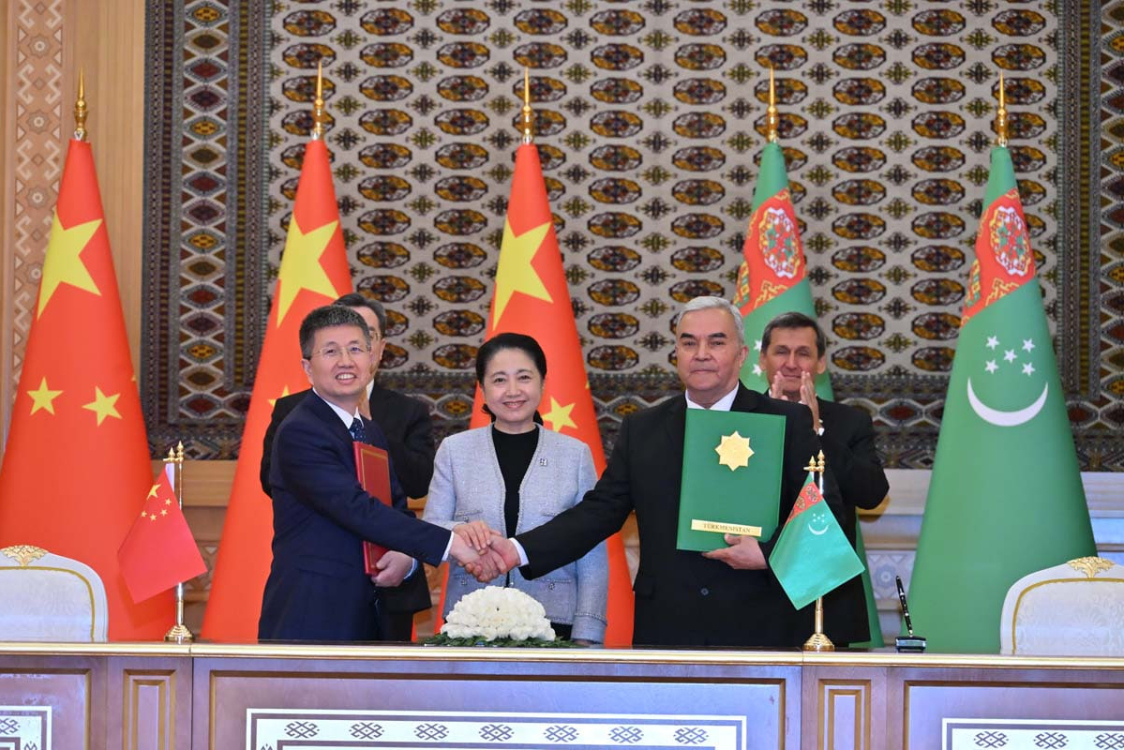
Turkmenistan and China signed a series of agreements following the meeting
17.04.2026The seventh meeting of the Turkmen-Chinese Inter-governmental Committee on Cooperation took place in the capital of Turkmenistan. Following the meeting, a package of documents aimed at expanding cooperation in various fields was signed, reports TDH. These include an Agreement on the establishment of a Turkmen-Chinese Energy Training Centre between the Yagshygeldi Kakayev International University of Oil and Gas, the Centre for Language Education and Cooperation of the Ministry of Education of the PRC, and the China University of Petroleum. A Memorandum was also signed between the Institute of International Relations of the Ministry of Foreign Affairs of Turkmenistan and the China Foreign Affairs University. The Academy of Sciences of Turkmenistan and the Ministry of Science and Technology of the People’s Republic of China approved a programme of scientific, technical and innovative cooperation for 2026–2028. A separate Memorandum concerns the development of cooperation in the field of artificial intelligence between the Ministry of Communications of Turkmenistan and the National Development and Reform Commission of the People’s Republic of China. In addition, documents were signed on cooperation in the transport and logistics sector, on the mutual establishment of cultural centres, and on the creation of a Turkmen-Chinese Centre for Traditional Chinese Medicine based at the Myrat Garryev State Medical University of Turkmenistan and Beijing University of Chinese Medicine. The parties also approved a cooperation programme for 2026–2030 and a general agreement on the basic principles of cooperation in the gas sector. A protocol of the meeting was signed. Following the meeting, the parties noted the results of the work and stated that the agreements reached would be aimed at developing relations and supporting the well-being of the peoples of both countries.
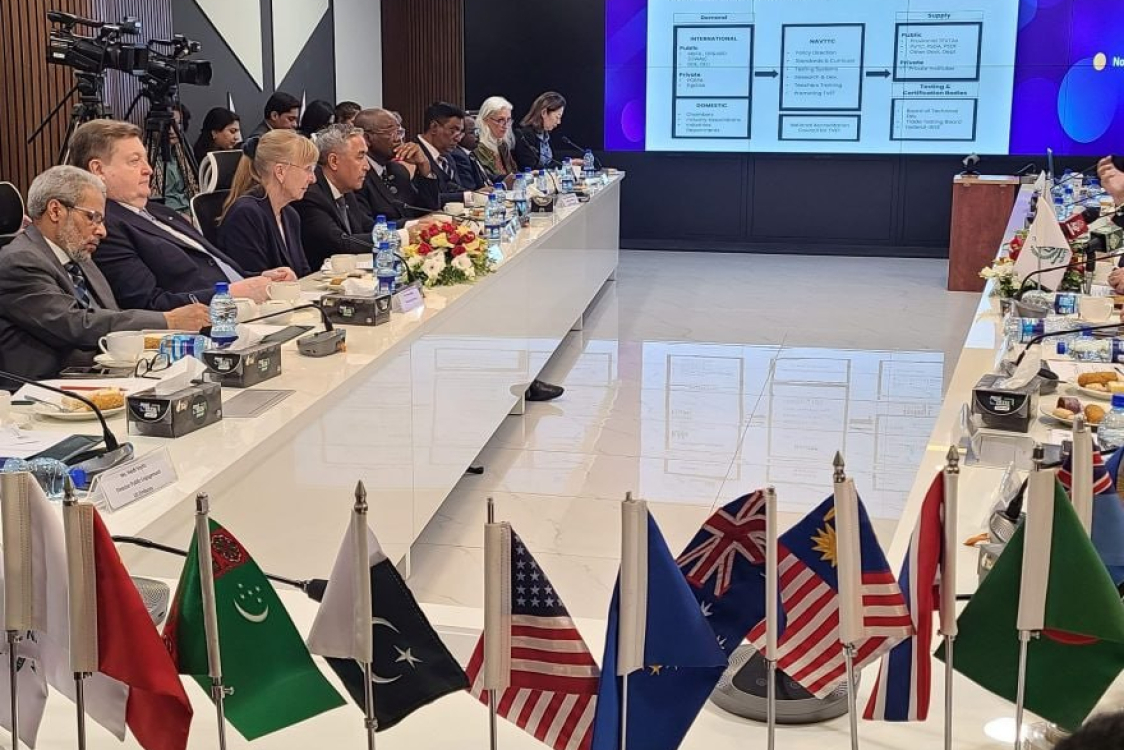
Turkmenistan presented its approaches to the development of education at a round-table discussion in Islamabad
17.04.2026Atajan Movlamov, Turkmenistan’s Ambassador Extraordinary and Plenipotentiary to Pakistan, took part in a round-table discussion attended by Rana Mashhood Ahmad Khan, Chairman of the Prime Minister’s Youth Programme, Heads of diplomatic missions and representatives of international organisations in Pakistan. This was reported by the press service of the Turkmen diplomatic mission. The event took place on 14 April in Islamabad at the premises of the National Vocational and Technical Training Commission (NAVTTC). The Pakistani side presented information on the activities of the NAVTTC, ongoing reforms in the field of technical and vocational education and training (TVET), and the development strategy up to 2025. Participants discussed prospects for cooperation in the areas of workforce training, certification and labour mobility, as well as the development of joint educational programmes, scholarships and centres of excellence. A. Movlamov spoke about national approaches to reforming the vocational education system, focusing on labour market needs and the development of international cooperation. The diplomat also emphasised the importance of training specialists for the implementation of regional energy projects, including TAPI and TAP. Following the meeting, the parties expressed their readiness to continue the dialogue and expand cooperation between relevant ministries and educational institutions.
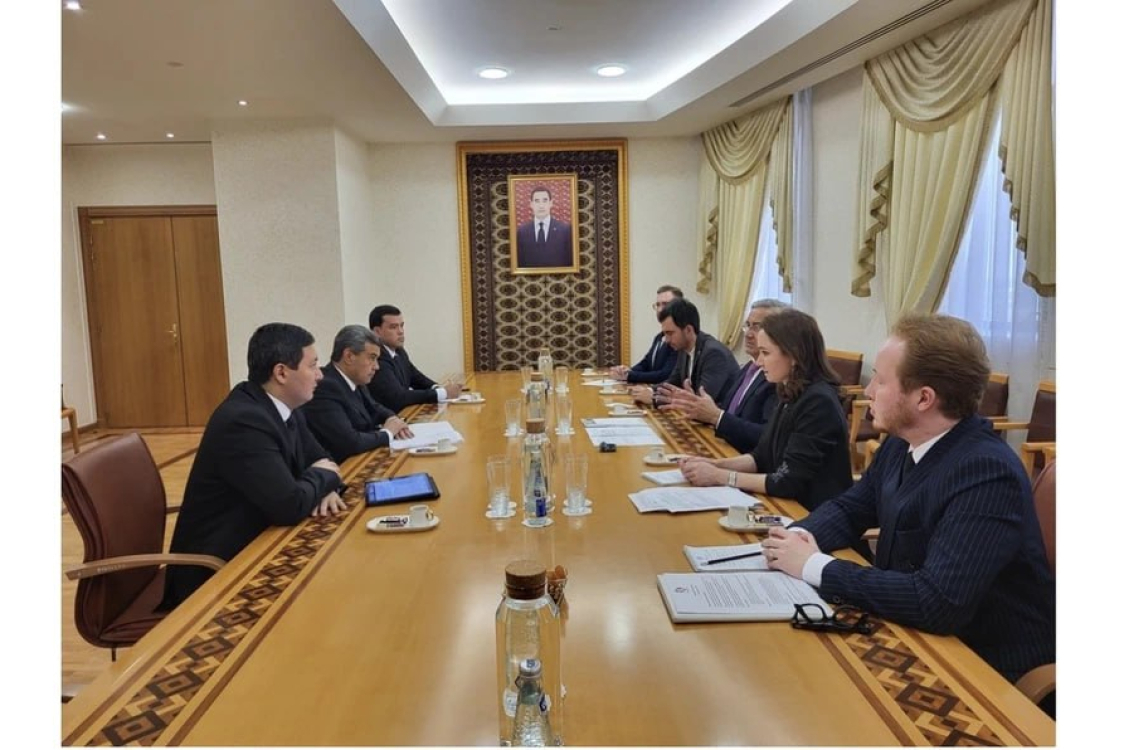
Turkmenistan and Tatarstan are strengthening their cooperation in the field of education
17.04.2026On 15 April, a meeting took place in Ashgabat between the Minister of Education of Turkmenistan, Jumamyrat Gurbangeldiyev, and a delegation led by Vasily Shaikhraziev, Deputy Prime Minister of the Republic of Tatarstan, Russian Federation. The negotiations were also attended by Azat Atayev, Deputy Minister of Education of Turkmenistan, according to the press service of the Ministry of Education of Turkmenistan. The parties discussed the current state and prospects of cooperation in the field of education, emphasising its importance for strengthening long-term economic ties between the countries. It was noted that the cooperation is based on a solid legal framework and is already yielding practical results, including the active development of partnerships between universities. Particular attention was paid to staff training: Turkmen students continue to achieve high academic standards in Tatarstan, where they are among the most successful international students. The development of digital education, the introduction of innovative technologies and Turkmenistan’s participation in relevant international events, including ‘Kazan Digital Week’, were also discussed. Special mention was made of teacher training programmes and the exchange of experience, implemented with the participation of Naberezhnye Chelny State Pedagogical University. Areas of youth and humanitarian cooperation were also considered, including student participation in academic competitions and the organisation of cultural initiatives. In conclusion, the parties confirmed their intention to expand academic exchanges, joint research and digital educational projects, expressing confidence in the further strengthening of the partnership.
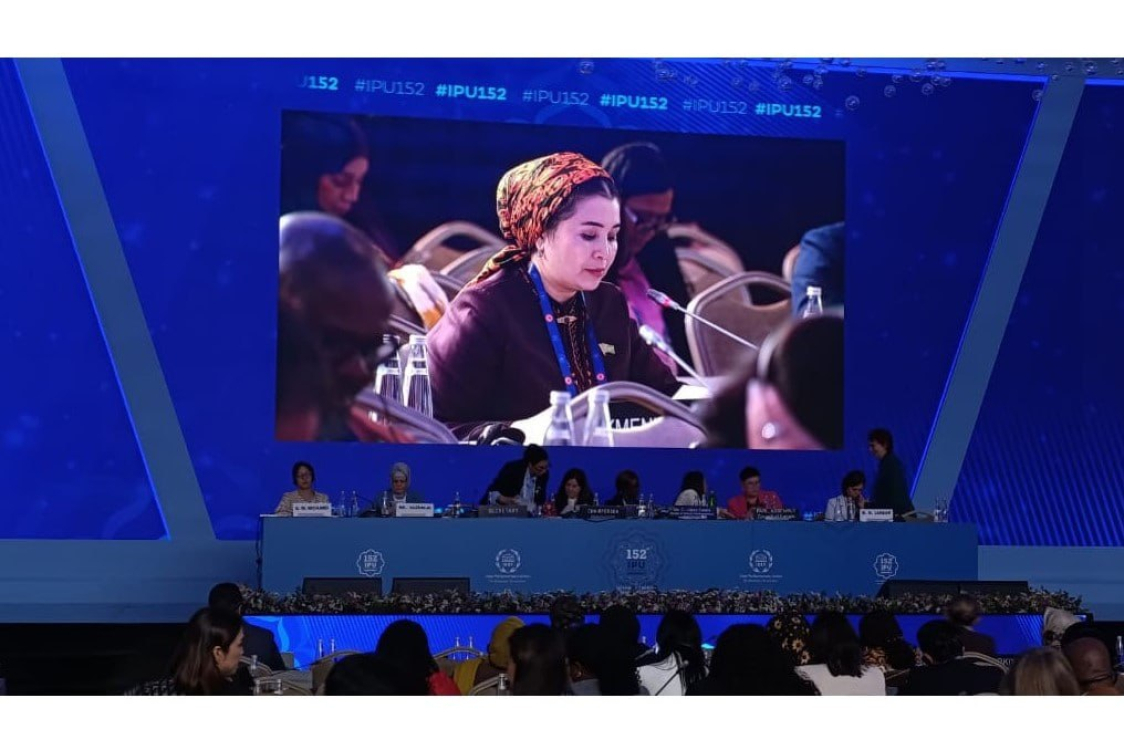
Turkmenistan is taking part in the 152nd Assembly of the Inter-Parliamentary Union in Istanbul
17.04.2026A delegation from the Mejlis of Turkmenistan is taking part in the 152nd Assembly of the Inter-Parliamentary Union, which is being held in Istanbul. This was reported by the press service of the Mejlis of Turkmenistan. Key topics are being discussed, including the strengthening of global peace, sustainable economic development, the protection of human rights, the impact of digital technologies on democratic processes, as well as the development of environmental diplomacy and the introduction of digital solutions into the legislative sphere. The representative of Turkmenistan spoke at the Forum of Women Parliamentarians, highlighting reforms aimed at empowering women and increasing their participation in state and socio-political governance. Improvements to legislation on equal rights and the implementation of national programmes were noted. The increase in women’s representation in government bodies was also highlighted, as was the country’s initiative to declare 2028 the ‘Year of International Law’, which is seen as a contribution to the promotion of gender equality and a culture of peace. Participation in the forum reaffirmed Turkmenistan’s commitment to the principles of democracy and gender equality.
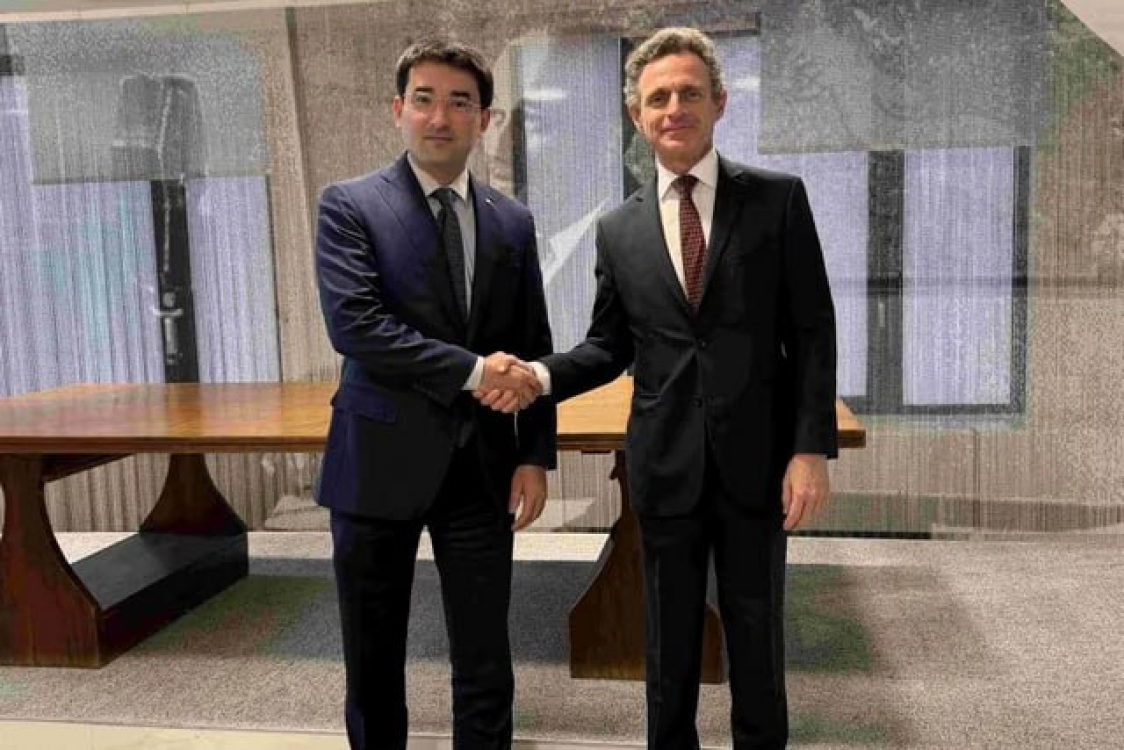
France highlighted Turkmenistan’s role as a bridge between Europe and Asia
17.04.2026France supports the development of EU cooperation with Central Asia and highlights the role of the region and Turkmenistan as a consistent and secure bridge between Europe and Asia. This was stated by France’s Permanent Representative to the European Union, Philippe Leglise-Costa, during negotiations with the Ambassador of Turkmenistan to Belgium, Sapar Palvanov, according to the news website Turkmenportal. The parties discussed current cooperation and prospects for its expansion, emphasising the importance of the practical implementation of interregional partnership at the bilateral level. Turkmenistan reaffirmed its commitment to strengthening its role in developing ties between Europe and Central Asia. Issues relating to energy, critical resources and climate change were also raised. The participants noted the positive momentum in Turkmenistan’s relations with France and expressed interest in further deepening cooperation.
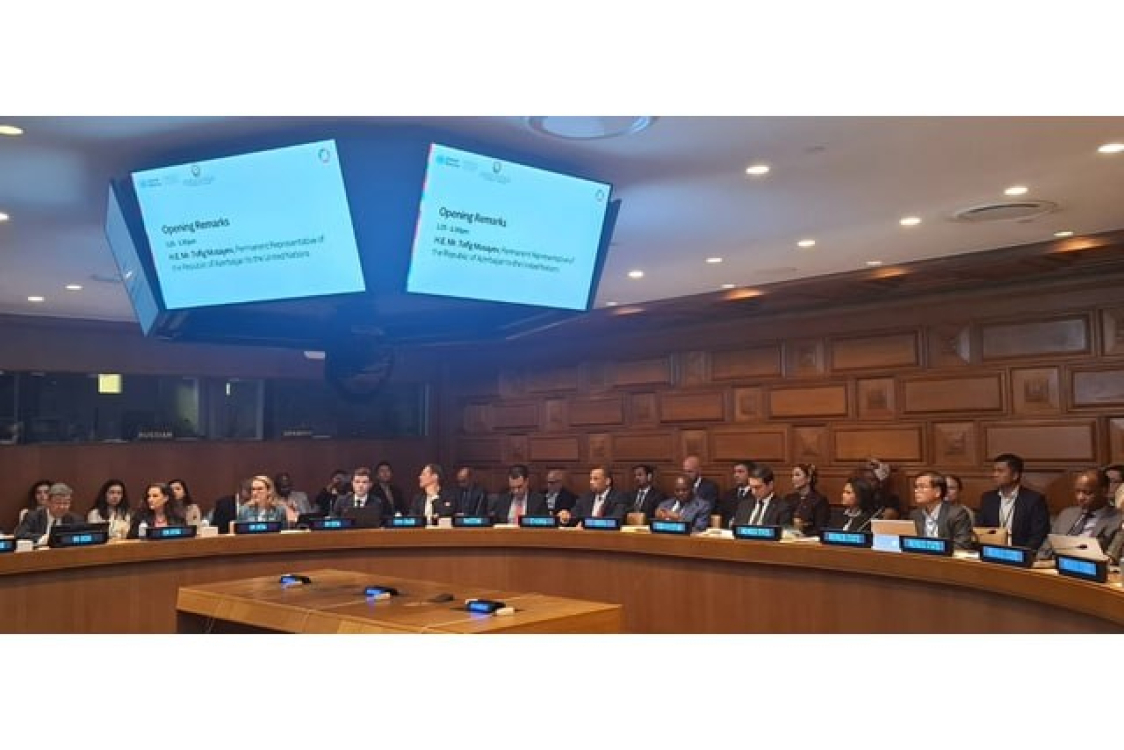
Turkmenistan took part in a UN event on the development of public services in New York
17.04.2026A delegation from Turkmenistan, led by Vepa Hajiyev, Turkmenistan’s Permanent Representative to the UN, took part in a side event on the theme ‘Excellence for Public Service Delivery to Achieve the Sustainable Development Goals’, held on 14 April at the UN Headquarters in New York as part of the ECOSOC Youth Forum. This was reported by the press service of the Ministry of Education of Turkmenistan. The event was organised by the United Nations Department of Economic and Social Affairs (UN DESA) and the State Agency for Public Services and Social Innovation under the President of the Republic of Azerbaijan. Participants discussed the improvement of public services, building trust in government institutions, and their role in achieving the Sustainable Development Goals by 2030. Particular attention was paid to the quality criteria for public services and the practical application of the ASAN Service Index. Turkmenistan’s participation underscored the country’s interest in developing international cooperation and modernising the public administration system.
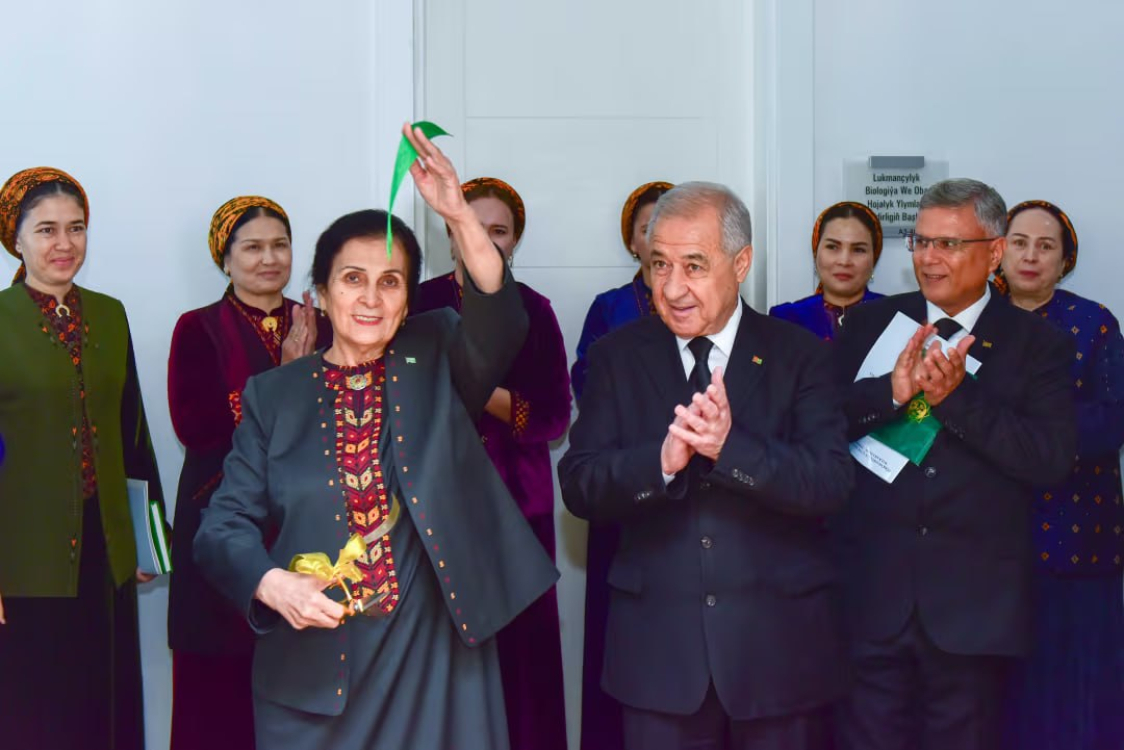
A UNESCO Department of ‘Digital Science’ has been launched in Turkmenistan
17.04.2026A UNESCO Chair in ‘Digital Science’ has been established at the International Scientific-Technological Park of the Academy of Sciences of Turkmenistan. This was reported by the news website Turkmenportal, citing the newspaper ‘Neutral Turkmenistan’. This is now the third such unit in the country under the UNITWIN programme, which aims to accelerate the digital transformation of science and its integration into the global scientific and educational community. The Chair has been established within the UNESCO network, which brings together more than 1,100 centres in over 130 countries, and complements existing specialist chairs in Turkmenistan in the fields of cultural heritage and environmental education. Nikolay Nikolayev, a research fellow at the GIS laboratory, has been appointed as head of the department. Key areas of focus include artificial intelligence, big data, geospatial technologies and satellite monitoring for resource management and the development of the agro-industrial complex. Partnerships have already been established with research centres in Russia, Belarus, Turkey and Iran. Participants at the ceremony emphasised that the project is in line with UNESCO’s strategy for 2022–2029, including the principles of open science and AI ethics.
Read also
Advertising

 Read us in Zen


