


Information
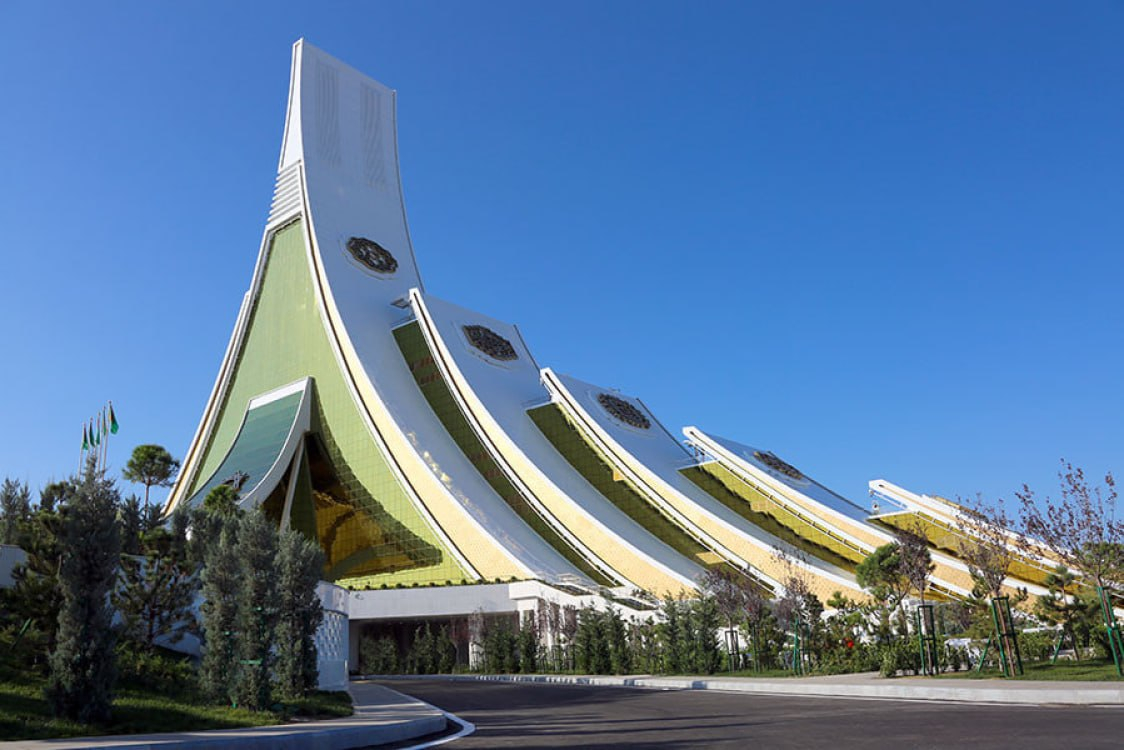
Key summits and international forums will be held in Avaza in 2026
10.05.2026A series of high-level international events is scheduled to take place in 2026 in the National Tourist Zone of Avaza. Deputy Chairman of the Cabinet of Ministers and Minister of Foreign Affairs of Turkmenistan R. Meredov announced the preparations during an on-site government meeting. This was reported by TDH. On October 8, a Consultative Meeting of the Heads of State of Central Asian countries and the Republic of Azerbaijan will be held here. On October 9, within the framework of Turkmenistan’s chairmanship in the CIS, a meeting of the Council of Heads of State of the Commonwealth of Independent States will take place. In October, additional international events are also planned, including a women’s dialogue titled “The Role of Women in Maintaining Peace and Achieving Sustainable Development,” as well as a conference on demographic processes and sustainable development. On October 7, Avaza will host a seminar of the CIS Interparliamentary Assembly dedicated to the accessibility of healthcare services and the Sustainable Development Goals. On the same day, a meeting of the ministers of the Caspian littoral states on environmental issues related to the Caspian Sea is scheduled. Separately, a high-level meeting of regional countries and Afghanistan is planned to address the conservation of water resources in Central Asia. Meetings of foreign ministers from participating countries are also scheduled as part of preparations for key summits.
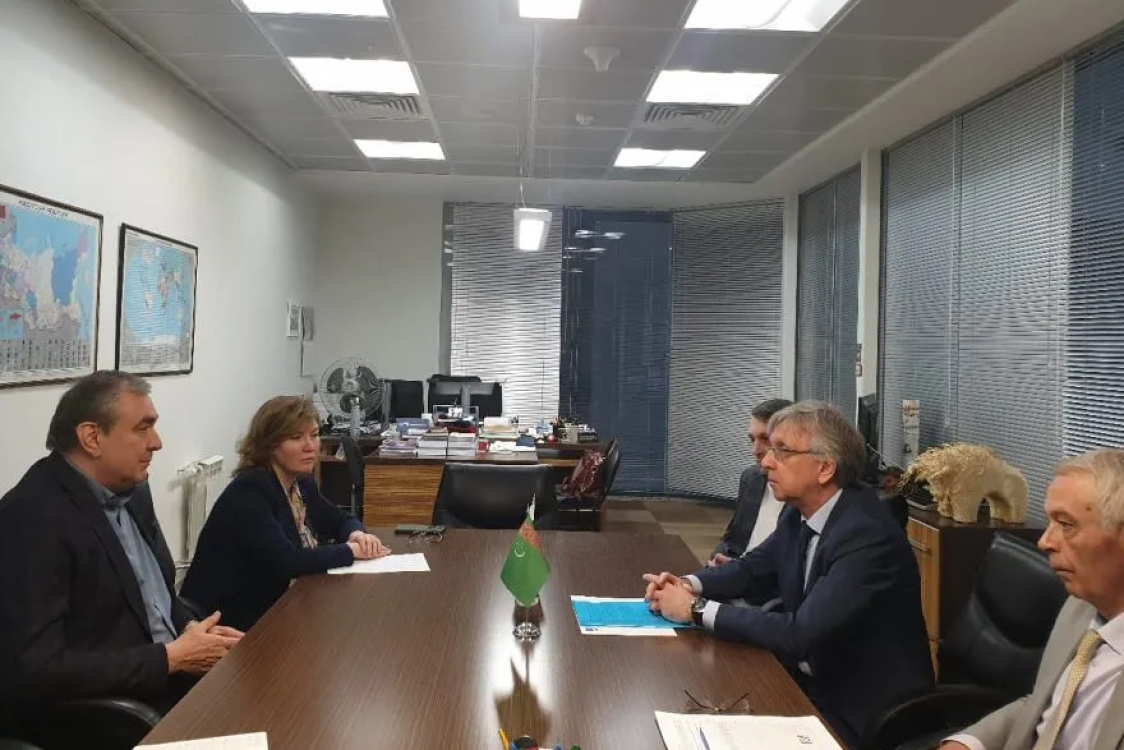
Turkmenistan and TASS discussed cooperation during Turkmenistan’s year as chair of the CIS
28.04.2026Representatives of the Embassy of Turkmenistan in Russia and the CIS Executive Committee met with Alexander Kopnov, Deputy Director General of TASS. This was reported by the Embassy of Turkmenistan in Moscow. The parties discussed cooperation between the Turkmen media and the agency, as well as interaction with the Council of Heads of CIS State News Agencies, which is chaired by TASS Director General Andrey Kondrashov. The topic of coverage of upcoming events was also raised: the 35th anniversary of Turkmenistan’s independence, the 35th anniversary of the CIS, and Turkmenistan’s chairmanship of the Commonwealth.
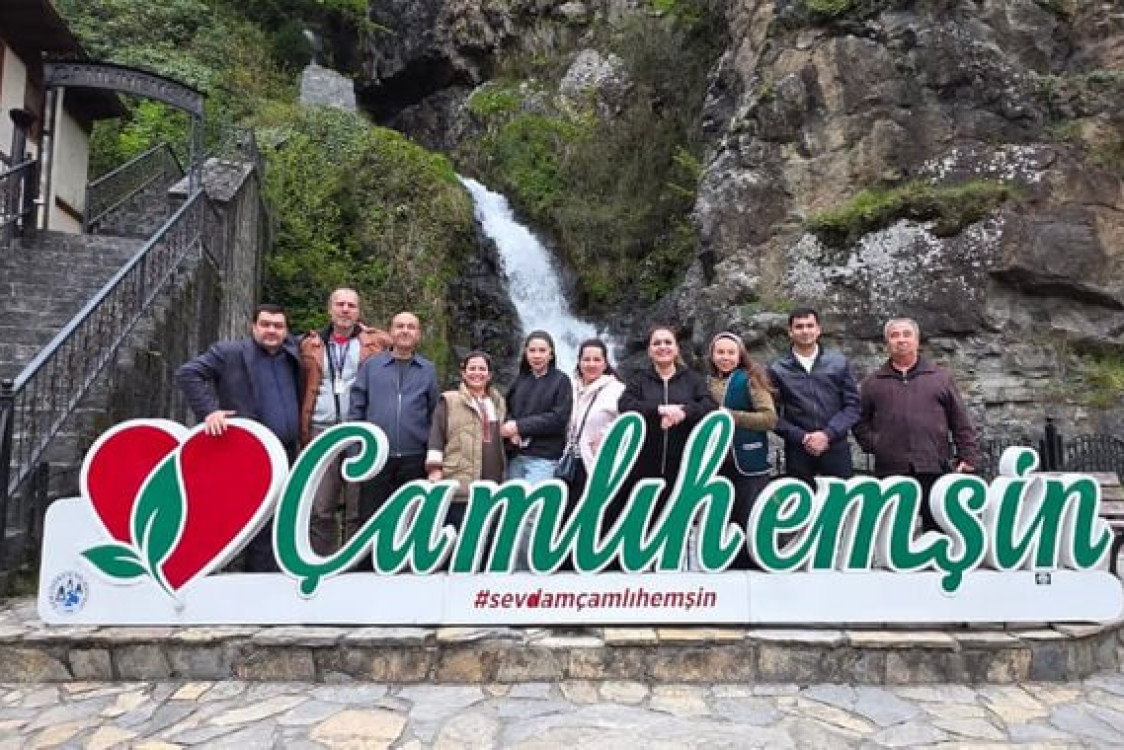
Turkmen travel agencies have explored resorts in northern Turkey
26.04.2026From 17 to 20 April, representatives from nine travel agencies in Turkmenistan visited the Turkish provinces of Rize and Artvin. The trip was organised by the Turkish Tourism Promotion and Development Agency (TGA), according to the IIC of Turkmenistan. The highlight of the trip was the ‘International Kachkar Tourism Fair’ in Rize. The Turkmen specialists explored the offerings of the regional market and held B2B meetings with Turkish partners. The delegation visited weaving workshops, tea plantations, the historic centre of Chamlıhemshin, the Palovit Waterfall, Zilkale Castle, the Firtina Valley and Lake Borçka Karagöl. The programme also included rafting, a zip line and an introduction to local cuisine. Following the visit, the parties identified areas for cooperation and the development of tourism products for the Turkmenistan market.
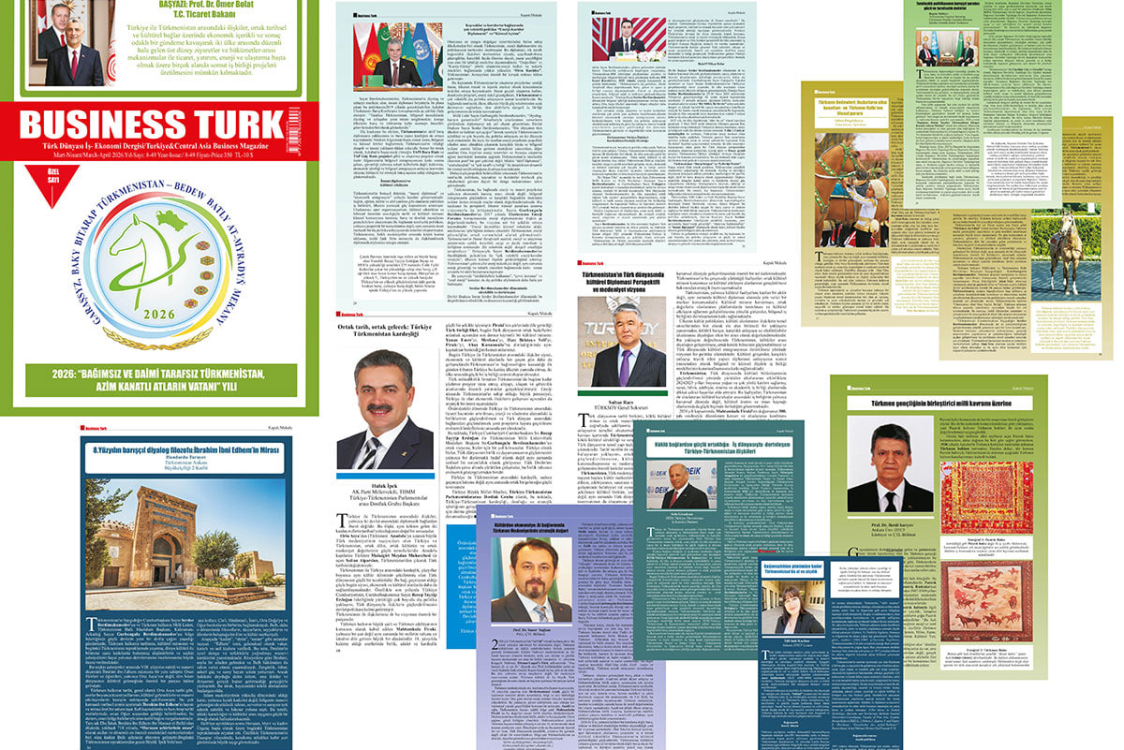
The Turkish magazine ‘Business Türk’ has dedicated an issue to Turkmenistan’s motto of the year
23.04.2026The Turkish magazine ‘Business Türk’ has published a special issue dedicated to Turkmenistan’s 2026 motto. The initiative for the publication came from the Embassy of Turkmenistan in the Republic of Turkey. This was reported by the publication ‘Turkmenistan: Golden age’. The issue highlights the country’s history of independence and its achievements in the political, economic, social, legal, scientific and cultural spheres. The authors of the articles — Turkish statesmen, political scientists and university leaders — particularly emphasised the uniqueness of Turkmen neutrality and its role in regional stability. The magazine also features articles on the prospects for Turkmen-Turkish cooperation and Turkmenistan’s international initiatives in the fields of energy, transport and water diplomacy. The publication coincides with the upcoming celebrations marking the 35th anniversary of Turkmenistan’s independence.
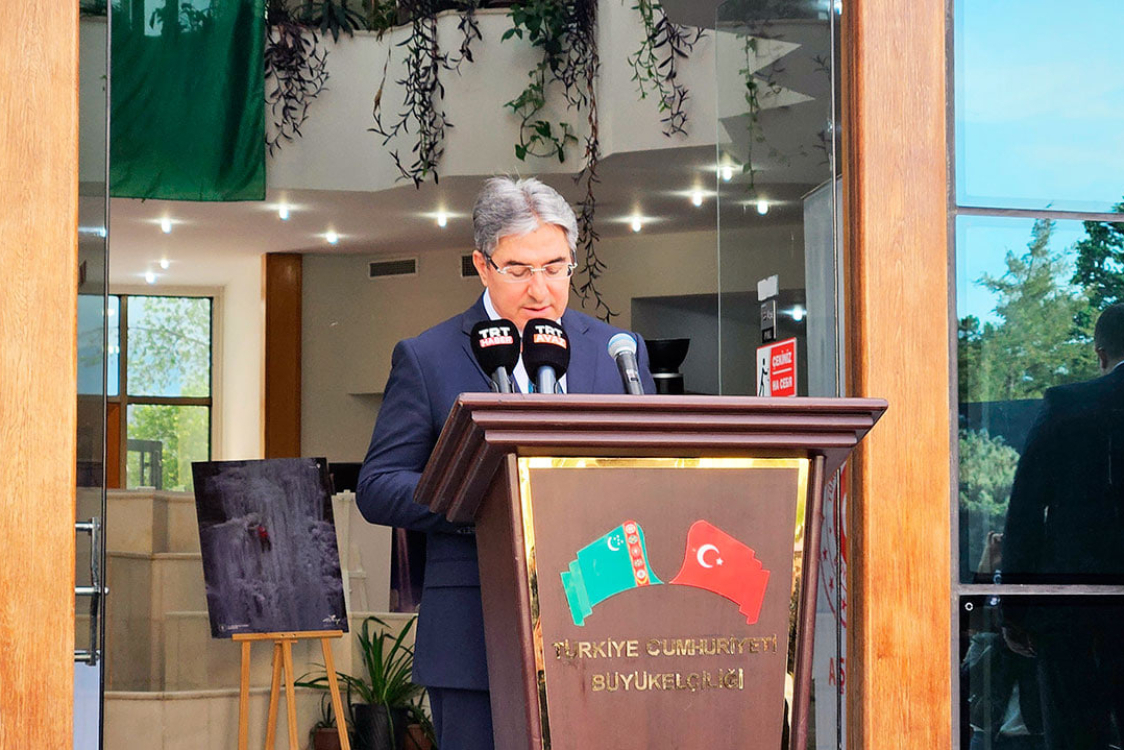
The Turkish Ambassador to Turkmenistan noted a growing interest in tourist travel
16.04.2026A meeting attended by representatives of the diplomatic corps, the tourism industry and the media was held at the Turkish Cultural Centre in Ashgabat. The event took place as part of the opening of Turkish Tourism Week. It was opened by Ahmet Demirok, Ambassador Extraordinary and Plenipotentiary of the Republic of Turkey to Turkmenistan. This was reported by the publication ‘Turkmenistan: Golden age’. The Ambassador noted that Turkey retains its status as one of the most sought-after tourist destinations. According to him, this is facilitated by its geographical location, climate and rich historical heritage. The country welcomes tourists all year round, offering a variety of holiday options. The role of tourism in the development of international relations was highlighted separately. According to the diplomat, the sector helps to strengthen ties between countries and plays an important role in the economy, including that of Turkmenistan. Ahmet Demirok also stated that Turkey remains a popular destination for citizens of Turkmenistan. Ahead of the summer season, the diplomatic mission expressed its readiness to provide support in organising trips.
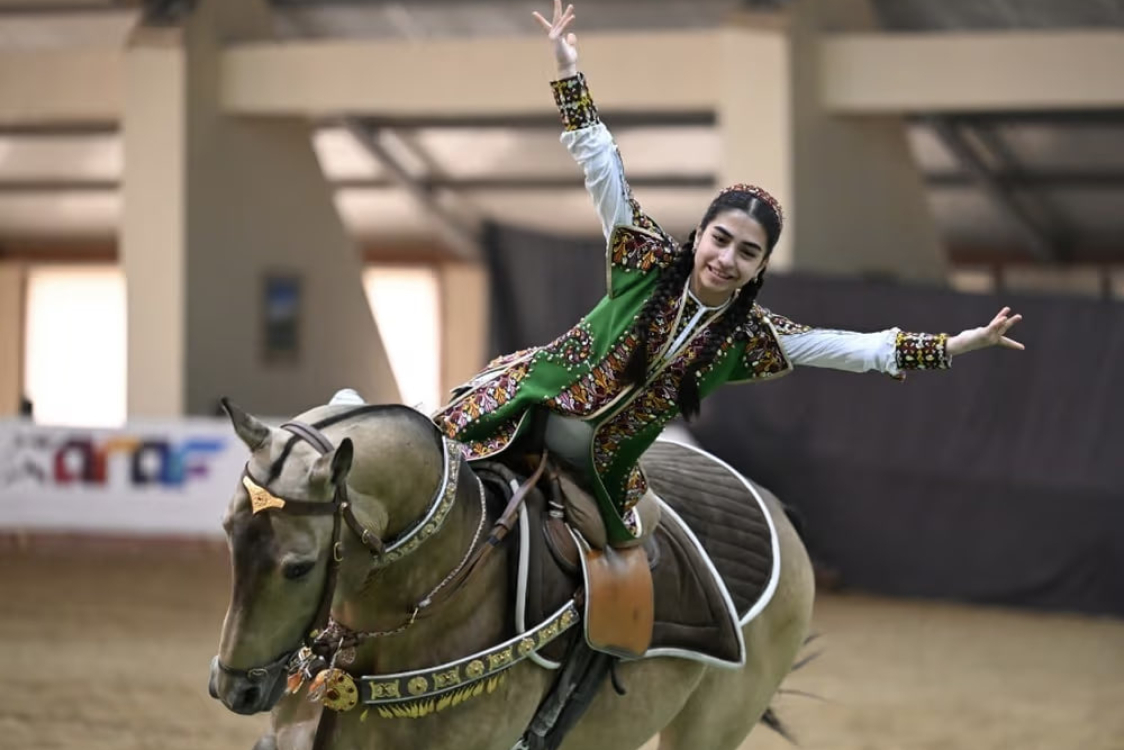
A briefing on the ‘Galkynysh’ equestrian games was held at the Arkadag Horse Breeding Academy
11.04.2026A briefing dedicated to the national equestrian games team ‘Galkynysh’ was held at the Aba Annayev International Academy of Horse Breeding in Arkadag. The event was timed to coincide with the National Day of the Turkmen Horse. This was reported by IIC. Riders, experts, lecturers and students took part in the discussion. Issues relating to the development of the national school of horse breeding were discussed. The programme was complemented by a themed exhibition. Paintings and decorative and applied art pieces were displayed, reflecting the Turkmen people’s connection with Ahal-Teke horses. Special attention was paid to the history of the group, which was founded in 2007. During this time, the ‘Galkynysh’ group has received awards at international circus festivals. It was noted that some of the riders combine their performances with teaching and training activities at the academy, which helps to pass on experience and develop professional skills. During the briefing, participants discussed the preparation of horses for performances, the specifics of the training process, and the interaction between rider and horse. The organisers emphasise that such meetings contribute to the training of specialists and the strengthening of Turkmenistan’s position in the field of equestrian art.
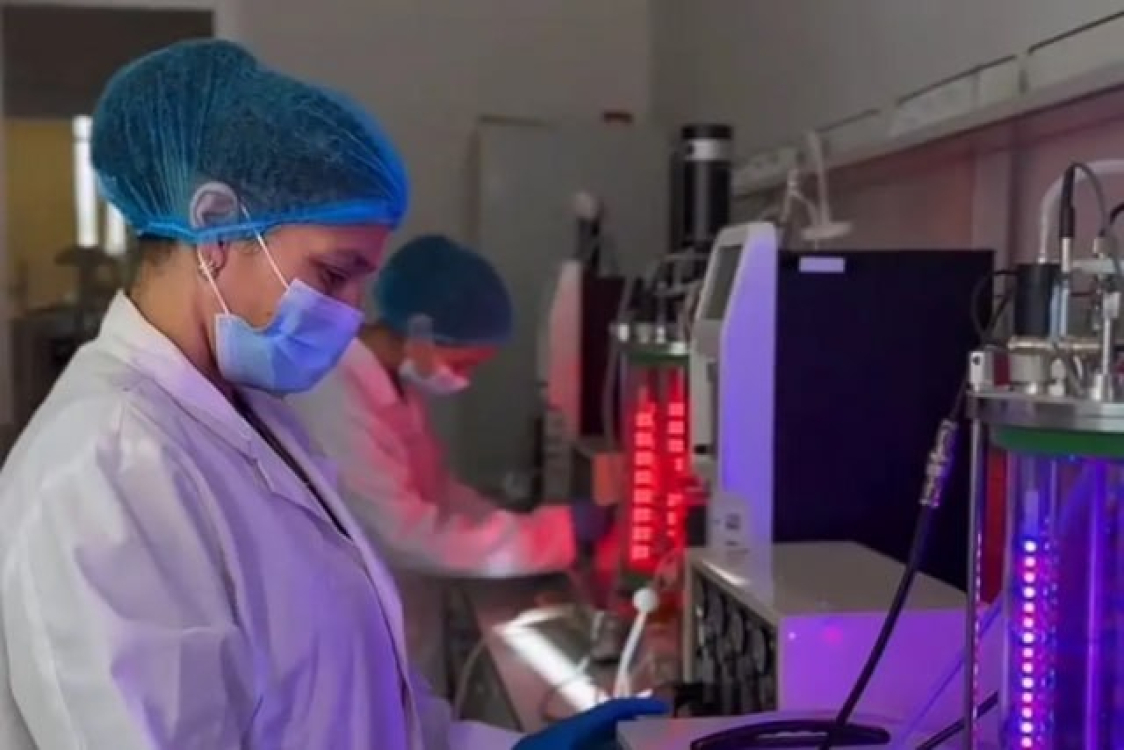
A biological agent has been developed in Turkmenistan to restore salt-affected soils
03.04.2026The International Science and Technology Park of the Academy of Sciences of Turkmenistan has developed a biological product for the restoration of saline and degraded soils. This was reported by the news agency Orient. It is based on strains of microscopic fungi isolated from the country’s salt marshes, which remain active at salinity levels exceeding 10%. The preparation protects plant roots from excess sodium, stimulates growth and increases the resistance of crops to salt stress, heat and plant pathogens. According to the developers, wheat seed germination increases from 42% to 78%, and root biomass by 35%. The technology can increase yields by 25–30% and reduce the need for mineral fertilisers by 15%. The development is seen as a promising solution for combating soil salinisation in Central Asian countries.
Turkmenistan and Japan are joining forces to develop data centres
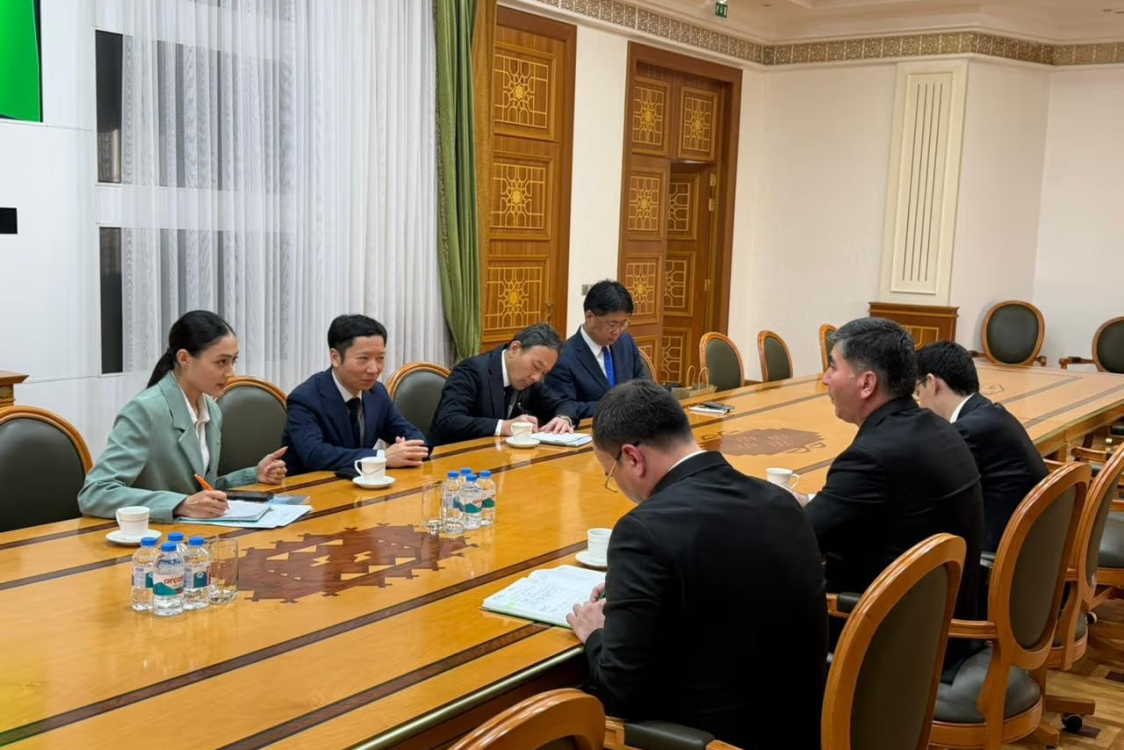
01.04.2026The Ministry of Communications of Turkmenistan and the Japanese company ‘Muroosystems Corporation’ have signed a Memorandum of Understanding aimed at developing cooperation in the field of establishing and modernising data centres in the country. This was reported by the IIC of Turkmenistan. The agreement formalises the parties’ intention to build long-term partnerships for the implementation of projects to construct new data centres within Turkmenistan. The main objective of the document is the introduction of modern technological solutions and the development of digital infrastructure in accordance with international standards. The cooperation is expected to involve the use of innovative methods for the design and operation of facilities. It is anticipated that the implementation of the agreement will significantly strengthen the national IT infrastructure, increase the level of digitalisation of the economy and expand opportunities for secure data storage and processing.
The Charitable Foundation of Turkmenistan has helped more than 2,400 children
31.03.2026The Gurbanguly Berdimuhamedov Charitable Foundation for Assistance to Children in Need of Guardianship has helped more than 2,400 children since its establishment. This was announced by Oguljahan Atabayeva, the Foundation’s Vice-President for Medical Activities, at a Board meeting in Arkadag, according to TDH. According to her, 2,467 children have received treatment at the Gurbanguly Berdimuhamedov Children’s Health and Rehabilitation Centre, which combines modern technology with natural remedies of local origin. During this time, 758 operations have been performed. Atabayeva highlighted the development of the Foundation’s international cooperation. In 2025, memoranda were signed with the UNICEF Office in Turkmenistan, the Chinese Soong Ching Ling Foundation and the Heydar Aliyev Foundation. Working visits were also made to Monaco, Uzbekistan, Azerbaijan, China, Russia and Qatar. The final document of the international conference in Arkadag was translated into the official languages of the UN and submitted to the 79th session of the General Assembly.
Turkmenistan and Romania are developing cooperation in equestrian sports
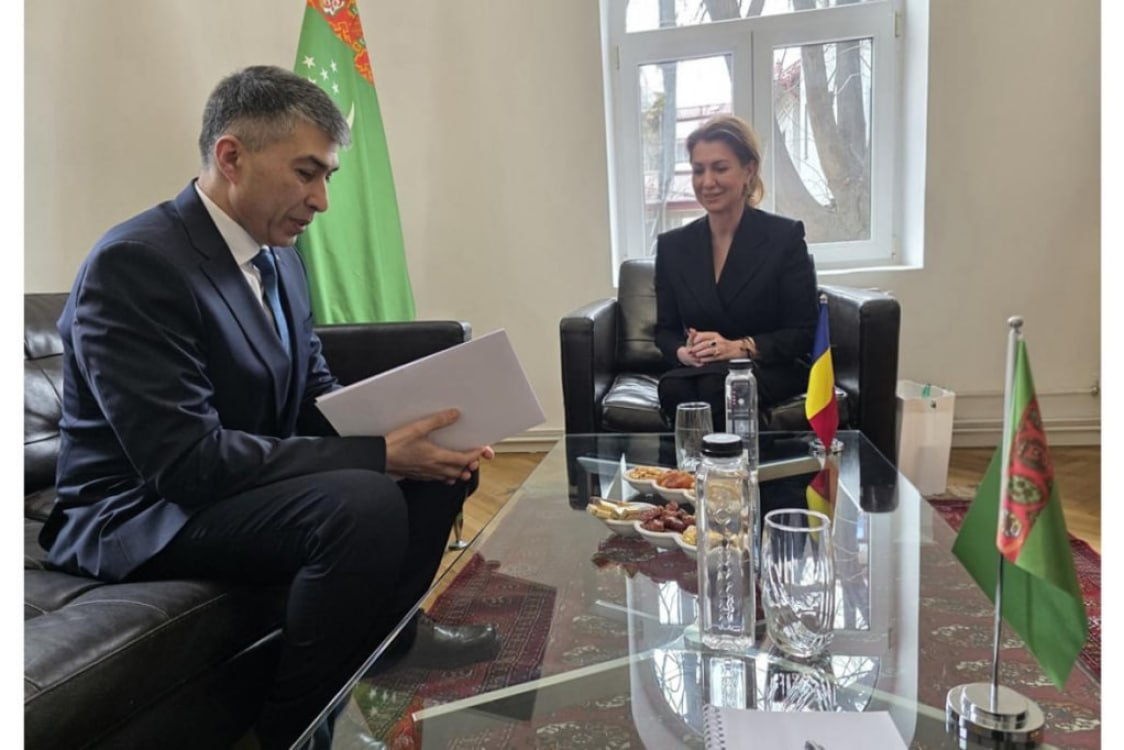
27.03.2026On March 24, a meeting took place at the Embassy of Turkmenistan in Romania between the Ambassador of Turkmenistan, A. Annaev, and the President of the Romanian Equestrian Federation, Marilena Mladin, the press service of the Ministry of Foreign Affairs of Turkmenistan reported. The parties discussed prospects for cooperation in horse breeding and equestrian sports. Special attention was given to the Akhal-Teke horse breed as a national symbol of Turkmenistan. The Turkmen side provided information on the development of the sector, including infrastructure modernization, the activities of the State Association “Turkmenatlary,” and the Aba Annaev International Academy of Horse Breeding. The National Turkmen Horse Festival was also discussed separately. It was noted that events held within its framework promote the exchange of expertise among specialists. At the conclusion of the meeting, both sides confirmed their readiness to develop cooperation, including the implementation of joint projects and professional exchanges.
The Turkmen startup programme has expanded to the regional level
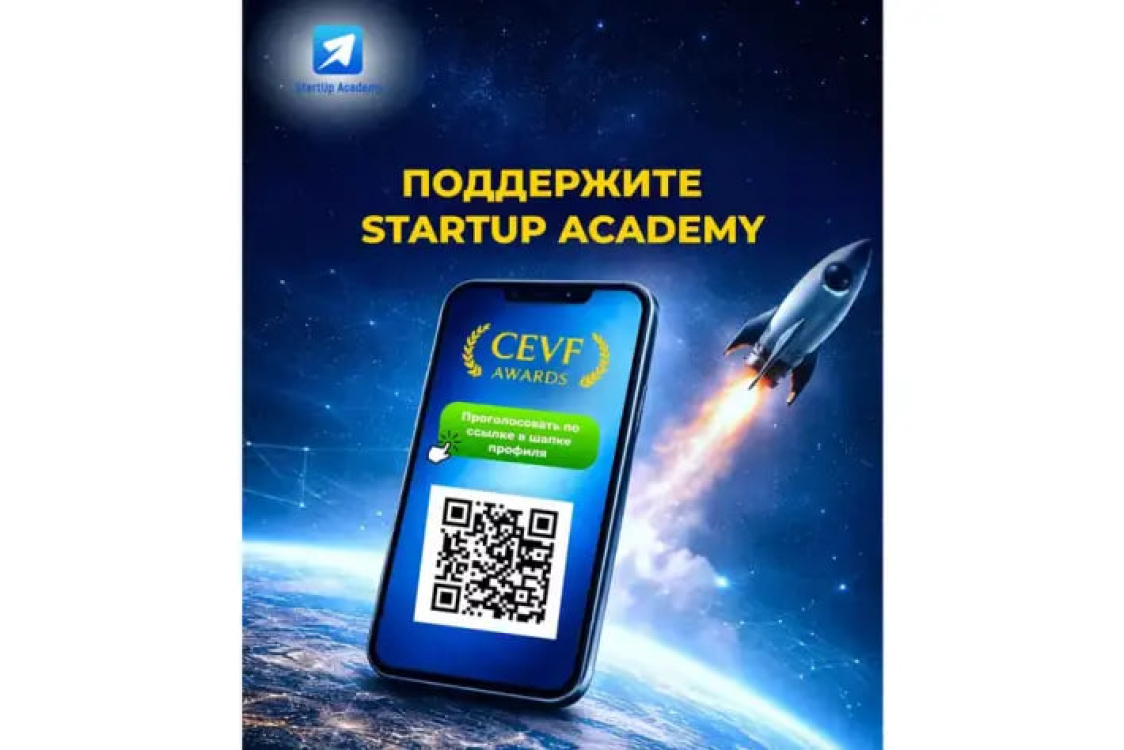
25.03.2026The Turkmen startup support programme ‘StartUp Academy’ has been shortlisted for the CEVF Awards in the ‘Best Startup Support Programme’ category. This marks Turkmenistan’s first participation in a competition of this calibre on the Central Eurasia Venture Forum platform, reports IIC. ‘StartUp Academy’ has been operating for six years and provides expert and mentoring support to budding entrepreneurs. The programme helps to develop projects and shape the country’s start-up ecosystem. Participation in the awards provides an opportunity to showcase Turkmen initiatives at a regional level. The winner is determined by open voting. The new, 14th cohort of the programme starts on 11 April. Applications are open until 3 April.
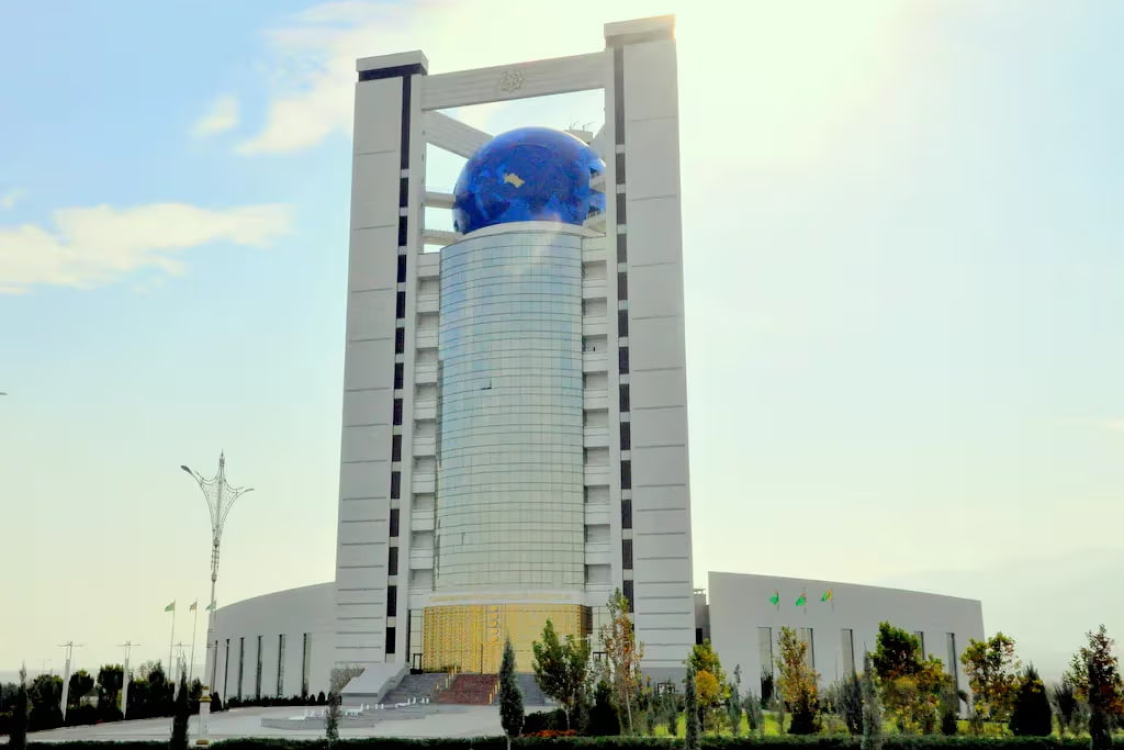
The Foreign Affairs Ministry of Turkmenistan has updated its official websites
21.03.2026The Ministry of Foreign Affairs of Turkmenistan has updated its official websites. This development is part of efforts to digitise public services, according to IIC. The new versions of the websites feature an updated design, simplified navigation and improved loading speeds. The sites have been optimised for mobile devices and tablets. The structure of the sections has been updated. It is now easier for users to find foreign policy news, official statements and information on cooperation. The changes also affect consular services. The websites provide reference information, document forms and a schedule for receiving citizens. Previously, the Foreign Affairs Ministry of Turkmenistan launched a mobile app with an online booking function for consular appointments. The website update is aimed at improving the accessibility and convenience of digital services.
Read also


Advertising

 Read us in Zen


