



Information
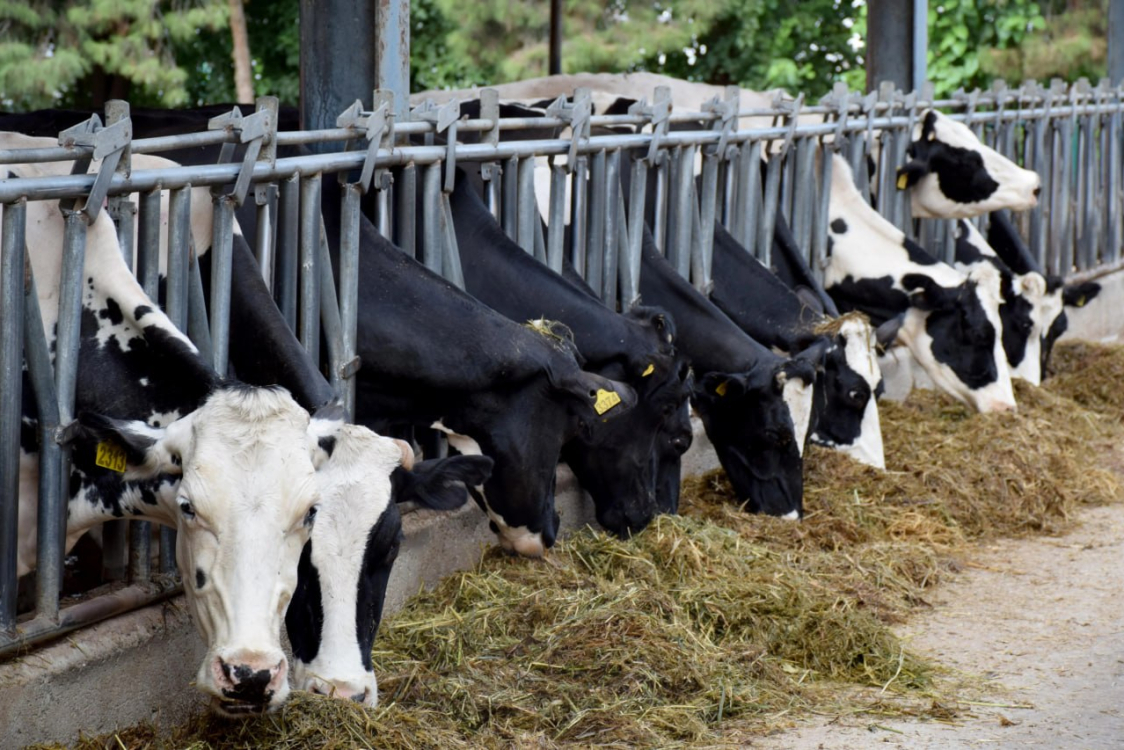
Turkmenistan and the FAO are introducing an animal traceability system
19.09.2026The State Association of the Livestock and Poultry Industry of Turkmenistan, in collaboration with the FAO, is implementing a project to establish a National Strategy for the Registration and Traceability of Farm Animals. This was reported by Turkmenportal. The ‘Şa Ýoly’ livestock complex in the Ahal velayat has been selected as the pilot site. Here, young cattle are being tagged and microchipped in stages. The second phase of fitting animals with electronic microchips is currently underway. The system will enable the creation of a unified digital database of animals and simplify the work of veterinary services, relevant government departments, livestock associations and farms. The project aims to improve animal health monitoring, prevent diseases, enhance the quality of veterinary services and strengthen food security. The system will also ensure product traceability and enable the verification of its origin. In the long term, there are plans to extend the project to livestock farms throughout the country.

Nature reserves in Turkmenistan are studying the manul population
12.09.2026Scientists from the Kopetdag, Bathyz, Koytendag and Gaplangyr state nature reserves carried out a joint expedition in the high-altitude regions of Kopetdag to search for traces of the manul — a rare feline predator. This was reported by the news website Turkmenportal. In the 4th edition of the Red Book of Turkmenistan, published in 2024, the manul was classified as an ‘endangered species’. The International Union for Conservation of Nature (IUCN) classifies it as a species of least concern, although it was previously classified as near threatened. According to scientific data, the manul was commonly found in the mountains of Turkmenistan in the late 19th and mid-20th centuries; however, little precise information about its habitats has survived. Surveys conducted by nature reserves since 2018 have recorded the manul on Mount Dushakerek within the Kopetdag Nature Reserve, on Mount Murze, in the Dashtoy Valley and in the Greater Balkans. This winter, staff from the Balkan Environmental Protection Department used camera traps to record the manul on Mount Lesser-Balkan. The manul is one of the smallest wild cats. In appearance, it resembles a domestic cat, but is distinguished by a shorter, stockier body, short legs, round pupils, low-set ears and thick, long fur – the fluffiest of any feline. Its coat is usually grey, with reddish or ochre patches. The manul is found in Central Asia, as well as in Mongolia, Iran, Afghanistan, Russia, China and India. It is not adapted to running fast, but is well camouflaged, leads a cautious lifestyle and takes refuge in rock crevices, other animals’ burrows or the grass. As a result, the manul is rarely encountered by humans and remains a poorly understood species.

A new book on the archaeological heritage of Paryz-depe has been published
28.08.2026A book entitled ‘Paryz-depe – The Heritage of Millenniums’ has been published in Turkmenistan. The author of the monograph is Rejep Jomyev, an archaeologist at the Institute of History and Archaeology of the Academy of Sciences of Turkmenistan, who took part in the excavations of the site, according to the news agency ‘Turkmenistan: Golden age’. Published by the State Publishing Service of Turkmenistan, the book was produced by the ‘Ylym’ publishing house in Turkmen, English and Russian. The book summarises the results of research carried out in the autumn of 2023 and the spring of 2024. Archaeological work at Paryz-depe was carried out from autumn 2017 to spring 2024. Researchers identified three main phases in the settlement’s development and refined its chronology. The site is situated in the south-eastern part of the Gokdepe etrap in the Ahal velayat. Separate sections are devoted to the restoration of a jug from the Anau culture, archaeological finds, ancient architecture, pottery and copper production, as well as burial rites. The book consists of four heads. These examine the history of research into Paryz-depe, its cultural strata, the material and spiritual culture of its inhabitants, architectural features and international studies of the site. The ceramic fragments found and the reconstructed pottery items attest to the existence here of a large settled settlement in the 5th millennium BCE during the Anau culture period. The monograph was prepared as part of the ‘State Programme for the Preservation, Protection, Study and Promotion of National Historical and Cultural Heritage Sites to Attract Tourists for 2022–2028’.
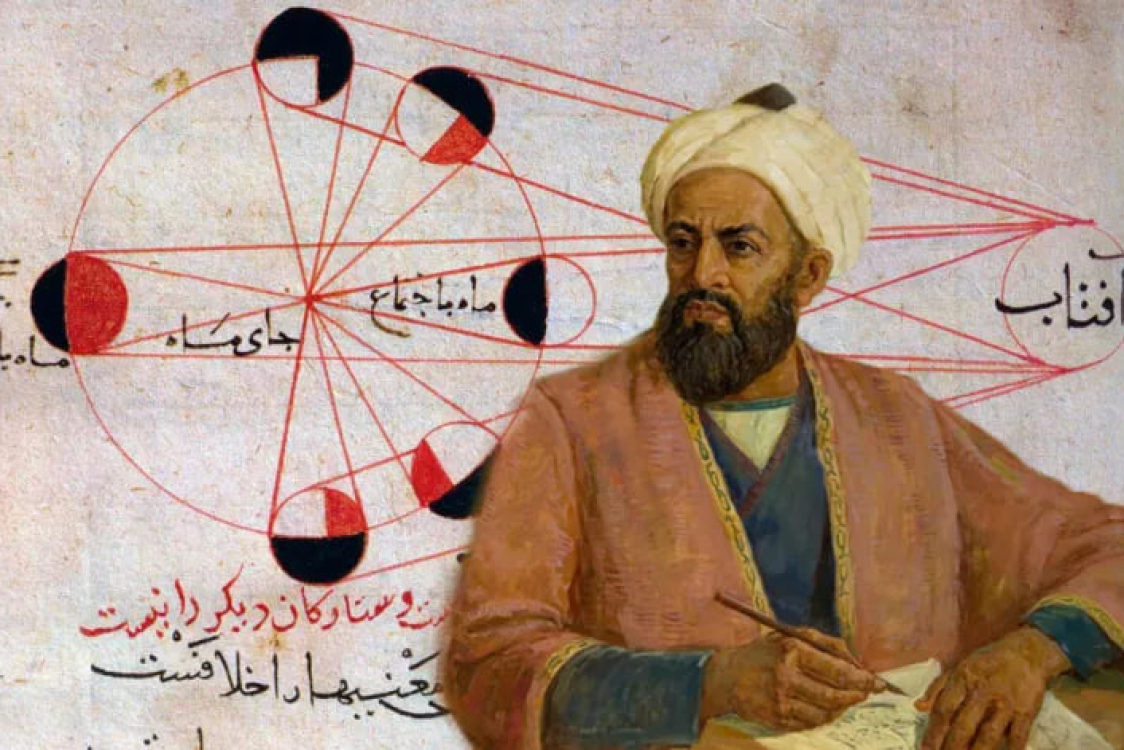
Al-Biruni’s legacy continues to be studied a thousand years on
25.08.2026UNESCO has described Abu Rayhan Muhammad ibn Ahmad al-Biruni as a ‘universal genius’ who lived in Central Asia a thousand years ago. The scholar was born on 4 September 973 in the town of Kas in ancient Khwarezm. He studied astronomy, mathematics, geography, history, physics, mineralogy, pharmacology and other sciences. This is reported by Arzuw.news, citing the newspaper ‘Neutral Turkmenistan’. Al-Biruni’s teacher was the mathematician and astronomer Abu Nasr Mansur ibn Iraq. The scholar is credited with around 180 works, some of which have survived to this day. Among the best known are ‘Chronology of Ancient Nations’, ‘India’, ‘The Canon of Mas’ud’, ‘The Book of Precious Stones’ and ‘Pharmacognosy’. ‘The Canon of Mas’ud’ contains astronomical and mathematical calculations, tables and information on the motion of celestial bodies. Using geometric methods and observations, al-Biruni calculated the radius of the Earth, arriving at a value close to the modern one. In his work ‘India’, the scholar explored the mathematics, astronomy, philosophy, religion, geography and culture of India. To work with primary sources, he learnt Sanskrit. Pharmacology occupies a significant place in al-Biruni’s legacy. In ‘Kitab al-Saydana fi al-Tibb’, he systematised information on medicinal substances, plants and minerals, and regarded pharmacy as an independent field of knowledge. Today, a lunar crater and an asteroid bear al-Biruni’s name. In 1974, UNESCO’s magazine ‘Courier’ dedicated a special issue to the scholar. His scientific legacy continues to be studied by researchers.
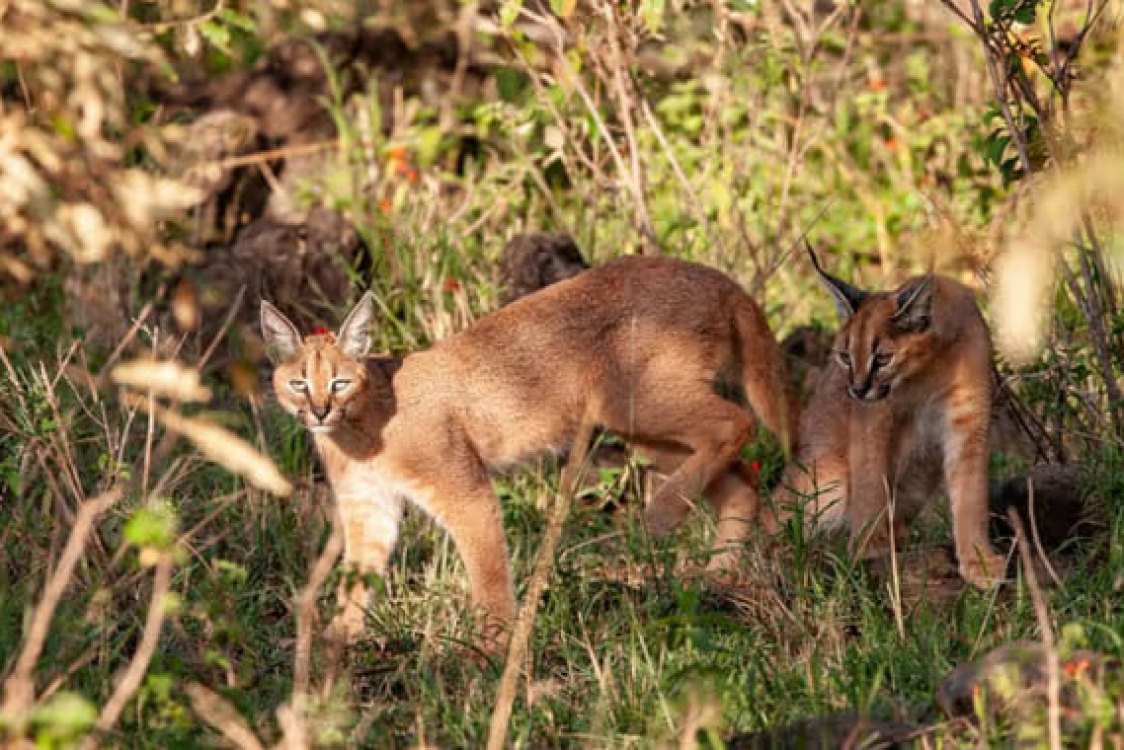
New rules on the cross-border movement of animals have been introduced in Turkmenistan
18.08.2026The Ministry of Environmental Protection of Turkmenistan has approved new regulations governing the import and export of wildlife, their parts and products derived from them, including rare and endangered species. The order has been registered with the Ministry of Justice and has come into force. Its provisions apply to both individuals and legal entities, regardless of their form of ownership, reports the IIC of Turkmenistan. The cross-border movement of animals is permitted for scientific research, participation in international exhibitions, exchanges between zoos and private ownership. The document does not regulate commercial import and export operations. To obtain a special permit, applicants must submit veterinary certificates, documents proving the animal’s origin, and approvals for species listed in the Red Book or protected under the CITES Convention. Applications are processed within 30 days, and the permit is issued for a period of one month. The regulations also set out veterinary and sanitary requirements for the transport and keeping of animals. Checks at border crossing points are carried out by the State Customs Service and the State Veterinary Service of Turkmenistan.
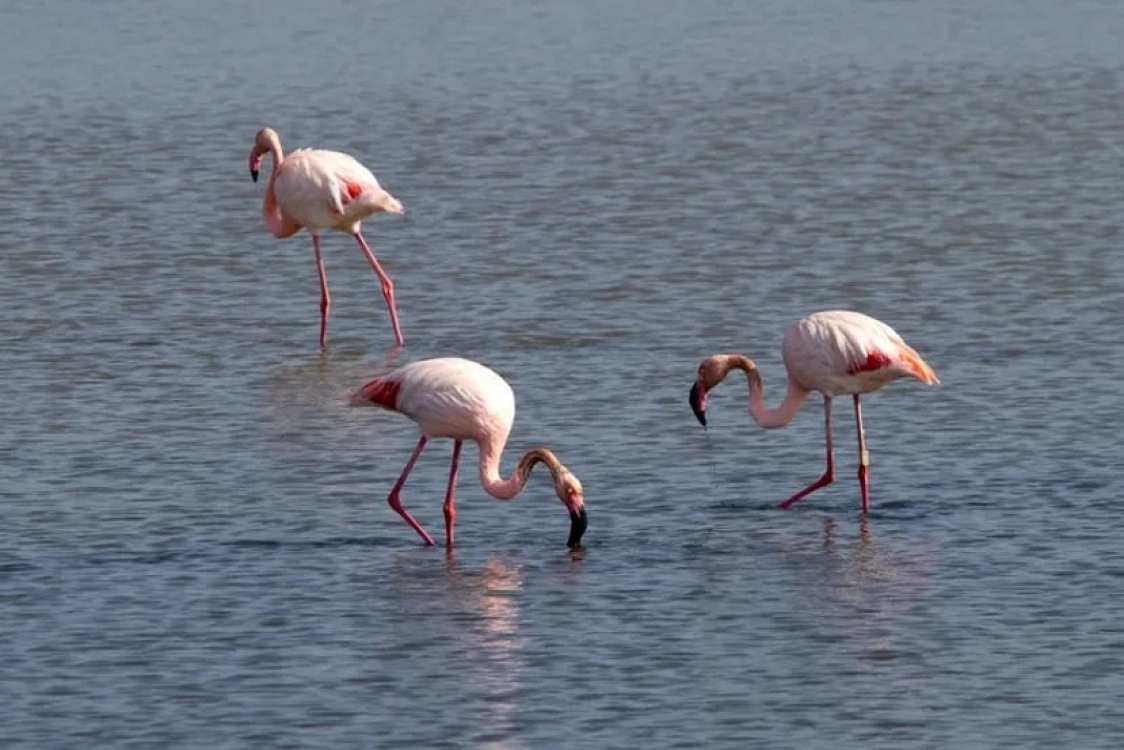
Pink flamingos have been spotted on Lake Garakol in Turkmenistan
02.08.2026Lake Garakol, situated within the ‘Magtymguly’ Dayhan Association in the Shabat etrap of the Dashoguz velayat, is home to a large number of different bird species throughout the year. This was reported by the news website Turkmenportal. In March and June 2026, experts from the ‘Gaplaňgyr’ State Nature Reserve carried out bird surveys. Among the species recorded were the whooper swan, the common shelduck, the wigeon, the red-headed diver, the magpie, various species of gulls, herons, ducks and other birds. During the surveys, ecologists also spotted greater flamingos. Local herders reported that these birds have been visiting the lake for several years. The observations confirmed that flamingos are indeed among the inhabitants of Garakol. This species is listed in Turkmenistan’s Red Book. In July, experts noted an increase in the number and diversity of birds along the lake’s shores. Little terns, great cormorants, meadow pipits, as well as birds with chicks, were recorded. Ecologists emphasised the importance of further studying the Garakol natural complex and raising local residents’ awareness of environmental protection.
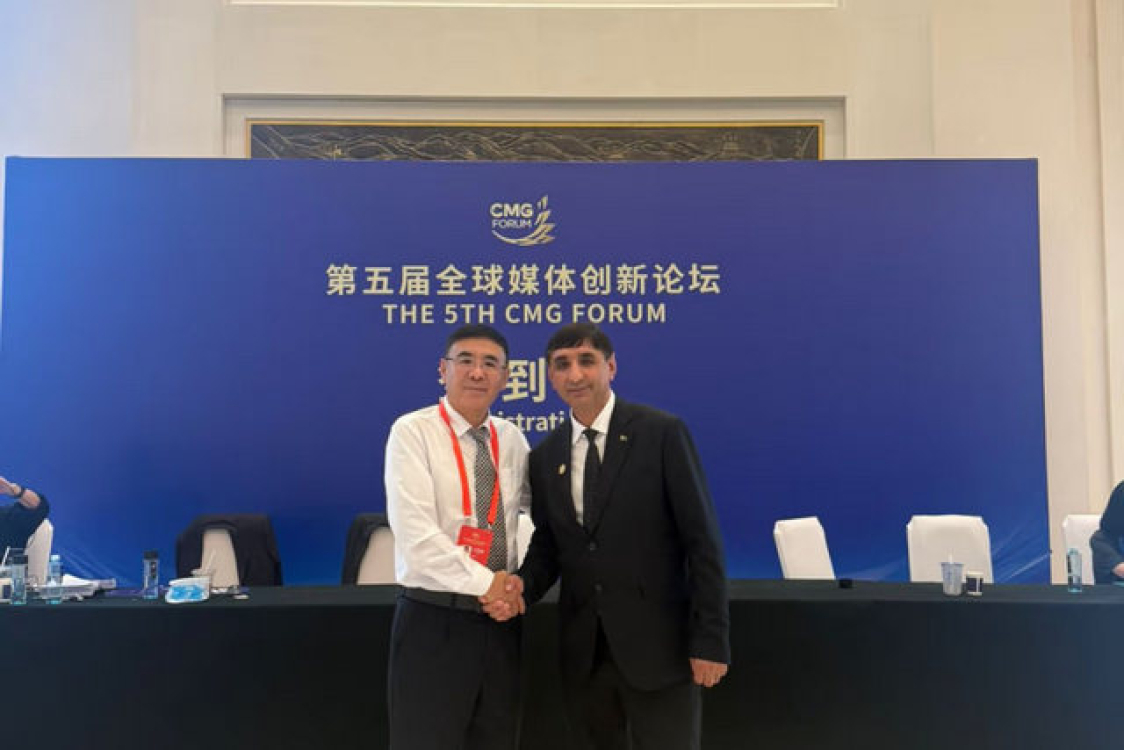
Turkmenistan took part in the Fifth Global Media Forum in China
12.06.2026The Fifth Global Media Innovation Forum (5th CMG Forum) was held in Chongqing (China) on June 10–11, 2026. Deputy Chairman of the State Committee for Television, Radio Broadcasting and Cinematography of Turkmenistan Annasakhet Kakaev took part in the event, according to the IIC. The forum was organized by China Media Group (CMG) together with the Chongqing Municipal Government. Around 300 delegates participated, including heads of global media organizations, representatives of international organizations, think tanks, and multinational corporations. The main focus was on the development of artificial intelligence technologies and their impact on the media industry. Participants discussed issues related to maintaining trust in information, improving its accuracy, and adapting media to generative technologies. Special attention was given to the development of international professional cooperation under conditions of technological change. The agenda also included discussions on the “Global South” development agenda, inclusivity, and equal access to digital technologies across different regions of the world. Delegates analyzed the application of artificial intelligence in news production, cultural communication, and social services. The participation of the Turkmen representative reflected the country’s interest in the development of digital technologies and the modernization of its national media system.
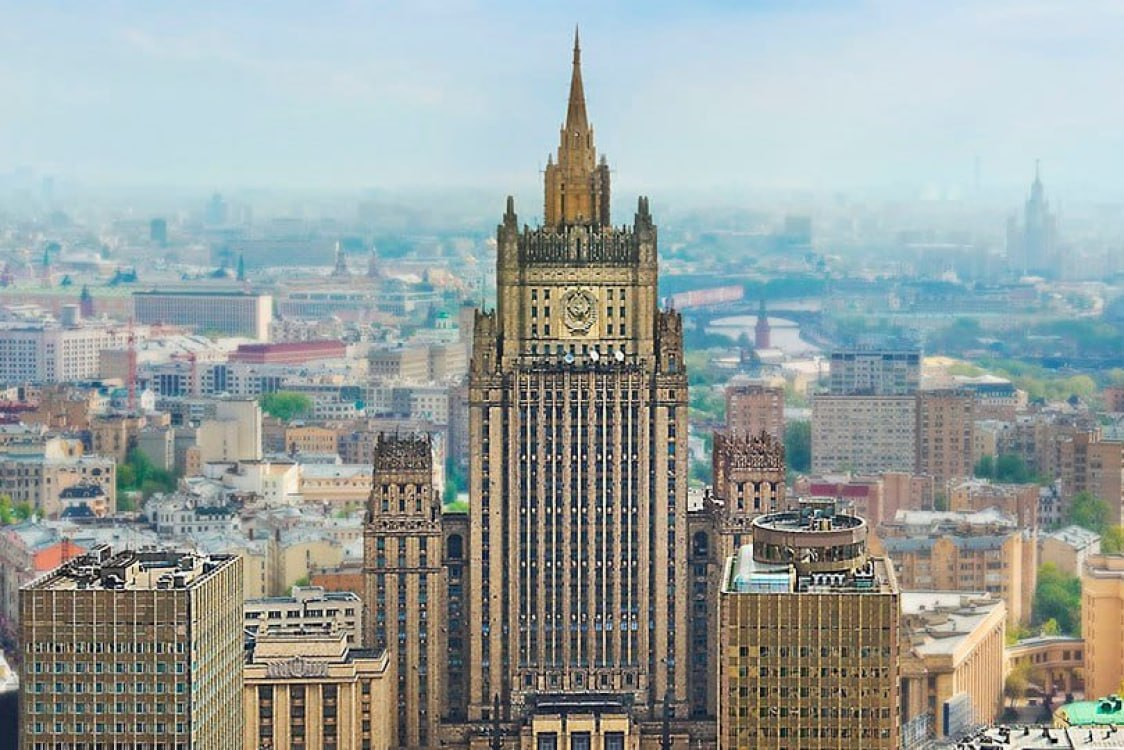
Turkmenistan and Russia Strengthen Coordination in the Field of Biosafety
11.06.2026On June 9, Russian-Turkmen interagency consultations on biological security issues were held in Moscow. Representatives of the foreign ministries and specialized experts from the two countries exchanged assessments of existing biological risks at both the global and regional levels, according to the Orient news agency. Particular attention was given to the implementation of previously reached agreements. The parties discussed possible joint initiatives for the near future, as well as measures to improve communication channels and strengthen interagency cooperation in this field. Following the meeting, it was noted that Moscow and Ashgabat share similar approaches to key issues of international biological security. The participants emphasized the importance of further deepening coordination both bilaterally and within international platforms, including the UN General Assembly, the Commonwealth of Independent States (CIS), and the Biological and Toxin Weapons Convention (BTWC).

Turkmen scientists are studying the potential of medicinal plants for gerontology
08.06.2026Specialists at the International Science and Technology Park of the Academy of Sciences of Turkmenistan are conducting research in the fields of biomimetics and nutrigenomics, studying mechanisms of longevity and the possibilities of their application in medicine and biotechnology. This was reported by the publication “Turkmenistan: The Golden Age”. The work is being carried out under the leadership of the park’s director, Durdy Murat Gadhamov, and the head of the biotechnology laboratory, Altyn Rakhmanova. One of the key objects of the research is the Central Asian tortoise (Testudo horsfieldii), known for its ability to maintain biological functions for decades. According to scientists, the resilience of this species is linked to effective DNA repair mechanisms and the activity of sirtuin proteins, which are responsible for cellular stability. Researchers note that studying these processes may contribute to the development of domestic biotechnology and medicine. An important foundation for the scientific work is the multi-volume publication “Medicinal Plants of Turkmenistan.” Analysis of the region’s natural resources has shown that flavonoids, saponins, and glycosides contained in local flora can influence biological mechanisms associated with longevity. Currently, specialists at the park are using computer modeling methods and phytochemical analysis to develop practical solutions for the pharmaceutical and food industries. The research is also aimed at advancing modern approaches in the field of gerontology.
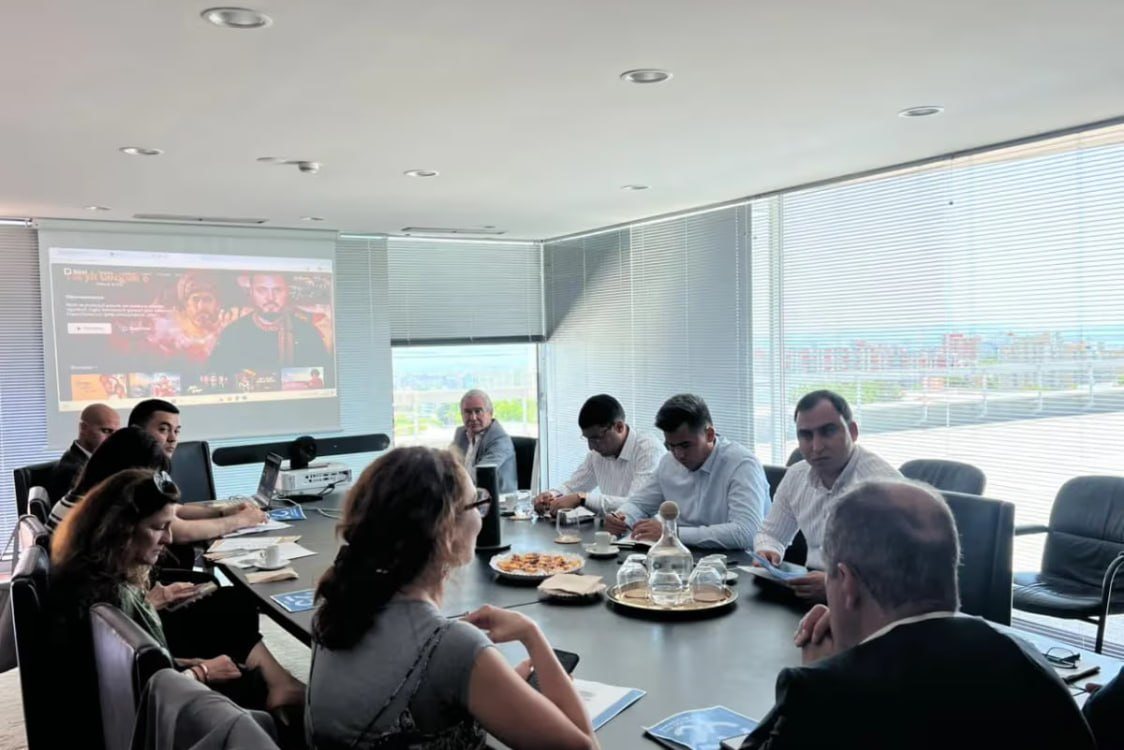
Turkmenistan media representatives familiarized themselves with Portugal’s experience
06.06.2026A delegation from Turkmenistan, during a working visit to Lisbon organized by the OSCE office in Ashgabat, visited the headquarters of the Portuguese public broadcasting corporation RTP. This was reported by the IIC. The delegation included representatives of the State Committee for Television, Radio Broadcasting and Cinematography, the Ministry of Foreign Affairs, as well as editors from state media outlets. Discussions focused on the modernization of broadcasting standards and the exchange of professional experience. Portuguese specialists presented practices for the technical and editorial upgrading of television and radio channels. The Turkmen side introduced colleagues to the development of the national media industry and presented the Belet streaming platform. During the meeting, the Portuguese side noted the technological level and design of the platform, as well as expressed interest in its sports and multimedia content. Following the visit, both sides noted the strengthening of professional contacts. Turkmen representatives thanked RTP for the reception and the opportunity to study European media experience for the further development of national media.
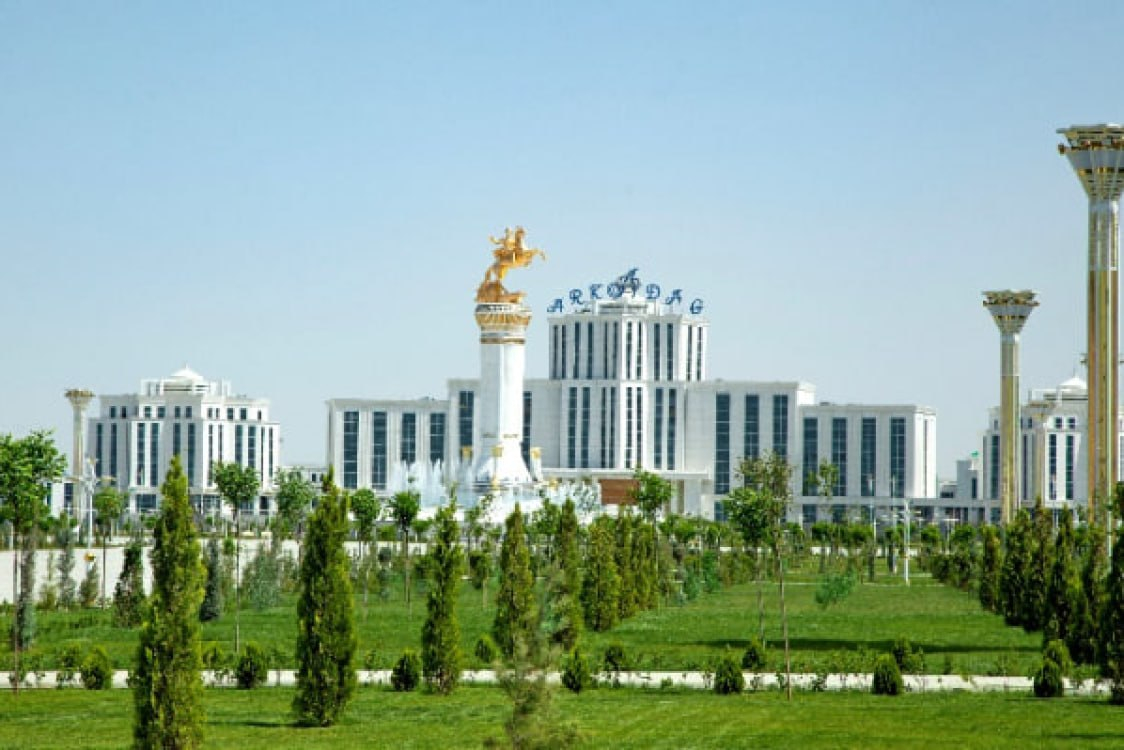
Arkadag City Combines Innovation, Sustainability, and Modern Infrastructure
02.06.2026Arkadag City, located at the foothills of the Kopetdag Mountains, has become one of the largest urban development projects in modern Turkmenistan. Built within the framework of the “smart city” concept, it is focused on the implementation of advanced technologies, infrastructure development, and improving the quality of the urban environment, AsmanNews reports. The initiator of the city’s creation was the National Leader of the Turkmen people and Chairman of the Halk Maslahaty of Turkmenistan, Gurbanguly Berdimuhamedow. In accordance with the legislation of Turkmenistan, Arkadag has been granted the status of a city of national significance. Particular attention was paid during the design process to combining modern architecture, engineering solutions, and the natural landscape. The city features wide avenues, parks, fountains, and public spaces. One of Arkadag’s key development priorities is environmental sustainability. Projects are being implemented to preserve a favorable environment, expand green areas, and create comfortable living conditions for residents. Considerable attention is also devoted to supporting young people. Arkadag provides opportunities for education, professional development, and the implementation of initiatives by the younger generation. Modern lighting systems and architectural illumination create a distinctive cityscape in the evening, highlighting the unique features of its layout and architecture. The development of urban infrastructure continues through the implementation of new projects and programs aimed at further improving the city environment. Arkadag is regarded as an example of a comprehensive approach to urban planning, combining modern technologies, environmental solutions, and social orientation. The city continues to develop, strengthening its position as one of the country’s modern administrative and public centers.
Turkmenistan Media Delegation Begins Working Visit to Portugal
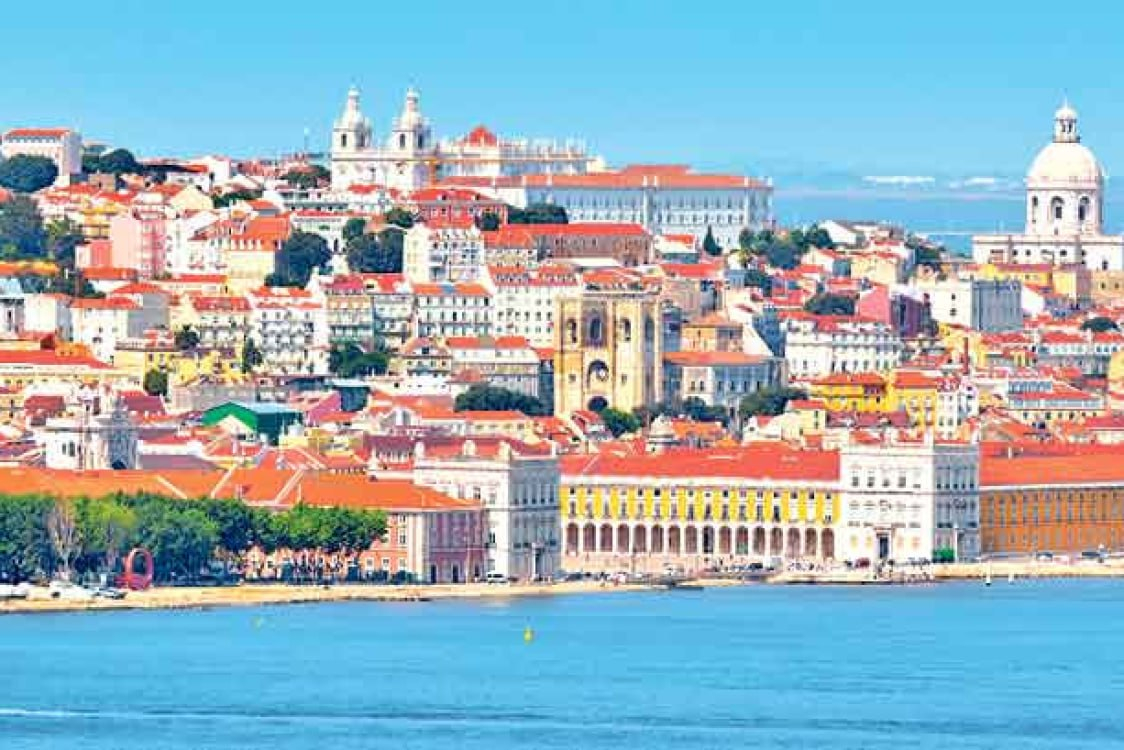
02.06.2026A delegation of representatives from Turkmenistan’s mass media began a working visit to Portugal’s capital, Lisbon, on May 31. The trip was organized by the OSCE Centre in Ashgabat, according to the publication “Turkmenistan: Golden Age”. The visit is being held within the framework of a program aimed at further modernizing journalism and communication practices. Over the course of several days, meetings are scheduled with representatives of Portuguese government institutions and media organizations. The program includes talks at Portugal’s Ministry of Foreign Affairs, the country’s parliament, as well as meetings with representatives of Portuguese media outlets. During the visit, the parties will discuss modern approaches to journalism and exchange professional experience. The Turkmen delegation will also familiarize itself with the practices of Portugal’s media sector. The country has a wide range of online and print media covering issues related to the economy, culture, sports, healthcare, and public life.
Read also


Advertising



 Read us in Zen


