


Information
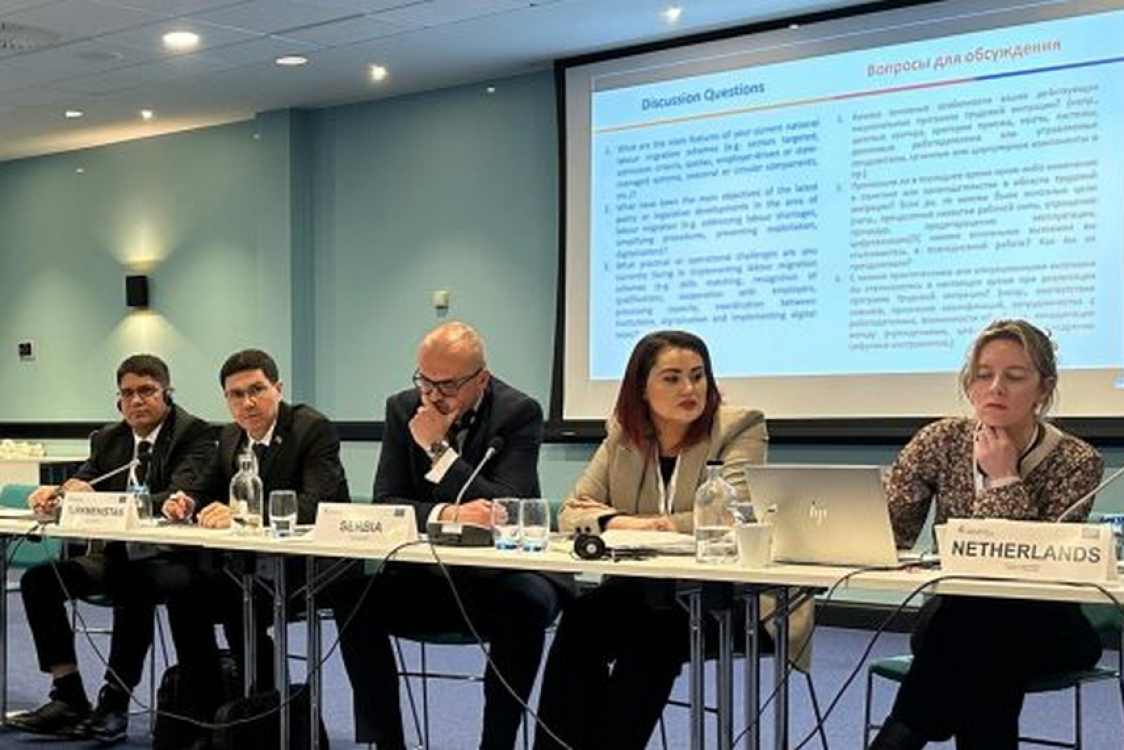
Turkmenistan shared its experience in regulating migration processes
16.03.2026A two-day international seminar on labour migration was held in Brussels as part of the Prague Process. The event was attended by representatives of relevant government agencies, international organisations and European Union bodies, including the European Commission and the International Centre for Migration Policy Development (ICMPD). This was reported by the press service of the Turkmenistan diplomatic mission in Brussels. Representatives of the State Migration Service of Turkmenistan took part in the seminar. During thematic sessions and round-table discussions, Turkmen specialists presented their country’s experience in regulating migration processes, paying particular attention to the introduction of innovative approaches and the development of digital solutions in the field of migration management. Participants were also provided with information on the modernisation of Turkmenistan’s migration infrastructure, including the expansion of e-services, the strengthening of inter-agency cooperation and the improvement of data-sharing mechanisms between government agencies. It was noted that these measures are aimed at increasing the transparency of procedures, the quality of public services and the efficiency of migration management. During the discussions, experts and representatives of the participating countries gave a positive assessment of the level of institutional development of Turkmenistan’s migration system. It was emphasised that the national system demonstrates a high level of internal coordination, and that effective information exchange between relevant departments facilitates a timely response to contemporary migration challenges. The seminar also served as a platform for professional dialogue on the development of legal channels for labour mobility, the expansion of international cooperation and the improvement of mechanisms for the recognition of qualifications. Participants discussed promising areas for further cooperation and exchanged best practices in the field of migration management.
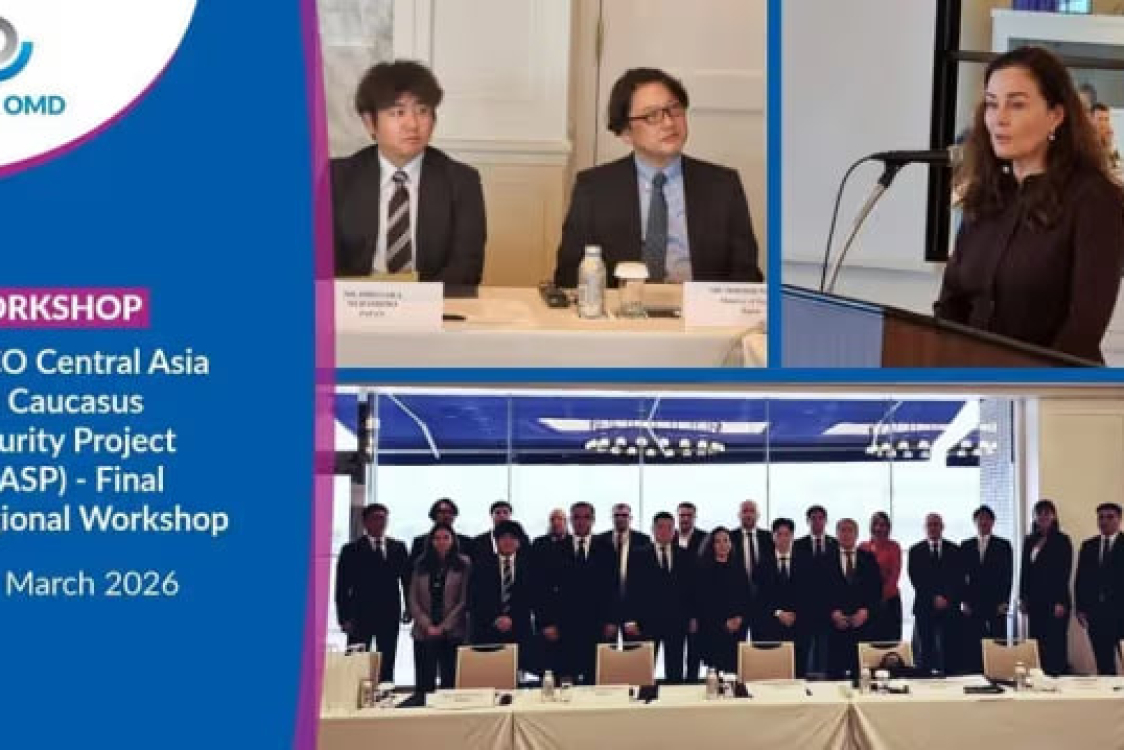
Turkmenistan shared its experience of modernising its customs system at a seminar in Japan
16.03.2026Representatives of the State Customs Service of Turkmenistan took part in the final regional seminar of the Central Asia and Caucasus Security Project (CCASP), which was held in Tokyo. This was reported by the agency’s press office. The event was organised by the World Customs Organisation with the support of the Japanese government. The seminar focused on combating the illicit cross-border movement of small arms, light weapons and unmanned aerial vehicles. Representatives of the customs services of Armenia, Azerbaijan, Georgia, Kazakhstan, Kyrgyzstan, Tajikistan, Turkmenistan and Uzbekistan took part in the three-day programme. Participants reviewed the outcomes of the training activities, exchanged national experiences and familiarised themselves with modern methods of border and customs control used by the Japanese customs service. It is noted that Turkmenistan is an active participant in the CCASP project. Previously, representatives of the country took part in a regional seminar in Astana in July 2025, as well as in a bilateral training session in Baku in January 2026. During the seminar, the Turkmenistan delegation presented a report on the modernisation of the national customs system. In particular, they spoke about the work of the Control and Analytical Centre, which provides automated risk analysis and speeds up customs clearance procedures. In addition, participants were provided with information on the modernisation of the technical infrastructure at customs posts, including the introduction of inspection and screening complexes, video surveillance systems and radiation monitoring.
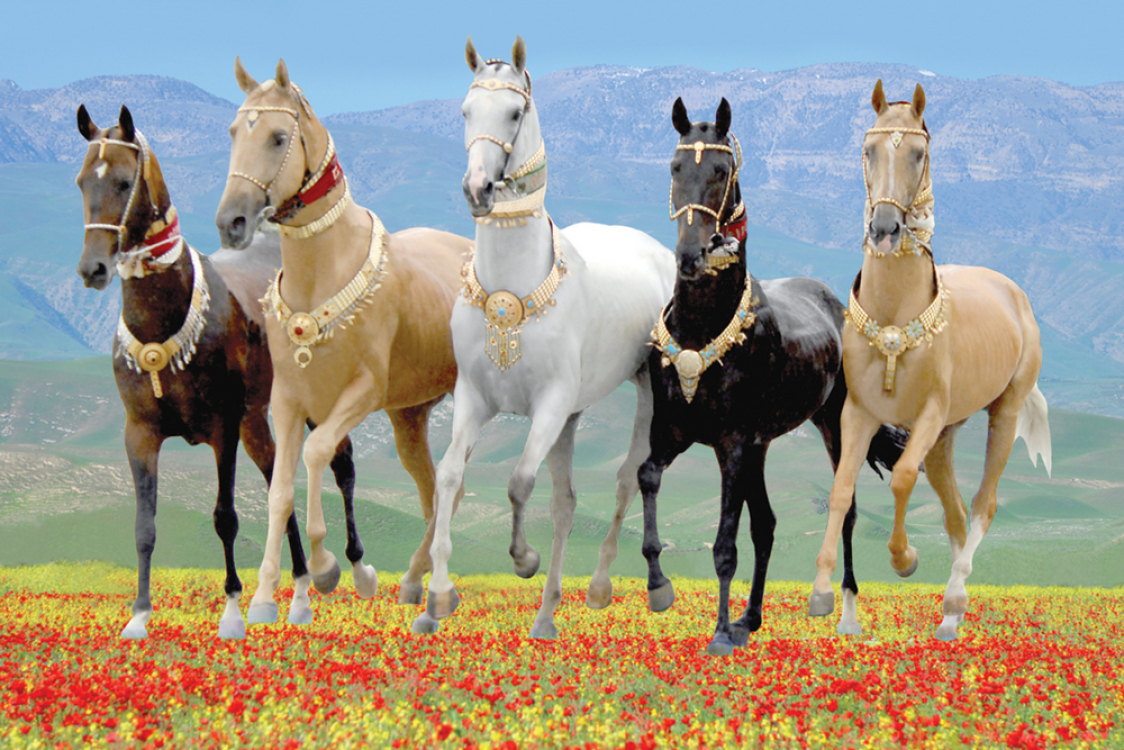
Turkmen Ahal-Teke horses will compete on the world equestrian stage
06.03.2026In honour of the 35th anniversary of Turkmenistan's independence, there are plans to hold the ‘Amul-Hazar’ horse race, in which 35 riders on Ahal-Teke horses from Ashgabat, Arkadag and other regions of the country will take part. The significant date will also be marked by festive competitions in equestrian complexes in the capital and velayats, as well as tourist horse rides through picturesque corners of the country, reports TDH. Throughout the year, the Turkmenistan delegation intends to participate in a number of international events related to horse breeding and equestrian sports. These include the prestigious Dubai World Cup 2026 in Dubai, the Royal Windsor Horse Show 2026 in the United Kingdom, the FEI World Championship 2026 in Aachen, Germany, the FEI Jumping Nations Cup™ Youth competition in the Netherlands, the Prix de l'Arc de Triomphe Longchamp horse race in Paris and the Fieracavalli 2026 horse festival in Verona, Italy. Participation in equestrian competitions timed to coincide with the National Day of the United Arab Emirates is also planned. The ‘Galkynysh’ National Equestrian Games Group will also continue its foreign tours. On 4 March, the group performed in Baku, where, as part of the visit of the Turkmen delegation, a Memorandum of Cooperation in the field of equestrian sports and horse breeding was signed between the ‘Türkmen atlary’ State Association and the Azerbaijan Equestrian Federation. The group also plans to tour China in the future. In addition, Ahal-Teke horses from Turkmenistan will take part in international competitions and beauty contests abroad. In particular, these include the ‘The Pearl of the East’ equestrian competitions in Uzbekistan, the ‘Kurultaj’ festive events in Hungary and the Ahal-Teke horse beauty contest in the Netherlands.
Scientists from Turkmenistan are studying the unique source ‘Hojagaynar’
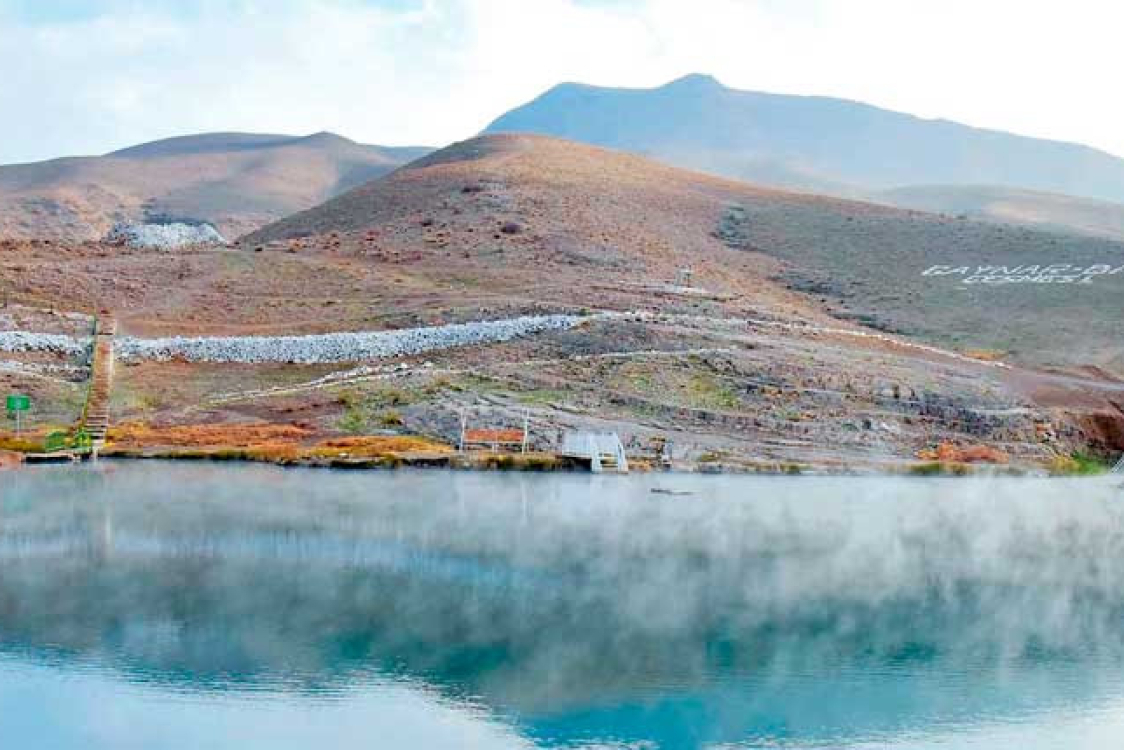
04.03.2026Koytendag remains one of the most remarkable natural regions of Turkmenistan. It is home to dinosaur footprints on high mountain plateaus, mountain caves and gorges — Daraydere, Tutlydere, Umbardere and Kyrk Gyz, an underground lake with blind fish, a grove of unabi trees and the highest point in the country — the Ayrybaba ridge. These sites attract travellers from Turkmenistan and other countries, according to the publication ‘Turkmenistan: Golden age’. Among the region's natural attractions, the ‘Hojagaynar’ spring, known to locals as ‘Gaynarbaba’, stands out. It is located south of the village of Garlyk on the western slope of the mountain range. The reservoir is about 40 metres long, almost 30 metres wide and up to three metres deep in places. The spring is formed by the confluence of two streams. One has clear water, while the other has a cloudy white tint due to its hydrogen sulphide content. Locals call them ‘ak suw’ (white water) and ‘gök suw’ (blue water). The name ‘Gaynarbaba’ is associated with the fact that the water coming out at the foot of the mountain visually resembles boiling. Studies show that the water contains hydrogen sulphide, minerals and other chemical elements. Thanks to this, it is used in the treatment of skin diseases, digestive disorders and a number of other ailments. The water temperature remains at around 22°C all year round. A distinctive feature of the spring is the presence of fish despite the absence of any connection to rivers or other bodies of water. According to experts from the scientific department of the Koytendag State Nature Reserve, the eggs may have been brought there by birds. The fish swim freely towards people, as fishing is prohibited here and the place is considered sacred. There are no predatory species in the reservoir. Molluscs, earthworms and other invertebrates have also been found, which scientists consider to be ancient forms. For this reason, the spring is called a unique natural museum. An endemic species of snail, Melania, measuring 3–4 centimetres, also lives here. These white shells with a speckled pattern are found nowhere else. The ‘Gaynarbaba’ spring, like other sites in Koytendag, remains the subject of further scientific research.
Applications are now being accepted for the television competition ‘The Flight of the Horse: Strength and Grace’
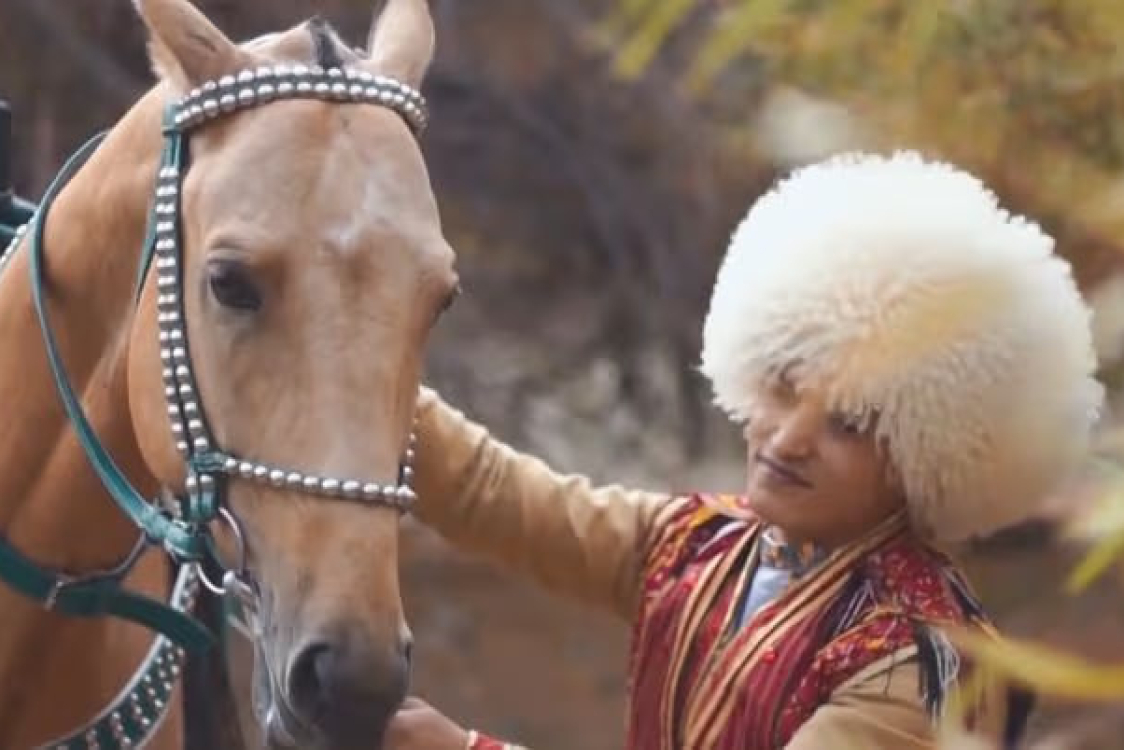
03.03.2026Turkmenistan has begun accepting applications for the Interstate Television Film Competition of the Commonwealth of Independent States, entitled ‘The Flight of the Horse: Strength and Grace.’ This information comes from IIC. The project aims to strengthen cultural and humanitarian cooperation between the CIS countries and uses the art of cinema to reveal the beauty, grace and unique role of horses in world history and culture. The competition is expected to become a platform for professional exchange of experience between filmmakers and television journalists of the Commonwealth. It is noted that the competition contributes to the international promotion of Ahal-Teke horses as an important element of Turkmenistan's national cultural heritage, as well as the development of humanitarian cooperation within the CIS.
In Turkmenistan, the population of the Near Eastern leopard numbers 60–80 individuals
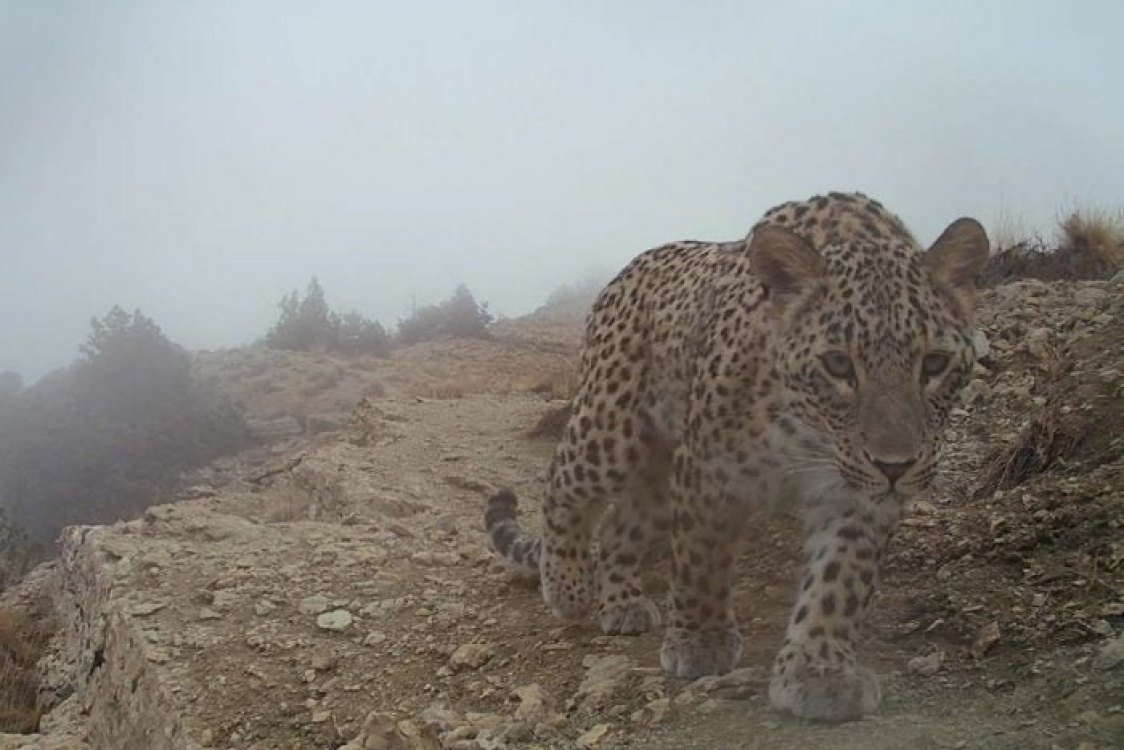
11.02.2026In 2025, Turkmenistan showed significant progress in wildlife conservation: the population of the Near Eastern leopard is estimated at 60–80 individuals, according to the annual report on wildlife and specially protected natural areas in the country. This was reported by the online publication ‘Business Turkmenistan’. Leopards mainly inhabit mountainous and foothill areas – Kopetdag, Greater Balkan, Badhyz and Sunt-Hasardag nature reserves, the southern coast of Garabogaz Bay and certain areas of the Balkan Range. In 2025, control measures were strengthened in protected areas, the use of camera traps was expanded, and the SMART system was introduced, which increased the effectiveness of monitoring and patrolling. Turkmenistan has strengthened international cooperation in the field of nature conservation by becoming a party to CITES, the Convention on Migratory Species (CMS) and the updated CAMI Programme for 2026-2032. The report emphasises that the recovery of large predators depends on the status of ungulate populations — gazelles and mountain goats — which remain under pressure from poaching and habitat degradation. In addition to leopards, the country's protected areas support populations of caracals, manuls, gazelles, mountain goats, ground squirrels, badgers and rare birds.
International media outlets are following the match between ‘Arkadag’ and ‘Al-Nassr’ in Ashgabat
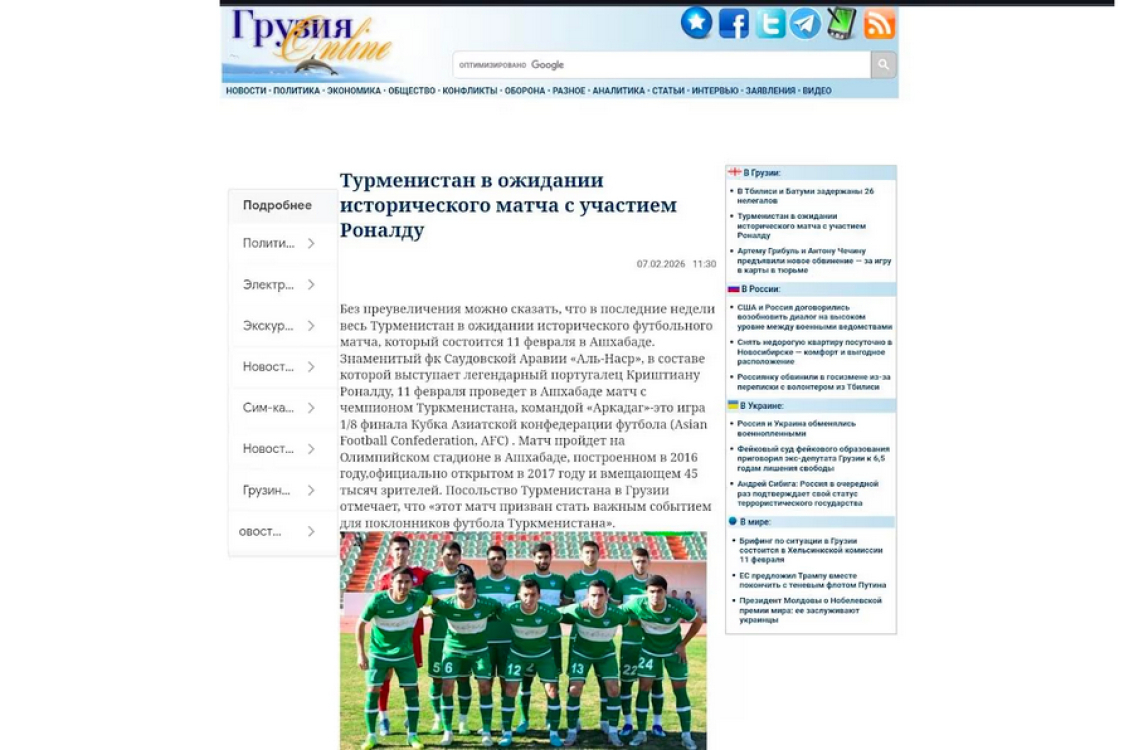
08.02.2026On 11 February 2026, the Olympic Stadium, with a capacity of 45,000 spectators, will host the AFC Champions League Round of 16 match between local team ‘Arkadag’ and Saudi club ‘Al-Nassr’. The independent portal ‘Georgia Online’, together with distinguished Georgian journalist Tengiz Pachkoria, presented an overview of the upcoming football event in Ashgabat, reports IIC. The main news story was the arrival of Cristiano Ronaldo. Sadio Mané, João Félix and Kingsley Coman will also take to the field. The Embassy of Turkmenistan in Georgia noted that the Portuguese player's visit is an important milestone for the development of football in the country. The ‘Arkadag’ club was founded in early 2023. Under the leadership of coach Vladimir Bayramov, the team won the national championship, the Cup and the Super Cup of Turkmenistan three times, and in May 2025 won its first trophy on the continental arena — the AFC Challenge League. In Group B of the current season, the club advanced to the playoffs from second place.
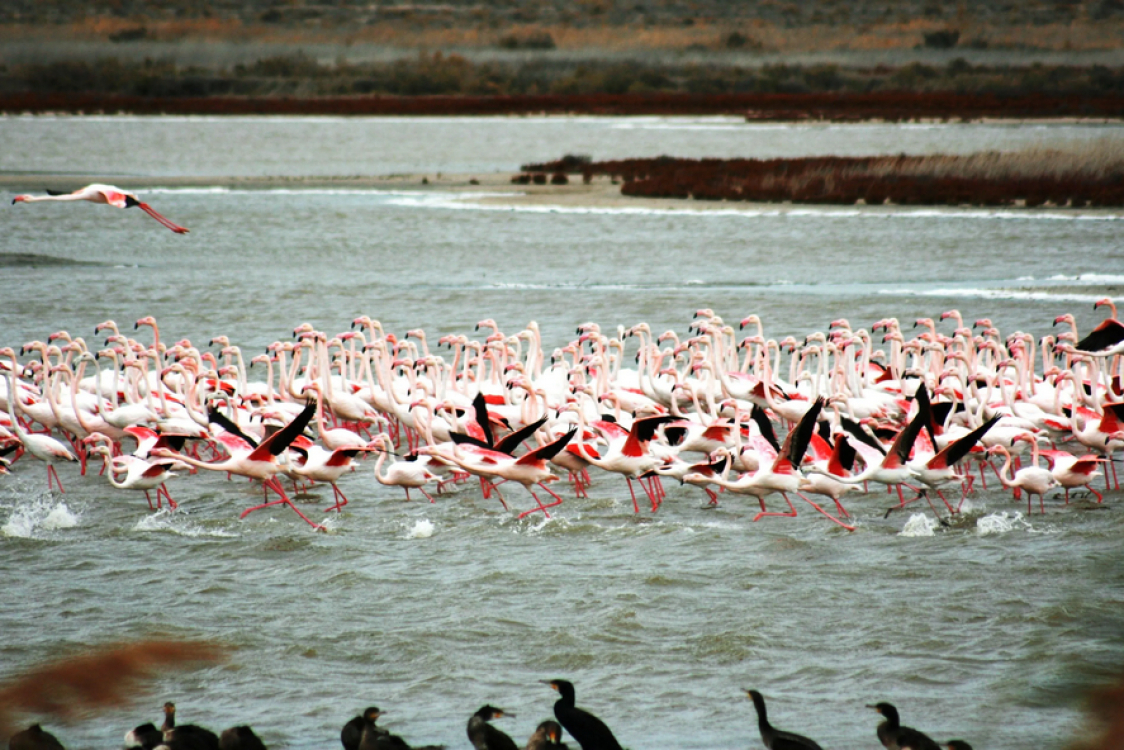
A record number of flamingos has been recorded on the Turkmen coast of the Caspian Sea
03.02.2026The Turkmen sector of the Caspian Sea, with its wetlands, plays a key role in the migration, wintering and nesting of Eurasian waterbirds. In January, staff at the Hazar Reserve conducted their annual waterbird census. This was reported by the news website Turkmenportal. The census revealed a record number of flamingos. The survey covered almost the entire water area of the Turkmen coast. Despite the drop in sea level and the reduction in the area of some wetlands, the weather conditions in January were favourable for birds. The total number of individuals recorded was 405,595, including 43 species and 4 species of unidentified identity. As usual, coots were the most numerous, with 179,904 individuals, followed by red-necked grebes (86,901) and mallards (30,772). Tufted ducks, red-crested pochards and various species of swans were also recorded. A particular success of the census was the 33,373 pink flamingos recorded, which is the best result in the history of observations. Continuing such census activities is important for the management of protected areas, the conservation of key ornithological zones and the confirmation of international Ramsar status.

Canadian Ambassador discusses prospects for strengthening ties with Turkmenistan
29.01.2026Christopher Duggan, Canada's Ambassador Extraordinary and Plenipotentiary to Turkmenistan, noted the prospects for strengthening bilateral relations between the countries in an interview with IIC. ‘Our embassy is located in Astana (Kazakhstan), and I have the honour of being Canada's Ambassador to the entire region. I am currently in Turkmenistan and I am very happy to be here,’ the Ambassador emphasised. Mr. Duggan noted that he sees great potential in the development of bilateral relations, as the countries have much in common in terms of peace, security, trust and participation in multilateral international institutions. The Diplomat reported that representatives of Turkmenistan recently made a successful visit to the Canadian Broadcasting Corporation, and a meeting was held to discuss new opportunities for further cooperation and strengthening communication between the countries. The Head of the diplomatic mission noted that Turkmenistan faces common challenges that create opportunities for finding joint solutions, and expressed hope for the strengthening of these ties and his return to the country. According to him, it is important for him not only to work in Turkmenistan, but also to seek ways to build a more just and peaceful future for both countries.
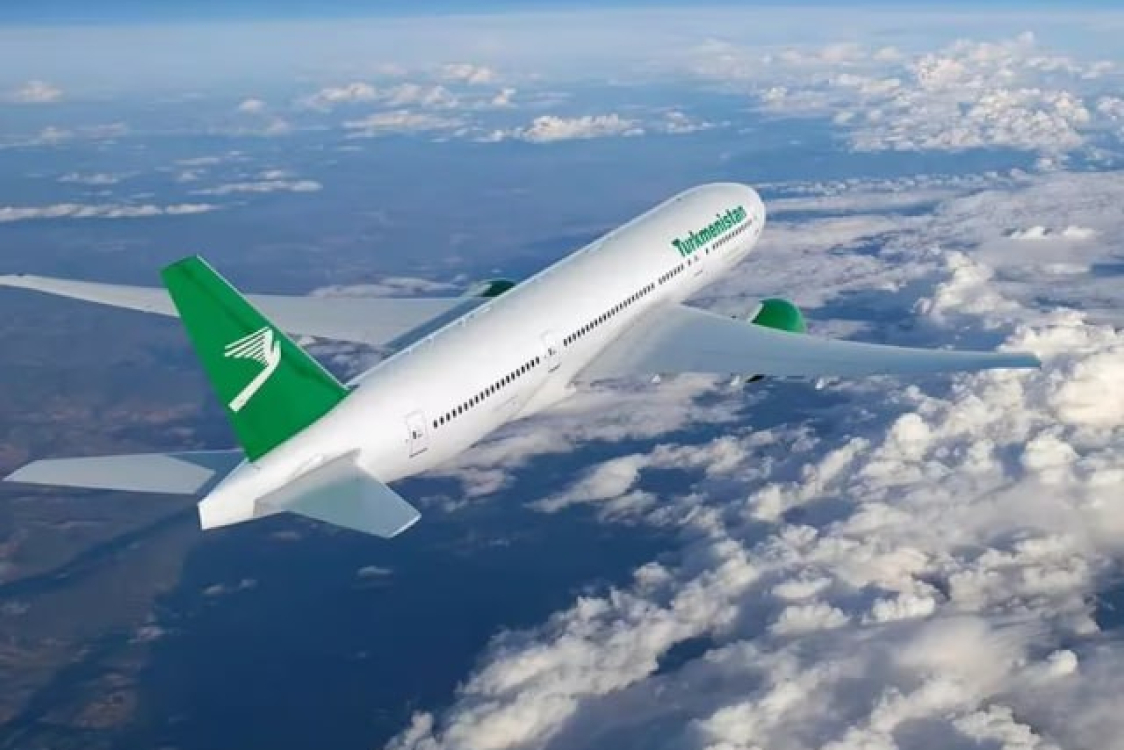
Ashgabat launches direct flights to 14 cities around the world
29.01.2026On 25 January, Turkmenistan's national airline launched an updated international flight schedule, expanding opportunities for business and leisure travel. This was reported by the news website Asmannews. Direct flights from Ashgabat are now available to 14 major cities in Europe, Asia and the Middle East. The current schedule is published on the airline's website and provides convenient connections to key global destinations. The airline network covers Asian cities such as Beijing, Bangkok, Ho Chi Minh City, Kuala Lumpur, Seoul and Delhi; European hubs such as London, Frankfurt and Milan; and Arab centres such as Dubai, Abu Dhabi and Jeddah. Connections to Russia and Turkey are maintained via Kazan and Istanbul. The most frequent flights are to Istanbul and Kazan. Flights to the Persian Gulf countries operate up to seven times a week, to European cities twice a week, and to Asian metropolises once or twice a week. This schedule provides passengers with flexibility and reliability when planning international trips.

The ‘Nusay’ brand presented a series of products for the match between FC ‘Arkadag’ and ‘Al-Nassr’
28.01.2026On 11 February, FC ‘Arkadag’ will play a match against Saudi club ‘Al-Nassr’, for which Cristiano Ronaldo plays, in Ashgabat. Ahead of the match, a special series of products has been produced at the Turkmenbashi Textile Complex, according to the publication ‘Turkmenistan: Golden age’. Under the ‘Nusay’ brand, T-shirts made from Turkmen cotton with the ‘Arkadag’ FC logo and the motto of the year are being produced here. The products are being released specifically for the upcoming match. The Textile Complex notes that ‘Nusay’ does not only produce products for specific sporting events. The company produces clothing with FIFA and UFC symbols, as well as sports suits for professional athletes and amateurs. The complex's production cycle covers all stages, from processing cotton supplied from the country's velayats to sewing finished products. The process uses a thread starching technology to increase fabric strength. The dyeing shop can use up to 12 colour templates simultaneously. The company's capacity also allows it to produce home textiles, including combined pyjamas made of knitwear and calico. The entire production complex, covering an area of 230,000 square metres, operates in three shifts and includes five interconnected production facilities. Finished products undergo quality control at every stage. ‘Nusay’ brand products are sold in brand stores, the ‘Altyn Asyr’ Shopping Centre, and through the Nusay-shop online store.
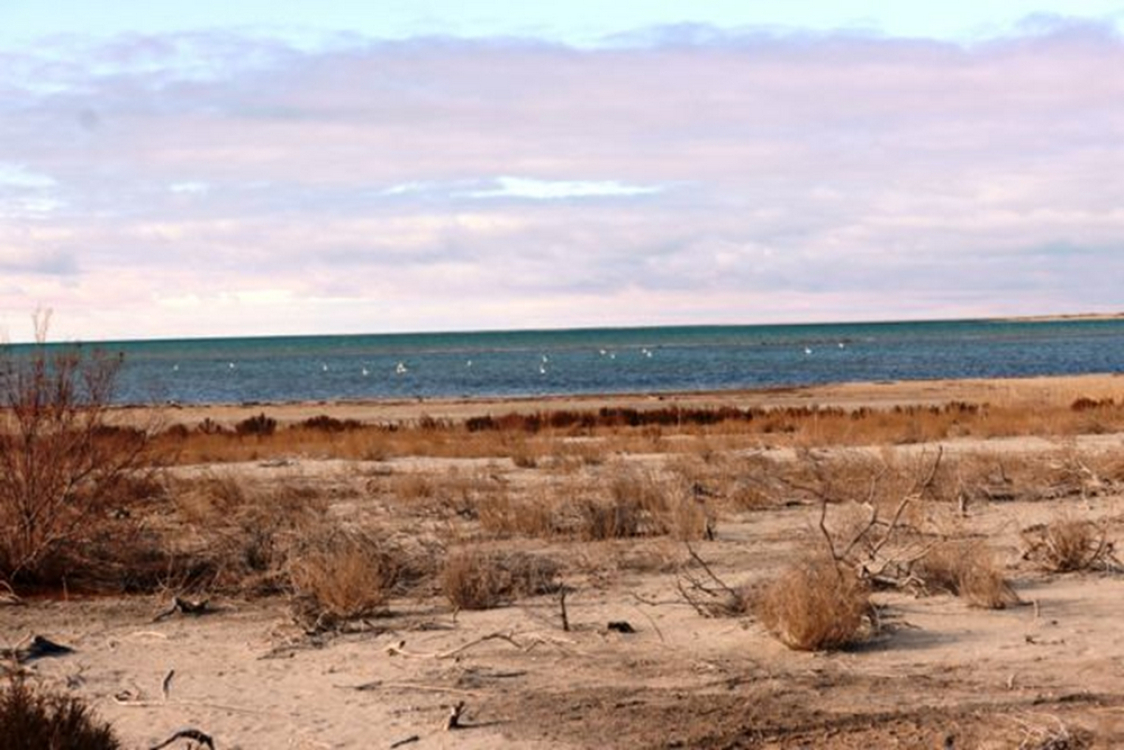
More than 32,000 birds were counted in the Kaplankyr Nature Reserve in Turkmenistan
27.01.2026In the second half of January, a winter bird census was conducted in the Kaplankyr State Nature Reserve. This was reported by the press service of the Ministry of Environmental Protection of Turkmenistan. The monitoring covered the areas of the Zengibaba, Uzynshor, Atabayshor and Sarykamysh, the coastal areas of the Dashoguz tributary of Lake ‘Altyn Asyr’, as well as other parts of the reserve. The field work was carried out by specialists from the reserve with the assistance of the UNDP project on the conservation and sustainable management of ecosystems in the Aral region. The survey was conducted along an 811 km road route and 36 km of walking routes. Small water bodies were considered as separate observation sites, and Lake Sarykamysh was divided into sectors — Mergenashan, Mashryk-Aji, Gulanly and Hallychakan. Observations were made from fixed points using optical equipment. A total of 45 bird species were recorded. Nine of them are sedentary, including the common owl, hawk, jay, desert crow and wagtail. The remaining species are migratory, nesting and wintering birds. Waterfowl accounted for 26 species, or 57.7% of the total. The total number of birds recorded reached 32,416 individuals.
Read also




Advertising




 Read us in Zen


