


Turkmenistan’s textile industry is consolidating its position as one of the key sectors of the national economy. The development of modern production facilities, the modernisation of enterprises and investment projects are contributing to the expansion of the product range and exports, reports the TDH news agency.
At an extended meeting of the Cabinet of Ministers on 10 July, President Serdar Berdimuhamedov highlighted the need to improve the quality of textile products, make more efficient use of production capacity and draw on international experience in the trade of carpets and carpet products.
For the period January–June 2026, the growth rate of output by the Ministry of the Textile Industry stood at 106.3 per cent. The modernisation of enterprises and the introduction of state-of-the-art equipment from leading companies in Switzerland, Germany, Italy, Belgium and Japan are playing a key role in the sector’s development.
This year, a new workshop for processing camel wool and goat down has been commissioned at the Bayramali Textile Complex named after the Great Saparmyrat Turkmenbashi. Equipment supplied by the Italian company ‘Cormatex SRL’ enables the production of around 130 tonnes of yarn per year. The enterprise uses local raw materials sourced from livestock farms and private households.
Technological modernisation has also been carried out at the Dashoguz Cotton Spinning Mill. Enterprises in the sector are expanding their capacity for processing cotton, silk and other types of natural raw materials, whilst also introducing technologies for the recycling of garment waste.
Silk production constitutes a separate sector. The Ashgabat Silk Reeling Factory and the Turkmenabat Silk Production Association have been modernised, and new workshops have been opened at these sites to produce carpets, the traditional ‘keteni’ fabric and other silk products. Silk fibre is also used at the Ashgabat Velvet Factory.
Production under the ‘Gala’, ‘Ýeňiş’, ‘Goza’, ‘Wada’, ‘Nusaý’, ‘Bedew’, ‘Bürgüt’, ‘Akpamyk’, ‘Merw’, ‘Jeýtun’ and ‘Mäne’ brand names is expanding. Compliance with quality and environmental safety requirements is confirmed by international certificates.
The development of the industry also includes the modernisation of the national carpet-making sector. According to figures for January–June 2026, the growth rate of total revenue for enterprises within the ‘Türkmenhaly’ State Association reached 107.4 per cent.
Turkmen textile and carpet products continue to gain ground in foreign markets. Domestic manufacturers took part in the ‘Heimtextil’ international home textiles exhibition, where the Babadayhan Textile Complex and the ‘Ajaýyp Bina’ commercial company signed new export contracts. National collections made from ‘keteni’ silk and velvet were also showcased at international forums and fashion shows.
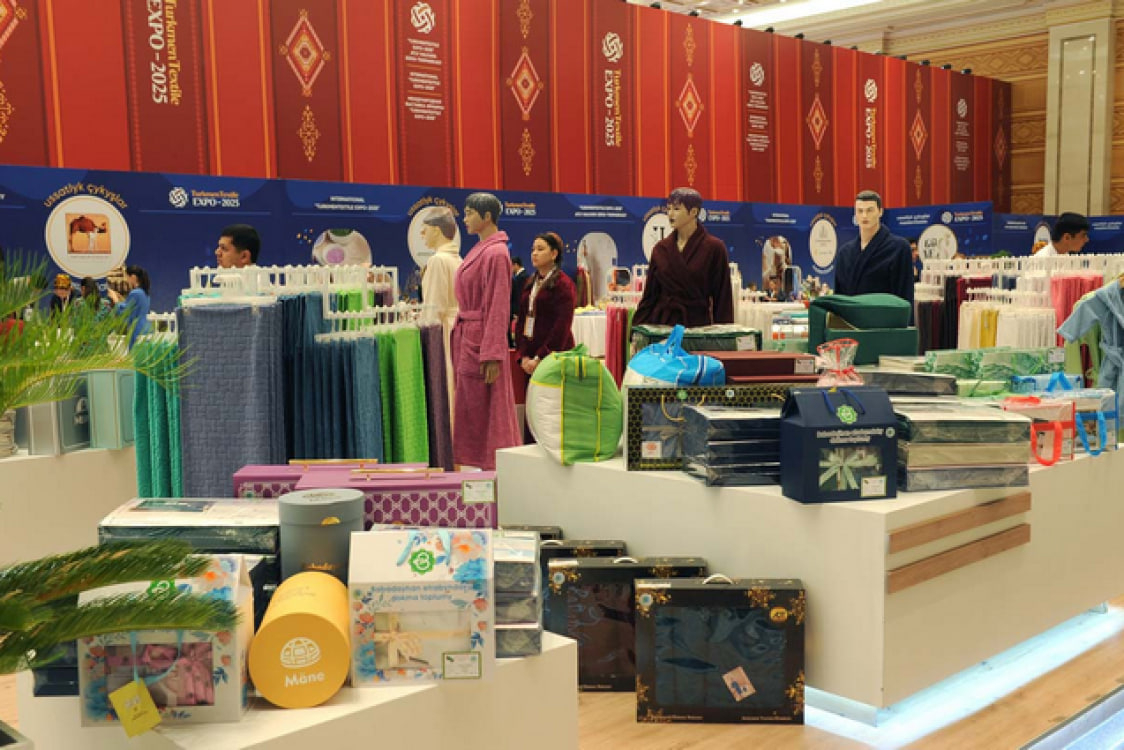
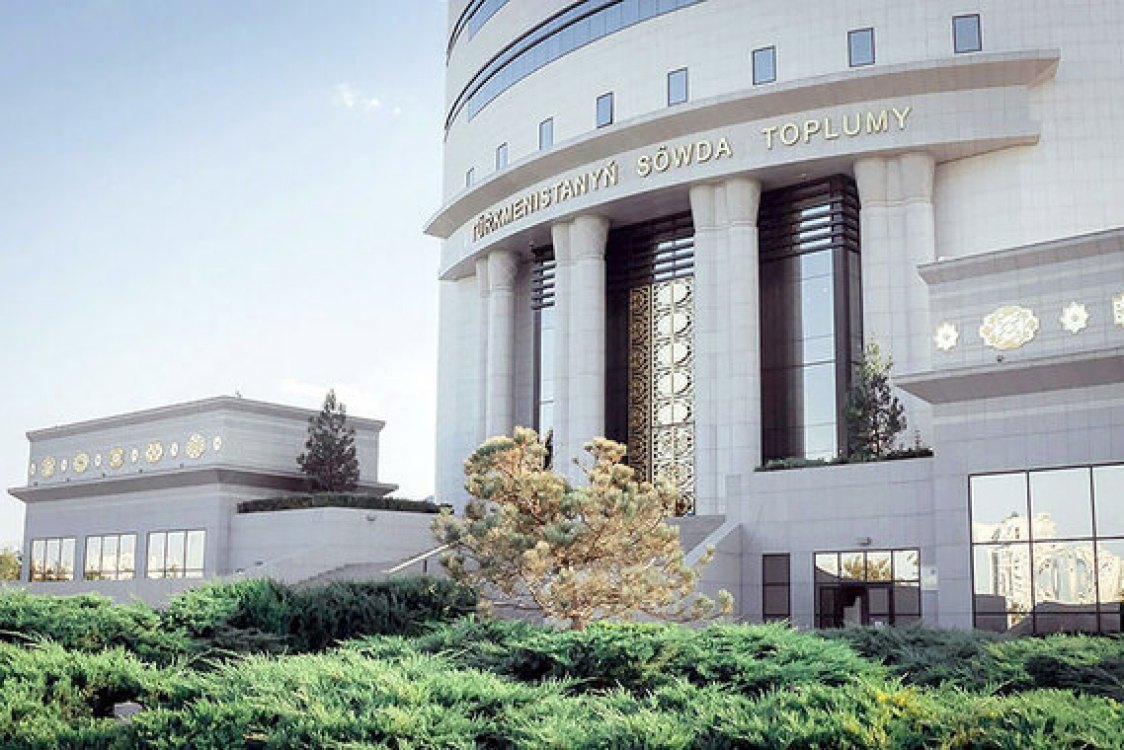
The ‘Turkmen Textile Expo 2026’ international exhibition and trade fair, held from 4 to 6 June at the capital’s exhibition centre of the country’s Chamber of Commerce and Industry, became an important platform for promoting the industry. The event was attended by manufacturers and suppliers of textile products, as well as designers from Turkmenistan and abroad.
The exhibition showcased the main stages of production — from the processing of natural fibres and yarn manufacturing to the production of woven, knitted and silk garments. The business programme included B2B meetings, presentations and the signing of commercial agreements.
The further development of the textile industry is aimed at increasing the production of import-substituting and export goods, expanding the technological base and enhancing the competitiveness of ‘Made in Turkmenistan’ goods on international markets.
Read also

Advertising



 Read us in Zen


