

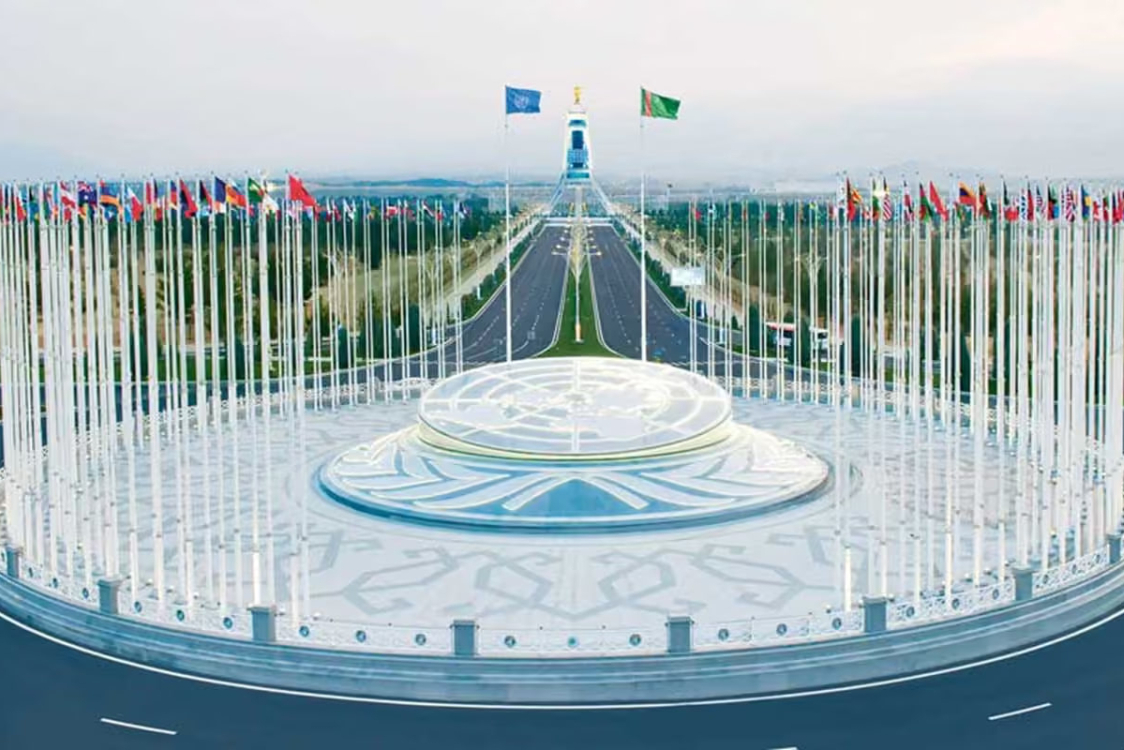
Turkmenistan consistently pursues a foreign policy based on the principles of permanent neutrality, peacefulness, dialogue on an equal footing and mutually beneficial cooperation. Its key priorities include strengthening good-neighbourly relations, developing multilateral diplomacy, expanding economic and humanitarian ties, and participating in the resolution of pressing regional and global issues.
The distinctive feature of this model lies in combining a consistent approach to international security issues with openness to broad cooperation. Neutrality, in this context, is regarded as the foundation of the foreign policy course, enabling the maintenance of relations with states, international organisations and various regional associations.
Permanent neutrality occupies a central place in Turkmenistan’s foreign policy framework. Its significance extends beyond merely refraining from participation in military blocs and conflicts. Neutral status defines the country’s overall diplomatic style — a focus on political and diplomatic methods, respect for the sovereignty of states and the search for mutually acceptable solutions.
In UN documents, Turkmenistan’s neutral status is also viewed in the context of its peace-loving foreign policy and its participation in international efforts to strengthen stability.
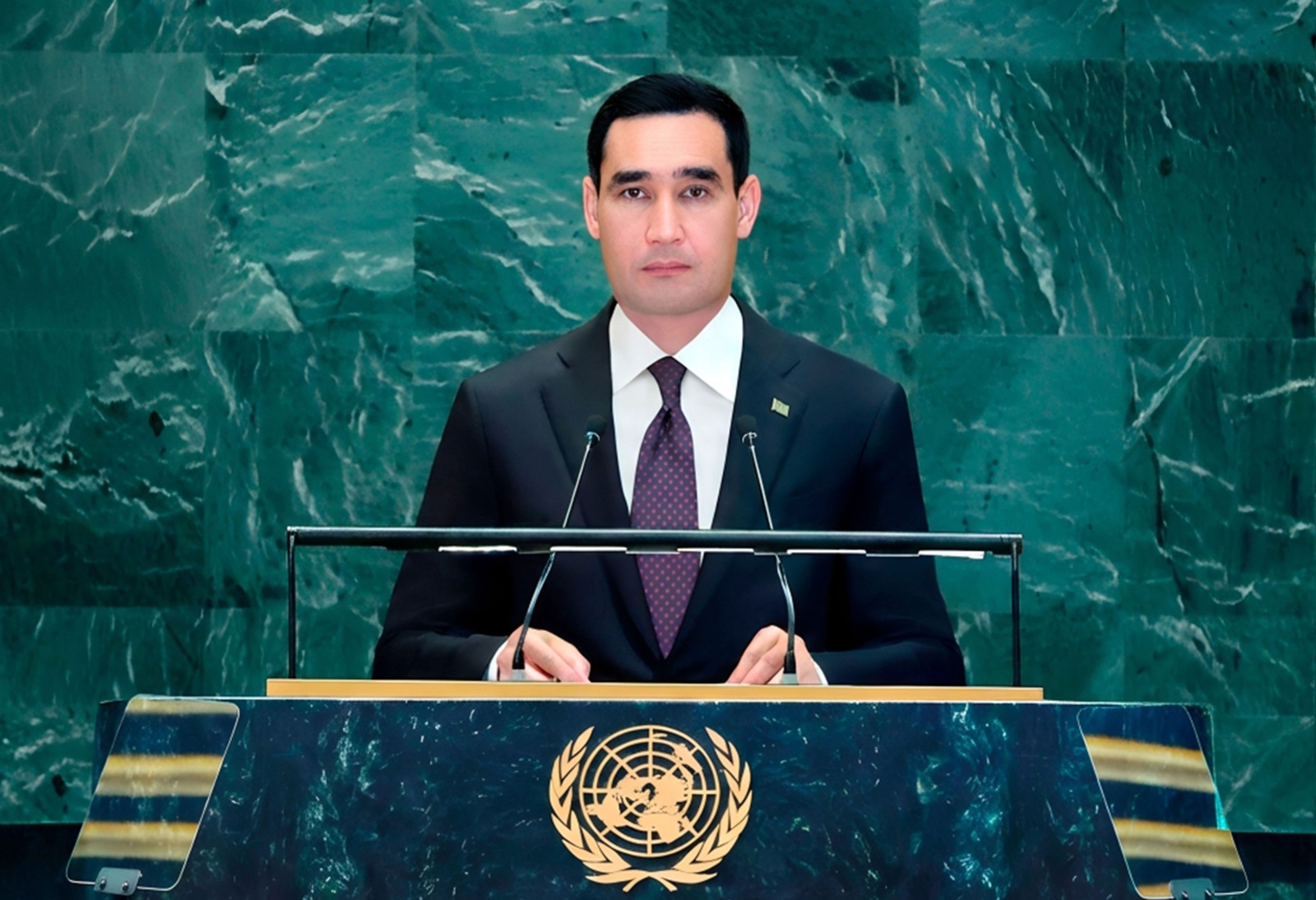
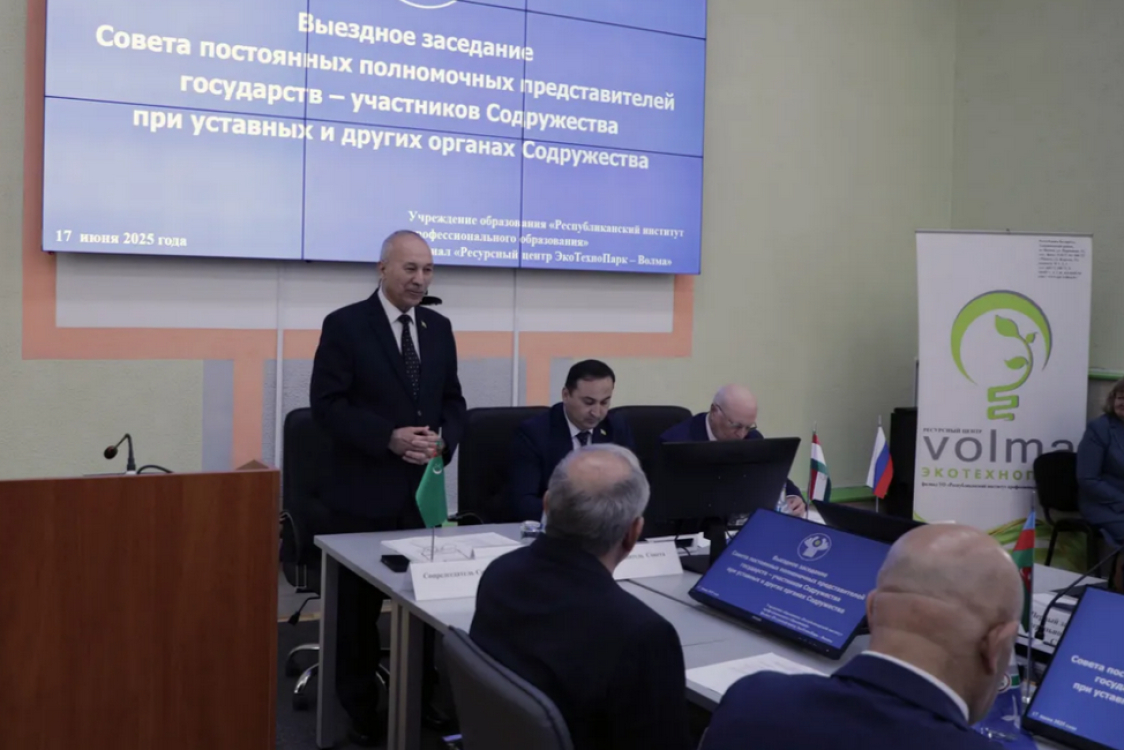
One of the key pillars of its foreign policy is active participation in multilateral diplomacy. Cooperation with international organisations, including the United Nations, plays a particularly important role in this regard.
For Turkmenistan, the UN platform enables it to simultaneously promote its own initiatives and participate in discussions on issues of universal significance. These include international security, preventive diplomacy, sustainable development, international law, the environmental and energy agenda, transport connectivity and humanitarian cooperation.
Preventive diplomacy takes on particular significance in this context. For a state maintaining neutral status, conflict prevention, maintaining dialogue and creating conditions for negotiations are key areas of diplomatic activity.
Central Asia occupies a special place in foreign policy. The regional approach involves the development of good-neighbourly relations, the expansion of economic and humanitarian ties, and the joint resolution of cross-border issues. These include transport, energy, water resources, the environment, and trade and economic cooperation.
At the same time, regional diplomacy is not limited solely to relations between the states of Central Asia. Formats for the region’s interaction with other states and organisations are being developed. This model makes it possible to align Central Asia’s interests with broader economic and political processes in Eurasia and the Asia-Pacific region.
Economic cooperation also occupies an important place in Turkmenistan’s foreign policy. The development of trade links, the attraction of investment, the implementation of infrastructure projects and the expansion of business contacts are regarded as key areas of international cooperation.
Energy cooperation is of particular importance. The energy sector is viewed not only as a means of exporting resources, but also as an area for long-term international partnership, technological cooperation and ensuring the sustainability of energy systems.
The environmental dimension of energy diplomacy is also gradually expanding. The agenda includes energy efficiency, resource-saving technologies, renewable energy sources and the search for new avenues of energy cooperation.
Turkmenistan’s geographical location lends particular significance to transport diplomacy. The country views the development of transport links as an opportunity to expand international economic cooperation and enhance regional connectivity.
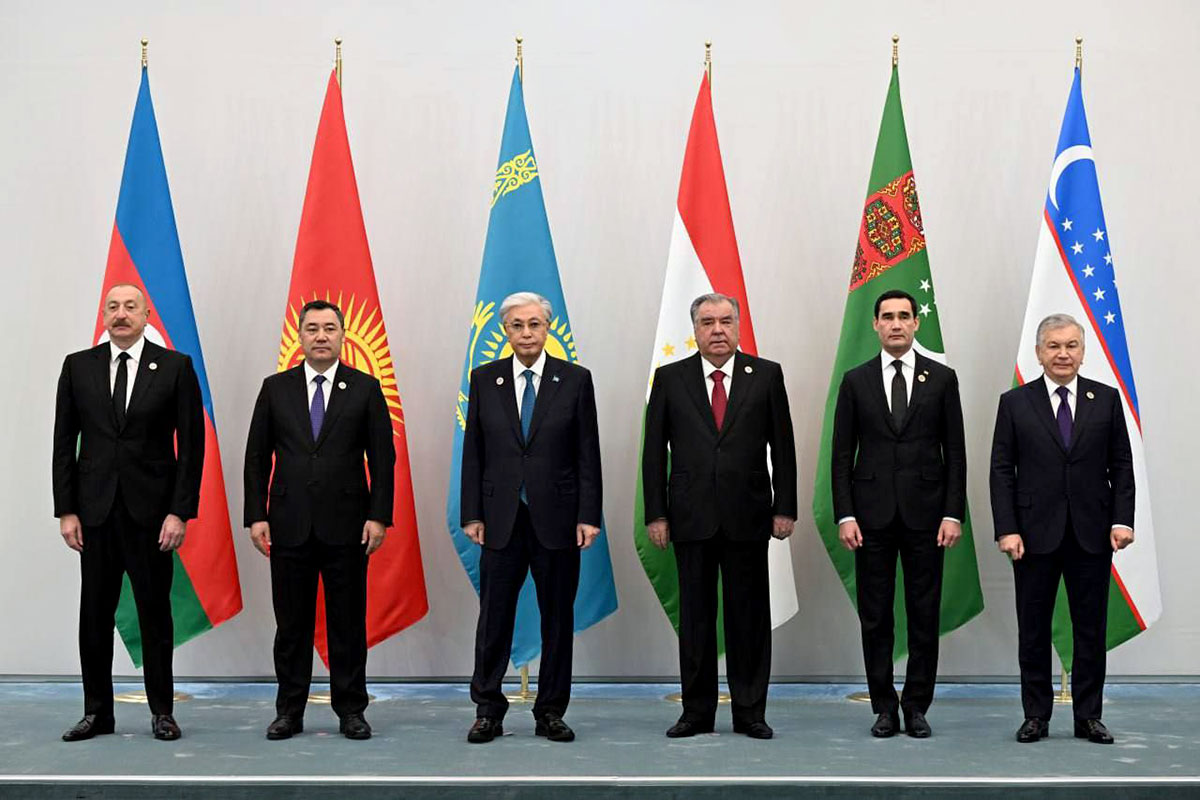
Transport projects have the potential to link Central Asian markets with other parts of the Eurasian space. Consequently, the development of rail, road, maritime and multimodal routes is viewed within the broader context of international trade.
Here, foreign policy and economic interests intersect directly. The development of transport infrastructure simultaneously strengthens transit potential, expands trade opportunities and contributes to the development of regional ties.
The foreign policy agenda also includes a humanitarian dimension. Cultural, educational and scientific ties enable the formation of long-term contacts between societies and the strengthening of mutual understanding.
Through educational exchanges, scientific cooperation, cultural programmes and international dialogues, an additional level of diplomacy is formed, one that is not limited to inter-state relations.
In this context, humanitarian diplomacy serves to bring societies closer together in the long term. It creates channels of interaction capable of enduring regardless of changes in the international landscape.
The approach to international law deserves special attention. For a neutral state, compliance with universally recognised norms and principles of international law is of particular importance, as it is precisely legal mechanisms that enable relations to be built on the basis of sovereign equality and predictability.
Hence Turkmenistan’s interest in strengthening international legal mechanisms, developing legal dialogue and enhancing the role of diplomatic means of dispute resolution.
Turkmenistan’s foreign policy also takes into account new areas of international cooperation. These include digitalisation, artificial intelligence, new energy technologies and environmental security.
These areas are taking an increasingly prominent place on the international agenda alongside security issues, as well as technological, climate and socio-economic matters.
Participation in these processes creates an opportunity to combine national priorities with international initiatives. At the same time, the fundamental principle remains: promoting cooperation through dialogue and multilateral mechanisms.
Overall, Turkmenistan’s foreign policy encompasses several levels of engagement. The first relates to bilateral relations with individual states. The second area relates to regional cooperation. The third involves participation in the activities of international organisations. The fourth area is the development of economic, humanitarian and environmental ties, which complement traditional diplomacy.
Consequently, Turkmenistan’s foreign policy represents a model in which neutrality is combined with active international engagement. Its key elements are political and diplomatic dialogue, good neighbourliness, multilateralism, international law, economic interdependence and humanitarian cooperation.
It is precisely the combination of these elements that shapes foreign policy as a comprehensive system geared towards preserving the independence of the country’s foreign policy course, expanding international cooperation and creating favourable conditions for the country’s long-term development.
Read also
Advertising


 Read us in Zen


