

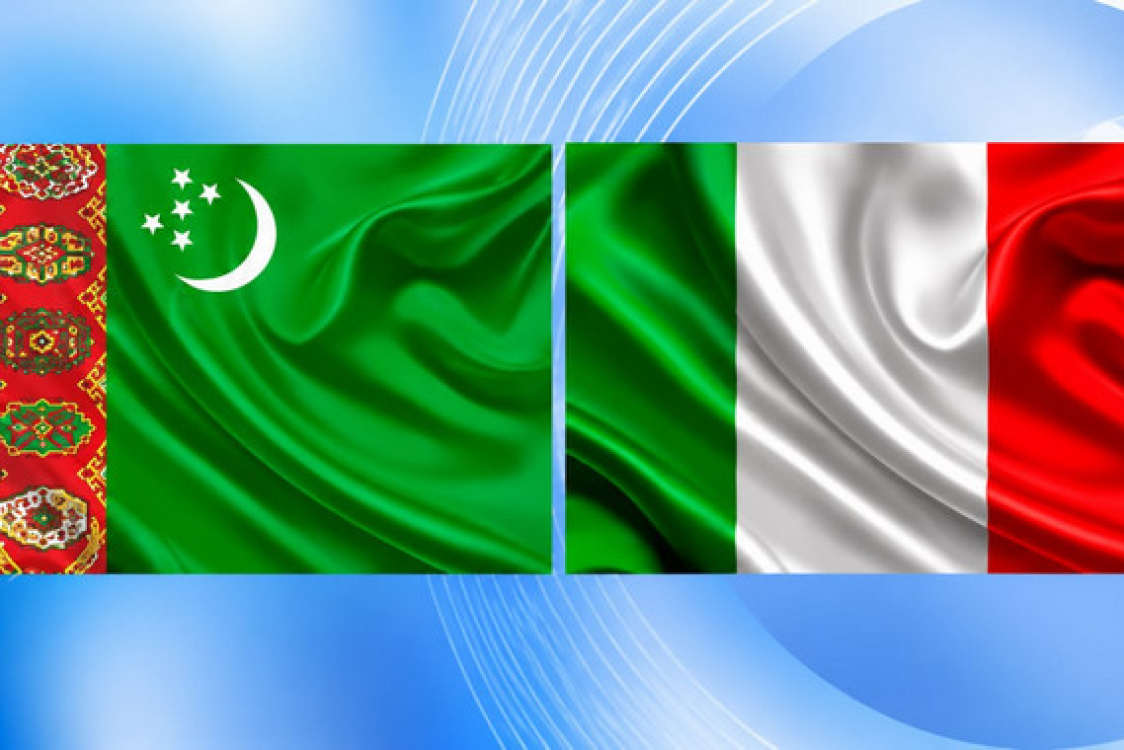
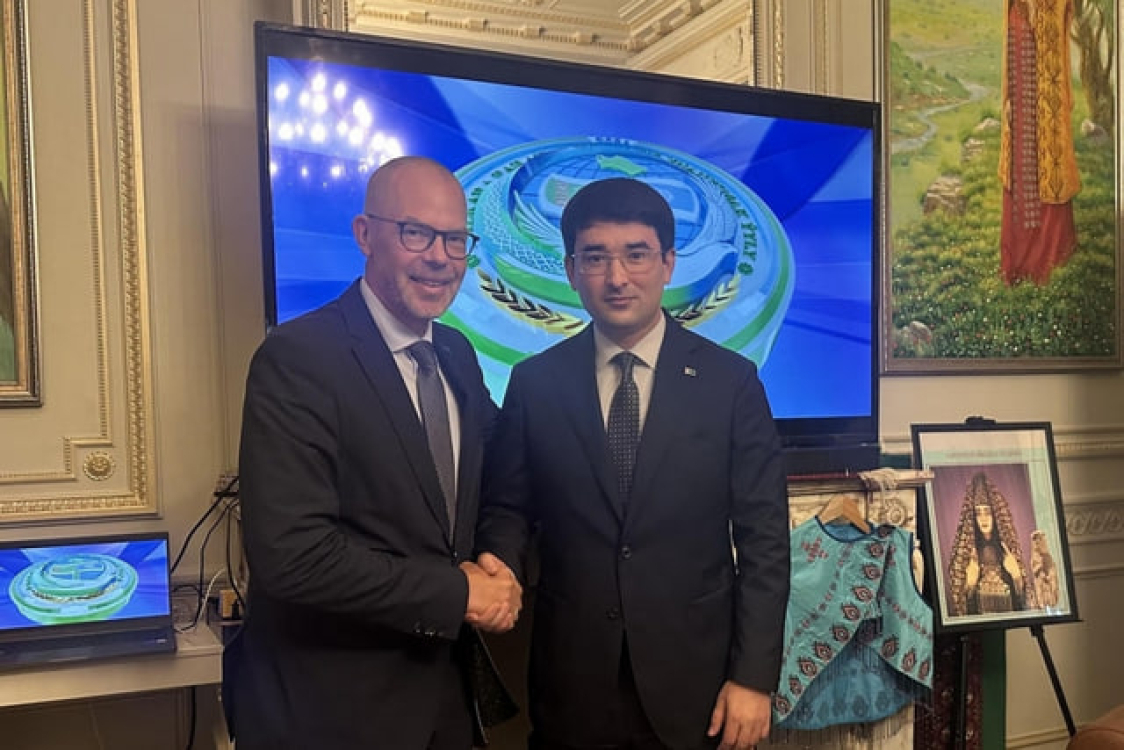
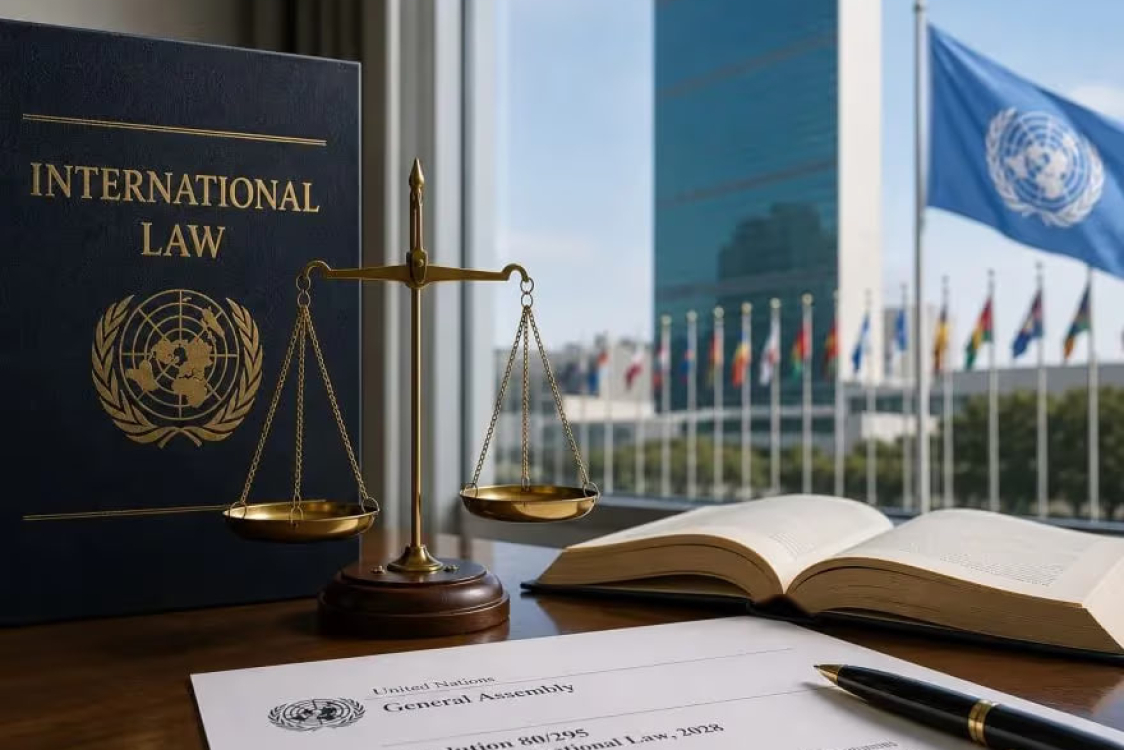
A conference entitled ‘Turkmenistan’s Permanent Neutrality and the Promotion of International Law’ was held at the Senate of the Italian Republic in Rome, organised by the Embassy of Turkmenistan in Italy and the Italian Institute of Asia (ISIA). The event was dedicated to preparations for 2028, which has been proclaimed by the UN General Assembly as the International Year of International Law on the initiative of Turkmenistan, according to the press service of the Foreign Affairs Ministry of Turkmenistan.
The conference was attended by representatives of the Italian Senate, the scientific and academic community, experts in the field of international law and international relations, as well as diplomats, including representatives of the countries that co-sponsored the relevant UN resolution. The participants examined the legal foundations of Turkmenistan’s permanent neutrality, the significance of this status for international relations, and the prospects for bilateral cooperation.
Particular attention was paid to the development of Turkmen-Italian ties. Diplomatic relations between the two countries were established on 9 June 1992. A new phase of cooperation is linked to high-level contacts: in May 2025, the President of Turkmenistan, Serdar Berdimuhamedov, took part in the first ‘Central Asia–Italy’ summit, and in October of the same year he paid an official visit to Rome and held negotiations with the President of Italy, Sergio Mattarella.
Cooperation spans the political, trade and economic, and parliamentary spheres. Italy has co-sponsored ten UN General Assembly resolutions initiated by Turkmenistan, including on issues of neutrality, energy security, transport connectivity and preventive diplomacy. Turkmenistan, for its part, supported Italian initiatives in the field of sustainable mountain development.
Renewable energy, hydrogen technologies, digitalisation and the development of international transport routes have been identified as promising areas for economic cooperation.
Scientific cooperation plays an important role in bilateral relations. For over 30 years, Turkmen and Italian specialists have been jointly researching the archaeological sites of ancient Margiana and the Parthian Empire. The International Association for Mediterranean and Oriental Studies (ISMEO), the University of Bologna and the Turin Centre for Archaeological Studies and Excavations in the Middle East and Asia (CRAST) are participating in this research.
Cultural and humanitarian ties are also developing. In 2025–2026, the Capitoline Museums in Rome hosted the exhibition ‘Ancient Civilisations of Turkmenistan’, which featured artefacts from Gonurdepe and Old Nisa. Turkmen archaeological finds have also been exhibited at the National Archaeological Museum in Naples. Cultural exchange includes concerts, themed weeks and other events. Furthermore, Italian is taught at universities and schools in Turkmenistan.
The central theme of the conference was Turkmenistan’s permanent neutrality as the foundation of the country’s foreign policy. Participants were reminded that this status was recognised by the UN in 1995, reaffirmed in 2015 and received unanimous support from the UN General Assembly in 2025.
The latest resolution was adopted on 21 March as part of the International Year of Peace and Trust, marking the 30th anniversary of Turkmenistan’s permanent neutrality.
During the discussions, Turkmenistan’s international initiatives in the fields of preventive diplomacy, energy, transport, water and climate security were also examined. In particular, attention was drawn to the activities of the UN Regional Centre for Preventive Diplomacy for Central Asia, which has been operating in Ashgabat since 2007.
In conclusion, the participants highlighted the prospects for further expanding cooperation between Turkmenistan and Italy in the educational, scientific and cultural spheres. Representatives of the Institute of International Relations of the Foreign Affairs Ministry of Turkmenistan expressed an interest in establishing direct contacts with Italian universities, diplomatic academies and research centres, as well as in implementing joint educational programmes and training specialists in international relations.
Read also
Advertising

 Read us in Zen


