
News
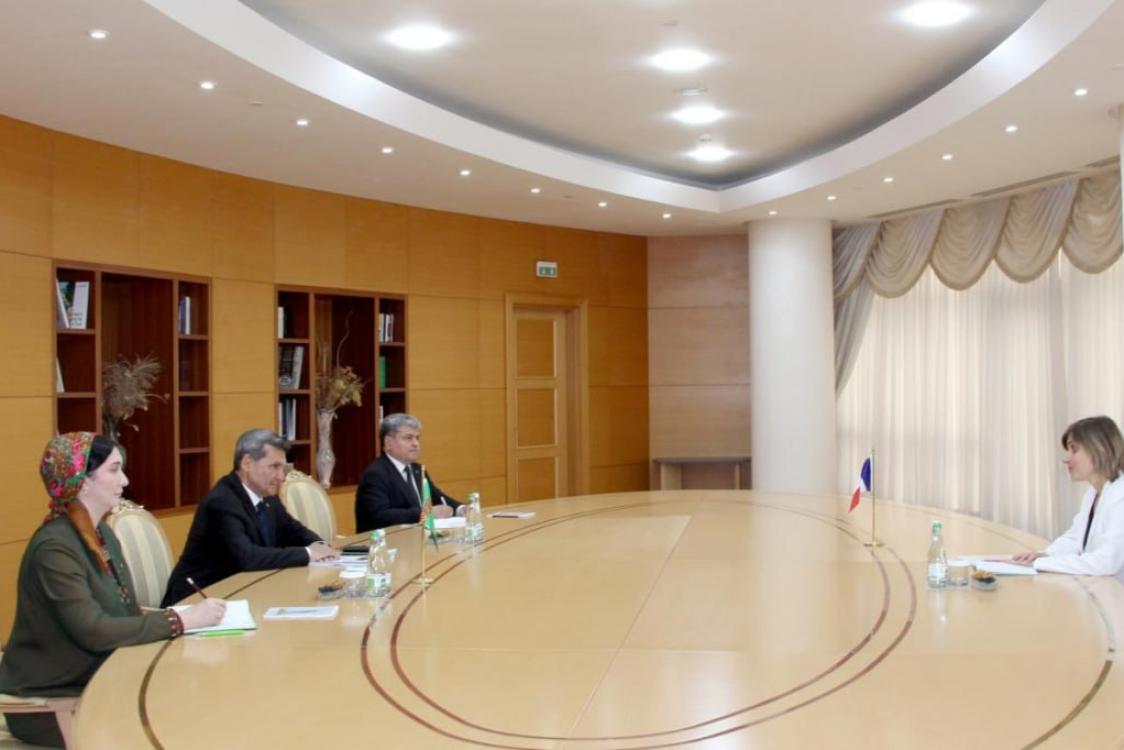
The Head of the Turkmenistan Foreign Affairs Ministry met with the French Ambassador
10.09.2026On 9 September 2026, Rashid Meredov, Foreign Affairs Minister of Turkmenistan, met with Alena Grand, the new Ambassador Extraordinary and Plenipotentiary of the French Republic to Turkmenistan. This was reported by the press office of the Turkmen Foreign Affairs Ministry. Rashid Meredov congratulated the Ambassador on her appointment and wished her every success in her diplomatic work. During the meeting, the parties discussed the current state and future prospects of Turkmen-French relations. Particular attention was paid to political and diplomatic, trade and economic, and cultural and humanitarian cooperation, as well as to collaboration within international organisations. The parties reaffirmed their readiness to continue developing bilateral cooperation.
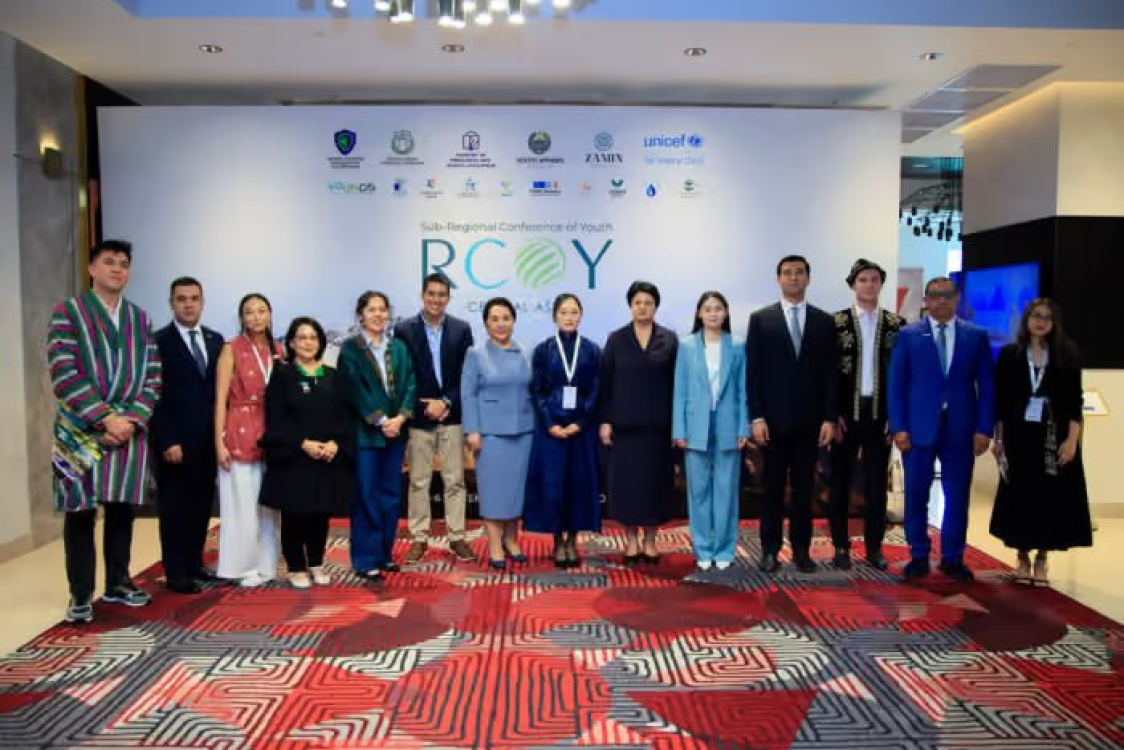
Turkmen youth took part in a climate conference in Samarkand
10.09.2026Representatives of youth environmental organisations from Turkmenistan took part in the RCOY Central Asia 2026 regional conference, which took place on 4–6 September in Samarkand. This was reported by the IIC. The conference was attended by around 100 experts and volunteers from Central Asian countries, as well as Azerbaijan, Afghanistan, Mongolia and Turkey. Participants discussed issues relating to climate policy, water resource management, combating desertification and glacier conservation. Following the conference, the participants adopted a Regional Youth Declaration, which is to be submitted to the relevant ministries, UN bodies and international partners. The conference was co-organised on behalf of Turkmenistan by ‘Mümkinçilik Dünýäsi’ and the ‘Youth Climate Network Turkmenistan’.
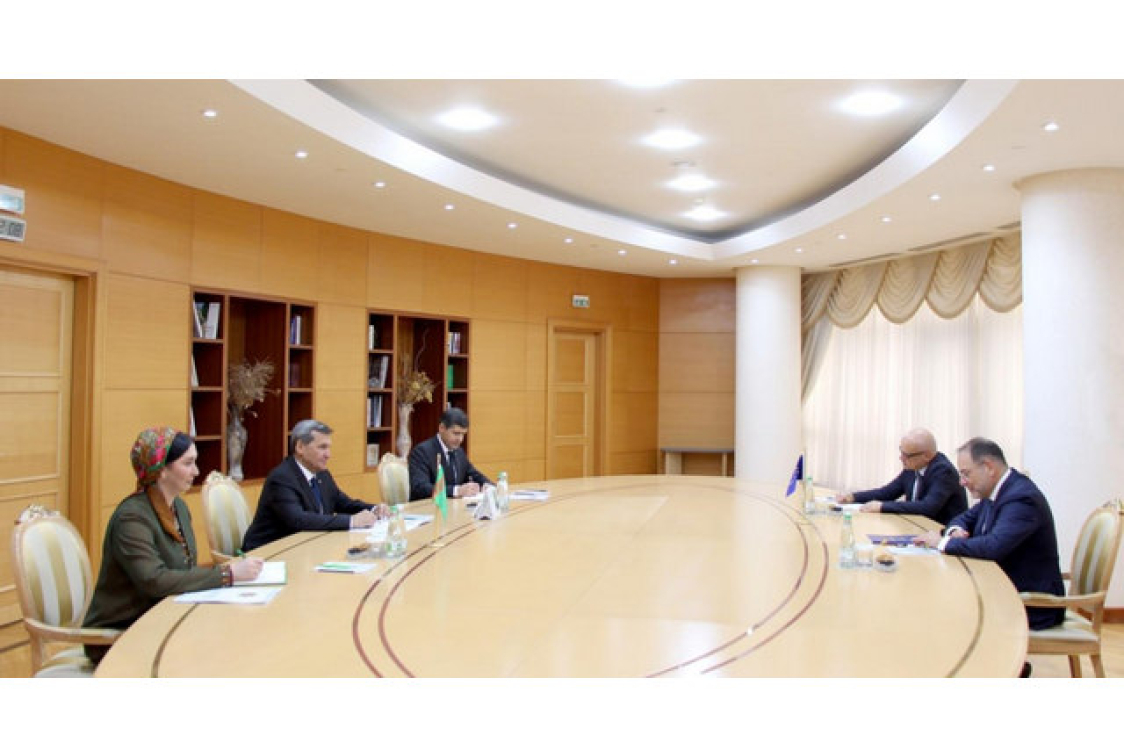
The Head of the MFA of Turkmenistan met with the new EU Ambassador
10.09.2026On 9 September 2026, Minister of Foreign Affairs of Turkmenistan Rashid Meredov met with the newly appointed Ambassador of the European Union to Turkmenistan, Luc Pierre Devigne. This was reported by the press office of the Foreign Affairs Ministry of Turkmenistan. Rashid Meredov congratulated the diplomat on his appointment and wished him every success in his work. During the meeting, the parties discussed issues of mutual interest, as well as prospects for further cooperation. They noted the importance of regular dialogue and explored opportunities to expand practical cooperation in key areas. Following the meeting, the parties reaffirmed their commitment to continuing efforts to develop cooperation between Turkmenistan and the European Union.
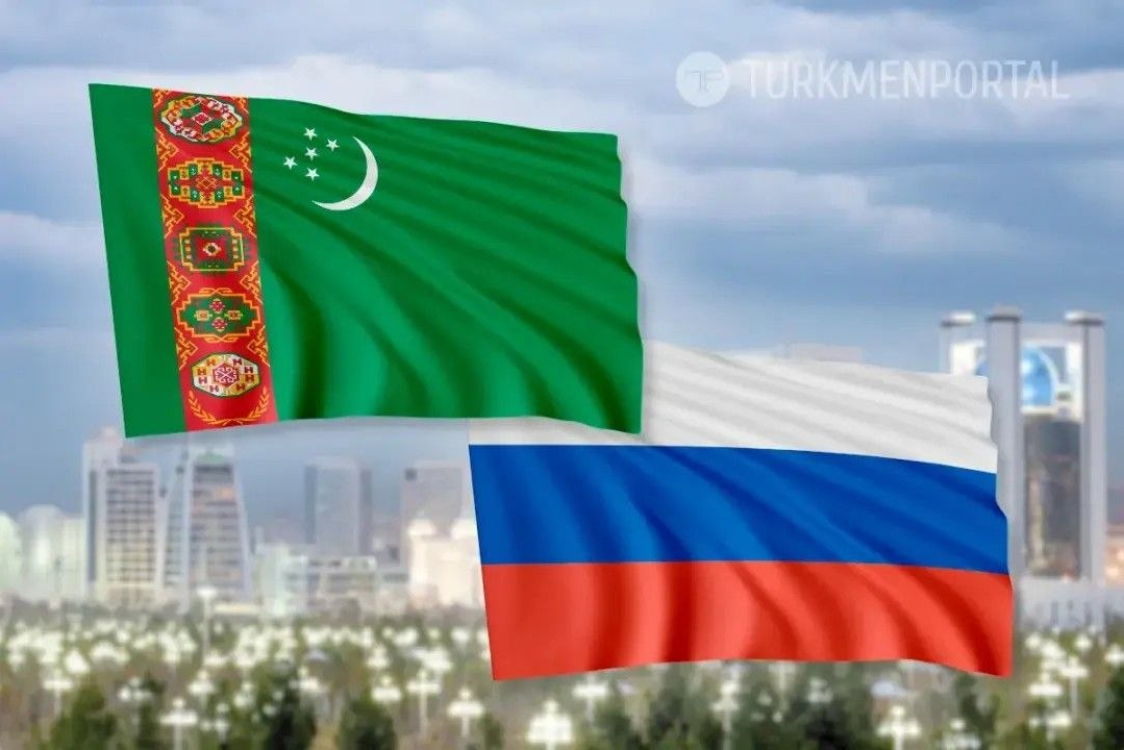
St. Petersburg has proposed cooperation with Turkmenistan in the fields of medicine and culture
10.09.2026St. Petersburg has proposed that Turkmenistan develop cooperation in the field of medicine, as well as organise cultural exchanges and tours by theatre companies. This was stated to journalists by the city’s vice-governor, Vladimir Omelnytsky, according to the news website Turkmenportal. ‘We proposed the possibility of holding so-called video conferences using artificial intelligence to exchange expertise, because there are top-level professionals in medical institutions in both Turkmenistan and St. Petersburg,’ he said, adding that St. Petersburg’s medical professionals have accumulated a wealth of experience in preserving health and saving lives, which they are ready to share. Furthermore, according to Omelnytsky, the parties discussed cooperation in the cultural sphere — St. Petersburg proposed organising touring performances by theatre companies and presenting exhibitions from its museums in Ashgabat. ‘The cultural capital — the city of St. Petersburg — is ready to share everything we have... I am talking about museums and exhibitions that we are ready to stage here, in the halls of Ashgabat,’ said the vice-governor. He expressed confidence that all the proposals put forward by the St. Petersburg side would be implemented, and thanked the Government of Turkmenistan for its attentive consideration of them. Omelnytsky is on a working visit to Turkmenistan on behalf of the Governor of St. Petersburg, Alexander Beglov. As part of the trip, he held a meeting with Bahar Seyidova, Deputy Chairwoman of the Cabinet of Ministers of Turkmenistan for Culture and the Media, during which the parties discussed promising areas for cooperation.
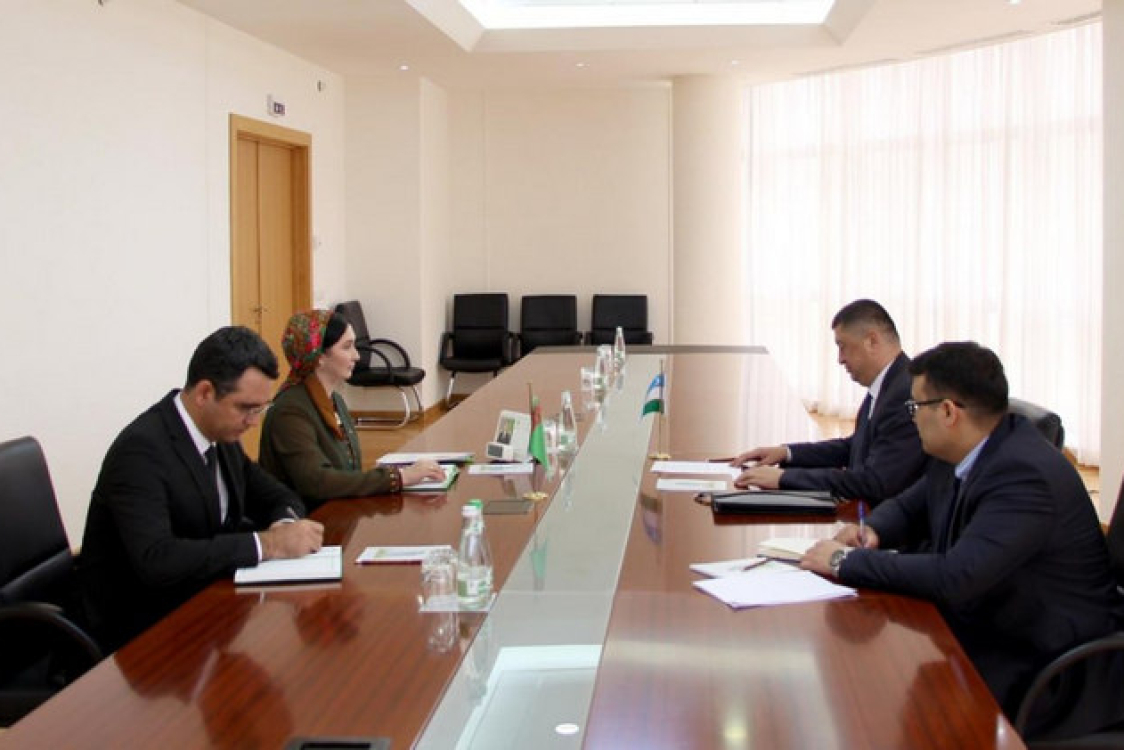
Turkmenistan and Uzbekistan discussed the development of bilateral relations
10.09.2026On 9 September 2026, a meeting took place at the Foreign Affairs Ministry of Turkmenistan between Myahri Byashimova, Deputy Foreign Affairs Minister of Turkmenistan, and Ravshanbek Alimov, Ambassador of the Republic of Uzbekistan to Turkmenistan. This was reported by the press office of the Foreign Affairs Ministry of Turkmenistan. The parties discussed the current state and prospects for the development of Turkmen-Uzbek relations in the political, diplomatic, trade, economic, cultural and humanitarian spheres. Particular attention was paid to the development of political and diplomatic cooperation and the coordination of positions at international and regional forums, primarily within the framework of the United Nations. The diplomats also discussed preparations for upcoming joint events. The parties reaffirmed their readiness to continue working to strengthen the partnership between Turkmenistan and Uzbekistan.
Turkmenistan is expanding its foreign relations
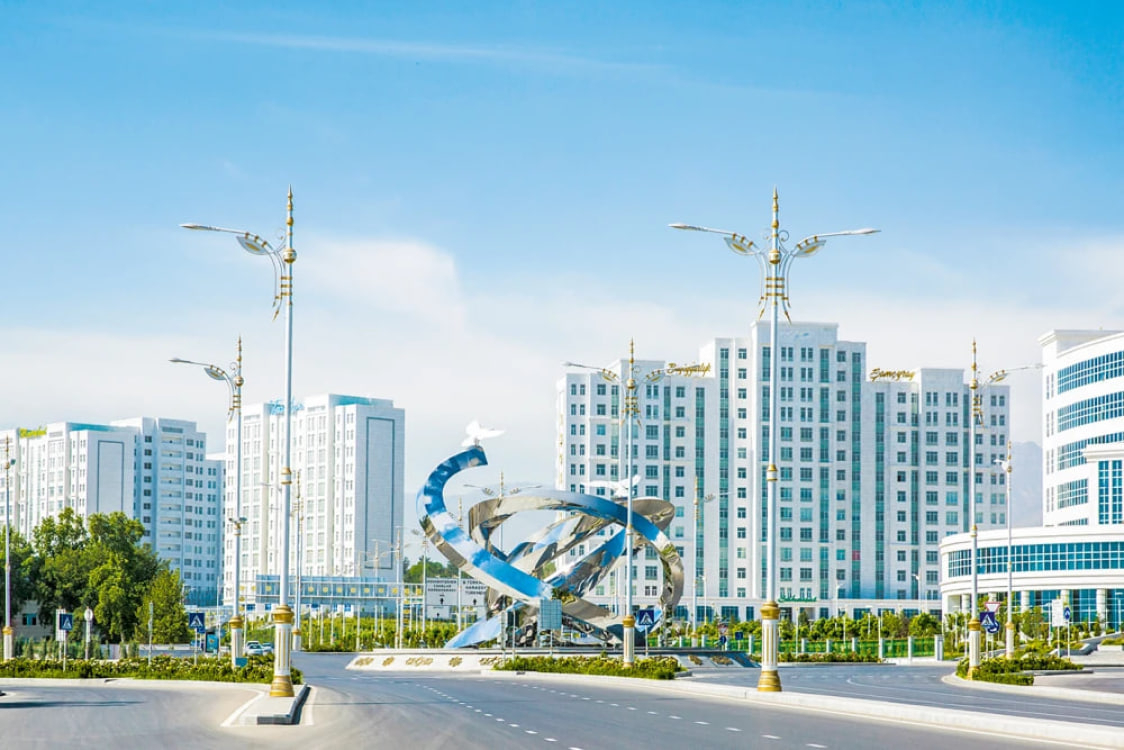
09.09.2026Turkmenistan continues to develop its foreign policy cooperation with other countries and international organisations. In August, the main focus was on political and diplomatic contacts, trade and economic partnerships, humanitarian cooperation and environmental issues. This was reported by the news agency TDH. One of the key events was the adoption by the UN General Assembly of the resolution ‘Year of International Law, 2028’, proposed by Turkmenistan. The document was co-sponsored by 78 states. To implement this, plans are in place to draw up a National Action Plan for 2026–2028 and a National Concept on ‘International Law and Turkmenistan’s Permanent Neutrality’. In addition, meetings were held in August with the leadership and representatives of the OSCE, the US, the EU, Saudi Arabia, the UAE, Turkey, France, Iran and Germany. The parties discussed the development of political dialogue, as well as trade, economic, cultural and humanitarian ties. On 15 August, the first political consultations took place between the Foreign Affairs Ministry of Turkmenistan and the People’s Republic of Bangladesh. On 20 August, inter-ministerial consultations were held with the Republic of Tajikistan. Following these consultations, a Programme of Cooperation between the Ministry of Foreign Affairs of Turkmenistan and the Ministry of Foreign Affairs of the Republic of Tajikistan for 2027–2028 was signed. Considerable attention was paid to cooperation with Japan. On 26 August, preparations for the meeting of the Turkmen-Japanese and Japanese-Turkmen Committees on Economic Cooperation were discussed. On 30 August, negotiations were held between the Foreign Affairs Ministers of the two countries. The parties reviewed political, economic and humanitarian cooperation, as well as the participation of Japanese companies in projects aimed at diversifying Turkmenistan’s economy. Following these discussions, a Programme of Cooperation between the foreign ministries for 2027–2029 was signed. Environmental issues also remained a priority. On 12 August, a conference on the protection of the Caspian Sea ecosystem was held at the ‘Awaza’ National Tourist Zone. On 31 August, the Ministry of Environmental Protection of Turkmenistan and the World Wide Fund for Nature (WWF) signed a Memorandum of Understanding. The document provides for joint projects on biodiversity conservation, ecosystem protection and combating the effects of climate change for the period 2026–2030. A delegation from Turkmenistan also took part in the international media forum ‘Islamic Civilisation: New Perspective – New Discoveries’ in Tashkent and Samarkand, where international media cooperation, digital technologies and the preservation of cultural heritage were discussed.
A delegation from Turkmenistan is taking part in an educational programme in Ankara
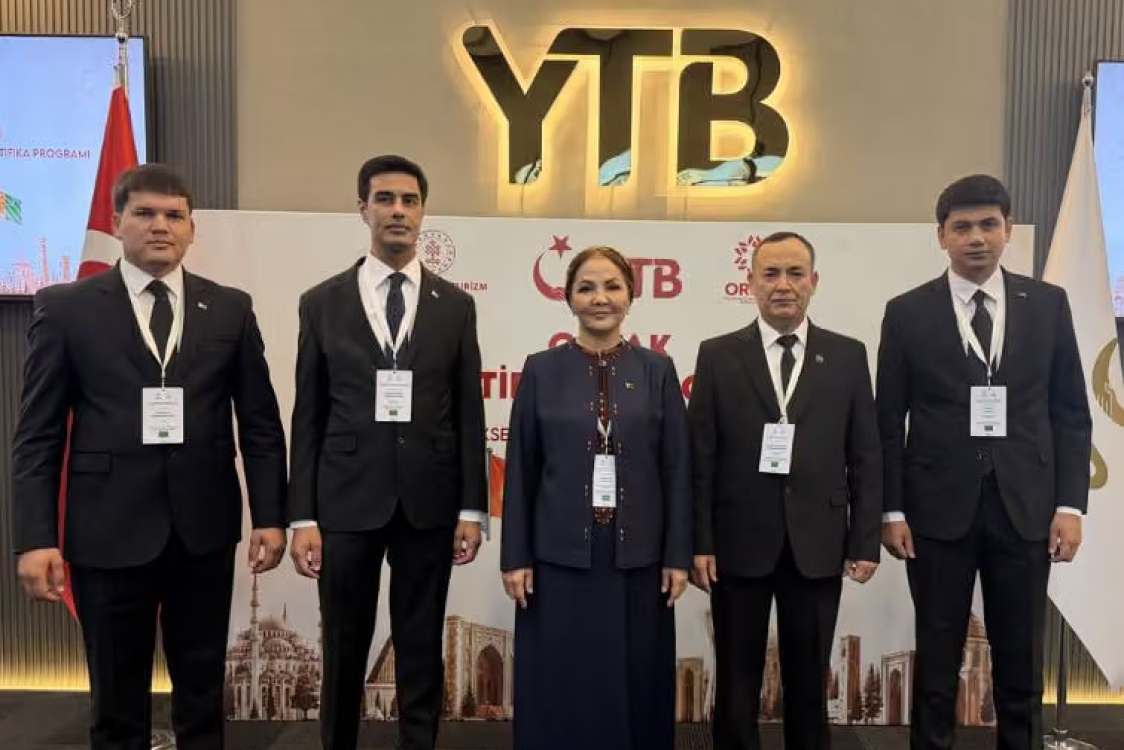
09.09.2026A delegation from Turkmenistan is taking part in the ‘Cooperation in the Field of Higher Education among Turkic States’ certification programme, which is being held in Ankara from 7 to 11 September 2026. This was reported by the IIC of Turkmenistan. The Turkmen delegation comprises representatives from the relevant ministry and the country’s leading universities, including the Magtymguly Turkmen State University, the Dovletmammet Azadi Turkmen National Institute of World Languages, the Institute of International Relations of the Foreign Affairs Ministry, and the International University for the Humanities and Development. The programme was launched on 7 September with the participation of heads of Turkish government departments, representatives of the Academy of Sciences and diplomatic missions. On the first day, lectures were held on the development of higher education in Turkey and global educational trends. Participants also discussed academic mobility, the role of universities in cultural exchange and the development of humanitarian dialogue. The programme aims to facilitate the exchange of experience, expand inter-university cooperation and develop joint educational projects.
A special issue of the journal ‘Issues of Philology’ has been published to mark the 35th anniversary of independence
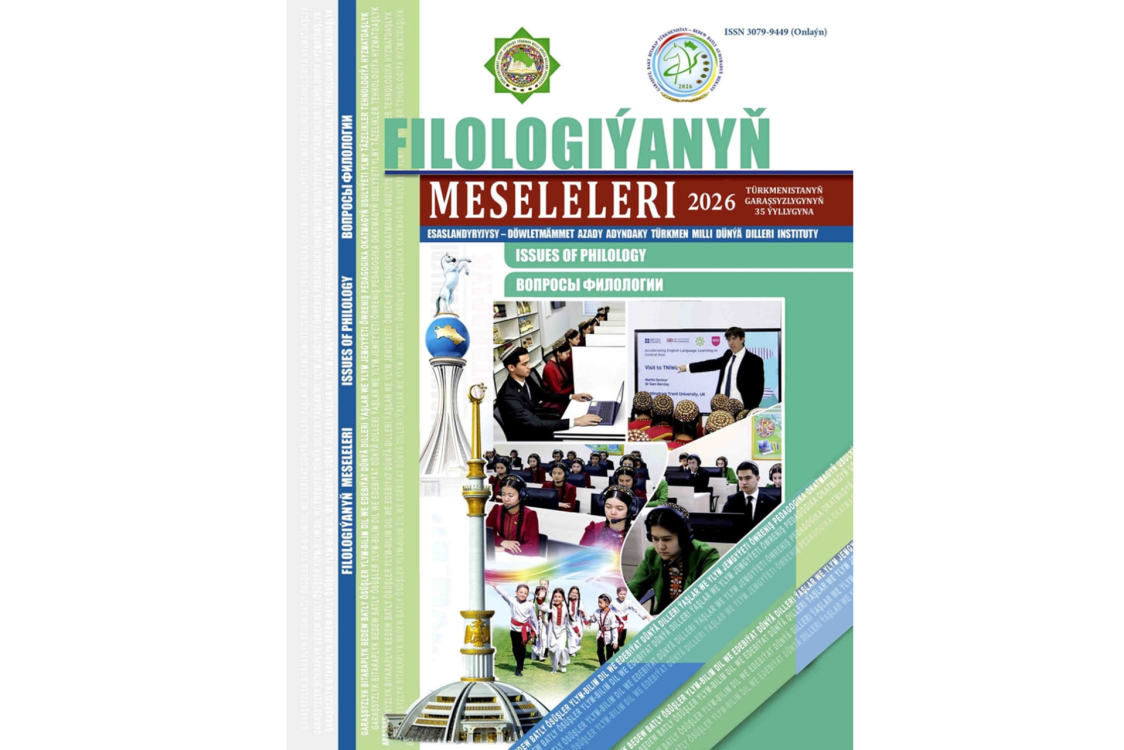
09.09.2026The Dovletmammet Azadi Turkmen National Institute of World Languages has published a special issue of the academic and methodological online journal ‘Issues of Philology’ to mark the 35th anniversary of Turkmenistan’s independence. This was reported by the press office of the Ministry of Education of Turkmenistan. The articles examine the country’s achievements since independence in the fields of science, education, foreign policy, culture, humanitarian diplomacy and social development. Particular attention is paid to Turkmenistan’s permanent neutrality, cooperation with the UN and UNESCO, the country’s contemporary architectural landscape and the city of Arkadag. The journal also covers issues relating to national heritage, including the collection of manuscripts by Magtymguly Pyragy, as well as the activities of UNESCO clubs and departments at higher education institutions. Individual articles are devoted to the modernisation of the education system, the digitalisation of science and education, gender equality and the participation of women in socio-political life. The section on philology presents research in the fields of linguistics, political terminology, language teaching methodologies and the integration of higher education into the global scientific and educational community. The digital version of this special issue is available on the official website of the Dovletmammet Azadi Turkmen National Institute of World Languages.

Turkmenistan’s national teams will compete at the Chess Olympiad in Samarkand
09.09.2026The Turkmenistan national teams will take part in the 46th World Chess Olympiad, which will be held in Samarkand from 15 to 27 September. This was reported by the news agency Orient. The country will be represented by men’s and women’s teams, each comprising five chess players. The women’s team comprises Leyla Shohradova, Lala Shohradova, Jahan Rejepova, Myahri Agamyradova and Ogulsuray Bayrambayeva. The men’s team will be represented by Saparmyrat Atabayev, Meylis Annaberdiyev, Amanmuhammet Hommadov, Vepaly Halyniyazov and Shahrukh Turayev. Preparation for the Olympiad included training camps in Kazakhstan, including in Kokshetau.
The Turkmenbashi Complex exceeded its oil refining target
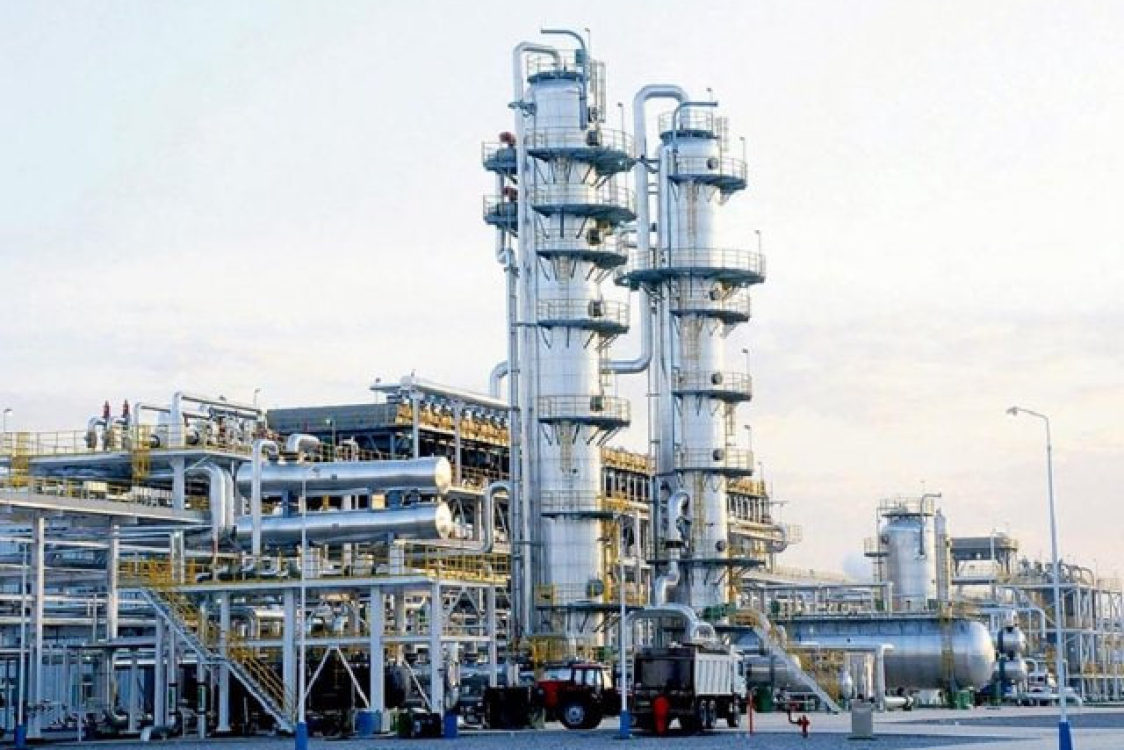
09.09.2026The Turkmenbashi Oil Refinery Complex of the State Concern ‘Türkmennebit’ has processed more than 2,805,000 tonnes of crude oil since the start of the year. The production target has been met at 100.6 per cent, according to the online news site AsmanNews. The plant refines oil produced in Turkmenistan and produces motor petrol, diesel fuel, aviation and industrial kerosene, liquefied petroleum gas, lubricating oils, polypropylene, fuel oil, bitumen and petroleum coke. Its production capacity ensures the supply of petroleum products and petrochemical products to domestic and international markets.
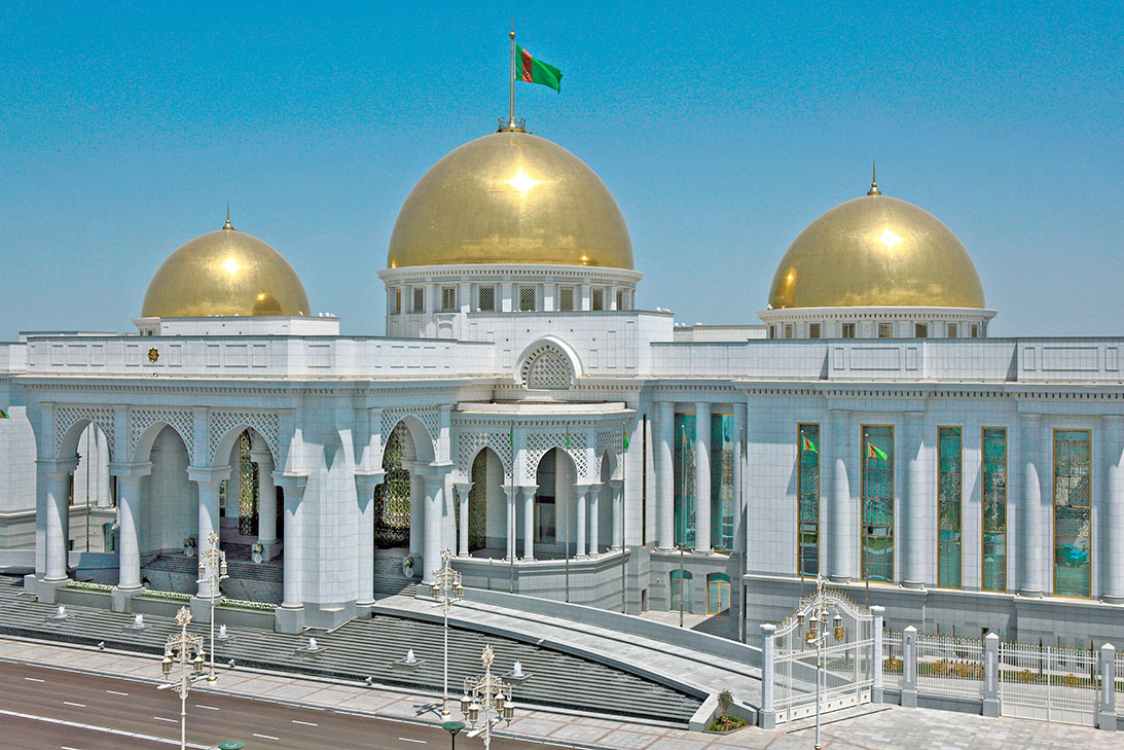
Serdar Berdimuhamedov congratulated Tajikistan on the 35th anniversary of its independence
09.09.2026The President of Turkmenistan, Serdar Berdimuhamedov, has congratulated the President of the Republic of Tajikistan, Emomali Rahmon, and the people of the country on the 35th anniversary of the Republic of Tajikistan’s independence. This was reported by the news agency TDH. In his congratulatory message, the Head of State highlighted Tajikistan’s achievements in strengthening statehood, socio-economic development and enhancing its international standing. Serdar Berdimuhamedov emphasised Turkmenistan’s interest in the further development of bilateral relations. According to the President of Turkmenistan, the two countries are successfully cooperating in the political and diplomatic, trade and economic, cultural and humanitarian, and other spheres. The Head of State expressed his confidence in the further expansion of bilateral cooperation. Serdar Berdimuhamedov wished Emomali Rahmon good health and well-being, and the people of Tajikistan peace, progress and prosperity.
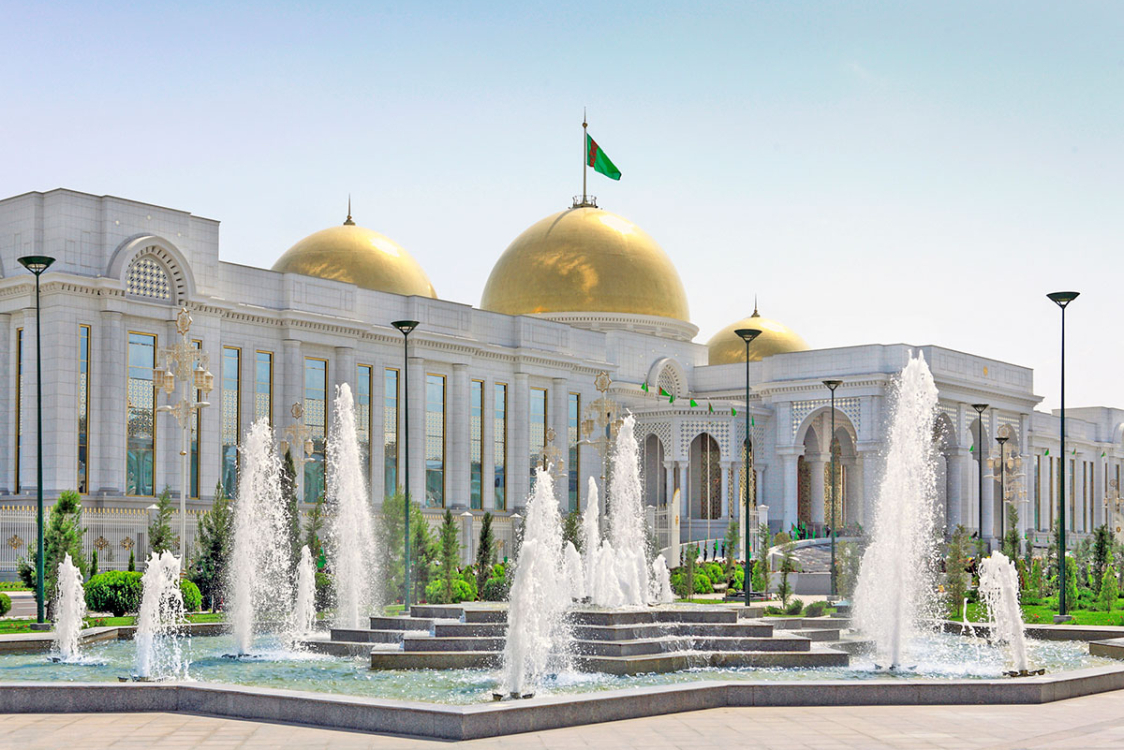
The President of Turkmenistan congratulated the Chairman of the State Affairs of the DPRK
09.09.2026The President of Turkmenistan, Serdar Berdimuhamedov, has congratulated Kim Jong-un, Chairman of State Affairs of the Democratic People’s Republic of Korea, on the national holiday — the Day of the Founding of the Democratic People’s Republic of Korea. This was reported by the online news site AsmanNews. The Head of State wished Kim Jong-un good health and happiness, and the people of the DPRK peace, well-being and prosperity.
Read also
Advertising
 Read us in Zen


