

News
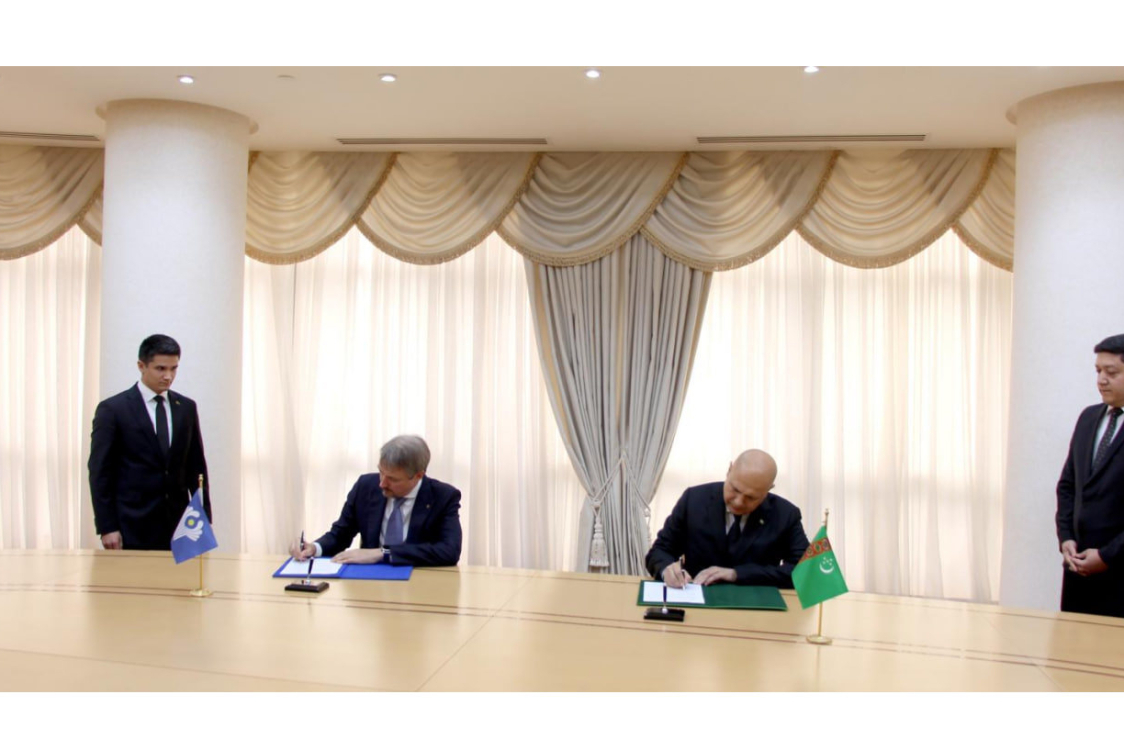
Representatives of the MFA of Turkmenistan met with the leadership of the CIS
09.09.2026On 7 September, a meeting took place at the ‘Awaza’ National Tourist Zone between Serdar Muhammetdurdyev, Deputy Foreign Affairs Minister of Turkmenistan, and Denis Trefilov, Deputy Secretary-General of the Commonwealth of Independent States. This was reported by the press office of the Foreign Affairs Ministry of Turkmenistan. The parties discussed Turkmenistan’s cooperation with the CIS and preparations for events to be held in October as part of Turkmenistan’s chairmanship of the CIS in 2026. On 8 September, a Protocol was signed at the Foreign Affairs Ministry of Turkmenistan to coordinate the preparation of the meetings of the Council of Foreign Ministers and the Council of Heads of State of the Commonwealth of Independent States, scheduled for 7 and 9 October at the ‘Awaza’ National Tourist Zone. The document sets out the organisational and substantive aspects of the preparations for the forthcoming meetings.
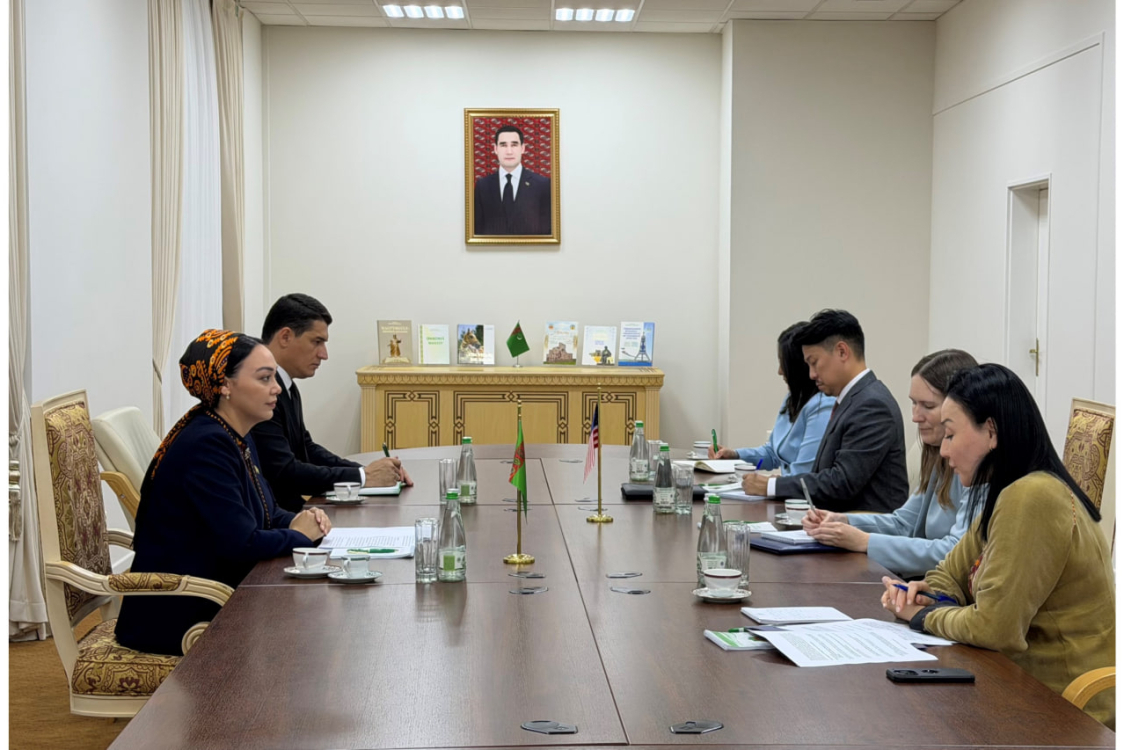
The Mejlis of Turkmenistan discussed cooperation with the US
09.09.2026On 8 September, the Chairwoman of the Mejlis of Turkmenistan, D. Gulmanova, met with Kristin Hawkins, Chargé d’Affaires ad interim at the Embassy of the United States of America in Turkmenistan. This was reported by the press service of the Mejlis of Turkmenistan. During the meeting, the parties discussed the development of bilateral cooperation. D. Gulmanova thanked Kristin Hawkins for her contribution to strengthening cooperation between the two countries in the political, diplomatic, trade, economic, cultural and humanitarian spheres. Kristin Hawkins was briefed on the main directions of Turkmenistan’s domestic and foreign policy, the composition of the Mejlis, and efforts to improve the legislative framework for the reforms being implemented. Particular mention was made of the significance of the UN General Assembly resolution ‘Year of International Law, 2028’, adopted on Turkmenistan’s initiative. The parties emphasised its role in strengthening international law, global peace and security, achieving the Sustainable Development Goals and fostering multilateral cooperation. D. Gulmanova also noted the significance of the study visit by representatives of the Mejlis to the Embassy of the United States of America in Turkmenistan as part of the ‘Open World’ programme. According to the Chairwoman of the Mejlis, the exchange of experience contributed to the improvement of national legislation and parliamentary activities. The Chairwoman of the Mejlis expressed her support for the continuation of such projects.
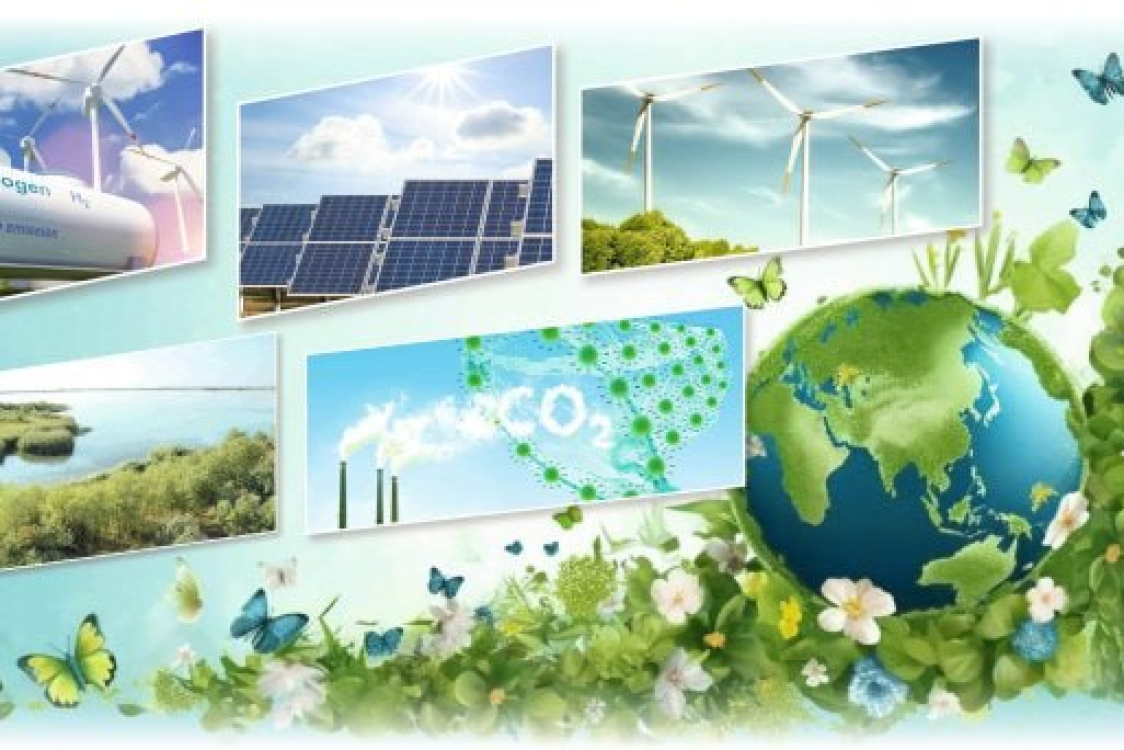
Turkmenistan is developing ‘green’ technologies in the energy sector
09.09.2026Turkmenistan is introducing world-leading technologies in the fields of geological exploration, oil and gas production and processing, whilst simultaneously taking large-scale measures to reduce its environmental impact. This is reported by the online news site Asmannews. Particular attention is being paid to environmental protection during the development of the ‘Galkynyş’ field, the construction of the ‘Turkmenistan – Afghanistan – Pakistan – India’ (TAPI) gas pipeline, the implementation of projects in the Turkmen sector of the Caspian Sea, the expansion of gas exports, and the development of the gas processing and petrochemical industries. Against the backdrop of the global transition to low-carbon energy, the country is diversifying its energy strategy and offering investors projects ranging from the further development of ‘Galkynyş – one of the world’s largest gas fields – to solar and wind energy. The processes of extraction, collection, processing and transportation of raw materials at the ‘Galkynyi’, ‘Döwletabat’, ‘Malaý’ and other fields are fully automated. Control centres are equipped with electronic equipment that ensures the reliability of operational cycles and the safety of personnel. In recent years, facilities designed to reduce harmful emissions have been commissioned: - a polymer plant in Kiyanly (Balkan velayat); - a plant producing ECO-93 petrol from natural gas in Ovadandepe (Ahal velayat); - liquefied gas production units at the ‘Naýyp’ and ‘Bagaja’ fields; - booster compressor stations at the ‘Malaý’ field. Methane emissions are being reduced at fields currently under development: associated petroleum gas is being captured, and gas pipelines and distribution networks are being upgraded. At the same time, the country is implementing research programmes on the use of hydrogen, solar, hydro and wind energy, as well as biogas. As part of field development, gas processing complexes are being built to purify and dry the gas and to convert hydrogen sulphide into sulphur — with particular attention being paid to fields with high concentrations of hydrogen sulphide and carbon dioxide. Within the country’s fuel and energy sector, production infrastructure is being developed, production and processing capacities are being expanded, and gas supply routes are being diversified, taking environmental factors into account. As noted, the reduction of carbon emissions and the growth in demand for natural gas remain key trends in the development of the global energy sector.
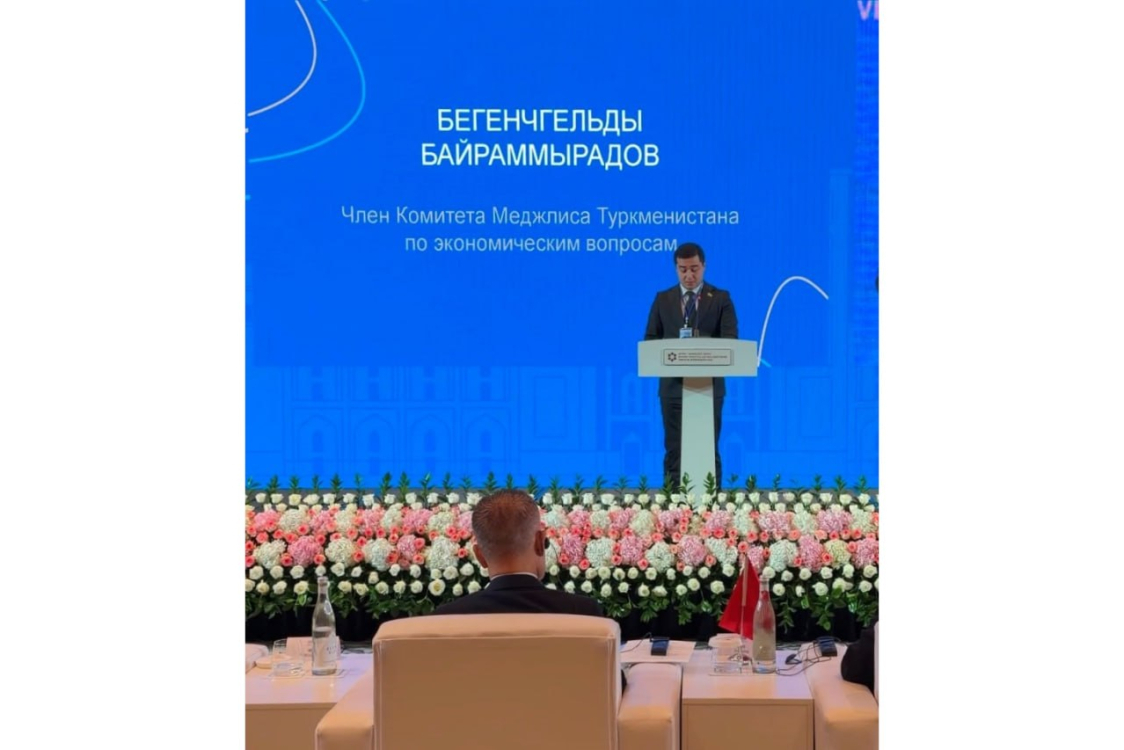
Turkmenistan addressed the Political Parties’ Dialogue in Uzbekistan
09.09.2026On 6 September, representatives of the Mejlis of Turkmenistan took part in the ‘Central Asia–China’ Political Parties Dialogue in Samarkand. This was reported by the press office of the Mejlis of Turkmenistan. The dialogue focused on the theme ‘The Role of Political Parties in Strengthening Ties between China and Central Asia’. Its aim was to consolidate the inter-regional agreements reached at the level of Heads of State, as well as to further develop strategic cooperation within the ‘Central Asia–China’ framework. The participants noted that political parties play an important role in the development of multilateral cooperation between China and the countries of Central Asia, and that the issues on the Dialogue’s agenda create opportunities for strengthening stability and economic integration in the region. A representative of the Mejlis of Turkmenistan emphasised that the country’s foreign policy, based on its status of permanent neutrality – recognised three times by the UN – is consistently developed on the principles of mutual respect, trust and equality. According to him, Turkmenistan regards the ‘Central Asia–China’ format as an important tool for strengthening economic ties, expanding transport and fuel-energy interconnectivity, and promoting joint initiatives. Such meetings, he noted, serve as a platform for strengthening friendly relations between nations. Participants in the Dialogue emphasised that such consultations help to strengthen strategic cooperation between the countries of Central Asia and China, facilitate the exchange of experience and enable the coordination of development strategies in line with current trends in the global economy.
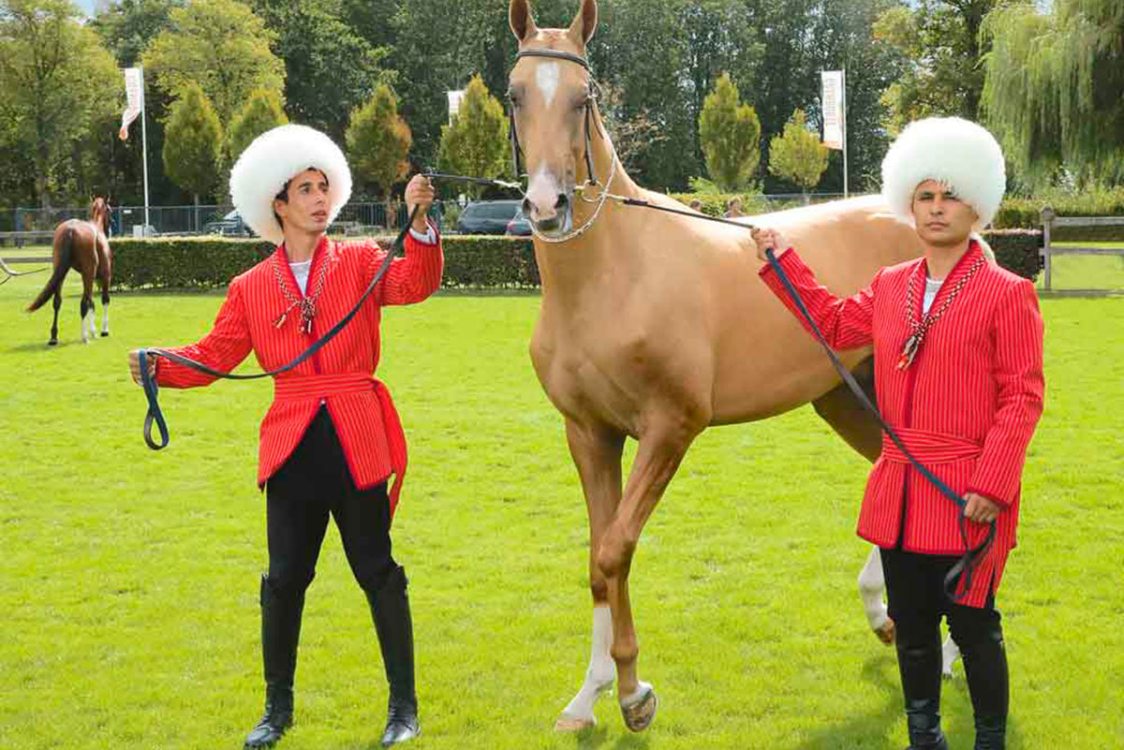
Turkmenistan has put forward an initiative to establish an International Ahal-Teke Fund
07.09.2026At an open meeting of the International Association of Ahal-Teke Breeding in Kronenberg, the National Leader of the Turkmen people and Chairman of the Halk Maslahaty of Turkmenistan, Gurbanguly Berdimuhamedov, proposed considering an initiative to establish an International Fund for Ahal-Teke Horses. This was reported by the TDH news agency. The Hero Arkadag noted the desirability of developing international plans and programmes to promote Ahal-Teke horses through the media, television, documentary projects, digital sources and print publications. Gurbanguly Berdimuhamedov emphasised Turkmenistan’s readiness to continue supporting this work, to provide advisory and methodological assistance, as well as archival and other necessary materials. According to the National Leader of the Turkmen people, international cooperation in the field of Ahal-Teke horse breeding is an important area of work that contributes to the preservation and further promotion of this unique breed throughout the world.
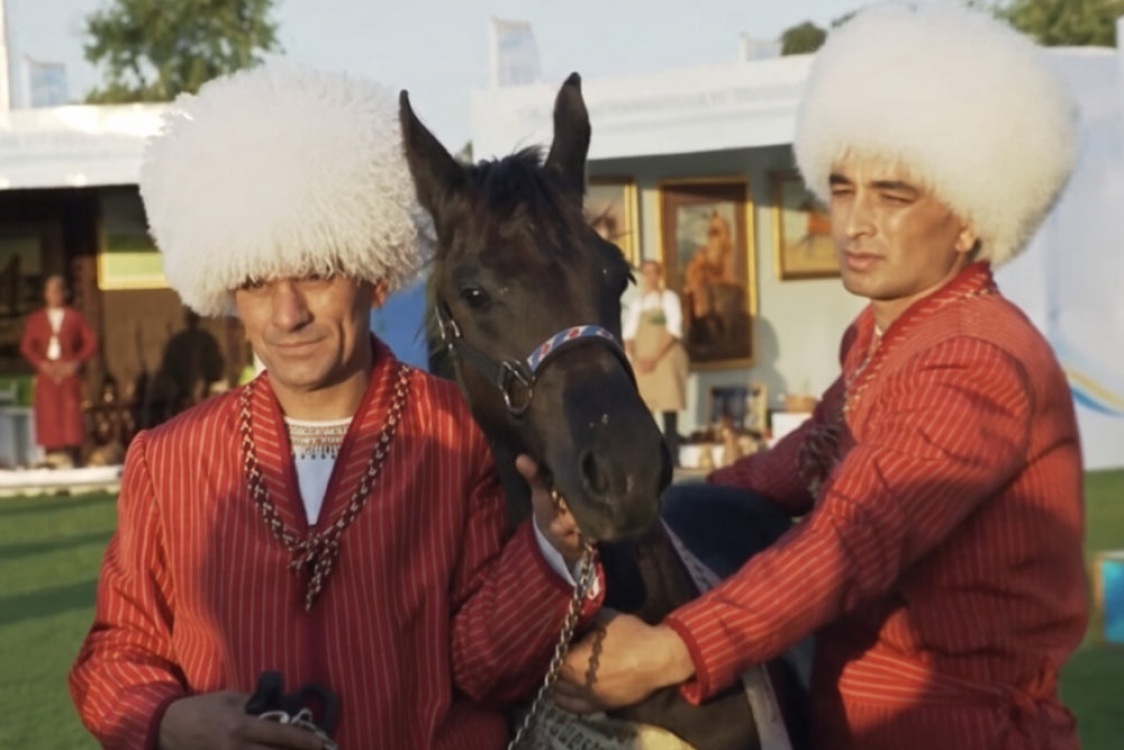
The Friesian horse has become a symbol of friendship between Turkmenistan and the Netherlands
07.09.2026Gurbanguly Berdimuhamedov, National Leader of the Turkmen people and Chairman of the Halk Maslahaty of Turkmenistan, was presented with a Friesian horse during the World Equestrian Championships and the Ahal-Teke Horse Beauty Contest in Kronenberg (Netherlands). This was reported by the news agency TDH. The gift has become a symbol of friendship and mutual respect between Turkmenistan and the Kingdom of the Netherlands.
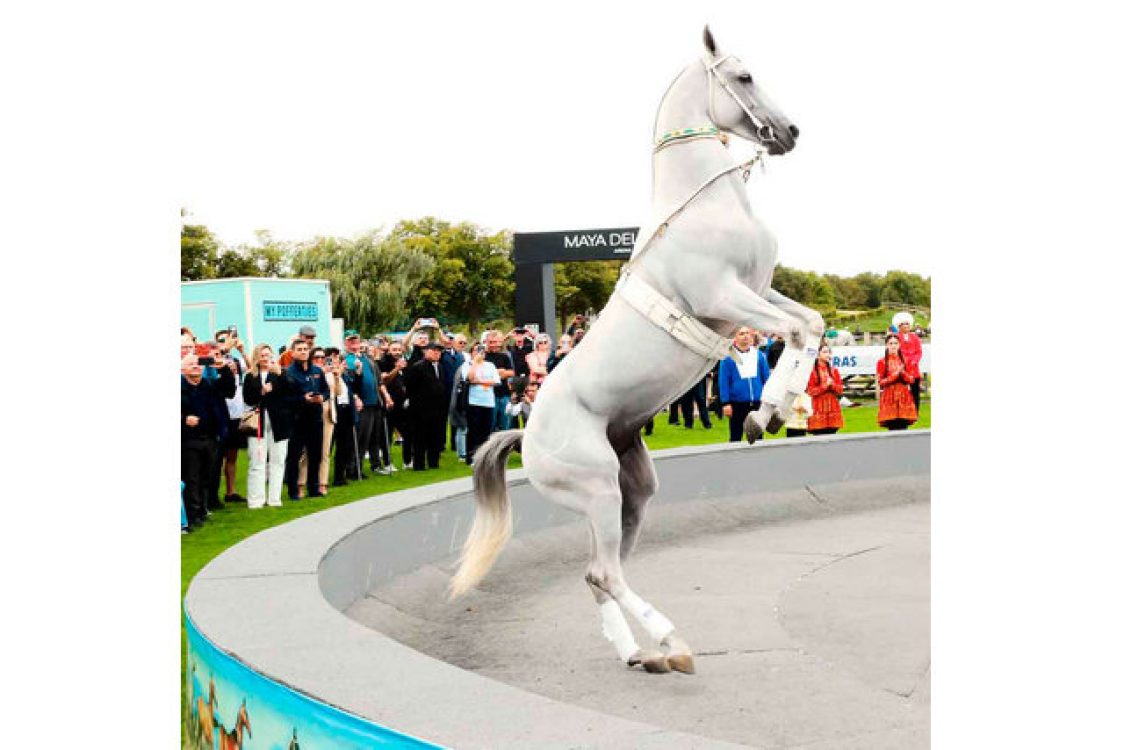
Turkmenistan has proposed holding the Ahal-Teke Championship every five years
07.09.2026The National Leader of the Turkmen people and Chairman of the Halk Maslahaty of Turkmenistan, Gurbanguly Berdimuhamedov, addressed an open meeting of the International Association of Ahal-Teke Breeding in Kronenberg (Netherlands). During his speech, Hero Arkadag proposed considering the possibility of holding major international events and championships in Ahal-Teke horse breeding every five years, reports the TDH news agency. Gurbanguly Berdimuhamedov also called for strengthening cooperation between international associations, including the coordination of educational and research work, as well as the exchange of historical materials and information. The Chairman of the Halk Maslahaty of Turkmenistan highlighted the need to expand the participation of Ahal-Teke horses in international competitions. In this regard, it was proposed to develop training programmes for young horses in line with international standards for dressage and show jumping. As part of the events in Kronenberg, beauty and dressage competitions for Ahal-Teke horses of various ages were held, along with show jumping competitions, a scientific and practical conference, and international exhibitions. The programme was further enriched by performances by the ‘Galkynyş’ national equestrian games group and representatives of Turkmen culture and the arts.
The National Leader of the Turkmen people has been awarded a prize for his contribution to horse breeding
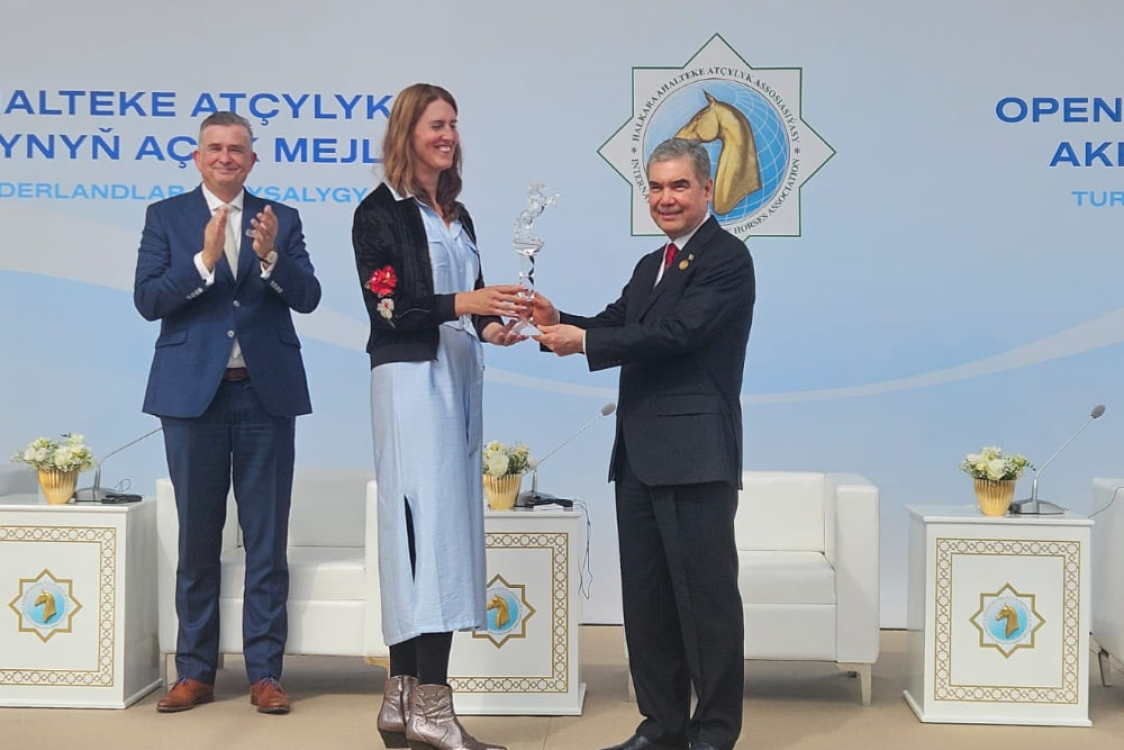
07.09.2026The European Ahal-Teke Horse Association presented Gurbanguly Berdimuhamedov, National Leader of the Turkmen people and Chairman of the Halk Maslahaty of Turkmenistan, with an honorary award ‘For a significant contribution to the development of horse breeding’ and the accompanying cup. This was reported by the news agency TDH. The award was presented during an open session of the International Association of Ahal-Teke Breeding in Kronenberg. Expressing his gratitude for the honour bestowed upon him, Hero Arkadag noted that the award is a symbol of respect and gratitude to the Turkmen people and to Turkmenistan — the ancient homeland of the Ahal-Teke racehorses. According to the Chairman of the Halk Maslahaty of Turkmenistan, the centuries-old history of the Ahal-Teke breed is inextricably linked to the history of the Turkmen people. Over the centuries, Ahal-Teke horses have remained faithful companions and a source of pride for the Turkmen people. Gurbanguly Berdimuhamedov emphasised that preserving the historical heritage of the Ahal-Teke horse and ensuring its further development is a shared task. The National Leader of the Turkmen people noted that the necessary conditions for this have now been created. Hero Arkadag also emphasised the importance of developing Ahal-Teke horse breeding not only through Turkmenistan’s own efforts, but also by strengthening cooperation with foreign partners. Gurbanguly Berdimuhamedov identified the development of a strategy and the definition of key areas for the sector’s development over the coming decade as one of the main tasks. According to the National Leader of the Turkmen people, hosting the world competition at the ‘Peelbergen’ professional cluster demonstrates the further objectives in developing international cooperation in the field of Ahal-Teke horse breeding.
A new poem by Serdar Berdimuhamedov has been published
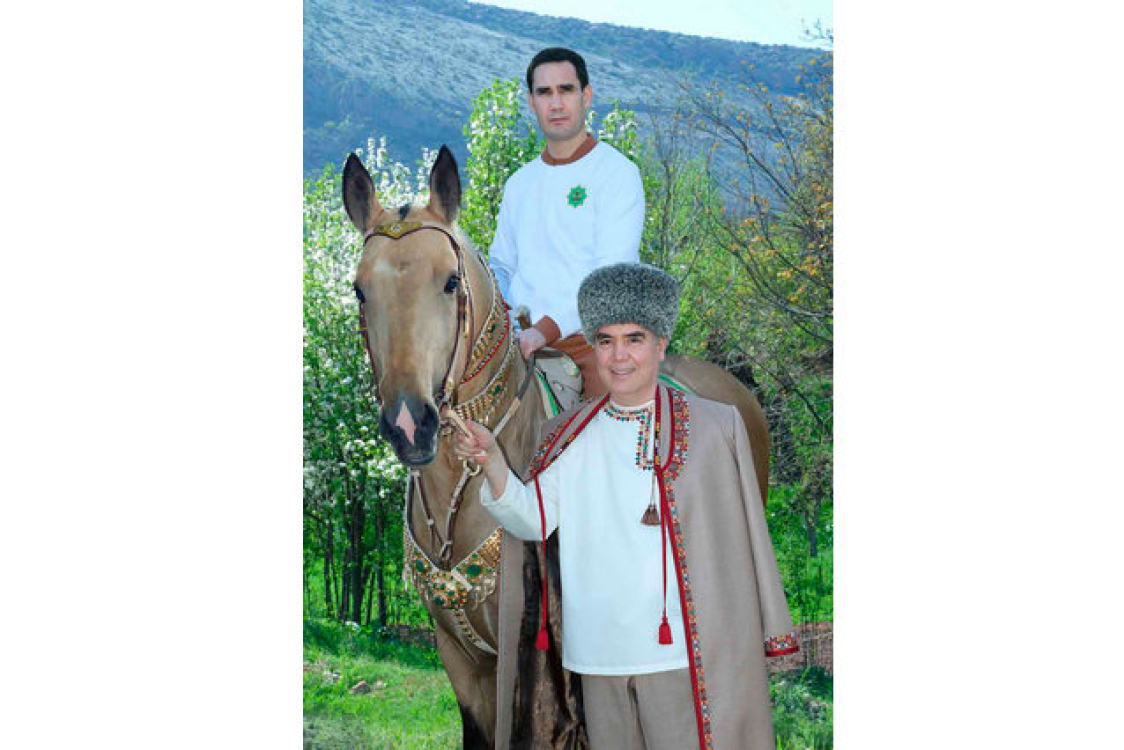
07.09.2026The TDH State News Agency has published a new poem by the President of Turkmenistan, Serdar Berdimuhamedov, entitled ‘Türkmeniň buýsanjy’ (‘The Pride of the Turkmen’). The poem explores themes of the Turkmen people’s historical heritage, national traditions and the country’s achievements. Particular attention is paid to the symbols of Turkmen culture — the Ahal-Teke horse, the Alabay dog and carpet weaving. The poem also speaks of love for the Motherland, the continuity between generations, creativity and the aspiration for Turkmenistan’s prosperity. The full text of the poem can be found via the link on the TDH website.
Gurbanguly Berdimuhamedov attended the World Equestrian Championships
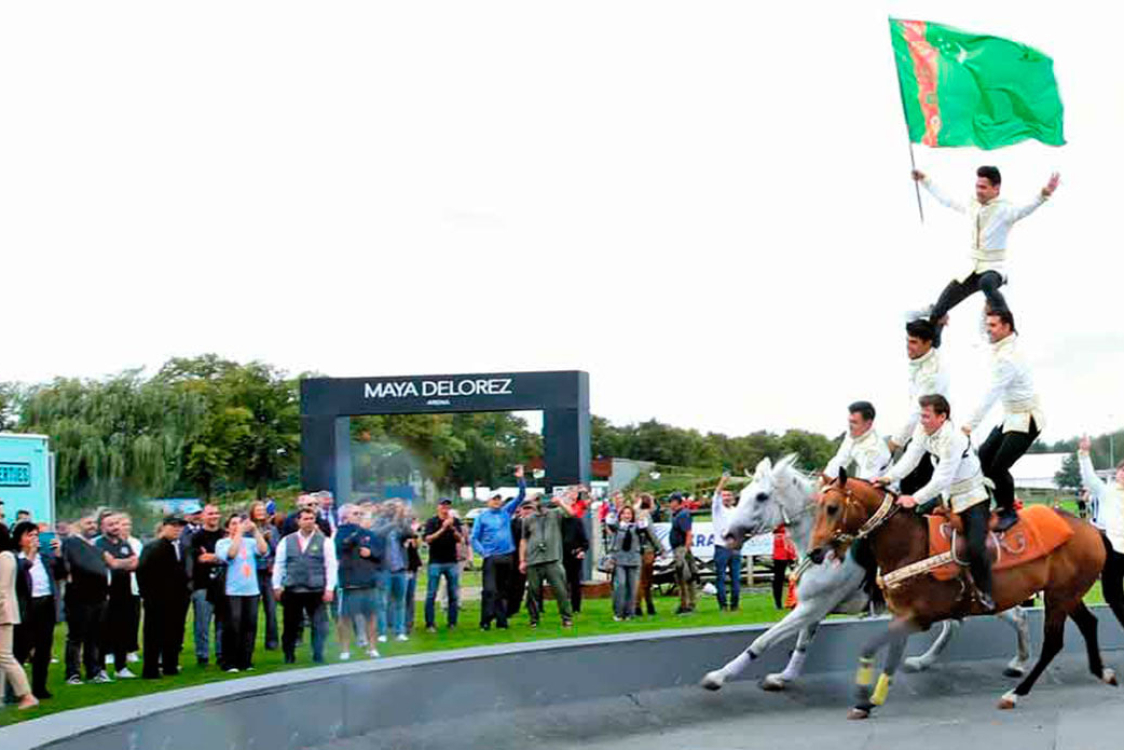
07.09.2026The National Leader of the Turkmen people and Chairman of the Halk Maslahaty of Turkmenistan, Gurbanguly Berdimuhamedov, paid a visit to the Kingdom of the Netherlands, where he took part in events at the World Equestrian Games and the Ahal-Teke horse beauty contest. This was reported by the news agency TDH. An open meeting of the International Association of Ahal-Teke Breeding took place in the town of Kronenberg. It was attended by representatives of relevant associations, horse breeders, scientists and specialists from Turkmenistan, European countries, Central Asia and the Americas. Speaking at the meeting, Hero Arkadag highlighted the importance of international cooperation in the development of Ahal-Teke horse breeding. He emphasised the need to expand the participation of Ahal-Teke racehorses in global equestrian sport, to advance scientific research, veterinary science and genetics, and to facilitate the exchange of expertise amongst specialists. The National Leader of the Turkmen people proposed holding the World Equestrian Championships every five years. The participants at the meeting supported the initiative. During the event, Hero Arkadag was presented with an honorary award from the European Ahal-Teke Horse Association ‘For a significant contribution to the development of horse breeding’ and the corresponding trophy. A beauty contest for Ahal-Teke horses was also held in Kronenberg. The overall champion was the black horse Yyndam, owned by A. Martinez from France. On behalf of the President of Turkmenistan, Serdar Berdimuhamedov, Hero Arkadag presented the winner with the main ‘Grand Prix’ prize and the keys to a modern car. Winners were also announced in other categories. These included competitions for young horses, the ‘Europe’s Best Stallion’ contest, the ‘Most Beautifully Decorated Horse’ contest, as well as dressage and show jumping competitions. An international creative competition was held as part of the championship. Representatives from Turkmenistan and other countries received awards in the categories of sculpture, painting, carpet weaving, photography and jewellery. A separate part of the programme was an exhibition dedicated to Turkmen horse breeding, culture and decorative and applied arts. The Turkmenistan pavilion showcased books by the Hero Arkadag and the President of Turkmenistan, works of art, traditional carpets, jewellery, equestrian equipment, national dress and dishes from Turkmen cuisine. The ‘Galkynyş’ National Equestrian Games Group performed in a special arena. The riders demonstrated complex equestrian manoeuvres on Ahal-Teke horses. During the visit, meetings and speeches were held by representatives from the Netherlands, Greece, Spain and other countries. The participants highlighted the role of horse breeding in the development of international cultural ties and expressed an interest in further cooperation. Following the championship, Hero Arkadag thanked the Government and people of the Kingdom of the Netherlands for organising the event and for their hospitality. The Chairman of the Halk Maslahaty of Turkmenistan emphasised Turkmenistan’s readiness to continue international cooperation in the field of Ahal-Teke horse breeding. Following the conclusion of the visit, the National Leader of the Turkmen people returned to Turkmenistan. He was met at the capital’s international airport by officials and members of the country’s Government.
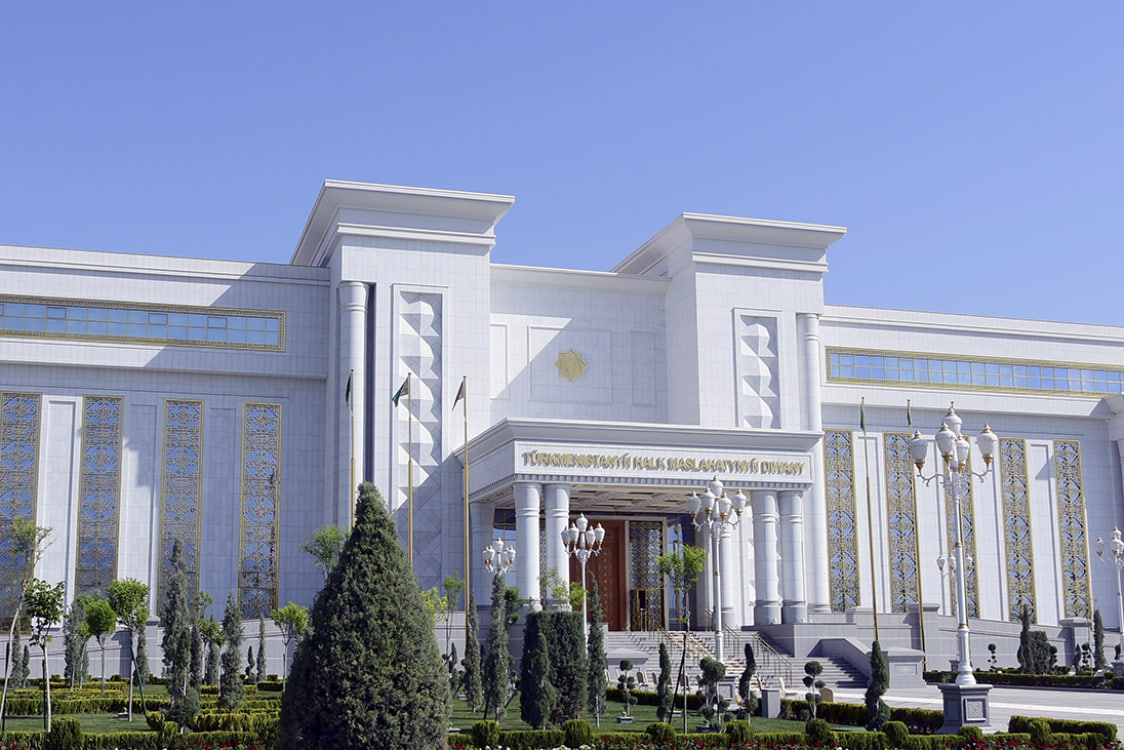
Turkmenistan and ‘Çalık Holding’ discussed ways to develop their cooperation
07.09.2026During his visit to the Kingdom of the Netherlands, the National Leader of the Turkmen people and Chairman of the Halk Maslahaty of Turkmenistan, Gurbanguly Berdimuhamedov, met with Ahmet Chalik, Chairman of the Board of Directors of the ‘Çalık Holding’ Group. This was reported by the news agency TDH. Ahmet Chalik expressed his gratitude for the meeting and the invitation to the World Ahal-Teke Equestrian Championships. He noted that he considered the meeting with Hero Arkadag in the Netherlands a great honour. The Turkish businessman also spoke of his impressions of the events dedicated to Ahal-Teke horses and held as part of the World Championships. Hero Arkadag emphasised that the inaugural Ahal-Teke World Equestrian Championships would contribute to further rapprochement between countries and peoples. During the meeting, the parties discussed the development of relations between Turkmenistan and the Republic of Turkey, as well as cooperation with leading companies. Hero Arkadag noted that Turkmenistan’s foreign economic strategy is based on the principles of equality, mutual benefit and mutual understanding. Ahmet Chalik assured that ‘Çalık Holding’ would continue to fulfil its contractual obligations responsibly. At the conclusion of the meeting, the parties exchanged best wishes.
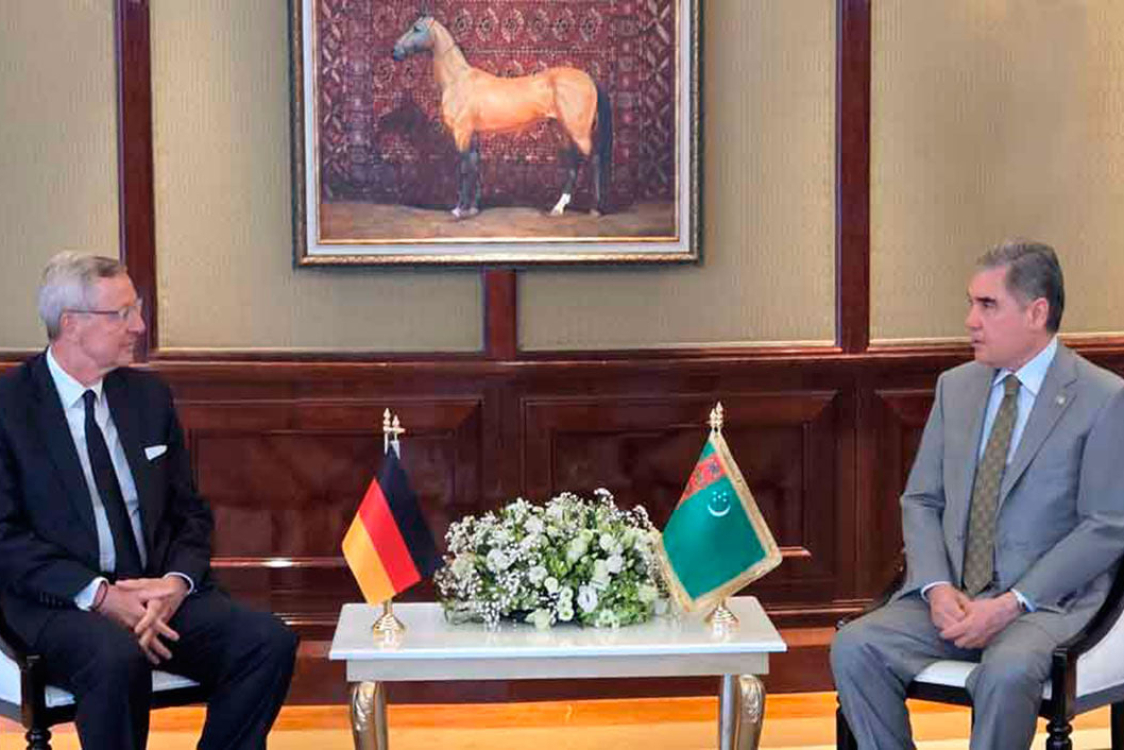
The prospects for developing cooperation between Turkmenistan and Germany were discussed
07.09.2026The National Leader of the Turkmen people and Chairman of the Halk Maslahaty of Turkmenistan, Gurbanguly Berdimuhamedov, met with Michael Harms, Executive Director of the German Committee on Eastern European Economic Relations. This was reported by the news agency TDH. Michael Harms noted Germany’s interest in developing mutually beneficial cooperation with Turkmenistan and conveyed greetings and best wishes to Hero Arkadag from the Federal President of Germany, Frank-Walter Steinmeier, and the Federal Chancellor, Friedrich Merz. The parties discussed the development of Turkmen-German cooperation. Hero Arkadag emphasised that trade and economic cooperation is one of the key areas of the bilateral partnership. Particular attention is being paid to ties in the fields of medicine and agriculture. During negotiations, it was highlighted that a number of German companies have been operating in the Turkmen market for many years. In the medical sector, cooperation with German specialists is underway. Medical facilities scheduled to open this year are being equipped with modern technology and equipment from Germany. Ties are also being developed regarding the application of artificial intelligence in medicine. Hero Arkadag invited Michael Harms to take part in the celebrations marking the 35th anniversary of Turkmenistan’s independence and Healthcare and Medical Industry Workers’ Day. The Executive Director of the German Committee on Eastern European Economic Relations confirmed Germany’s interest in further developing cooperation. He highlighted the importance of the medical cluster currently under construction in the city of Arkadag and expressed the German side’s readiness to develop partnerships and exchange expertise. At the conclusion of the meeting, the parties expressed their confidence in the further strengthening of bilateral ties and exchanged best wishes.
Read also
Advertising
 Read us in Zen


