

News
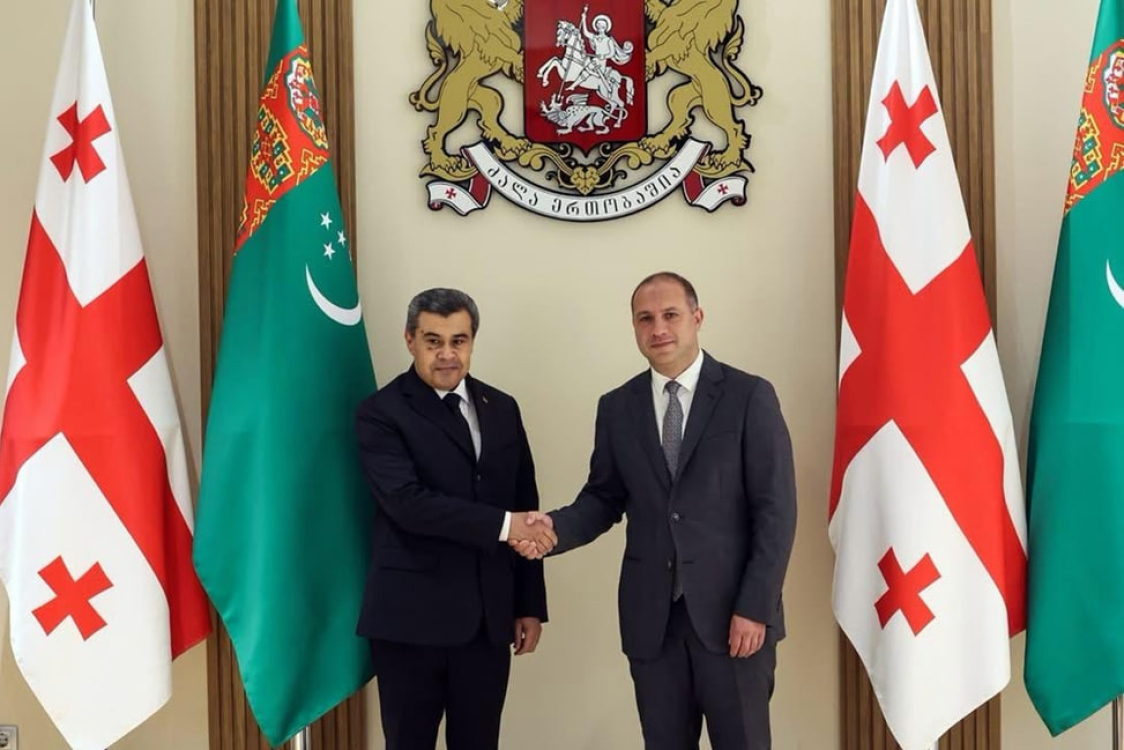
Ashgabat and Tbilisi are expanding their cooperation in the field of education
18.07.2026As part of the President of Turkmenistan’s state visit to Georgia, a meeting took place between the Minister of Education of Turkmenistan, J. Gurbangeldiyev, and the Minister of Education, Science and Youth of Georgia, Givi Mikanadze. This was reported by the press office of the Ministry of Education of Turkmenistan. The parties discussed expanding cooperation in the fields of education, science and youth policy, including the development of direct links between universities, academic mobility, joint research, conferences, internships and educational programmes. Promising areas for cooperation were identified as medicine, energy, the oil and gas sector, architecture and construction, transport, digital technologies, artificial intelligence, STEAM education and cybersecurity. A number of bilateral memoranda of cooperation were also signed between the relevant ministries and higher education institutions of Turkmenistan and Georgia. These documents are aimed at strengthening the legal framework for cooperation, developing links between universities, expanding academic exchanges and implementing joint educational and research projects.
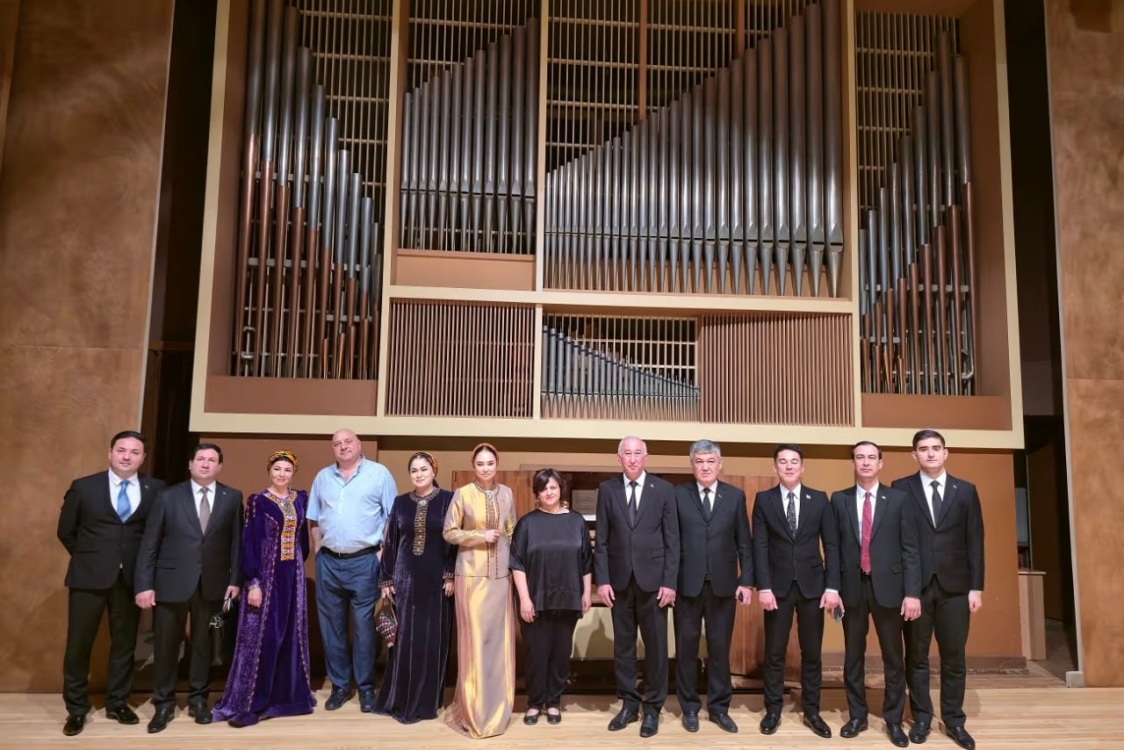
A Turkmen delegation visited the Tbilisi State Conservatoire
18.07.2026As part of the Days of Turkmenistan Culture in Georgia, a meeting between representatives of music universities from the two countries took place at the Vano Sarajishvili Tbilisi State Conservatoire. This was reported by IIC of Turkmenistan. The meeting was attended by the rector of the Georgian conservatoire, Giorgi Vachnadze; the Deputy Minister of Culture of Turkmenistan, Nursahet Shirinov; and the Vice-Rector of the Maya Kuliyeva Turkmen National Conservatoire. The parties discussed the development of cooperation in the field of music education, including the exchange of experience, the organisation of joint concerts and the holding of masterclasses. A tour of the conservatoire was also organised for the Turkmen delegation. The visit concluded with a performance by the Turkmen musician Ashir Ashirov, who performed a piece by Chary Nurymov in the conservatoire’s Grand Hall.
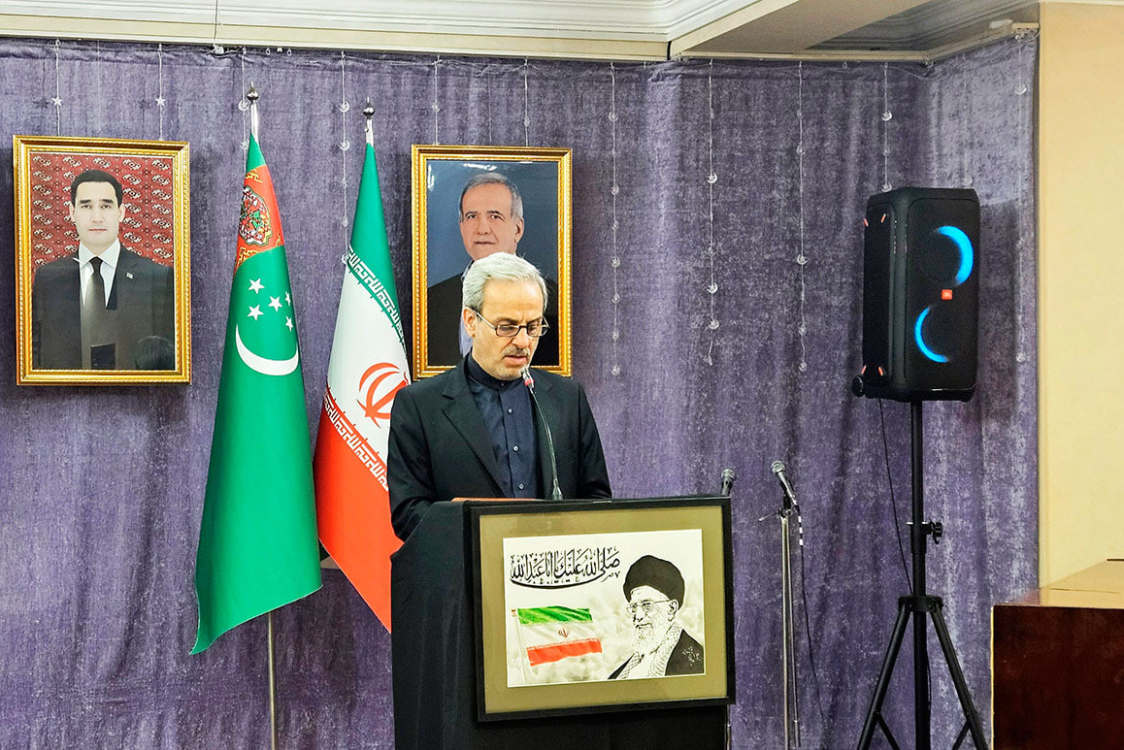
An evening in memory of Ayatollah Seyyed Ali Khamenei was held in Ashgabat
18.07.2026A commemorative event dedicated to Iran’s Supreme Leader, Ayatollah Seyyed Ali Khamenei, was held at the Cultural Centre of the Embassy of the Islamic Republic of Iran in Turkmenistan. This was reported by the news agency ‘Turkmenistan: Golden age’. The event was attended by Ali Mojtaba Rouzbahani, Ambassador Extraordinary and Plenipotentiary of the Islamic Republic of Iran to Turkmenistan; Abdolreza Abbasi, the Embassy’s Cultural Counsellor; teachers and students of Persian language courses; and representatives of the media. The Head of the diplomatic mission expressed his gratitude to the President of Iran, Masoud Pezeshkian, and the President of Turkmenistan, Serdar Berdimuhamedov, for their efforts to develop bilateral cooperation. He also noted the participation of the National Leader of the Turkmen people and Chairman of the Halk Maslahaty of Turkmenistan, Gurbanguly Berdimuhamedov, in the farewell ceremony in Tehran. Abdolreza Abbasi, Adviser on Cultural Affairs, spoke about the leader’s role in Iran’s state policy and public life, his spiritual legacy and his contribution to strengthening good-neighbourly ties between Iran and Turkmenistan. The event featured the reading of commemorative texts and poems, the screening of documentary footage, the recitation of verses from the Holy Quran, and joint prayers.
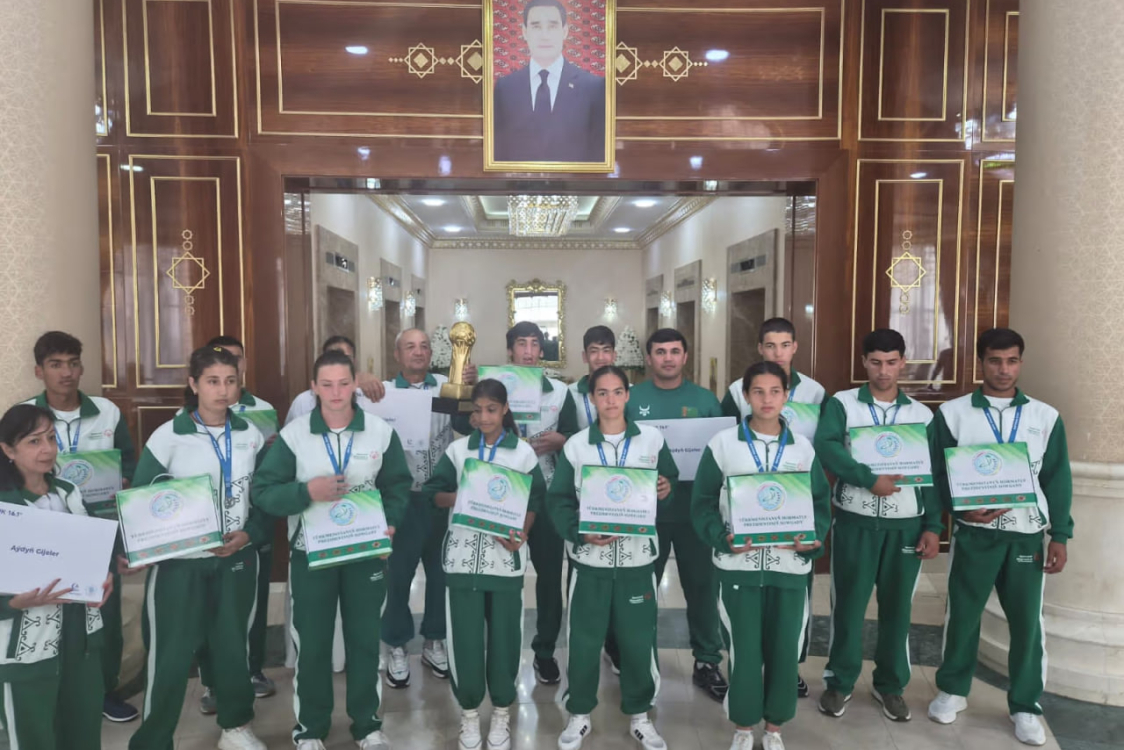
Turkmen footballers have won the ‘Gothia Cup’
18.07.2026From 12 to 16 July, Sweden hosted the ‘Gothia Cup’, an international 7-a-side football tournament for athletes with intellectual disabilities. Turkmenistan was represented by a delegation of 18 people, including 14 athletes, three coaches and a team manager, according to the IIC. The Turkmenistan men’s team emerged as the winners of Group II. During the tournament, the team beat India 6–0, Finland 7–0 and Estonia 7–3. In the final on 16 July, the Turkmen footballers faced Estonia once again and secured a 4–3 victory, taking first place. The Turkmenistan women’s national team competed in Group V. The team lost to Uzbekistan 1–6, Finland 0–1, Latvia 0–1, Germany 1–7 and Lithuania 0–1. Germany were crowned group winners.
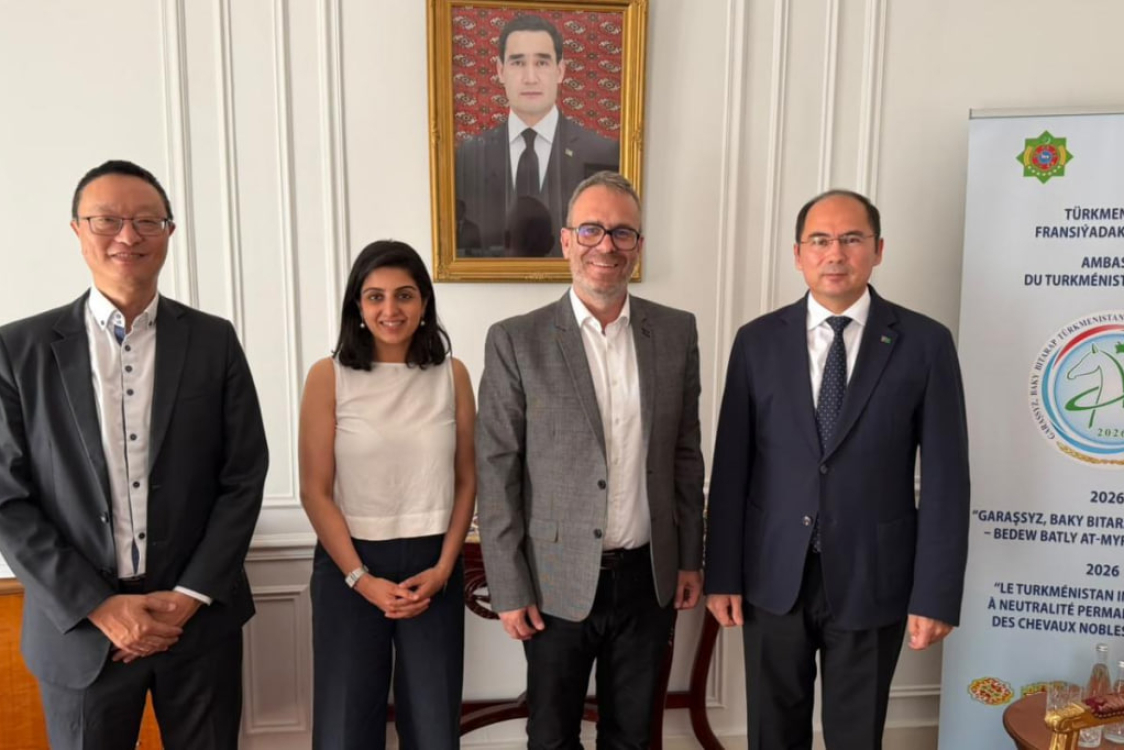
The Ambassador of Turkmenistan held a meeting with the management of the ESSEC Business School
18.07.2026On 16 July 2026, a meeting took place at the Embassy of Turkmenistan in Paris between M. Charyev, Ambassador of Turkmenistan to the French Republic, and Julien Malaurent, Executive Vice-President and Dean of Post-Experience Programs and Corporate Relations at the ESSEC Business School. This was reported by the press service of the Foreign Affairs Ministry of Turkmenistan. The parties discussed prospects for cooperation between ESSEC and educational institutions in Turkmenistan in the fields of higher education, science and staff training. Possible areas of cooperation include joint educational programmes, academic exchanges of students and lecturers, professional development for senior management, and the exchange of expertise in the management of educational institutions. Julien Malaurent outlined the activities of the ESSEC Business School and expressed interest in developing cooperation with Turkmenistan. Ambassador M. Charyev emphasised the priority of international partnerships in the field of education and provided information on the activities of the International University of Industrialists and Entrepreneurs of Turkmenistan, which opened in 2025. Following the meeting, the parties reaffirmed their interest in a long-term partnership and agreed to maintain contact on specific areas of cooperation.
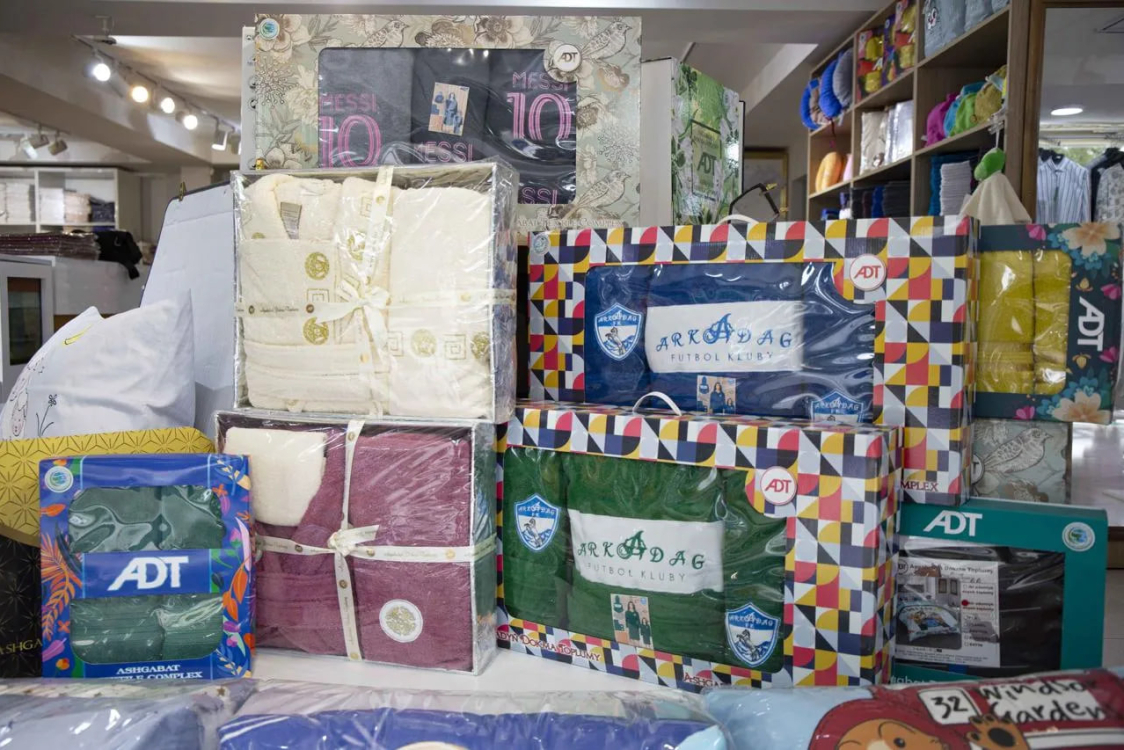
Turkmenistan exports around 80 per cent of its textile products
18.07.2026Turkmenistan produces more than 130,000 tonnes of finished textile products annually, around 80 per cent of which is exported. The President of Turkmenistan, Serdar Berdimuhamedov, made this statement at the Georgian-Turkmen Business Forum in Tbilisi, according to the news agency TDH. According to the Head of State, the country is also expanding production of building materials, metal, plastic, cable and electrical products. The development of investment and the private sector is helping to increase the export potential of the agricultural sector. Turkmenistan is one of the major suppliers of environmentally friendly food products.
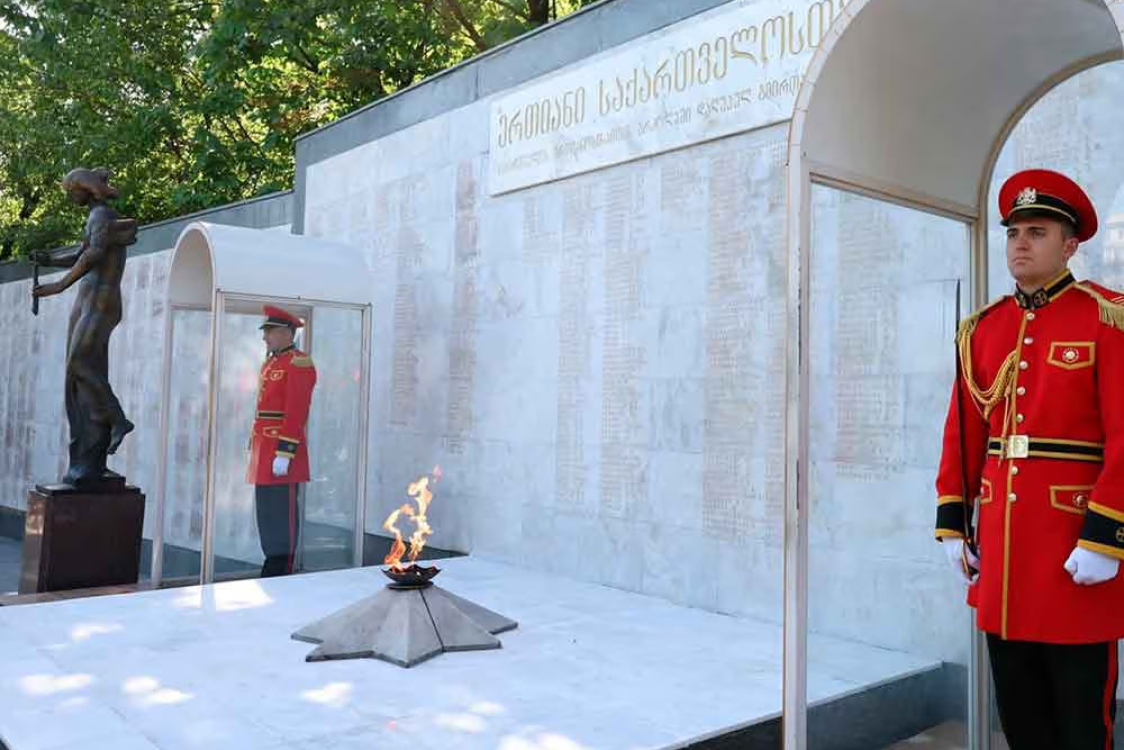
The President of Turkmenistan laid a wreath at the memorial in Tbilisi
18.07.2026As part of his state visit to Georgia, the President of Turkmenistan, Serdar Berdimuhamedov, visited Heroes’ Square in Tbilisi. The Head of State laid a wreath at the memorial honouring the defenders who died for the country’s freedom and unity, reports IIC, citing the newspaper ‘Turkmenistan’. The central monument of the memorial complex, standing 51 metres tall, consists of 16 marble slabs bearing the names of more than 4,000 citizens who died in the struggle for Georgia’s independence. The memorial was unveiled in May 2010.
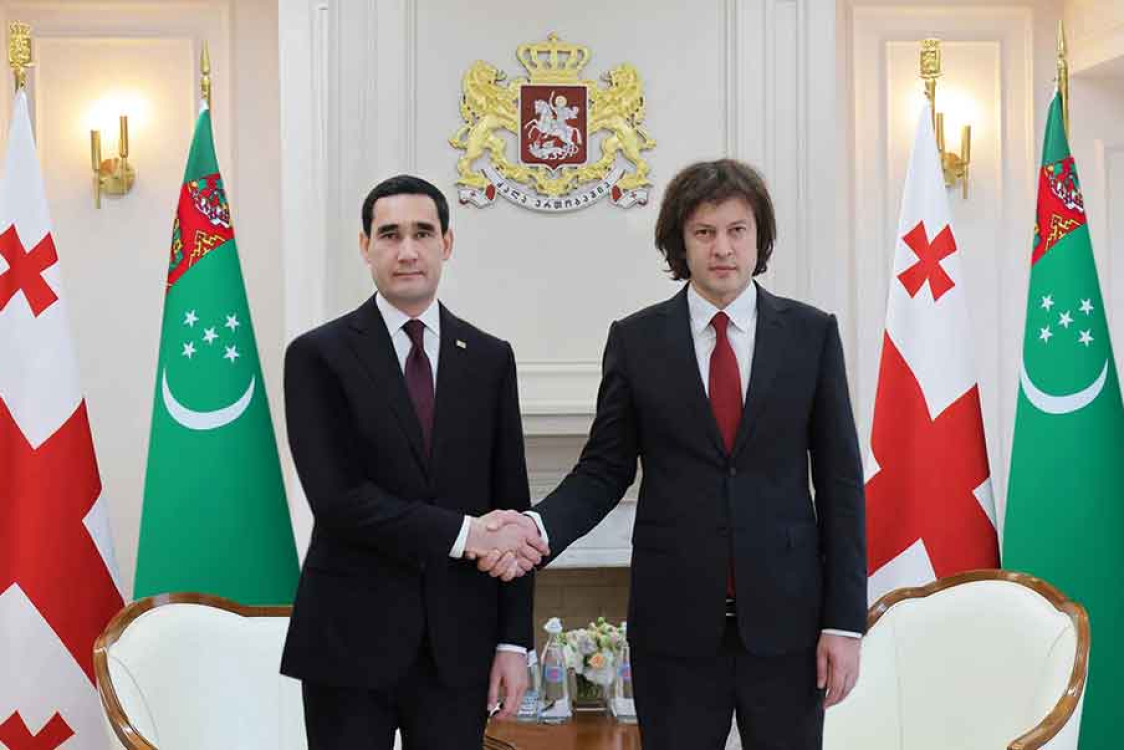
The President of Turkmenistan has concluded his state visit to Georgia
18.07.2026On 17 July, the President of Turkmenistan, Serdar Berdimuhamedov, held negotiations with Prime Minister Irakli Kobakhidze as part of his state visit to Georgia. The two sides discussed the development of cooperation in the political, trade and economic, transport and logistics, energy, cultural and humanitarian, and scientific and educational fields, according to the news agency TDH. The Head of Turkmenistan arrived in Georgia on 16 July on a state visit. In Tbilisi, Serdar Berdimuhamedov laid flowers at the monument to Georgia’s national heroes on Heroes’ Square. Following the ceremony, negotiations were held with Prime Minister Irakli Kobakhidze. During the one-on-one meeting and the subsequent negotiations involving delegations from both countries, the parties noted the high level of bilateral relations and reaffirmed their interest in their further development. The President of Turkmenistan expressed his gratitude to the Georgian side for the invitation and the warm welcome. The Head of State emphasised that relations between Turkmenistan and Georgia span the political-diplomatic, trade-economic and cultural-humanitarian spheres. Particular attention was paid to cooperation within the framework of the United Nations. The President of Turkmenistan thanked Georgia for its support for Turkmenistan’s policy of permanent neutrality and the country’s international initiatives. Trade and economic cooperation was one of the key areas of negotiation. The parties noted the growth in mutual trade and the important role of the Inter-governmental Commission on Economic Cooperation. The need to further develop direct contacts between businesspeople from the two countries was also emphasised. In the transport and logistics sector, Serdar Berdimuhamedov outlined prospects for cooperation within the framework of the Lapis Lazuli Corridor, involving Afghanistan, Turkmenistan, Azerbaijan, Georgia and Turkey, the Caspian-Black Sea Corridor involving Turkmenistan, Azerbaijan, Georgia and Romania, as well as the TRACECA transport corridor. The parties also discussed opportunities for cooperation in the energy sector, telecommunications, communications, tourism, agriculture, the textile industry and construction. Particular attention was paid to cultural and humanitarian ties. In 2024, a monument to the Georgian poet Shota Rustaveli was unveiled in Ashgabat. Turkmenistan’s cultural heritage is also widely represented in Georgia, including the works of Magtymguly Pyragy. The parties reaffirmed their interest in expanding scientific and educational contacts, as well as cooperation between higher education institutions and academic bodies. The importance of developing twinning arrangements between cities was also highlighted. In this regard, Serdar Berdimuhamedov proposed discussing the establishment of a sister-city relationship between Turkmenbashi and Batumi. A similar agreement had previously been concluded between the cities of Arkadag and Telavi. Following the negotiations, the President of Turkmenistan and the Prime Minister of Georgia signed a Joint Statement. The parties also exchanged a number of bilateral documents. These included the Programme of Cooperation for 2027–2028 between the Ministry of Foreign Affairs of Turkmenistan and the Ministry of Foreign Affairs of Georgia, as well as memoranda of cooperation in the fields of management and privatisation of state property, financial monitoring, culture, healthcare, education, industry, maritime transport and rail transport. The documents also provide for cooperation between theatres, museums, libraries, conservatoires and higher education institutions in both countries. In addition, a Memorandum of Understanding on cooperation in the exchange of news content was signed by the editorial team of the online newspaper ‘Golden age’ and the television company ‘Europe 24’. Following the signing ceremony, President Serdar Berdimuhamedov and Prime Minister Irakli Kobakhidze addressed representatives of the media. The Georgian Head of Government noted that the visit by the President of Turkmenistan and the agreements reached lay the foundations for further strengthening bilateral relations. He highlighted the potential for development in trade, transport, logistics, tourism, science and education. President Serdar Berdimuhamedov highlighted the business-oriented nature of the negotiations and reaffirmed Turkmenistan’s readiness to expand political dialogue and trade and economic cooperation. According to him, particular importance is attached to the development of the transport sector and the diversification of mutual trade. The Head of State also highlighted opportunities for cooperation in the energy sector, telecommunications, transport, tourism, agriculture, the textile industry and construction. The President of Turkmenistan congratulated Prime Minister Irakli Kobakhidze on the 34th anniversary of the establishment of diplomatic relations between Turkmenistan and Georgia. He proposed that the 35th anniversary of this event be celebrated on a grand scale in 2027. At the conclusion of the visit, President Serdar Berdimuhamedov invited Prime Minister Irakli Kobakhidze to pay a visit to Turkmenistan. A Turkmen-Georgian business forum was also held as part of the state visit. More than 50 bilateral meetings took place between business organisations from the two countries, resulting in the conclusion of agreements and the signing of memoranda of understanding. In particular, agreements were reached in the fields of logistics, the export of confectionery and household chemical products, distribution, insurance and the supply of building materials. Following the visit, the parties reaffirmed their interest in further strengthening their long-term partnership and expanding cooperation in key areas.
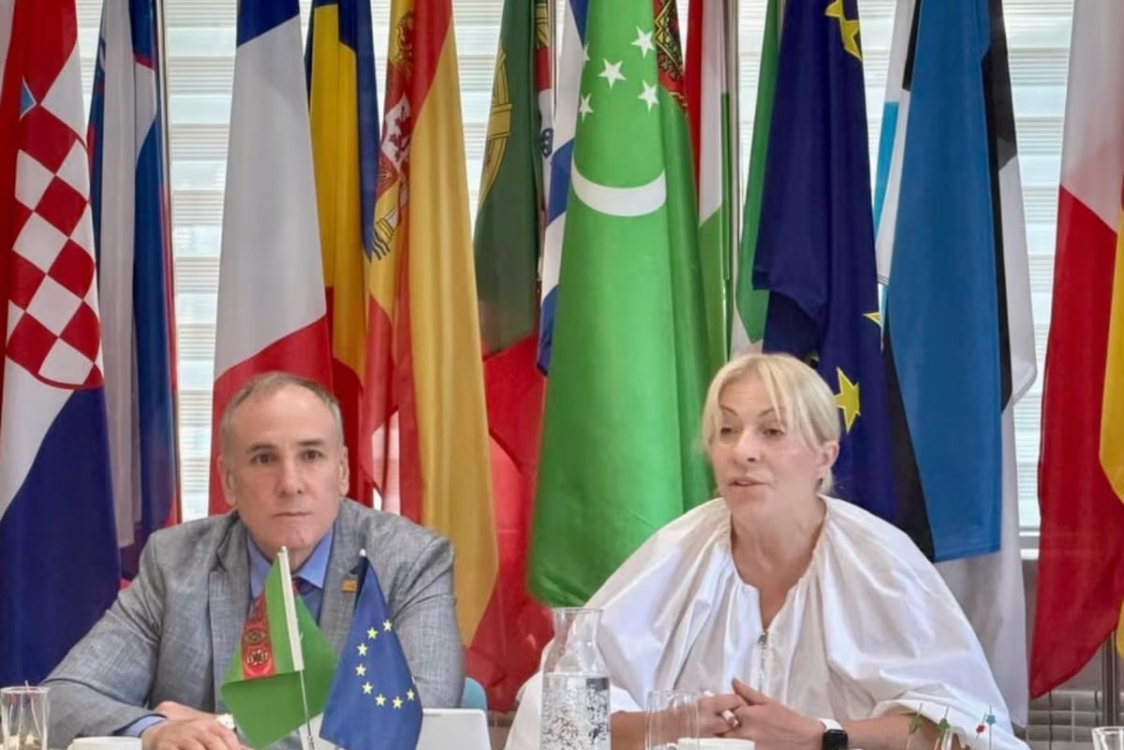
Human rights and gender equality were discussed in Ashgabat
18.07.2026A meeting of development partners focusing on human rights and gender equality took place in Ashgabat. The event was organised by the Delegation of the European Union to Turkmenistan and the United Nations Population Fund (UNFPA), according to the IIC of Turkmenistan. Participants discussed current initiatives and the outcomes of the latest round of the ‘EU–Turkmenistan’ Dialogue on Human Rights. The main focus was on the National Action Plan on Gender Equality for 2026–2030. Representatives of the European Union noted that ensuring equal opportunities is one of the priorities of its work.
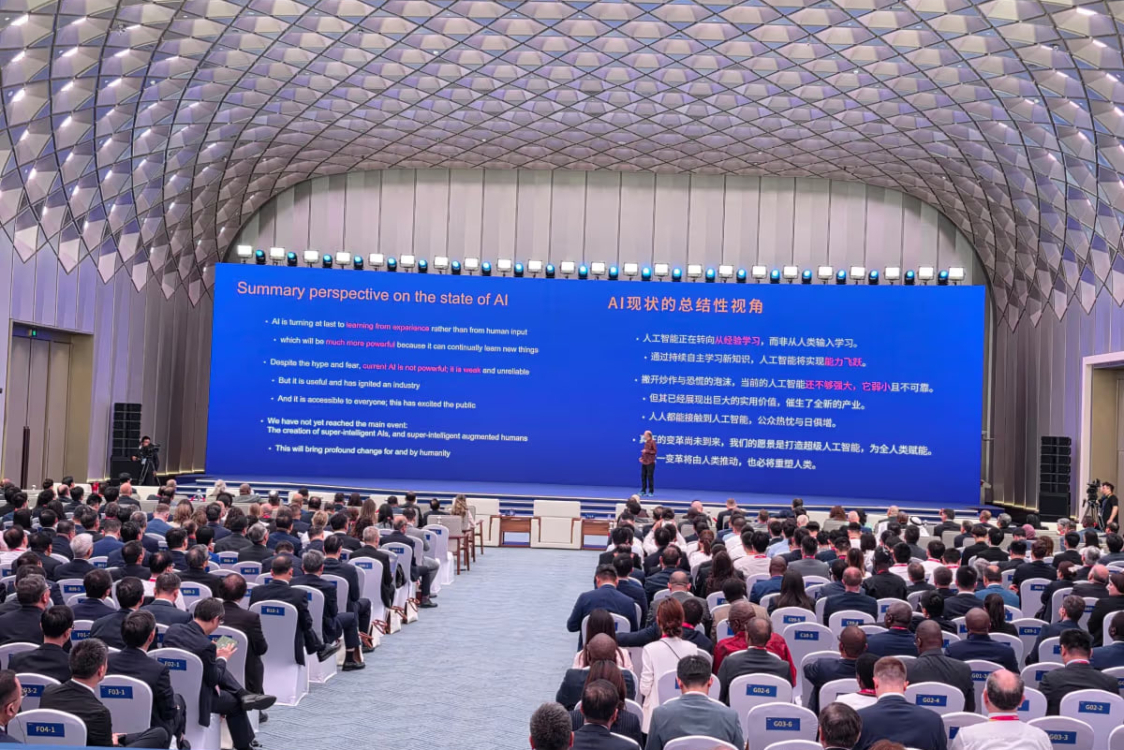
A delegation from Turkmenistan is taking part in WAIC 2026
18.07.2026The World Artificial Intelligence Conference (WAIC 2026) and a high-level meeting on global technology governance are taking place in Shanghai from 17 to 20 July. Turkmenistan is represented by a delegation led by the country’s Minister of Communications, Hajymyrat Hudayguliyev, according to the IIC of Turkmenistan. The forum, held under the motto ‘AI Partnership for a Brighter Future’, has brought together more than 1,100 technology companies and around 1,400 experts, scientists and representatives of government departments. The exhibition area exceeded 100,000 square metres. Chinese President Xi Jinping took part in the opening ceremony. Turkmenistan’s participation reflects the country’s priority focus on digitalisation and the implementation of artificial intelligence technologies in the development of its national infrastructure.
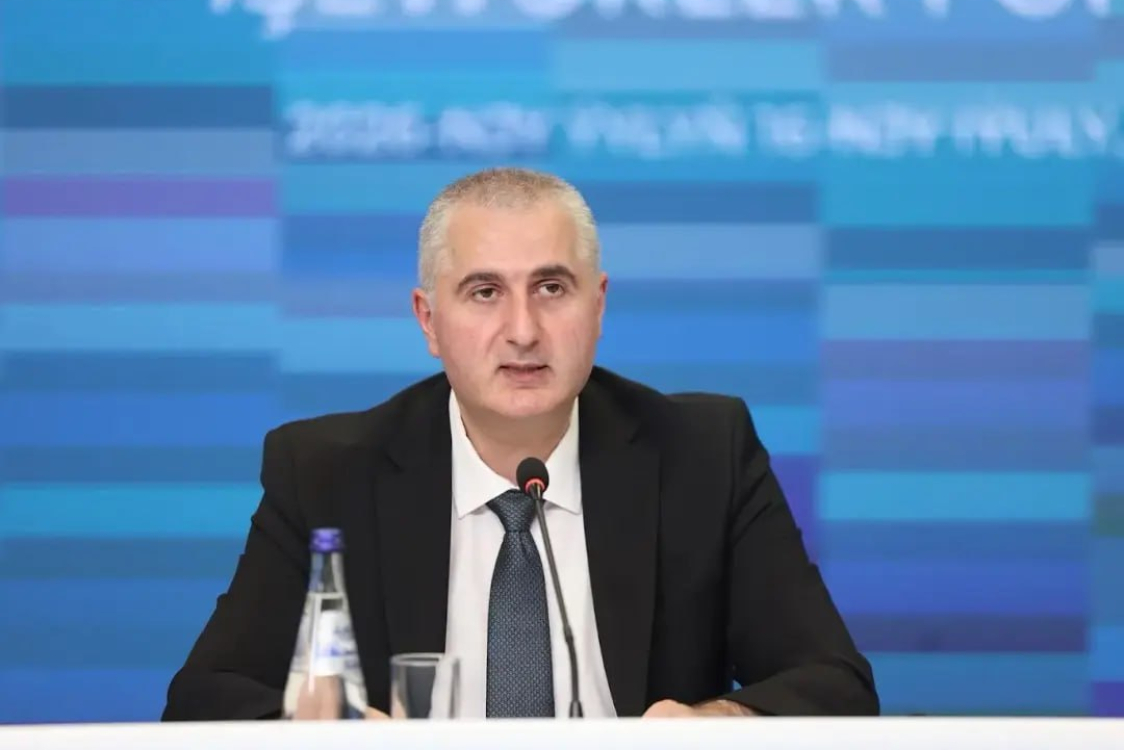
Georgia’s Minister of Finance highlighted the potential for cooperation with Turkmenistan
18.07.2026Georgia’s Minister of Finance, Lasha Khutsishvili, has stated that cooperation with Turkmenistan will be a key factor in boosting trade and investment between the two countries. This was reported by the news website Turkmenportal. Speaking at the Georgia–Turkmenistan Business Forum, he highlighted the significant potential of bilateral relations and the forum’s role in developing the private sector. Khutsishvili also emphasised the importance of infrastructure projects, including the development of the energy component of the Middle Corridor and the construction of an undersea cable across the Black Sea, which is set to connect the South Caucasus to the European energy grid and create new opportunities for the countries of Central Asia.
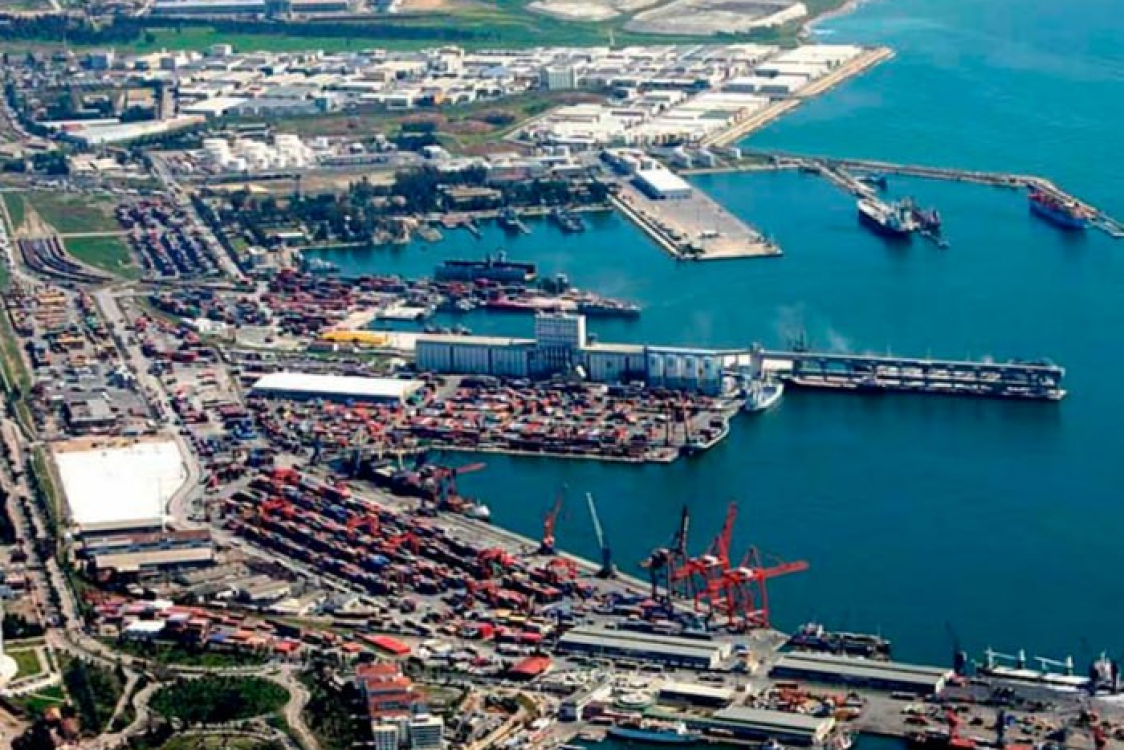
Turkmenistan intends to boost transit capacity via Georgian ports
18.07.2026Turkmenistan is engaged in negotiations regarding the construction of a cargo terminal on the Black Sea coast in Georgia, stated the President of Turkmenistan, Serdar Berdimuhamedov, at the Turkmen-Georgian Business Forum in Tbilisi. This was reported by the online publication ‘Business Turkmenistan’. The Head of State highlighted the prospects for expanding cooperation in the fields of transport, logistics, infrastructure and maritime transport. He said that the private sector must be actively involved in implementing these projects and that public-private partnerships should be developed. Berdimuhamedov also emphasised Turkmenistan’s interest in Georgia’s experience in developing tourism and the service sector. The forum, he said, should help to strengthen trade, economic and investment ties between the two countries.
Read also
Advertising
 Read us in Zen


