

News
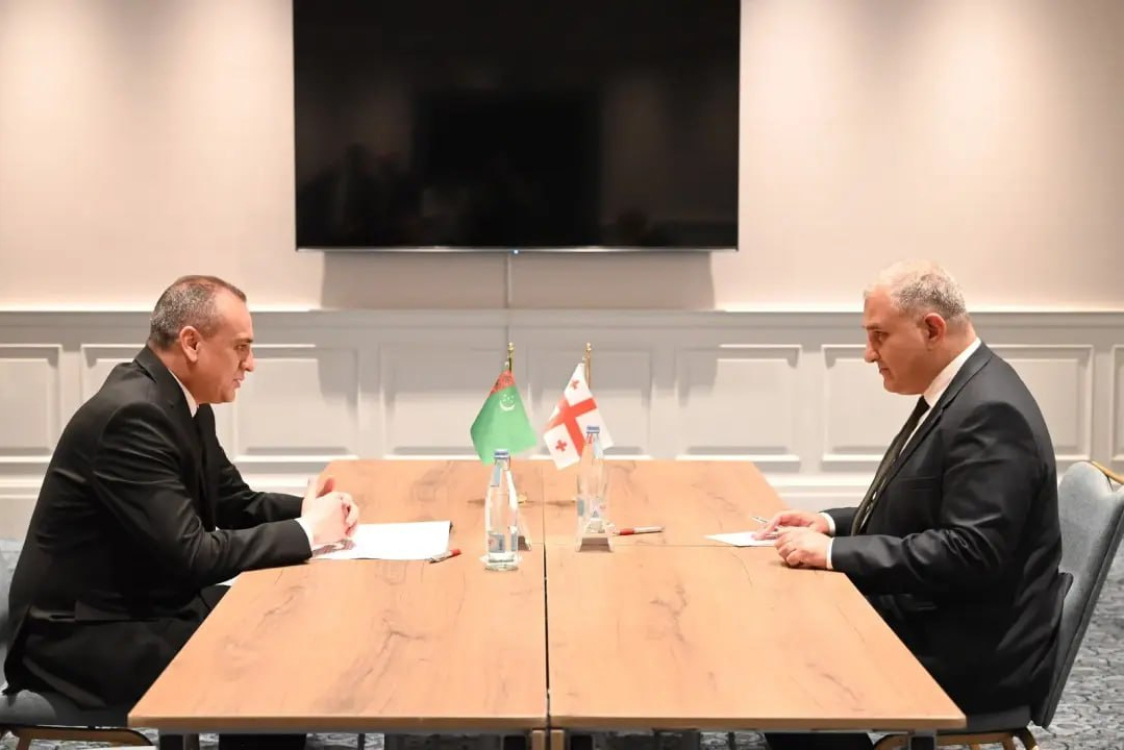
Turkmenistan and Georgia discussed the development of cooperation in the field of healthcare
18.07.2026The Minister of Health of Turkmenistan, Myratberdi Gayipov, held a meeting with Mikheil Sarjveladze, Minister of Internally Displaced Persons from the Occupied Territories, Labor, Health, and Social Affairs of Georgia. This was reported by the news website Turkmenportal. The parties discussed issues relating to healthcare and social protection, as well as prospects for further cooperation. The Georgian side presented the ministry’s current programmes and areas of work. M. Gayipov expressed his readiness to develop cooperation, whilst Sarjveladze emphasised the importance of strengthening the partnership between the two countries.
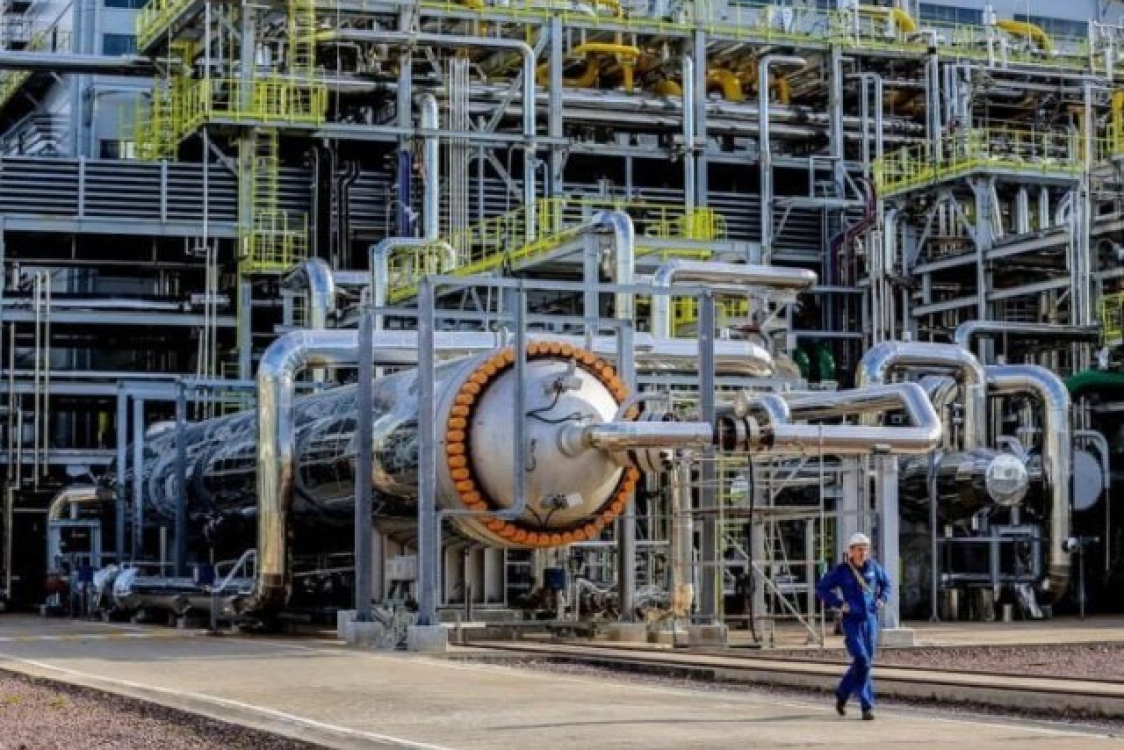
Turkmenistan’s chemical industry is expanding its production capacity
18.07.2026Turkmenistan’s chemical industry continues to expand through major investment projects and the modernisation of production facilities. One of the key priorities remains increasing the output of mineral fertilisers for domestic consumption and export, according to the online publication Arzuw News. A new complex is under construction at the S.A. Niyazov Chemical Plant in Turkmenabat, which, once operational, will produce 350,000 tonnes of superphosphate and 100,000 tonnes of ammonium sulphate per year. In the Turkmenbashi etrap, a project is underway to build a gas-chemical complex with an annual production capacity of 1.155 million tonnes of urea. The new facilities are equipped with modern automated systems and comply with environmental requirements. The development of the chemical industry remains one of the priorities of the country’s economic policy, which aims to attract investment, train specialists and expand international cooperation.
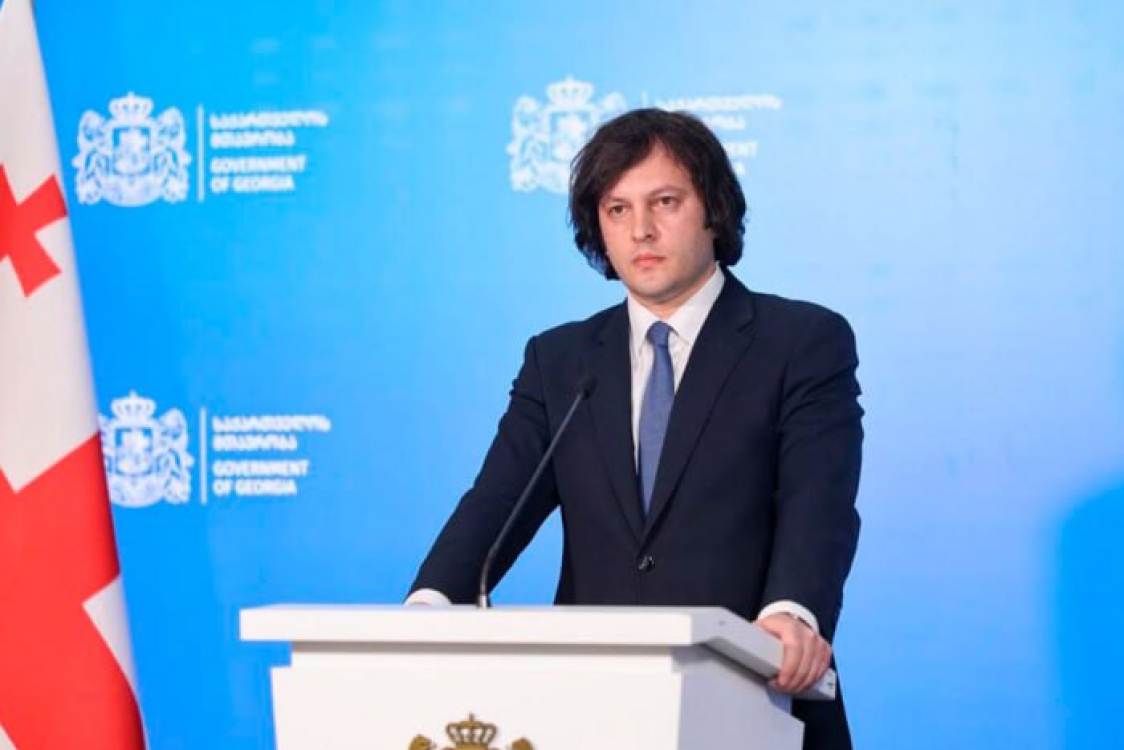
Trade turnover between Turkmenistan and Georgia has exceeded US$100 million
17.07.2026Trade turnover between Turkmenistan and Georgia increased by 26 per cent in 2025, exceeding US$100 million. This was announced by the Georgian Prime Minister, Irakli Kobakhidze, at the opening of the second Georgian-Turkmen Business Forum, according to the online publication ‘Business Turkmenistan’. According to him, the positive trend in bilateral trade is continuing this year. Kobakhidze also noted that the visit to Georgia by the President of Turkmenistan, Serdar Berdimuhamedov, confirms the high level of trust and the strategic importance of cooperation between the two countries. The Prime Minister also emphasised that Georgia and Turkmenistan have great potential for further cooperation and spoke highly of the prospects for developing the partnership.
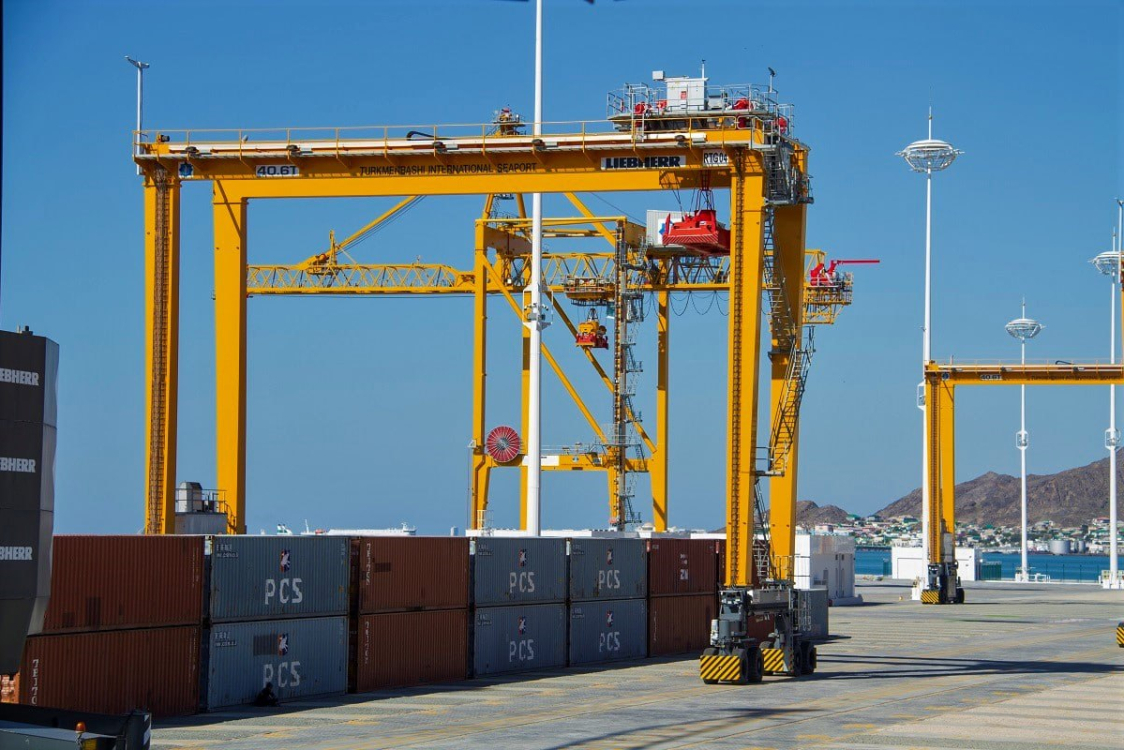
German companies have submitted proposals for the port of Turkmenbashi
17.07.2026Negotiations took place at the Turkmenbashi International Seaport between representatives of Turkmenistan’s State Service for Maritime and Inland Waterway Transport and a delegation from the German Committee on Eastern European Economic Relations and German companies. This was reported by the news agency Orient. The parties discussed the development of container transport, logistics corridors, energy supply to port infrastructure and the supply of equipment. The Turkmen side highlighted the port’s transit potential and confirmed its readiness to expand cooperation. The German companies ‘Rhenus’, ‘Benning’, ‘Eternity’, ‘Zeppelin’ and ‘Edison Technologies’ presented their projects, noting a 12 per cent increase in bilateral trade. Technological cooperation was also discussed, including the servicing of ‘Caterpillar’ marine engines, the installation of specialised equipment and the construction of yachts. Following the meeting, the parties expressed an interest in developing the transit of Chinese and Uzbek cargo through Turkmenistan to Europe and agreed to continue regular consultations.
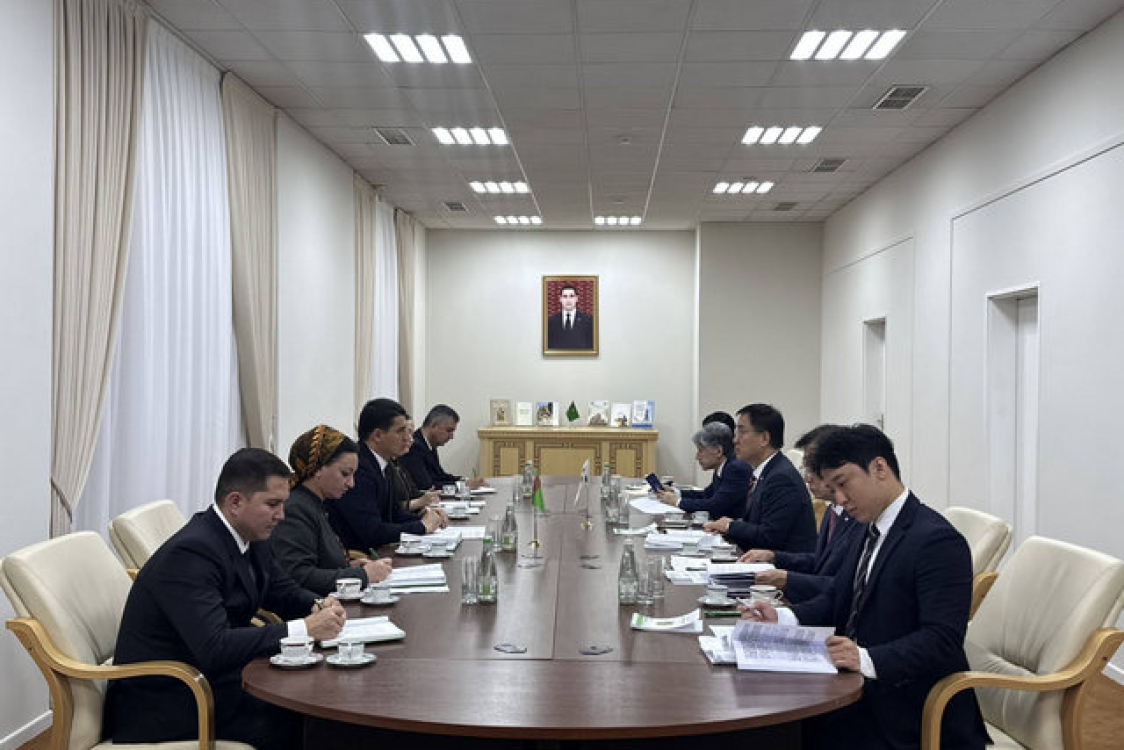
Ashgabat and Seoul discussed cooperation between their parliaments
17.07.2026On 16 July 2026, a meeting of the Turkmen-Korean Interparliamentary Friendship Groups took place at the Mejlis of Turkmenistan. This was reported by the press office of the Mejlis of Turkmenistan. The participants discussed ways to improve the work of the interparliamentary friendship groups and to develop cooperation between the relevant committees. During the meeting, the parties exchanged views on issues relating to political and diplomatic, legislative and inter-regional cooperation. It was noted that relations between Turkmenistan and the Republic of Korea are developing in the political and economic, cultural and humanitarian, and inter-parliamentary spheres, as well as within the framework of international organisations. The participants highlighted the achievements of the Turkmen-Korean Business Council and the inter-governmental working group on trade, economic, scientific and technological cooperation.Particular attention was paid to cooperation in the trade and economic, cultural and humanitarian, fuel and energy, logistics, digital and transport sectors, as well as in shipbuilding and the study of the Korean language. It was also noted at the meeting that Turkmen youth are receiving education at higher education institutions in the Republic of Korea. The Korean language is taught in general education schools in Turkmenistan and at the Dovletmammet Azadi Turkmen National Institute of World Languages. The parties expressed their confidence in the further strengthening of friendly relations between the two countries through inter-parliamentary cooperation.
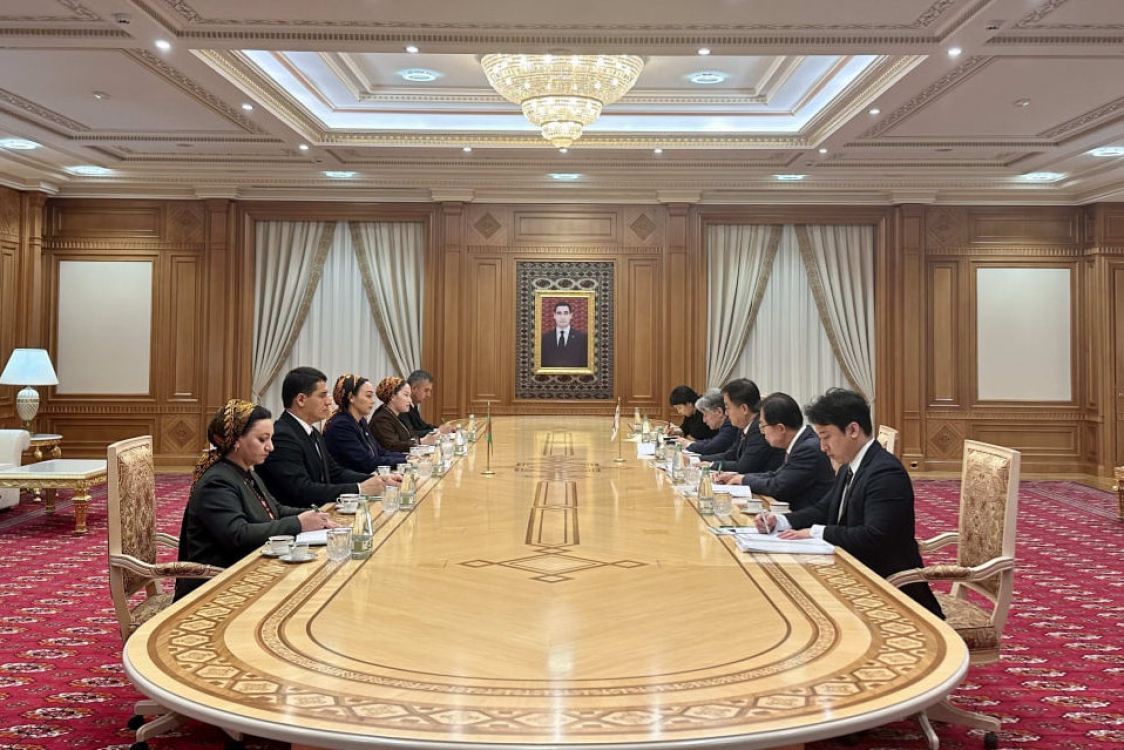
A meeting with a delegation from the Republic of Korea took place at the Mejlis of Turkmenistan
17.07.2026On 16 July, D. Gulmanova, Chairwoman of the Mejlis of Turkmenistan, met with a delegation from the Republic of Korea led by Choi Hyung Du, Chair of the Korea–Turkmenistan Inter-Parliamentary Friendship Group. This was reported by the press office of the Mejlis of Turkmenistan. The South Korean parliamentarians were briefed on the main thrusts of Turkmenistan’s domestic and foreign policy, which is based on the principles of positive neutrality, peacefulness, humanity and trust, as well as on the activities of the Mejlis. The parties noted the role of inter-parliamentary cooperation in the development of relations between the two countries. Particular attention was paid to the significance of the ‘Central Asia – Republic of Korea’ inter-parliamentary forum, initiated by the National Leader of the Turkmen people, Chairman of the Halk Maslahaty of Turkmenistan Gurbanguly Berdimuhamedov, during his visit to the Republic of Korea in 2022. It was noted that the working visit of the President of the Republic of Korea to Turkmenistan had contributed to the further development of political, diplomatic, trade, economic, cultural and humanitarian ties between the two countries. The Turkmen side also expressed its gratitude to the Republic of Korea for its support for Turkmenistan’s peace-loving policy and international initiatives, including the proposal to declare 2028 the ‘Year of International Law’. During the meeting, the parties exchanged views on the further development of inter-parliamentary cooperation, the promotion of Peace and Trust between states and peoples, and the expansion of cooperation within the framework of parliamentary diplomacy.
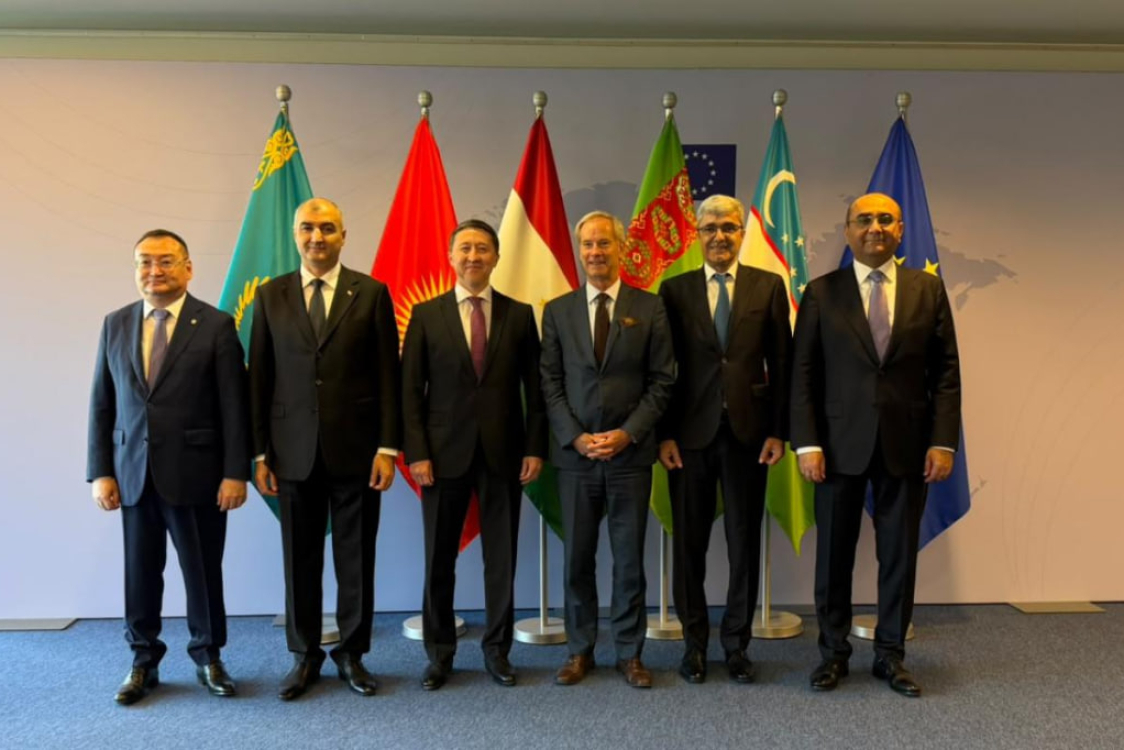
Turkmenistan is strengthening its cooperation with the EU on key security issues
17.07.2026On 16 July, Ahmet Gurbanov, Deputy Foreign Affairs Minister of Turkmenistan, took part in the 13th meeting of the ‘European Union–Central Asia’ High-Level Dialogue on Political and Security Issues in Brussels. This was reported by the press office of the Foreign Affairs Ministry of Turkmenistan. The participants discussed regional and international security, strengthening resilience, border management, countering modern threats, and developing connectivity and multilateral cooperation. Ahmet Gurbanov highlighted the importance of the ‘European Union–Central Asia’ format for pooling the potential of the countries in the region and the EU with a view to sustainable development and strengthening regional security. In his view, long-term security must be based on political and diplomatic mechanisms, confidence-building, socio-economic development, respect for international law and multilateral diplomacy, with the United Nations playing a central role. Turkmenistan reaffirmed its support for the further development of mechanisms for cooperation with the European Union, including the High-Level Political and Security Dialogue, meetings of special representatives and EU practical programmes in the field of security. A meeting also took place in Brussels between Ahmet Gurbanov and Gilles Bertrand, the European Union’s Special Envoy for Afghanistan and Head of the Afghanistan and Pakistan Division at the European External Action Service. The parties discussed cooperation on Afghanistan, including humanitarian aid, the implementation of transport and energy projects, and collaboration within the framework of the regional CADAP and BOMCA programmes. Particular attention was paid to the coordination of international efforts, with the United Nations playing a central role. In addition, Ahmet Gurbanov met with Olof Skoog, Deputy Secretary-General for Political Affairs at the European External Action Service. The parties discussed the development of transport connectivity, the potential of the Trans-Caspian Transport Corridor and the European Union’s ‘Global Gateway’ initiative. Other areas of cooperation mentioned included energy, improving energy efficiency, the development of renewable energy sources, the introduction of modern technologies and the reduction of methane emissions. Education, professional training and academic exchanges were also discussed.
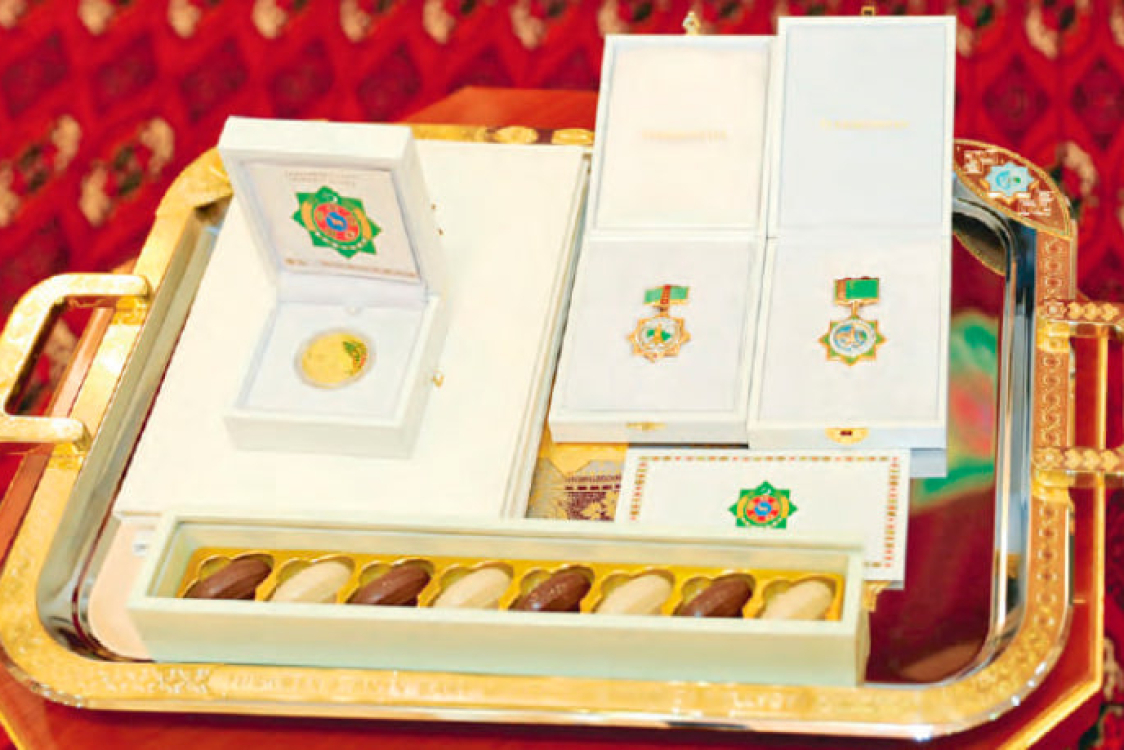
Turkmenistan discusses the awarding of honours to citizens for their contribution to the country’s development
17.07.2026At a meeting of the Presidium of the Halk Maslahaty of Turkmenistan, issues relating to the conferral of state awards and honorary titles upon citizens who have made a significant contribution to the country’s development were considered. This was reported by the news agency ‘Turkmenistan: Golden age’. The National Leader of the Turkmen people and Chairman of the Halk Maslahaty, Gurbanguly Berdimuhamedov, instructed that this work be organised in a coordinated manner in accordance with the instructions of President Serdar Berdimuhamedov. Hero Arkadag emphasised that citizens who have achieved significant professional success during the years of independence and who are held in high regard by society should be nominated for these honours. The heads of the relevant agencies have been instructed to ensure objectivity and transparency in the nomination process, as well as the proper preparation of documentation.
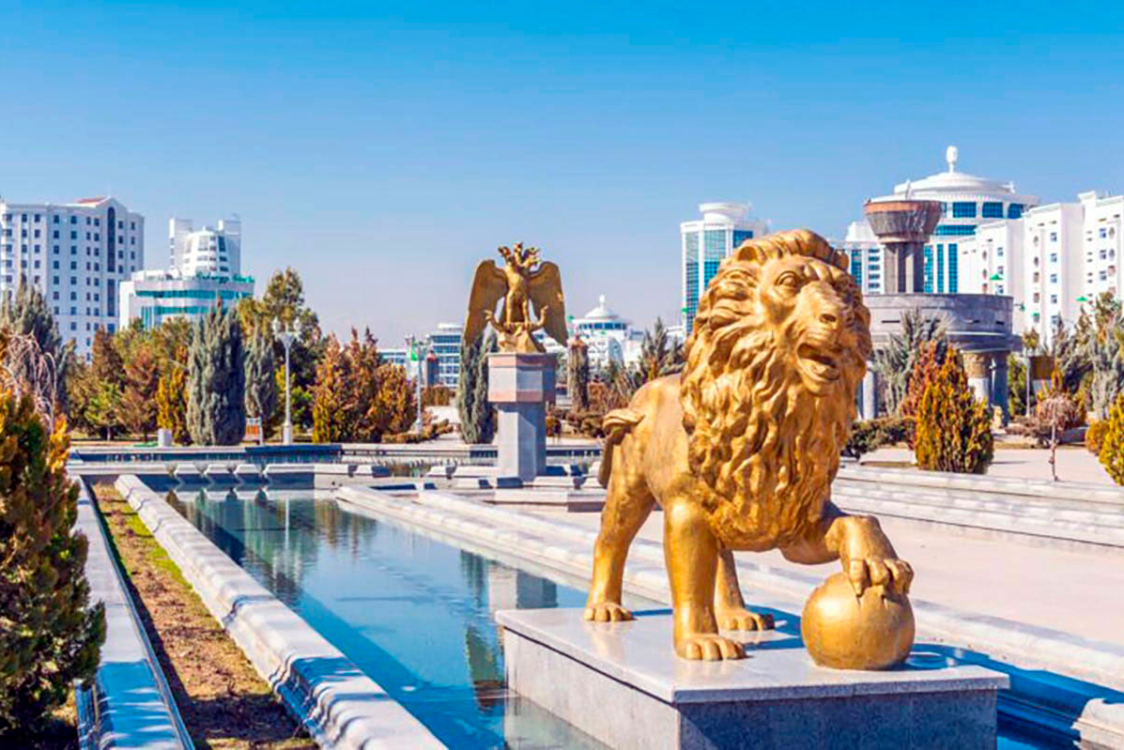
Hero Arkadag emphasised the importance of coordinated efforts by the authorities
17.07.2026At a meeting of the Presidium of the Halk Maslahaty, the National Leader of the Turkmen people and Chairman of the Halk Maslahaty of Turkmenistan, Gurbanguly Berdimuhamedov, emphasised the importance of coordinating the work of the Halk Maslahaty with the members of the Mejlis and the country’s Government. This was reported by the news agency ‘Turkmenistan: Golden age’. Hero Arkadag noted the need to respond promptly to contemporary challenges and to prepare constructive proposals on issues of national development in a timely manner. Particular attention was paid to parliamentary diplomacy. The Mejlis of Turkmenistan, in conjunction with ministries, departments, political parties and civil society organisations, has been tasked with making more active use of its capabilities to provide extensive coverage of the state’s peaceful and humane domestic and foreign policies. This work takes on particular significance in the run-up to the 35th anniversary of our Motherland’s sacred independence and in a year marked by the motto ‘Independent Neutral Turkmenistan − the Homeland of Purposeful Winged Horses’.
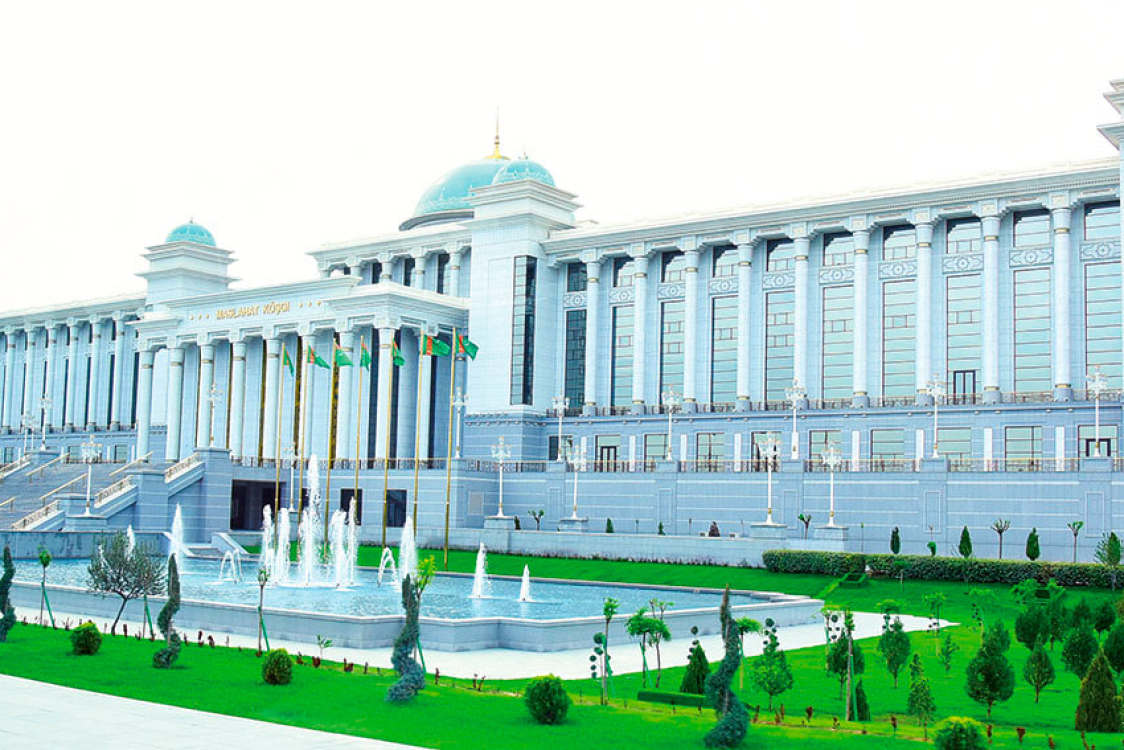
Preparations have begun in Turkmenistan for the next session of Halk Maslahaty
17.07.2026The National Leader of the Turkmen people and Chairman of the Halk Maslahaty of Turkmenistan, Gurbanguly Berdimuhamedov, has announced the start of preparations for the next session of the Halk Maslahaty. He made this statement at a meeting of the Presidium of the Halk Maslahaty, according to the news agency ‘Turkmenistan: Golden age’. During his address, Gurbanguly Berdimuhamedov noted that the implementation of state programmes for socio-economic development and the further democratisation of society remain priority tasks. To ensure the country’s long-term development, it is necessary to draw up new proposals for continuing reforms in all spheres. The main aim of the work being carried out is to improve citizens’ well-being and create comfortable living conditions for the population. Gurbanguly Berdimuhamedov expressed his confidence that the relevant officials would contribute to the successful organisation and conduct of the forthcoming socio-political event.
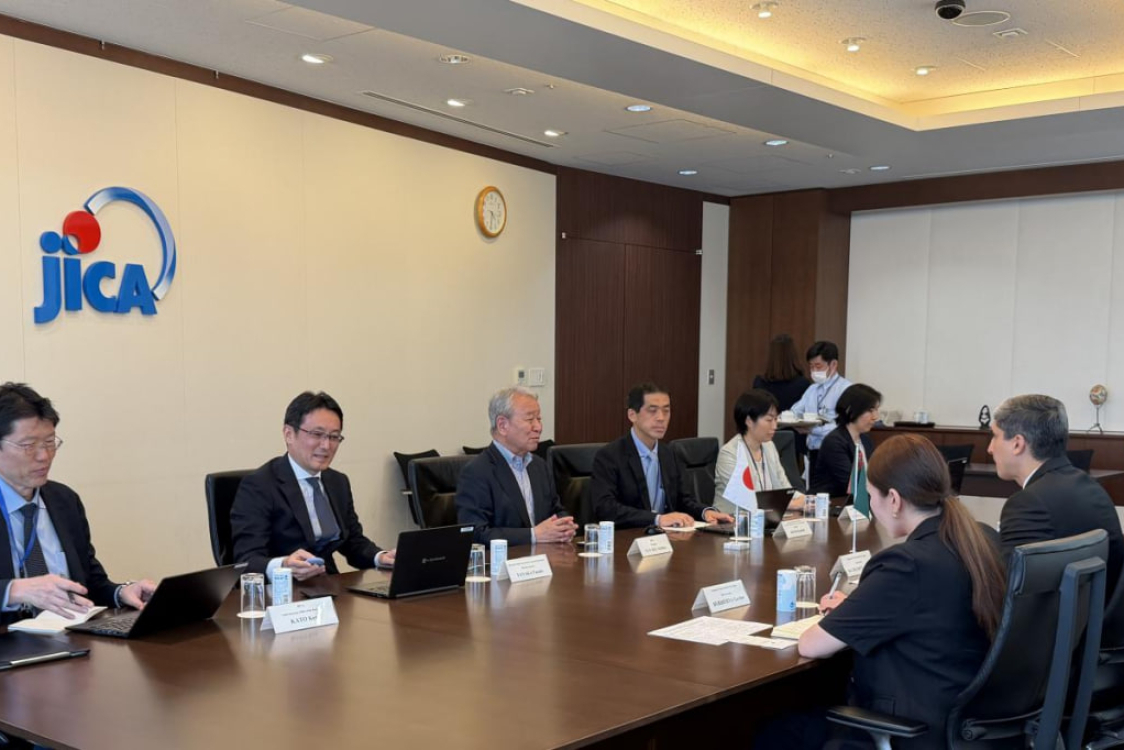
The Ambassador of Turkmenistan discussed cooperation with the President of JICA
17.07.2026On 16 July, A. Bayramov, Ambassador of Turkmenistan to Japan, met with Akihiko Tanaka, President of the Japan International Cooperation Agency (JICA). This was reported by the news agency ‘Turkmenistan: Golden age’. The parties discussed the current state and future prospects of cooperation between Turkmenistan and JICA. The focus was on the implementation of ongoing technical cooperation projects, the training and professional development of Turkmen specialists, and collaboration with the University of Tsukuba in the field of training personnel for the hydrogen energy sector. In addition, the participants reviewed the promotion of the ‘One Village, One Product’ initiative and opportunities to expand cooperation in the fields of digitalisation, healthcare, sustainable development, human capital, artificial intelligence, digital transformation, economic, industrial and technological exchange, culture and tourism. During the meeting, the role of Turkmenistan’s leadership in strengthening bilateral relations was also highlighted, as was the significance of the negotiations held by the President of Turkmenistan with Emperor Naruhito of Japan and Japanese Prime Minister Sanae Takaichi, which took place in Tokyo in April and December 2025.
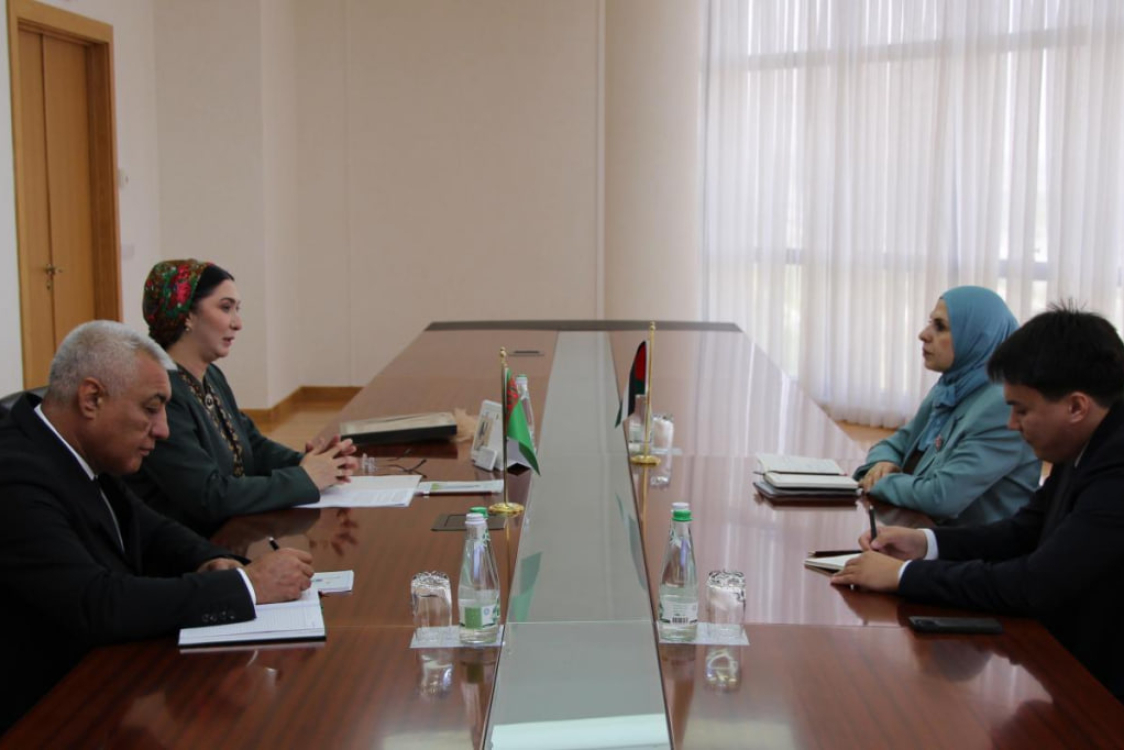
A meeting with the Palestinian Ambassador took place at the MFA of Turkmenistan
17.07.2026On 16 July, a meeting took place at the Foreign Affairs Ministry of Turkmenistan between the Deputy Foreign Affairs Minister of Turkmenistan, Myahri Byashimova, and the Ambassador of the State of Palestine to Turkmenistan, Rana Abu Hijleh. This was reported by the press office of the Foreign Affairs Ministry of Turkmenistan. The parties discussed the development of Turkmen-Palestinian cooperation, including the strengthening of political dialogue and the expansion of cooperation between the foreign ministries of the two countries. The Palestinian side provided information on the planned parliamentary elections in 2026 and the presidential elections in 2027. There was also an exchange of views on the organisation of joint cultural and humanitarian events. The Ambassador expressed her gratitude to the leadership of Turkmenistan for their support of the activities of the Embassy of the State of Palestine in Turkmenistan and reaffirmed her interest in the further development of bilateral relations.
Read also
Advertising
 Read us in Zen


