


News
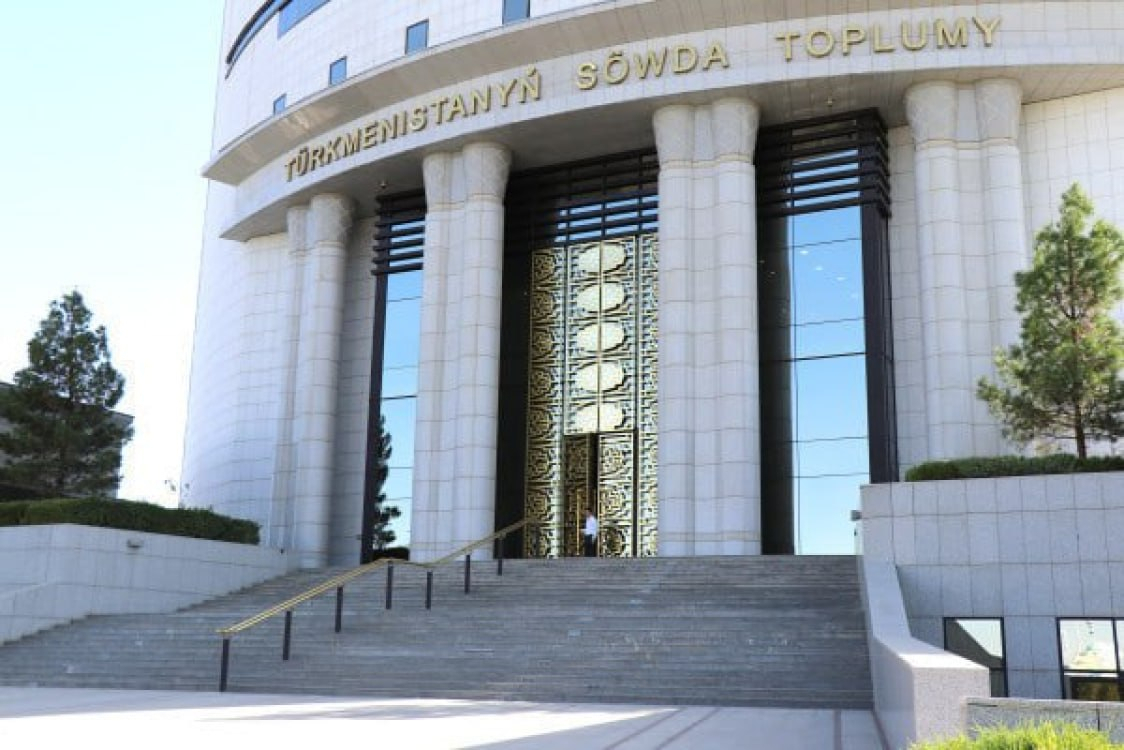
The Turkmenistan Stock Exchange recorded 13 transactions over the past week
21.07.2026Last week, 13 transactions were concluded on the State Commodity and Raw Materials Exchange of Turkmenistan. This was reported by the news agency ‘Turkmenistan: Golden age’. Foreign companies purchased liquefied gas produced by the ‘Türkmennebit’ State Concern, as well as textile products and cotton fabric. The buyers were business representatives from Afghanistan, the UAE and Turkey. The total value of the export transactions exceeded 369,000 US dollars. On the domestic market, entrepreneurs purchased polypropylene, cottonseed oil, fabric, cotton fibre and other cotton-processing products worth more than 60.6 million manats.
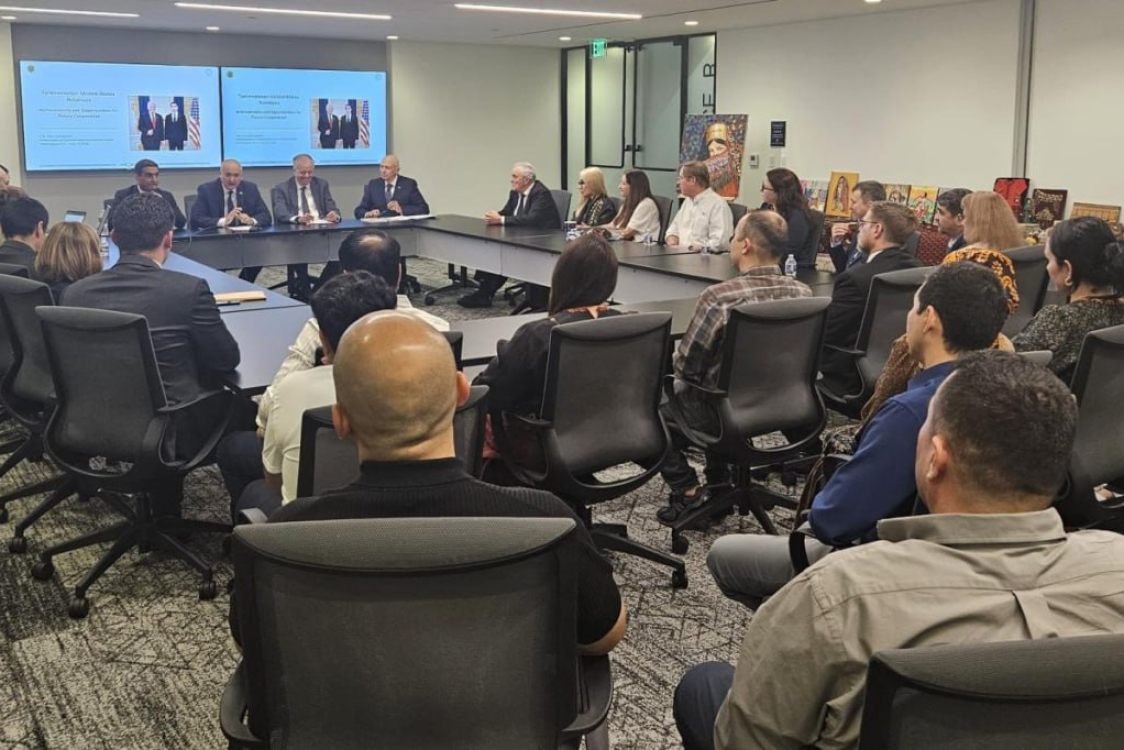
Turkmenistan and the US highlighted the potential for further development of bilateral relations
21.07.2026From 17 to 18 July, the Embassy of Turkmenistan in the US, in conjunction with the country’s Permanent Mission to the UN, held a series of events in Washington to mark the anniversaries of the two states. This was reported by the press office of the Foreign Affairs Ministry of Turkmenistan. The main event was a round-table discussion entitled ‘Turkmenistan – United States Partnership: Celebrating Independence, Friendship, and a Shared Future’, during which participants discussed the prospects for developing bilateral cooperation in the political, economic, educational, cultural and humanitarian spheres. Representatives from Turkmenistan and the US noted the positive momentum in relations and emphasised the potential for their further expansion. The event was attended by representatives of the US State Department, the diplomatic corps, expert and business circles, as well as the Turkmen diaspora. The programme included an exhibition of Turkmen art, as well as a chess tournament and a friendly football match. Participants in the competitions received commemorative awards and souvenirs.
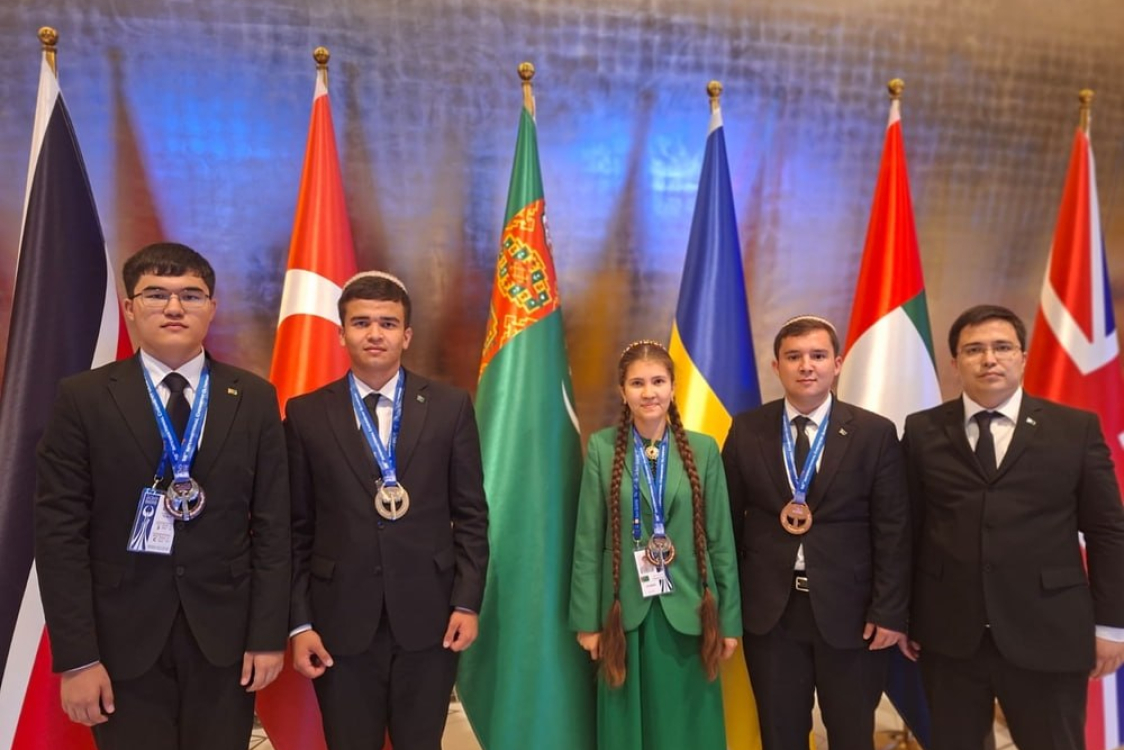
Turkmen school pupils won four medals at the International Chemistry Olympiad
21.07.2026Turkmen school students performed well at the 58th International Chemistry Olympiad, which took place from 10 to 19 July 2026 in Tashkent (Uzbekistan). A total of 363 school students from 92 countries took part in the competition, according to the press office of the Ministry of Education of Turkmenistan. Turkmenistan was represented by a team from the Saparmyrat Turkmenbashi Specialised Boarding School in Ashgabat. At the end of the Olympiad, 11th-grade student Palvan Ilmammedov won a silver medal, whilst 12th-grade students Diyar Dovletov, Aylar Orunova and Rustem Jumayev were awarded bronze medals. The Turkmenistan team has thus added one silver and three bronze medals to its tally of achievements, confirming the high standard of the national team’s preparation for the international Olympiad.
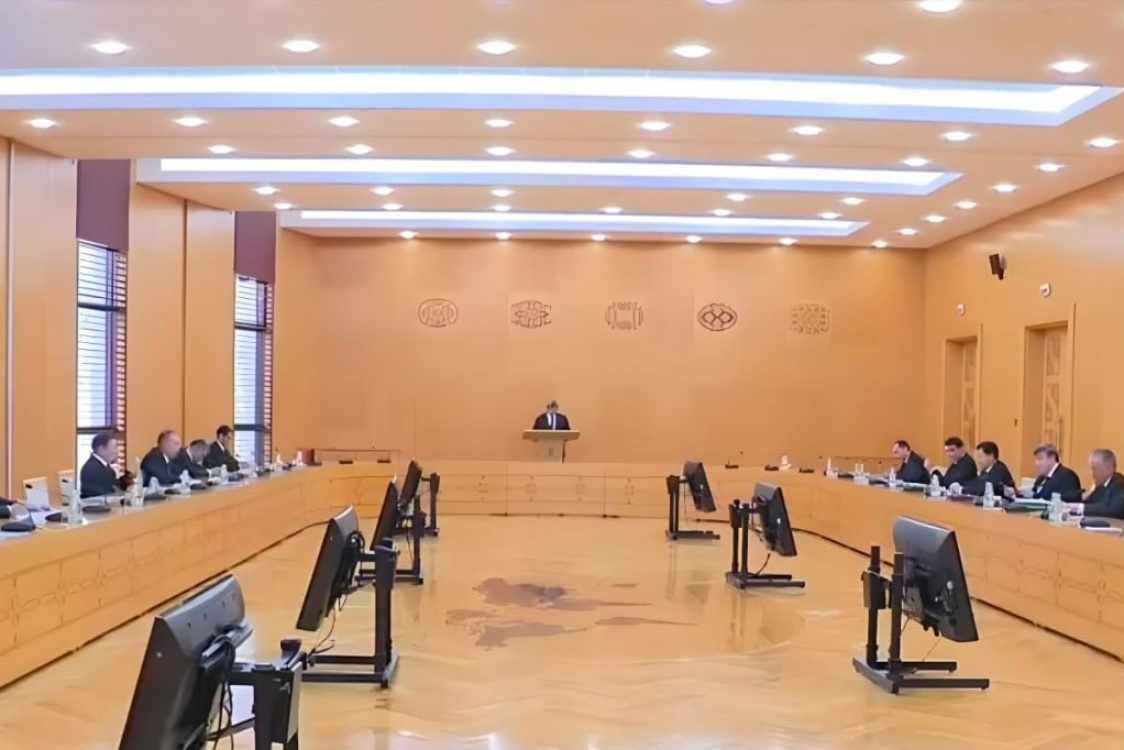
Preparations for the Caspian Environmental Summit were discussed at the MFA of Turkmenistan
21.07.2026On 18 July, the 65th meeting of the Interdepartmental Commission on Caspian Sea Issues was held at the Foreign Affairs Ministry of Turkmenistan. This was reported by the press office of the Foreign Affairs Ministry of Turkmenistan. The participants reviewed the commission’s work for the first half of 2026, discussed preparations for the Caspian Environmental Summit, which is to be held in October at the ‘Awaza’ National Tourist Zone, and considered organisational matters relating to events to mark Caspian Sea Day. The meeting also highlighted the importance of Turkmenistan’s cooperation with international organisations in the field of protecting the Caspian Sea and safeguarding the environment, and discussed further improvements to the commission’s activities and the expansion of international cooperation.
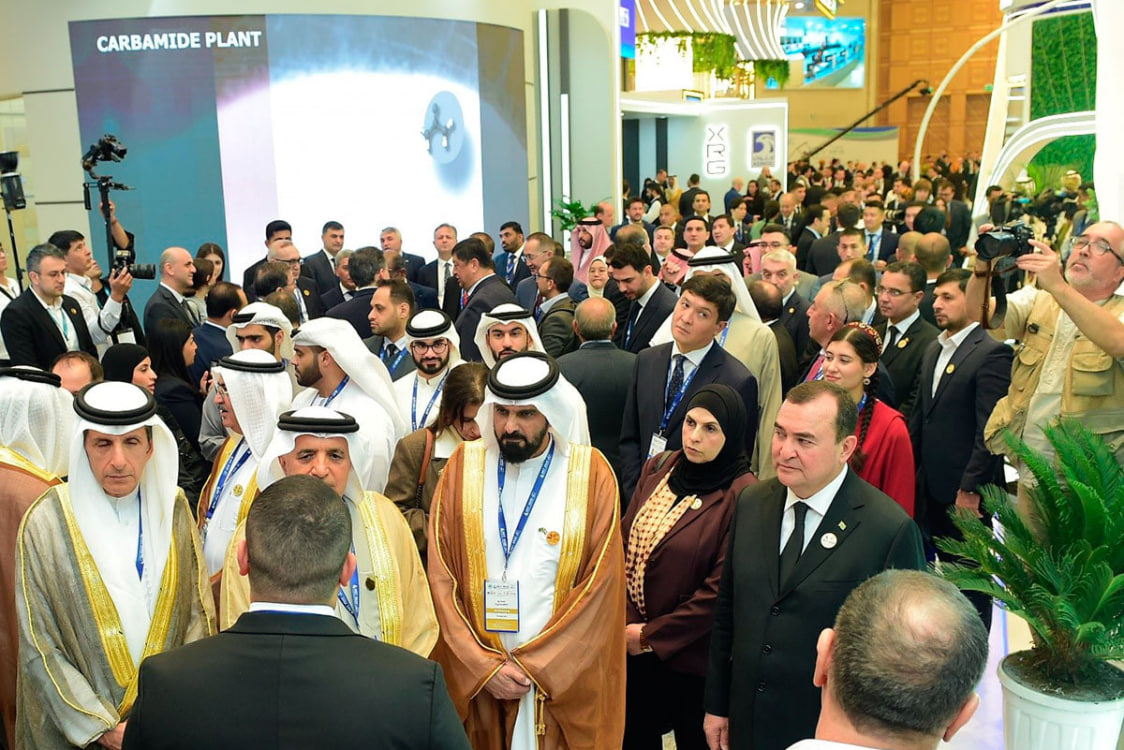
John Defterios is to be the lead moderator at OGT 2026 in Ashgabat
20.07.2026The organisers of the 31st International Conference and Exhibition ‘Oil and Gas of Turkmenistan – 2026’ (OGT 2026) have confirmed that international journalist and economic commentator John Defterios will serve as the forum’s lead international moderator. The event will take place in Ashgabat from 21 to 23 October under the motto ‘Energy. Partnership. Progress’, according to the news agency ‘Turkmenistan: Golden age’. Preparations for the forum have entered a new phase. More than 150 delegates from various countries have already confirmed their participation in the conference, the exhibition spaces are fully booked, and the State Oil Company of the Republic of Azerbaijan (SOCAR) has joined the ranks of OGT 2026’s Premier Partners. John Defterios has been covering global economic and energy issues for over 35 years. He has previously worked for ‘CNN Business’, ‘Reuters Television’ and ‘PBS Television’, and has moderated events at the World Economic Forum, ADIPEC, the OPEC International Seminar and other international forums. He is currently a professor of business at New York University Abu Dhabi and a senior strategic adviser to APCO Worldwide. During OGT 2026, Defterios will lead plenary sessions and strategic discussions involving representatives from government bodies, national and international energy companies, financial institutions and investors. The forum’s business programme will cover issues relating to the development of the ‘Galkynyş’ field, the advancement of projects in the Turkmen sector of the Caspian Sea, the adoption of modern technologies, the digitalisation of the industry, the application of artificial intelligence, attracting investment, improving energy efficiency and reducing methane emissions. OGT 2026 is organised by the State-Owned Concerns ‘Türkmengaz’ and ‘Türkmennebit’, and the State Corporation ‘Türkmengeologiýa’, in partnership with the private company ‘Turkmen Energy Forum’.
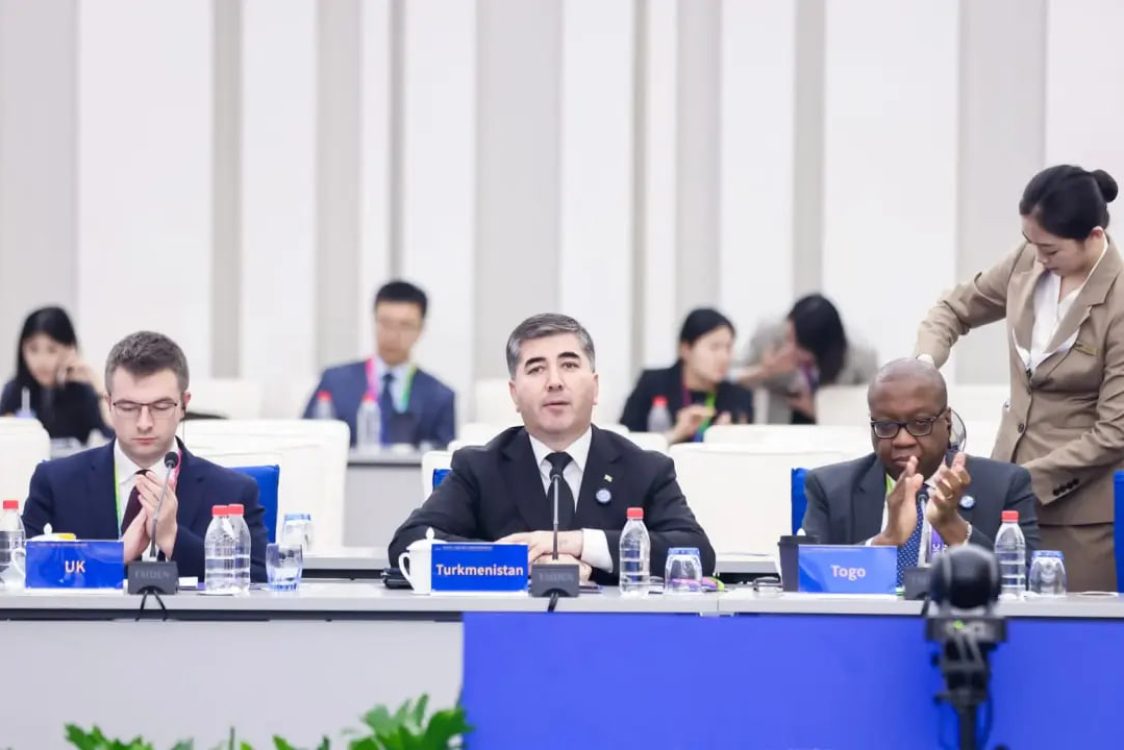
Turkmenistan has unveiled its plans for the development of artificial intelligence
20.07.2026Minister of Communications of Turkmenistan, Hajymyrat Hudayguliyev, announced at the World Artificial Intelligence Conference (WAIC 2026) in Shanghai that a National Strategy on Artificial Intelligence is being developed in the country. The document will set out the directions for the implementation of AI, staff training and the development of scientific research, according to the press office of the Ministry of Communications of Turkmenistan. Speaking at the forum ‘AI Partnership for a Brighter Future’, the Minister of Communications of Turkmenistan noted that Turkmenistan is continuing its digital transformation, including the modernisation of infrastructure, the development of the digital economy and the improvement of the regulatory framework. According to him, the strategy addresses issues of security, ethics, personal data protection and algorithm transparency in line with international standards. AI is planned to be applied in healthcare, education, transport, water resource management and environmental protection. Hudayguliyev also stated that Turkmenistan is ready to develop international cooperation in the fields of digital infrastructure, data centres, scientific research and the responsible use of artificial intelligence technologies.
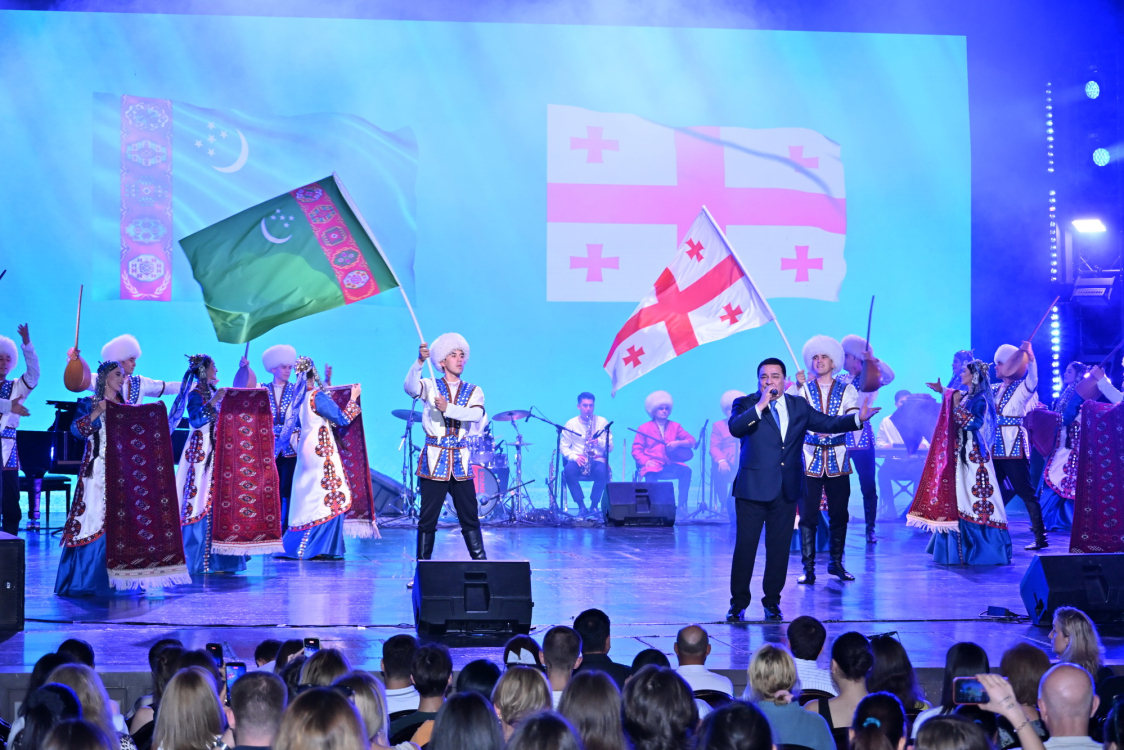
Turkmenistan Culture Days in Georgia concluded with a festive concert
20.07.2026The closing ceremony of the Turkmenistan Cultural Days took place in Tbilisi. The event was held as part of the year-long programme ‘Independent Neutral Turkmenistan − the Homeland of Purposeful Winged Horses’, according to the TDH news agency. The programme of cultural events began with a meeting between representatives of museums from Turkmenistan and Georgia. The participants discussed the state of cooperation, exchanged experiences and identified promising areas for future collaboration. During the events, the importance of cultural and humanitarian ties in the development of bilateral relations between the countries was highlighted. Participants emphasised that cultural cooperation helps to strengthen friendship between the peoples and deepens mutual understanding of the traditions and heritage of both nations. The closing event was a festive concert featuring Turkmen artists, pop singers, and dance and folk ensembles. The programme included musical and choreographic performances showcasing the achievements of Turkmen culture and the arts. The audience was particularly captivated by the Turkmen artists’ renditions of Georgian songs, which have come to symbolise the friendship and mutual respect between the peoples of the two countries. The Days of Turkmenistan’s Culture in Georgia drew to a close, having strengthened creative ties and cultural cooperation between the two countries.
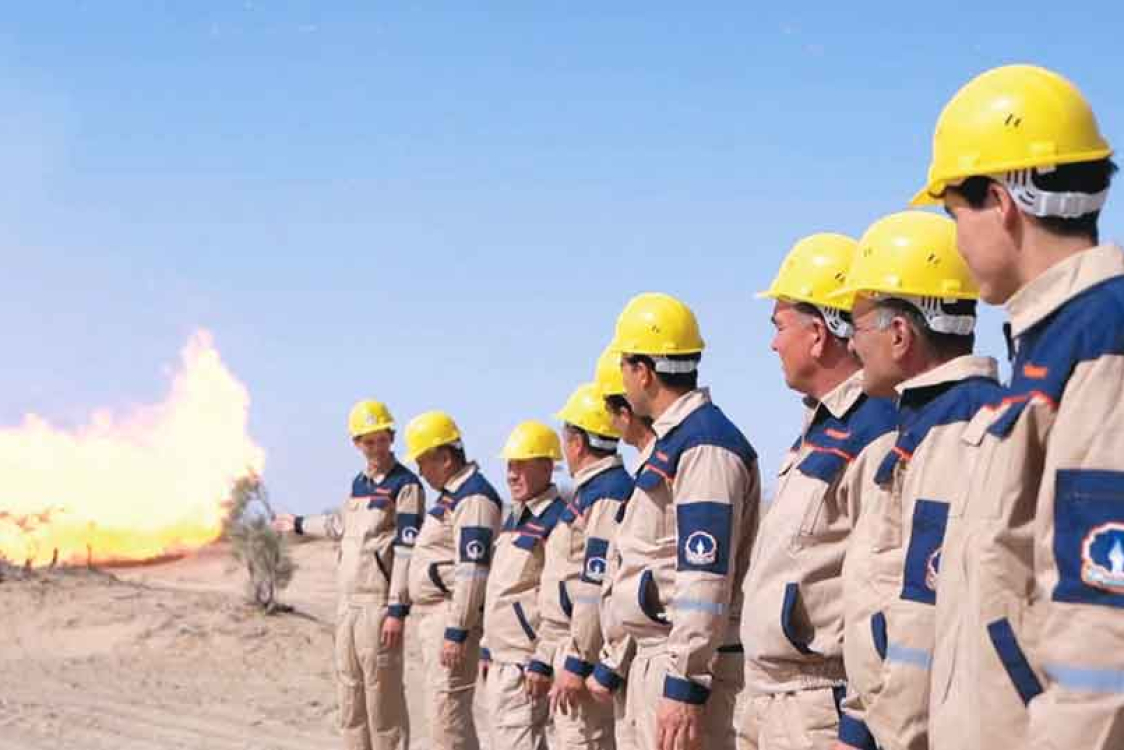
A new industrial gas flow has been established in Turkmenistan
20.07.2026A commercial flow of sulphur-free natural gas has been achieved at production well No. 04 of the ‘Ýylan’ gas field in the Mary velayat. The gas is being produced from reservoirs at a depth of 2,858–2,860 metres, following the drilling of the well to a depth of 2,916 metres. The daily production rate exceeds 700,000 cubic metres, according to the online news site AsmanNews. The new flow consists of methane gas, free from sulphur and hydrogen, and is characterised by high environmental performance. These results will contribute to increasing hydrocarbon production, boosting the export potential of the fuel and energy sector, and developing the gas transmission infrastructure. Work is continuing on the modernisation of wells at the ‘Galkynyş’ field, the introduction of modern technologies and digital solutions, and the strengthening of the sector’s material and technical base. In Turkmenistan, work is also underway to develop new gas fields, modernise existing facilities and implement the state strategy for the development of the fuel and energy sector, aimed at the efficient use of hydrocarbon resources.
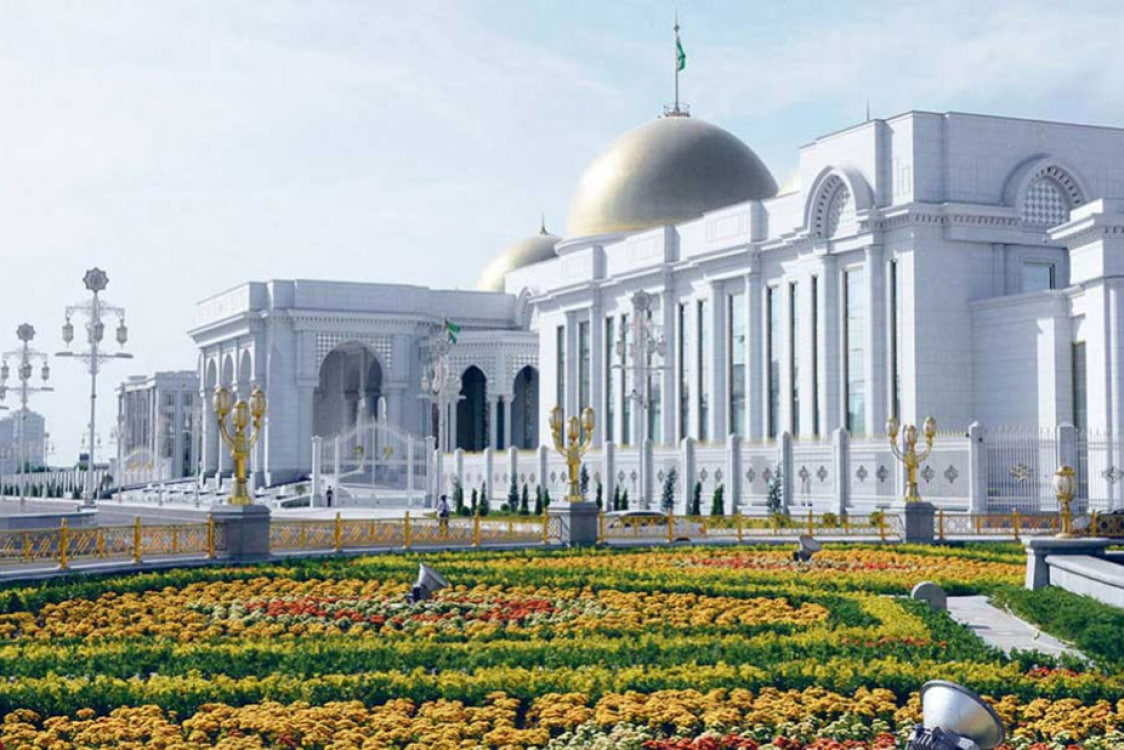
The President of Turkmenistan has approved the purchase of new equipment for two sectors
20.07.2026The President of Turkmenistan has signed two decrees authorising the procurement of equipment for the oil and gas sector and the Turkmen State Publishing Service. This was reported by the news agency TDH. According to one of the documents, the State Concern ‘Türkmengaz’ is authorised to enter into a contract with ‘VIETZ GmbH’ for the supply of the necessary technical equipment for its subordinate enterprises and institutions. Under the other decree, the Turkmen State Publishing Service is authorised to enter into a contract with ‘Heidelberger Druckmaschinen Eastern Europe GmbH’ for the procurement of the necessary equipment to strengthen its material and technical base and ensure modern production operations at the Service’s enterprises.
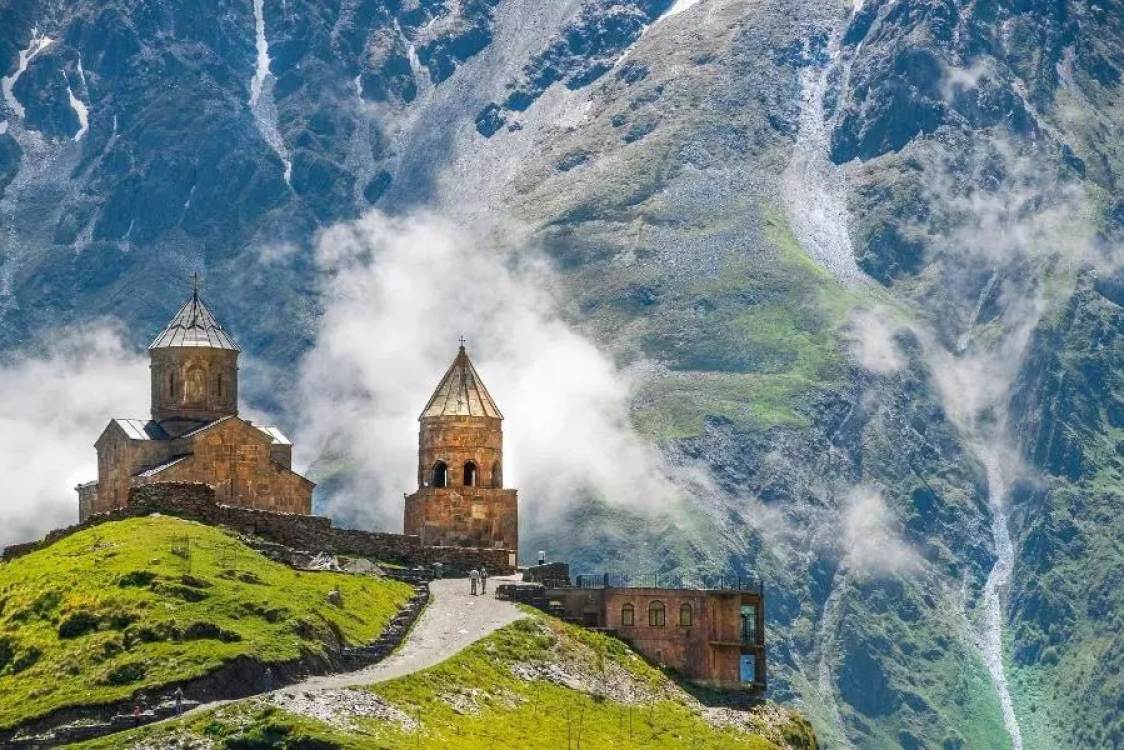
Turkmenistan will examine Georgia’s model for developing the tourism sector
20.07.2026Turkmenistan intends to study and draw on Georgia’s experience in developing the tourism and services sectors. This was stated by the President of Turkmenistan, Serdar Berdimuhamedov, at the Georgian-Turkmen business forum held in Tbilisi, according to the news website Turkmenportal. ‘Turkmenistan is interested in Georgia’s experience in the development of tourism and the service sector,’ the report states. The Head of State highlighted Georgia’s successful performance in the tourism sector in 2025 and noted that Ashgabat is keen to apply this experience to the further development of its own tourism industry. According to Georgian media reports, over 5.5 million tourists visited Georgia in 2025. Earlier, Irakli Nadareishvili, the country’s Deputy Minister of Economy and Sustainable Development, reported that the tourism sector accounts for around 10 per cent of Georgia’s GDP, provides nearly 9 per cent of jobs, and that tourism accounts for around 60 per cent of the country’s service exports.
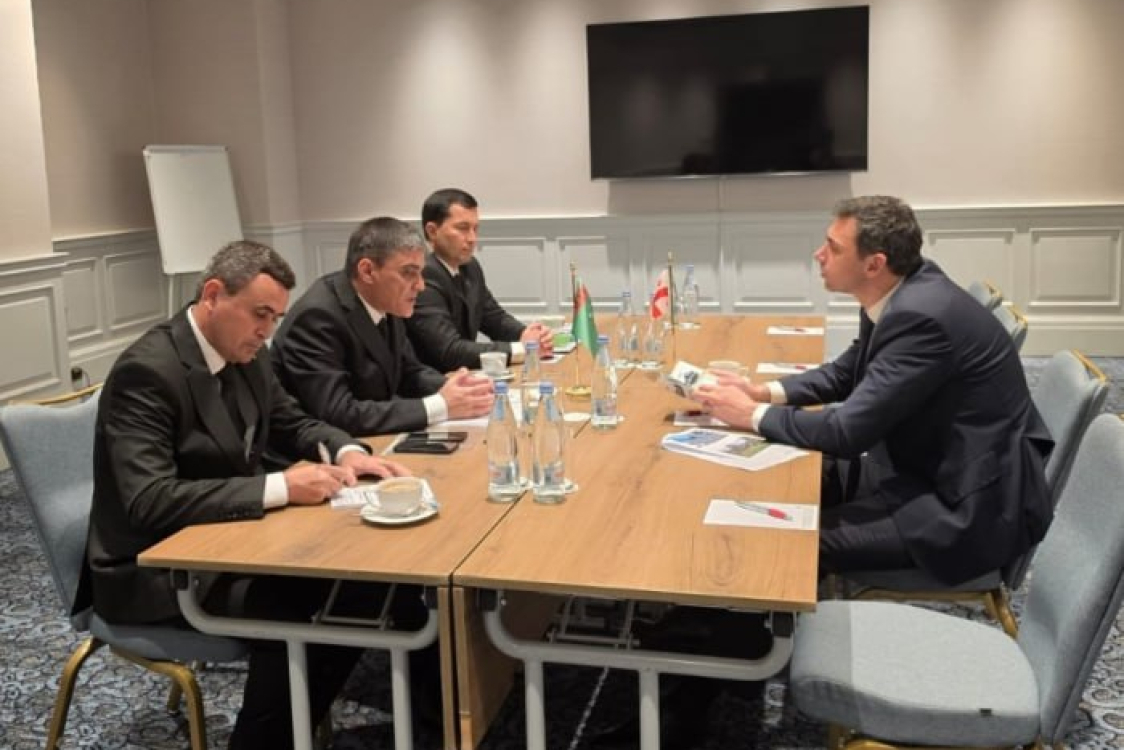
Ashgabat and Tbilisi are strengthening their cooperation in the field of railways and logistics
20.07.2026Senior officials from the Ministry of Rail Transport of Turkmenistan and the JSC ‘Georgian Railway’ met in Tbilisi to discuss expanding cooperation in the field of transport and logistics. The meeting took place as part of Turkmenistan’s President Serdar Berdimuhamedov’s visit to Georgia, according to the online publication ‘Business Turkmenistan’. The parties discussed ways to increase freight volumes, improve tariff conditions and make effective use of the two countries’ transit potential. Particular attention was paid to the development of the ‘CASCA+’ corridor and the expansion of rail routes between Asia and Europe. The participants in the talks noted the importance of further strengthening the partnership, developing export and import transport, and enhancing the role of Turkmenistan and Georgia in the international transport system.
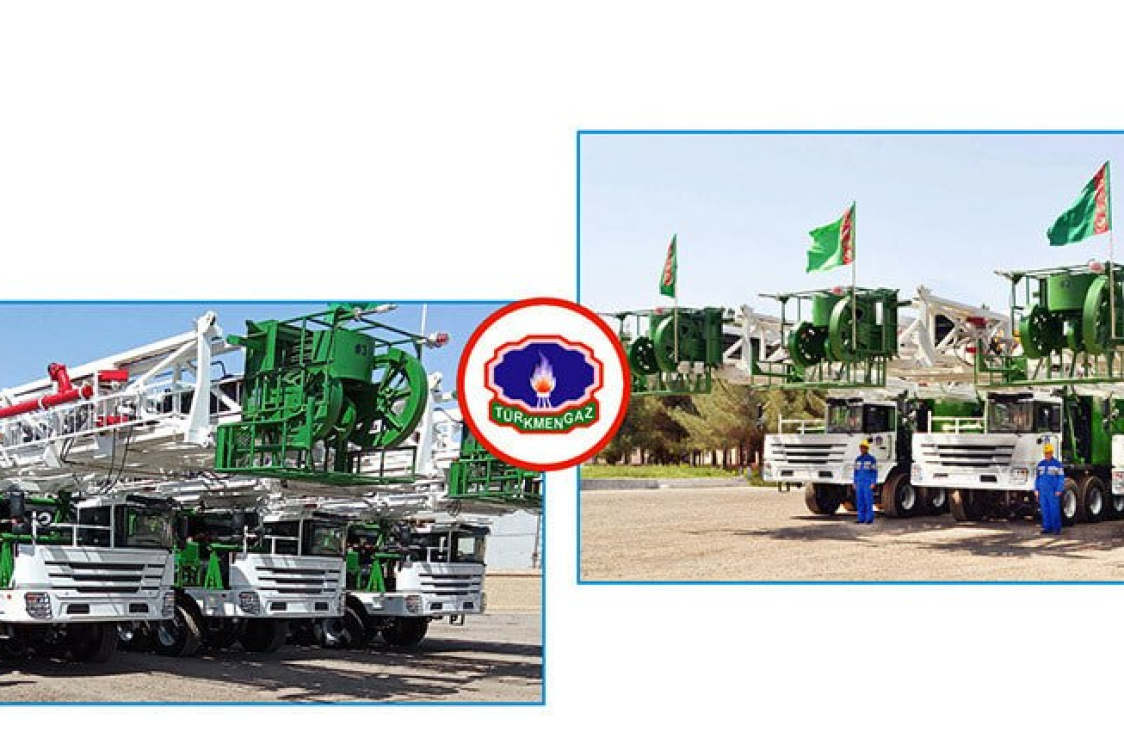
‘Türkmengaz’ modernises its production infrastructure
20.07.2026On 18 July, during a government meeting, Deputy Chairman of the Cabinet of Ministers Guvanch Agajanov reported to President Serdar Berdimuhamedov on the modernisation of the material and technical base of the enterprises belonging to the State Concern ‘Türkmengaz’. This was reported by the state news agency TDH. According to the Deputy Prime Minister, the modernisation of the infrastructure helps to ensure reliable supplies of natural gas to the domestic market and to develop export potential. The expansion of cooperation with German partners was also noted. Following the report, the Head of State instructed that work should continue to increase natural gas production, signed a corresponding decree and issued a number of instructions to the Deputy Prime Minister.
Read also
Advertising

 Read us in Zen


