


News
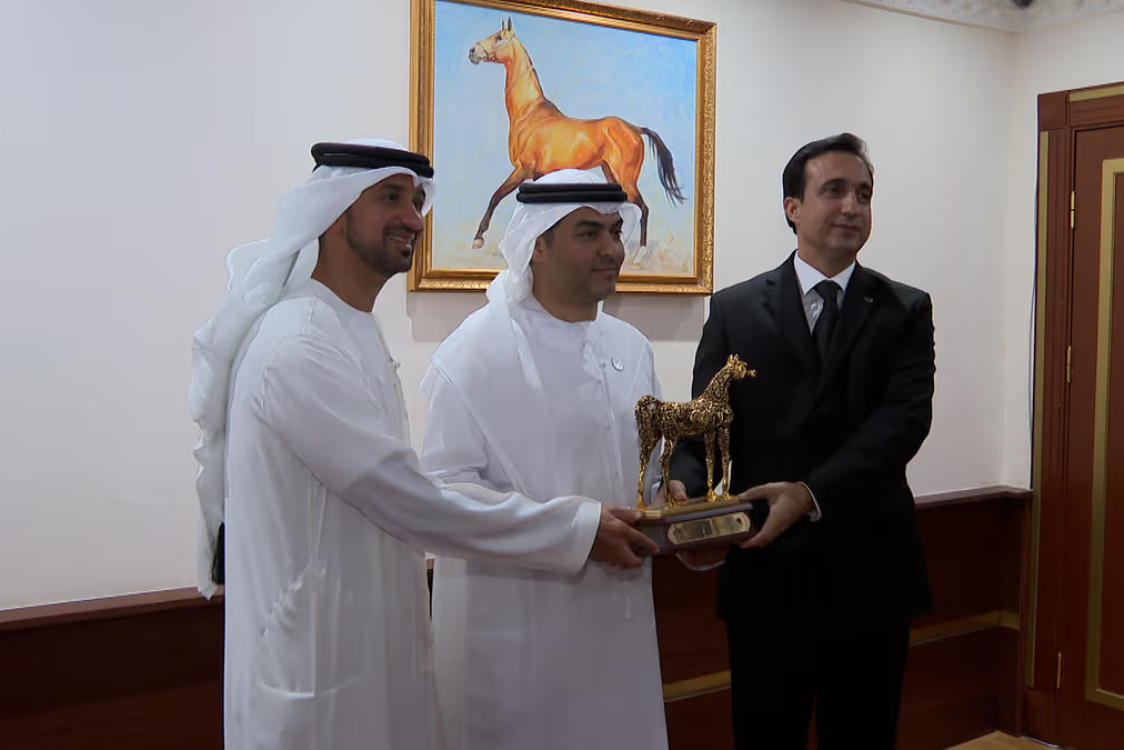
Turkmenistan and the UAE are strengthening ties in the field of horse breeding
06.08.2026A delegation from the Emirates Arabian Horse Society (EAHS) of the UAE, headed by its Director-General, Mohamed Ahmed Al Harbi, has arrived in Ashgabat. The visit is aimed at developing cooperation in the field of horse breeding and strengthening ties between Ahal-Teke and Arabian horse breeding centres, according to IIC of Turkmenistan. The guests were welcomed by the Deputy Director-General of the ‘Türkmen Atlary’ Association and the First Secretary of the relevant department of the Foreign Affairs Ministry of Turkmenistan. On the first day of the visit, the delegation held negotiations at the ‘Türkmen Atlary’ Association, visited the State Museum of Turkmenistan and the Ashgabat Equestrian Complex, where they were introduced to Ahal-Teke racehorses. The Head of the delegation emphasised the importance of exchanging experience in the field of horse breeding. As part of the programme, EAHS representatives will visit the town of Arkadag, where they will learn about the activities of the Aba Annayev International Academy of Horse Breeding and the Research and Production Centre. A performance by the ‘Galkynyş’ national equestrian games troupe at the Gorogly Circus is also planned. The delegation’s visit will last until 7 August.
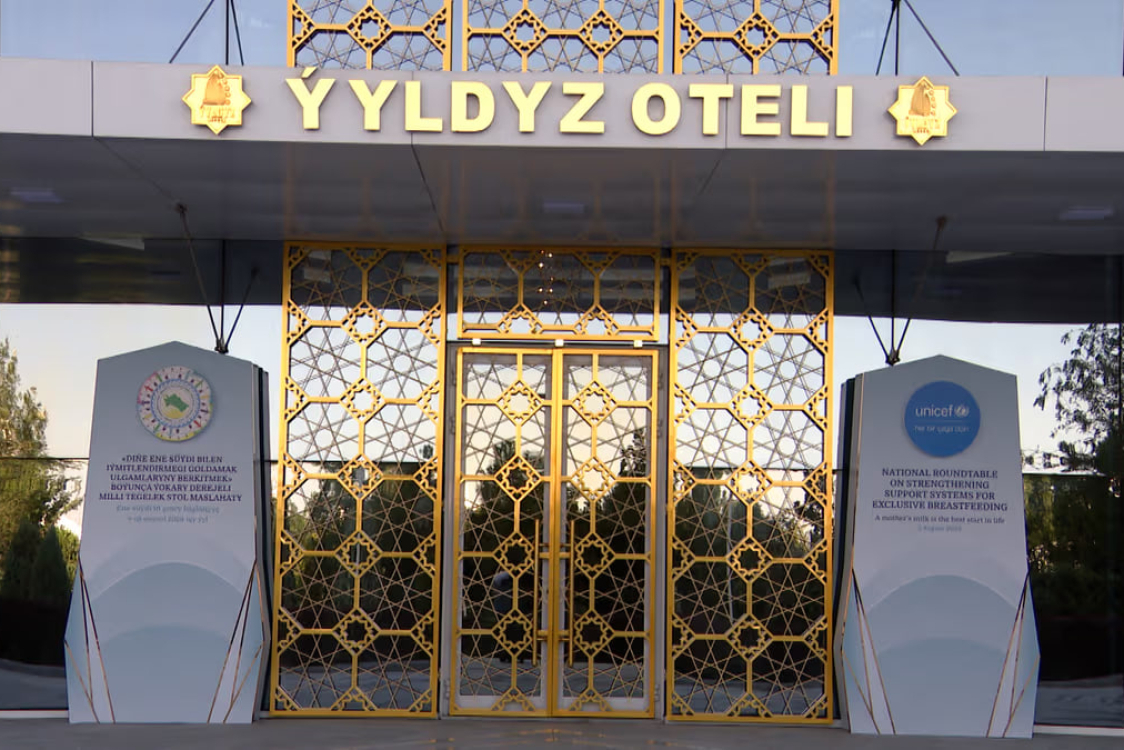
Turkmenistan discusses ways to promote breastfeeding
06.08.2026A high-level national round-table discussion on promoting exclusive breastfeeding took place in Ashgabat. The event, timed to coincide with World Breastfeeding Week, was organised by the Gurbanguly Berdimuhamedov Charitable Foundation in collaboration with the United Nations Children’s Fund (UNICEF), reports AsmanNews. Participants at the forum discussed measures to support breastfeeding and ensure the healthy development of children. Attention also focused on the implementation of the national programme ‘Healthy Mother – Healthy Child – Healthy Future’ and the law on supporting breastfeeding. The forum highlighted the contribution of the Gurbanguly Berdimuhamedov Charitable Foundation to the development of the system for the protection of mothers and children, including the provision of equipment to healthcare facilities and cooperation with the UN. Following the meeting, it was proposed to expand the network of peer counsellors and to engage the business sector in creating favourable conditions for breastfeeding mothers. Participants reaffirmed their intention to continue working together in this area across all regions of the country.
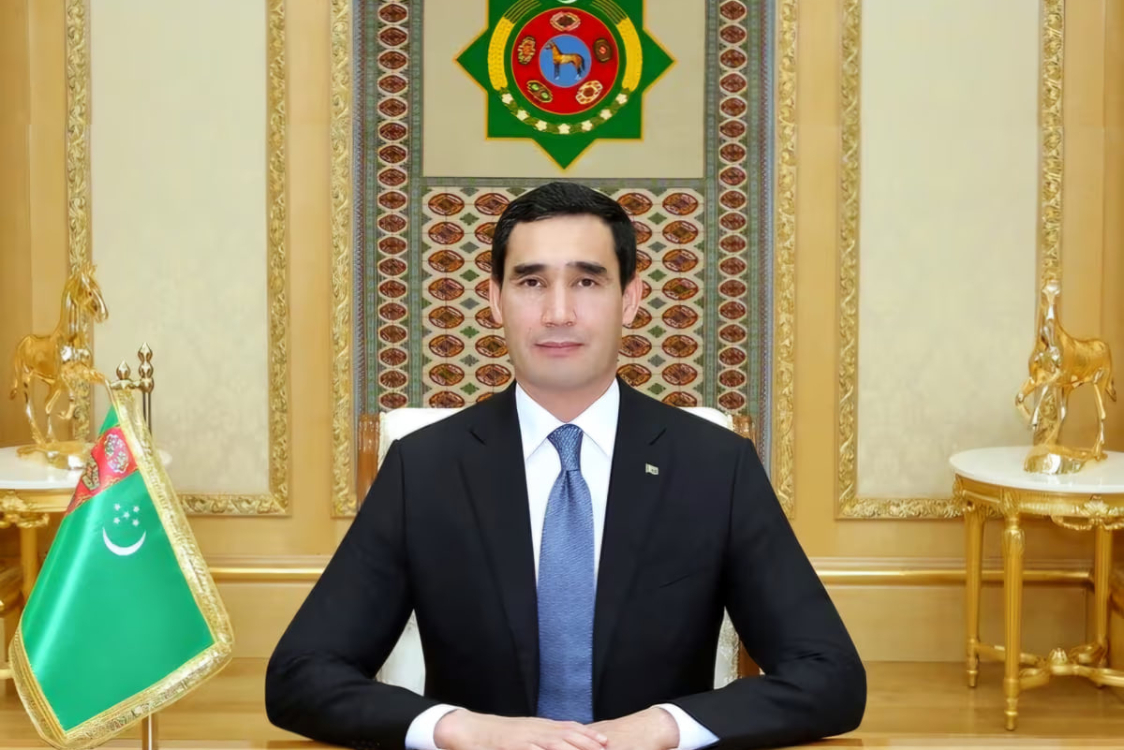
The President of Turkmenistan received the Vice-President of Switzerland
06.08.2026The President of Turkmenistan, Serdar Berdimuhamedov, received Ignazio Cassis, Vice-President of the Swiss Confederation, Chairperson-in-Office of the Organisation for Security and Co-operation in Europe (OSCE) and Head of the Federal Department of Foreign Affairs. This was reported by IIC of Turkmenistan. During the meeting, the parties discussed the development of Turkmenistan’s cooperation with the OSCE and Switzerland. The President of Turkmenistan noted that Ignazio Cassis’s visit represents an important step towards further strengthening cooperation. The Head of State emphasised that Turkmenistan attaches great importance to cooperation with the OSCE on issues relating to the maintenance of peace, sustainable development and the implementation of joint programmes, which are drawn up annually by the Government of Turkmenistan in conjunction with the OSCE Centre in Ashgabat. The willingness to continue the partnership in the field of human rights and the study of international experience was also reaffirmed. President Serdar Berdimuhamedov stated that there were opportunities to expand cooperation in the fields of energy, transport, environmental protection and the rational use of water resources. Particular attention was paid to Turkmen-Swiss relations. The Head of State reaffirmed Turkmenistan’s interest in developing political and diplomatic, trade and economic, and cultural and humanitarian cooperation, as well as its readiness to consider proposals from the Swiss side. Ignazio Cassis confirmed the interest of the OSCE and Switzerland in further developing cooperation with Turkmenistan. At the conclusion of the meeting, the parties exchanged best wishes.
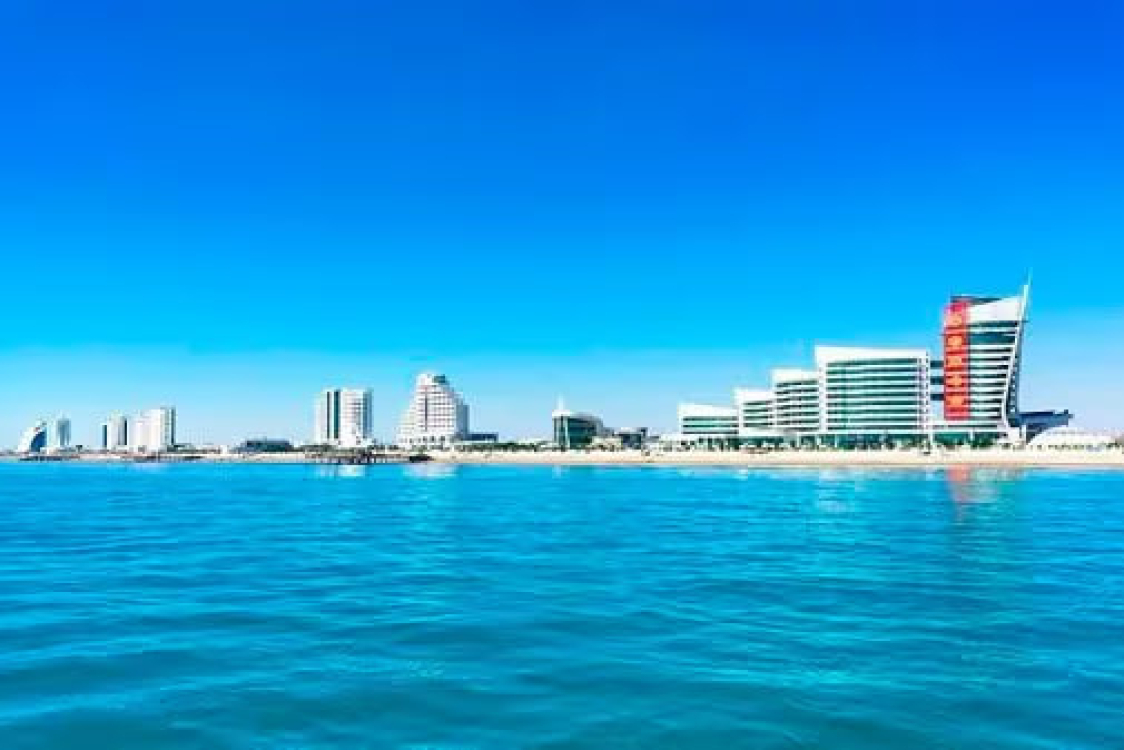
A conference to mark Caspian Sea Day will be held at the ‘Awaza’ National Tourism Zone
06.08.2026On 12 August, the ‘Awaza’ National Tourist Zone will host a scientific and practical conference dedicated to Caspian Sea Day. The event is being organised by the Ministry of Environmental Protection of Turkmenistan, according to IIC of Turkmenistan. The conference will bring together specialists, experts and representatives of government departments to discuss pressing issues relating to environmental protection in the Caspian region. Caspian Sea Day is celebrated annually by the Caspian littoral states with the aim of drawing attention to the conservation of the ecosystem and biodiversity, and the sustainable use of resources in the world’s largest inland body of water.
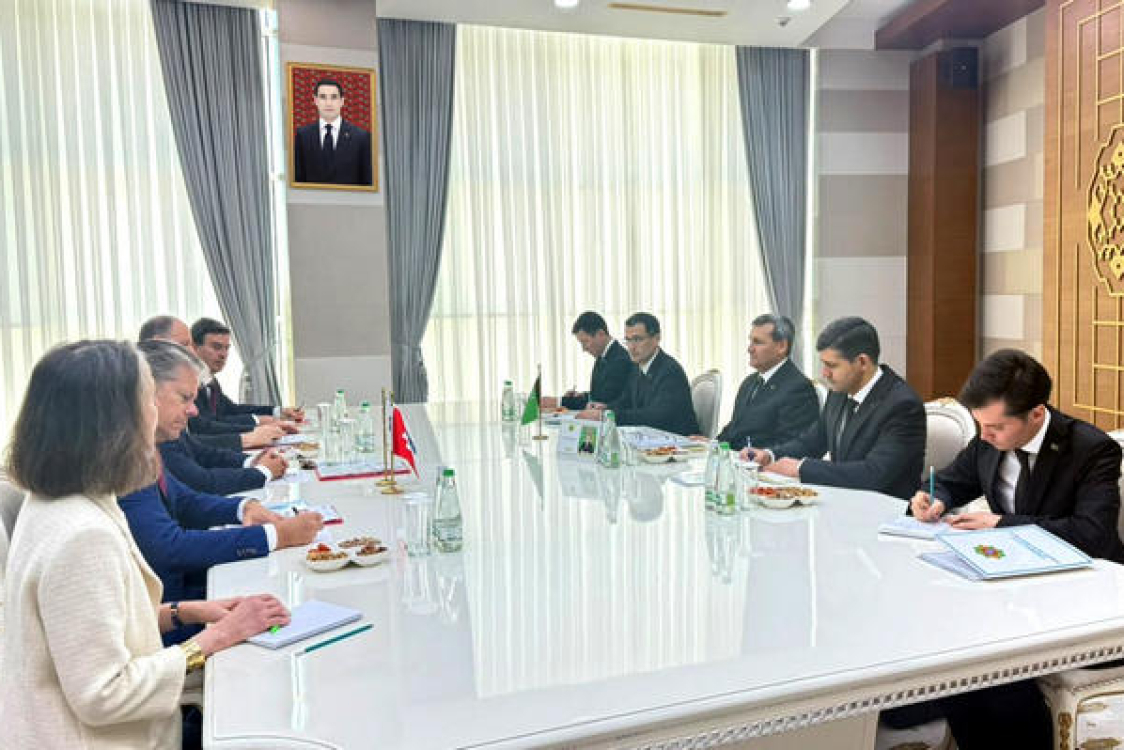
The Foreign Affairs Ministry of Turkmenistan and the OSCE discussed prospects for cooperation
06.08.2026On 5 August 2026, Rashid Meredov, Foreign Affairs Minister of Turkmenistan, held a meeting with Ignazio Cassis, Vice-President of the Swiss Confederation, Head of the Federal Department of Foreign Affairs and current Chairperson-in-Office of the Organisation for Security and Co-operation in Europe (OSCE). This was reported by the press service of the Foreign Affairs Ministry of Turkmenistan. The parties discussed the activities of the OSCE and the prospects for developing cooperation between Turkmenistan and the Organisation, as well as with the Swiss Confederation. It was noted that Turkmenistan’s cooperation with the OSCE takes place on a systematic basis within the framework of the annual Project Plan of the OSCE Centre in Ashgabat, covering all three areas of the Organisation’s activities. The participants emphasised the importance of holding high-level regional events in Ashgabat with the participation of the OSCE leadership. They also discussed preparations for upcoming joint events aimed at developing regional cooperation and exchanging experience. Particular attention was paid to the further development of cooperation with the OSCE Centre in Ashgabat. The Turkmen side reaffirmed its readiness to continue constructive cooperation with the Swiss Chairmanship of the OSCE, the Organisation’s Secretariat, its institutions and the OSCE Centre in Ashgabat.
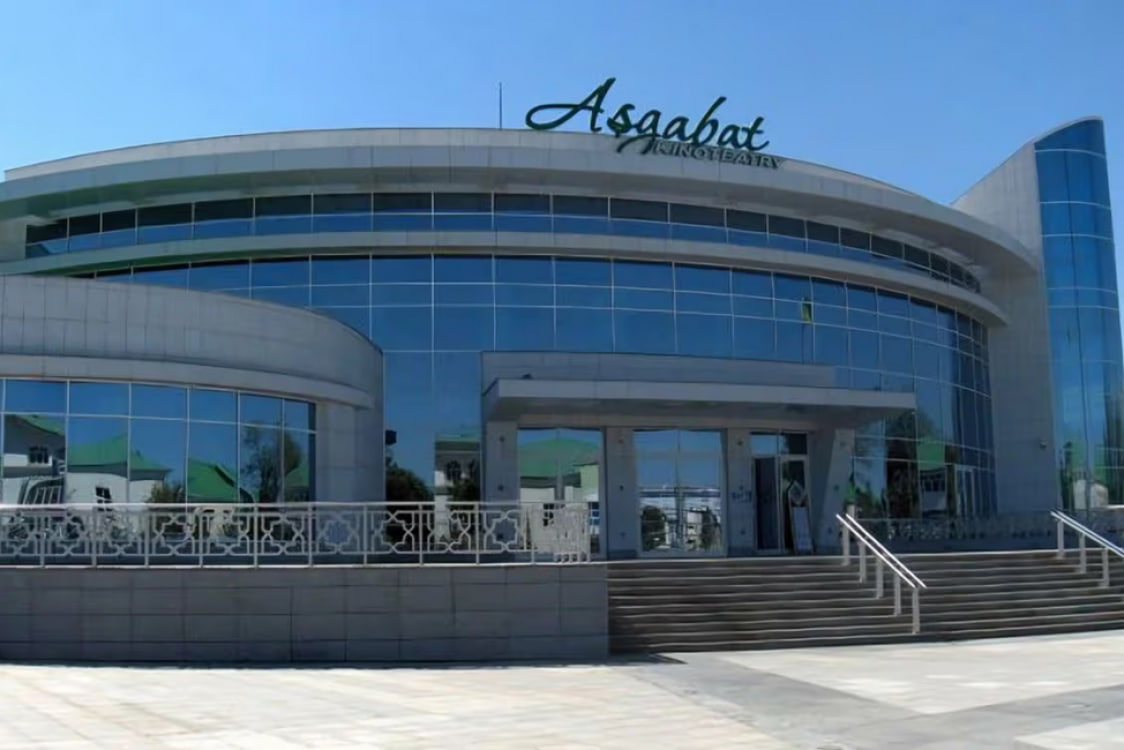
Ashgabat to host an Indian film festival
06.08.2026The Indian Film Festival will take place in Ashgabat from 14 to 16 August 2026. This was reported by the IIC of Turkmenistan. The event is organised by the Embassy of India in Turkmenistan. Admission to the screenings is free, with seats allocated on a first-come, first-served basis. The festival programme features three films. On 14 August at 17:00, audiences will be shown the sports drama ‘Dangal’ (2016), and on 15 August at 17:00, the romantic comedy ‘Dilwale Dulhania Le Jayenge’ (1995). The programme will conclude on 16 August at 11.00 with the sports drama ‘Chak De! India’ (2007).
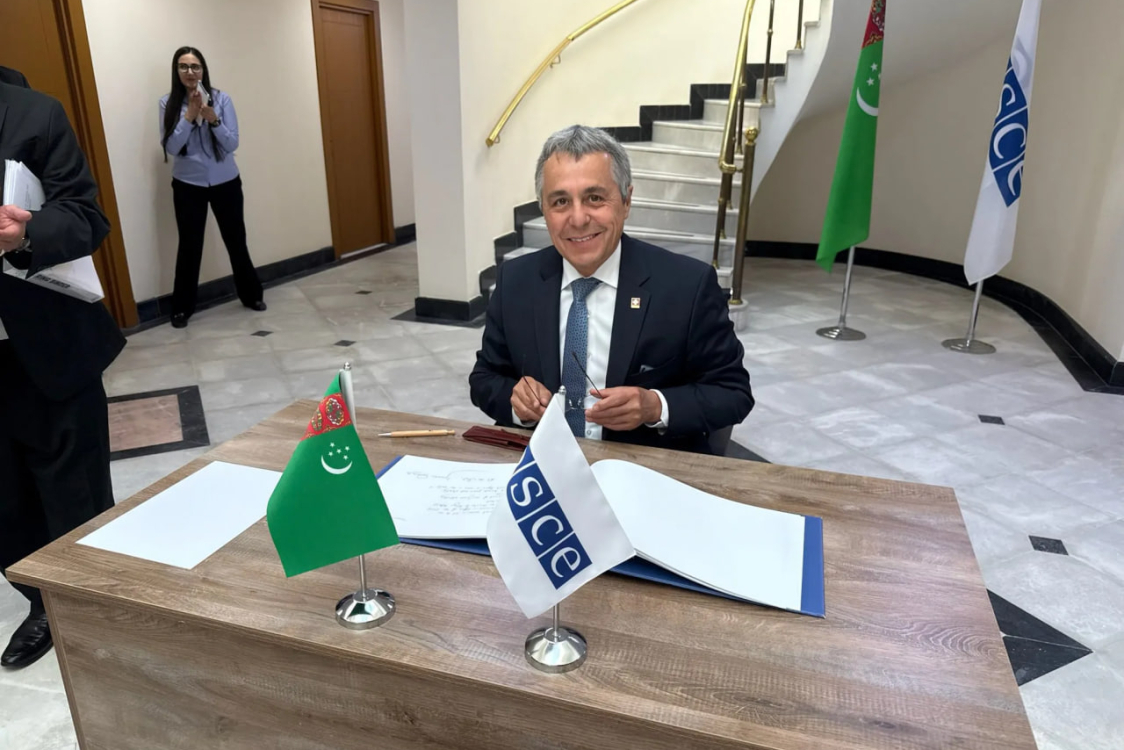
OSCE Head Ignazio Cassis has arrived in Turkmenistan
06.08.2026The current Chairperson-in-Office of the Organisation for Security and Co-operation in Europe (OSCE), Swiss Foreign Affairs Minister Ignazio Cassis, visited the OSCE Centre in Ashgabat upon his arrival in Turkmenistan and thanked the staff of the mission for their work. This was reported by the news website Turkmenportal. Ignazio Cassis highlighted the importance of the OSCE’s activities on the ground. The OSCE Centre in Ashgabat has been operating since 1999 and assists Turkmenistan in the areas of security, including arms control, border security, economic and environmental cooperation, as well as human rights and good governance. Cassis’s visit is taking place as part of Switzerland’s chairmanship of the OSCE.
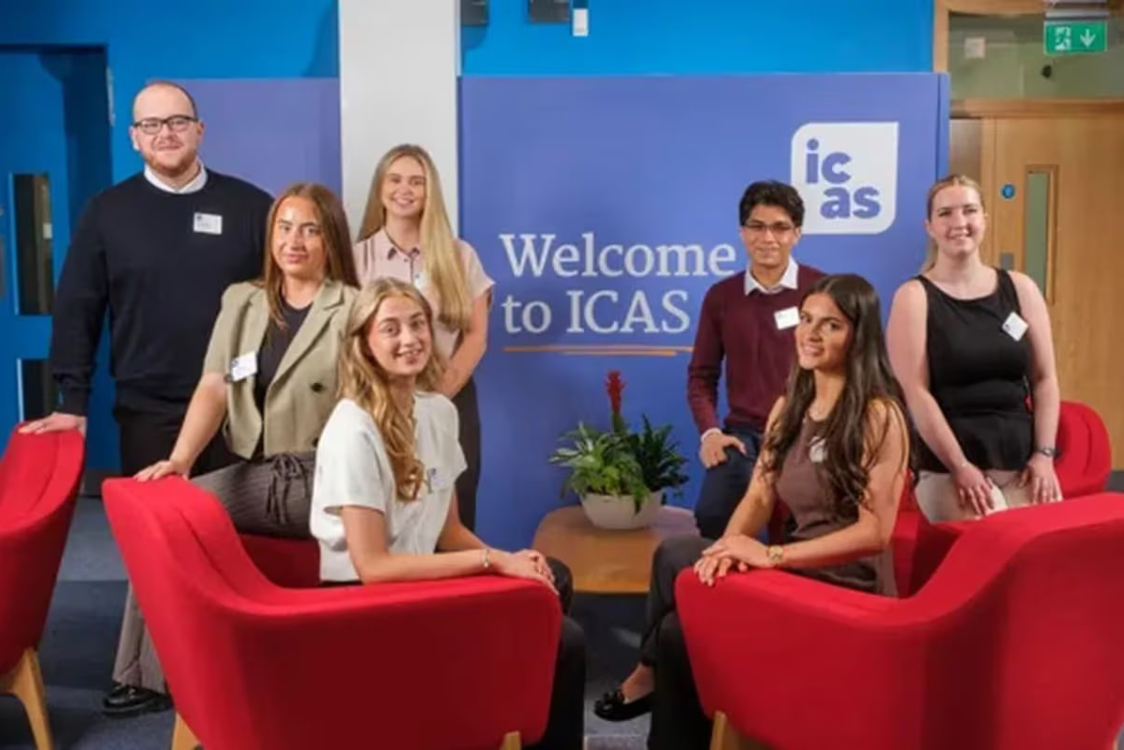
A student from Turkmenistan has been named a winner of the 2026 Charles Scott Prize
06.08.2026Arslan Hojanazarov, a student at Heriot-Watt University in Edinburgh, has become one of the twelve winners of the 2026 Charles Scott Award, established by the Institute of Chartered Accountants of Scotland (ICAS). This was reported by the IIC of Turkmenistan. The award is presented annually to students at partner universities for outstanding academic achievement and professional potential in the field of accountancy, following an internal selection process by the educational institutions. Winners receive a cash prize of £150, mentoring support, opportunities for professional networking and official recognition from ICAS. The 2026 winners also include representatives from the universities of Glasgow, Aberdeen, Edinburgh, Strathclyde and other Scottish universities. The awards ceremony took place at ICAS’s headquarters – CA House in Edinburgh – where participants learnt about opportunities to qualify as chartered accountants and develop professional networks.
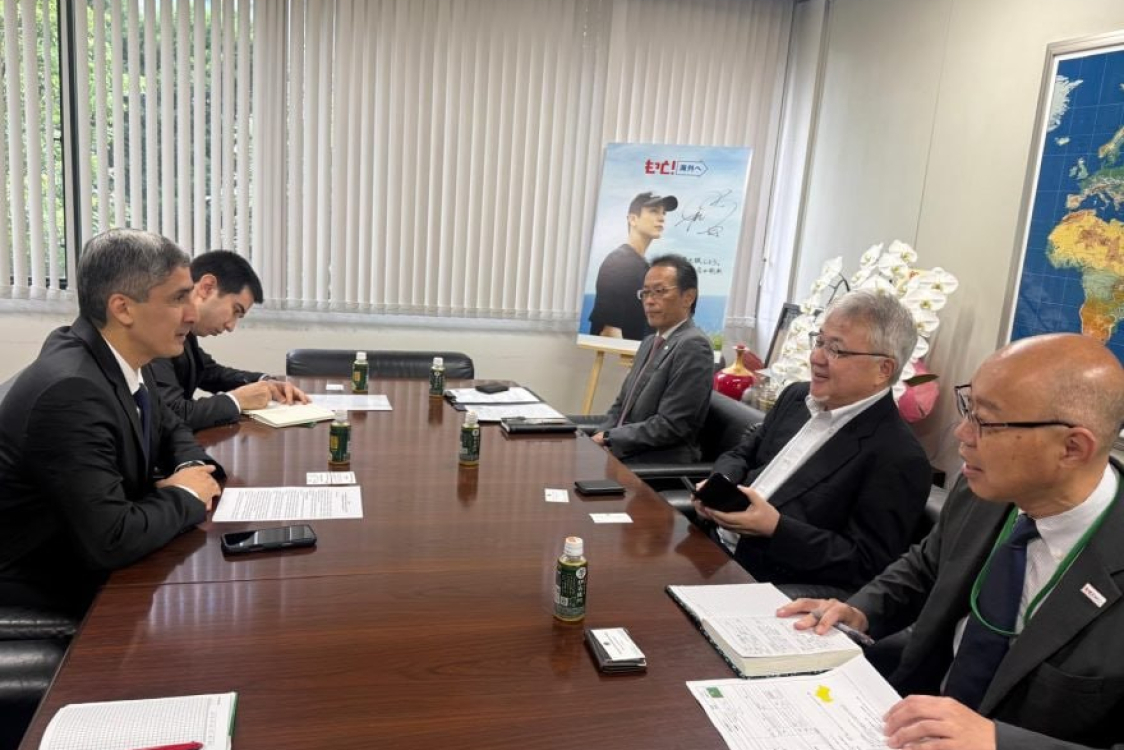
Ashgabat and Tokyo discussed the development of tourism
06.08.2026On 4 August, A. Bayramov, Ambassador of Turkmenistan to Japan, met with Y. Hara, the newly elected chairman of the Japan Association of Travel Agents (JATA). This was reported by the press office of the Embassy of Turkmenistan in Japan. A. Bayramov congratulated Y. Hara on his election as Chairman. The parties discussed the further development of tourism cooperation between the two countries. Turkmenistan’s cooperation with JATA began in 2013 with its participation in the ‘JATA Travel Showcase’ exhibition. Since then, it has steadily expanded. Key events include the ‘Tourism Potential of Turkmenistan’ conference held in Tokyo in 2014 and the international conference ‘Turkmenistan – The Land of Friendship and Hospitality’, which took place in Osaka in 2025 as part of ‘EXPO 2025’. Separately, the parties discussed the prospects for establishing direct air links between Turkmenistan and Japan, as well as expanding cooperation between the relevant government departments and tourism companies in both countries.
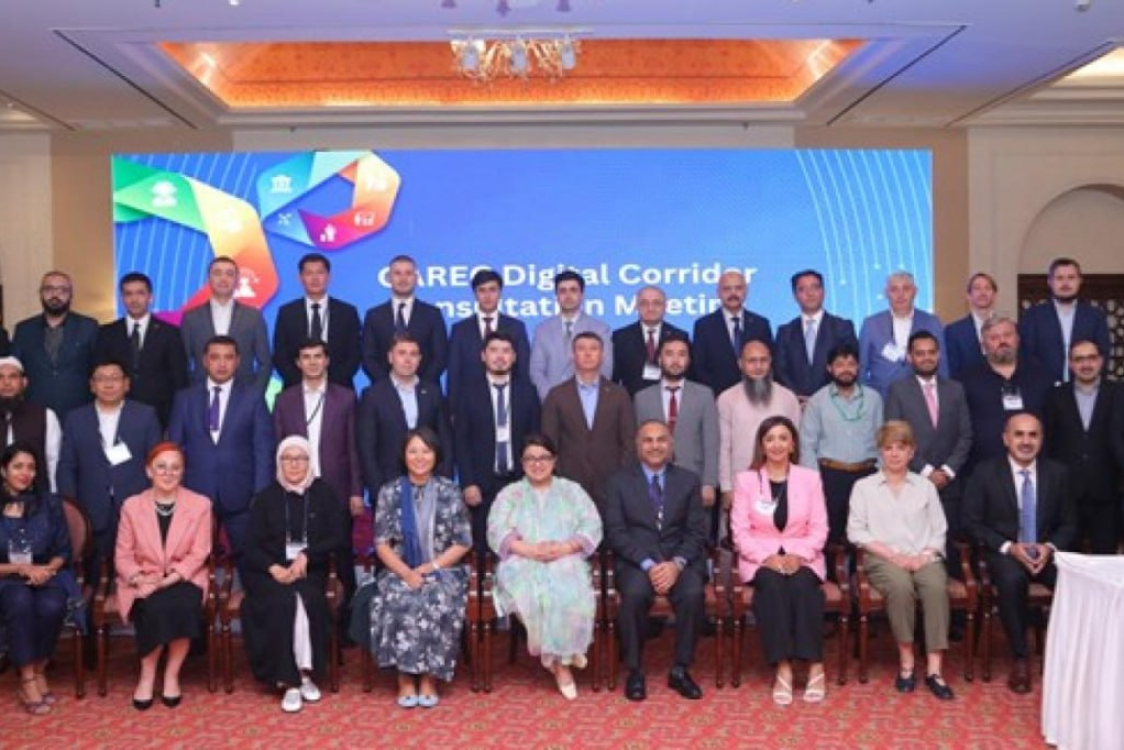
Turkmenistan took part in a meeting on the CAREC Digital Corridor
06.08.2026On 29–30 July 2026, a delegation from the Ministry of Communications of Turkmenistan took part in a consultative meeting on the Digital Corridor under the Central Asia Regional Economic Cooperation (CAREC) Programme in Islamabad. This was reported by the press office of the Foreign Affairs Ministry of Turkmenistan. The meeting was attended by Shaza Fatima Khawaja, Pakistan’s Federal Minister for Information Technology and Telecommunications, Emma Fan, Director of the Asian Development Bank’s Office in Pakistan, as well as delegations from nine CAREC member countries — comprising representatives of government bodies, telecoms operators, regulatory authorities, international organisations, development partners and technical experts. The Turkmen delegation reaffirmed the country’s commitment to the development of regional economic cooperation, digital transformation and joint initiatives to enhance connectivity among the region’s states. Representatives from Turkmenistan highlighted the importance of establishing a modern CAREC digital space as a driver of sustainable economic growth, the expansion of cross-border digital services and regional integration. They also briefed forum participants on the modernisation of the country’s telecommunications infrastructure, the development of digital public services and the implementation of modern digital solutions, including in the healthcare sector.
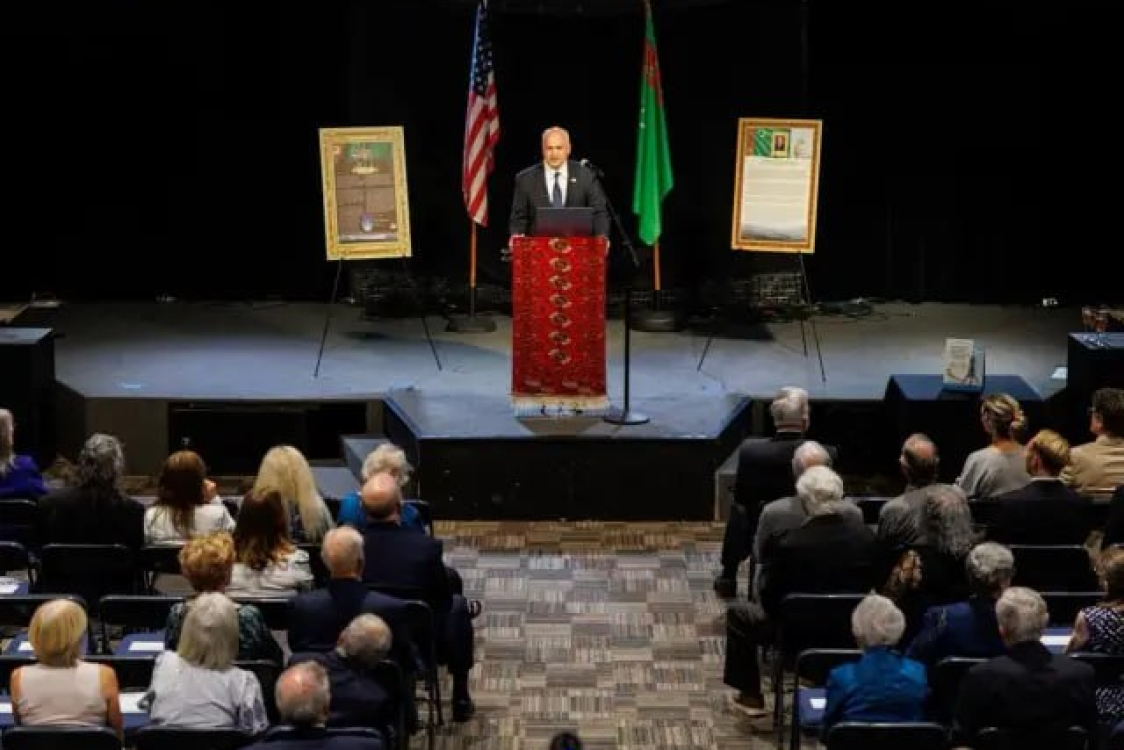
The Turkmenistan Ambassador took part in the celebrations in California
05.08.2026Celebrations marking the 35th anniversary of Turkmenistan’s independence took place in the San Diego area (California, USA). The event was organised by Fit International and attended by representatives of the local authorities, the public, the media and friends of Turkmenistan, according to the news website Turkmenportal. Turkmenistan’s Ambassador to the US, Esen Aydogdyev, took part in the celebrations. He congratulated those present on the 250th anniversary of US independence and noted that celebrating the independence anniversaries of the two countries underscores the importance of sovereignty, national identity, peaceful development and mutual respect between states. The highlight of the programme was the presentation of a book by the President of Turkmenistan, Serdar Berdimuhamedov, entitled ‘Neutrality of Turkmenistan – A Bright Way of Peace and Trust’. The event was also attended by Kirt Edwards, Head of Fit International, who congratulated the people of Turkmenistan on Independence Day and wished them peace, well-being and prosperity. According to the embassy, the event once again demonstrated the spirit of friendship and mutual respect between Turkmenistan and the US.
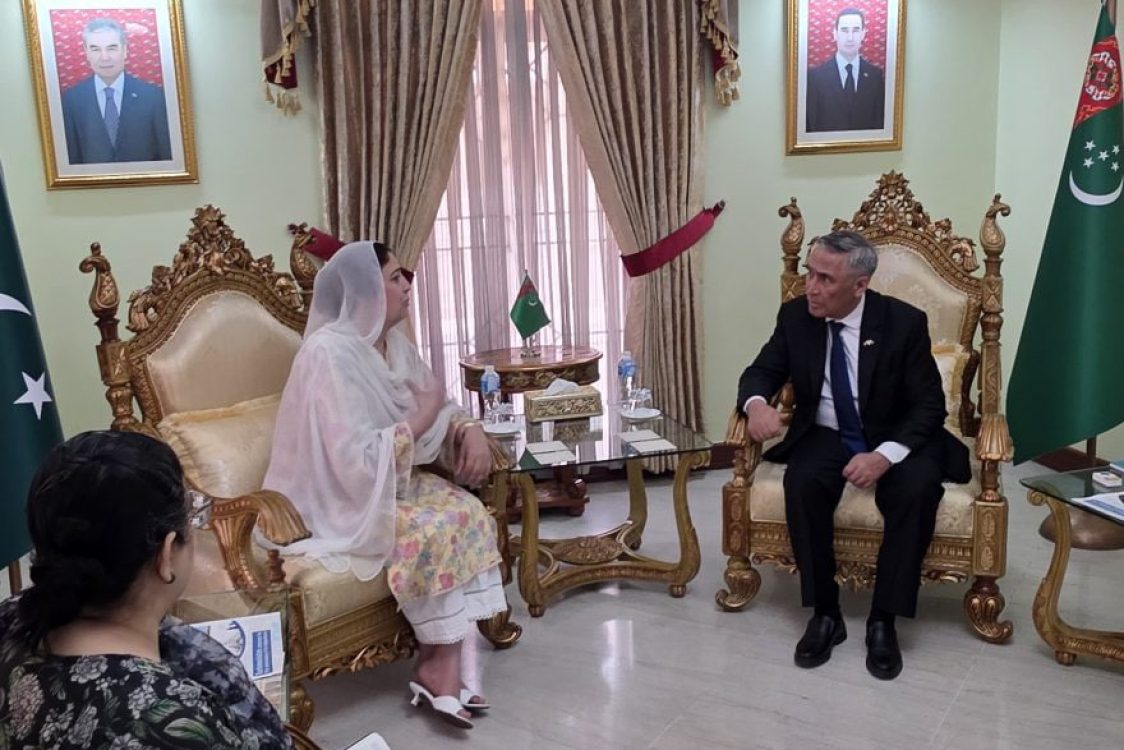
Turkmenistan and the IPC discussed the development of parliamentary dialogue
05.08.2026The Secretary-General of the International Parliamentary Congress (IPC), Senator Sitara Ayaz, visited the Embassy of Turkmenistan in the Islamic Republic of Pakistan on 4 August 2026. This was reported by the press office of the Turkmen diplomatic mission. During the meeting with the Turkmen Ambassador, A. Movlamov, the parties discussed the development of cooperation between Turkmenistan and the International Parliamentary Congress (IPC), the strengthening of inter-parliamentary ties and the expansion of cooperation between the Mejlis of Turkmenistan and the Congress. Particular attention was paid to the organisation of international conferences, round-table discussions and parliamentary forums involving representatives from Central Asian countries. It was noted that such platforms facilitate the exchange of experience in the field of law-making and the development of parliamentary diplomacy. The Ambassador of Turkmenistan expressed support for the further strengthening of inter-parliamentary relations. Senator Sitara Ayaz highlighted the importance of Turkmenistan’s neutral policy and expressed her gratitude for the constructive dialogue. The parties reaffirmed their readiness to continue regular engagement and to develop joint initiatives in the field of parliamentary cooperation.
Read also
Advertising
 Read us in Zen


