

News
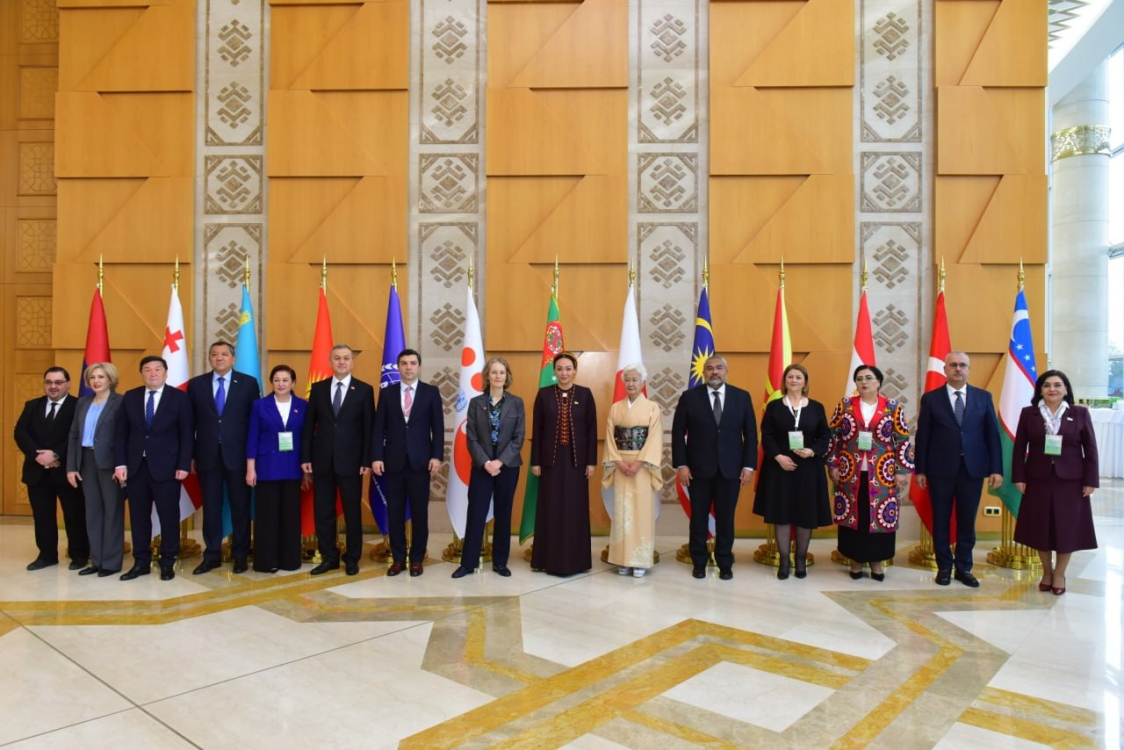
A forum on gender equality has begun in Ashgabat
26.03.2026A forum entitled ‘Advancing Gender Equality: An Inter-Parliamentary Dialogue to Strengthen Legislative Frameworks to Ensure Progress on Gender Equality and Gender-Based Violence’ has opened in Ashgabat. This was reported by the press service of the Mejlis of Turkmenistan. The event is organised by the Mejlis of Turkmenistan in conjunction with the United Nations Population Fund (UNFPA). Participants are discussing the implementation of state policy on gender equality, measures to prevent and combat gender-based violence, and the incorporation of universally recognised norms of international law into national legislation. In addition, the focus is on the development and practical application of inclusive laws, as well as the improvement of social protection and accountability systems, taking gender aspects into account.
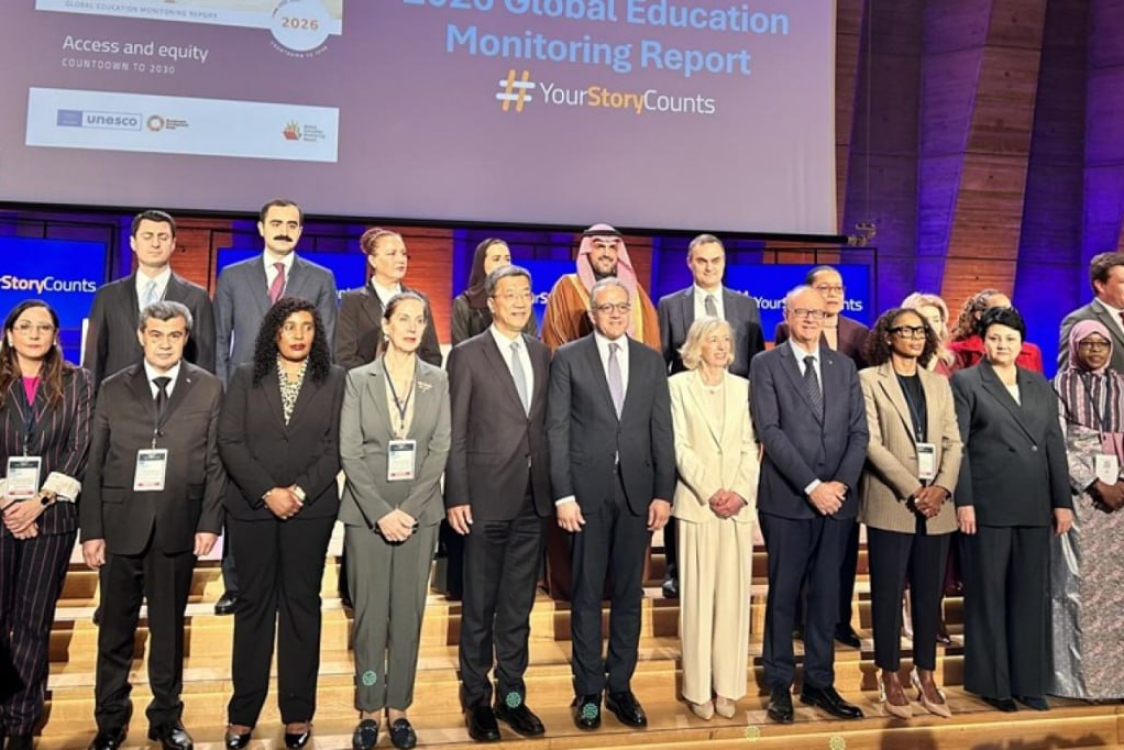
Turkmenistan presented initiatives in the field of early childhood education at a forum in Paris
26.03.2026On 25 March, at UNESCO headquarters in Paris, the Minister of Education of Turkmenistan, Jumamyrat Gurbangeldiyev, attended the launch of the Global Education Monitoring Report (GEM Report 2026) and held a series of bilateral meetings. This was reported by the press service of the Ministry of Foreign Affairs of Turkmenistan. During the high-level dialogue, the Minister emphasised the strategic role of early childhood education in the development of human capital in Turkmenistan. J. Gurbangeldiyev highlighted the focus on digital technologies, the development of children’s creative and cognitive abilities, as well as the training and professional development of teachers. The Minister spoke about joint initiatives with UNICEF, including the launch of half-day groups for five-year-olds from the 2026–2027 academic year, as well as the development of inclusive education and cooperation between schools, families and state bodies. A meeting was held during the forum with Ezozhon Karimova, Minister of Pre-school and School Education of Uzbekistan. Discussions centred on cooperation in pre-school and secondary education, the exchange of experience in teacher training, the introduction of modern teaching methods, the participation of schoolchildren in international competitions, and joint educational programmes. Following the meetings, the parties confirmed their interest in further strengthening their partnership and expanding practical cooperation in the fields of education, science and innovation. It should be noted that the Minister of Education of Turkmenistan also held meetings with the Director-General of UNESCO, Khaled El-Enany, and the Assistant Director-General for Education at UNESCO, Stefania Giannini.
Ashgabat is strengthening its position within UNESCO’s global education network
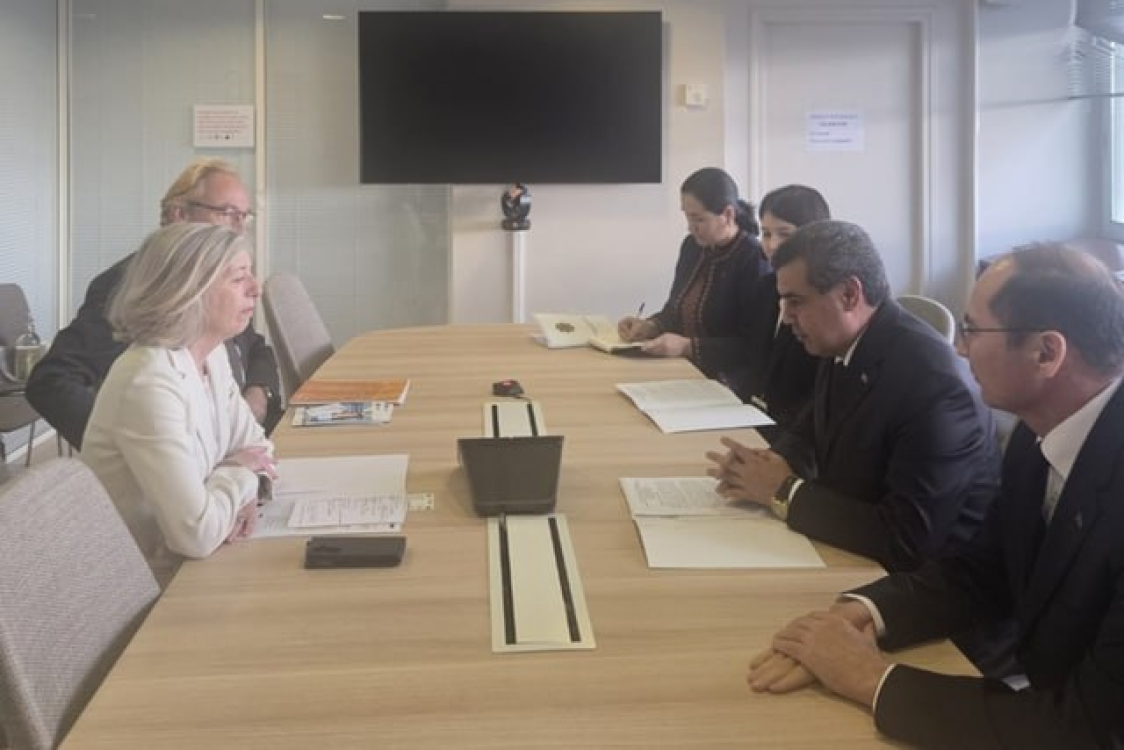
26.03.2026The Minister of Education of Turkmenistan, Jumamyrat Gurbangeldiyev, met with Stefania Giannini, UNESCO’s Assistant Director-General for Education. The meeting took place on 25 March at UNESCO headquarters in Paris, according to the press service of the Ministry of Education of Turkmenistan. The talks took place as part of events marking the launch of the Global Education Monitoring Report (GEM Report 2026). The parties discussed the development of cooperation in the field of education, including digitalisation, inclusive approaches, teacher professional development and lifelong learning. The Turkmen side emphasised that partnership with UNESCO remains one of the priority areas of international cooperation. Particular attention was paid to educational reforms in Turkmenistan, the expansion of cooperation with relevant UNESCO bodies, and Ashgabat’s participation in the UNESCO Global Network of Learning Cities. Stefania Giannini highly commended Turkmenistan’s efforts to modernise the education system, develop inclusive and high-quality education, and strengthen international cooperation. Following the meeting, the parties confirmed their readiness to further expand practical cooperation in the field of education.
Turkmenistan is strengthening its energy sector and expanding its exports
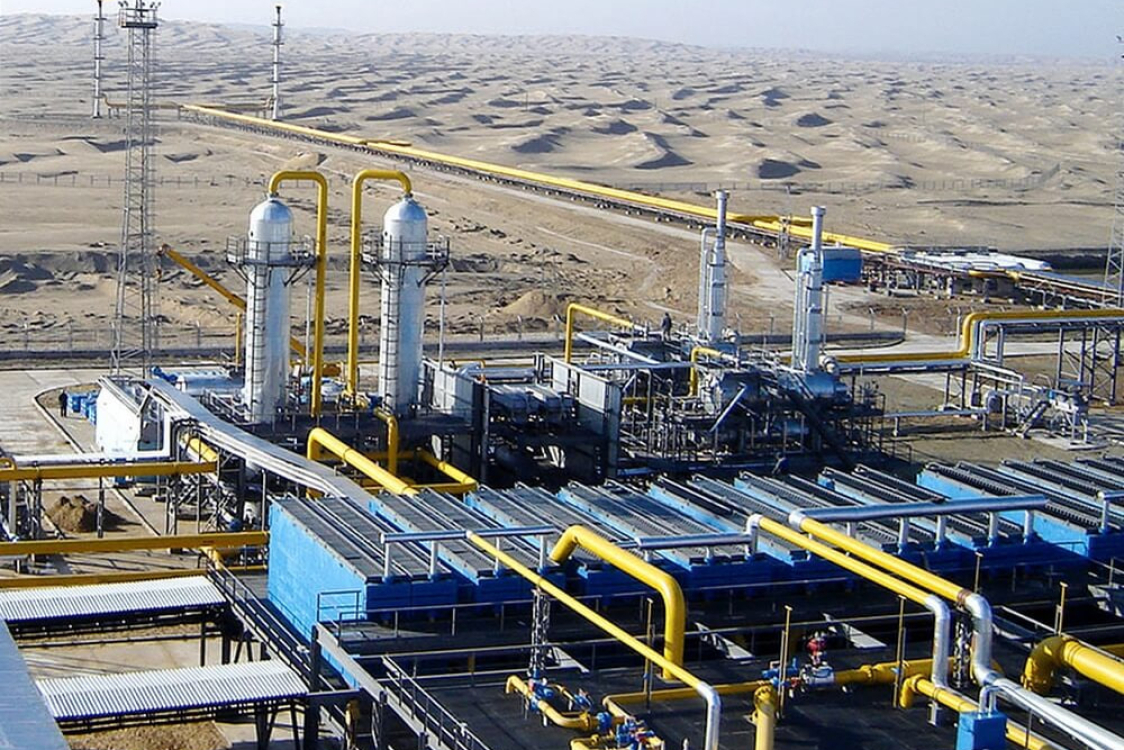
26.03.2026Turkmenistan’s energy strategy is based on diversification: the country is expanding its exports of high-tech products and electricity. Investments in the sector have increased production capacity, enabling the country to meet domestic demand and boost exports. Turkmenistan is becoming an important energy hub for Central and South Asia, promoting regional integration and cooperation, reports TDH. As part of the modernisation programme, new gas-turbine power stations, power transmission lines, distribution stations and substations have been built. A major project to integrate the power grid into a single ring includes the Ahal–Balkan line (started in 2021), Mary–Ahal (completed in 2023) and Balkan–Dashoguz (commissioned in 2024). This ensures the redistribution of electricity and a stable power supply to industry and the population. The country is introducing the latest technologies and cooperating with international companies. A 1,574 MW combined-cycle power station is under construction in the Balkan velayat, which will strengthen energy security, open up new export routes and increase electricity supplies to neighbouring states. Combined-cycle power stations also comply with environmental standards. Turkmenistan is implementing ISO 14001, automated air monitoring and localised production of transformers and cable products. Existing power stations, including the Mary Hydroelectric Power Station, are being modernised, and solar and wind power stations (e.g., Gyzylarbat, 10 MW) are being built to ensure stable energy production. Joint projects with ‘General Electric’ and ‘Sumitomo Corporation’ are enabling the implementation of ‘smart grid’ technology and microprocessor-based substation protection. The new gas turbine plant at the Lebap Hydroelectric Power Station (432 MW) has strengthened integration into the global power system and expanded export opportunities. Environmental technologies are being developed, and CO₂ and NOₓ emissions are being reduced. The electricity supply along the route of the ‘Turkmenistan–Afghanistan–Pakistan–India’ gas pipeline is creating conditions for industrial investment in Afghanistan. Turkmenistan’s system is integrated into the unified energy system of Central Asia, which strengthens regional stability. The State Energy Institute provides training for specialists, whilst technical maintenance is carried out by the Repair Centre in the Büzmeyin etrap. The Centre services ‘General Electric’ gas turbines and modern equipment in accordance with international standards. Turkmenistan utilises the low cost of electricity generated from natural gas to invest in socio-economic and high-tech sectors. Renewable energy sources are being developed – solar panels and mobile wind turbines provide energy for settlements and pastures. Hydrogen is regarded as a key resource for the future. Turkmenistan, which has large gas reserves, is developing the hydrogen sector and establishing a cluster and centre at the Yagshygeldi Kakayev International University of Oil and Gas for research and the production of ‘green’ and ‘blue’ hydrogen. Joint pilot projects are being implemented with companies from Japan and Europe. Turkmenistan’s energy diplomacy is strengthening the country’s position on the international stage. Initiatives for the reliable transit of energy resources are supported by the UN General Assembly, confirming the state’s role as a stabiliser of the regional energy market.
Putin emphasised the strategic partnership between Russia and Turkmenistan
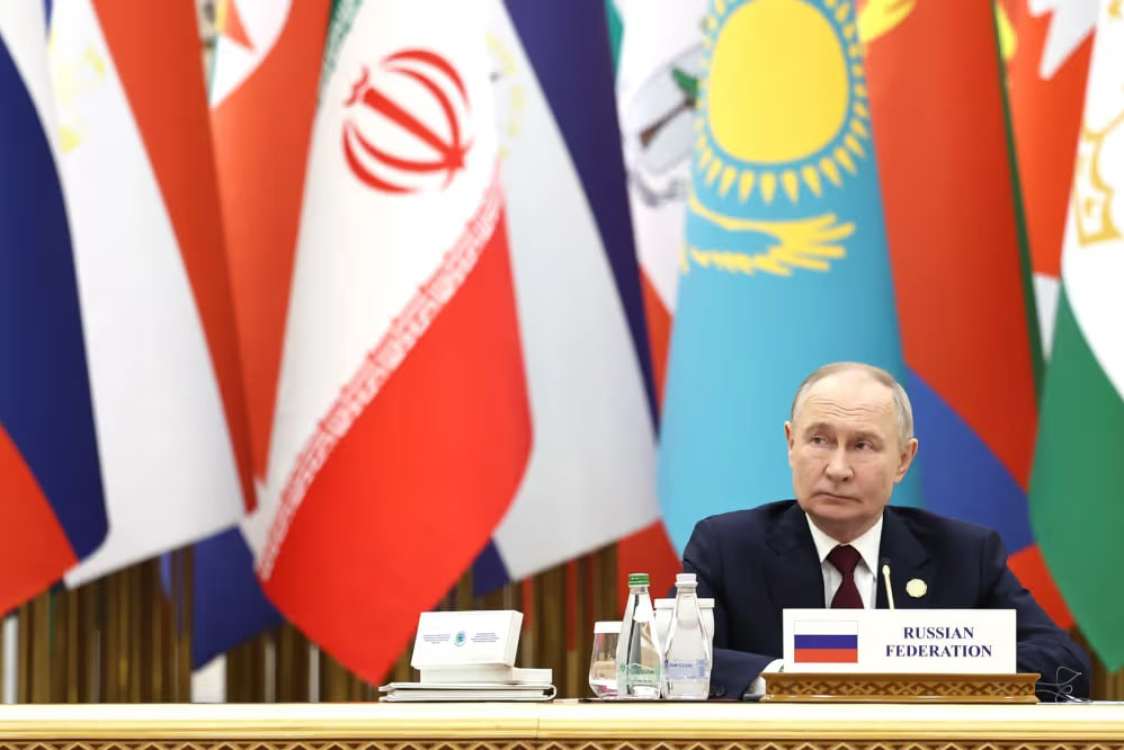
26.03.2026Relations between Russia and Turkmenistan are characterised by a deep strategic partnership. This was stated by the President of the Russian Federation, Vladimir Putin, in a message of congratulations to the President of Turkmenistan, Serdar Berdimuhamedov, on the occasion of the spring festival of Nowruz, reports TDH. Putin expressed confidence in the further development of cooperation in all areas, aimed at the welfare of the peoples and the strengthening of security in Central Asia and the Caspian region. The Russian President wished Serdar Berdimuhamedov good health and success in his work, and the people of Turkmenistan happiness and prosperity.
Turkmenistan and the EU discussed the development of their partnership
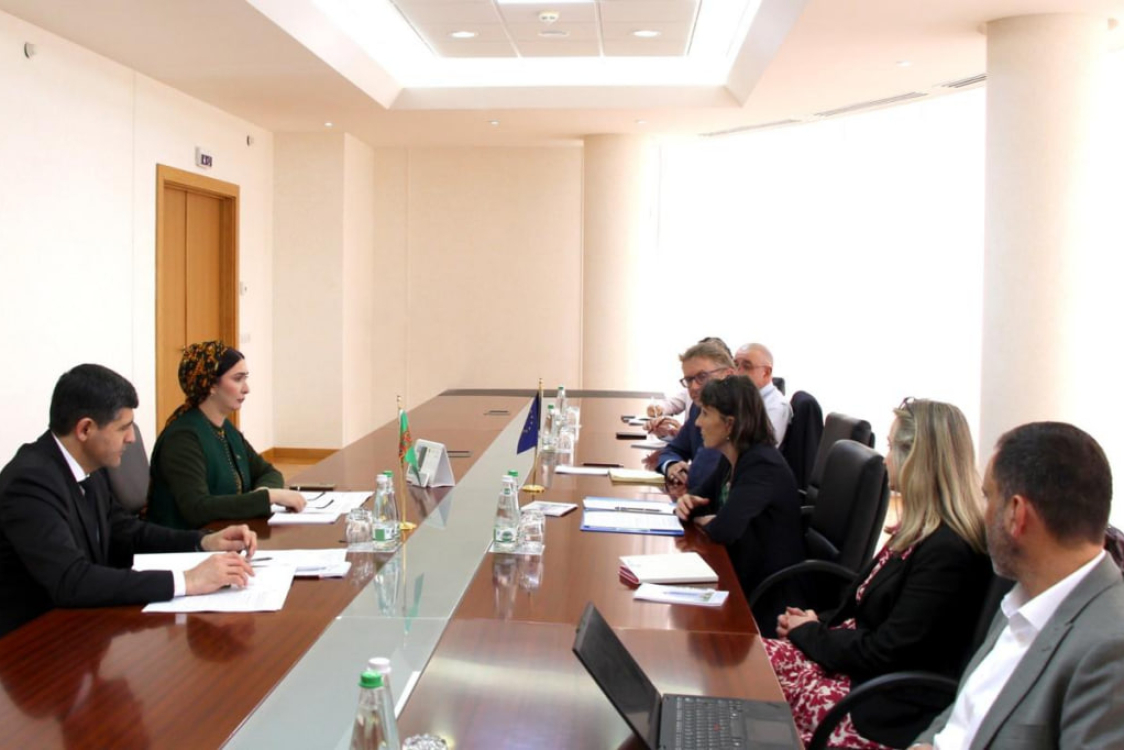
26.03.2026On 25 March, a meeting took place between Myahri Byashimova, Deputy Minister of Foreign Affairs of Turkmenistan, and Charlotte Adrian, Head of the Central Asia and Afghanistan Unit at the European Commission’s Directorate-General for International Partnerships (DG INTPA). This was reported by the press service of the Ministry of Foreign Affairs of Turkmenistan. The parties discussed prospects for cooperation between Turkmenistan and the European Union. Particular attention was paid to trade and economic ties and the development of transport and transit connectivity between Central Asia and the EU. Issues relating to cooperation in the energy sector were considered separately. Interest in continuing sector-specific dialogue was confirmed, as well as in developing partnerships in the field of ‘green’ energy and the climate agenda. EU projects in Turkmenistan and the region were also discussed, including initiatives in the fields of youth, sustainable energy, trade and digital connectivity. Following the meeting, a commitment was reaffirmed to further strengthen cooperation both bilaterally and within the framework of the ‘Central Asia–European Union’ dialogue.
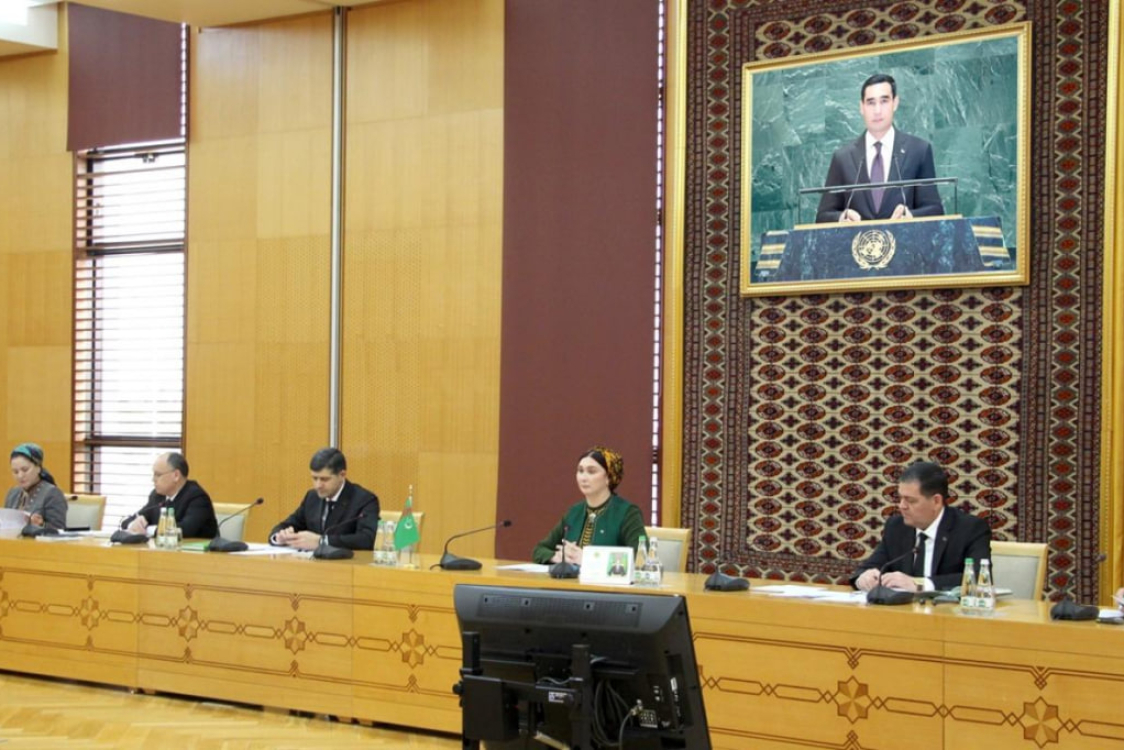
The Foreign Ministry discussed the implementation of the National Plan for Gender Equality
26.03.2026On 25 March, a meeting was held at the Ministry of Foreign Affairs of Turkmenistan to discuss the implementation of the recommendations of the Committee on the Elimination of Discrimination against Women and the Universal Periodic Review regarding gender equality. This was reported by the press service of the Ministry of Foreign Affairs of Turkmenistan. The event was attended by the Deputy Minister of Foreign Affairs of Turkmenistan, Myahri Byashimova; the Vice-Chair of the Committee, Marianne Mikko; representatives of the Mejlis of Turkmenistan, the Office of the Ombudsman, relevant ministries and international organisations, including the Office of the UN High Commissioner for Human Rights and UNFPA. Turkmenistan’s commitment to its international obligations in the field of women’s rights, including the Convention on the Elimination of All Forms of Discrimination against Women, was noted. The Committee’s recommendations, adopted in 2024, are viewed as a basis for further steps. Participants discussed the implementation of the Roadmap, the development of mechanisms to protect women’s rights, and inter-ministerial cooperation. The implementation of the ‘National Action Plan on Gender Equality for 2026–2030’ was reviewed. Following the meeting, the importance of cooperation with international organisations and the use of international experience to improve the national system for ensuring equal rights and opportunities was emphasised.
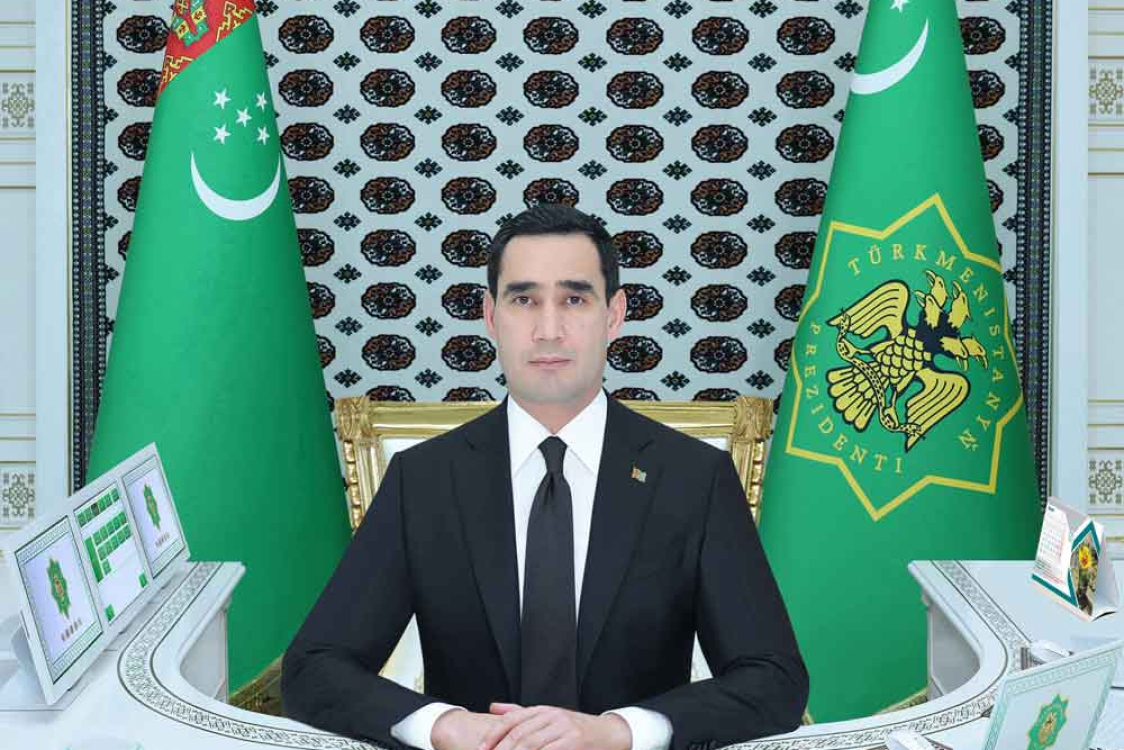
Serdar Berdimuhamedov sent a message of congratulations to the President of Bangladesh
26.03.2026The President of Turkmenistan, Serdar Berdimuhamedov, has sent a message of congratulations to the President of the People’s Republic of Bangladesh, Mohammed Shahabuddin, on the occasion of the 55th anniversary of the country’s independence. This was reported by TDH. The Head of State wished Mohammed Shahabuddin good health, happiness and prosperity. He also extended his wishes for peace, further progress and prosperity to the people of Bangladesh.
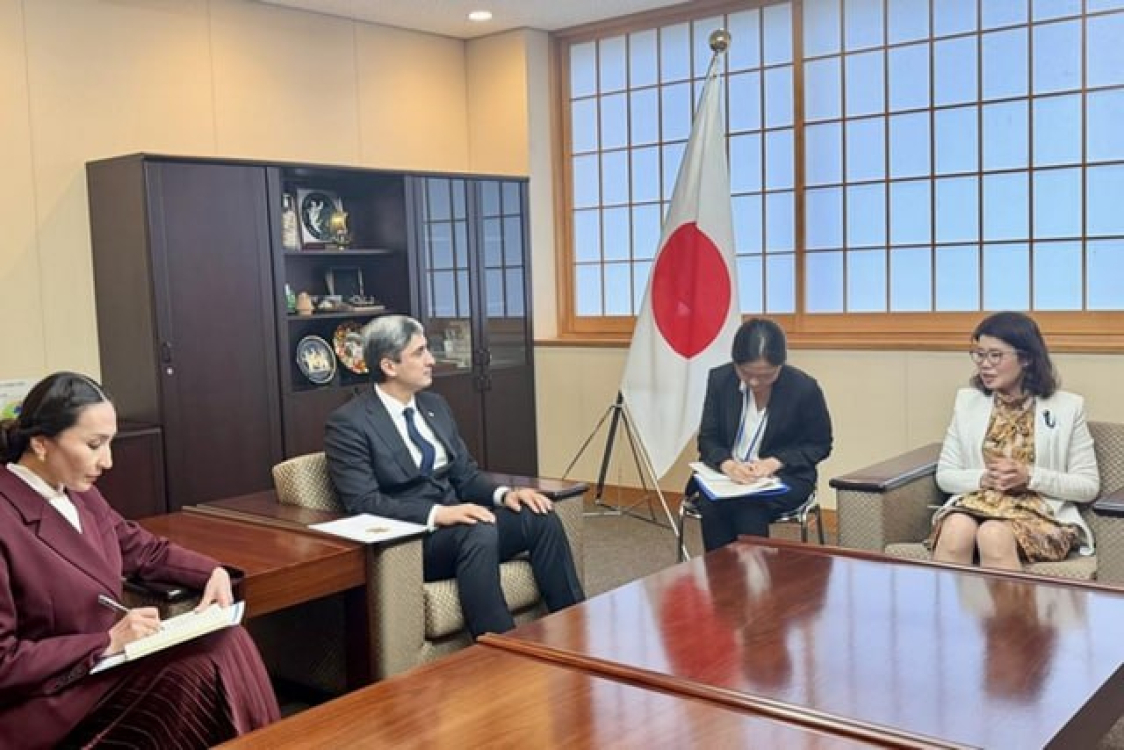
Turkmenistan and Japan discussed current issues on the bilateral agenda
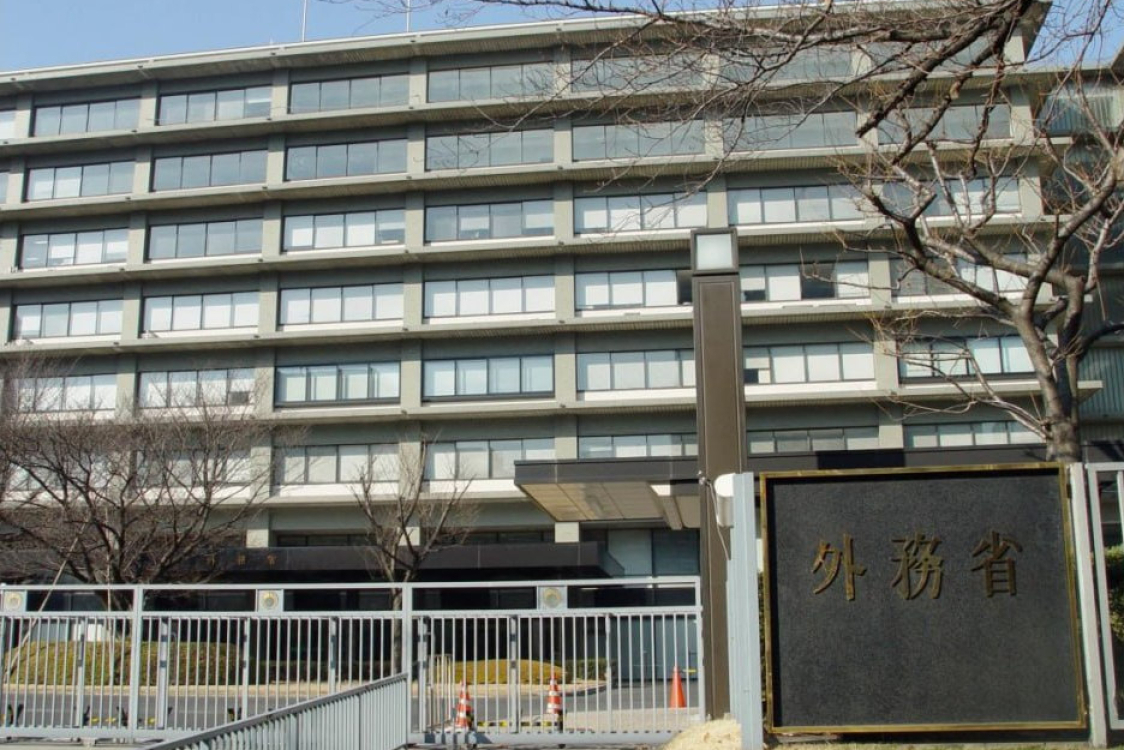
26.03.2026On 25 March, Atadurdy Bayramov, Ambassador Extraordinary and Plenipotentiary of Turkmenistan to Japan, held a meeting with Kunimitsu Ayano, Japan’s Foreign Affairs Minister. This was reported by the press service of the Foreign Affairs Ministry of Turkmenistan. During the meeting, the Turkmen diplomat thanked the Japanese side for its assistance in organising the visit of the President of Turkmenistan, Serdar Berdimuhamedov, to Japan, which took place in December 2025. He also confirmed Ashgabat’s readiness to host Japanese Prime Minister Sanae Takaichi in Turkmenistan at a time convenient for the Japanese side. The interlocutors reviewed the implementation of agreements reached following high-level contacts and discussed priority areas of bilateral cooperation. The focus was on political and diplomatic interaction, trade and economic ties, cultural and humanitarian contacts, inter-parliamentary cooperation, energy security issues and coordination in multilateral international forums. In addition, Kunimitsu Ayano expressed her gratitude to the leadership of Turkmenistan for their assistance in establishing a humanitarian corridor, which ensured the safe evacuation of Japanese citizens from Iran against the backdrop of the current situation in the country.
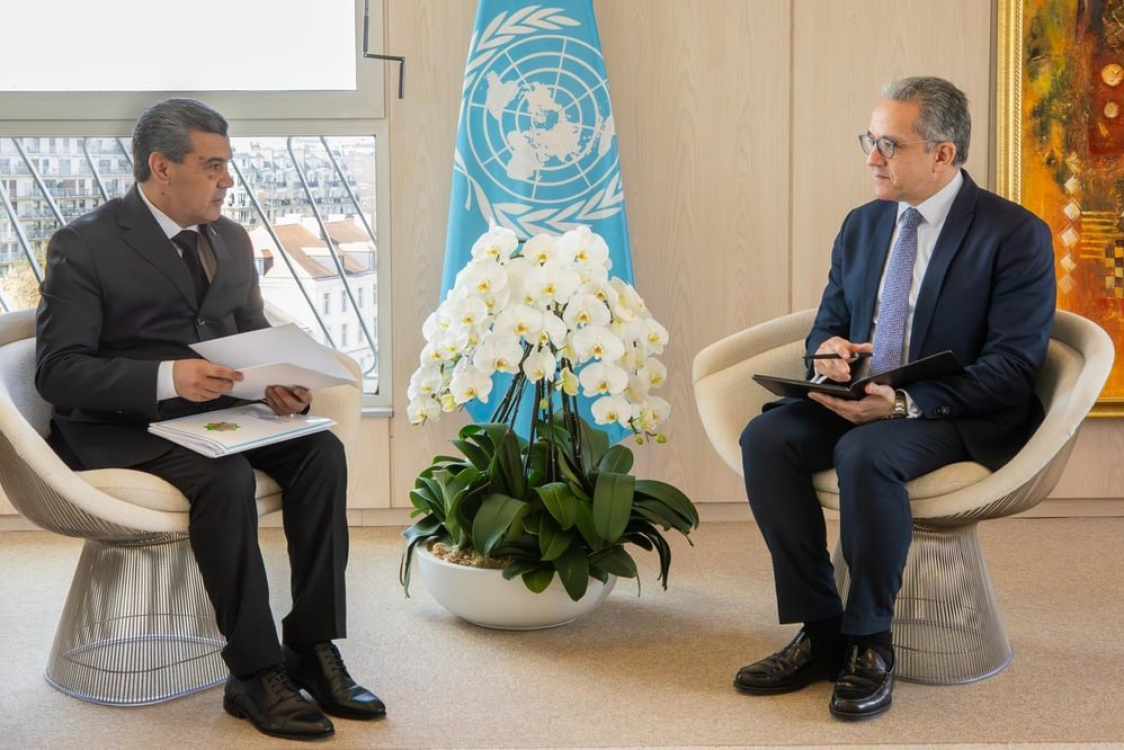
The Minister of Education of Turkmenistan held a meeting with the Director-General of UNESCO
26.03.2026The Minister of Education of Turkmenistan, Jumamyrat Gurbangeldiyev, held a meeting with the Director-General of UNESCO, Khaled El-Enany. The meeting took place on 25 March at UNESCO headquarters in Paris, according to the press service of the Ministry of Education of Turkmenistan. The parties discussed current cooperation and prospects for collaboration in the field of education, including issues of equal access to quality education, the digitalisation of education systems and the implementation of artificial intelligence technologies. It was noted that the partnership with UNESCO remains one of the priorities of Turkmenistan’s international cooperation in the field of education. UNESCO highly commended the reforms being carried out in the country, as well as its contribution to the development of international educational dialogue and the implementation of Sustainable Development Goal 4. The meeting participants paid particular attention to the implementation of UNESCO programmes in Turkmenistan, the prospects for establishing a UNESCO Department of Digital Science, cooperation in the field of IT education, and the ‘Lifelong Learning’ initiative. Following the negotiations, the parties confirmed their readiness to expand joint educational projects.
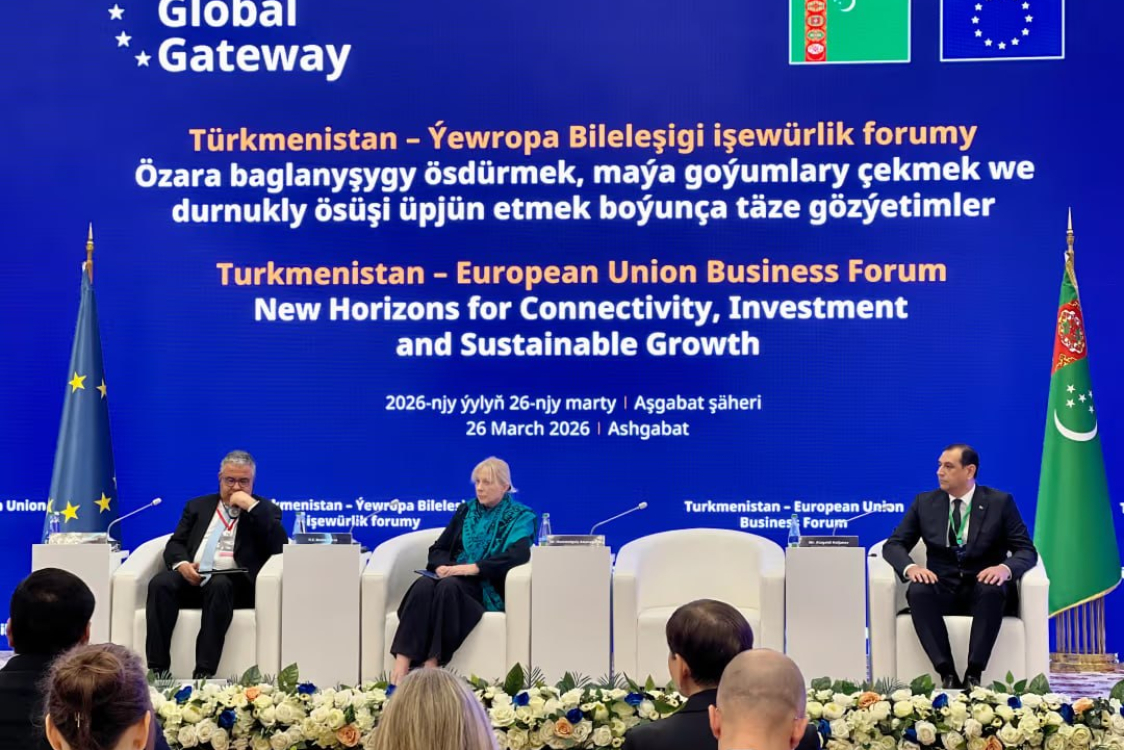
A business forum on developing cooperation with the EU has started in Ashgabat
26.03.2026On 26 March, the business forum ‘New Horizons for Connectivity, Investment and Sustainable Growth’ opened in Ashgabat, bringing together representatives of government bodies, the business sector and international organisations from Turkmenistan and the EU. This was reported by the news website Turkmenportal. The event is taking place at the ‘Ýyldyz’ Hotel with the support of the International Trade Centre (ITC) as part of the EU’s ‘Global Gateway’ initiative. Participants were welcomed by representatives of the Turkmen government, the European Union, the Foreign Affairs Ministry of the country and the ITC. The forum’s programme includes three panel sessions dedicated to improving the business climate, developing transport connectivity and issues relating to the ‘green’ transition. Discussions will focus on trade and investment between the EU and Turkmenistan, the Trans-Caspian Transport Corridor, the digitalisation of logistics, renewable energy and climate finance. It is also planned that an updated protocol to the memorandum of cooperation in the energy sector will be signed during the forum, providing for additional funding of €2 million for the ‘EU for a Green Development in Turkmenistan’ project. The forum venue is hosting B2B and B2G meetings, as well as an exhibition of Turkmen companies and joint projects. The event will conclude with a press conference and an official reception.
India intends to strengthen educational cooperation with Turkmenistan
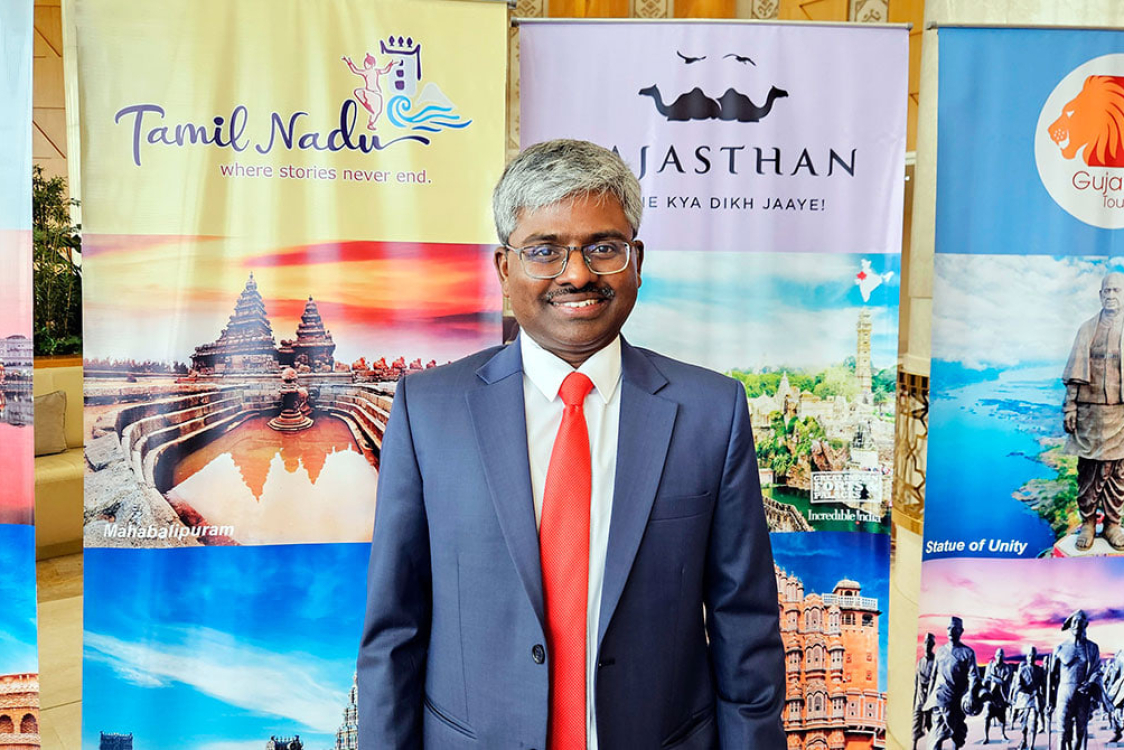
26.03.2026India’s Ambassador to Turkmenistan, Bandaru Wilsonbabu, spoke of the steady development of Turkmen-Indian relations and highlighted their historical foundations. According to him, cooperation between the two countries is based on centuries-old cultural and trade ties, reports the publication ‘Turkmenistan: Golden age’. The diplomat noted that, despite having gained independence relatively recently, India and Turkmenistan have deep historical roots of cooperation. Contacts between the peoples, he said, existed as far back as several millennia ago. Particular attention was paid to humanitarian cooperation. Interest in Indian culture, including cinema, music, yoga and Ayurveda, is growing in Turkmenistan. A Centre for Yoga and Traditional Medicine operates in Ashgabat, a Hindi Corner has been opened at the D. Azadi Turkmen National Institute of World Languages, and an Ayurveda clinic is in operation at the Turkmen State Medical University named after M. Garryev. Plans include inviting specialists from India to teach Hindi and traditional medicine. This will help to expand academic cooperation. The two sides are developing cooperation in the field of education. Every year, Turkmen students enrol in Indian universities. Consideration is being given to expanding study programmes to meet the needs of the economy, including the oil and gas sector, the chemical industry, pharmaceuticals, healthcare, digital technologies and education. The Ambassador expressed his gratitude to the leadership of Turkmenistan for supporting bilateral cooperation and confirmed India’s readiness to further develop it.
Read also
Advertising

 Read us in Zen


