


Policy
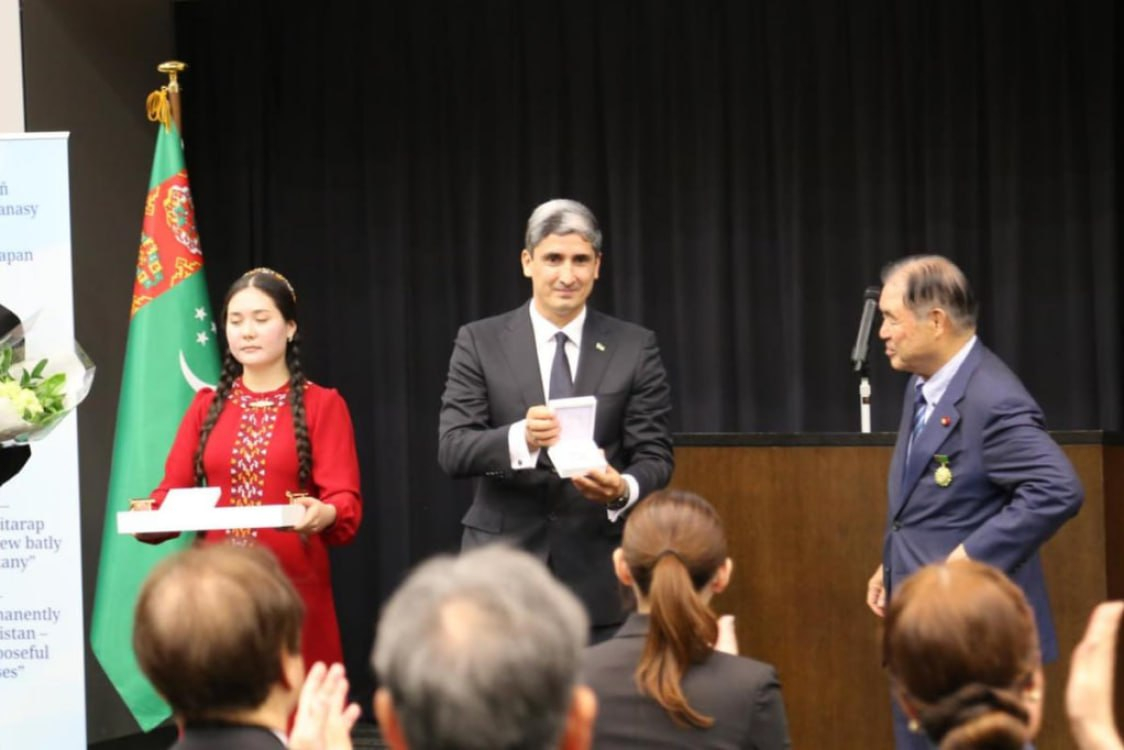
Toshiaki Endo awarded Turkmenistan jubilee medal in Tokyo
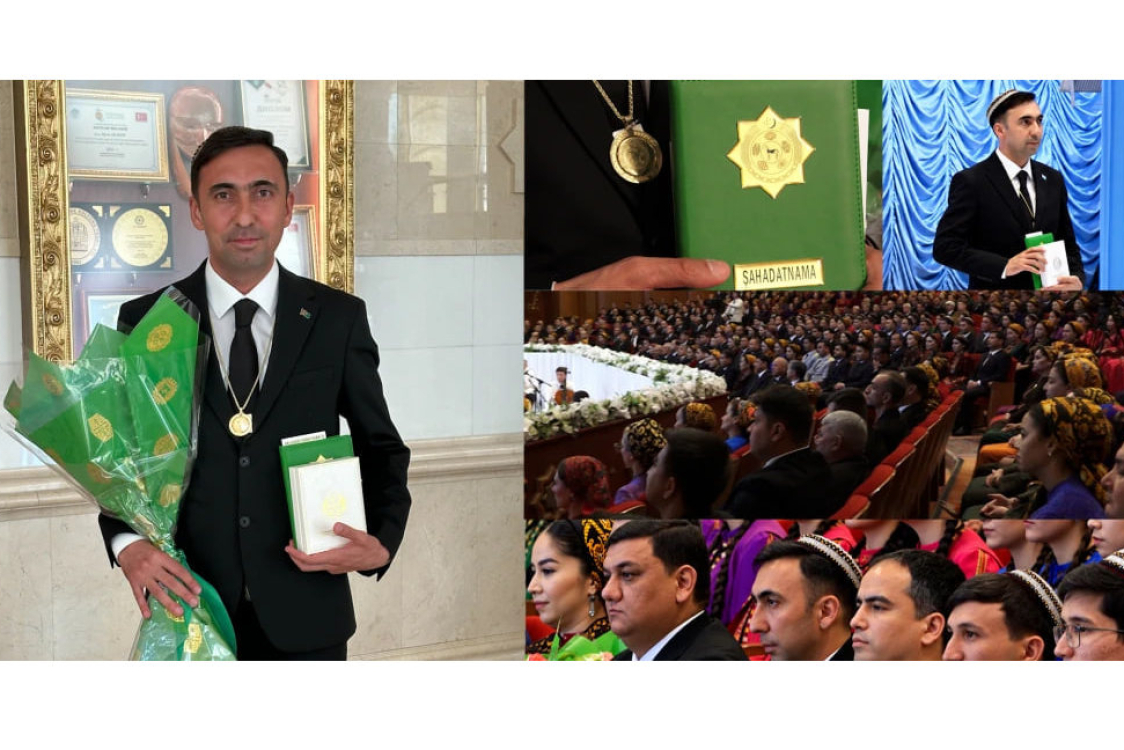
26.06.2026On June 25, 2026, a ceremonial presentation of the jubilee medal of Turkmenistan “Türkmenistanyň Bitaraplygynyň 30 ýyllygyna” and a commemorative silver coin took place at the Japanese Parliament building in Tokyo. The award was presented to former Chairman of the Japan–Turkmenistan Parliamentary Friendship League, Toshiaki Endo. The event was reported by the press service of the Ministry of Foreign Affairs of Turkmenistan. The ceremony was attended by representatives of the Ministry of Foreign Affairs of Japan, members of the Japanese Parliament, heads and staff of diplomatic missions accredited in the country, representatives of political and public circles and Japanese companies, as well as Turkmen students studying at Japanese universities. Welcoming speeches were delivered by the Ambassador of Turkmenistan to Japan A. Bayramov, Parliamentary Vice-Minister for Foreign Affairs of Japan Eri Arfiya, and the newly appointed Chairman of the Japan–Turkmenistan Parliamentary Friendship League Shinpei Matsushita. The speakers noted the high level of Turkmen–Japanese relations and Toshiaki Endo’s contribution to the development of intergovernmental and interparliamentary cooperation. On behalf of the Government of Turkmenistan, the Ambassador of Turkmenistan presented Toshiaki Endo with the jubilee medal “Türkmenistanyň Bitaraplygynyň 30 ýyllygyna,” a commemorative silver coin, and the corresponding certificate. After the award ceremony, Toshiaki Endo delivered a response speech, expressing gratitude to the leadership of Turkmenistan and reaffirming his intention to continue contributing to the development of friendly relations between Turkmenistan and Japan.
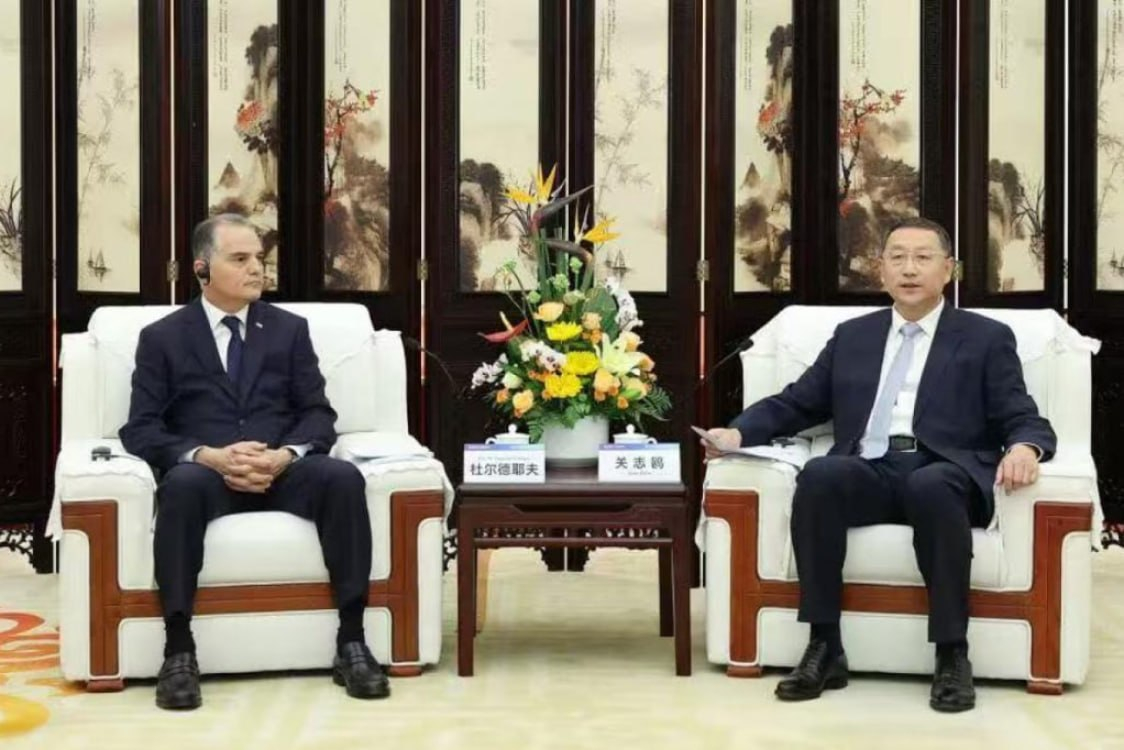
Ambassador of Turkmenistan Speaks at Meeting of Heads of Diplomatic Missions in Wuhan
26.06.2026On June 24, 2026, in Wuhan (PRC), Secretary of the Hubei Provincial Party Committee Guan Zhi’ao held an official meeting with a delegation of heads of diplomatic missions and experts from international organizations, including the SCO. The visit is taking place within the framework of the familiarization program “Hubei – an Inland Hub of Openness and Strategic Pivot.” This was reported by the news agency “Turkmenistan: Golden Age”. Representatives of 27 countries and international organizations accredited in China took part in the event. On their behalf, the Ambassador Extraordinary and Plenipotentiary of Turkmenistan to the People’s Republic of China, Parahat Durdyev, delivered a speech. Also present were Deputy Editor-in-Chief of the Xinhua News Agency, Ren Weidong, and Deputy Secretary of the Provincial Party Committee Zhuge Yujie. The Ambassador of Turkmenistan expressed gratitude to the leadership of Hubei Province, the Xinhua Institute, and the organizers for arranging the visit. He noted the historical nature of relations between the two countries and emphasized the continuity of the current year. The speech also highlighted the high dynamics of interstate dialogue, strengthened by high-level contacts in 2026. Special attention was given to cooperation with Hubei Province. In particular, the role of the Turkmen–Chinese Scientific and Innovation Forum was highlighted, along with cooperation between the International Center for Scientific and Technological Exchange of Hubei Province and the Academy of Sciences of Turkmenistan. At the end of the meeting, Ambassador Parahat Durdyev expressed gratitude to the organizers for the opportunity to familiarize themselves with the economic potential of the region and emphasized the significance of the visit for strengthening bilateral relations.
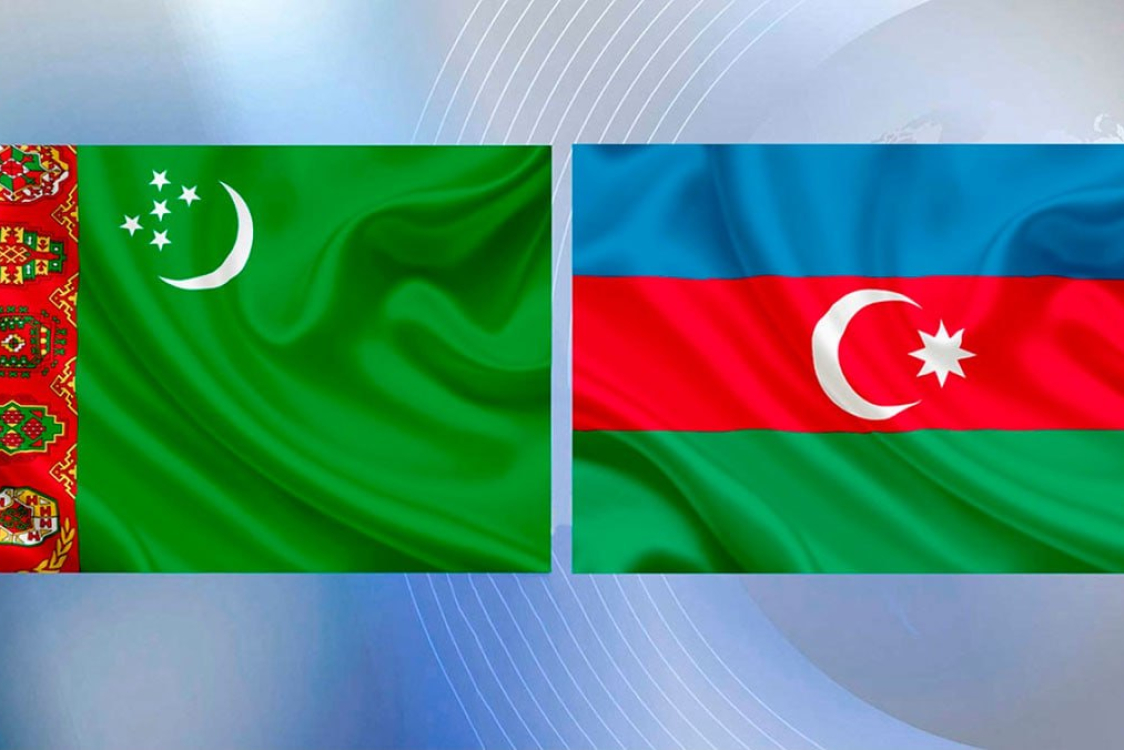
Turkmenistan and Azerbaijan Discussed Key Areas of Cooperation
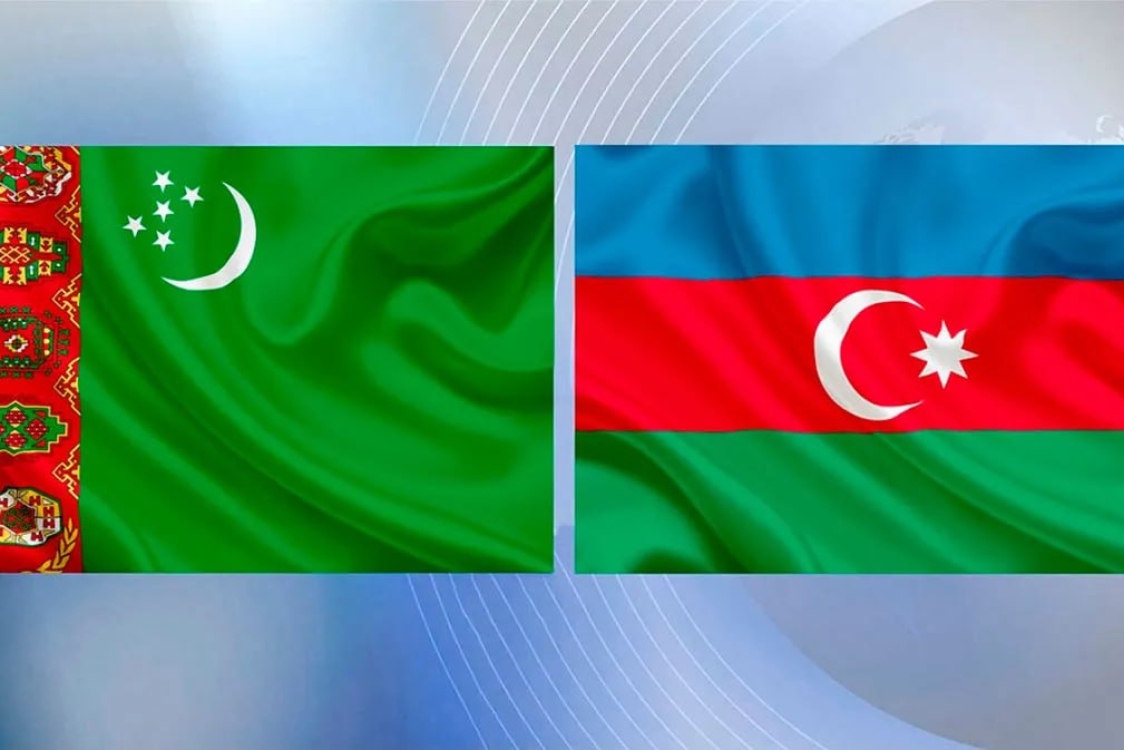
26.06.2026On June 25, the National Leader of the Turkmen people and Chairman of the Halk Maslahaty of Turkmenistan, Gurbanguly Berdimuhamedov, held a telephone conversation with the President of the Republic of Azerbaijan, Ilham Aliyev. This was reported by the TDH news agency. The two leaders discussed priority issues of bilateral cooperation and highlighted the importance of collaboration in the fields of culture, science, education, and sports. During the conversation, they also exchanged views on current areas of Turkmen-Azerbaijani relations.
Oguljahan Atabayeva Holds Meeting with the Palestinian Ambassador
26.06.2026On June 25, Oguljahan Atabayeva, Vice President for Medical Activities of the Gurbanguly Berdimuhamedov Charitable Foundation for Assistance to Children in Need of Guardianship, met with Rana Abu Hijleh, Ambassador Extraordinary and Plenipotentiary of the State of Palestine to Turkmenistan. This was reported by the TDH news agency. During the meeting, Oguljahan Atabayeva emphasized the importance of strengthening the friendly and brotherly relations between Turkmenistan and the State of Palestine. It was noted that Turkmenistan advocates peace, sustainable development, and security, which are directly linked to the well-being of children. It was stressed that the Foundation's activities are aimed at providing medical and social assistance to children in need of guardianship. The Foundation includes the Gurbanguly Berdimuhamedov Children's Health and Rehabilitation Center and an inclusive kindergarten. The Palestinian Ambassador expressed gratitude to the leadership of Turkmenistan for the humanitarian assistance provided to the Palestinian people through the Foundation's resources and highlighted the importance of its humanitarian initiatives. It was noted that the Foundation is actively engaged in humanitarian activities both within Turkmenistan and abroad. Oguljahan Atabayeva thanked the Ambassador for participating in the international conference, "The Role of Women in Modern Society: Expanding International Cooperation for Achieving the Sustainable Development Goals," held last December in the Avaza National Tourist Zone. The two sides emphasized the importance of further expanding humanitarian cooperation and expressed their readiness to strengthen it. Following the meeting, a contract-signing ceremony took place at the Foundation's headquarters between the Charitable Foundation and the Turkish company Gap İnşaat Yatırım ve Dış Ticaret A.Ş. for the modernization and reconstruction of a school in the city of Arkadag, as well as the construction of a physical education and sports complex and a 320-seat kindergarten. The project aims to create modern conditions for children's education and upbringing, foster the development of their abilities, and ensure their growth in the spirit of patriotism, humanism, and family values.
Ashgabat and Beijing Discuss Prospects for Expanding Humanitarian Cooperation
26.06.2026On June 25, Oguljahan Atabayeva, Vice President for Medical Activities of the Gurbanguly Berdimuhamedov Charitable Foundation for Assistance to Children in Need of Care, met with Ji Shumin, Ambassador Extraordinary and Plenipotentiary of the People's Republic of China to Turkmenistan. This was reported by the online news outlet AsmanNews. The parties discussed the development of Turkmen-Chinese cooperation, including collaboration in the humanitarian sphere and child healthcare. During the meeting, they noted the implementation of agreements reached during the Charitable Foundation's delegation visit to China in August last year. At that time, a Memorandum of Understanding was signed between the Gurbanguly Berdimuhamedov Charitable Foundation for Assistance to Children in Need of Care and the Soong Ching Ling Foundation. Particular attention was paid to the April visit to Turkmenistan by a delegation led by the President of the Beijing University of Chinese Medicine, as well as to prospects for cooperation in the field of child healthcare. The Gurbanguly Berdimuhamedov Charitable Foundation for Assistance to Children in Need of Care reaffirmed its readiness to consider proposals from its Chinese partners. At the conclusion of the meeting, both sides expressed confidence in the further development of cooperation for the benefit of the younger generation.
Turkmenistan and UNDP Discuss Expanding Cooperation
26.06.2026On June 25, Oguljahan Atabayeva, Vice President for Medical Activities of the Gurbanguly Berdimuhamedov Charitable Foundation for Assistance to Children in Need of Guardianship, held a meeting with Narine Sahakyan, Resident Representative of the United Nations Development Programme (UNDP) in Turkmenistan. This was reported by the TDH news agency. The parties discussed the further development of cooperation between Turkmenistan and the United Nations Development Programme, as well as the implementation of joint projects in the areas of socio-economic development and the achievement of the Sustainable Development Goals (SDGs). Oguljahan Atabayeva noted that one of the Foundation’s key priorities remains providing medical and social assistance to children in need of guardianship. According to her, hundreds of surgeries have been performed over the past years using the Foundation’s financial resources. Narine Sahakyan reaffirmed UNDP’s readiness to continue cooperation with Turkmenistan and highly praised the activities of the Charitable Foundation. It was also noted that the Foundation cooperates with relevant UN agencies, including the UNICEF Office in Turkmenistan, under a Memorandum signed in December last year. At the conclusion of the meeting, both sides expressed confidence in the further development of cooperation between Turkmenistan and the United Nations.
Meeting Held at the Ministry of Foreign Affairs of Turkmenistan with German Ambassador
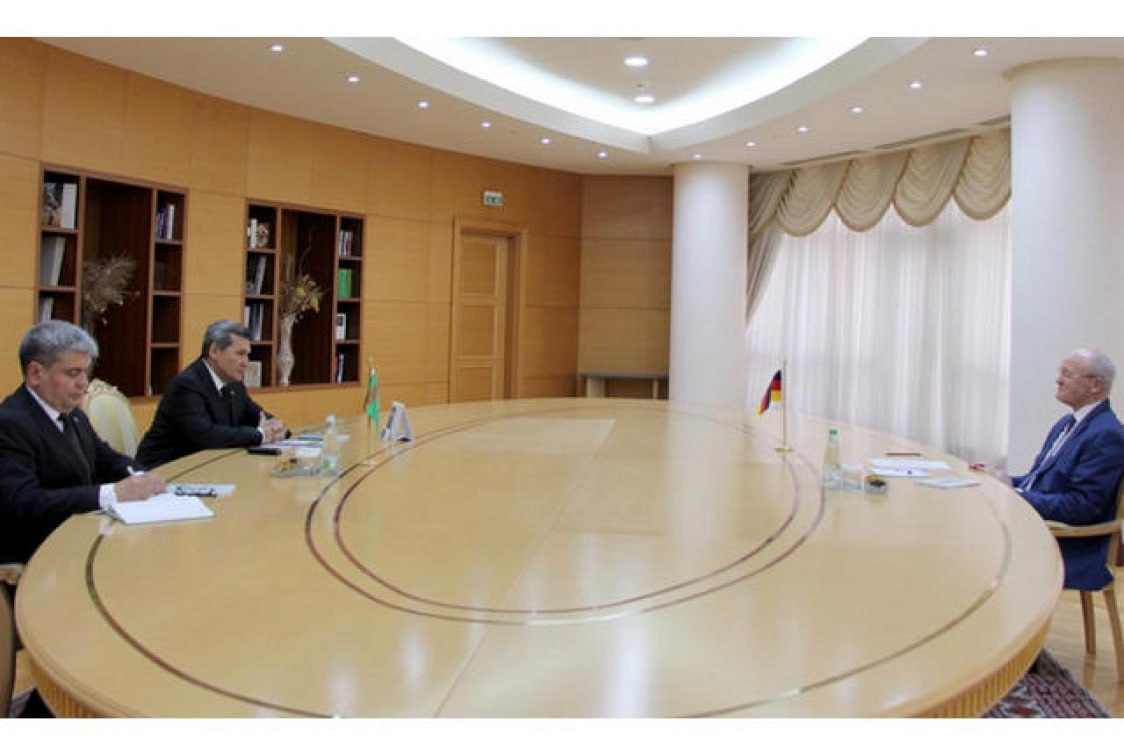
25.06.2026On June 24, 2026, the Minister of Foreign Affairs of Turkmenistan, Rashid Meredov, held a meeting with the Ambassador Extraordinary and Plenipotentiary of the Federal Republic of Germany to Turkmenistan, Bernd Heinze, who is concluding his diplomatic mission in the country. This was reported by the press service of the Ministry of Foreign Affairs of Turkmenistan. The sides discussed current issues of Turkmen-German cooperation and priority areas of interaction. Prospects for the development of political-diplomatic, trade-economic, and cultural-humanitarian ties were also reviewed. The importance of bilateral cooperation mechanisms was noted, including regular consultations, the work of relevant working groups, and interaction within international organizations. At the end of the meeting, Rashid Meredov expressed gratitude to the German Ambassador for his contribution to the development of bilateral relations and wished him continued success in his professional activities. The Ambassador thanked the Turkmen side for its support and constructive cooperation during his mission.
Serdar Berdimuhamedov Sends Condolences to the Emir of Qatar
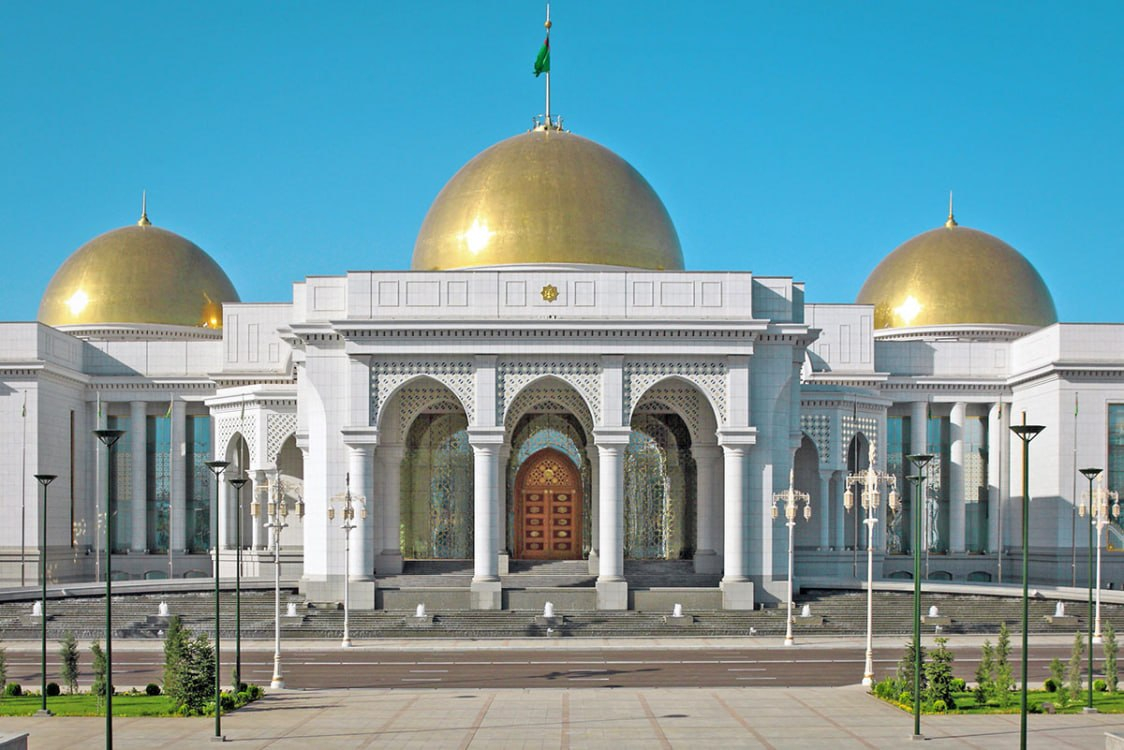
25.06.2026President of Turkmenistan Serdar Berdimuhamedov has sent condolences to the Emir of the State of Qatar, Sheikh Tamim bin Hamad Al Thani, in connection with the explosion at a gas processing plant in the Ras Laffan industrial zone, which resulted in fatalities and injuries. This was reported by the news website AsmanNews. On behalf of the people and Government of Turkmenistan, as well as personally, the head of state expressed support to the families and relatives of those who lost their lives and wished a speedy recovery to those injured.
President of Turkmenistan Sends Congratulatory Message to the President of Slovenia
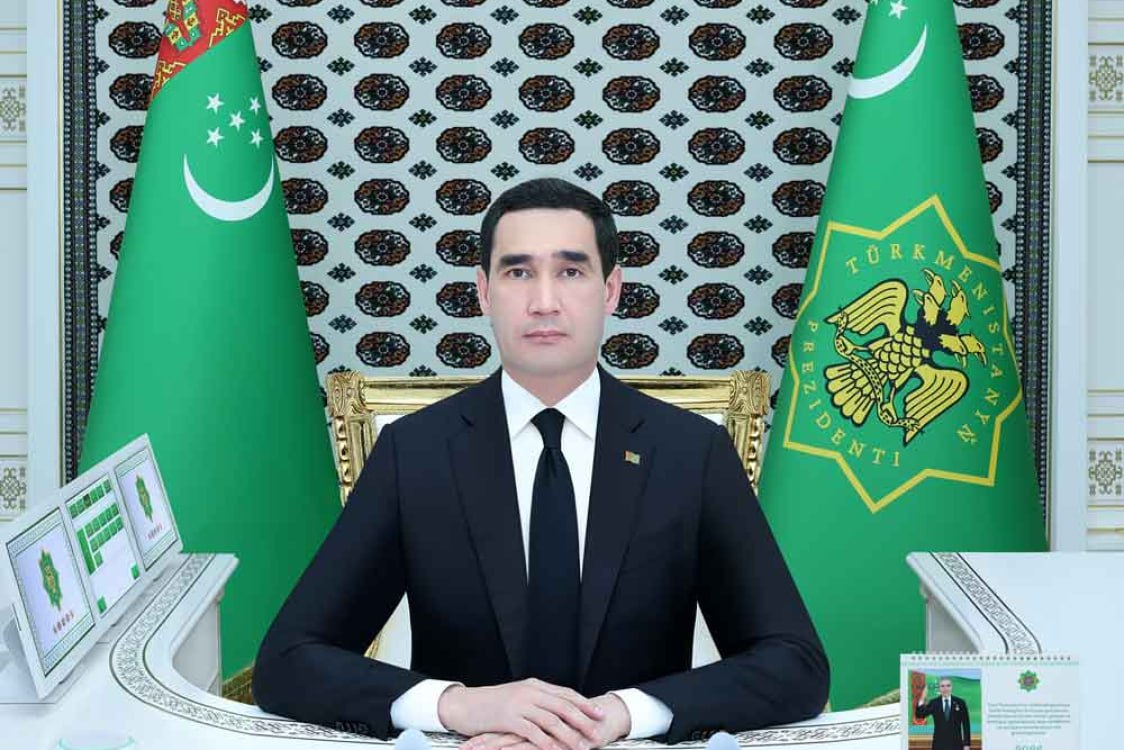
25.06.2026President of Turkmenistan Serdar Berdimuhamedov sent a congratulatory message to the President of the Republic of Slovenia, Nataša Pirc Musar, on the occasion of the country's national holiday — Statehood Day. This was reported by the TDH news agency. In his message, the President of Turkmenistan wished the President of Slovenia good health, happiness, and well-being, and wished the people of the country peace, progress, and prosperity.
President of Turkmenistan Concludes Visit to Azerbaijan
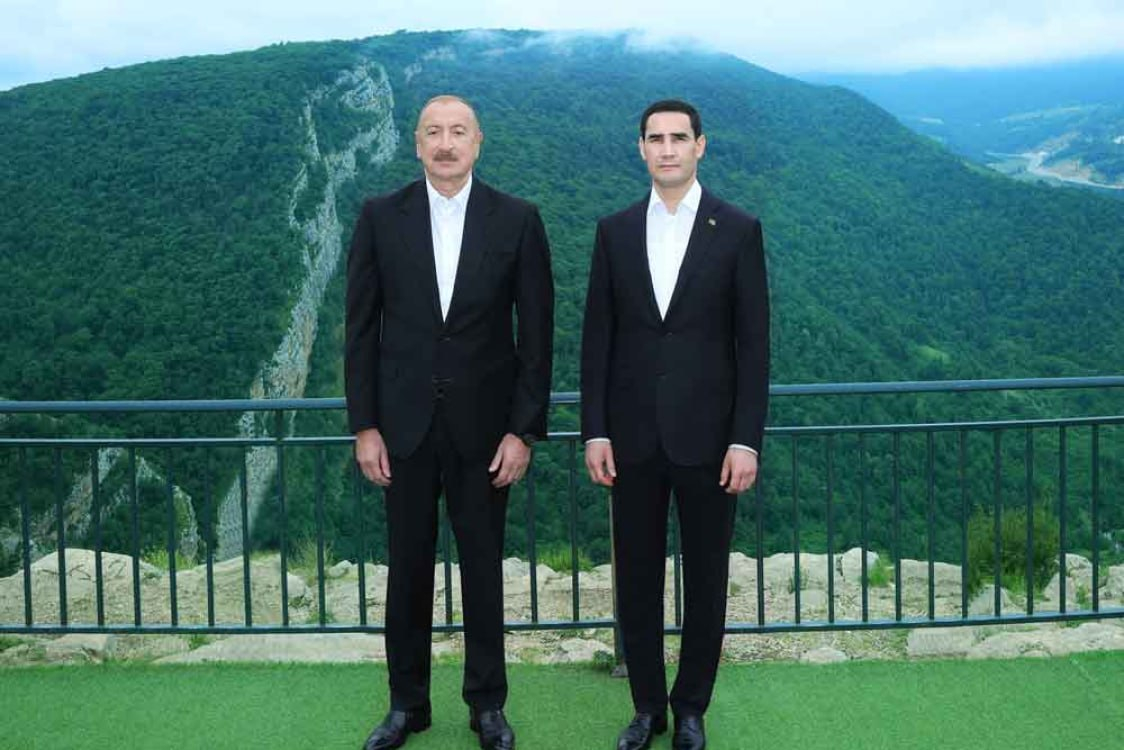
24.06.2026President of Turkmenistan Serdar Berdimuhamedov concluded his state visit to Azerbaijan on June 23 with visits to the cities of Fuzuli and Shusha. This was reported by the TDH news agency. At Fuzuli International Airport, the President of Turkmenistan was welcomed by the President of the Republic of Azerbaijan, Ilham Aliyev. The two heads of state reviewed construction projects in Fuzuli, including a mosque being built at the initiative of the National Leader of the Turkmen people and Chairman of the Halk Maslahaty, Gurbanguly Berdimuhamedov, with funding from the Gurbanguly Berdimuhamedov Charitable Foundation for Assistance to Children in Need of Care. The presidents then traveled to Shusha, where they inspected a new residential complex and a mosque under construction. President Berdimuhamedov was also presented with an exhibition dedicated to the life and work of Heydar Aliyev, after which the two leaders visited several cultural and historical sites in the city, including the Shusha Fortress and the Bulbul House Museum. During a visit to the Jidir Duzu plain, the President of Azerbaijan presented Serdar Berdimuhamedov with a Karabakh horse named Mert as a gift. The Turkmen leader thanked him for the gift, noting that he viewed it as a symbol of friendship between the two countries. At the conclusion of the visit, the presidents arrived at Fuzuli Airport, where they exchanged farewell wishes. Serdar Berdimuhamedov then departed for Turkmenistan. Some time later, the presidential aircraft landed at Ashgabat International Airport.
President of Turkmenistan Presented with a Karabakh Horse in Azerbaijan
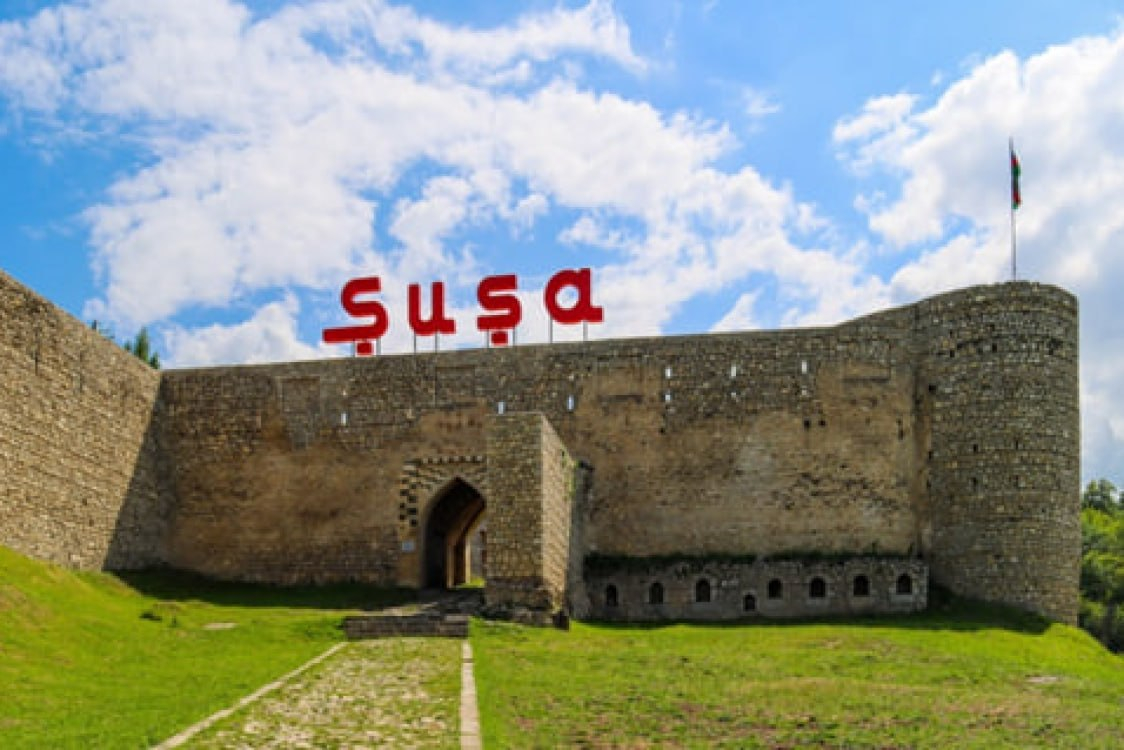
24.06.2026As part of the state visit of President of Turkmenistan Serdar Berdimuhamedov to the Republic of Azerbaijan, a trip to the city of Shusha took place together with President of Azerbaijan Ilham Aliyev. As a symbol of respect and friendship between the two countries, the President of Turkmenistan was presented with a Karabakh horse. This was reported by the IIC. Shusha is located at an altitude of 1,368 meters above sea level and is considered the cultural capital of Azerbaijan. In the 19th and 20th centuries, the city was one of the centers of the Caucasus’ musical culture. It is also known as a mountain resort. Its historic center features architectural monuments, mosques, caravanserais, madrasas, and fortress structures. Upon arrival, the heads of state familiarized themselves with the construction of a residential complex and inspected the Shusha Mosque currently under construction. They then visited an exhibition dedicated to national leader Heydar Aliyev and the history of Karabakh, as well as a number of historical and cultural sites. During the visit, the Presidents of the two countries also traveled to the Jidir Duzu plain, where Azerbaijani horsemen staged demonstration performances featuring Karabakh horses.
President of Turkmenistan Visits Azerbaijan’s Cultural Capital
24.06.2026As part of his state visit to Azerbaijan, President of Turkmenistan Serdar Berdimuhamedov, together with President of Azerbaijan Ilham Aliyev, visited the city of Shusha. This was reported by the IIC. Shusha, situated at an altitude of 1,368 meters above sea level, is considered the cultural capital of Azerbaijan. The city is renowned for its rich historical and architectural heritage, as well as its picturesque landscapes and favorable climate. During the trip, the two heads of state reviewed the progress of construction of a new residential complex and the Shusha Mosque. They also visited an exhibition dedicated to Azerbaijan’s National Leader Heydar Aliyev and the history of Karabakh, and toured several of the city’s historical and cultural landmarks. The visit program continued on the Jidir Duzu plain, where a special equestrian performance featuring Karabakh horses was organized for the leaders of the two countries. As a sign of respect and friendship between the Turkmen and Azerbaijani peoples, the President of Turkmenistan was presented with a Karabakh horse as a gift. The gesture symbolized the further strengthening of the brotherly relations between the two states.
Read also
Advertising


 Read us in Zen


