



Society
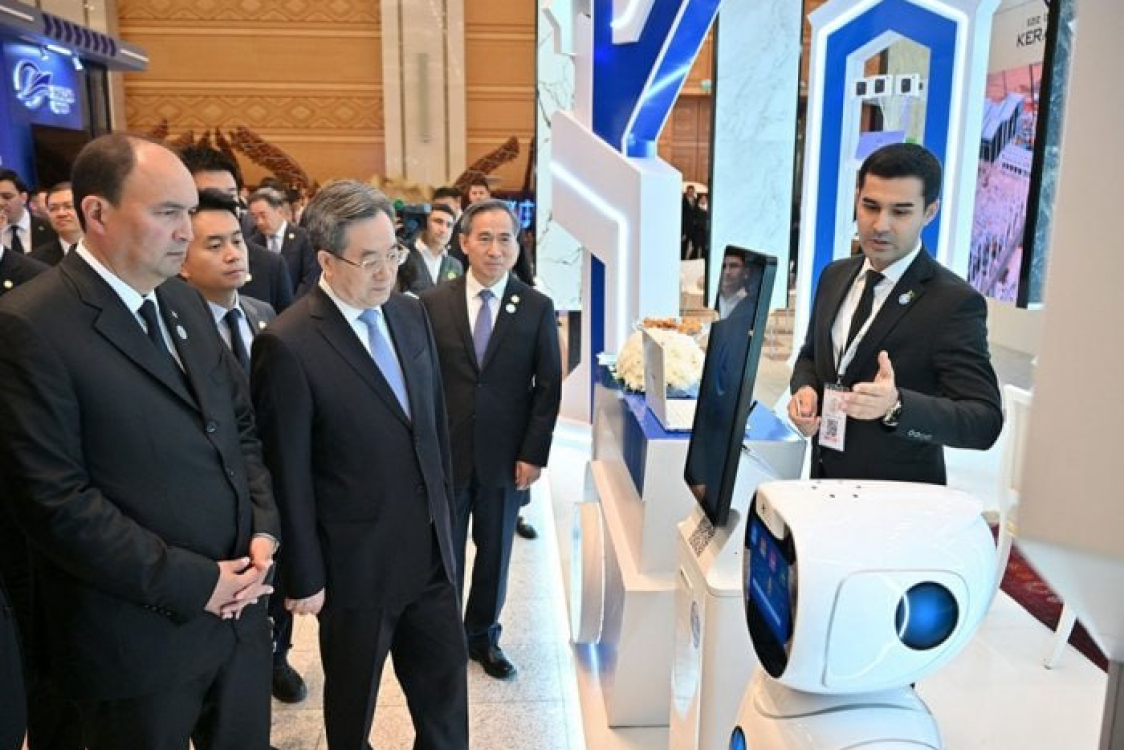
Turkmenistan and China have unveiled an AI robot capable of understanding the Turkmen language
17.04.2026The company ‘Aýdyň Gijeler’, in collaboration with the Chinese company ‘Inspur Group Co., Ltd’, is developing a robot equipped with artificial intelligence capabilities that supports the Turkmen language. This was reported by the online publication ‘Business Turkmenistan’. The prototype was unveiled at an international conference in Ashgabat marking the 20th anniversary of strategic cooperation between Turkmenistan and China in the gas sector. The exhibition was visited by a representative of the Chinese Communist Party leadership and First Vice-Premier of the State Council of the PRC, Ding Xuexiang, who spoke positively about developments in robotics and the advancement of AI in the Turkmen language. The project is seen as one of the first steps towards the introduction of artificial intelligence in Turkmenistan and could form the basis for the sector’s further development. The company ‘Aýdyň Gijeler’, established in 2016 with the support of the Ministry of Industry and Construction of Turkmenistan, is engaged in high-tech manufacturing and cooperates with Chinese electronics manufacturers.
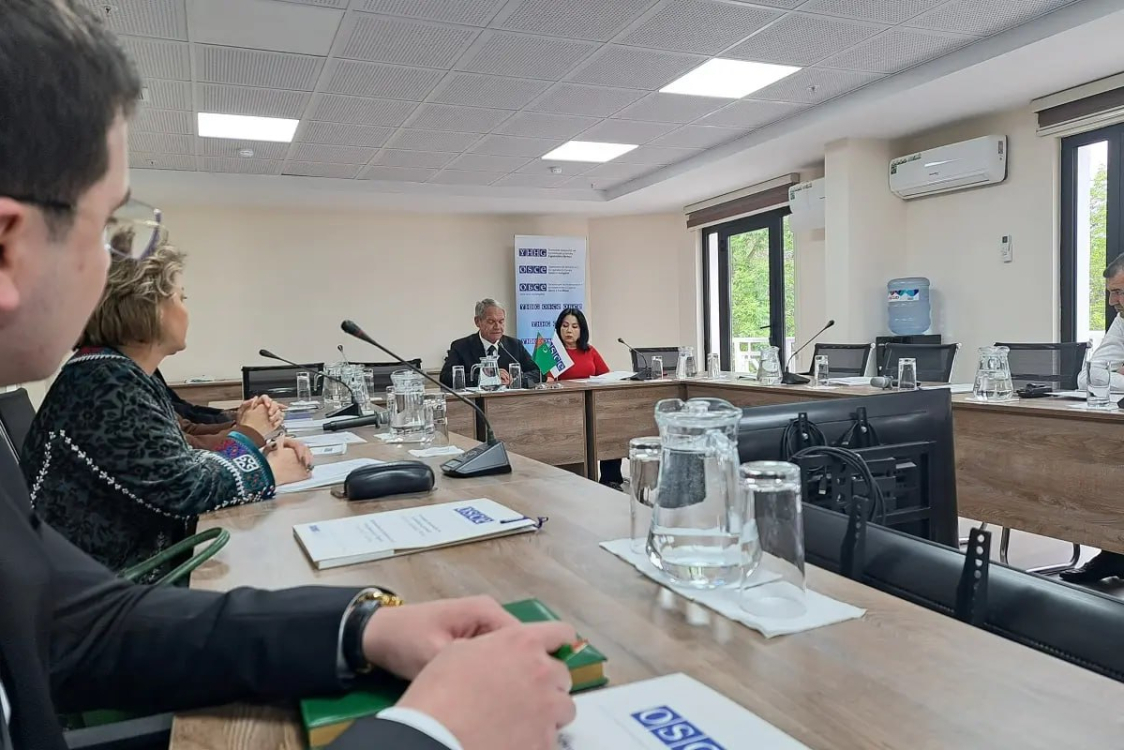
The OSCE Centre in Ashgabat held a two-day seminar
17.04.2026A two-day seminar on combating corruption as a foundation for economic stability took place in Ashgabat from 15 to 16 April. The event, organised by the OSCE Centre, aimed to analyse Turkmenistan’s legislation and bring it into line with international standards set by the UN, the OECD and the Council of Europe, according to the news agency Orient. The programme included both theoretical discussions and the analysis of practical case studies. Representatives from the Mejlis, the Ministry of Finance, the Ministry of the Interior and the Prosecutor General’s Office, together with an expert from Latvia, examined anti-corruption strategies, the identification of risks within state structures and approaches to assessing the effectiveness of measures. William Leaf, Head of the OSCE Centre in Ashgabat, noted that a key element in the fight against corruption is strengthening the accountability of governance. Participants also studied the experience of EU and Central Asian countries in criminalising corruption offences to further improve institutions. Particular attention was paid to the educational aspect: the materials produced are planned to be incorporated into the training of future lawyers and diplomats. Lecturers note that studying international practices will help to train specialists who are focused on good governance standards right from the training stage.
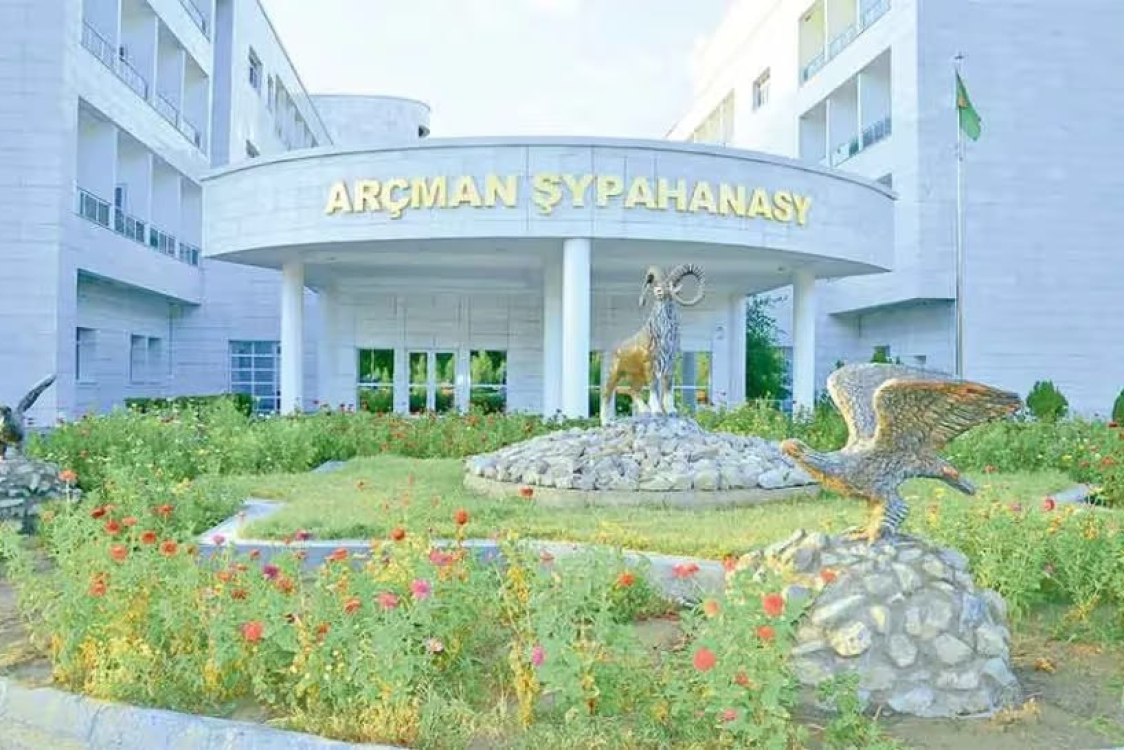
Experts from China visited Turkmenistan’s leading health resorts
17.04.2026A Chinese delegation led by Tang Zhishu, Rector of Beijing University of Chinese Medicine, visited the ‘Arçman’ and ‘Ýyly Suw’ health resorts in Turkmenistan, as well as the Kow Ata underground lake. This was reported by the news website Turkmenportal. The guests were introduced to the resorts’ natural therapeutic resources and their potential for health improvement. Experts paid particular attention to the natural environment, noting its high therapeutic value. At Kow Ata, the delegation was introduced to the unique features of the underground lake and cave complex. Following the visit, the participants spoke highly of the country’s health resort infrastructure.
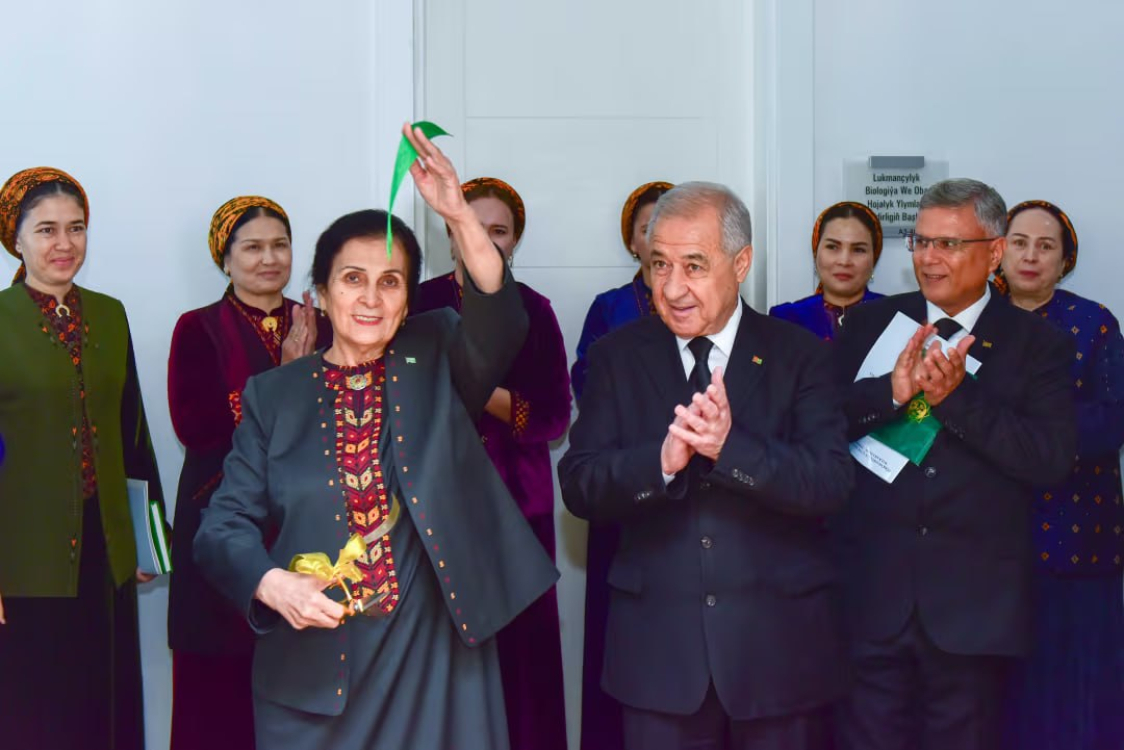
A UNESCO Department of ‘Digital Science’ has been launched in Turkmenistan
17.04.2026A UNESCO Chair in ‘Digital Science’ has been established at the International Scientific-Technological Park of the Academy of Sciences of Turkmenistan. This was reported by the news website Turkmenportal, citing the newspaper ‘Neutral Turkmenistan’. This is now the third such unit in the country under the UNITWIN programme, which aims to accelerate the digital transformation of science and its integration into the global scientific and educational community. The Chair has been established within the UNESCO network, which brings together more than 1,100 centres in over 130 countries, and complements existing specialist chairs in Turkmenistan in the fields of cultural heritage and environmental education. Nikolay Nikolayev, a research fellow at the GIS laboratory, has been appointed as head of the department. Key areas of focus include artificial intelligence, big data, geospatial technologies and satellite monitoring for resource management and the development of the agro-industrial complex. Partnerships have already been established with research centres in Russia, Belarus, Turkey and Iran. Participants at the ceremony emphasised that the project is in line with UNESCO’s strategy for 2022–2029, including the principles of open science and AI ethics.
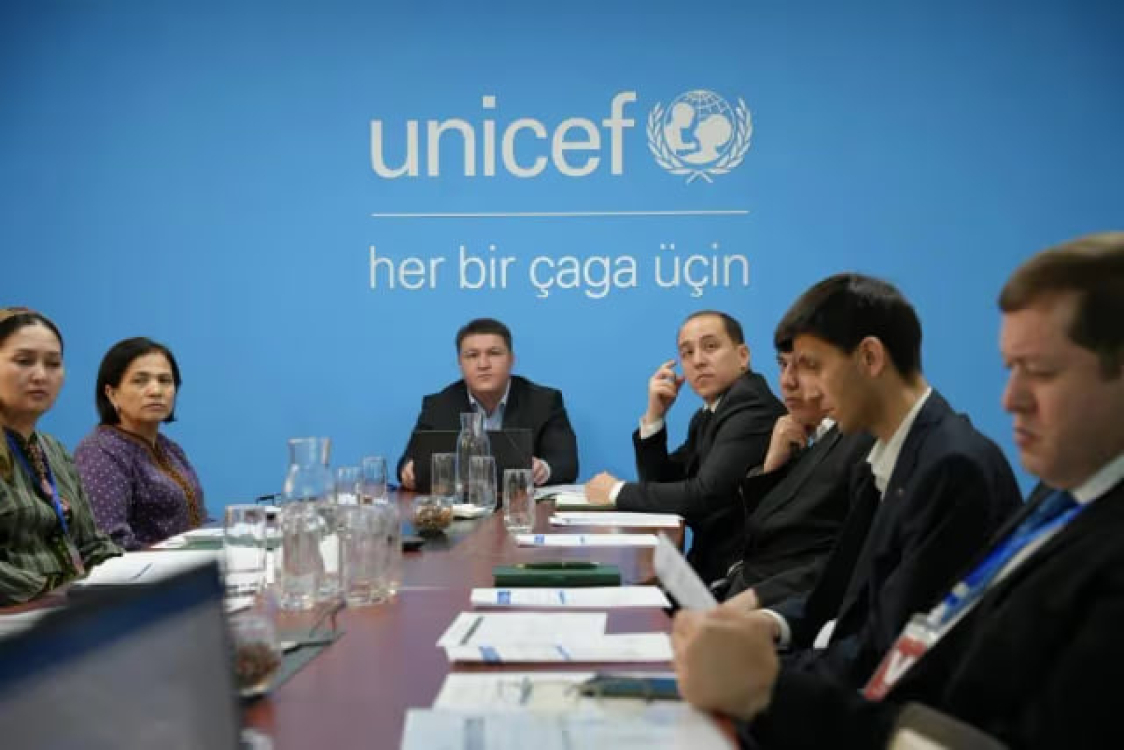
Ashgabat launches development of a children’s rights programme
17.04.2026In Turkmenistan, with technical support from UNICEF, work has begun on developing a National Programme on Child Protection and Justice for Children. This was reported by Turkmenportal. The first meeting of the Inter-ministerial Working Group took place on 15 April in Ashgabat. The group was established by the Government of Turkmenistan. Coordination is being led by the General Prosecutor’s Office. The group comprises representatives from 10 government departments. This is the first time such an initiative has been launched. The aim is to unite the efforts of different sectors and establish a unified approach to the protection of children’s rights and the justice system. The programme is based on the Constitution of Turkmenistan, national legislation on children’s rights and the National Action Plan for 2023–2028. It also takes into account the recommendations of the UN Committee on the Rights of the Child (2024) and the Universal Periodic Review (2023). The document is aligned with the UN Framework Programme for 2026–2030 and UNICEF’s country programme for Turkmenistan for the same period. UNICEF Representative in Turkmenistan Jalpa Ratna noted that the programme reflects the country’s commitment to children’s rights and will help build a more coordinated system for the protection of children and families.
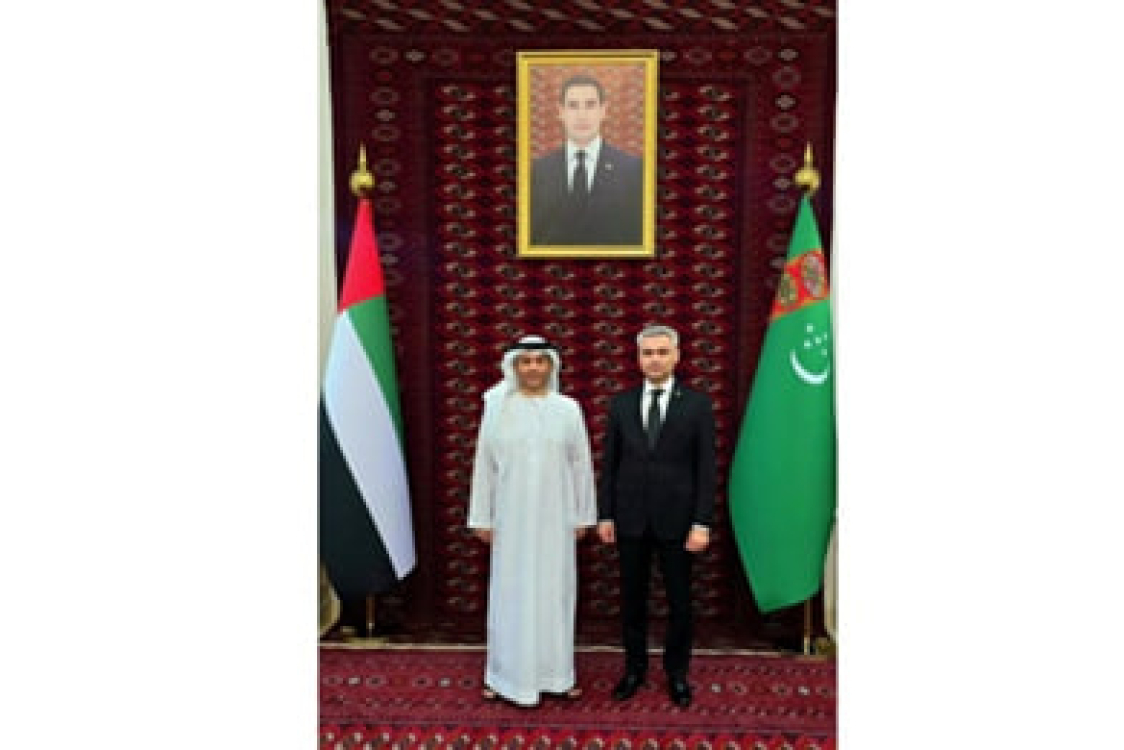
Turkmenistan and the UAE are developing cooperation in the field of horse breeding
16.04.2026On 14 April 2026, Bayram Bayramov, Turkmenistan’s Ambassador to the United Arab Emirates, met with Mohamed Ahmed Al Harbi, Director General of the Emirates Arabian Horse Society (EAHS). This was reported by the IIC of Turkmenistan. The negotiations focused on developing cooperation in the field of horse breeding, taking into account that 2026 in Turkmenistan is being held under the motto ‘Independent Neutral Turkmenistan − the Homeland of Purposeful Winged Horses’. The parties discussed the preparation of a Memorandum of Understanding between the relevant ministries as the basis for formalising the partnership. Issues of technical cooperation were considered, including the exchange of experience in the field of digital pedigree records and veterinary protocols. A willingness to engage in regular dialogue to coordinate joint initiatives was noted. The significance of the racehorse as a cultural symbol for Turkmenistan and the United Arab Emirates was emphasised.
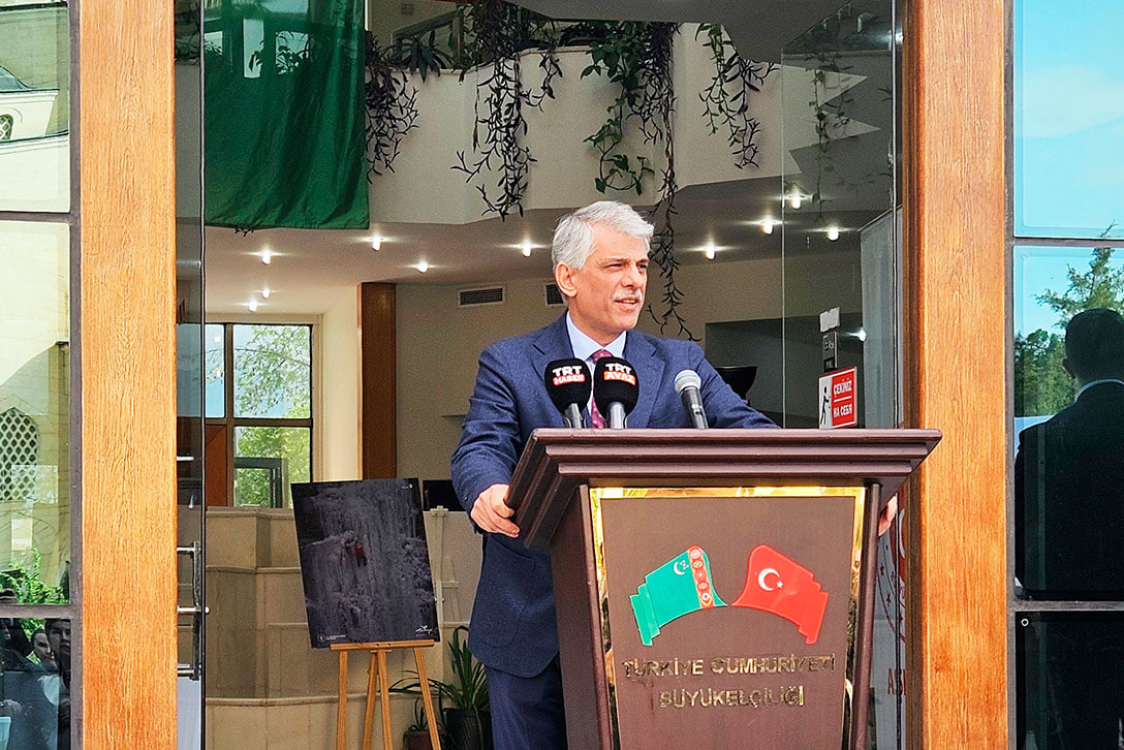
Turkey has proposed a model for developing tourism to Turkmenistan
16.04.2026On April 14, Turkish Tourism Week opened at the Turkish Cultural Centre in Ashgabat. The ceremony was attended by diplomats, representatives of the tourism industry, cultural figures and members of the media. The guest of honour was Nadir Alpaslan, Deputy Minister of Culture and Tourism of the Republic of Turkey. This was reported by the publication ‘Turkmenistan: Golden age’. In his speech, he noted the shared historical and cultural heritage of Turkmenistan and Turkey, and emphasised the importance of the ‘One Nation, Two States’ concept for the development of tourism. The Deputy Minister proposed using the ‘Turkish model’ for the sector’s development. According to him, combining Turkey’s tourism potential with Turkmenistan’s attractions, including Ancient Merv, Nisa, Kunya-Urgench and the Karakum ecosystem, could contribute to the development of routes along the Great Silk Road. Nadir Alpaslan expressed interest in expanding investment and making more effective use of transport infrastructure with the participation of the public and private sectors. He expressed confidence that the holding of Turkish Tourism Week would create additional opportunities for cooperation.
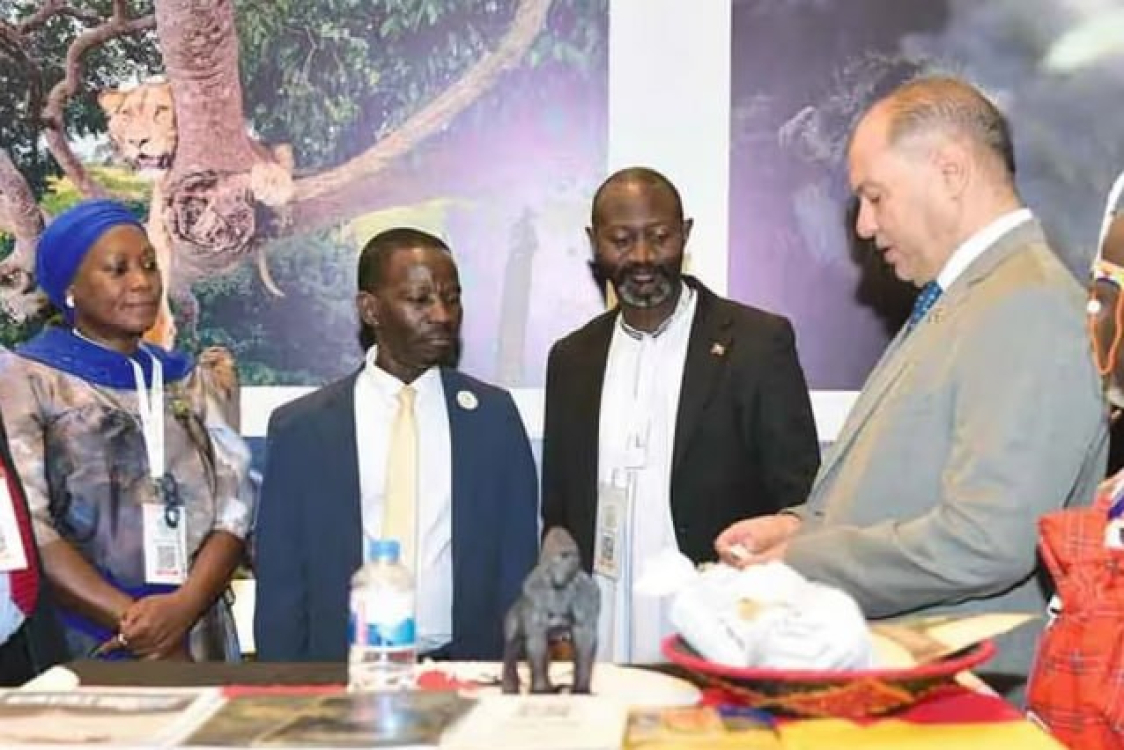
Uganda showcased its tourism potential at the ‘Turkmentravel – 2026’ exhibition
15.04.2026Uganda showcased its tourism potential for the first time at the international exhibition ‘Turkmentravel – 2026’ in Ashgabat. The country invited tourists from Turkmenistan to go on safaris, visit the source of the Nile and discover the culture of more than 52 ethnic groups, according to the news website Turkmenportal. Herman Olimi, a representative of the Uganda Tourism Board, highlighted the country’s rich natural and ethnocultural heritage, emphasising the opportunity to see gorillas, chimpanzees, giraffes and rare birds, as well as to visit the source of the Nile and one of the world’s largest freshwater lakes. He added that participation in the exhibition is aimed at developing partnerships with the Turkmen side and expanding mutual tourism exchanges. ‘Turkmentravel – 2026’ is taking place in Ashgabat from 14 to 16 April and brings together companies from various countries presenting tourism opportunities and international cooperation projects.
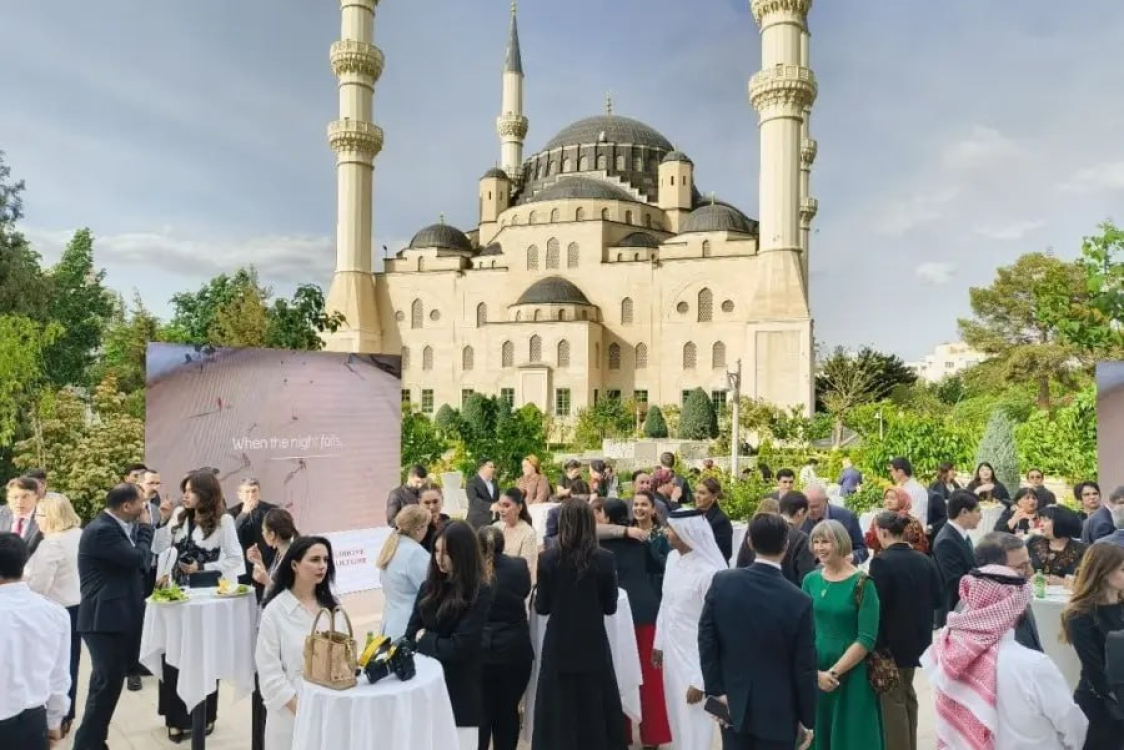
Ashgabat hosted an event to mark Turkish Tourism Week
15.04.2026On 14 April, an event marking Turkish Tourism Week was held at the Turkish Cultural Centre in Ashgabat. It was attended by representatives of the diplomatic corps, the tourism industry, cultural circles and the media, as well as Turkey’s Deputy Minister of Culture and Tourism, Nadir Alpaslan, according to the Orient news agency. In his speech, he emphasised the role of tourism as a tool for strengthening international ties and noted the importance of cultural dialogue between Turkey and Turkmenistan. According to him, cooperation between the two countries is based on historical and cultural proximity and opens up opportunities for the development of the Great Silk Road routes. He also stated that Turkey is developing a multi-faceted tourism sector — ranging from archaeology and gastronomy to medical and religious tourism — and is interested in expanding investment and transport accessibility. Ahmet Demirok, Turkish Ambassador to Turkmenistan, in turn, highlighted the country’s significance on the global tourism map and described tourism as a ‘bridge between cultures’, emphasising Turkey’s popularity among Turkmenistan’s citizens and the diplomatic mission’s readiness to facilitate travel. As part of the programme, a photo exhibition showcasing Turkey’s natural and cultural attractions was presented, along with a display of historical artefacts. Guests at the event sampled dishes from the national cuisine and traditional sweets.
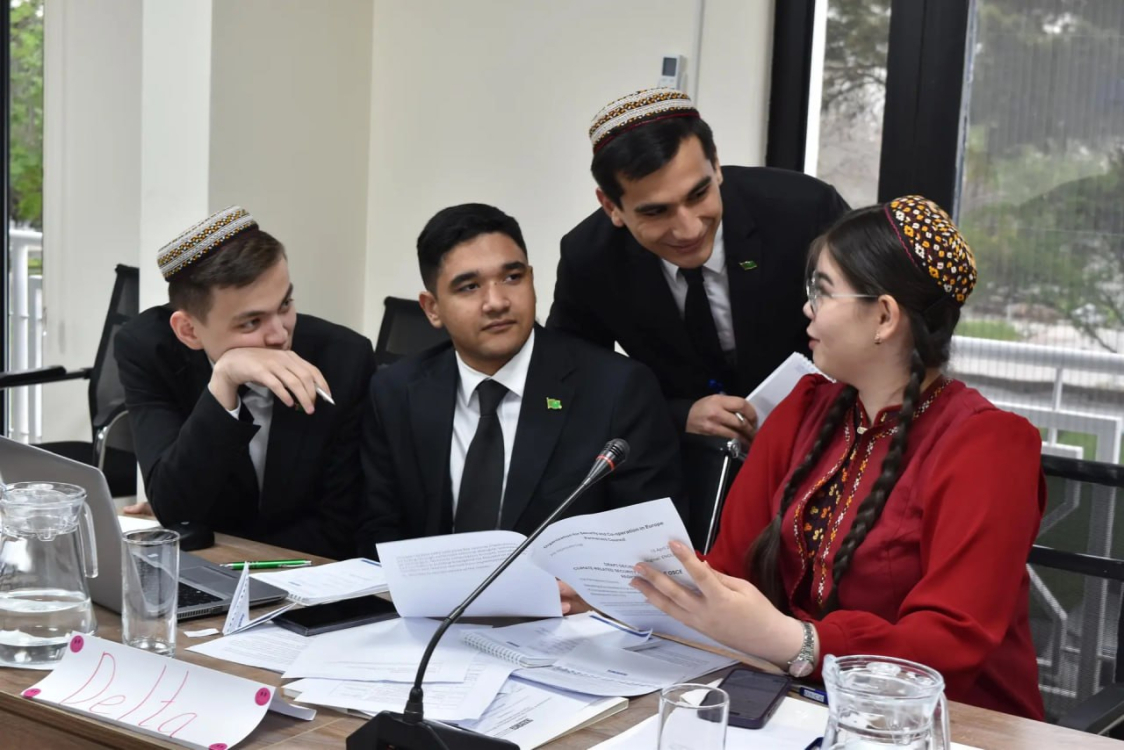
Young people from Turkmenistan discussed climate and security as part of the ‘Model OSCE’
15.04.2026A two-day ‘OSCE Model’ event was held in Ashgabat, during which students from the country’s leading universities discussed global environmental challenges and their impact on regional security. From 13 to 14 April, lecture theatres became venues for diplomatic discussions on the climate and its consequences, according to the news agency Orient. Participants from relevant universities practised the OSCE’s key principle – consensus-building – whilst learning to seek compromises at the intersection of economics, the environment and international interests. An international expert, joining remotely, emphasised that environmental degradation requires a combination of political experience and the energy of young people. William Leaf, Head of the OSCE Centre in Ashgabat, noted that climate change affects the political, economic-environmental and humanitarian dimensions of security. According to him, such initiatives help to shape a new generation of leaders focused on dialogue and practical solutions. Under the guidance of trainers, the students simulated the decision-making process on climate-related case studies. The outcome of the discussions was the need for innovative and inclusive approaches to ensure sustainable environmental solutions. For the 25 participants, the project proved to be a valuable experience in the field of climate diplomacy.
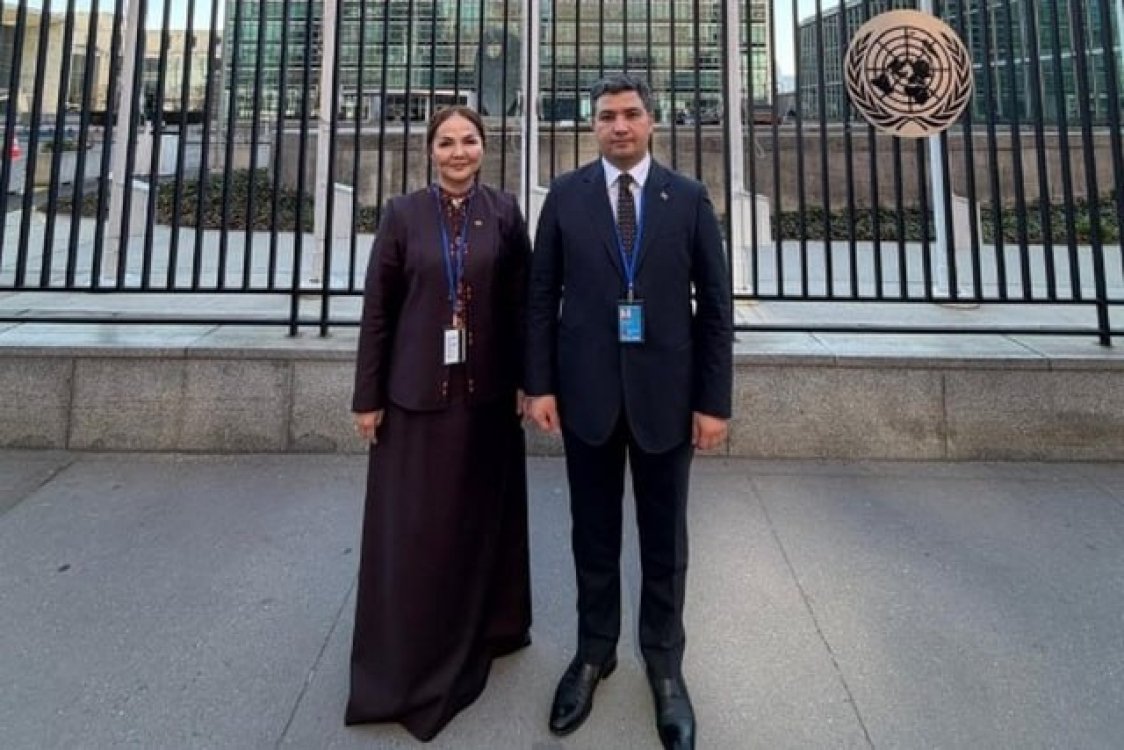
Turkmenistan took part in the opening of the ECOSOC Youth Forum in New York
15.04.2026On 14 April, a delegation from the Ministry of Education of Turkmenistan took part in the opening of the Youth Forum organised by the United Nations Economic and Social Council (ECOSOC) in New York. This was reported by the press service of the Ministry of Education of Turkmenistan. The event is being held under the theme of the role of innovation and youth in achieving the Sustainable Development Goals by 2030 and brings together representatives from countries, UN bodies and partner organisations. Turkmenistan is represented at the forum by Gulnabat Gurdova, Head of the International Cooperation Department at the Ministry of Education of Turkmenistan, and Wepa Gutlyev, Head of the Youth Policy Department. The first day is dedicated to the theme of engaging with young people to develop inclusive and sustainable solutions. The programme began with an official opening ceremony and speeches by high-ranking UN representatives, followed by a discussion on the role of youth initiatives in accelerating the achievement of the Sustainable Development Goals. Participants discussed the contribution of young leaders to addressing global challenges, including issues of social justice, climate and inclusive development, emphasising the need to expand youth participation in decision-making. The forum also features sessions on clean water, affordable energy and innovative development, addressing issues of sustainable infrastructure, digital transformation and entrepreneurship. Turkmenistan’s participation confirms the country’s commitment to developing international cooperation in the fields of youth policy, education and sustainable development, whilst the forum itself serves as a platform for exchanging experiences and promoting the role of young people in addressing global challenges.
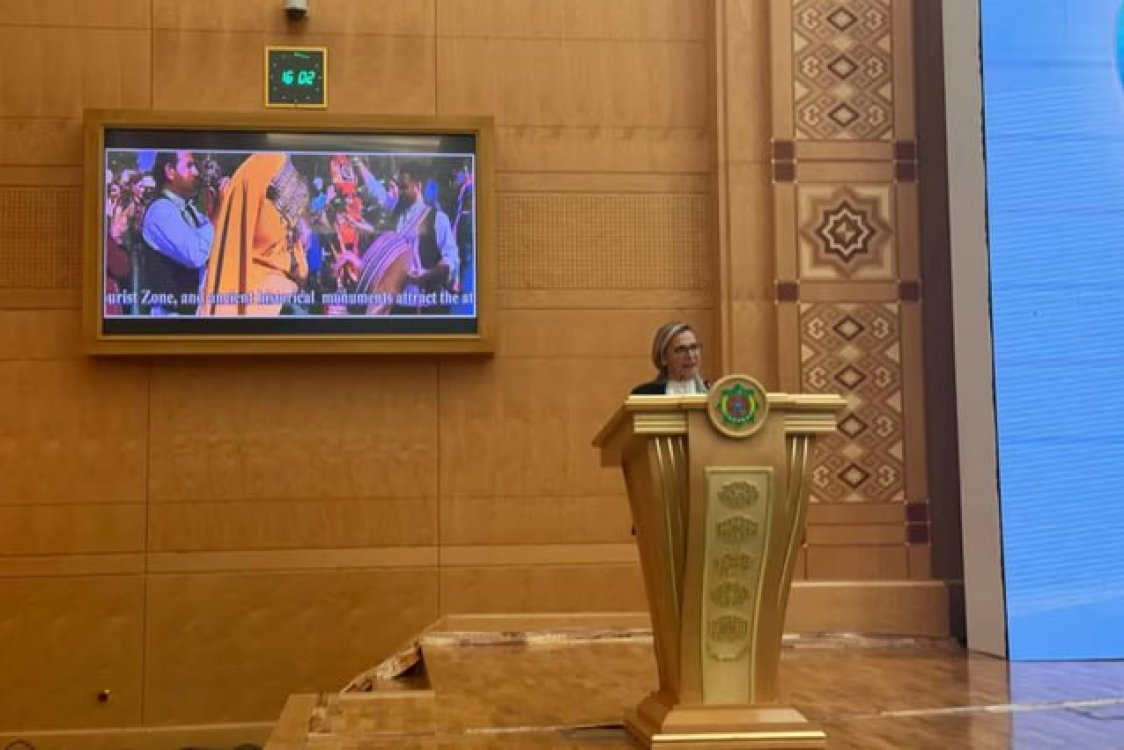
The UNWTO has assessed the prospects for tourism development in Turkmenistan
15.04.2026Turkmenistan has the potential to become a competitive tourist destination, said Cordula Wohlmuther, Regional Director for Europe at the United Nations World Tourism Organisation (UNWTO), at the ‘Turkmentravel – 2026’ conference. This was reported by the news website Turkmenportal. According to her, Central Asia is emerging as a promising tourist region due to its shared heritage, favourable geographical location and growing connectivity. She also highlighted the region’s stability and security, noting Turkmenistan’s important role. The country’s cooperation with the UNWTO focuses on sustainable development, diversification of tourism products, digitalisation and attracting investment. The organisation intends to continue supporting the realisation of the country’s tourism potential.
Read also
Advertising



 Read us in Zen


