



Economy
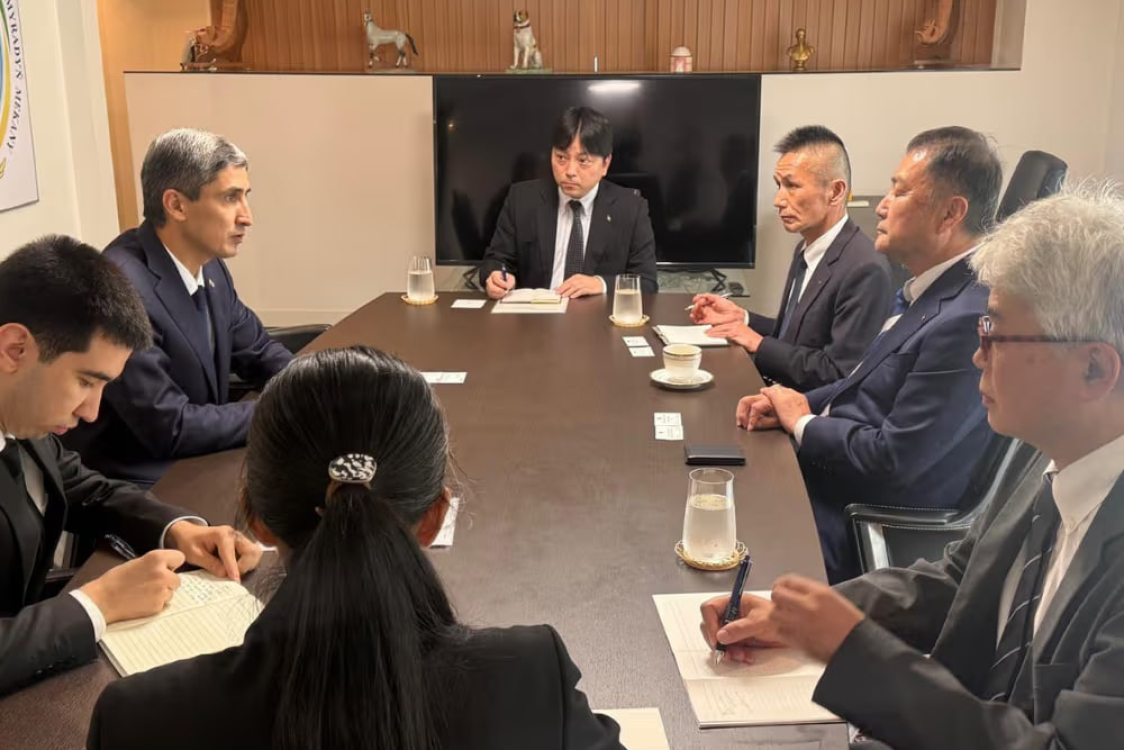
Turkmenistan and Japan are preparing for a new meeting of the economic committee
19.08.2026On 17 August, Atadurdy Bayramov, Ambassador Extraordinary and Plenipotentiary of Turkmenistan to Japan, met with the newly appointed President of the Japan Business Association, Y. Kanehana of ROTOBO. This was reported by IIC of Turkmenistan. The parties discussed the expansion of trade, economic and investment cooperation. Particular attention was paid to preparations for the 16th meeting of the Turkmen-Japanese Committee on Economic Cooperation, which is to be held in Tokyo from 14 to 16 December 2026. There was also an exchange of views on joint initiatives, including projects in the field of the circular economy.
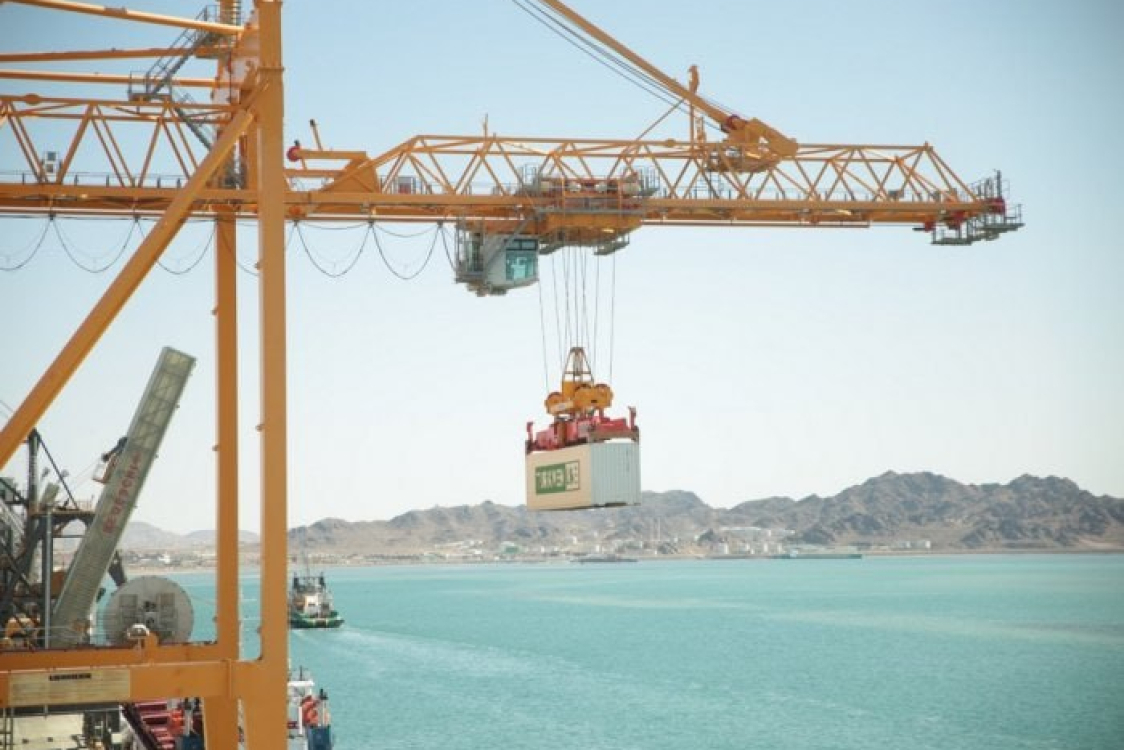
Trade turnover between Turkmenistan and China exceeded $4.8 billion in the first half of the year
18.08.2026Trade turnover between Turkmenistan and China for January–June 2026 amounted to $4,821,969,000, according to the online publication ‘Business Turkmenistan’. In June 2026, bilateral trade turnover between the two countries reached $890,262,000. Turkmen exports accounted for the bulk of this trade: in the first half of the year, Turkmenistan supplied goods worth $4 billion 44 million 409 thousand to China. Imports from China over the same period totalled $777 million 559 thousand. For the whole of 2025, trade between the countries exceeded $10 billion 46 million 52 thousand.
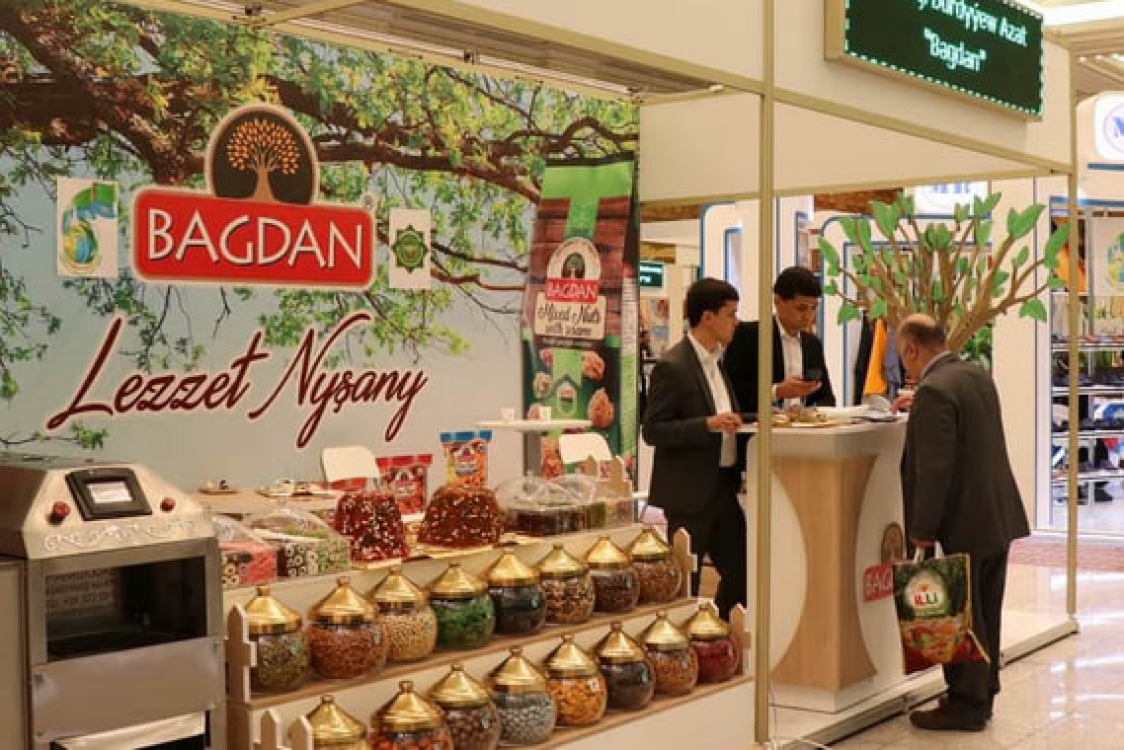
The ‘Bagdan’ company is expanding its confectionery production
18.08.2026The ‘Bagdan’ confectionery factory, which has been operating since 2017 in the Ak-Bugday etrap of the Ahal velayat, produces sweets. The production process utilises vacuum-drying technology, which preserves up to 95 per cent of the nutritional benefits of fruit and berries without the use of artificial preservatives, according to the IIC of Turkmenistan. The range includes sweetcorn sticks, nuts and Turkish delight with various fillings. The products are sold throughout the country, and there are around 20 branded retail outlets in Ashgabat. The company plans to expand its exports to CIS countries, Afghanistan and the Middle East.

Ten transactions were concluded on the Turkmenistan Stock Exchange
17.08.2026Ten transactions were concluded over the course of the week on the State Commodity and Raw Materials Exchange of Turkmenistan. This was reported by the news website Turkmenportal, citing the newspaper ‘Neutral Turkmenistan’. Foreign companies from the United Arab Emirates, Turkey, Serbia, Azerbaijan and Kyrgyzstan purchased, in foreign currency, knitted goods, waffle fabric, cotton yarn, cotton lint, cleaned cotton spinning waste, liquorice root extract, as well as liquorice roots and rhizomes. The total value of the transactions exceeded $2,247,000. On the domestic market, Turkmen entrepreneurs purchased cotton fabric worth 260,000 manats.
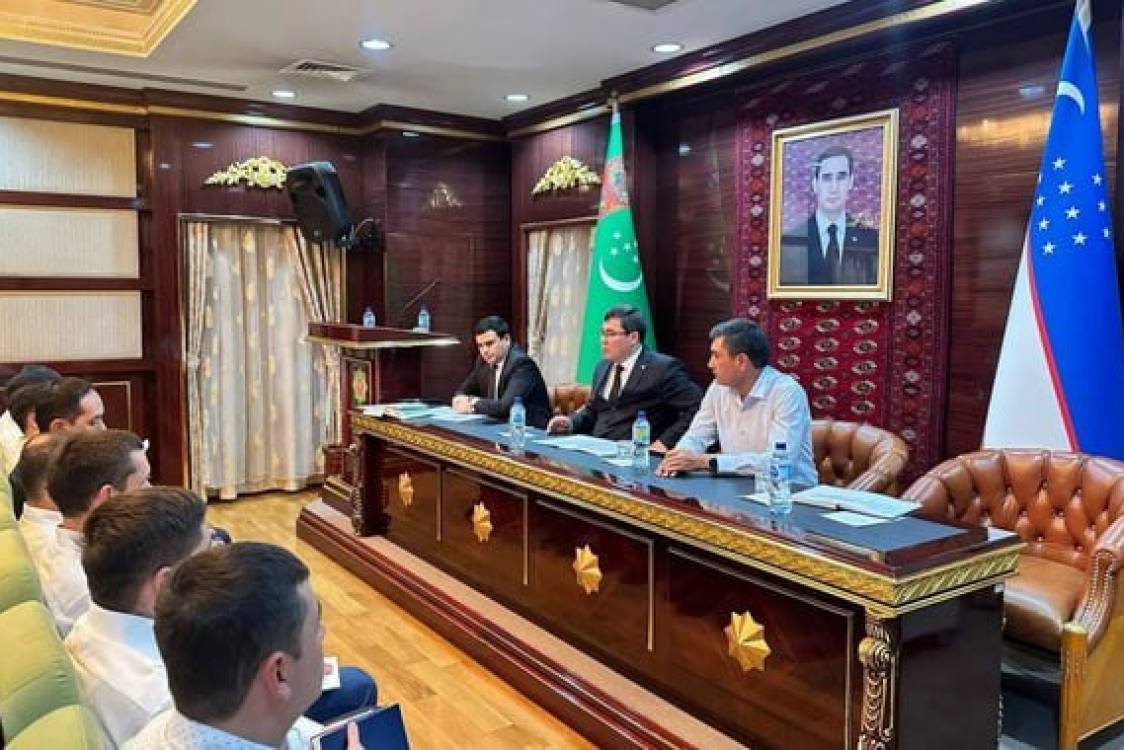
Turkmenistan and Uzbekistan discussed the development of freight transport
16.08.2026Representatives of Uzbekistan’s transport and logistics sector discussed measures to develop freight transport between the two countries with Shadurdy Meredov, the Ambassador of Turkmenistan. The meeting took place in Tashkent, according to the news agency Orient. The discussion was attended by representatives of the Centre for Transport Studies, the Uzbek Foreign Affairs Ministry, the Association of International Road Hauliers and major freight forwarding companies. The Uzbek side proposed simplifying transport procedures and reducing border crossing times. In particular, the discussion centred on electronic visa processing for drivers, reducing associated fees and speeding up procedures at the ‘Farab–Alat’ border crossing. It was also proposed to establish a ‘green corridor’ for lorries carrying perishable goods and to build a second bridge on the neutral strip. The parties considered revising weight and size restrictions, expanding the use of the Turkmenbashi Seaport’s infrastructure for road and rail transport, and resuming direct scheduled air services. The Embassy of Turkmenistan expressed its readiness to forward the Uzbek side’s proposals to the relevant state authorities for further consideration and the development of joint solutions.
Turkmenistan will take part in the CIIE 2026 exhibition
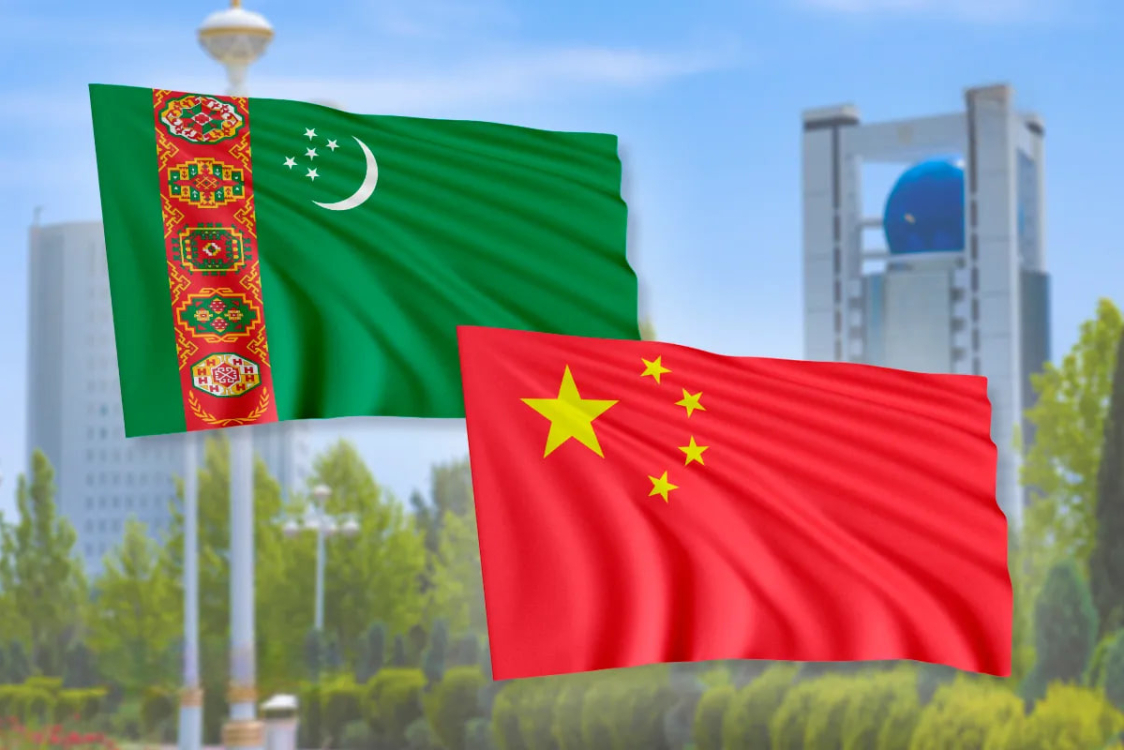
14.08.2026Turkmenistan will take part in the 9th China International Import Expo (CIIE), which will be held in Shanghai from 5 to 10 November 2026. This was reported by the news website Turkmenportal. Agreements on participation were reached on 12 August during a video conference between the Turkmen delegation and the leadership of the Eurasia Department of the Chinese Ministry of Commerce. The meeting discussed preparations for the national pavilion, where the country’s export and manufacturing potential is to be showcased. The parties also discussed the development of bilateral trade, the streamlining of export and import operations, and support for joint investment projects. Representatives from the Ministry of Trade and Foreign Economic Affairs of Turkmenistan, the Ministry of Finance and Economy, the State Concern ‘Türkmenhimiýa’, the Chamber of Commerce and Industry, and the Union of Industrialists and Entrepreneurs of the country took part in the negotiations.
Turkmenistan discusses the development of the creative economy
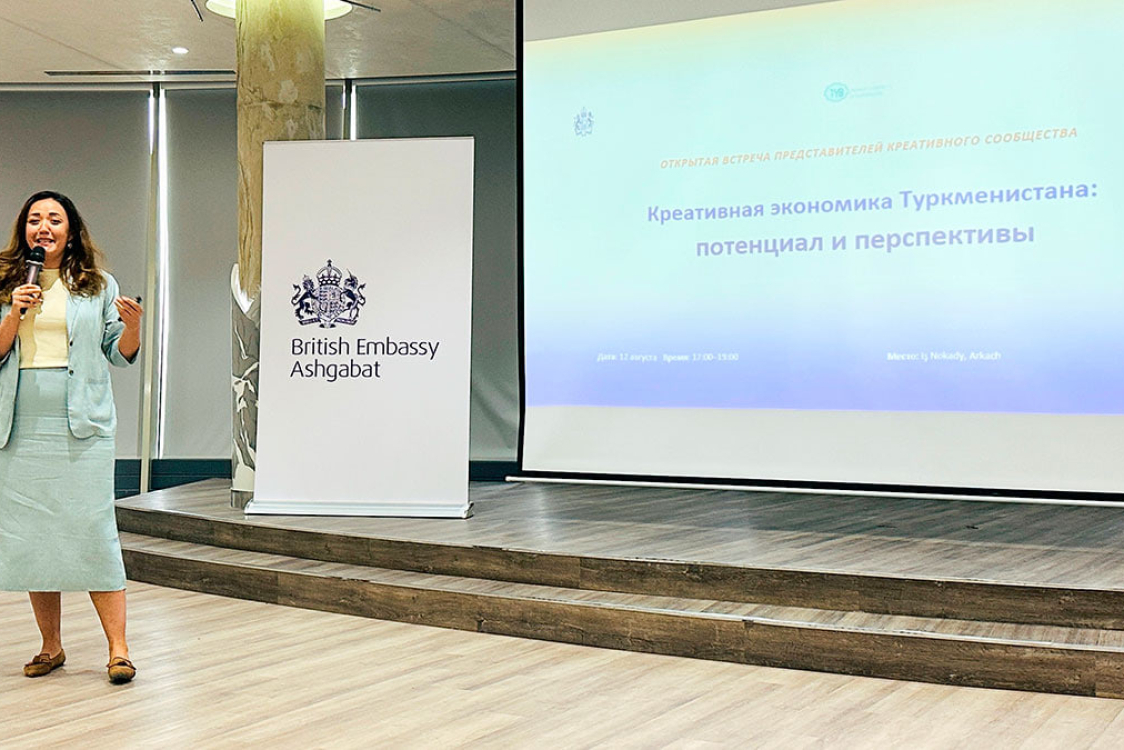
14.08.2026A meeting on the development of Turkmenistan’s creative economy was held at the ‘Iş Nokady’ co-working centre. It was attended by representatives of government organisations, the creative sector, civil society organisations and experts, according to the news agency ‘Turkmenistan: Golden age’. Clare Allbless, a representative of the British Embassy in Turkmenistan, noted the country’s high creative, innovative and entrepreneurial potential and emphasised the UK’s willingness to share its experience. An important milestone in the sector’s development was the first International Forum on ‘The Creative and Innovative Economy of Turkmenistan’, held in Ashgabat in the spring of 2025. In 2026, Turkmen creatives also took part in the Creative Central Asia forum in Tashkent. A Department for the Development of the Creative and Innovative Economy has been established within the Union of Economists of Turkmenistan. Experts are analysing the state of the sector and developing a project to map creative and innovative industries. Participants discussed the sector’s prospects, business development and the potential of young people in IT and creative start-ups. The division’s work covers design, IT and media, crafts, fashion, the arts and innovative entrepreneurship.
Turkmenistan presented its transit and logistics capabilities to the ECO member states
14.08.2026On 12 August, an international video conference was held between the heads of the chambers of commerce and industry of the member states of the Economic Cooperation Organisation (ECO). This was reported by the press office of the Chamber of Commerce and Industry of Turkmenistan. The participants discussed the development of economic cooperation, trade integration and the strengthening of inter-regional ties. The Turkmen side presented the country’s transit and logistics capabilities, as well as approaches to increasing trade turnover and expanding export potential. Separate consideration was given to the organisation of joint exhibitions and business forums involving entrepreneurs from ECO member states. Turkmenistan reaffirmed its readiness to develop economic cooperation with the organisation’s member states on a long-term basis. The ECO comprises ten member states: Turkmenistan, Iran, Turkey, Pakistan, Azerbaijan, Afghanistan, Kazakhstan, Kyrgyzstan, Tajikistan and Uzbekistan.
Ashgabat to host the ITTC 2026 International Logistics Forum
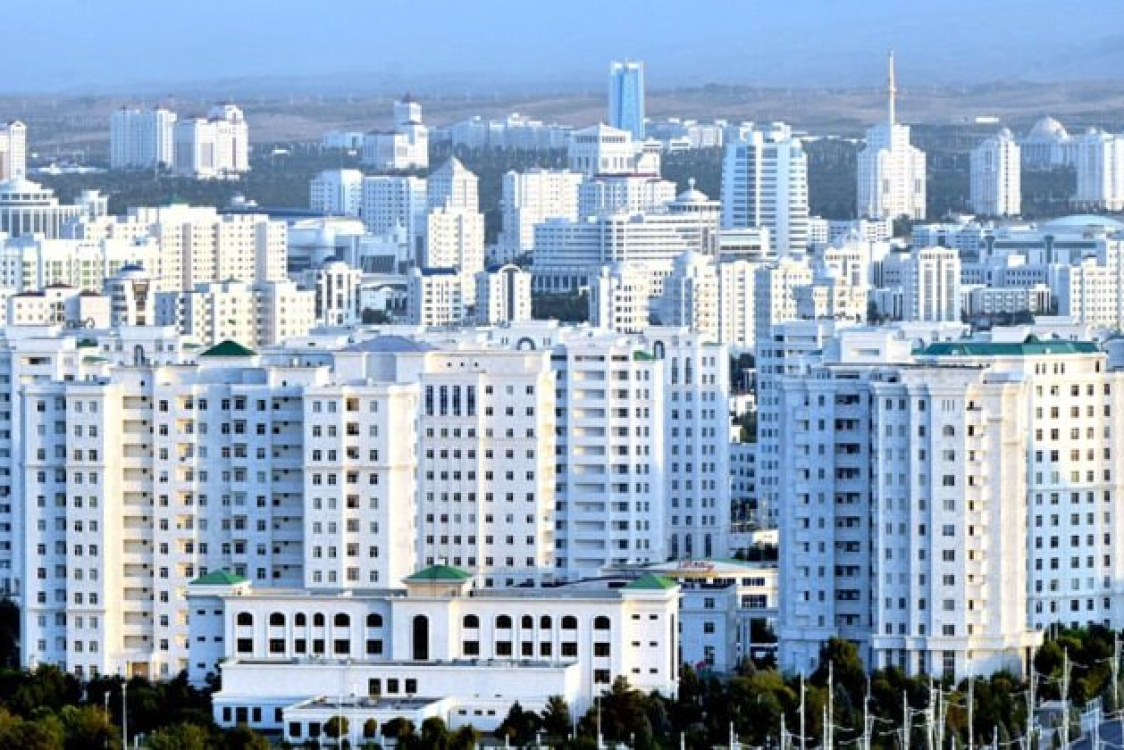
14.08.2026The fifth International Logistics Forum and ITTC 2026 exhibition, entitled ‘International Transport and Transit Corridors: Interconnection and Development – 2026’, will take place in Ashgabat from 24 to 26 November. The event will take place at the Chamber of Commerce and Industry of Turkmenistan, according to the online publication ‘Business Turkmenistan’. The organisers are ‘Talwas Ýoly’ CJSC, a division of OGUZ Forum & Expo, the Ministry of Road Transport, the Ministry of Rail Transport, the State Service ‘Türkmenhowaýollary’, the State Service for Maritime and River Transport, the Transport and Logistics Centre and the Chamber of Commerce and Industry of Turkmenistan. The programme will cover the development of transport infrastructure and transit corridors, multimodal transport, the digitalisation of the sector, the development of the Middle Corridor and routes across the Caspian Sea, investment, air freight and sustainable transport. More than 500 delegates, over 1,000 trade visitors and more than 100 companies from over 25 countries are expected to attend. B2B and B2G business meetings are also planned. Registration for the forum and exhibition is now open.
Turkmenistan and Georgia are developing cooperation in the field of transport and transit
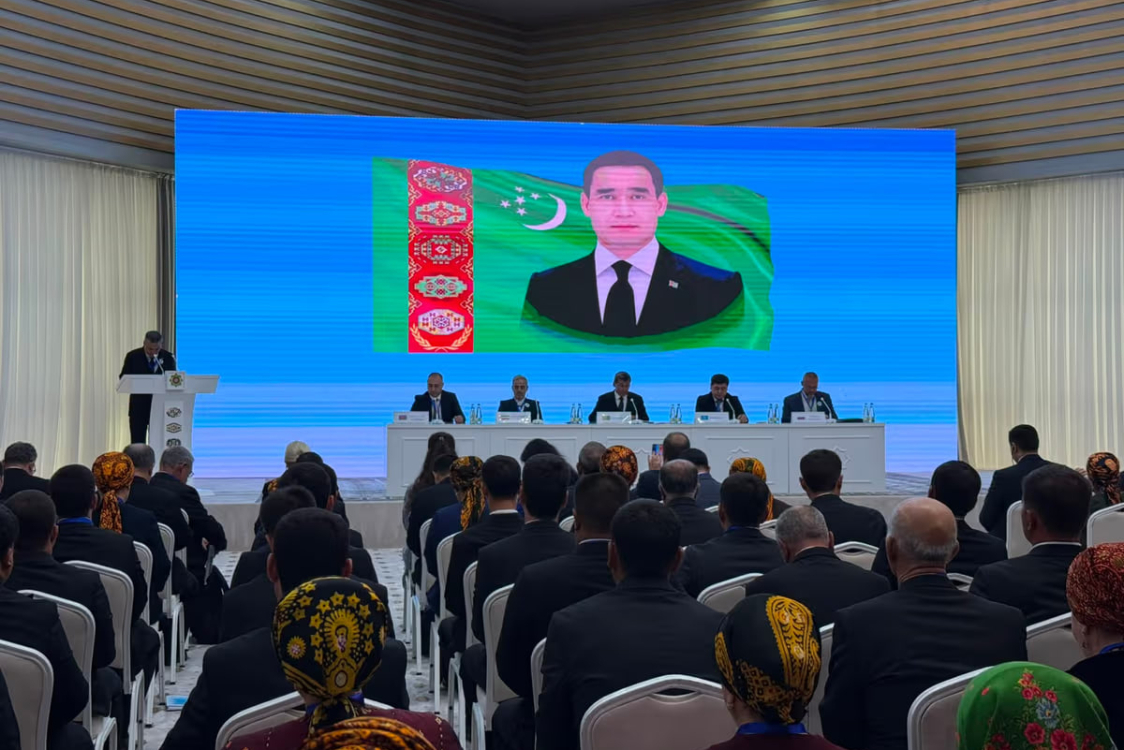
13.08.2026The Foreign Affairs Minister of Turkmenistan highlighted the high level of bilateral relations with Georgia and active cooperation at regional and inter-regional levels. One of the key areas remains the development of transport corridors between Asia and Europe, including the Central and Trans-Caspian routes, according to the IIC of Turkmenistan. The Head of the Foreign Affairs Ministry noted that the parties are implementing a number of international transport initiatives. In November 2017, in Ashgabat, Turkmenistan, Azerbaijan, Georgia, Turkey and Afghanistan signed a five-party agreement on the ‘Lapis Lazuli’ Corridor. In March 2019, in Bucharest, the Heads of the Foreign Affairs Ministries of Turkmenistan, Azerbaijan, Georgia and Romania signed memoranda on the establishment of the ‘Caspian Sea–Black Sea’ Corridor. The expansion of mutual trade and the utilisation of Georgia’s transport and transit potential are also aimed at addressing regional challenges, including environmental issues in the Caspian Sea. Active cooperation between government bodies and companies in the two countries is contributing to the further development of interregional partnership.
Turkmen gas workers are entering the final stage of the TAPI pipeline’s construction
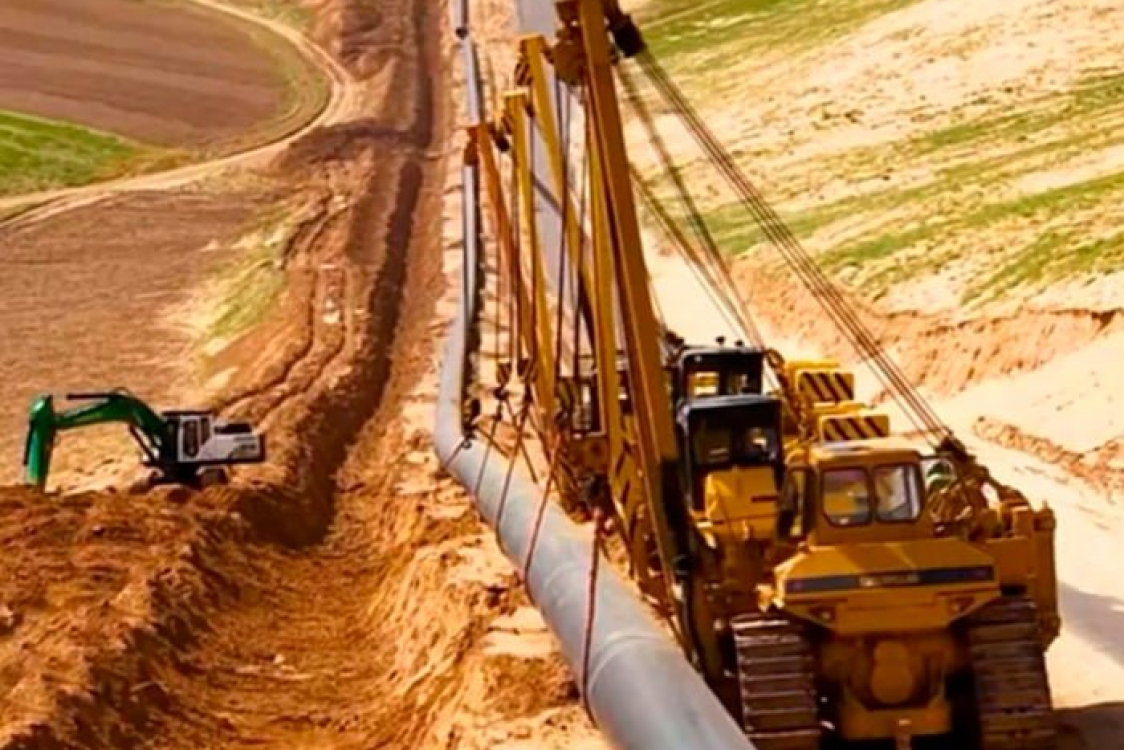
12.08.2026Construction of the 153-kilometre ‘Serhetabat–Herat’ gas pipeline — a key section of the ‘Turkmenistan–Afghanistan–Pakistan–India’ (TAPI) project, known as ‘Arkadagyň ak ýoly’ — is nearing completion. This was reported by the online publication ‘Business Turkmenistan’. Surveying work along the route has been fully completed. The technical design documentation and construction drawings have been prepared in accordance with international standards. 120 kilometres of 1,422-millimetre-diameter pipes, out of the total required for the entire route, have been delivered to the construction site, and deliveries are continuing. Of the 25 contracts for the project’s logistical support, the majority have been fully executed. The bulk of the certified equipment has cleared customs and been delivered to the site in Afghanistan. Around 300 units of specialised machinery are being used in the construction and installation works. The route of the gas pipeline has been surveyed over a distance of 140 km, and a 123-km-long access road has been constructed. Welding and installation work on the pipeline has been completed over a distance of 117 km, and the welded sections are undergoing hydraulic pressure testing in stages. The necessary facilities have been provided for workers involved in the construction: temporary accommodation camps No. 1 and No. 2 have been built at the 12th and 86th kilometres of the gas pipeline.
Turkmenistan is strengthening its transport and transit capacity
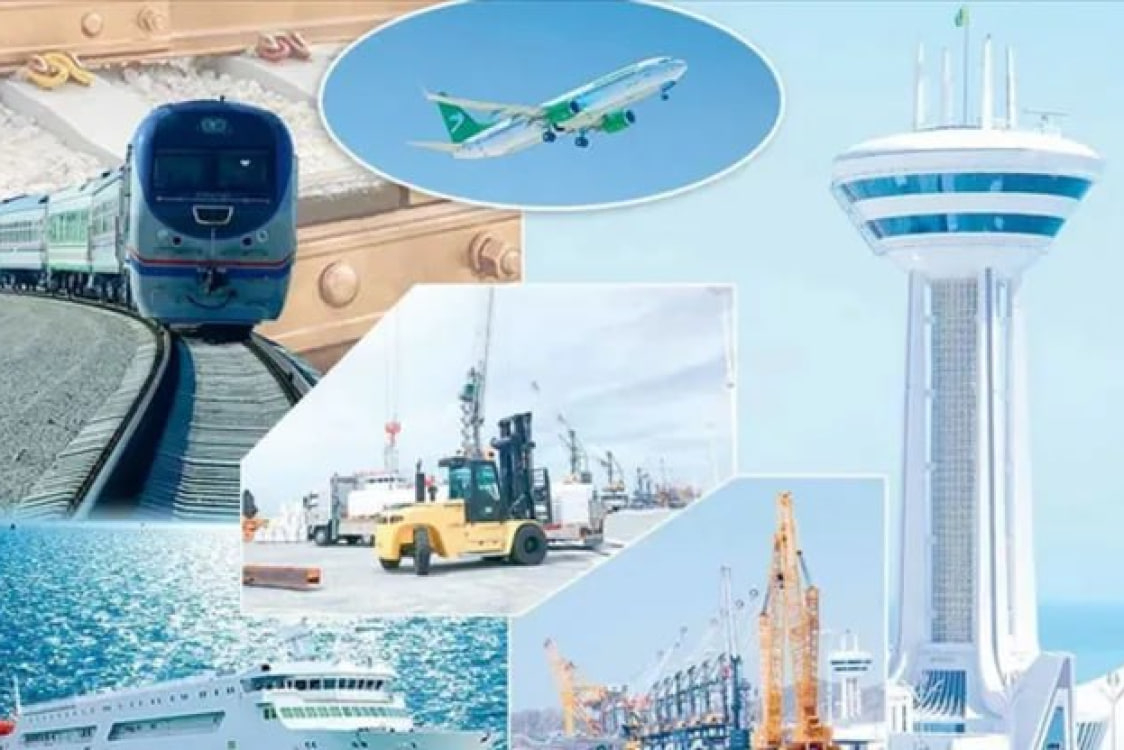
12.08.2026Turkmenistan is continuing to modernise its transport and communications infrastructure and to develop international transport and transit corridors. The main focus is on increasing passenger and freight traffic, expanding the capacity of transport systems and improving the quality of services, according to the news agency TDH. At an extended meeting of the Cabinet of Ministers on 10 July to review the results of the first half of the year, President Serdar Berdimuhamedov emphasised the need to further improve the transport and communications sector. As part of the ‘Programme for the Socio-Economic Development of Turkmenistan and Investment in 2026’, the reconstruction of roads connecting the country’s regions and neighbouring states is continuing. Particular attention is being paid to rail transport. The rolling stock is being modernised, and diesel locomotives, passenger carriages, tankers and specialised carriages for the transport of various goods are being procured. One of the priorities remains the modernisation of the ‘Ashgabat–Turkmenbashi’ railway line, which links the country’s regions with the Turkmenbashi International Seaport and the ‘Lapis Lazuli’, ‘TRACECA’, ‘North–South’ and ‘East–West’ international corridors. The modernisation of road infrastructure is continuing. A major project has been the 600-kilometre ‘Ashgabat–Turkmenabat’ motorway. Construction began on 24 January 2019 and was carried out in three sections: ‘Ashgabat–Tejen’, ‘Tejen–Mary’ and ‘Mary–Turkmenabat’. The final section was opened on 10 April 2026 in the presence of President Serdar Berdimuhamedov. Transport infrastructure is also being developed in the west of the country. As part of the ‘Turkmenbashi–Garabogaz–Kazakhstan’ border road, a 207-kilometre section is currently under construction. A 354-metre-long road bridge has also been built across Garabogaz Kol Bay. These projects are aimed at expanding regional transport links and transit capacity. The Ministry of Road Transport of Turkmenistan continues to strengthen its material and technical base and improve the quality of passenger services. At the same time, work is underway to bring national legislation in the field of road transport into line with international standards. Civil aviation plays an important role in the transport system. The country’s aircraft fleet is being renewed, specialist personnel are being trained and airports are being modernised. ‘Turkmenistan’s National Civil Aviation Development Programme up to 2030’ provides for the introduction of modern technologies and international best practice. Turkmenbashi International Airport has undergone a major refurbishment, whilst a new international airport has been built and brought into operation in Balkanabat. At the same time, measures are being taken to expand the transit capacity of the airports. ‘Turkmenistan’s State Programme for Ensuring Civil Aviation Flight Safety’ sets out the main directions of state policy in this area, taking into account the international standards of the International Civil Aviation Organisation (ICAO). In addition, the development of maritime transport is continuing. Port infrastructure is being modernised, freight and passenger traffic volumes are increasing, and safety and navigation systems are being improved. At the ‘Balkan’ Shipbuilding and Ship Repair Yard, domestic and foreign vessels are being repaired, and ships are being built for the national fleet. The plant has built and commissioned the dry cargo vessel ‘Gadamly’ – the first of its kind in the country. At the same time, the communications sector is being improved. At an extended meeting of the Cabinet of Ministers to review the results of the first six months of 2026, President Serdar Berdimuhamedov highlighted the need to modernise the sector and introduce new types of services. By a Resolution of the President of Turkmenistan, Serdar Berdimuhamedov, the ‘State Programme for the Development of the Digital Economy in Turkmenistan for 2026–2028’ and the Action Plan for its implementation have been approved. The documents provide for the wider application of information and communication technologies and innovations, the improvement of the quality of public services, the development of entrepreneurship and the creation of a digital ecosystem. One of the priority areas of digitalisation is artificial intelligence. Pilot projects are being implemented in Turkmenistan to apply AI in education, healthcare, agriculture and traffic management. Developments are also underway in the fields of big data, blockchain and cybersecurity. Work is continuing to improve the telecommunications infrastructure and the legal framework governing information and communications services. Following the launch of the country’s first national satellite, opportunities for the development of satellite communications, television and radio broadcasting have expanded. Work is underway on a programme of cooperation with foreign states and international organisations to ensure the cybersecurity of the digital system for the period 2025–2027. Particular attention is being paid to increasing the capacity of international communication channels and diversifying telephone traffic and data transmission. Opportunities are being explored to expand connections with neighbouring states and increase the transit of information flows between Asia and Europe. Turkmenistan also continues to put forward initiatives on the development of transport corridors and communications systems at international forums and high-level meetings. The implementation of projects in the transport, communications and digital sectors is aimed at enhancing the country’s transit potential, expanding international links and establishing a modern transport and communications infrastructure.
Read also

Advertising



 Read us in Zen


