



Economy
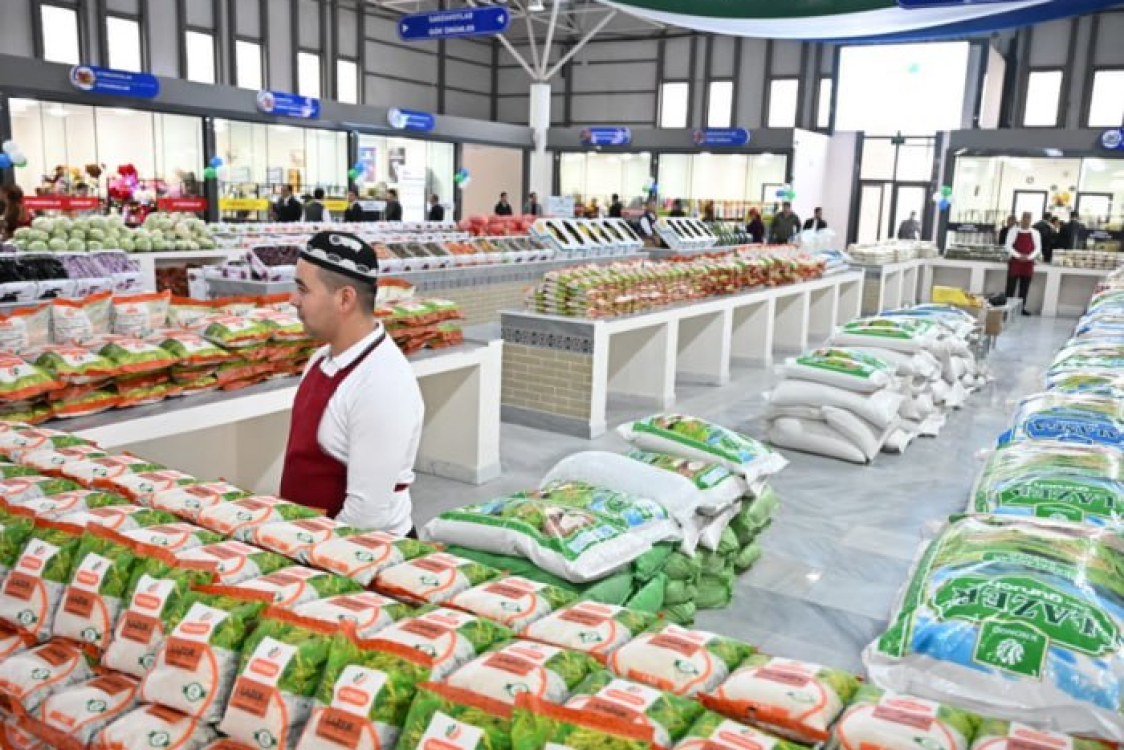
Trade turnover between Turkmenistan and Uzbekistan exceeded $598 million in the first half of the year
07.08.2026Trade turnover between Turkmenistan and Uzbekistan in January–June 2026 amounted to $598.9 million. This was reported by the online publication ‘Business Turkmenistan’. During the reporting period, Uzbekistan imported Turkmen goods worth $503 million, whilst its exports to Turkmenistan totalled $95.9 million. Uzbekistan’s total foreign trade turnover for this period reached $41 billion, an increase of $2.8 billion, or 7.4 per cent, compared with the same period in 2025. In 2025, trade turnover between Turkmenistan and Uzbekistan amounted to $1.2 billion.
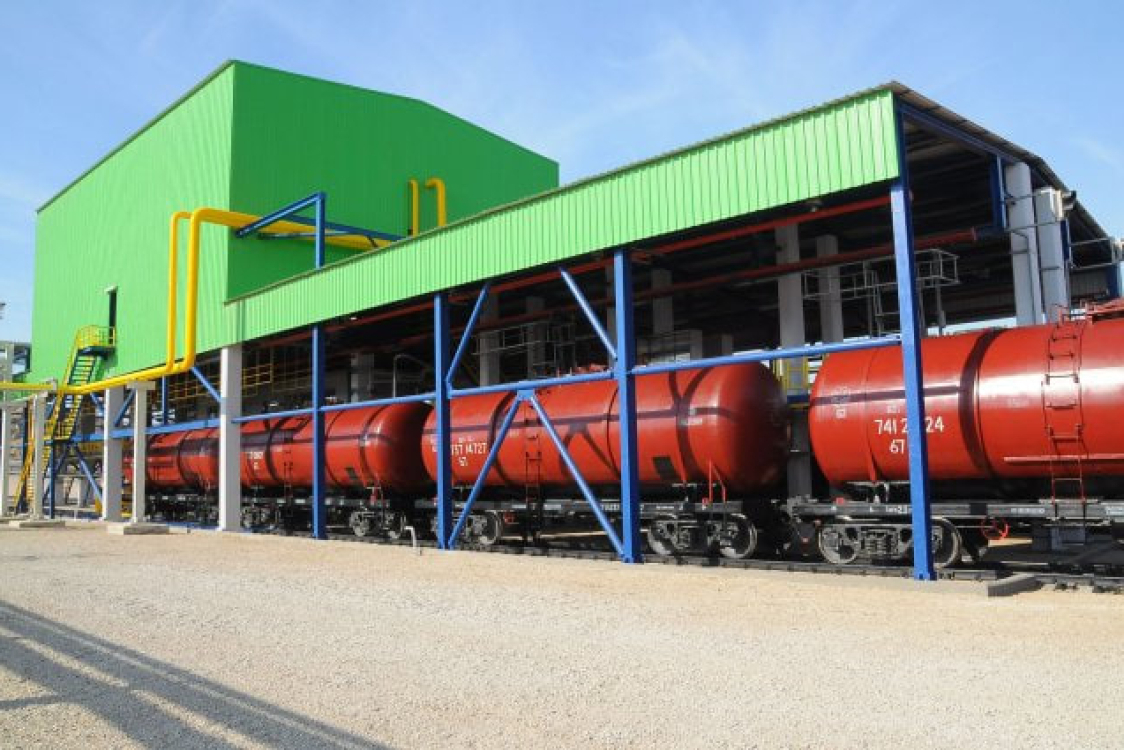
‘Kenar’ is boosting Turkmenistan’s export capacity for petroleum products
06.08.2026The Turkmenbashi Oil Refinery Complex of the State Concern ‘Türkmennebit’ is increasing the volume of production and supply of petroleum and petrochemical products in demand on international markets. The leading enterprise for the storage and shipment of petroleum products, ‘Kenar’, is contributing to the development of export potential, reports the online news site AsmanNews. Since the start of the year, more than 1,890,000 tonnes of petroleum products have been dispatched from here to domestic and foreign customers, including over 372,000 tonnes for export. The facility handles the transport of various types of products, including aviation kerosene, motor petrol, diesel fuel and lubricating oils. In recent years, ‘Kenar’s infrastructure has undergone technical modernisation. An automated railway loading and unloading gantry for light petroleum products, with a capacity of 3.85 million tonnes per year, has been commissioned. All operations, including loading, weighing and document processing, are carried out digitally. The vapour recovery system prevents the loss of over 300 tonnes of petrol annually and reduces the environmental impact. In collaboration with the British company Petro Gas LLP, a new marine berth No. 3 has been constructed, equipped with advanced equipment manufactured in the USA, Germany and the Netherlands. Its capacity enables the transhipment of significant volumes of raw materials and finished products. Additional process safety is ensured by autonomous pumping and transformer stations, whilst the installation of ‘TS-1’ filters on the aviation kerosene pipeline enhances operational reliability.

Turkmen entrepreneurs have been invited to the TTR II 2026 exhibition in Romania
06.08.2026Turkmen entrepreneurs will be able to take part in the autumn session of the TTR II 2026 tourism exhibition, which will take place from 19 to 22 November 2026 at the Romexpo Exhibition Centre in Bucharest (Romania). This was reported by the online publication ‘Business Turkmenistan’. TTR II 2026 will bring together representatives of the tourism industry, including national tourism organisations, agencies, tour operators, hotel chains, airlines and transport companies. The exhibition will showcase tourist destinations, hotel and transport services, digital solutions and industry innovations. B2B meetings, negotiations and events aimed at establishing new business contacts are also planned. The exhibition has been held twice a year – in spring and autumn – since 1999 and is one of Romania’s largest tourism business platforms, bringing together participants from both the national and international markets.
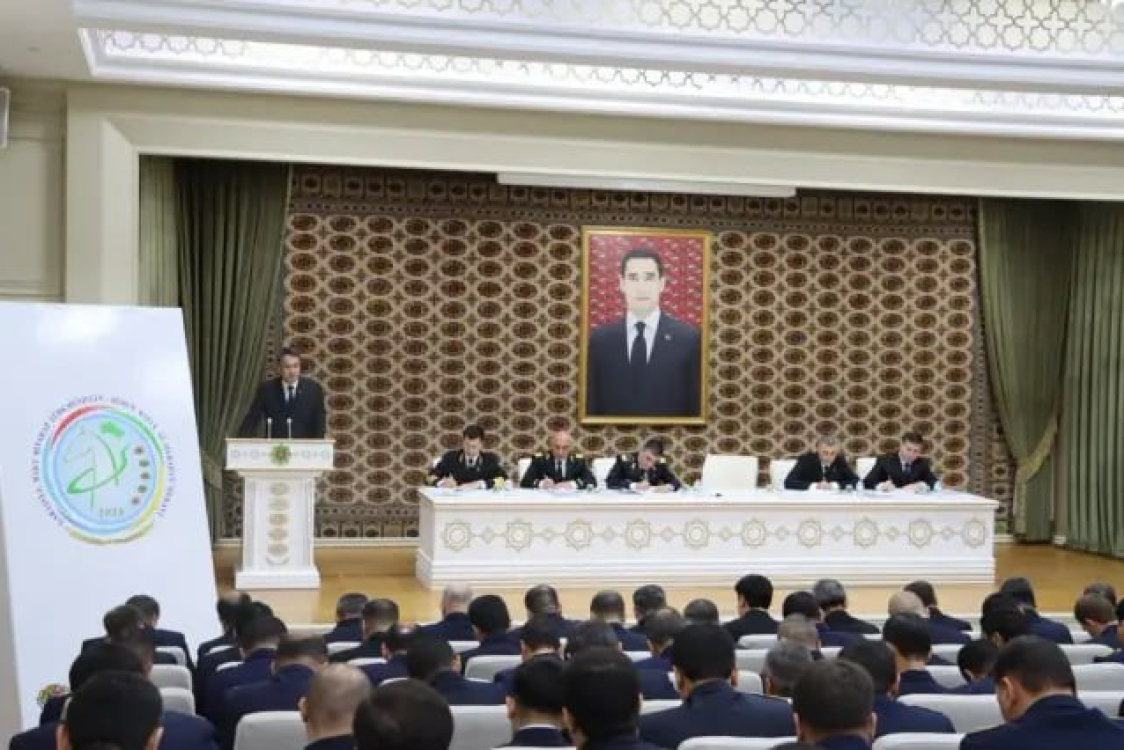
Freight and passenger transport in Turkmenistan showed growth over the first seven months
04.08.2026A meeting was held at the administrative building of the Ministry of Rail Transport of Turkmenistan to review the performance of the transport and communications sector over the first seven months of this year. This was reported by the press office of the ministry. The growth rate in the volume of work carried out and services provided stood at 114 per cent. Freight transport by road, rail, air, sea and river increased by 103.6 per cent compared with the same period last year, whilst passenger transport rose by 102.4 per cent. The Ministry of Rail Transport met its target for services provided by 107 per cent, the Ministry of Road Transport by 118.8 per cent, the State Service ‘Türkmenhowaýollary’ by 118.5 per cent, the State Service for Maritime and River Transport by 102.1 per cent, and the Ministry of Communications by 115.5 per cent.
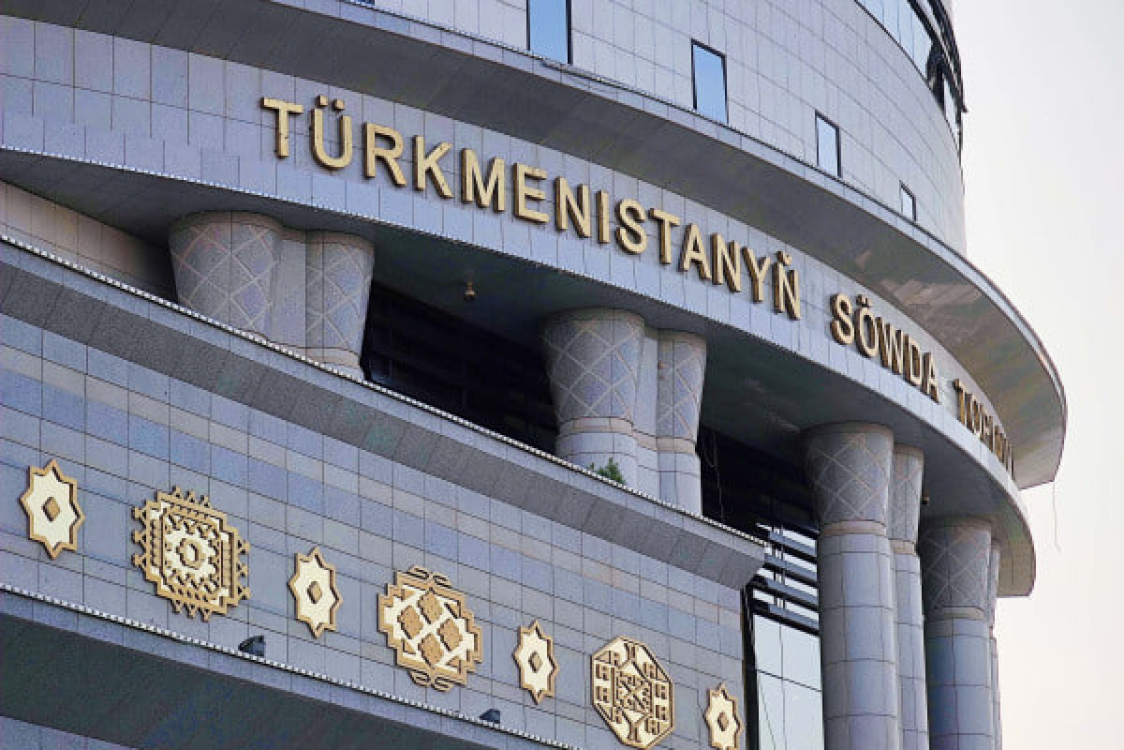
The Turkmenistan Stock Exchange recorded 14 transactions over the course of the week
04.08.2026Fourteen transactions were recorded at the State Commodity and Raw Materials Exchange of Turkmenistan over the past week. This was reported by the news agency TDH. Foreign companies from the UAE, Turkey, Azerbaijan and Kyrgyzstan purchased terry towelling, cotton fabrics and yarn, cotton fibre and raw silk. The total value of the transactions in foreign currency exceeded 4 million 755 thousand US dollars. On the domestic market, local businesses purchased polypropylene produced by the State Concern ‘Türkmennebit’, Portland cement, liquorice root extract, cotton yarn, cotton lint and purified cotton spinning waste. The value of these transactions amounted to over 511,698,000 manats.
Turkmenistan’s oil industry is ramping up production
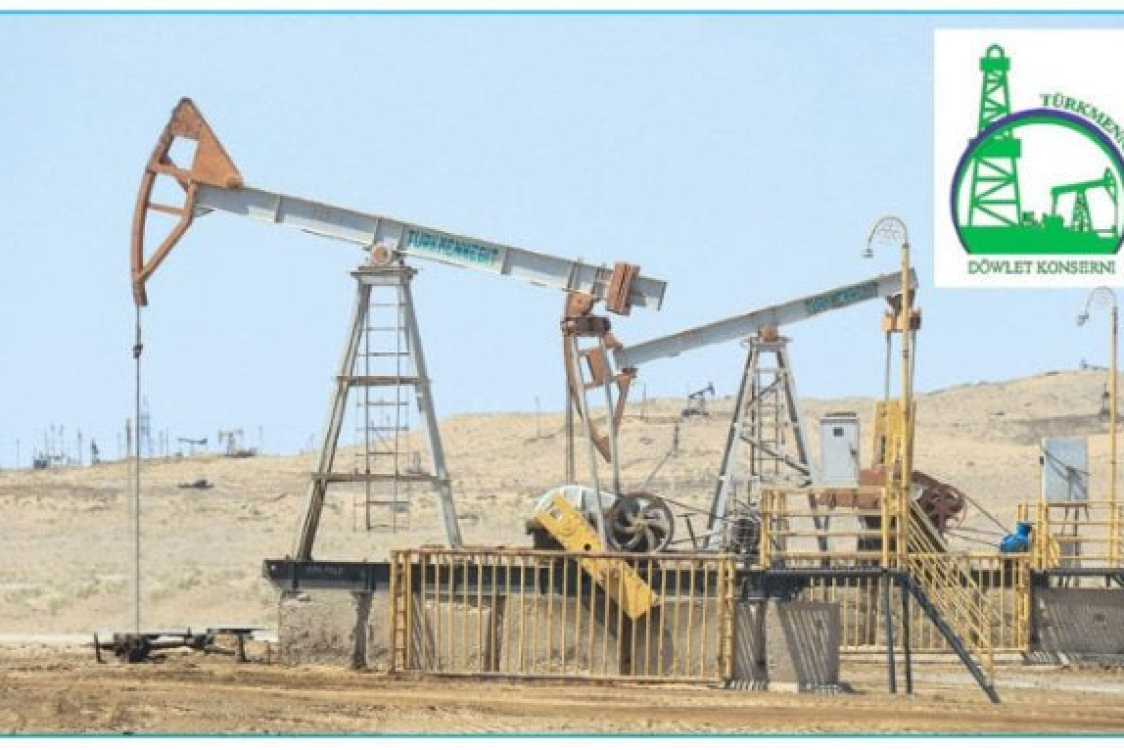
04.08.2026Workers in Turkmenistan’s oil and gas sector are increasing production volumes in line with the targets set by the President of Turkmenistan at an extended meeting of the Cabinet of Ministers to prepare for the 35th anniversary of independence. This was reported by AsmanNews, citing the newspaper ‘Neutral Turkmenistan’. The ‘Goturdepe’ Drilling Department of the ‘Nebitgazburawlaýyş’ trust, part of the ‘Türkmennebit’ State Concern, commissioned five new productive wells at the ‘Goturdepe’ field during the first half of the year. Modernisation work is continuing at the field. Modern equipment, new technologies and developments from the ‘Nebitgazylmytaslama’ Institute are being introduced into production. Gas injection remains one of the main methods for increasing production. Due to the ‘Goturdepe’ gas compressor station, this method is being applied to more than 500 wells. The ‘Goturdepenebit’ Oil and Gas Production Department and the ‘Nebitgazdüýpliabatlaýyş’ mobile operations teams monitor well production rates and carry out timely repairs. The rational use of mineral resources and the extension of well life help to maintain production levels, as well as to strengthen Turkmenistan’s export potential and energy independence.
Turkmenistan’s trade and business sectors have shown growth
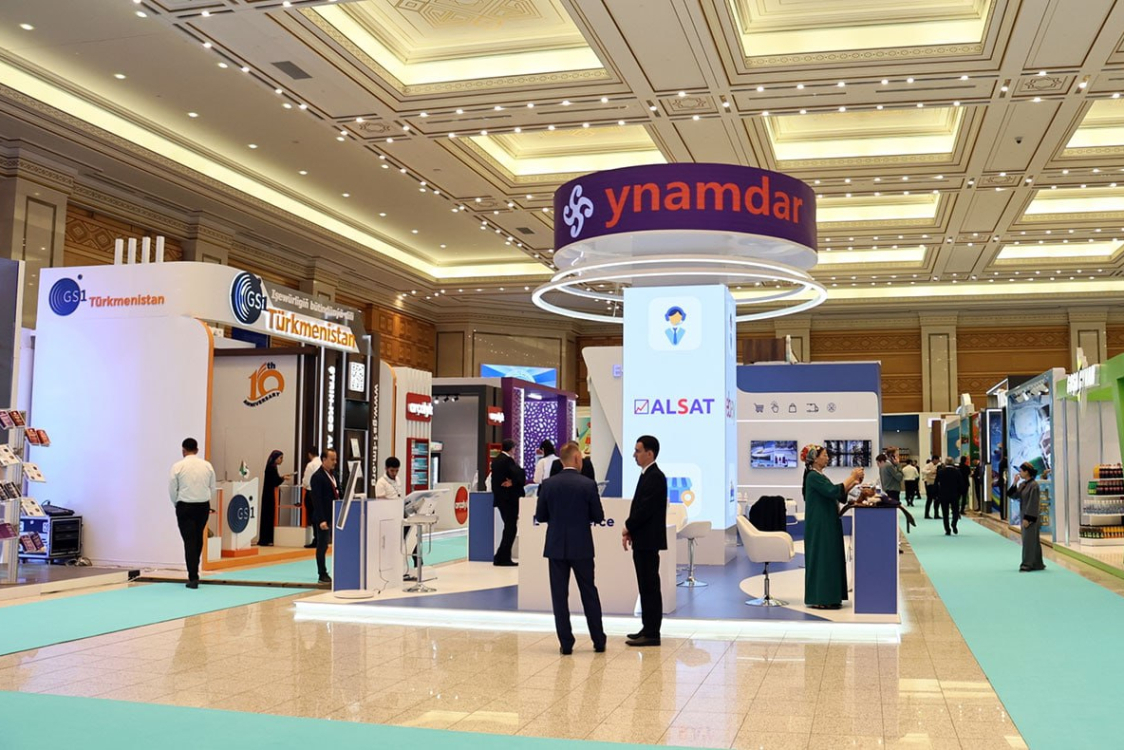
03.08.2026At a meeting of the Cabinet of Ministers of Turkmenistan on 1 August, Deputy Chairman of the Cabinet of Ministers N. Atagulyev reported on the performance of the ministries under its jurisdiction, sectoral agencies and the business sector for January–July 2026. This was reported by the news agency TDH. During the reporting period, the growth rate of trade turnover under the Ministry of Trade and Foreign Economic Relations stood at 106.8 per cent compared with the same period last year. At the Ministry of the Textile Industry, production growth reached 105.4 per cent. At the enterprises of the ‘Türkmenhaly’ State Association, total revenue growth stood at 107.3 per cent. The State Commodity and Raw Materials Exchange held 169 auctions, resulting in 17,898 contracts being registered. The Chamber of Commerce and Industry increased the volume of work completed to 119.4 per cent. Over the seven-month period, 14 exhibitions and 8 conferences were held. At the Union of Industrialists and Entrepreneurs, the growth rate for agricultural and food production stood at 107.2 per cent, and for industrial goods at 107.1 per cent. Having heard the report, President Serdar Berdimuhamedov instructed that work should continue on supplying markets and retail outlets with food and other goods, modernising the retail sector, developing private-sector production and improving the operations of the State Commodity and Raw Materials Exchange.
Turkmenistan’s oil and gas sector is improving its production figures
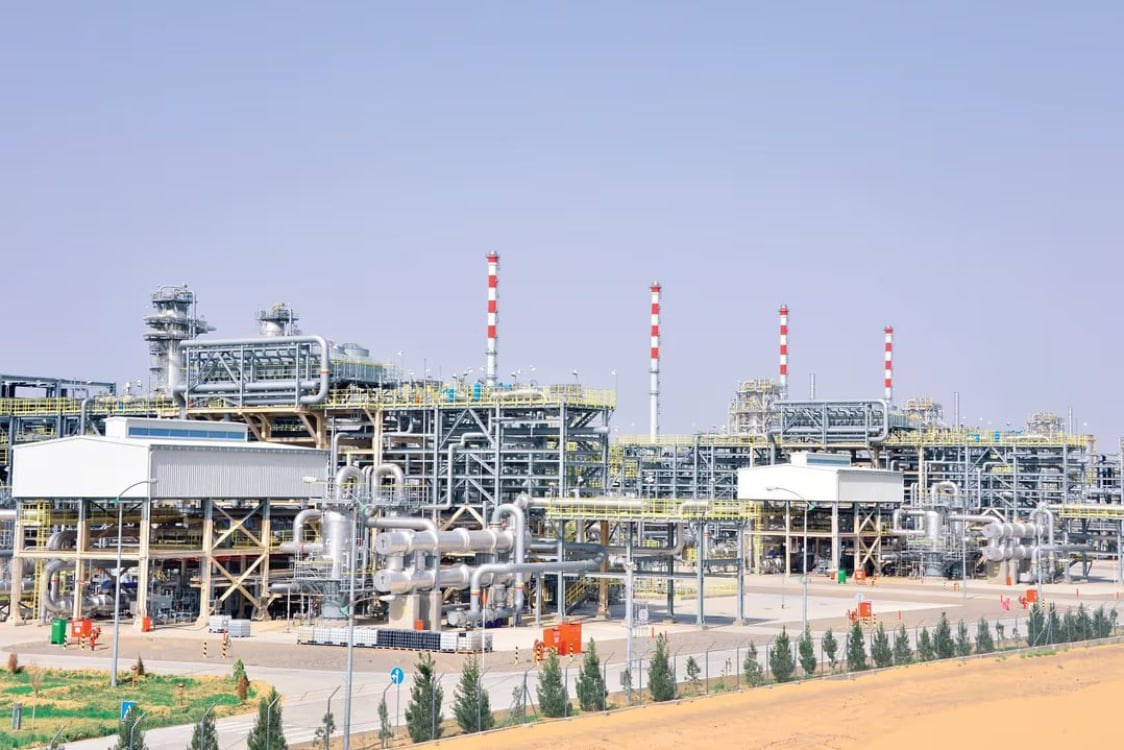
03.08.2026At a meeting of the Cabinet of Ministers of Turkmenistan on 1 August 2026, Deputy Chairman of the Cabinet of Ministers G. Agajanov reported on the performance of the oil and gas sector for January–July. This was reported by the news agency TDH. During this period, the State Concern ‘Türkmennebit’ fulfilled 108.7 per cent of its oil production target and 105.5 per cent of its oil refining target. Petrol production stood at 121.6 per cent of the target, diesel fuel at 113.5 per cent, polypropylene at 100.2 per cent, lubricating oils at 103 per cent, and liquefied gas at 122.6 per cent. Production of natural and associated gas reached 108.1 per cent. Having heard the report, the President of Turkmenistan instructed that efforts to increase oil and gas production, develop hydrocarbon fields and steadily expand the production capacity of enterprises in the sector should continue.
Turkmenistan’s GDP growth rate for January–July 2026 stood at 6.3 per cent
02.08.2026Turkmenistan’s GDP growth rate for January–July 2026 stood at 6.3 per cent. The country’s macroeconomic indicators were presented by Deputy Prime Minister H. Geldimyradov at a meeting of the Cabinet of Ministers held on 1 August 2026, according to the news agency TDH. The Deputy Prime Minister noted that during the reporting period, growth in the industrial sector stood at 2.6 per cent, in construction at 6.7 per cent, in transport and communications at 10.3 per cent, in trade at 8.5 per cent, in agriculture at 4.1 per cent, and in the services sector at 8.4 per cent. Compared with the same period last year, output increased by 10.4 per cent. Retail turnover rose by 10.1 per cent, whilst foreign trade turnover increased by 9 per cent. Revenue targets for the State Budget for the seven-month period were met at 101.1 per cent, whilst expenditure targets were met at 97.3 per cent. Wages, pensions, state benefits and student grants were paid in full and on time. Capital investment from all sources of funding increased by 4.7 per cent compared with the same period last year. Information was also presented on the implementation of the National Rural Programme and the construction of various types of facilities. Having heard the report, the President of Turkmenistan emphasised the need to further improve the functioning of the economic, financial and banking sectors, and to maintain sustainable GDP growth rates and the development of economic sectors.
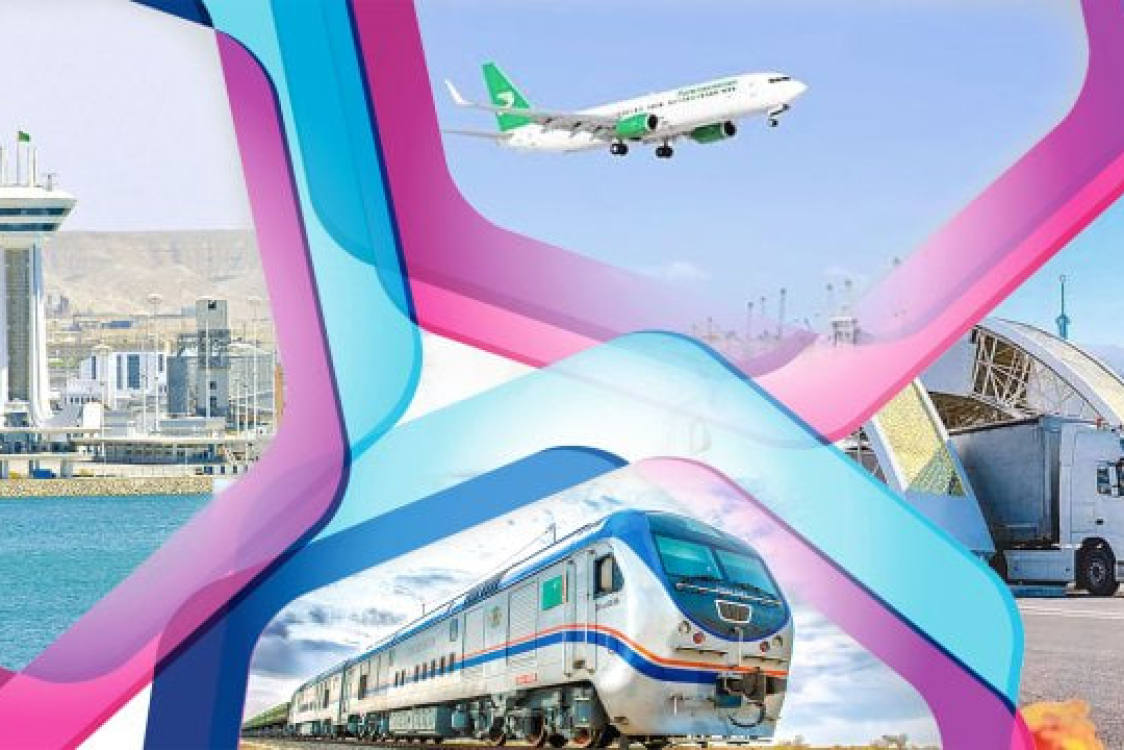
Turkmenistan is expanding the capacity of its international transport corridors
02.08.2026Turkmenistan’s transport and logistics sector is becoming one of the key drivers of economic development. The country is developing modern transport routes as part of the revival of the Great Silk Road. This is reported by the online news site AsmanNews. Innovative solutions are being introduced in the sector, road safety is being improved and the logistics infrastructure is being upgraded. Major projects, including the construction of the ‘Ashgabat–Turkmenabat’ motorway, international airports in Kerki and Jebel, and the development of seaports and railway hubs, are expanding the country’s capacity to participate in international transport corridors. An efficient transport system promotes industrial development, speeds up the delivery of goods to domestic and foreign markets, and supports regional economic growth. JSC ‘Transport and Logistics Centre of Turkmenistan’ plays a key role in this regard, with its activities focused on improving the efficiency of transit transport and optimising logistics processes. The development of modern and safe transport infrastructure is one of the key factors in Turkmenistan’s integration into the global transport system. Ashgabat International Airport, as a major multimodal complex, facilitates the growth of passenger and freight traffic, contributing to the further development of civil aviation and related sectors.
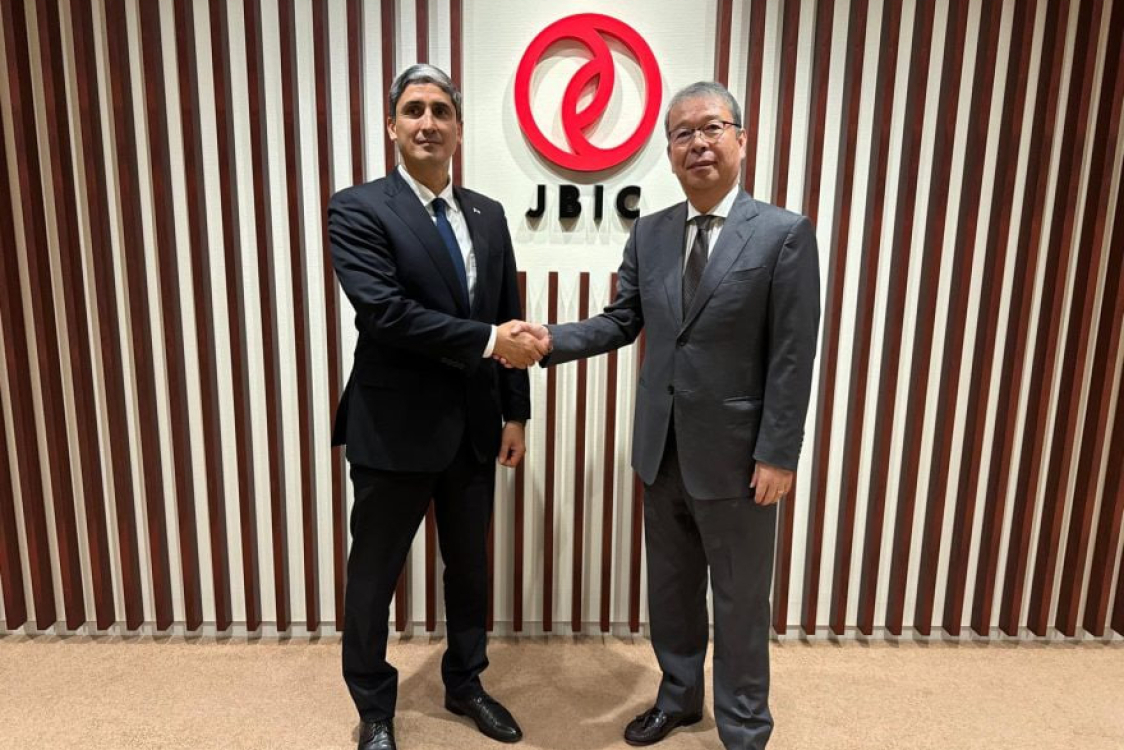
The Turkmenistan Ambassador met with the management of the Bank of Japan
01.08.2026A. Bayramov, Ambassador of Turkmenistan to Japan, held a meeting with K. Amakawa, the new Managing Director of the Japan Bank for International Cooperation (JBIC). This was reported by the press office of the Turkmen diplomatic mission. The parties discussed the prospects for developing cooperation between Turkmenistan and JBIC, as well as the implementation of joint projects. JBIC is involved in financing major economic projects in Turkmenistan in which Japanese companies are participating, including the GTG-1 gas-to-petrol plant in the Ahal velayat, the ‘Garabogazkarbamid’ plant, the Charjew State Power Station and other facilities. Issues relating to the implementation of projects in the circular economy sector with JBIC’s participation were also discussed.
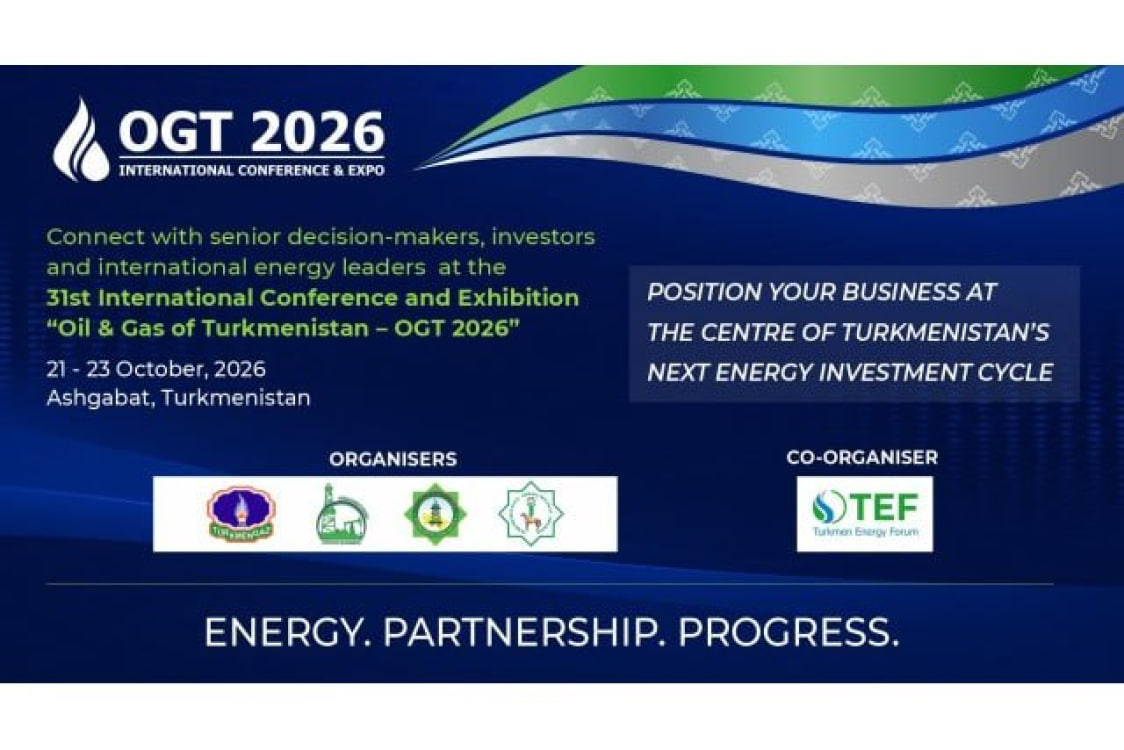
OGT 2026 will showcase new approaches to the digitalisation of the energy sector
01.08.2026Artificial intelligence, digitalisation and modern technologies will be among the key themes of the 31st International Conference and Exhibition ‘Oil and Gas of Turkmenistan – OGT 2026’, which will take place in Ashgabat on 21–23 October 2026. This has been reported by the IIC of Turkmenistan. The provisional programme includes a specialised session entitled ‘Technology, Digitalisation and Artificial Intelligence in the Energy Sector’. Participants will discuss the application of artificial intelligence, digital fields, digital twins, automation, cyber security, data analysis, the optimisation of production assets and smart energy infrastructure. The focus will also be on the use of digital technologies for interpreting geological data, production forecasting, optimising drilling, equipment maintenance and improving environmental performance, including the monitoring of methane emissions. Technological developments in the sector will be examined during the Strategic Plenary Session and a special panel discussion featuring executives from leading international energy companies. In addition, the OGT Future Energy Leaders’ Forum will focus on the development of digital skills, the application of artificial intelligence and workforce development for the energy sector. The conference will bring together representatives from government bodies, national energy companies, international organisations, technology firms and industry experts to discuss digital transformation and technological cooperation in the global energy sector.
Read also

Advertising




 Read us in Zen


