


Economy
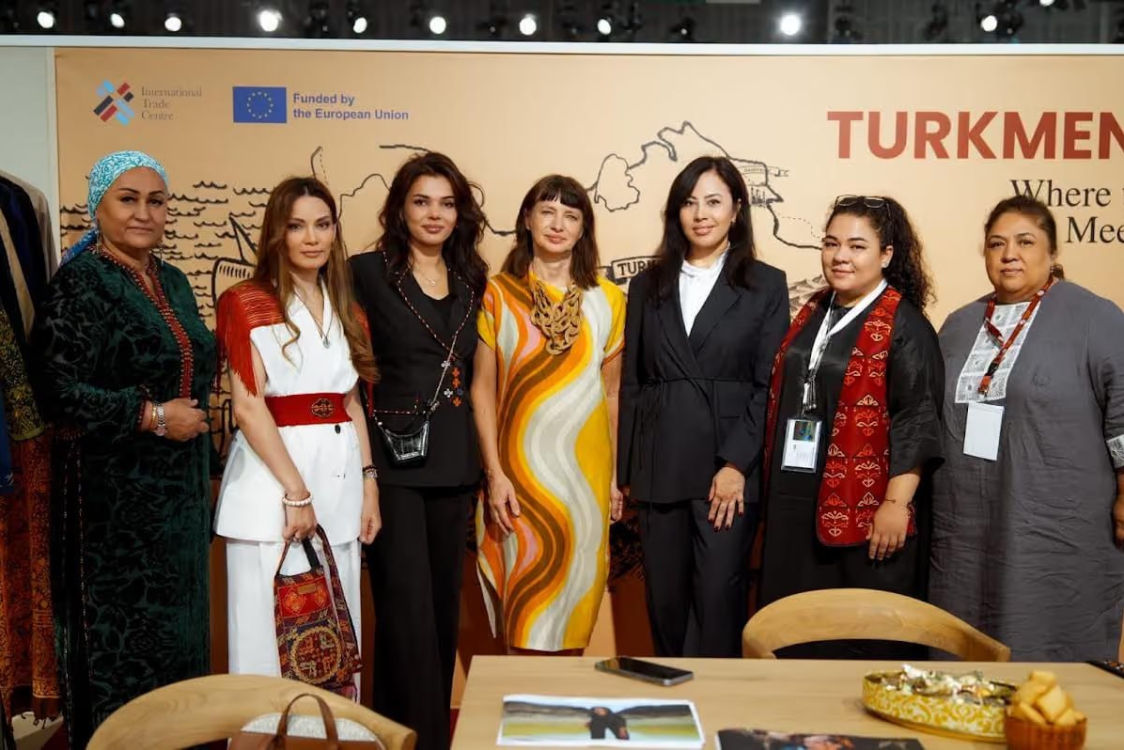
Turkmen designers showcased their products at the ‘Who’s Next’ exhibition
14.09.2026The Turkmen brands ‘Desert Heritage’, ‘Binaym’, ‘Mukaddes’ and ‘AyMahri’ presented their collections at the ‘Who’s Next’ international fashion exhibition, which took place on 5–7 September in Paris. This was reported by the IIC. The participation of the Turkmen companies was organised by the International Trade Centre as part of the ‘Turkmenistan: Enhancing Trade Resilience and Integration’ project, funded by the European Union. Company representatives held negotiations with potential partners from Italy, France, Spain, Saudi Arabia, Japan, Greece, Zambia and Armenia. Overseas buyers, particularly those from Italy, expressed an interest in cooperation. During the trip, the entrepreneurs also visited the ‘Texworld’ and ‘Première Vision’ trade fairs, where they familiarised themselves with global fashion trends, new materials and technologies, as well as the specifics of the European market. According to Merdan Hudayberdiyev, director of the ‘AK Aýna’ Joint-Stock Company, the trip helped ‘Aýna Denim’ to find potential partners, buyers and suppliers, as well as to gain a better understanding of the requirements of the European market. Participation in ‘Who’s Next’ formed part of the International Trade Centre’s efforts to promote Turkmen enterprises in the fashion and textile sectors in international markets.
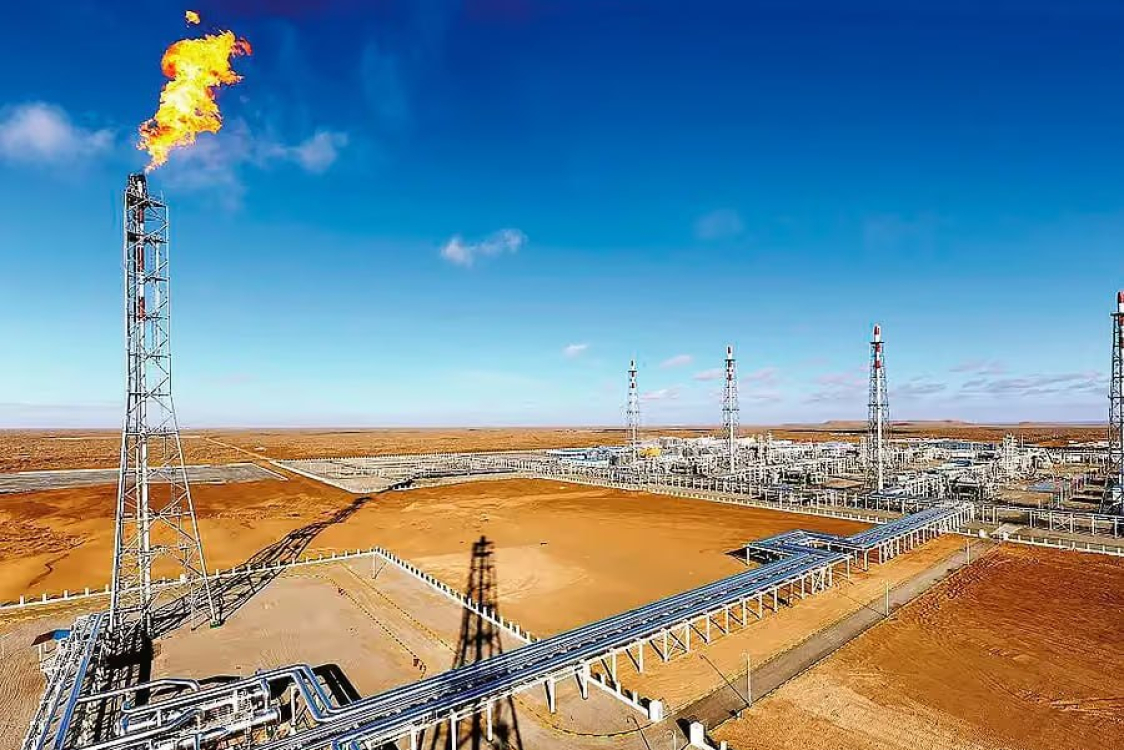
‘Türkmennebit’ plans to improve the efficiency of field development
14.09.2026G. Agajanov, Deputy Chairman of the Cabinet of Ministers of Turkmenistan, presented a report on the activities of the State Concern ‘Türkmennebit’ and proposals for the development of the oil and gas sector at a meeting of the Cabinet of Ministers. This was reported by the news agency TDH. ‘Türkmennebit’ plans to improve the efficiency of development at existing and prospective fields. It is envisaged that increased volumes of oil and natural gas production will be achieved through the introduction of modern equipment and improved drilling efficiency. The President of Turkmenistan, Serdar Berdimuhamedov, approved the Deputy Prime Minister’s proposals and instructed that systematic measures be taken to increase the production of raw materials. The Head of State also emphasised the need for further modernisation of the fuel and energy sector.

‘Turkmen Expo’ will present Turkmenistan’s pavilion at FAST TEXTILE 2026
12.09.2026‘Turkmen Expo’ will act as the official partner of the FAST TEXTILE 2026 international textile exhibition in Poland and will organise Turkmenistan’s national pavilion. This was reported by the IIC of Turkmenistan. The exhibition will take place from 17 to 19 November at the Ptak Expo Łódź exhibition centre in Rzgów. Turkmen companies will showcase textile materials, yarn, knitwear, clothing and finished goods. The national pavilion will feature textile companies, state-owned enterprises, factories and industrial complexes from Turkmenistan. FAST TEXTILE 2026 will bring together manufacturers, suppliers, designers, brands, distributors and other industry professionals. Previous exhibitions were attended by over 14,600 representatives of the professional community from 40 countries. Up to 600 companies from more than 30 countries took part in them. As part of the exhibition, Turkmen enterprises will hold B2B meetings with importers, distributors, trading companies and international brands. Participants will discuss opportunities for supply and further cooperation.

An exhibition showcasing economic achievements is to be held in Turkmenistan
12.09.2026Turkmenistan is preparing for an exhibition showcasing the country’s economic achievements. It will take place on 17–19 September at the building of the Chamber of Commerce and Industry of Turkmenistan, according to the news website Turkmenportal. The exhibition is timed to coincide with the 35th anniversary of Turkmenistan’s independence. It will showcase the achievements of various sectors of the economy and the country’s production capacity. Key state organisations and enterprises, as well as private companies from all sectors of the national economy, will take part in the event. The aim of the exhibition is to demonstrate the results of economic reforms and the effectiveness of public-private partnerships.

Afghan businesses have been invited to the Investment Forum in Ashgabat
11.09.2026The Chambers of Commerce and Industry of Turkmenistan and Afghanistan intend to step up direct cooperation between their private sectors. This was reported by the Orient news agency. Practical steps to expand business ties and develop transit routes were discussed by Hoja Ovezov, Turkmenistan’s Ambassador to Kabul, and Sayed Karim Hashemi, Head of the Afghanistan Chamber of Commerce and Industry (ACCI). During the negotiations, Afghan businesspeople were invited to take part in the Turkmenistan Investment Forum (TIF 2026), which will take place on 1–2 October in Ashgabat. The parties also focused on ensuring the smooth operation of border infrastructure. The ACCI leadership confirmed that the border crossings at Torghundi (Herat Province) and Aqinah (Faryab Province) are operating as normal. The unimpeded passage of commercial vehicles through these crossings remains a key condition for the growth of freight traffic between Turkmenistan and the countries of South Asia.
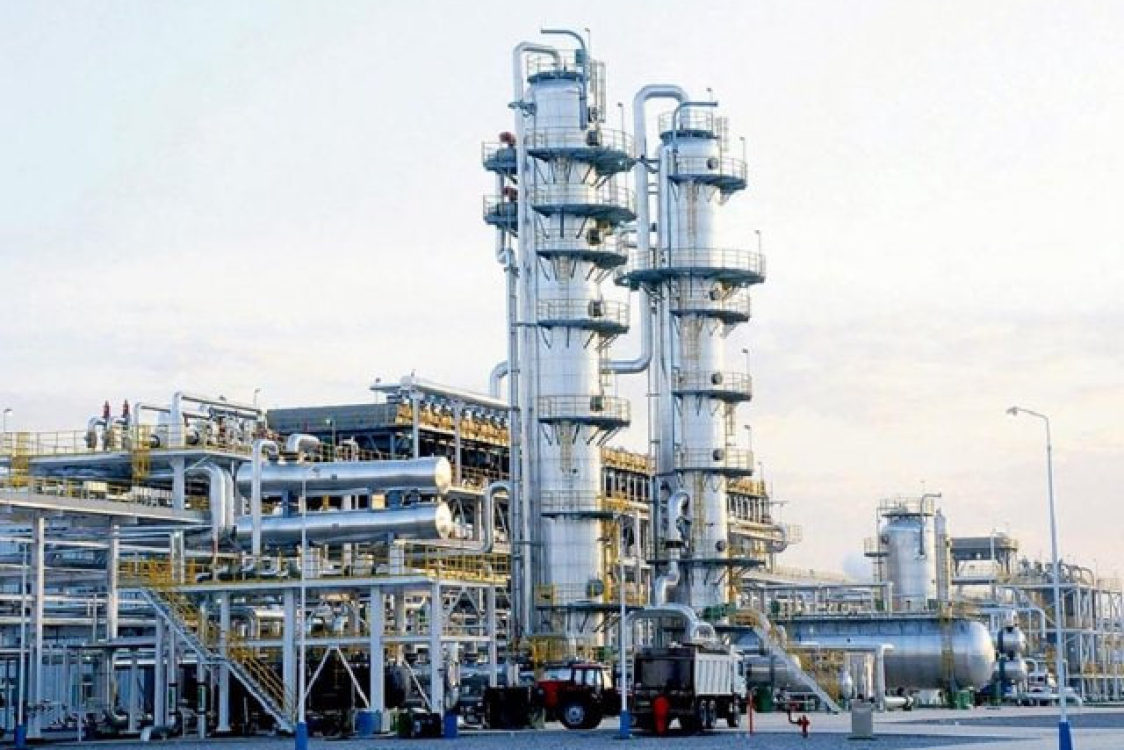
The Turkmenbashi Complex exceeded its oil refining target
09.09.2026The Turkmenbashi Oil Refinery Complex of the State Concern ‘Türkmennebit’ has processed more than 2,805,000 tonnes of crude oil since the start of the year. The production target has been met at 100.6 per cent, according to the online news site AsmanNews. The plant refines oil produced in Turkmenistan and produces motor petrol, diesel fuel, aviation and industrial kerosene, liquefied petroleum gas, lubricating oils, polypropylene, fuel oil, bitumen and petroleum coke. Its production capacity ensures the supply of petroleum products and petrochemical products to domestic and international markets.
TIF 2026 will showcase investment opportunities in Turkmenistan
07.09.2026The Turkmenistan Investment Forum (TIF) will take place in Ashgabat from 1 to 2 October 2026. The event is being organised by the Ministry of Foreign Affairs of Turkmenistan, according to the press office of the Chamber of Commerce and Industry of Turkmenistan. According to the source, the forum will serve as a platform for interaction between foreign investors, international financial organisations and companies interested in entering the Turkmenistan market. During the event, it is planned to present the country’s investment opportunities and discuss ways to further attract foreign direct investment. Particular attention will be paid to the prospects for implementing joint investment projects, including regional initiatives. In addition, forum participants will consider issues relating to the development of Turkmenistan’s export potential and the expansion of business ties between domestic and foreign entrepreneurs and investors. One of the TIF’s key focuses will be the development of cooperation in the field of digitalisation. The forum aims to facilitate the introduction of modern digital solutions and the transition to a digital economy. The event will take place in Ashgabat and will bring together representatives from the business sector, the financial sector and the investment community.
Trades worth $38.5 million were concluded on the Turkmenistan Stock Exchange
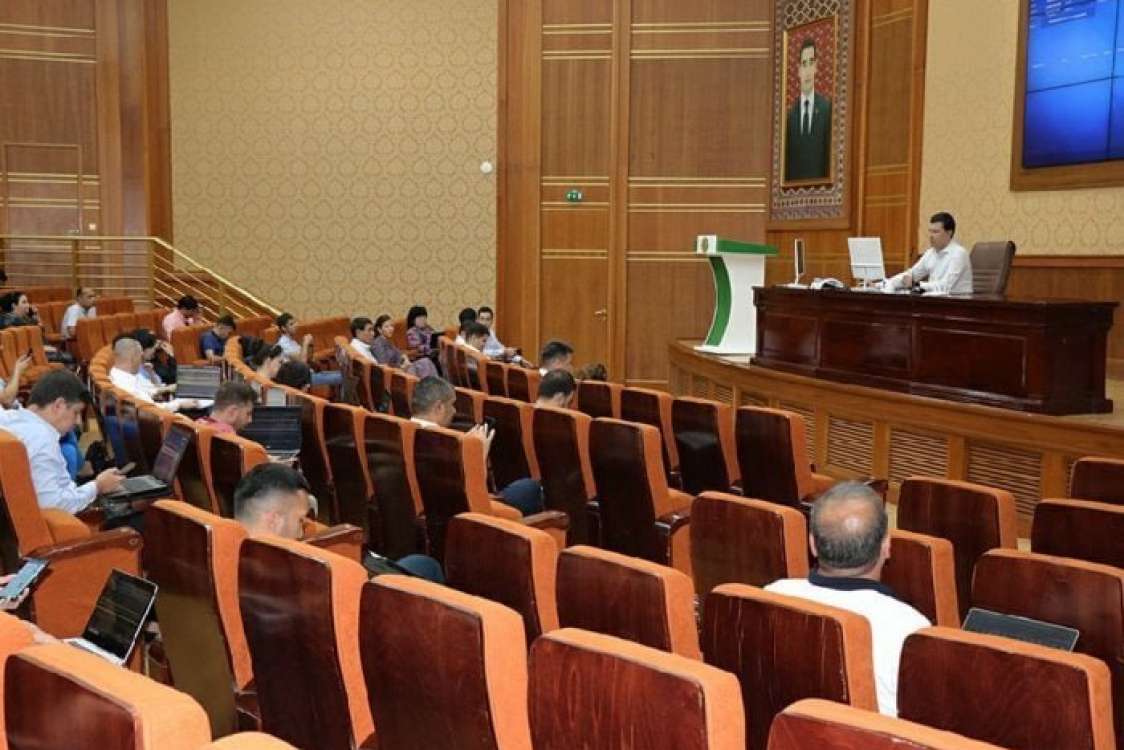
06.09.2026At this week’s trading sessions on the State Commodity and Raw Materials Exchange of Turkmenistan, transactions totalling over 38,560,000 US dollars were concluded in foreign currency, according to the State Commodity and Raw Materials Exchange of Turkmenistan. This was reported by the online publication ‘Business Turkmenistan’. Businesses from the UAE, Turkey, Azerbaijan, Kyrgyzstan and Singapore purchased low-sulphur fuel oil, Portland cement, dried unrefined liquorice root, cotton yarn, bleached household gauze, as well as cotton fabrics and calico. Local entrepreneurs purchased construction-grade petroleum bitumen, cotton fibre, raw silk, cotton yarn and fabric for the domestic market, totalling 140,311,100 manats. A total of 22 transactions were concluded on the exchange this week.
Tajikistan is expanding its trade and transport cooperation with Turkmenistan
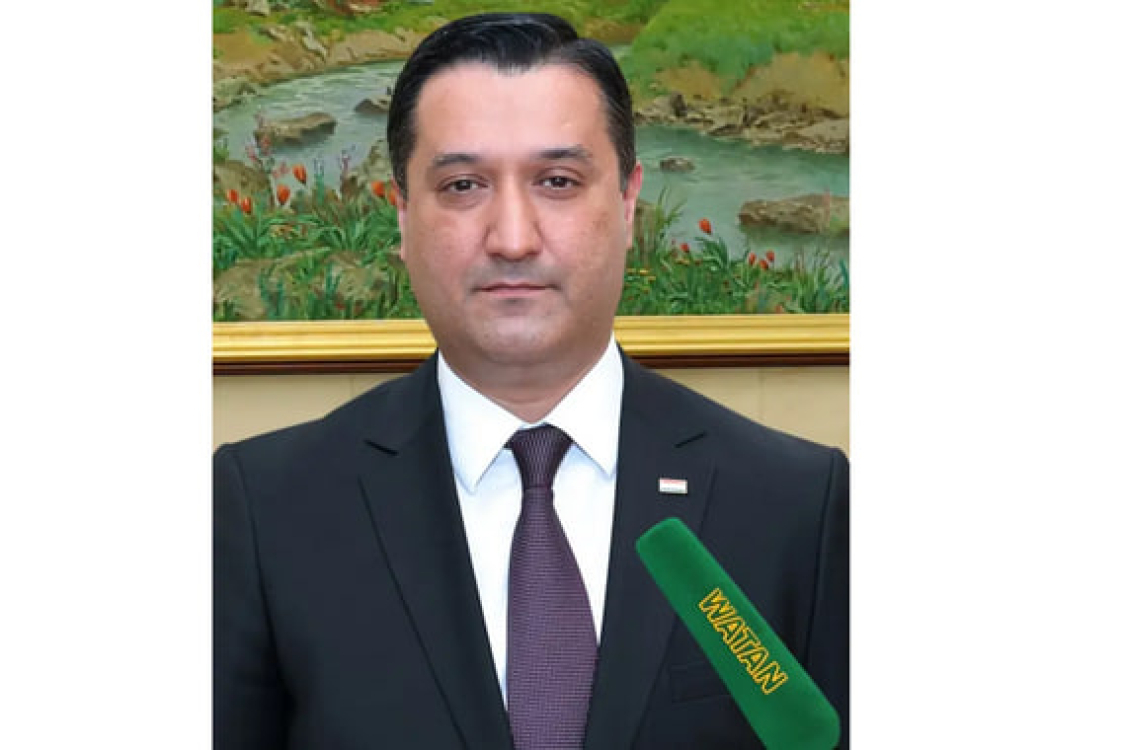
06.09.2026The development of transport routes through Turkmenistan is opening up opportunities for Tajik goods to reach new markets and is strengthening trade and economic ties between the two countries. This was stated by Vafo Alibek Niyatbekzoda, Tajikistan’s Ambassador to Turkmenistan, in an article for the newspaper ‘Neutral Turkmenistan’, according to the news website Turkmenportal. According to the diplomat, the volume of rail and road transport through Turkmenistan increased in 2026. He highlighted the country’s geographical location and its transit potential. Economic cooperation is also developing. In March, the 14th meeting of the Joint Inter-governmental Commission on Trade, Economic, Scientific and Technical Cooperation took place in Dushanbe. In July, the second meeting of the Tajik-Turkmen Business Council was held.
Trades worth $38.5 million were concluded on the Turkmenistan Stock Exchange
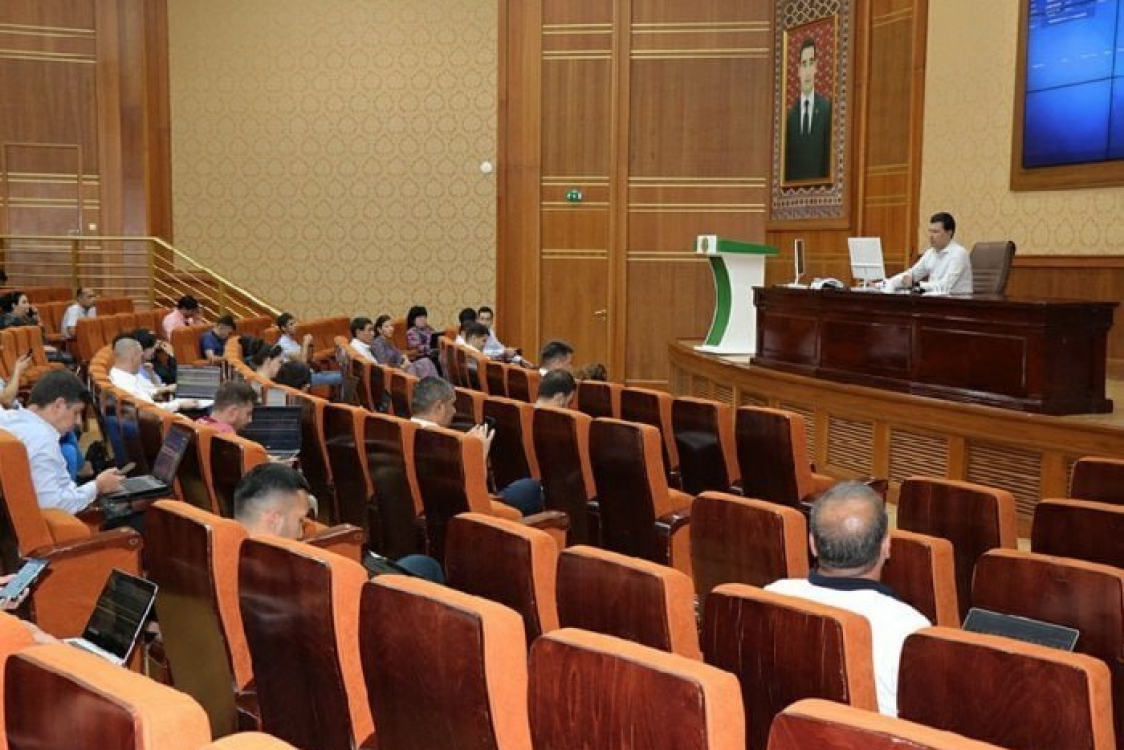
06.09.2026At this week’s trading sessions on the State Commodity and Raw Materials Exchange of Turkmenistan, transactions totalling over 38,560,000 US dollars were concluded in foreign currency, according to the State Commodity and Raw Materials Exchange of Turkmenistan. This was reported by the online publication ‘Business Turkmenistan’. Businesses from the UAE, Turkey, Azerbaijan, Kyrgyzstan and Singapore purchased low-sulphur fuel oil, Portland cement, dried unrefined liquorice root, cotton yarn, bleached household gauze, as well as cotton fabrics and calico. Local entrepreneurs purchased construction-grade petroleum bitumen, cotton fibre, raw silk, cotton yarn and fabric for the domestic market, totalling 140,311,100 manats. A total of 22 transactions were concluded on the exchange this week.
Tajikistan is expanding its trade and transport cooperation with Turkmenistan
06.09.2026The development of transport routes through Turkmenistan is opening up opportunities for Tajik goods to reach new markets and is strengthening trade and economic ties between the two countries. This was stated by Vafo Alibek Niyatbekzoda, Tajikistan’s Ambassador to Turkmenistan, in an article for the newspaper ‘Neutral Turkmenistan’, according to the news website Turkmenportal. According to the diplomat, the volume of rail and road transport through Turkmenistan increased in 2026. He highlighted the country’s geographical location and its transit potential. Economic cooperation is also developing. In March, the 14th meeting of the Joint Inter-governmental Commission on Trade, Economic, Scientific and Technical Cooperation took place in Dushanbe. In July, the second meeting of the Tajik-Turkmen Business Council was held.
Uzbekistan has become one of Turkmenistan’s leading trading partners
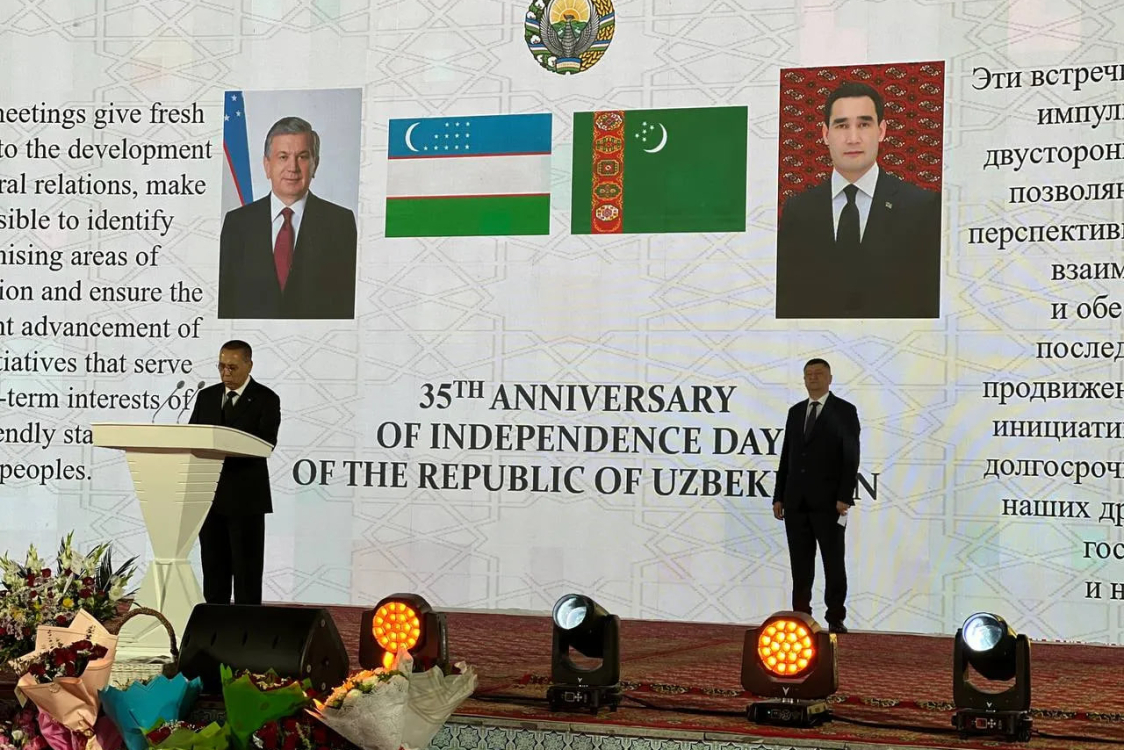
06.09.2026According to figures for the first seven months of 2026, Uzbekistan has become one of Turkmenistan’s four largest trading partners in terms of foreign trade turnover. This was announced by the Deputy Chairman of the Cabinet of Ministers, Hojamyrat Geldimyradov, as reported by Turkmenportal. According to the Deputy Prime Minister, trade between the two countries in January–July totalled nearly US$800 million. This is 18 per cent higher than the figure for the same period in 2025. In 2025, the volume of trade between Turkmenistan and Uzbekistan reached US$1.2 billion, having increased by almost 60 per cent over the year. Ravshanbek Alimov, Uzbekistan’s Ambassador to Turkmenistan, stated that the two sides expect to increase bilateral trade to US$2 billion in the near future. The diplomat also highlighted the development of a strategic partnership and good-neighbourly relations between the two countries.
Read also
Advertising


 Read us in Zen


