



Economy
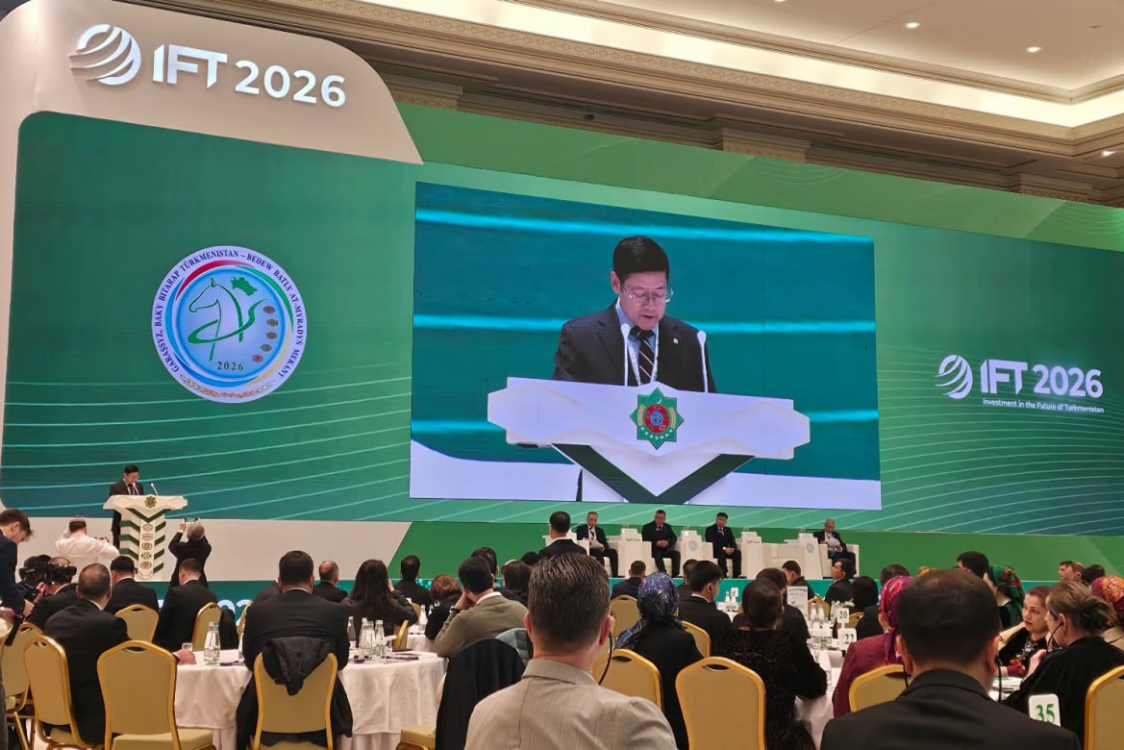
Chinese investors are stepping up their cooperation with Turkmenistan
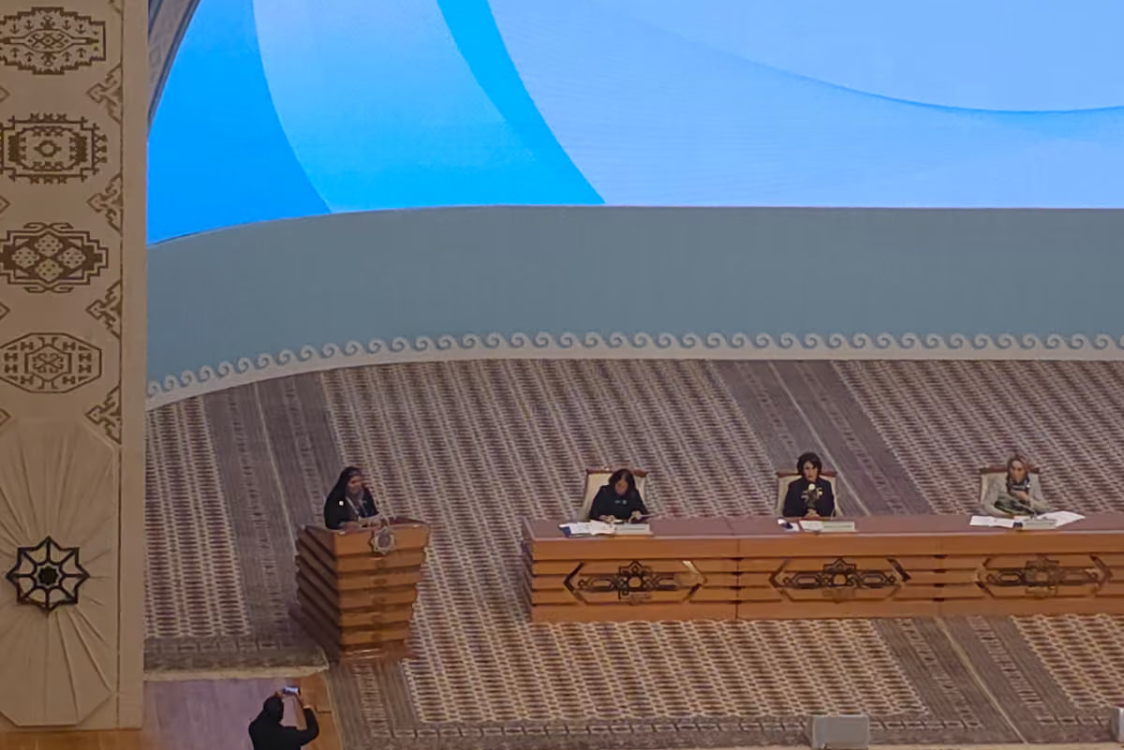
18.03.2026Liu Chuanwu, founder of the Silk Road Economic Alliance and Head of ‘Huahe International’, addressed the International Forum on Private Sector Investment ‘Investing in the Future of Turkmenistan’ (‘IFT 2026’) in Ashgabat. This was reported by IIC. He emphasised Turkmenistan’s strategic role as a consistent and reliable investment partner. The Chinese delegation, comprising more than twenty executives from leading companies, expressed its readiness to invest in key sectors of the country’s economy. Investors’ interests span smart agriculture, seed production, energy equipment manufacturing, satellite communications and IT. Liu Chuanwu noted that the technological capabilities of Chinese companies align with Turkmenistan’s plans for industrialisation and private sector development. Particular attention was paid to the cooperation between ‘Huahe International’ and the Union of Industrialists and Entrepreneurs of Turkmenistan: strengthening interaction with state bodies, establishing permanent trade channels and organising regular business missions. According to Liu Chuanwu, ‘IFT 2026’ could serve as a starting point for the practical implementation of agreements and a new level of investment partnership between Turkmenistan and China.
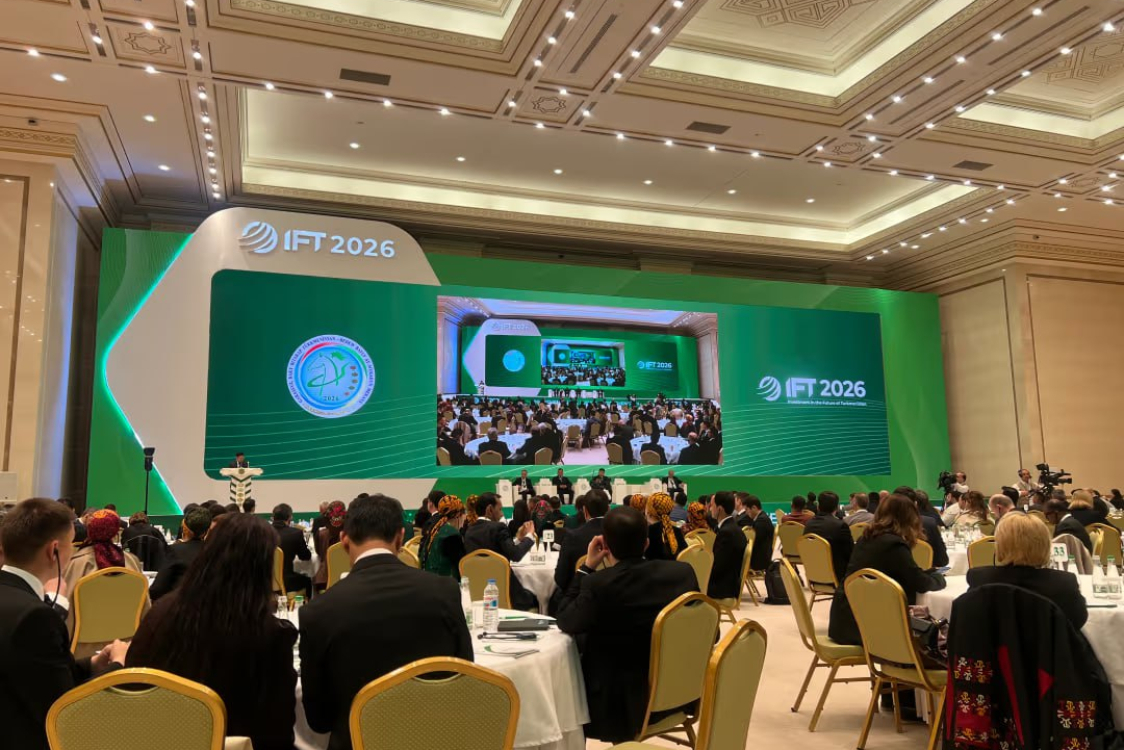
Turkmenistan is strengthening its position in global trade and logistics
18.03.2026Perhat Yagshiyev, Deputy Minister of Finance and Economy of Turkmenistan, spoke at the ‘IFT 2026’ International Forum, highlighting key areas of economic development and the country’s accession process to the WTO. This was reported by the news website Turkmenportal. According to P. Yagshiyev, a draft Memorandum on the foreign trade regime has now been prepared, and WTO standards are being phased in in coordination with the WTO Secretariat and international partners. In 2025, Turkmenistan’s GDP exceeded US$77.4 billion with growth of 6.3%, investment amounted to over US$12.8 billion (+6%), inflation fell to 3.2%, and external debt did not exceed 3% of GDP. There has been no domestic debt since January 2022. Foreign trade turnover reached US$21.8 billion (+10.3%). The main areas for foreign investment are the oil and gas and chemical industries, energy, construction and the agro-industrial sector. Particular attention is paid to transport and logistics capacity: Turkmenistan participates in international corridors, including the Trans-Caspian route, a branch of the ‘North-South’ corridor and the Lapis Lazuli corridor. The third phase of the ‘Ashgabat–Turkmenabat’ motorway is scheduled for completion in 2026.
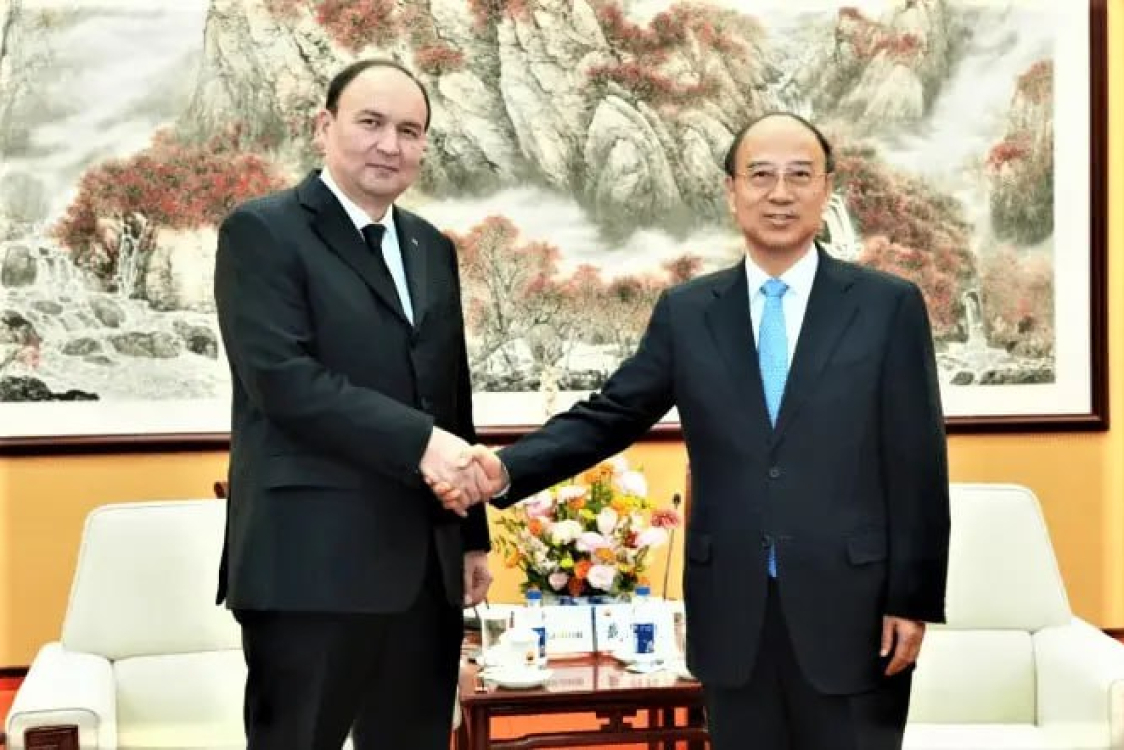
The Deputy Prime Minister of Turkmenistan held a meeting with the Chairman of the Board of CNPC
18.03.2026On 16 March, Guvanch Agajanov, Deputy Chairman of the Cabinet of Ministers of Turkmenistan, held a meeting in Beijing with Dai Houliang, Chairman of the Board of the China National Petroleum Corporation (CNPC). This was reported by the Orient news agency. The parties discussed deepening cooperation in the gas sector. G. Agajanov noted that the partnership in the gas industry had become a strategic project going beyond simple supplies, and that the ‘Turkmenistan–China’ gas pipeline and the development of the right bank of the Amu Darya were strengthening joint opportunities. Dai Houliang emphasised his readiness to continue investing, making effective use of Turkmenistan’s resources and the potential of the Chinese market. The parties noted the importance of mutual trust and reaffirmed their intention to develop the technological level of joint projects, strengthening the ‘energy bridge’ between Central Asia and China.
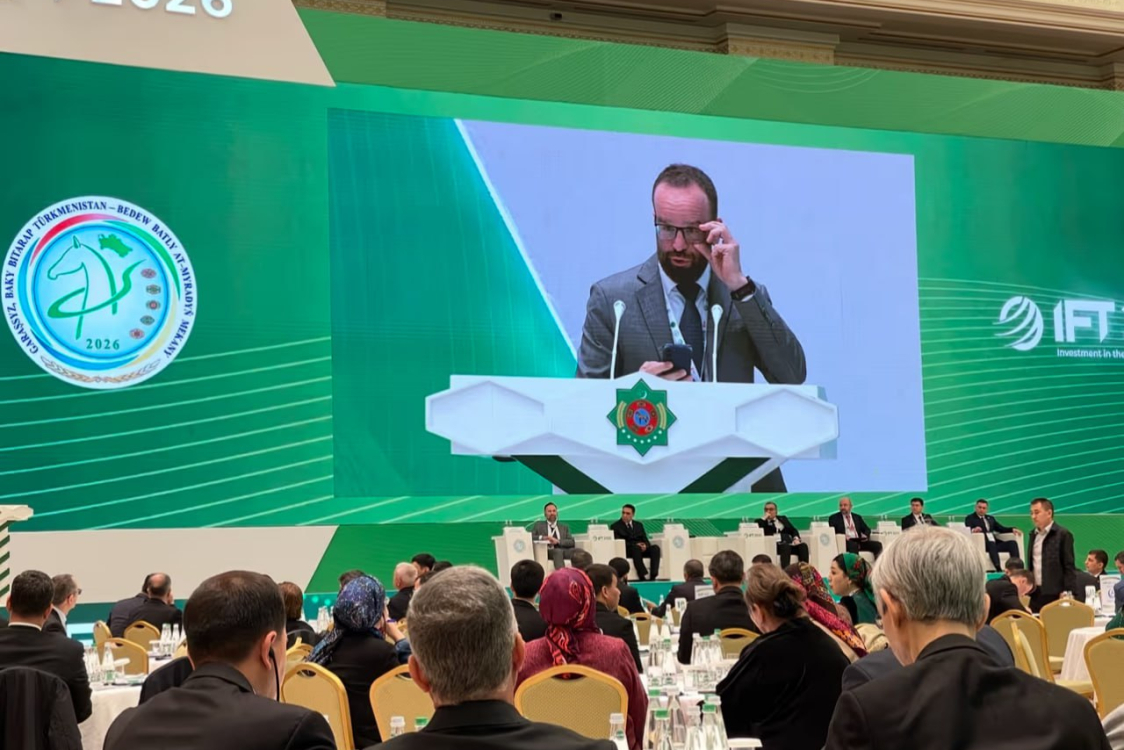
The EBRD supports the development of public-private partnerships in Turkmenistan
18.03.2026The European Bank for Reconstruction and Development (EBRD) confirmed its readiness to expand cooperation with Turkmenistan at the ‘IFT 2026’ international investment forum, focusing on the development of public-private partnership (PPP) mechanisms. This was reported by IIC. According to Eric Livny, Head of the EBRD’s Representative Office in Turkmenistan, this model is effective for modernising infrastructure and stimulating economic growth. PPPs offer businesses the opportunity to participate in large-scale state programmes, sharing risks and resources between the state and the private sector. The introduction of such mechanisms attracts foreign investment and facilitates the adoption of modern technologies in key sectors. Turkmen construction companies are already actively adopting this model, and joint projects with the EBRD will provide access to long-term financing and strengthen international competitiveness. The development of PPPs is seen as an important step towards building a sustainable and diversified economy for the country.

The private sector is showcasing its projects at an exhibition in Ashgabat
18.03.2026On 17 March, an exhibition marking the 18th anniversary of the establishment of the Union of Industrialists and Entrepreneurs of Turkmenistan opened at the building of the Chamber of Commerce and Industry of Turkmenistan. This was reported by the publication ‘Turkmenistan: Golden age’. More than 100 companies from various sectors – ranging from the food industry to high technology – are taking part in the exhibition. The event aims to showcase the capabilities of the private sector, develop business contacts and facilitate the exchange of experience. Among the participants is the menswear manufacturer ‘Nurland’. The company was founded in 2016 and previously operated under the name ‘Biçüw’. Its production combines handcrafting with modern technologies, including 3D solutions. The company collaborates with foreign suppliers of fabrics and accessories. The brand has two boutiques in Ashgabat. A branch has also been opened in Dubai. The boutiques use body-scanning systems to select clothing tailored to the customer’s measurements. The exhibition will run until 19 March. As part of the event, the International Forum ‘Investing in the Future of Turkmenistan’ will take place on 18 March.
Turkmenistan and India are strengthening their cooperation in the chemical and industrial sectors
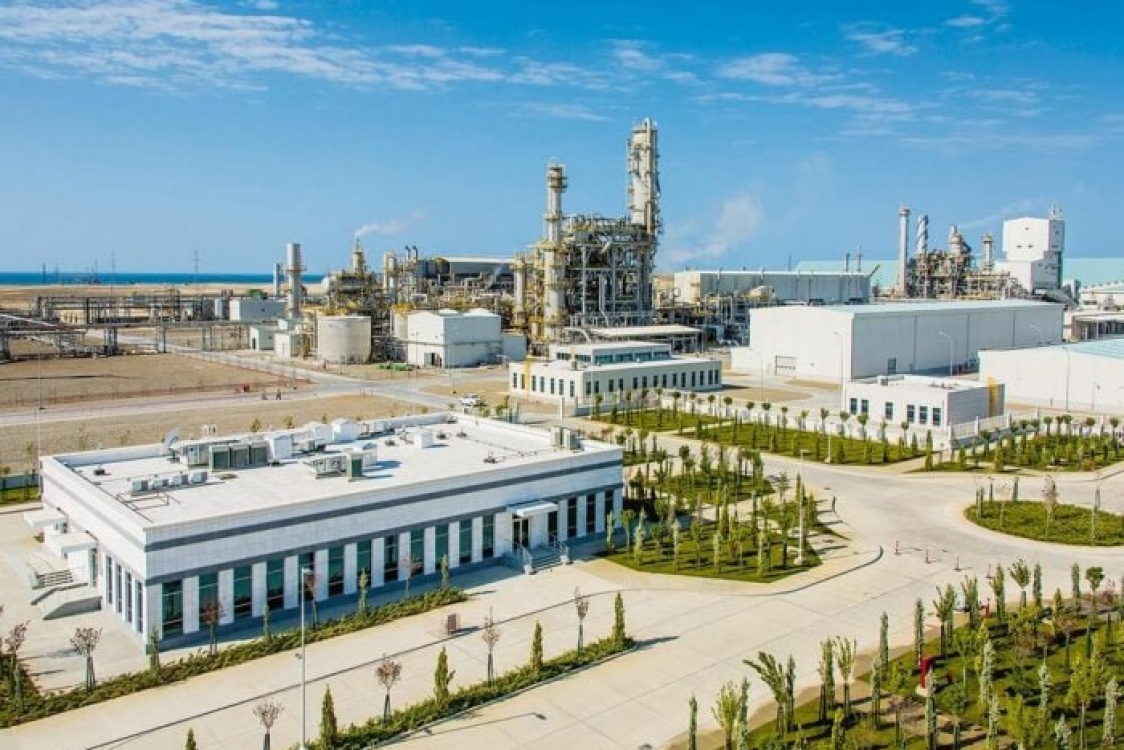
17.03.2026Baymyrat Annamammedov, Deputy Chairman of the Cabinet of Ministers of Turkmenistan, held a meeting with Bandaru Wilsonbabu, the Indian Ambassador to Turkmenistan. This was reported by the online publication ‘Business Turkmenistan’. The parties discussed cooperation in the production of fertilisers. They also explored prospects for partnership in the fields of industry, construction and the chemical sector. Previously, the countries had been considering the possibility of implementing new joint projects that could expand business opportunities for the business communities of both nations.
Last week, 34 transactions were concluded on the Turkmenistan Stock Exchange
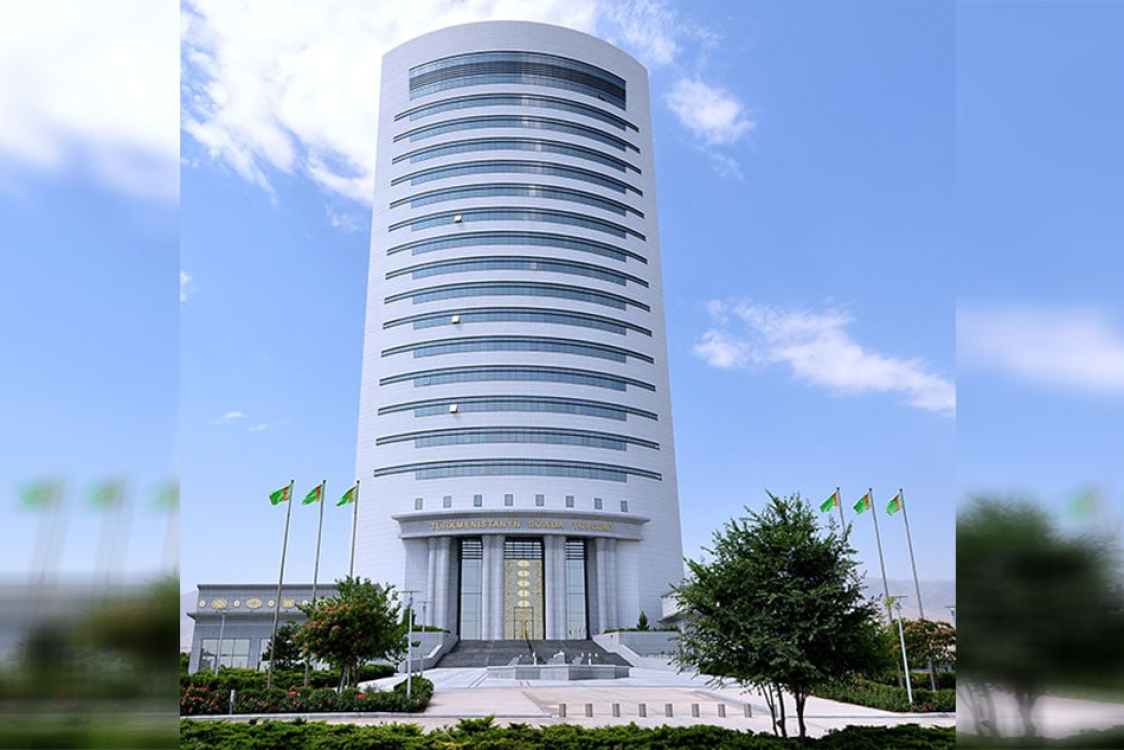
17.03.2026Last week, 34 transactions took place on the State Commodity and Raw Materials Exchange of Turkmenistan. This was reported by the news agency ‘Turkmenistan: Golden age’. Companies from the UAE, Turkey and Georgia purchased polypropylene and base oil produced by the State Concern ‘Türkmennebit’ in exchange for foreign currency. Foreign buyers also purchased denim products, regenerated fibre, cotton fabric and yarn, karakul wool and wheat flour. Transactions with the UAE, Turkey, Estonia and Kyrgyzstan exceeded US$9 million. On the domestic market, businesses purchased polypropylene and oil from the ‘Türkmennebit’ State Concern, technical sulphur from the ‘Türkmengaz’ State Concern, undistilled fatty acids from cotton soapstock, dyed terry cloth, silk and cotton fabrics, as well as wheat flour. The total amount amounted to over 229.4 million manats.
An exhibition marking the 18th anniversary of the UIET has opened in Ashgabat
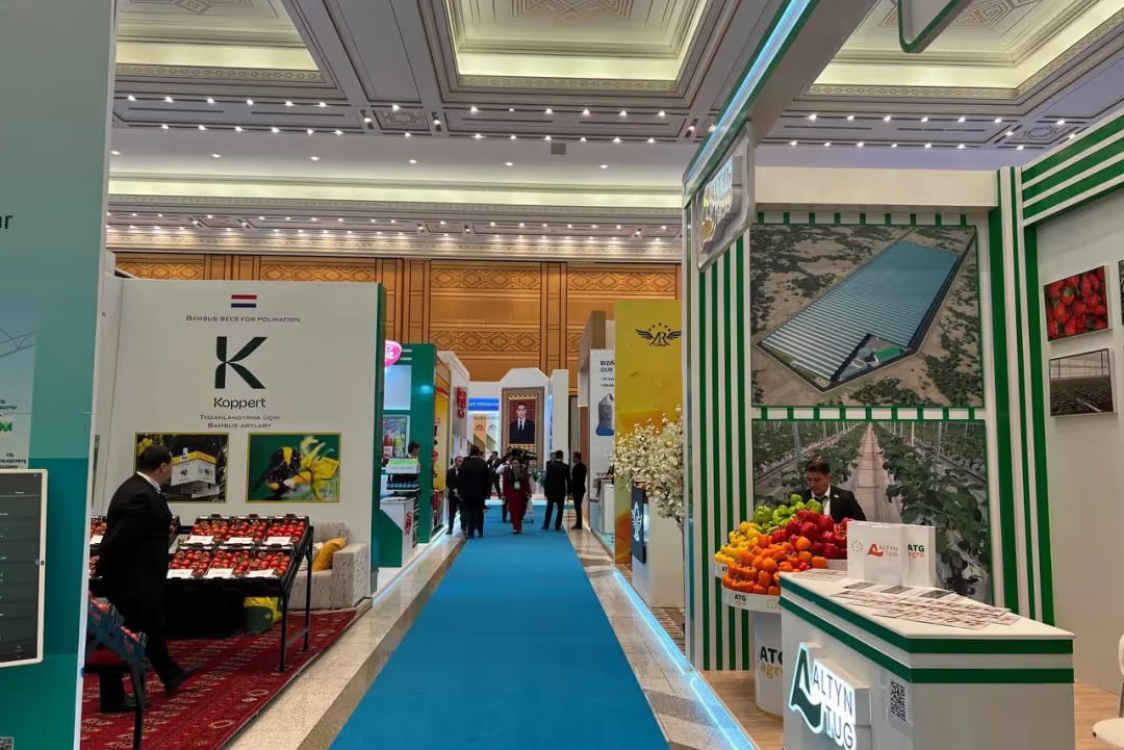
17.03.2026An exhibition marking the 18th anniversary of the Union of Industrialists and Entrepreneurs of Turkmenistan (UIET) opened on 17 March in Ashgabat at the building of the Chamber of Commerce and Industry of Turkmenistan. The event is attended by representatives of ministries, public organisations, the media, foreign companies and diplomatic missions, reports the news website Turkmenportal. The exhibition brings together more than 200 companies from various sectors of the economy, including the domestic private sector, and will run until 19 March, serving as a platform for showcasing business achievements and establishing business contacts. On 18 March, the International Forum ‘Investing in the Future of Turkmenistan’ will commence at the Chamber of Commerce and Industry, featuring business meetings, project presentations and discussions on strategies for attracting investment and developing the private sector. The exhibition and forum highlight the contribution of entrepreneurship to the country’s economy and promote the expansion of international cooperation.
Turkmenistan and Uzbekistan discussed a partnership in the field of road construction
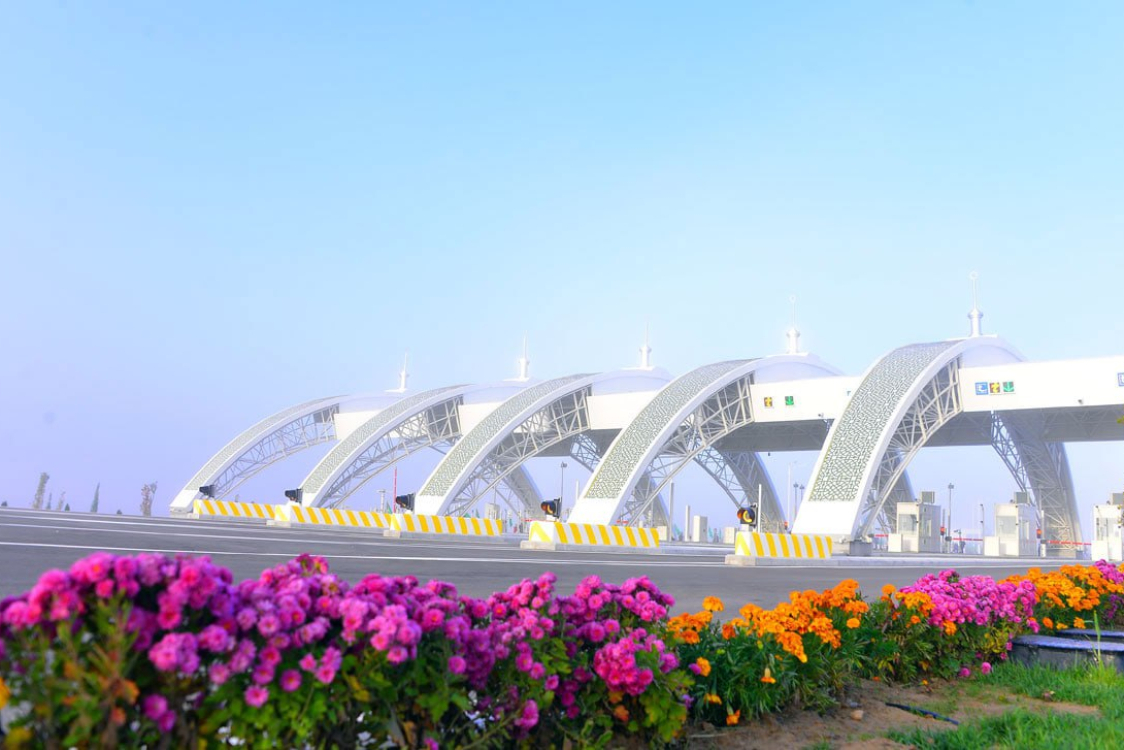
17.03.2026The Minister of Road Transport of Turkmenistan, Hangeldi Kerimov, met with the Ambassador of Uzbekistan to Turkmenistan, Ravshanbek Alimov, to discuss issues of bilateral cooperation in the field of road construction. This was reported by the online publication ‘Business Turkmenistan’. The parties also discussed the development of transport and transit corridors between the two countries. Particular attention was paid to the introduction of modern technologies in the road sector, digital management of infrastructure projects, the design of bridges and other transport facilities, as well as the exchange of expertise. It was noted that the launch of the ‘Ashgabat–Turkmenabat’ expressway could contribute to the growth of trade and freight transport, as well as the development of international transit routes. Following the meeting, the parties expressed their readiness to expand practical cooperation, including mutual visits, expert meetings and the implementation of joint projects.
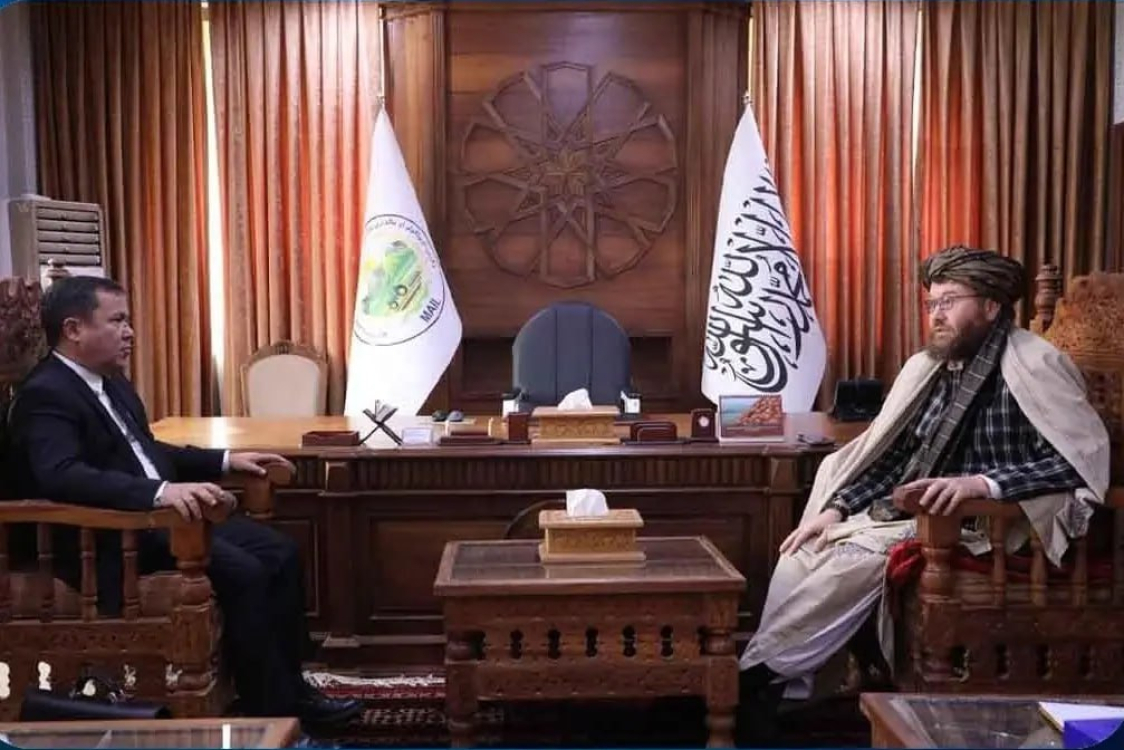
Turkmenistan and Afghanistan discussed the progress of the TAPI project
16.03.2026On 15 March, the Minister of Agriculture, Irrigation and Livestock of Afghanistan, Mawlawi Attaullah Omari, held negotiations in Kabul with the Executive Director of the ‘TAPI Pipeline Company Ltd.’ consortium Muhammetmyrat Amanov and the Ambassador Extraordinary and Plenipotentiary of Turkmenistan to Afghanistan, Hoja Ovezov. This was reported by the news agency Orient. The main topic of discussion was the procedure for the expropriation and lease of land plots along the future pipeline route. The Afghan side is developing a tariff system for the purchase or lease of private and state-owned land. The Head of the consortium called for the land registration process to be expedited so as not to disrupt the construction schedule. Meanwhile, a technical delegation from the land authority is working in Herat province, where route marking is underway. The minister confirmed that TAPI remains a strategic project for the country’s economy. His department will be responsible for land valuation, monitoring property rights and ensuring the legality of compensation.
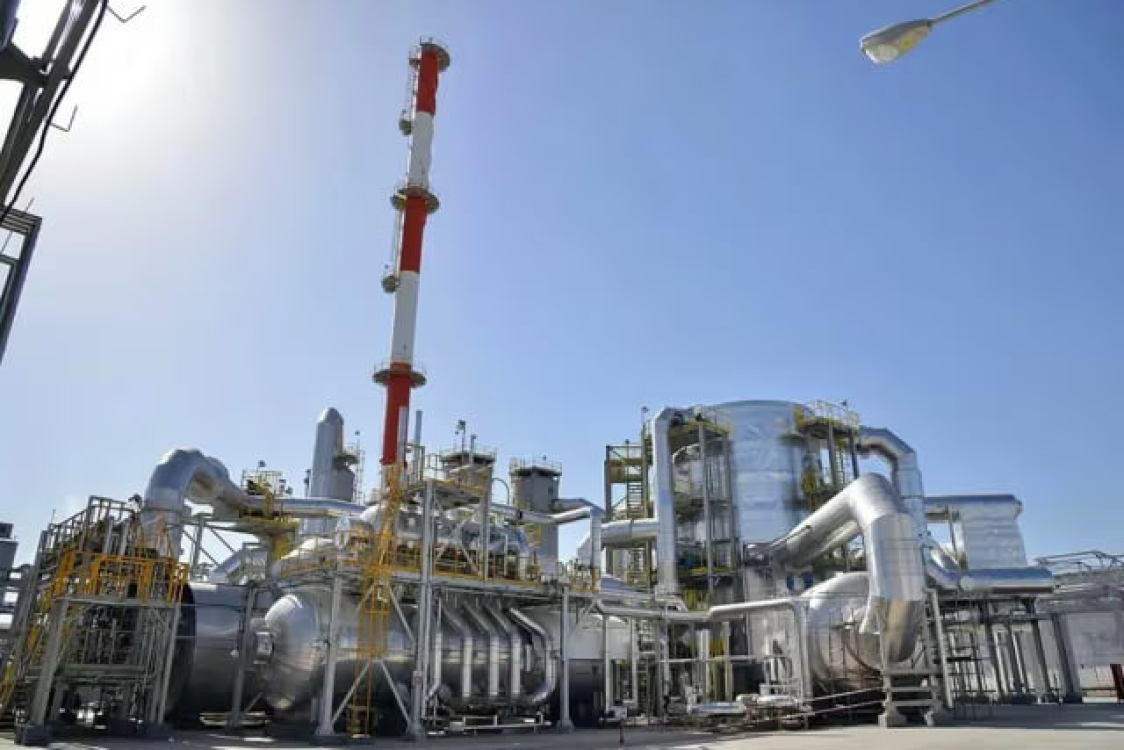
Turkmenabat Chemical Plant is building a fertiliser production complex
14.03.2026Construction of a mineral fertiliser production complex is continuing at the Turkmenabat Chemical Plant named after S.A. Niyazov. The foundation stone was laid last year, reports TDH. The new complex is designed to produce 350,000 tonnes of superphosphate and 100,000 tonnes of ammonium sulphate per year. The project aims to expand the country’s chemical industry’s production capacity. The ‘Industry 4.0’ concept is being implemented at the plant. It involves the digitalisation of production processes and the use of artificial intelligence technologies to monitor chemical operations and ensure the accuracy of product composition. It is reported that industrial internet technologies and big data analytics will be applied in production. This will enable real-time monitoring of phosphate fertiliser output, optimisation of raw material and electricity consumption, and a reduction in the risk of production disruptions. The project also provides for the creation of new jobs for graduates of technical higher education institutions. Particular attention is being paid to environmental safety. The technology involves a closed-loop system for production gases, which will reduce emissions into the environment. The modernisation of the Turkmenabat Chemical Plant named after S.A. Niyazov is seen as part of the development of the chemical industry and the introduction of resource-saving technologies.
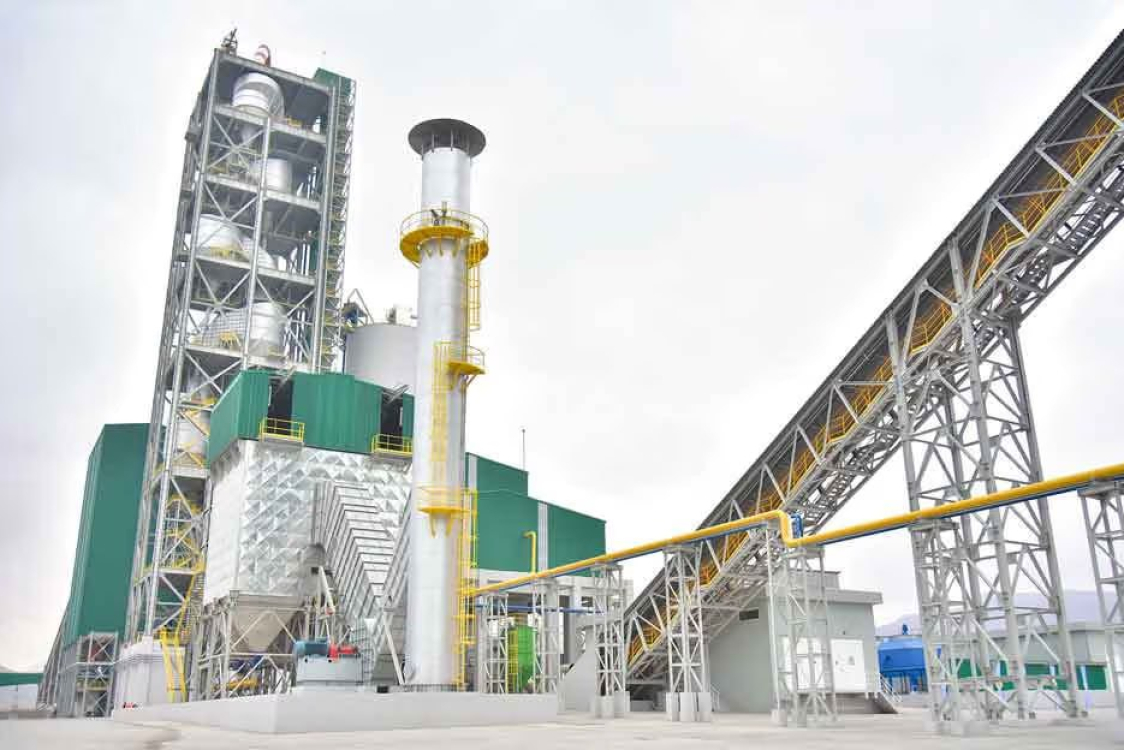
The ‘Lebap’ Cement Plant is ramping up production for national construction projects
14.03.2026The Koytendag region, with its rich resource base, remains a strategic industrial hub for Turkmenistan. As part of socio-economic development programmes, the ‘Lebap’ cement plant was constructed in two phases, according to the IIC of Turkmenistan. The first phase began operations in 2013, and the second eleven years later, which helped to strengthen the import substitution policy and supply the country’s major construction projects with domestically produced cement. Today, the plant supplies materials for the construction of residential complexes, schools, hospitals and industrial facilities across the country. The plant produces Portland cement and its sulphate-resistant variants. Last year, the plant produced over 1.53 million tonnes of product, and in the first two months of this year – 218,000 tonnes. Once it reaches full capacity, the volume of supply will reach up to 2 million tonnes per year. Raw materials are extracted from five quarries located between 3 and 70 km away, which reduces transport costs and the cost of production. Delivery is carried out by road and rail, and strict monitoring of contract fulfilment ensures competitiveness in both domestic and international markets. More than 800 qualified specialists are responsible for the plant’s success. The administration and trade union of the Koytendag etrap actively motivate the workforce by recognising the best employees. Modern technology and the dedication of the staff enable the ‘Lebap’ plant to maintain its leading position and make a significant contribution to the country’s economy.
Read also
Advertising



 Read us in Zen


