


Economy
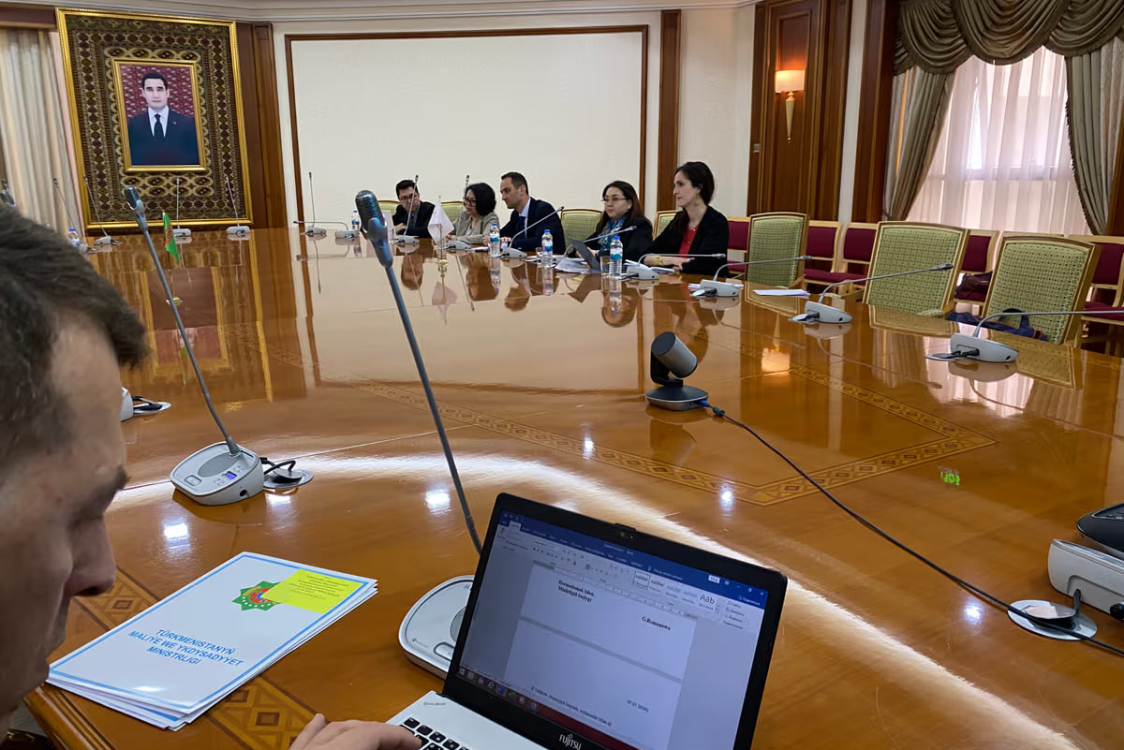
A working mission on the TCTC program took place in Turkmenistan
29.03.2026In Tashkent in November 2025, the European Union, GIZ, and Expertise France signed a tripartite agreement to launch the Trans-Caspian Transport Corridor (TCTC) Capacity Development Program, the IIC reports. The program aims to enhance the efficiency and sustainability of the TCTC — a route connecting Central Asia with Europe. The initiative’s goal is to establish a predictable and competitive transport corridor that promotes economic growth and regional development. The program is scheduled for implementation from 2026 to 2029 and is carried out by GIZ in partnership with Expertise France. From March 24 to 27, 2026, a working mission took place in Turkmenistan, led by Asel Uzagalieva, Deputy Head of the “Trade Facilitation in Central Asia” (TFCA) project. The delegation included representatives from Expertise France. The purpose of the visit was to meet with public and private institutions to identify priority activities. Discussions were held with the Ministry of Trade and Foreign Economic Relations, the Ministry of Finance and Economy, the State Plant Quarantine Service, the Ministry of Agriculture, the Turkmenistan Transport and Logistics Center (TULM), as well as the Union of Industrialists and Entrepreneurs of Turkmenistan. The delegation also visited the Turkmenbashi International Sea Port and met with representatives of the State Maritime and River Transport Service and the port management to discuss further cooperation.
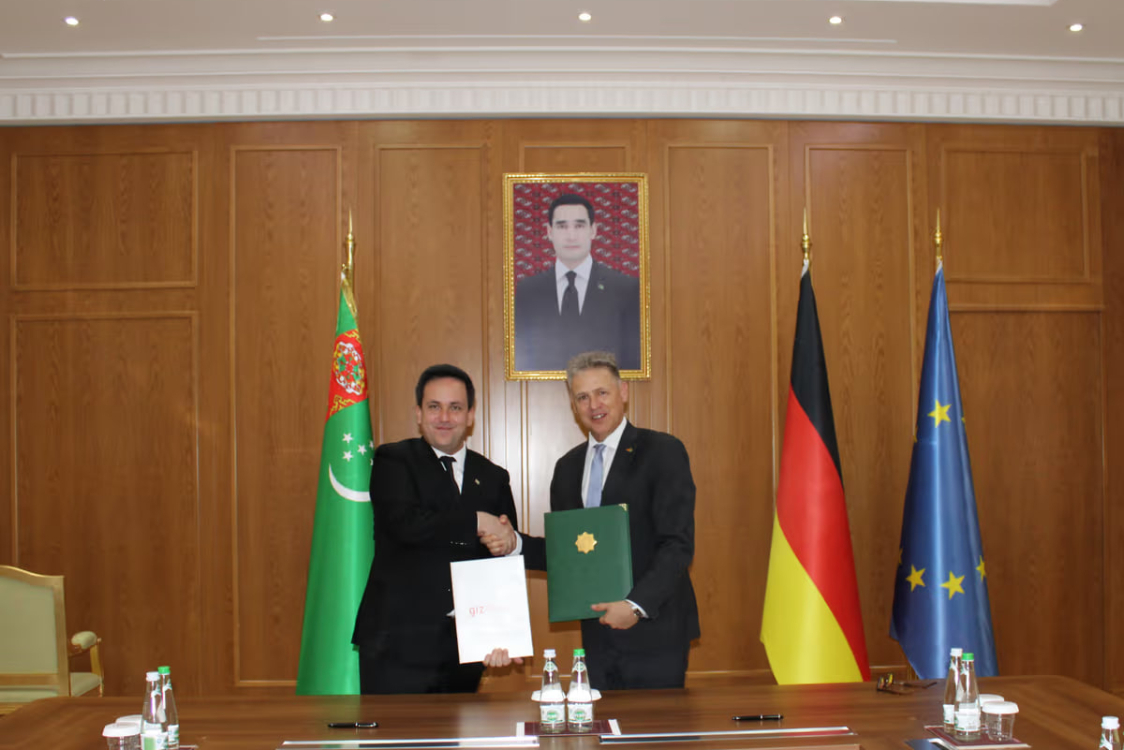
A protocol has been signed to the memorandum between Turkmenistan and GIZ
29.03.2026Turkmenistan’s Minister of Trade and Foreign Economic Relations, Nazar Agakhanov, and GIZ Coordinator in Turkmenistan, Joachim Fritz, signed a protocol amending the Memorandum of Understanding from March 2024, the IIC reports. The document provides for the continued implementation of the Trans-Caspian Transport Corridor Capacity Development Program in Turkmenistan. The program was launched following the International Investors Forum on the Trans-Caspian Transport Corridor held in Tashkent in November 2025. At that time, the European Union, Germany, and France signed a tripartite agreement on its implementation. The initiative aims to enhance the efficiency and sustainability of the transport route connecting Central Asia and Europe. The program’s implementation in the region is scheduled for 2026–2029. The project will be carried out with financial support from the EU, Germany, and France, with the involvement of GIZ and Expertise France.
The marketplace Ozon has entered the Turkmenistan market
28.03.2026The Russian marketplace Ozon has launched sales for residents of Turkmenistan. The platform ozon.tm offers over 150 million products, including children’s goods and household appliances, reports Turkmenportal. In the first phase, delivery is available only in Ashgabat through “Turkmenpochta” branches. The delivery time is approximately ten days. In April, the company plans to expand to other regions and introduce courier delivery. Ozon CIS CEO Natalia Boer highlighted the potential of the e-commerce market in Turkmenistan and stated that the service will become a convenient tool for everyday shopping.
Turkmenistan's foreign trade turnover with the EU reached 2.1 billion dollars
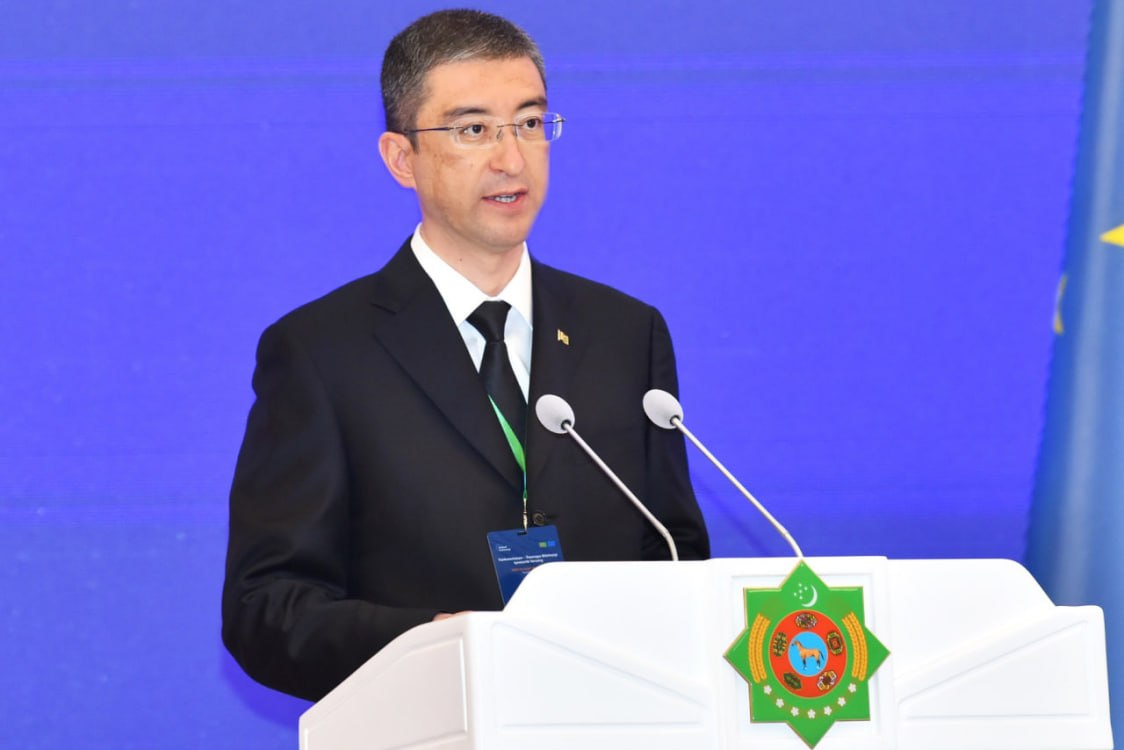
28.03.2026On March 26, a business forum titled "Turkmenistan – European Union" was held in Ashgabat. The event brought together over 200 delegates, including representatives from government bodies, businesses, and international financial institutions. The discussions focused on trade development and expanding economic cooperation, according to the publication “Turkmenistan: Golden Age”. The forum paid particular attention to the investment climate and integration with the European market. Turkmenistan’s Minister of Finance and Economy, Mammetguly Astanagulov, highlighted the strategic nature of the country’s engagement with the EU. He stated that cooperation spans trade, energy, transport, environmental, and humanitarian sectors. He also noted that Turkmenistan maintains economic ties with most EU countries. In 2025, the country’s foreign trade turnover reached approximately $2.1 billion. Cooperation is implemented through regional programs, country-specific projects, and financial agreements. Following the forum, participants reaffirmed their readiness to further develop the partnership and discuss priority areas of collaboration.
Turkmenistan offers foreign investors preferential profit tax rates
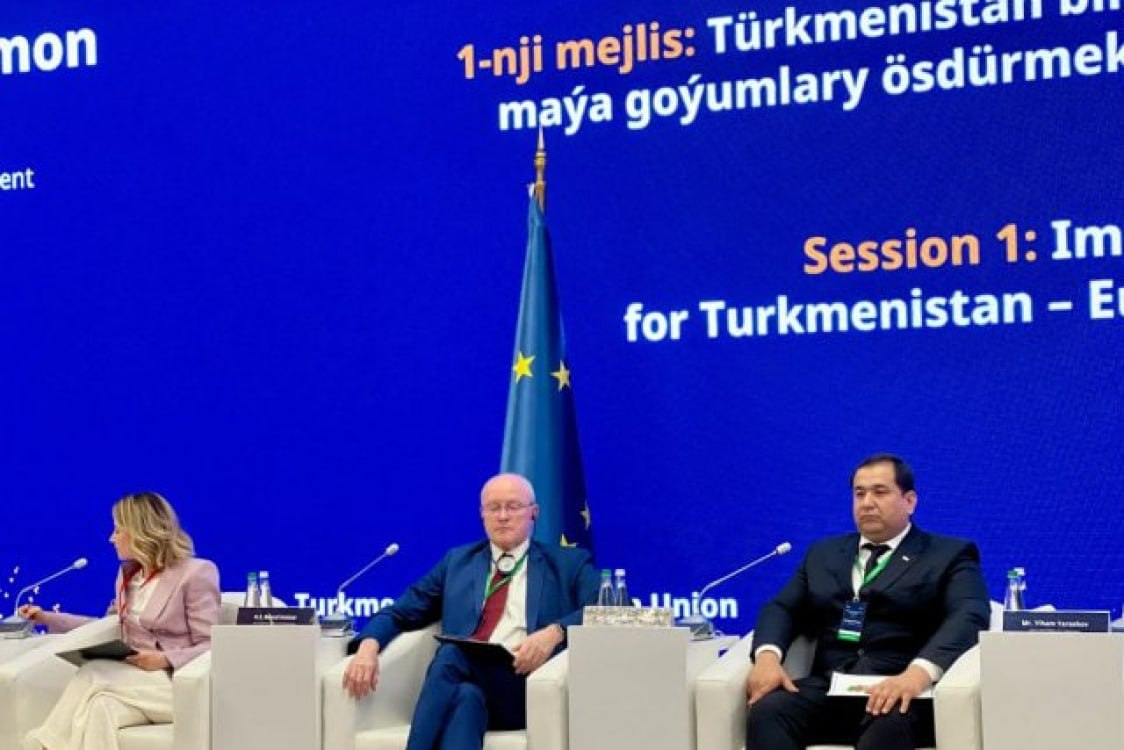
27.03.2026At the “Turkmenistan – EU” business forum, Deputy Minister of Finance and Economy Babanyaz Yalakov presented the country’s investment climate. Foreign investors are offered a profit tax of 8%, or 2% if calculated based on revenue, according to Infoportal. The fiscal system has remained stable for over 20 years: six basic taxes with fixed rates, a property tax of 1%, and a personal income tax of 10%. Agricultural enterprises are exempt from most taxes. A preferential profit tax rate applies to both private and foreign capital. State loans are provided at 5% per annum for up to 10 years; for agricultural producers, the rate is 1% per annum for up to 7 years. Turkmenistan is establishing free economic zones along its borders with neighboring countries. The free trade zone with Uzbekistan has already increased trade turnover between the two countries. In 2025, the third phase of the Ashgabat–Turkmenabat highway is planned to open, strengthening transport links with Uzbekistan. The Deputy Minister highlighted the country’s transit potential as a competitive advantage. Turkmenistan has seven international airports and participates in the East–West, North–South, and Azure corridors connecting Afghanistan and Turkey. In terms of integration into the global trade system, work continues on joining the WTO and adapting national legislation to its standards. International assessments of the country are improving: in July 2025, Fitch confirmed Turkmenistan’s credit rating at “B-” with a positive outlook, and the World Bank included the republic in the Business Ready system for assessing the business climate.
Turkmenistan is strengthening its energy sector and expanding its exports
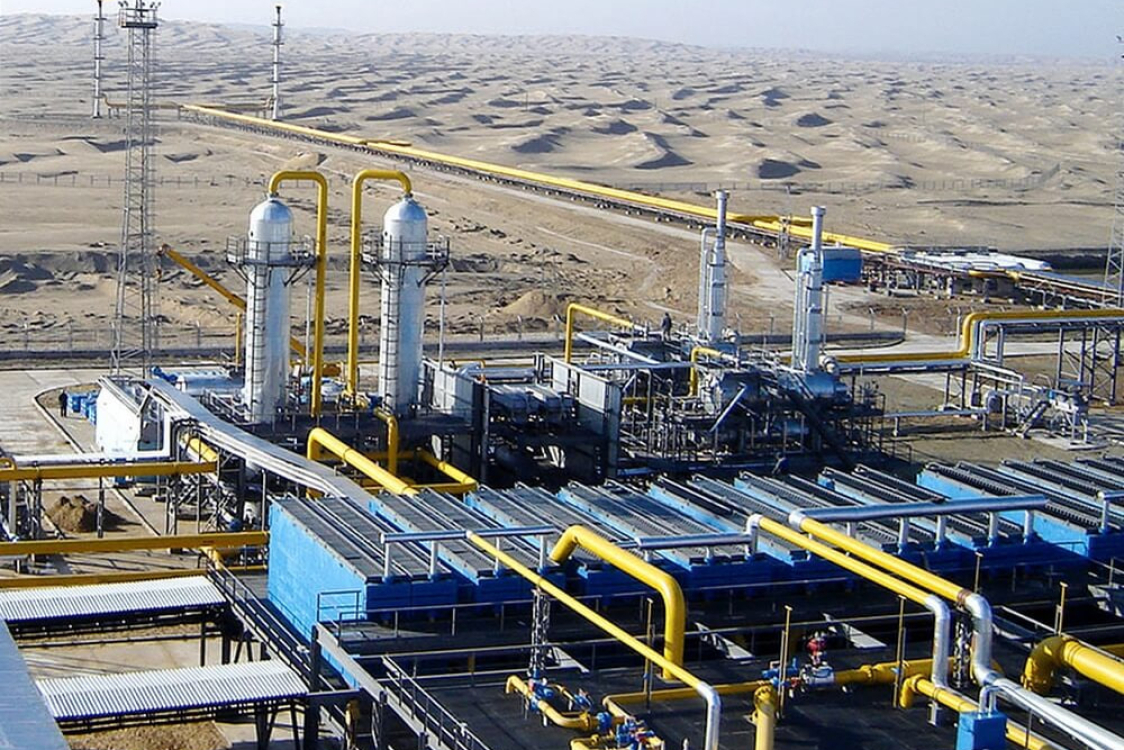
26.03.2026Turkmenistan’s energy strategy is based on diversification: the country is expanding its exports of high-tech products and electricity. Investments in the sector have increased production capacity, enabling the country to meet domestic demand and boost exports. Turkmenistan is becoming an important energy hub for Central and South Asia, promoting regional integration and cooperation, reports TDH. As part of the modernisation programme, new gas-turbine power stations, power transmission lines, distribution stations and substations have been built. A major project to integrate the power grid into a single ring includes the Ahal–Balkan line (started in 2021), Mary–Ahal (completed in 2023) and Balkan–Dashoguz (commissioned in 2024). This ensures the redistribution of electricity and a stable power supply to industry and the population. The country is introducing the latest technologies and cooperating with international companies. A 1,574 MW combined-cycle power station is under construction in the Balkan velayat, which will strengthen energy security, open up new export routes and increase electricity supplies to neighbouring states. Combined-cycle power stations also comply with environmental standards. Turkmenistan is implementing ISO 14001, automated air monitoring and localised production of transformers and cable products. Existing power stations, including the Mary Hydroelectric Power Station, are being modernised, and solar and wind power stations (e.g., Gyzylarbat, 10 MW) are being built to ensure stable energy production. Joint projects with ‘General Electric’ and ‘Sumitomo Corporation’ are enabling the implementation of ‘smart grid’ technology and microprocessor-based substation protection. The new gas turbine plant at the Lebap Hydroelectric Power Station (432 MW) has strengthened integration into the global power system and expanded export opportunities. Environmental technologies are being developed, and CO₂ and NOₓ emissions are being reduced. The electricity supply along the route of the ‘Turkmenistan–Afghanistan–Pakistan–India’ gas pipeline is creating conditions for industrial investment in Afghanistan. Turkmenistan’s system is integrated into the unified energy system of Central Asia, which strengthens regional stability. The State Energy Institute provides training for specialists, whilst technical maintenance is carried out by the Repair Centre in the Büzmeyin etrap. The Centre services ‘General Electric’ gas turbines and modern equipment in accordance with international standards. Turkmenistan utilises the low cost of electricity generated from natural gas to invest in socio-economic and high-tech sectors. Renewable energy sources are being developed – solar panels and mobile wind turbines provide energy for settlements and pastures. Hydrogen is regarded as a key resource for the future. Turkmenistan, which has large gas reserves, is developing the hydrogen sector and establishing a cluster and centre at the Yagshygeldi Kakayev International University of Oil and Gas for research and the production of ‘green’ and ‘blue’ hydrogen. Joint pilot projects are being implemented with companies from Japan and Europe. Turkmenistan’s energy diplomacy is strengthening the country’s position on the international stage. Initiatives for the reliable transit of energy resources are supported by the UN General Assembly, confirming the state’s role as a stabiliser of the regional energy market.
A business forum on developing cooperation with the EU has started in Ashgabat
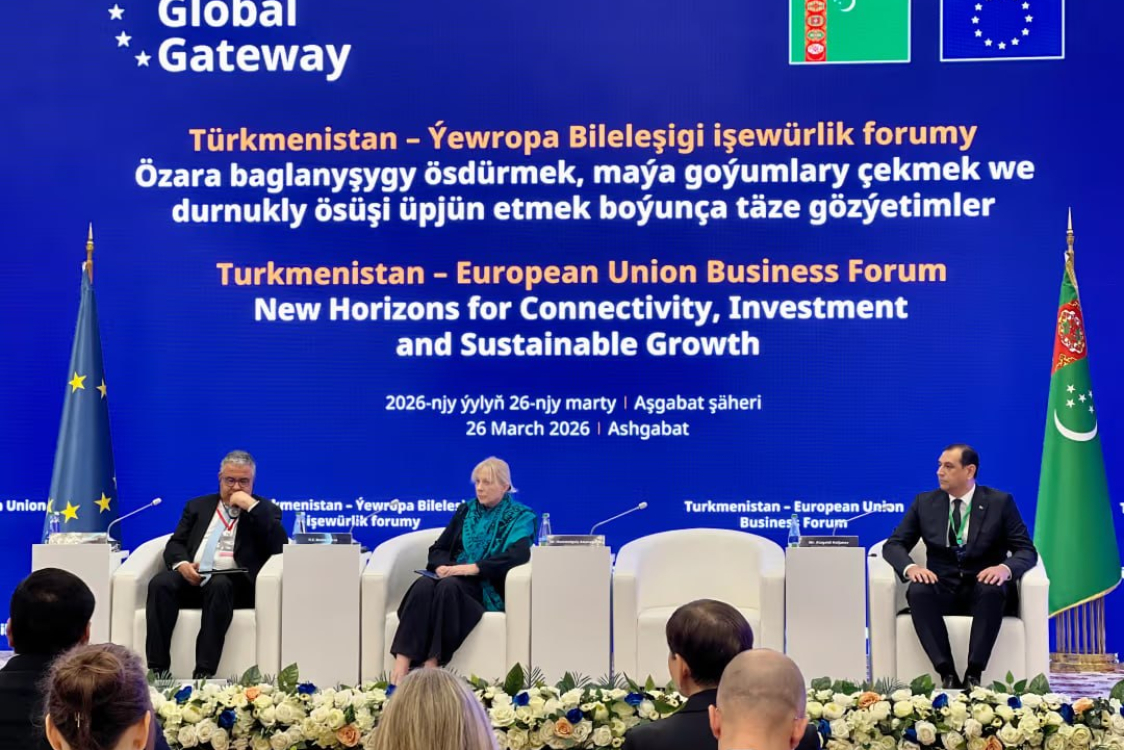
26.03.2026On 26 March, the business forum ‘New Horizons for Connectivity, Investment and Sustainable Growth’ opened in Ashgabat, bringing together representatives of government bodies, the business sector and international organisations from Turkmenistan and the EU. This was reported by the news website Turkmenportal. The event is taking place at the ‘Ýyldyz’ Hotel with the support of the International Trade Centre (ITC) as part of the EU’s ‘Global Gateway’ initiative. Participants were welcomed by representatives of the Turkmen government, the European Union, the Foreign Affairs Ministry of the country and the ITC. The forum’s programme includes three panel sessions dedicated to improving the business climate, developing transport connectivity and issues relating to the ‘green’ transition. Discussions will focus on trade and investment between the EU and Turkmenistan, the Trans-Caspian Transport Corridor, the digitalisation of logistics, renewable energy and climate finance. It is also planned that an updated protocol to the memorandum of cooperation in the energy sector will be signed during the forum, providing for additional funding of €2 million for the ‘EU for a Green Development in Turkmenistan’ project. The forum venue is hosting B2B and B2G meetings, as well as an exhibition of Turkmen companies and joint projects. The event will conclude with a press conference and an official reception.
Turkmenistan and Azerbaijan are joining forces to develop ‘green’ energy
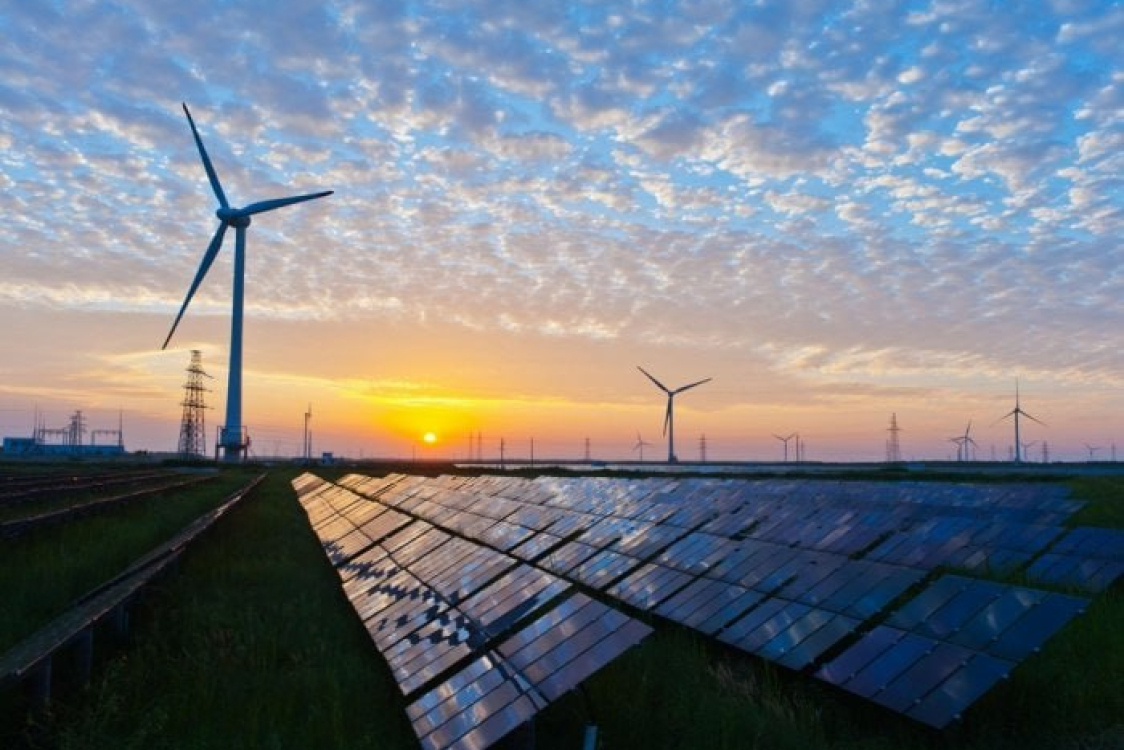
25.03.2026Turkmenistan and Azerbaijan are interested in developing ‘green’ energy and are ready to undertake joint projects. This was reported by Gurbanmammet Elyasov, Turkmenistan’s Ambassador Extraordinary and Plenipotentiary to Azerbaijan, according to the online publication ‘Business Turkmenistan’. The diplomat noted that the countries are exploring opportunities to expand the use of renewable energy sources, including Turkmenistan’s participation in ‘green’ energy corridors across the Caspian Sea. Azerbaijan could become a transit hub for the export of ‘green’ electricity to Europe. Solar energy in Turkmenistan and wind energy in Azerbaijan, including projects in the Caspian Sea, have been identified as promising areas. Joint energy transmission infrastructure, undersea cables and the integration of systems for electricity exports are also under discussion. Furthermore, the countries see opportunities for cooperation in the production and transport of ‘green’ hydrogen, the introduction of energy-efficient technologies, and the exchange of expertise and investment in renewable energy.
Turkmen engineers are launching equipment production in collaboration with Korean partners
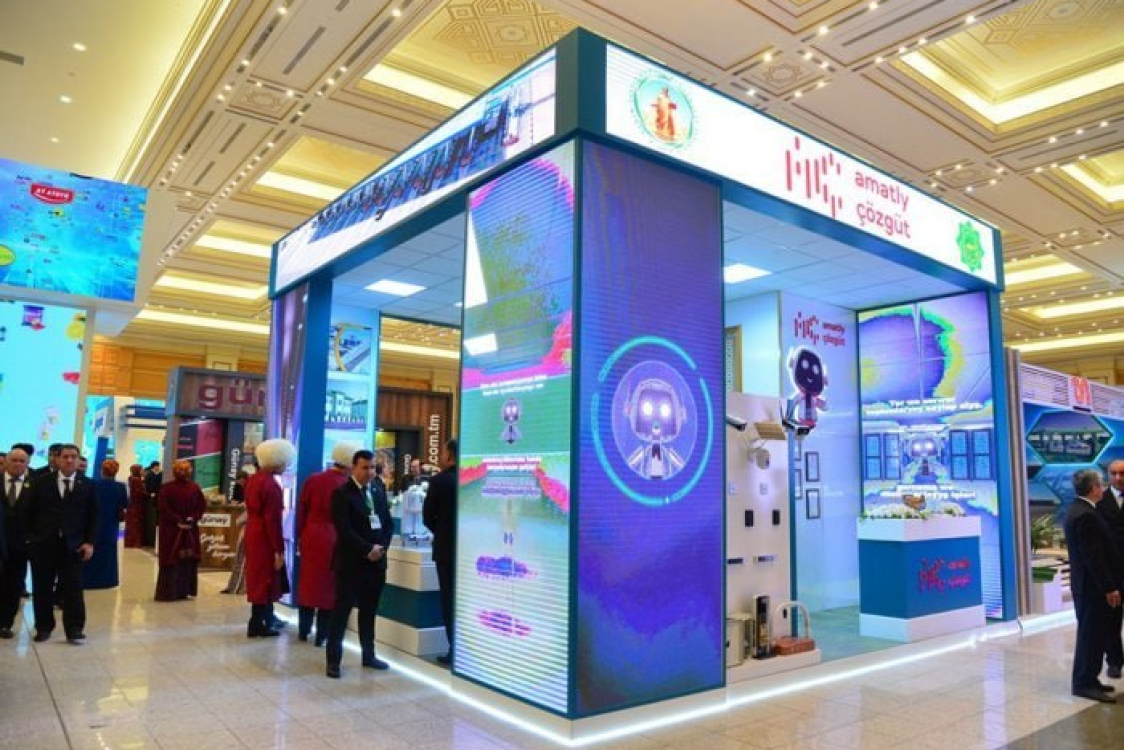
25.03.2026The economic society ‘Amatly çözgüt’ together with its Korean partners is launching the production of modern equipment. All devices will run on software developed by Turkmen specialists, thereby strengthening the country’s engineering capabilities, according to the online publication ‘Business Turkmenistan’. The company has previously implemented projects in the ‘smart’ city of Arkadag, installing CCTV, radar monitoring and traffic light control systems, and also provides maintenance and upgrades for these systems. In collaboration with ‘Ojar Aziýa’, work is underway on the technological aspects of the ‘Serahs–Mary–Serhetabat’ motorway, including weight and dimension control, intelligent video surveillance and digital payments. In the future, it is planned to roll out such solutions to other major roads in Turkmenistan.
Ashgabat and Tashkent plan to expand their joint agricultural projects
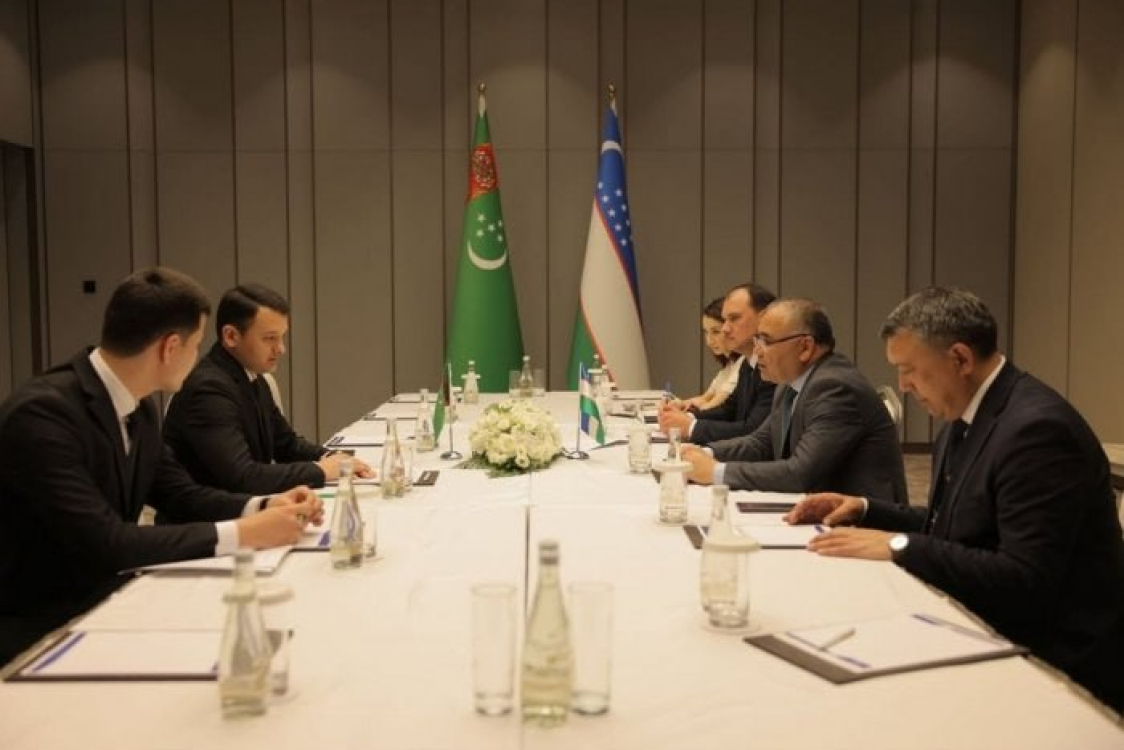
24.03.2026Berkeli Berkeliyev, Deputy Minister of Agriculture of Turkmenistan, held a meeting with Ibrohim Abdurahmonov, Minister of Agriculture of Uzbekistan, during the ‘Italy – Central Asia + Azerbaijan’ agribusiness forum in Tashkent. This was reported by the online publication ‘Business Turkmenistan’. The parties discussed bilateral cooperation, including the exchange of experience, the introduction of modern agricultural technologies, the digitalisation of the sector and the training of farmers. Particular attention was paid to cotton seed production, the distribution of varieties across regions, and the use of high-yield crops. The interlocutors emphasised that the implementation of pilot projects to improve farmers’ skills could contribute to increased yields and the expansion of agriculture’s export potential.
Turkmenistan will strengthen regional energy partnerships at the ‘APRECA’ forum
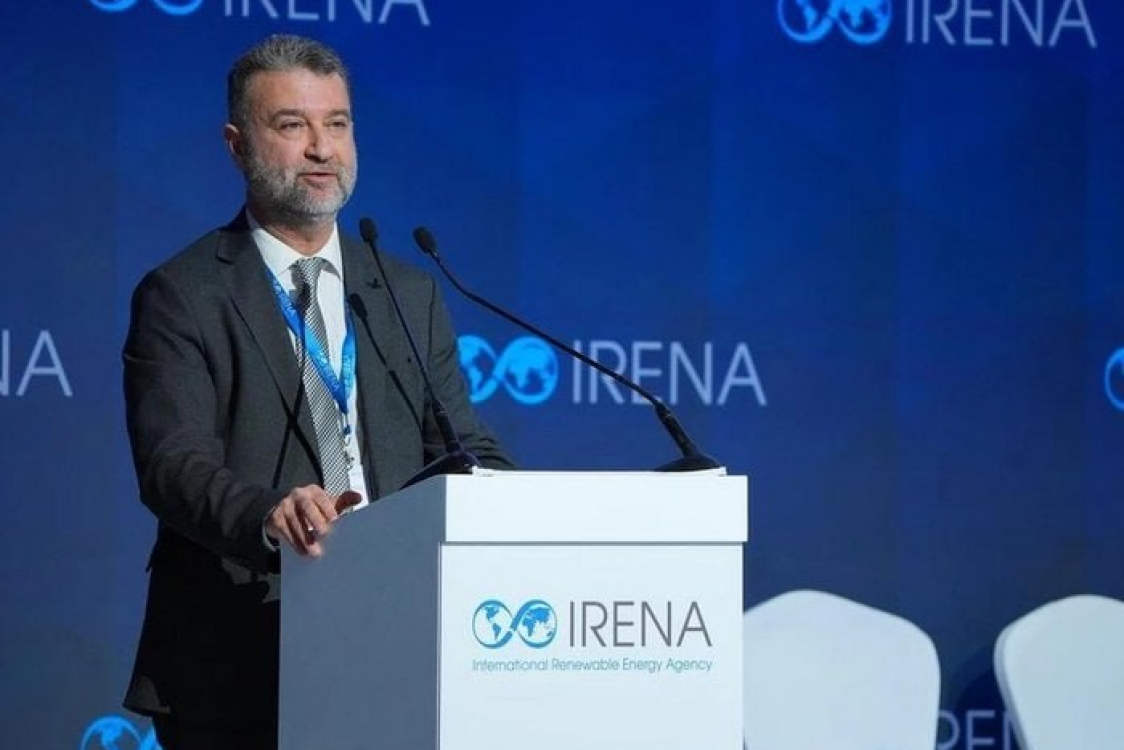
24.03.2026Turkmenistan plans to play an active role in the ‘Accelerated Partnership for Renewable Energy in Central Asia’ Investment Forum (APRECA) in Baku, which could strengthen regional dialogue on the energy transition and facilitate new investment projects, reports the online publication ‘Business Turkmenistan’, citing Director of Country Engagement and Partnerships at the International Renewable Energy Agency (IRENA), Gurbuz Gonul. The forum, which will take place in June 2026 as part of Baku Energy Week, will bring together governments, investors and developers to promote renewable energy projects and the modernisation of electricity grids in the region. According to IRENA, Turkmenistan has high potential for renewable energy: around 300 days of sunshine per year and up to 40% of its territory suitable for wind energy, which opens up opportunities for diversifying the energy mix and participating in the regional energy transition. Cooperation is taking place within the framework of the ‘APRECA’ initiative, which aims to improve the regulatory framework, attract investment and strengthen regional cooperation. Turkmenistan has been a member of IRENA since 2018 and actively participates in its regional projects.
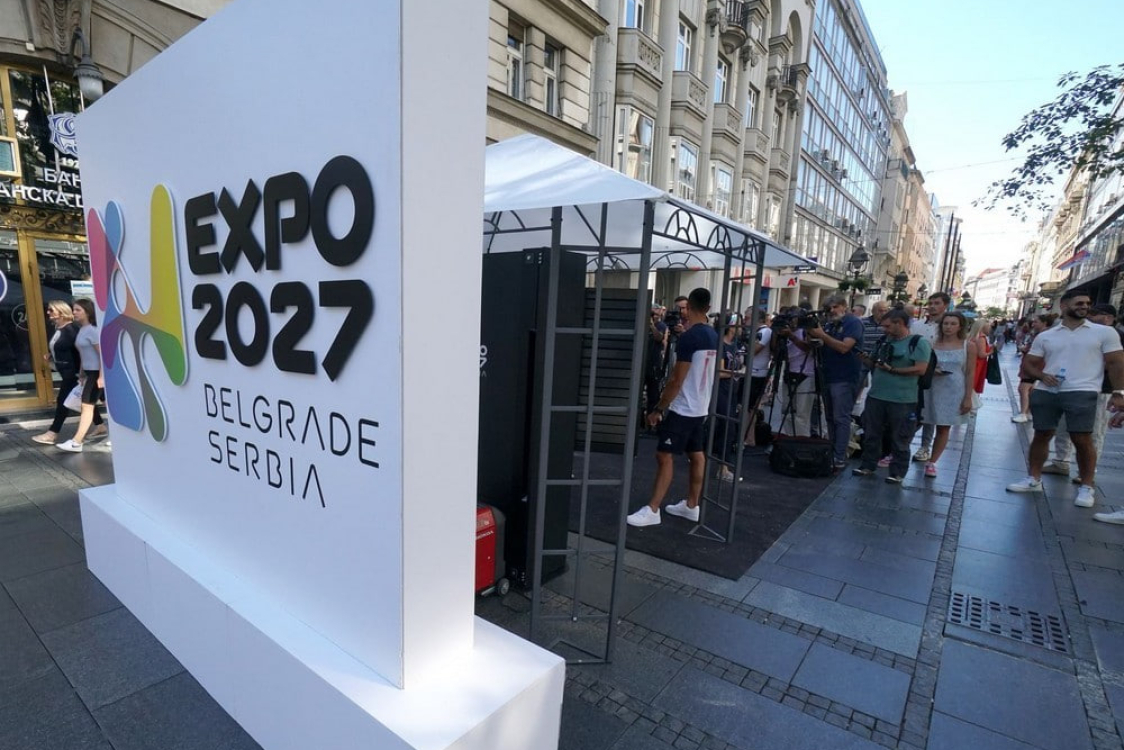
Turkmenistan is preparing to take part in the ‘EXPO 2027’ exhibition in Belgrade
24.03.2026The Ministry of Trade and Foreign Economic Relations of Turkmenistan has re-launched an international tender for the design and construction of the national pavilion for the World Specialised Exhibition ‘EXPO 2027’ in Belgrade. Applications are being accepted until 18:00 on 13 April 2026, according to the news publication ‘Business Turkmenistan’. The issue of preparations for the country’s participation in the exhibition was discussed at a meeting of the Cabinet of Ministers on 13 March. Deputy Chairman of the Cabinet of Ministers Nokerguly Atagulyev reported on the work being carried out to ensure a high level of participation. It is reported that preparations are underway for the construction, equipping and design of the national pavilion. The exhibition will be held under the motto ‘Play for Humanity – Sport and Music for All’.
Read also
Advertising

 Read us in Zen


