



Economy
Turkmenistan summarises economic development results for the first two months of the year
07.03.2026On 6 March, during a government meeting, the Deputy Chairman of the Cabinet of Ministers of Turkmenistan, Hojamyrat Geldimyradov, presented a report on macroeconomic indicators for January–February of this year. This was reported by the state news agency TDH. As noted by the Deputy Prime Minister, GDP growth amounted to 6.3%. In industry, the indicator reached 1.9%, in construction – 6%, in the transport and communications sector – 10.5%, in trade – 8.5%, in agriculture – 2.4%, and in the service sector – 8.4%. Over two months, the volume of production increased by 10.3% compared to the same period last year. Retail turnover also grew by 10.3%, and foreign trade turnover by 0.8%. The revenue side of the state budget was executed at 102.1%, and the expenditure side at 97%. During the reporting period, salaries, pensions, state benefits and student scholarships were paid on time. The volume of investments from all sources of financing increased by 21.3%. The progress of the National Rural Programme and the construction of various facilities in the country were also reported. After hearing the report, President of Turkmenistan Serdar Berdimuhamedov stressed the need to continue working on economic development, maintain high GDP growth rates, monitor the implementation of production plans by ministries and departments, and ensure the socio-economic development of velayats.
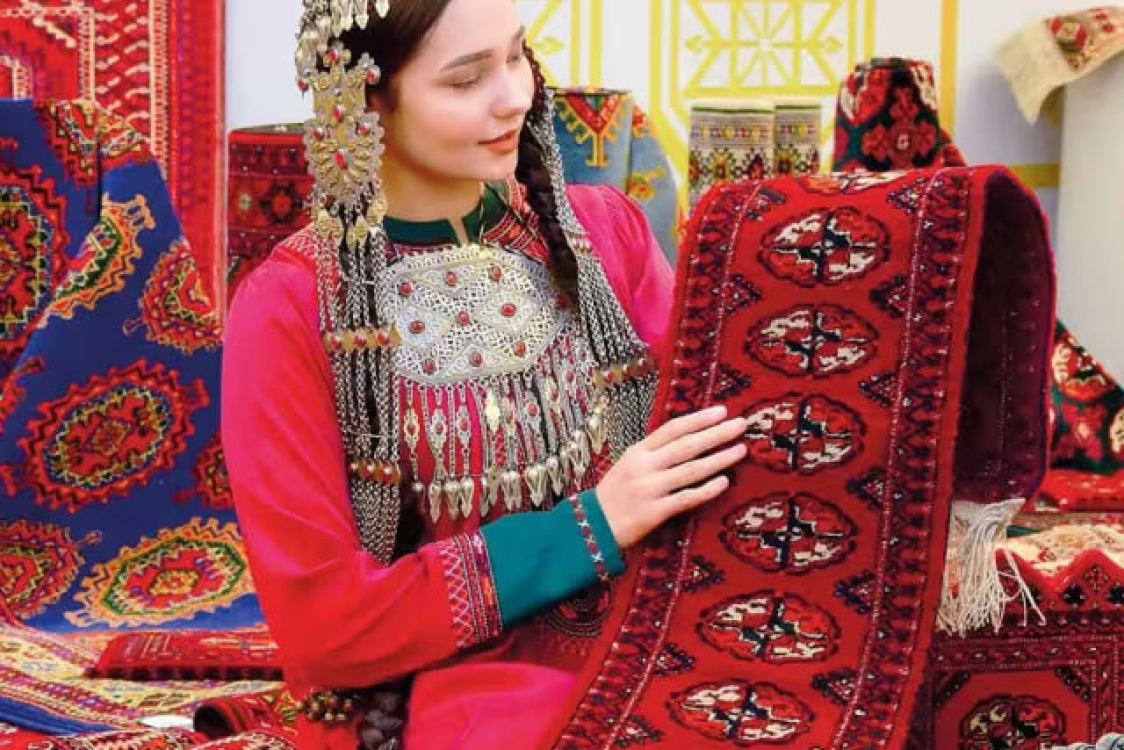
Women's entrepreneurship in Turkmenistan: from carpet weaving to workshops
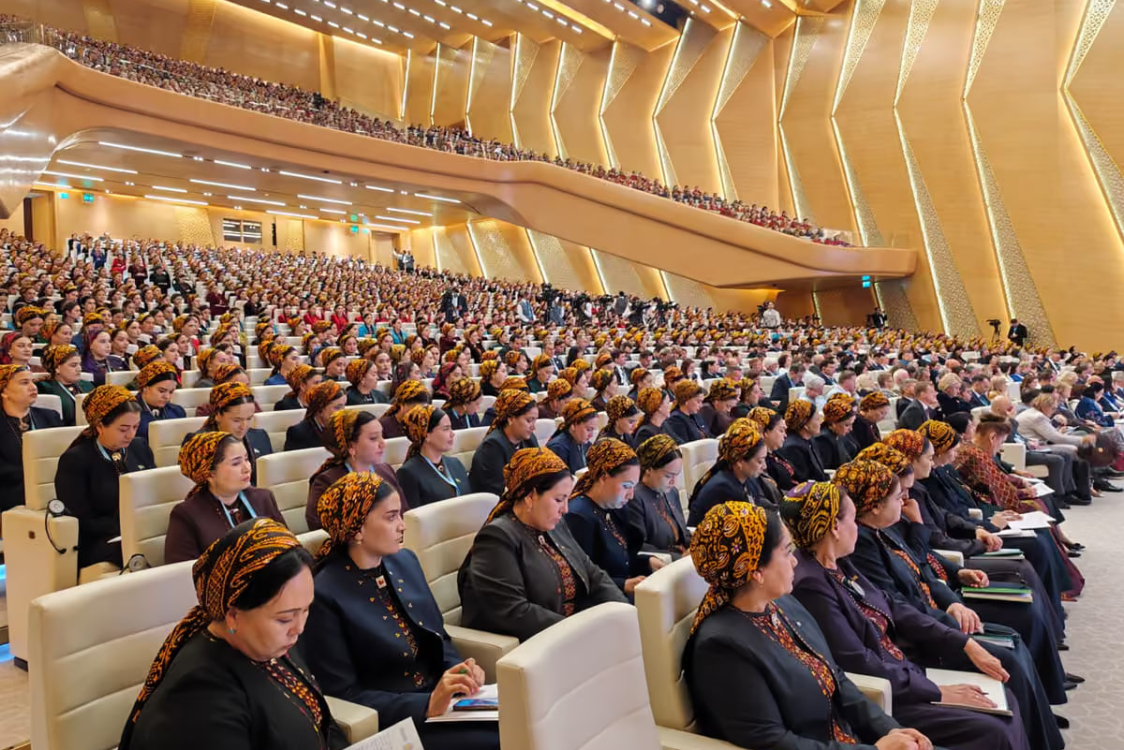
07.03.2026Turkmen women are increasingly turning traditional folk crafts into entrepreneurial projects. This was reported by Jennet Ovekova, a member of the Mejlis of Turkmenistan and a member of the Committee on Legislation and its Norms, in an interview with the newspaper ‘Neutral Turkmenistan’, according to Turkmenportal. According to her, changes in the country's economy have given a powerful impetus to the development of crafts. Women are opening workshops for the production of carpets and carpet products, workshops for sewing national clothing and hand embroidery, and are establishing the production of koshma — a thick, felted wool rug, blanket, or mat often used in Central Asia as a floor covering — not only in the capital and large cities, but also in small towns and villages. ‘Turkmen women are actively involved in the craft industry, turning family traditions of carpet weaving, koshma production, national women's clothing and hand embroidery into entrepreneurial projects,’ Ovekova noted. Particular attention is paid to carpet weaving. The art of hand-weaving carpets has been passed down from generation to generation, and in 2019, Turkmen carpet weaving was included in UNESCO's Representative List of the Intangible Cultural Heritage of Humanity. The development of women's entrepreneurship is facilitated by state support: women are provided with preferential loans to start a business and the opportunity to use land plots on a long-term basis. According to the deputy, the number of successful women entrepreneurs in Turkmenistan is growing every year.
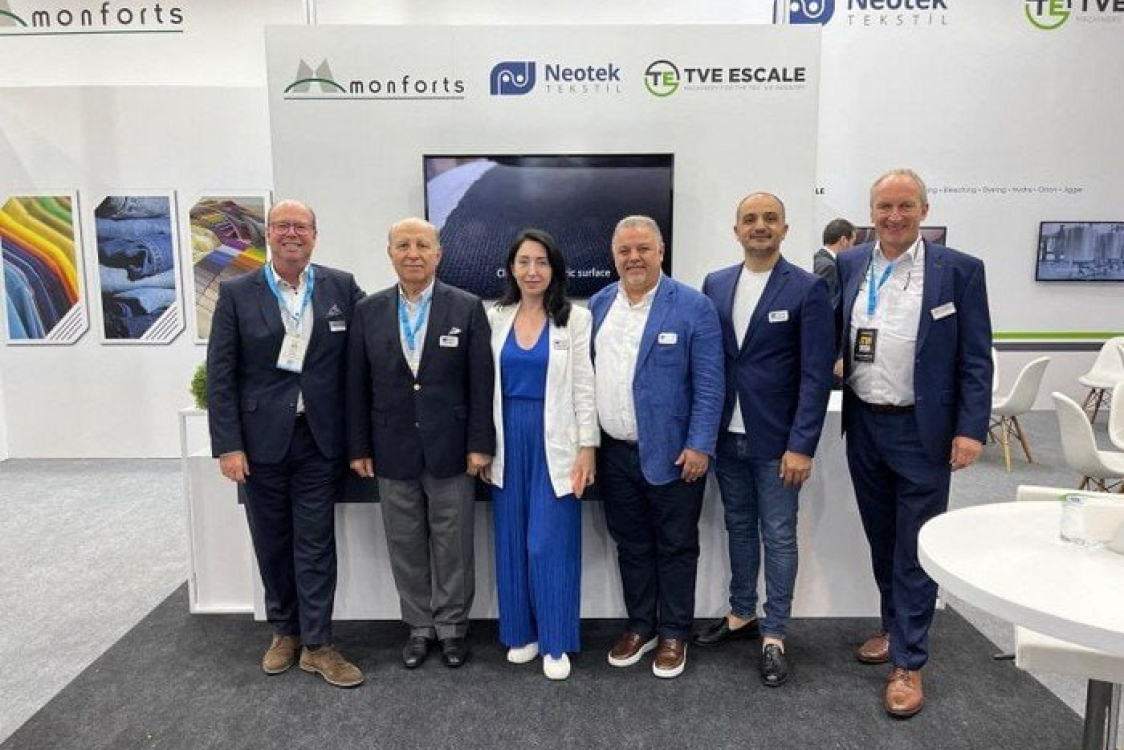
‘Monforts’ contributes to optimising the work of textile enterprises in Turkmenistan
07.03.2026The German company ‘Monforts’ is working to optimise existing production lines at textile enterprises in Turkmenistan with the aim of increasing their operational efficiency and ensuring long-term stability. This was reported by Thomas Paffgen, the company's sales manager for Southern and Central Europe, according to the online publication ‘Business Turkmenistan’. The company has been operating in the Turkmenistan market for many years, supplying equipment and technologies for fabric finishing at full-cycle enterprises, with the support of the German manufacturers' association ‘VDMA’. ‘Monforts’ installs and maintains thermofixing, sanforising and continuous dyeing systems at large state-owned and state-affiliated enterprises. Founded in 1884, ‘Monforts’ is a leading global manufacturer of high-tech equipment for the textile industry.
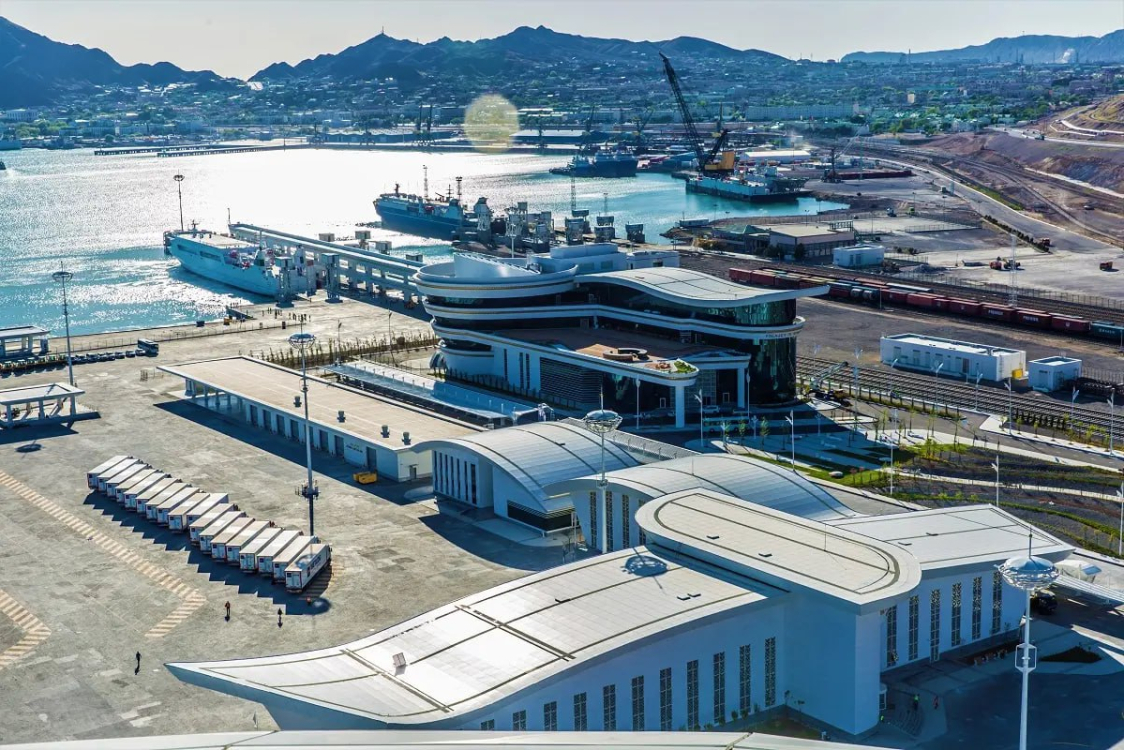
Turkmenistan is developing the port of Turkmenbashi as a key transport hub in the Caspian Sea region
05.03.2026Turkmenistan continues to develop the Caspian coast as a major logistics hub for Eurasia. On 3 March, a meeting was held in the port of Turkmenbashi with UNDP Permanent Representative Narine Sahakyan to discuss projects on digitalisation and environmental development of the port, according to the Orient news agency. The main focus was on the implementation of the Maritime Single Window (MSW) system and the modernisation of the Terminal Operating System (TOS). These solutions should simplify data exchange between services, speed up ship processing and increase the efficiency of cargo transportation along the Trans-Caspian route. The initiatives are planned to be submitted for consideration by the Cabinet of Ministers of Turkmenistan. At the same time, the environmental modernisation of the port continues. It already has ISO-14001 certification and ‘Eco-port’ status, and in the future, it plans to comply with the international ‘Green Port’ standards. The modernisation is already yielding results: in 2025, the port's cargo turnover grew by 15.2%. Turkmenbashi plays an important role in the ‘China-Europe’ and ‘North-South’ transport corridors, connecting the logistics routes of Azerbaijan, Georgia and Uzbekistan. An additional factor in its development has been the creation of its own shipbuilding industry. Two dry cargo ships and a dredger are being built at the ‘Balkan’ shipyard, with plans for three more dry cargo ships and two Ro-Ro ferries. Cooperation with South Korean companies is enabling the introduction of modern technologies and the formation of a national merchant fleet.
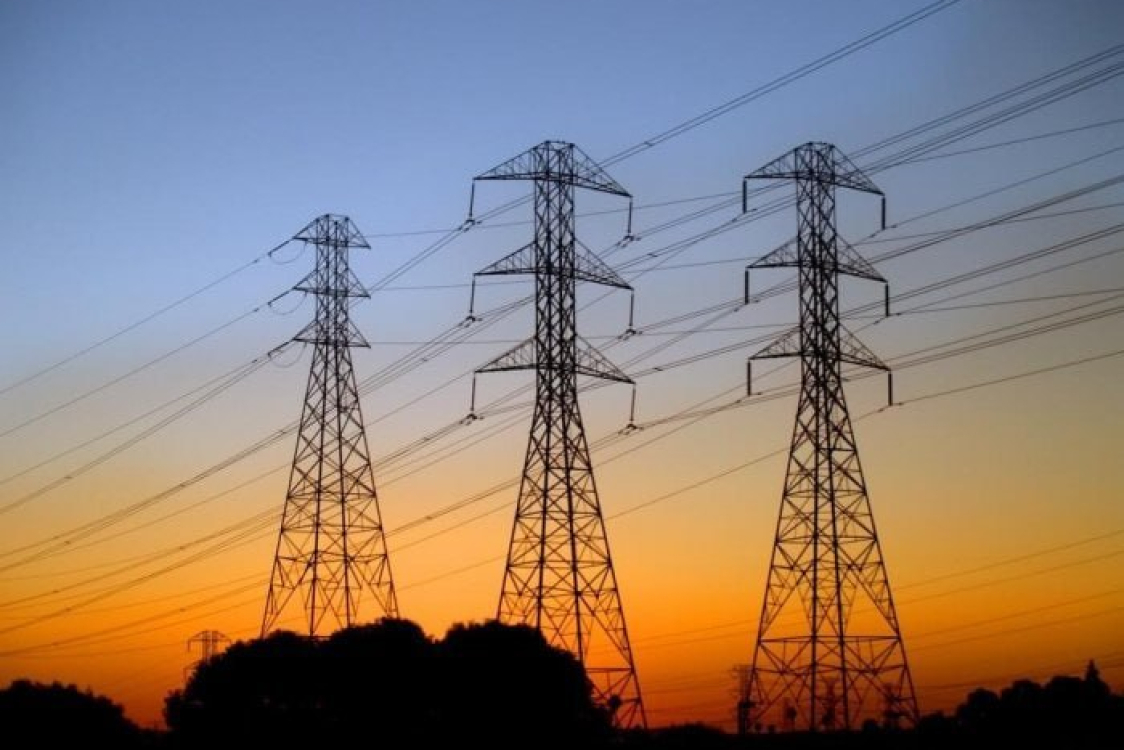
Turkmenistan has planned major energy projects for 2026
05.03.2026The construction of the ‘Mary-Mashhad’ 500/400 kV power line is included in the ‘Programme for the Socio-Economic Development of Turkmenistan and Investments in 2026’ and is considered one of the key projects in the energy sector. This was reported by the online publication ‘Business Turkmenistan’ with reference to the newspaper ‘Neutral Turkmenistan’. The programme also provides for the transfer of gas turbine units at state power plants in the Ahal, Balkan, Dashoguz and Lebap velayats to synchronous compensation mode. There are plans to build a new power plant and power lines in the Turkmenbashi etrap of the Balkan velayat, as well as to further develop the energy infrastructure of the city of Arkadag. In the oil and gas industry, the priorities for 2026 remain the search for new resources, increasing hydrocarbon reserves and drilling the first phase of production wells at the ‘Galkynysh’ field. One of the main projects will be the implementation of the ‘Serhetabat-Herat’ section, which is part of the TAPI gas pipeline system. In addition, the country plans to complete the construction and commissioning of a number of important transport infrastructure facilities.
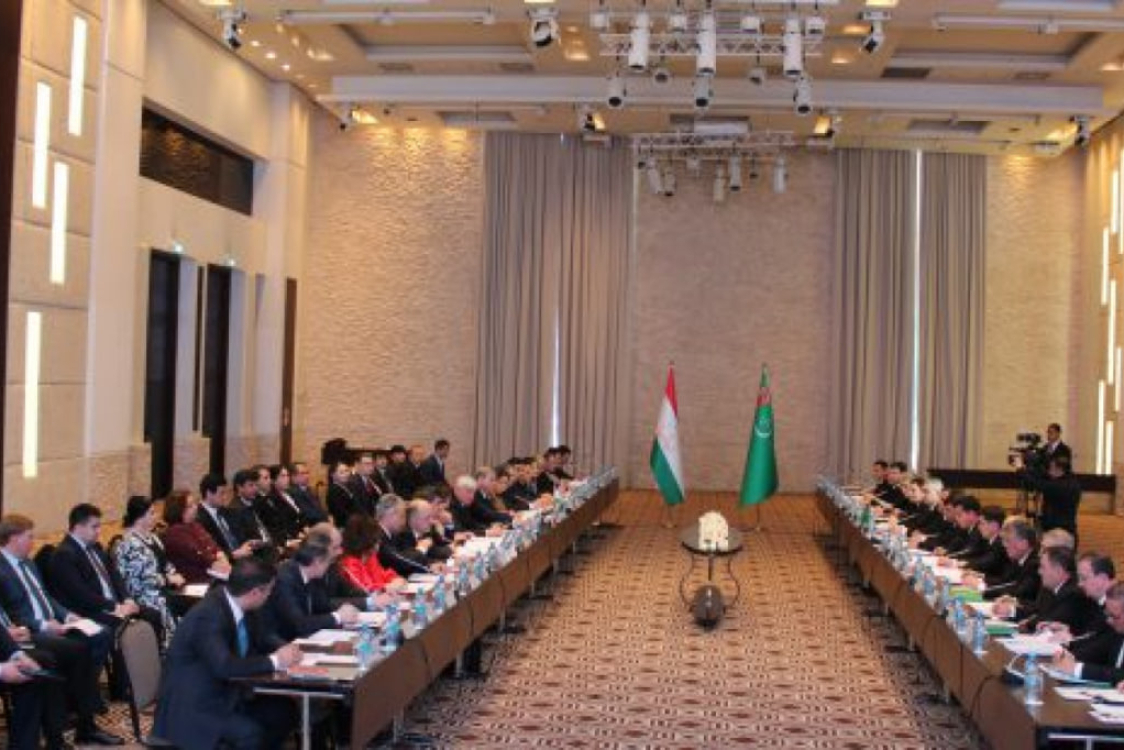
Turkmenistan and Tajikistan increased mutual trade in 2025
05.03.2026Trade turnover between Turkmenistan and Tajikistan reached US$43.1 million in 2025, which is 17.1% more than in 2024. This was reported by the Ministry of Foreign Affairs of Turkmenistan following the meeting of the Joint Turkmen-Tajik Intergovernmental Commission on Trade, Economic, Scientific and Technical Cooperation, held on 3–4 March in Dushanbe. The meeting was chaired by Deputy Prime Minister of Tajikistan Sulaymon Ziyozoda and Deputy Chairman of the Cabinet of Ministers of Turkmenistan Tanryguly Atahallyev. Representatives of relevant ministries and departments of the two countries participated in the meeting. The parties discussed the current state and prospects of trade and economic cooperation, as well as cooperation in the fields of transport and communications, energy and water resources, industry and construction, agriculture, education, healthcare, civil aviation, culture and youth policy. Following the meeting, both sides expressed their readiness to further expand bilateral cooperation.
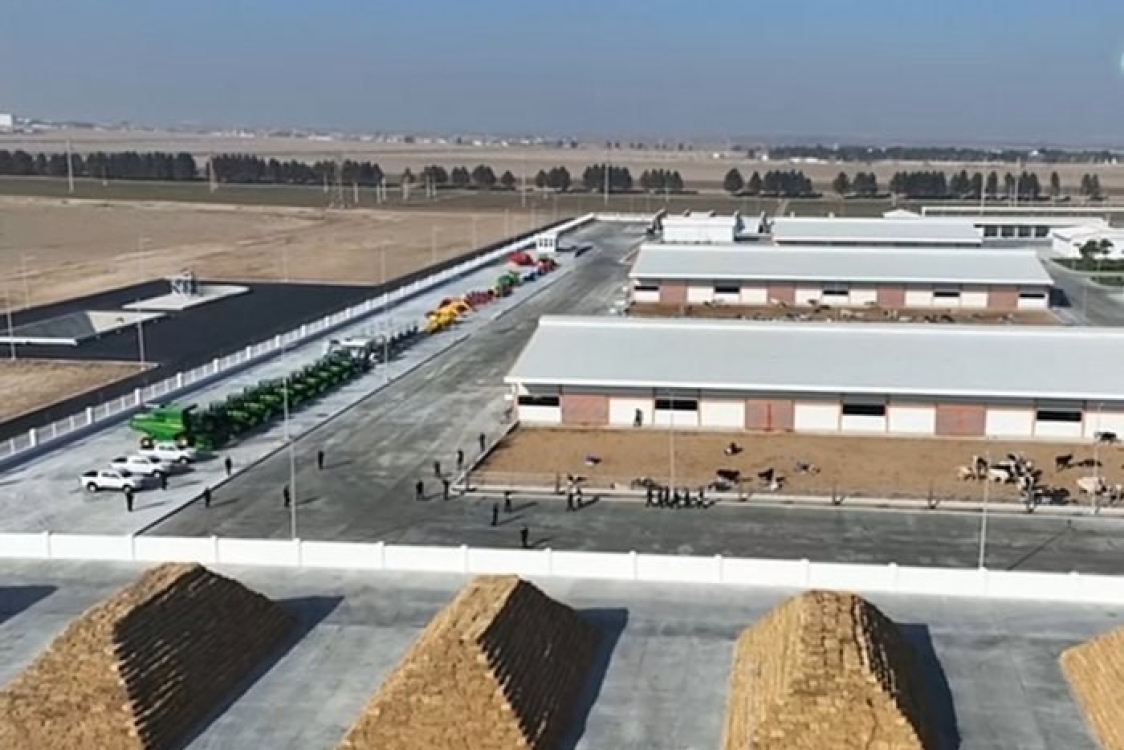
Turkmen entrepreneurs are focused on building large-scale facilities
04.03.2026Members of the Union of Industrialists and Entrepreneurs of Turkmenistan intend to invest in several key projects in 2026. This was reported by the online publication ‘Business Turkmenistan’, citing the newspaper ‘Neutral Turkmenistan’. In Ashgabat, there are plans to build two-storey shopping centres in the Gurtly district and retail and service complexes in Parahat-7. In the Ak Bugday etrap of the Ahal velayat, construction will begin on an 11-hectare site for a factory producing a wide range of textile products. In the agro-industrial sector, priority is given to the creation of new livestock and poultry farms, the expansion of greenhouses, and the establishment of orchards and vegetable plantations using water-saving technologies. Turkmenistan's socio-economic development programme for 2026 aims to support small and medium-sized businesses, with the private sector's share of GDP projected at 72.9% (excluding the fuel and energy complex). In addition, it is planned to create 5,245 new jobs through the construction and modernisation of production facilities in various industries.
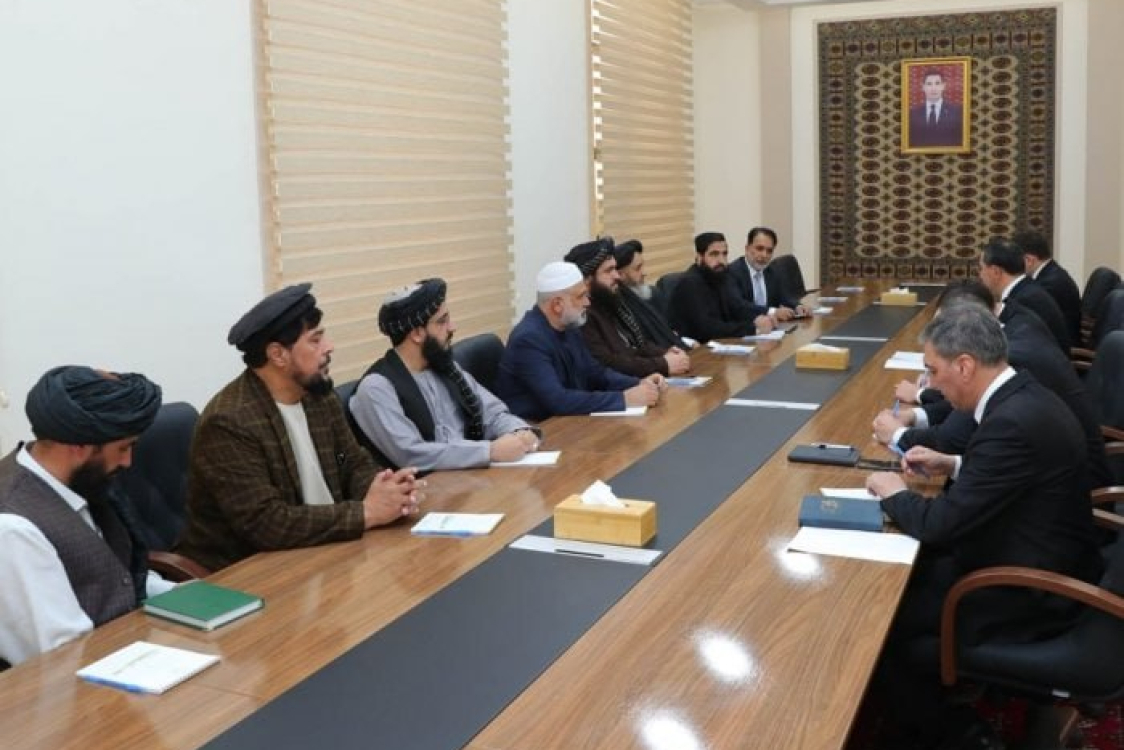
Ashgabat and Kabul aim to strengthen cooperation in the field of quality control
01.03.2026On 27 February, Mergen Gurdov, Chairman of the Chamber of Commerce and Industry of Turkmenistan, held a meeting with a delegation headed by Mullah Faizullah Tamim, Director General of the Administration of Standards and Quality. This was reported by the online publication ‘Business Turkmenistan’. The parties discussed prospects for expanding cooperation in the field of standardisation, certification and product quality control, and exchanged views on the development of trade and economic ties. The interlocutors emphasised the importance of compliance with quality requirements for increasing mutual trade turnover. The meeting is seen as a step towards further strengthening Turkmen-Afghan cooperation.
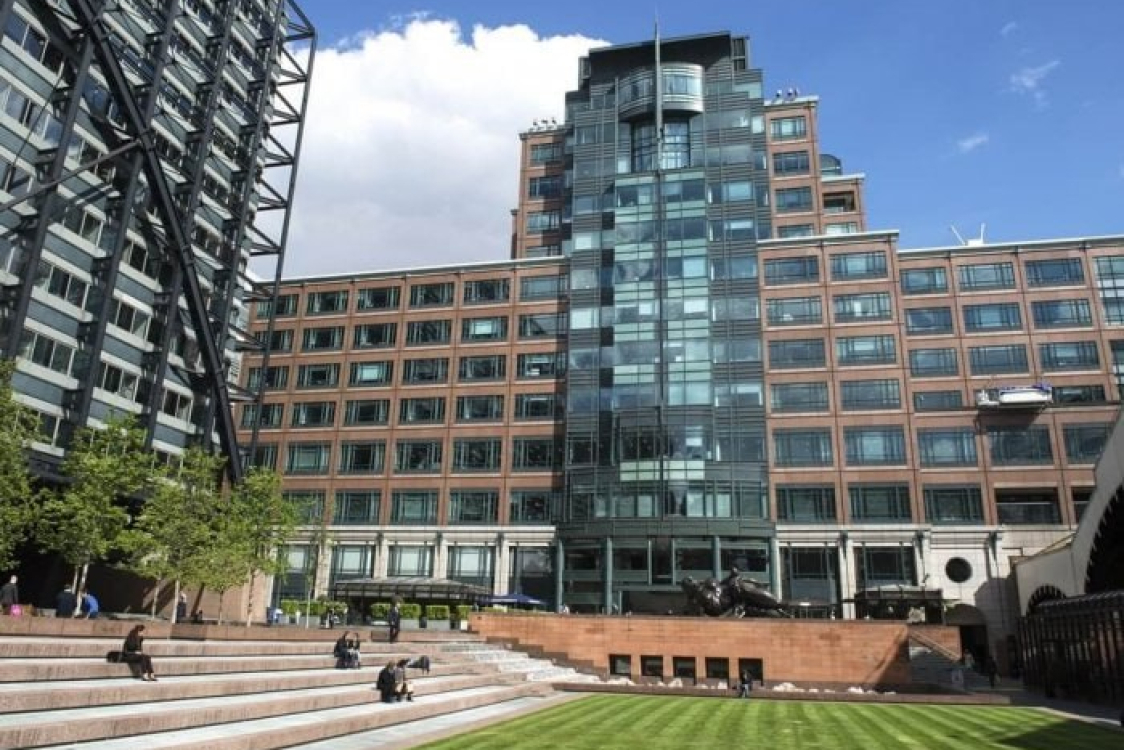
EBRD: Turkmenistan will maintain stable economic growth until 2027
01.03.2026Turkmenistan expects stable economic growth to continue until 2027, according to the European Bank for Reconstruction and Development's report ‘Regional Economic Prospects in the EBRD Regions.’ This was reported by the online publication ‘Business Turkmenistan.’ At the end of 2025, the country's GDP grew by 6.3% year-on-year. Growth was supported by the expansion of transport activities, active trade with neighbouring countries, including a free trade regime with Uzbekistan, as well as the development of the private sector and favourable price conditions for exports. Investments in public infrastructure stimulated construction and overall economic activity, while regulatory measures helped to contain inflation through price mechanisms, import support and credit restrictions.
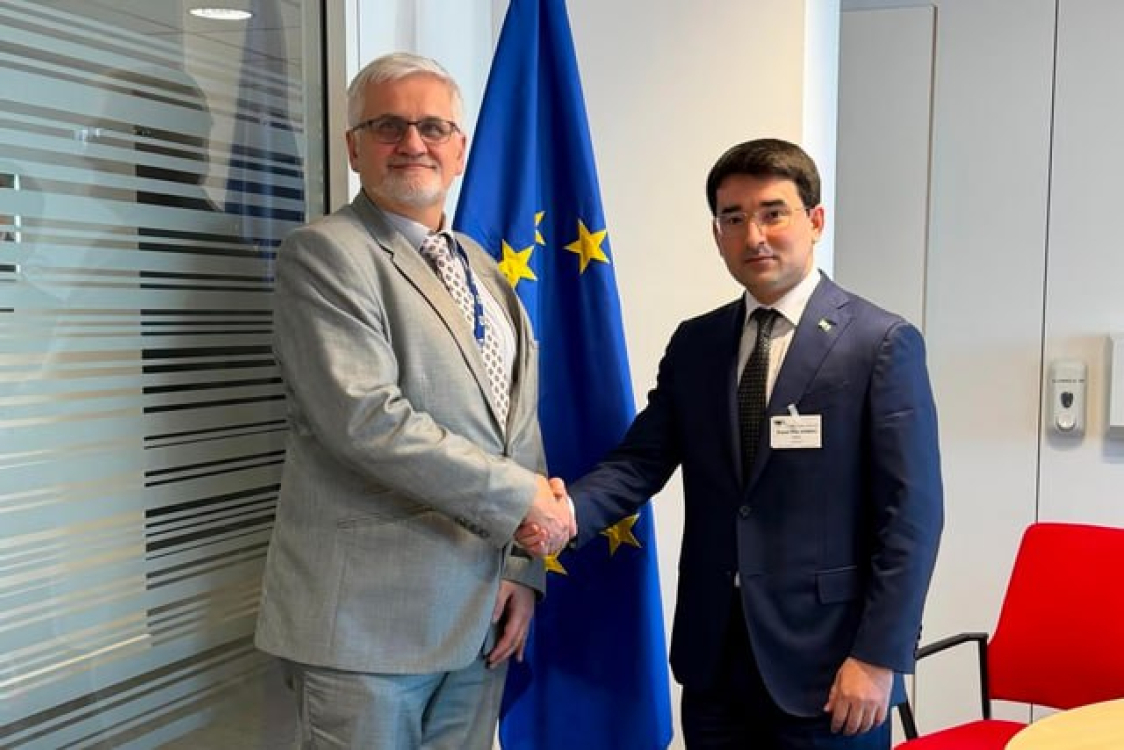
Turkmenistan and the EU discuss cooperation in the field of ecology and energy
28.02.2026Sapar Palvanov, Ambassador Extraordinary and Plenipotentiary of Turkmenistan to Belgium, met with Jan Dusik, Deputy Director-General of the European Commission's Directorate-General for Climate Action. This was reported by the IIC. During the meeting, issues of cooperation in the field of ecology and energy were discussed. The parties noted that cooperation with the EU remains a priority of Turkmenistan's foreign policy for 2026, and that the climate agenda serves as the basis for bilateral dialogue. The Turkmen side confirmed its commitment to international obligations, including the Global Methane Pledge and the Paris Agreement, and expressed its readiness to develop cooperation in reducing methane emissions, adapting to climate change and introducing environmental technologies. Particular attention was paid to the potential of solar energy, the development of electricity interconnections and the implementation of the ‘EU for a Green Turkmenistan’ programme. The parties agreed that joint projects create opportunities for sustainable and mutually beneficial cooperation in the long term.
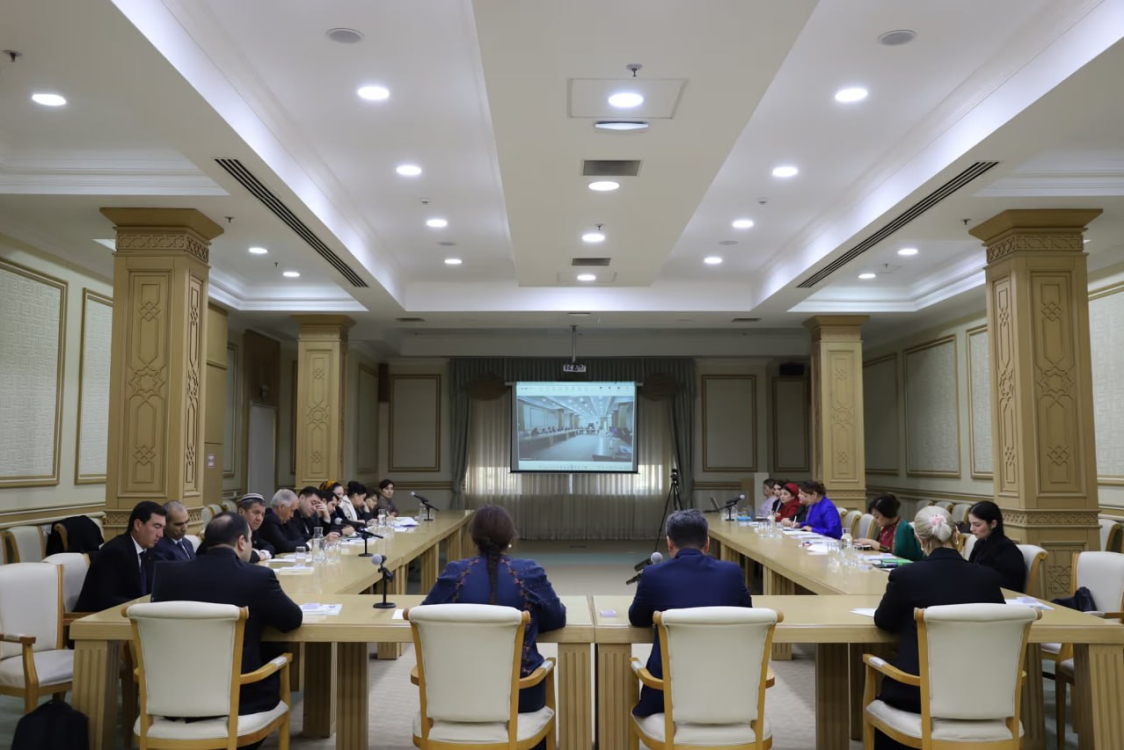
Turkmenistan launches regional project to combat marine litter in the Caspian Sea
26.02.2026The UNDP, together with UNEP, the Secretariat of the Tehran Convention and the Ministry of Environmental Protection of Turkmenistan, held a kick-off workshop to launch the regional project ‘Addressing Marine Litter and Marine Plastics – A Systemic Approach in the Caspian Sea’. This was reported by IIC. The event was attended by representatives of government agencies, academia and NGOs. The project was officially launched in Turkmenistan and aims to prevent and reduce pollution of the Caspian Sea, primarily from plastic waste. Participants were presented with the key objectives of the initiative: improving waste management legislation, developing monitoring, preventing pollution and expanding cooperation within the framework of the Tehran Convention. As noted by the UNDP representative, the project provides for a comprehensive approach — from analysing sources of marine litter and updating the regulatory framework to promoting the principles of the circular economy, attracting investment and involving local communities. The initiative is being implemented with financial support from Russia in Azerbaijan, Iran, Kazakhstan and Turkmenistan and is scheduled to run until October 2027. Particular emphasis is placed on reducing land-based sources of pollution and coordinating the actions of the Caspian countries within the framework of existing agreements.
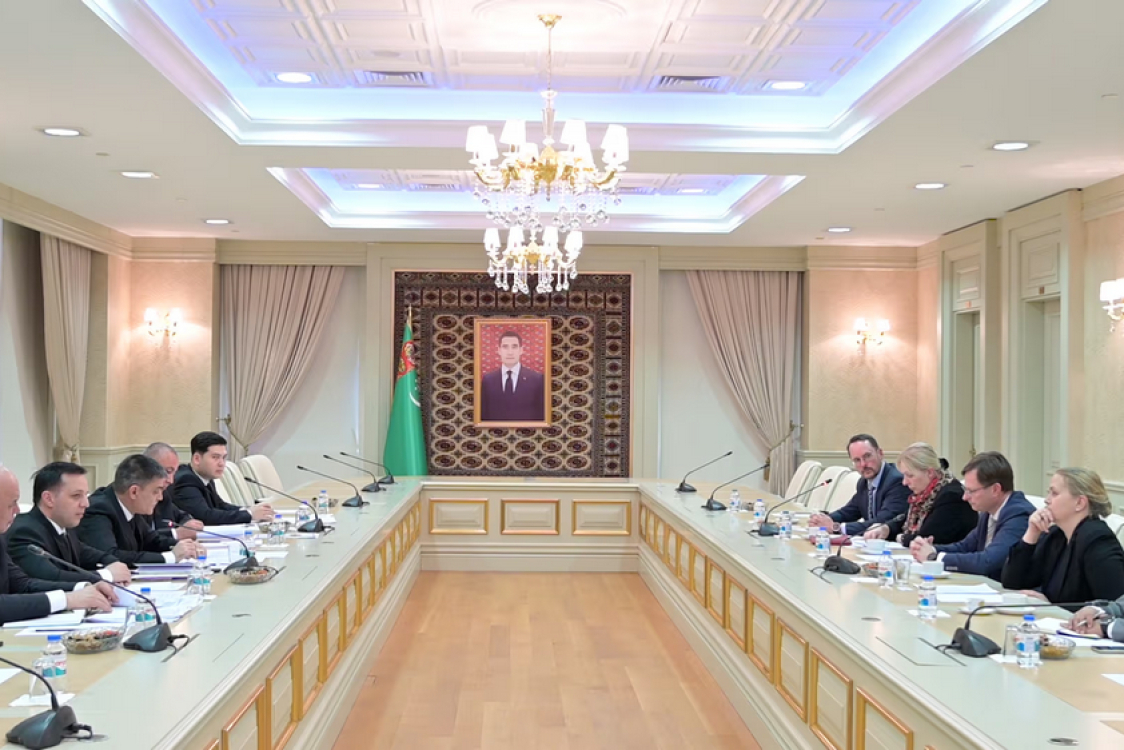
Turkmenistan discusses railway infrastructure modernisation with EIB
25.02.2026A working meeting between the leadership of the Ministry of Rail Transport of Turkmenistan and representatives of the European Investment Bank (EIB) was held in Ashgabat. The parties discussed strategic cooperation and opportunities for financing infrastructure projects, according to IIC. The talks focused on the modernisation of the 522 km ‘Ashgabat-Dashoguz’ railway line. The upgrade will increase the capacity of the transport corridor connecting the south and north of the country and strengthen Turkmenistan's transit potential on international routes. Cooperation with international banks creates new opportunities for modernising the national infrastructure. The implementation of joint projects will ensure the renewal of the material and technical base of the railways and bring the country's transport corridors into line with international safety and efficiency standards.
Read also
Advertising


 Read us in Zen


