


News
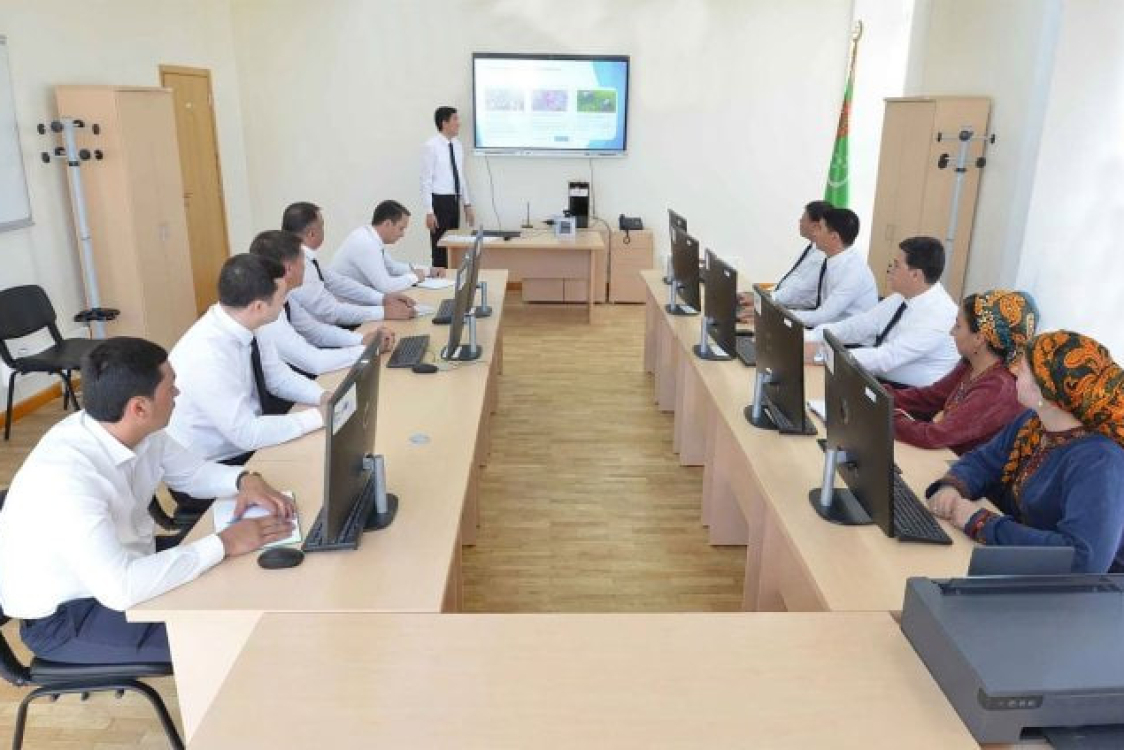
‘Türkmengaz’ State Concern is introducing satellite monitoring of methane emissions
09.08.2026The Information and Analytical Centre of the Natural Gas Research Institute of the State Concern ‘Türkmengaz’ has held a series of online sessions on modern methods for monitoring and verifying greenhouse gas emissions using satellite technology. The training was organised as part of the Global Methane Pledge, according to the online news portal AsmanNews. The sessions were attended by specialists from the production departments of ‘Döwletabatgazçykaryş’, ‘Marygazçykaryş’, ‘Lebapgazçykaryş’, liquefied gas production enterprises and the ‘Türkmengazakdyryş’ association. The programme covered topics including satellite remote sensing and spectrometry, international standards for methane monitoring, and methods for detecting and reducing leaks in the oil and gas sector. Participants studied the IMEO MARS methane leak early warning and response system, validation standards, the OGMP 2.0 and EU regulatory frameworks, as well as the Roadmap for reducing emissions by 2030. During the sessions, specialists exchanged experiences and discussed the use of digital tools to improve the accuracy of environmental monitoring at gas industry sites.
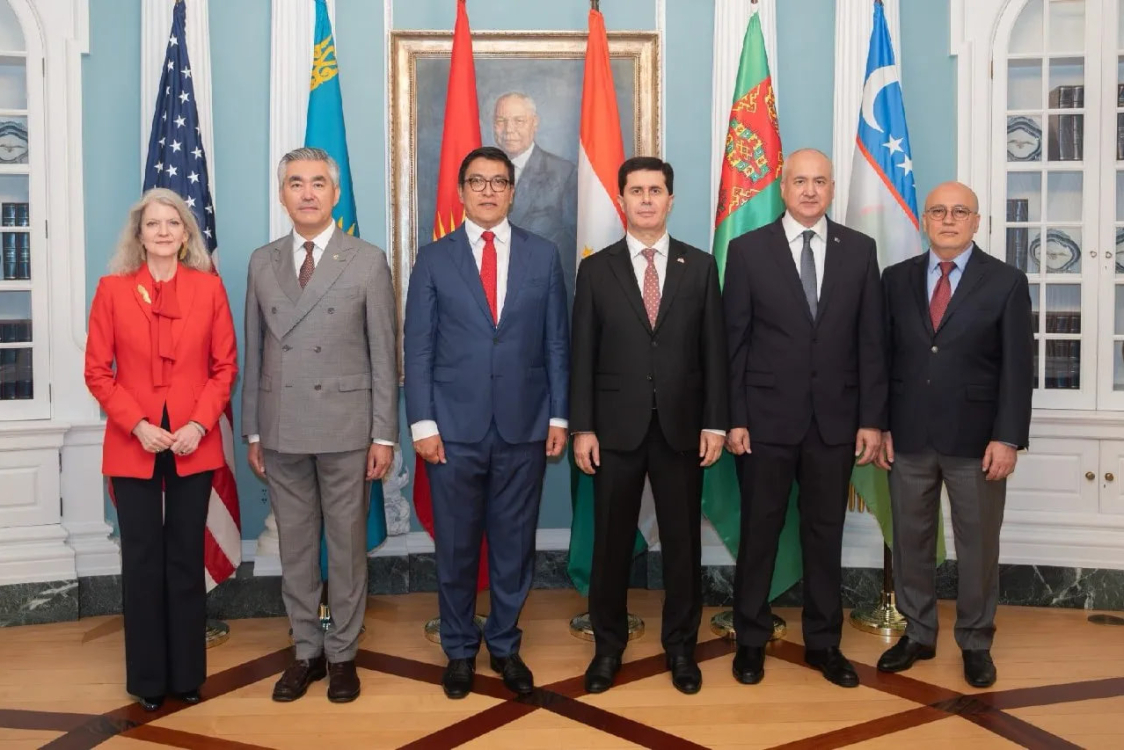
The Ambassador of Turkmenistan took part in the dialogue between the US and the countries of Central Asia
09.08.2026On 7 August, Ambassador of Turkmenistan to the US, Esen Aydogdyev, took part in a meeting between US Under-Secretary of State for Political Affairs Allison Hooker and the ambassadors of Central Asian countries. This was reported by the news website Turkmenportal. The parties discussed expanding cooperation in the fields of business, critical minerals, artificial intelligence and digitalisation. They also exchanged views on upcoming bilateral and regional contacts and key issues on the shared agenda. Following the meeting, the importance of continued dialogue and practical cooperation between the US and the countries of Central Asia was emphasised.
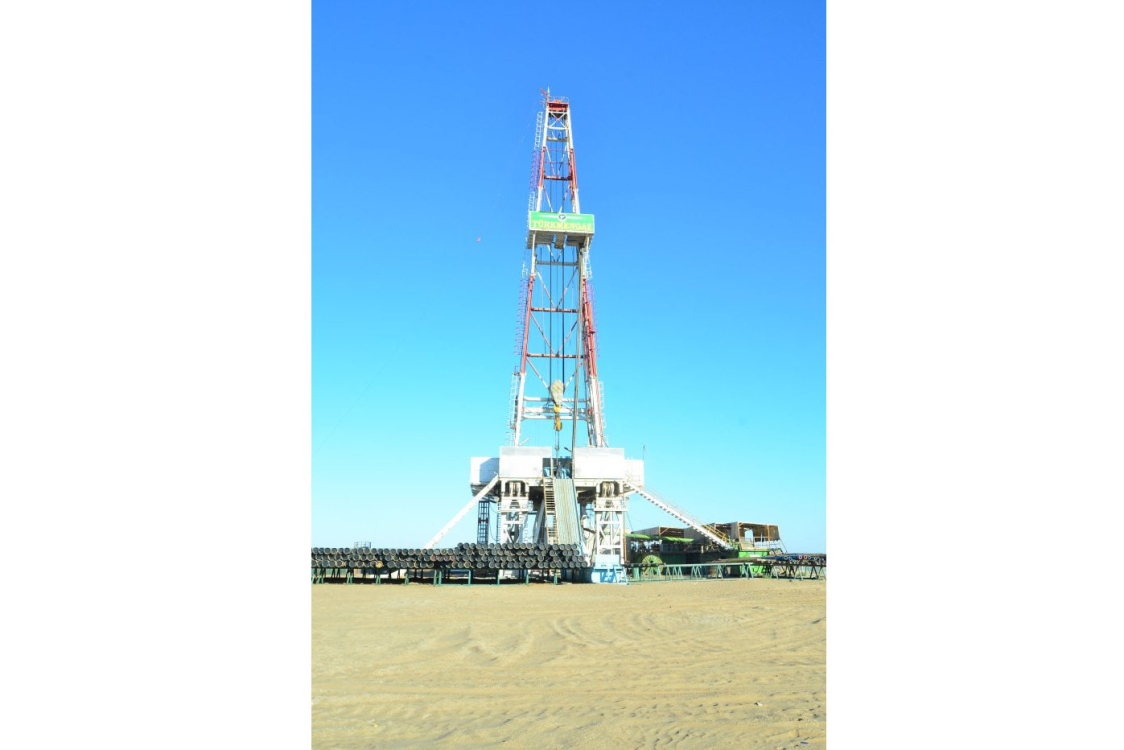
‘Lebapgazçykaryş’ has exceeded its gas production target
09.08.2026In the first half of the year, the enterprises under the ‘Lebapgazçykaryş’ management unit of the ‘Türkmengaz’ State Concern produced 4,966 million cubic metres of natural gas. Against a target of 4,472 million cubic metres, the figure stood at 111.1 per cent, according to the online news site AsmanNews. At the ‘Demirgazyk-Balguýy’ linear production field, production reached 685 million cubic metres against a target of 622.7 million, whilst at the ‘Naýyp’ field it stood at 193 million against a target of 181.2 million cubic metres. The ‘Kükürtli’ field produced over 4 billion cubic metres of gas against a target of 3 billion 668.1 million cubic metres, achieving 111.5 per cent of the target. Over the six-month period, 16,768 tonnes of gas condensate were also produced against a target of 13,421 tonnes. The target was met at 124.9 per cent. These results are achieved through the work of the production units, the operation of modern equipment and compliance with health and safety requirements. The management’s primary trade union organisation is responsible for creating safe working conditions and protecting employees’ rights, as well as organising cultural, educational and sporting events. In the second half of the year, the ‘Lebapgazçykaryş’ team will continue its work to fulfil the annual production targets.
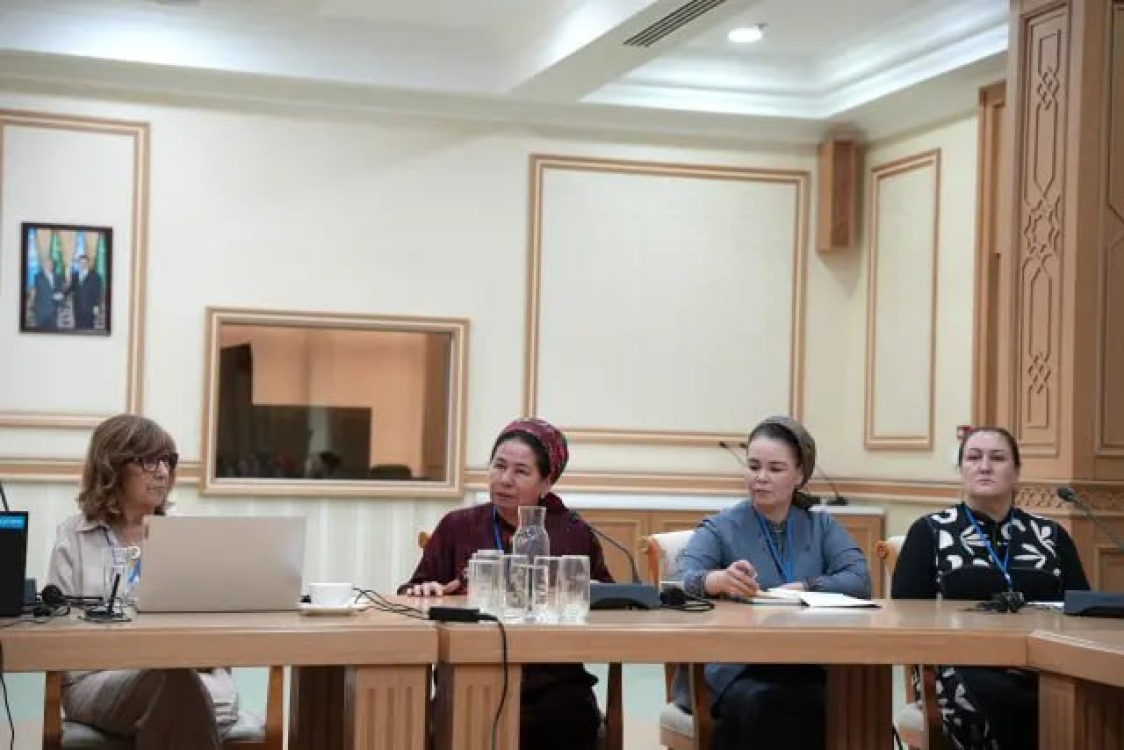
An expert’s mission on inclusive education has come to an end in Turkmenistan
09.08.2026From 3 to 8 August, Filomena Pereira, an international expert on inclusive education from Portugal, visited Turkmenistan. The week-long technical mission was organised by the Ministry of Education of Turkmenistan with the support of UNICEF, according to the news website Turkmenportal. The aim of the visit was to analyse the progress made in the development of inclusive education and to identify further steps. During the mission, meetings were held with representatives of the Ministry of Education, regional education authorities, teachers, professionals involved in professional development, members of interdisciplinary teams, representatives of psychological, medical and educational commissions, and higher education institutions. Following the consultations and field visits, the participants agreed on measures to expand educational opportunities for children with diverse educational needs. Particular attention was paid to the professional development of specialists, improving methods for identifying children’s individual needs, and developing a mentoring system. Representatives from the Ministry of Education and UNICEF visited pilot nurseries and schools in the Ahal and Balkan velayats, where they familiarised themselves with the implementation of inclusive education. They discussed the results, existing challenges and necessary support measures with teachers, school heads and regional coordinators. The recommendations drawn up following the mission will form the basis for further work: improving teacher training, developing a monitoring system and disseminating the experience of pilot institutions to scale up inclusive practices, according to a UNICEF press release.
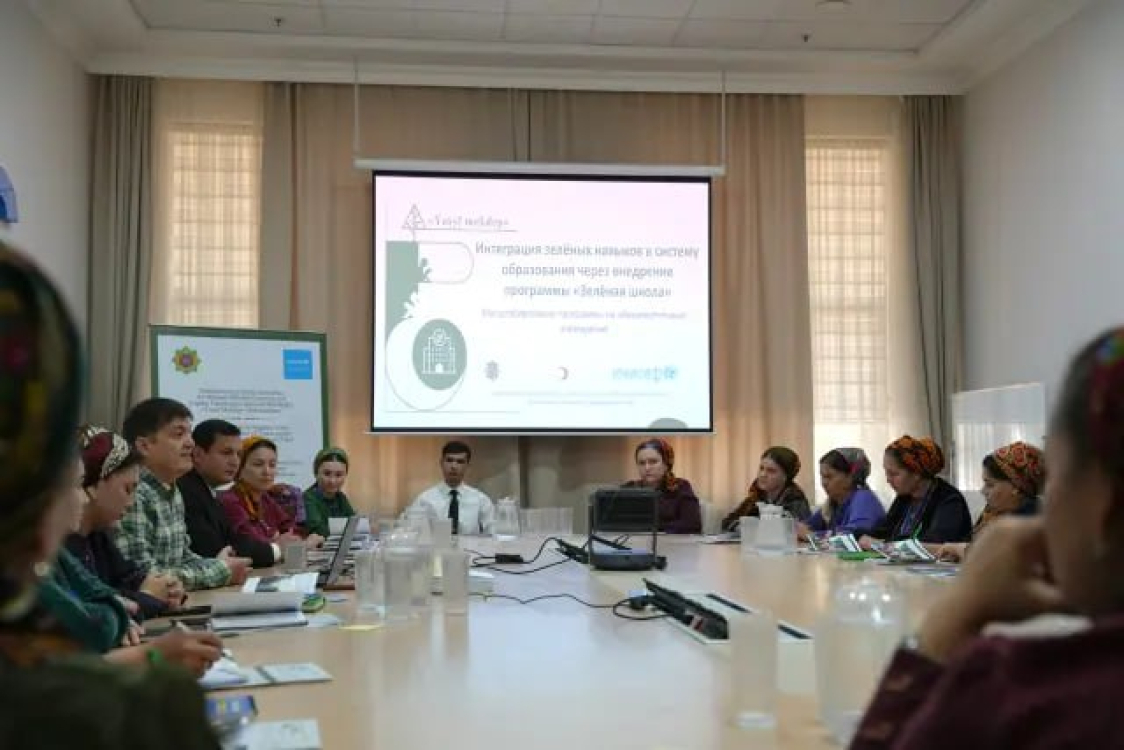
The ‘Green School’ programme has been extended to 120 schools in Turkmenistan
08.08.2026The ‘Green School’ programme has been expanded to 120 schools across Turkmenistan. The initiative has been running since 2025, organised by the Ministry of Education of Turkmenistan in partnership with UNICEF. This was reported by the news website Turkmenportal. Events to mark the launch of the expansion took place in Ashgabat and across all the velayats of the country, bringing together school headteachers and representatives of education authorities, UNICEF reported. The programme is structured around four key areas: school management, infrastructure and operations, teaching and learning, and community engagement. Since its launch, the programme has been implemented on a pilot basis in 20 schools, where work has been carried out to integrate issues relating to climate change, environmental protection and disaster risk reduction into the curriculum. Following the national ‘Green Skills’ competition, students and schools exceeded expectations by engaging wider communities in their activities. Building on these results, the Ministry of Education and UNICEF, in collaboration with education authorities at central and velayat levels, are preparing for the first phase of ‘Green School’ certification, which is expected to take place in autumn 2026. By the start of the new academic year, participating schools will receive teaching guides on adapting to climate change – climate education is one of the key criteria for being awarded ‘Green School’ status. There are now 120 schools in Turkmenistan taking part in the programme. The Ministry of Education and UNICEF intend to expand the programme to 500 of the country’s approximately 1,900 schools by 2030.
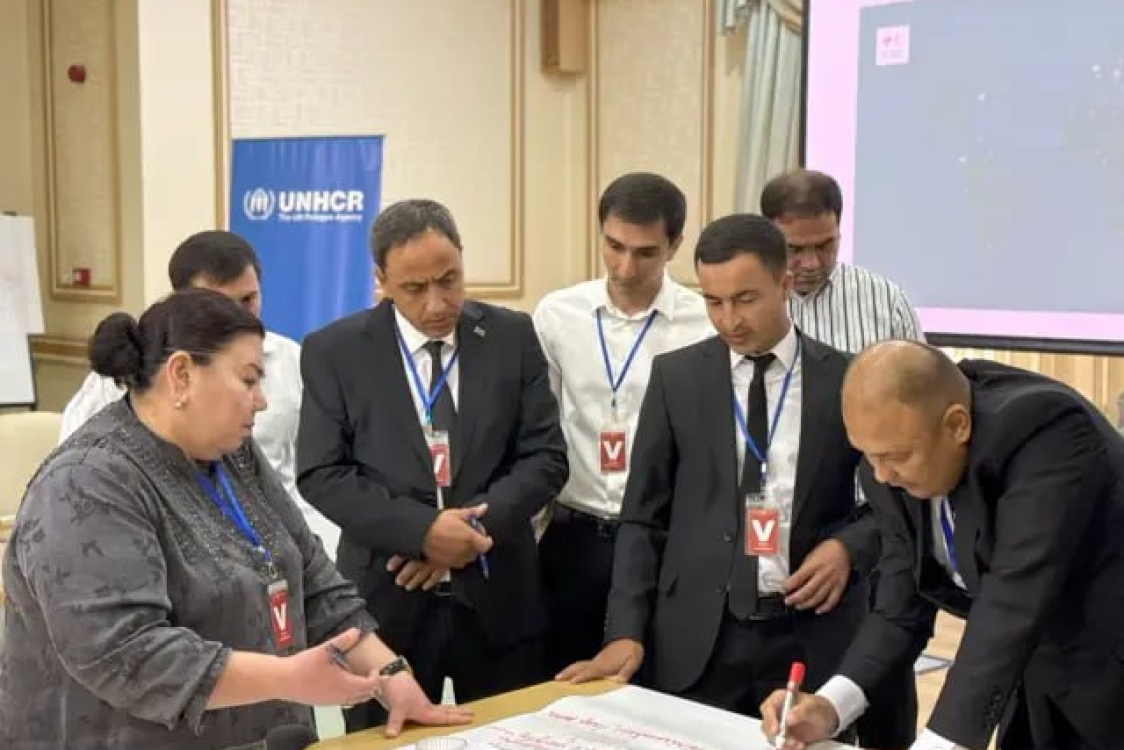
A UN seminar on the protection of civilians in emergencies was held in Ashgabat
08.08.2026A seminar on the protection of the population in emergency situations was held at the UN building in Ashgabat from 5 to 7 August. It was attended by 30 specialists from Turkmenistan’s state bodies working on the front line of emergency response, according to the news website Turkmenportal. The seminar was organised by UNICEF and the Main Directorate for Civil Defence and Rescue Operations of the Ministry of Defence of Turkmenistan, in partnership with the Office of the United Nations High Commissioner for Refugees (UNHCR), the International Federation of Red Cross and Red Crescent Societies (IFRC) and the United Nations Population Fund (UNFPA). The event took place as part of efforts to strengthen the national emergency preparedness system and develop inter-agency cooperation. The training was delivered by national and international experts. The UNICEF sessions focused on the protection of children in emergencies. UNHCR experts presented regional and global experience in applying international standards for the protection of the population. IFRC experts led sessions on contemporary risks, emergency preparedness and the international legal framework for humanitarian action. Zhanar Sagimbayeva, Deputy Representative of UNICEF in Turkmenistan, noted that the seminar should provide government agencies with the knowledge and mechanisms for cooperation to ensure the timely identification, protection and safe referral of children in need of assistance – before, during and after an emergency. The workshop was supported by UNICEF’s Global Humanitarian Thematic Funding (GHTF).
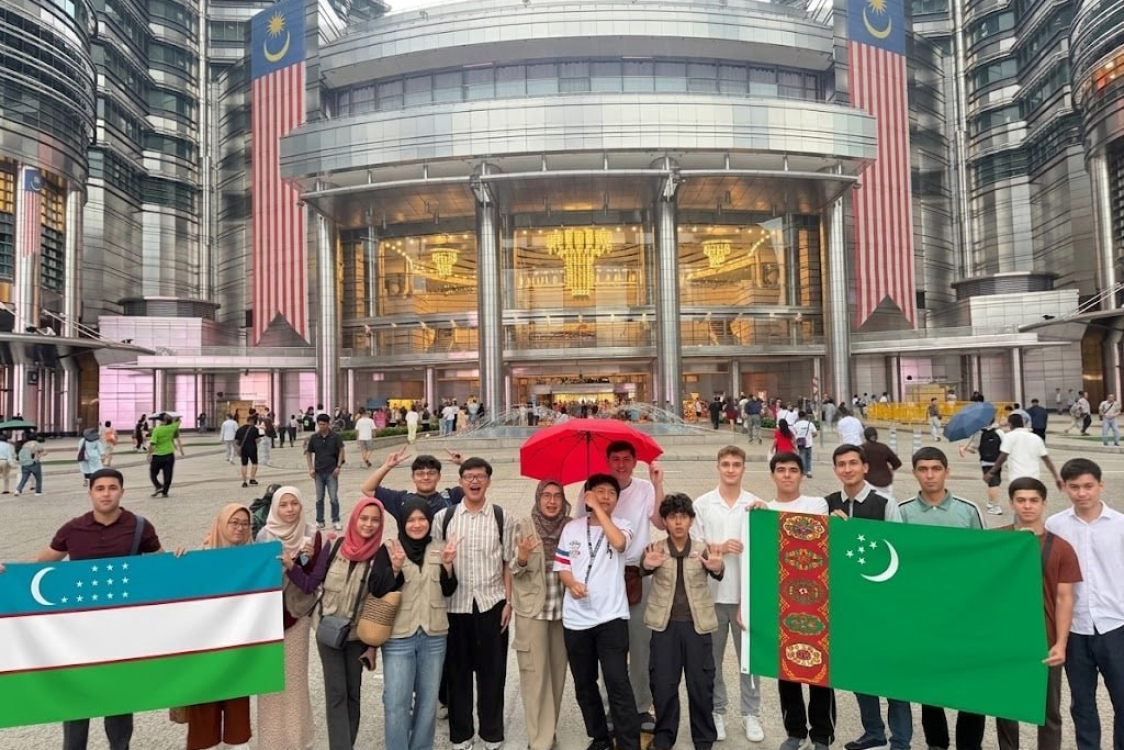
Turkmenistan and UNITEN are expanding student exchanges in the energy sector
08.08.2026Students from three leading technical universities in Turkmenistan — the Institute of Architecture and Construction, the Oguz Han University of Engineering and Technology, and the State Energy Institute — took part in the international programme ‘Uniten Energy Adventure – Summer Camp’ in Malaysia. This was reported by the Orient news agency. The programme took place from 23 July to 4 August at Universiti Tenaga Nasional (UNITEN) as part of a student exchange agreement between UNITEN and the Turkmen universities. The students studied energy technologies and learnt about the country’s culture. The sessions combined theory and practice: the students worked at the university’s Information and Resource Centre, met with experts and undertook practical work in UNITEN’s laboratories. The participants learnt about the workings of solar energy systems, bioenergy, robotics and the PERL research centre, and also took part in seminars on renewable energy and data analysis. In addition to the academic programme, the students explored Malaysia’s sights — the Saloma Bridge and the historic Sultan Abdul Samad Building. The organisers highlighted the contribution made by UNITEN’s lecturers and student volunteers to the preparation of the courses. Participation in the programme is seen as a contribution to the development of Turkmen students’ professional skills and the strengthening of international educational ties.
Turkmenistan is modernising its electricity system
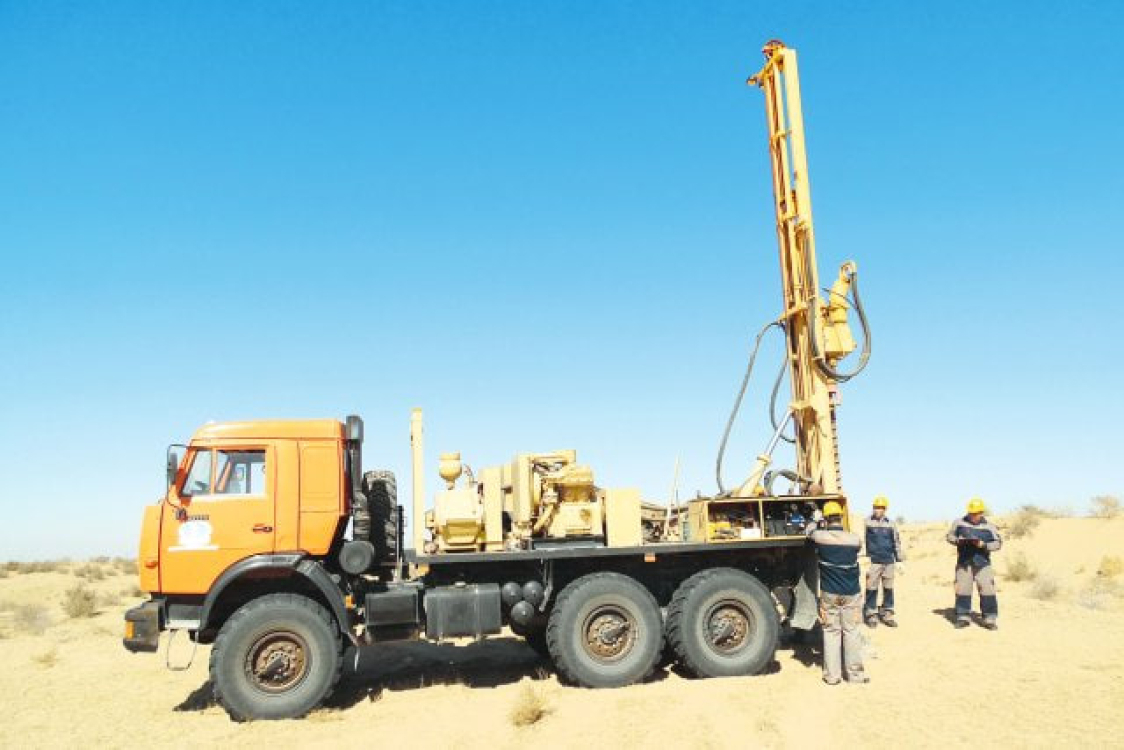
08.08.2026Turkmenistan is continuing to modernise its electricity system by expanding generation capacity, developing electricity exports and introducing renewable energy technologies. This was reported by the online news site AsmanNews. Eight gas turbine power stations of varying capacities have been built and commissioned in the Ahal, Lebap and Mary velayats. They meet the country’s domestic needs and create additional opportunities for electricity exports. Work is continuing on the development of a unified ring-shaped power grid. The ‘Ashgabat–Mary–Lebap–Dashoguz’ transmission line is already operational. The ‘Ashgabat–Balkan’ and ‘Balkan–Dashoguz’ projects have made it possible to link the regions into a single power grid. Turkmenistan is also expanding its international technological cooperation. The Turkish company ‘Çalık Enerji’ has built two power stations in the Ahal velayat and a service centre for the repair of electrical equipment in the Buzmeyin etrap of the capital. The company is also constructing a combined cycle gas-and-steam power station in the Turkmenbashi etrap and a hybrid solar-wind power station in the Balkan velayat. In collaboration with ‘Çalık Enerji’, the American company ‘General Electric’ has implemented a project to commission the country’s first combined cycle gas-and-steam power station, based at the Mary Hydroelectric Power Station. The modernisation of the sector involves compliance with environmental requirements and the provisions of Turkmenistan’s Law ‘On the Protection of Atmospheric Air’. Particular attention is being paid to the development of renewable energy sources and the reduction of carbon emissions.
Turkmenistan’s textile industry is expanding its production and exports
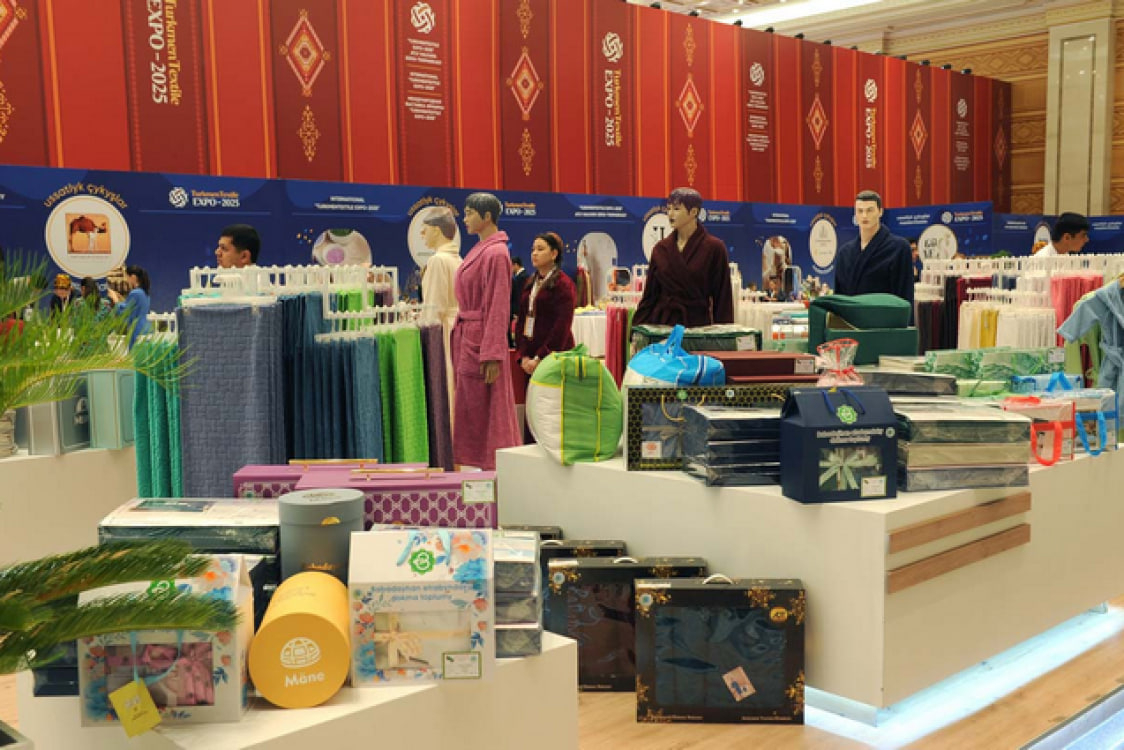
08.08.2026Turkmenistan’s textile industry is consolidating its position as one of the key sectors of the national economy. The development of modern production facilities, the modernisation of enterprises and investment projects are contributing to the expansion of the product range and exports, reports the TDH news agency. At an extended meeting of the Cabinet of Ministers on 10 July, President Serdar Berdimuhamedov highlighted the need to improve the quality of textile products, make more efficient use of production capacity and draw on international experience in the trade of carpets and carpet products. For the period January–June 2026, the growth rate of output by the Ministry of the Textile Industry stood at 106.3 per cent. The modernisation of enterprises and the introduction of state-of-the-art equipment from leading companies in Switzerland, Germany, Italy, Belgium and Japan are playing a key role in the sector’s development. This year, a new workshop for processing camel wool and goat down has been commissioned at the Bayramali Textile Complex named after the Great Saparmyrat Turkmenbashi. Equipment supplied by the Italian company ‘Cormatex SRL’ enables the production of around 130 tonnes of yarn per year. The enterprise uses local raw materials sourced from livestock farms and private households. Technological modernisation has also been carried out at the Dashoguz Cotton Spinning Mill. Enterprises in the sector are expanding their capacity for processing cotton, silk and other types of natural raw materials, whilst also introducing technologies for the recycling of garment waste. Silk production constitutes a separate sector. The Ashgabat Silk Reeling Factory and the Turkmenabat Silk Production Association have been modernised, and new workshops have been opened at these sites to produce carpets, the traditional ‘keteni’ fabric and other silk products. Silk fibre is also used at the Ashgabat Velvet Factory. Production under the ‘Gala’, ‘Ýeňiş’, ‘Goza’, ‘Wada’, ‘Nusaý’, ‘Bedew’, ‘Bürgüt’, ‘Akpamyk’, ‘Merw’, ‘Jeýtun’ and ‘Mäne’ brand names is expanding. Compliance with quality and environmental safety requirements is confirmed by international certificates. The development of the industry also includes the modernisation of the national carpet-making sector. According to figures for January–June 2026, the growth rate of total revenue for enterprises within the ‘Türkmenhaly’ State Association reached 107.4 per cent. Turkmen textile and carpet products continue to gain ground in foreign markets. Domestic manufacturers took part in the ‘Heimtextil’ international home textiles exhibition, where the Babadayhan Textile Complex and the ‘Ajaýyp Bina’ commercial company signed new export contracts. National collections made from ‘keteni’ silk and velvet were also showcased at international forums and fashion shows. The ‘Turkmen Textile Expo 2026’ international exhibition and trade fair, held from 4 to 6 June at the capital’s exhibition centre of the country’s Chamber of Commerce and Industry, became an important platform for promoting the industry. The event was attended by manufacturers and suppliers of textile products, as well as designers from Turkmenistan and abroad. The exhibition showcased the main stages of production — from the processing of natural fibres and yarn manufacturing to the production of woven, knitted and silk garments. The business programme included B2B meetings, presentations and the signing of commercial agreements. The further development of the textile industry is aimed at increasing the production of import-substituting and export goods, expanding the technological base and enhancing the competitiveness of ‘Made in Turkmenistan’ goods on international markets.
FIFA held a training session for football referees in the city of Arkadag
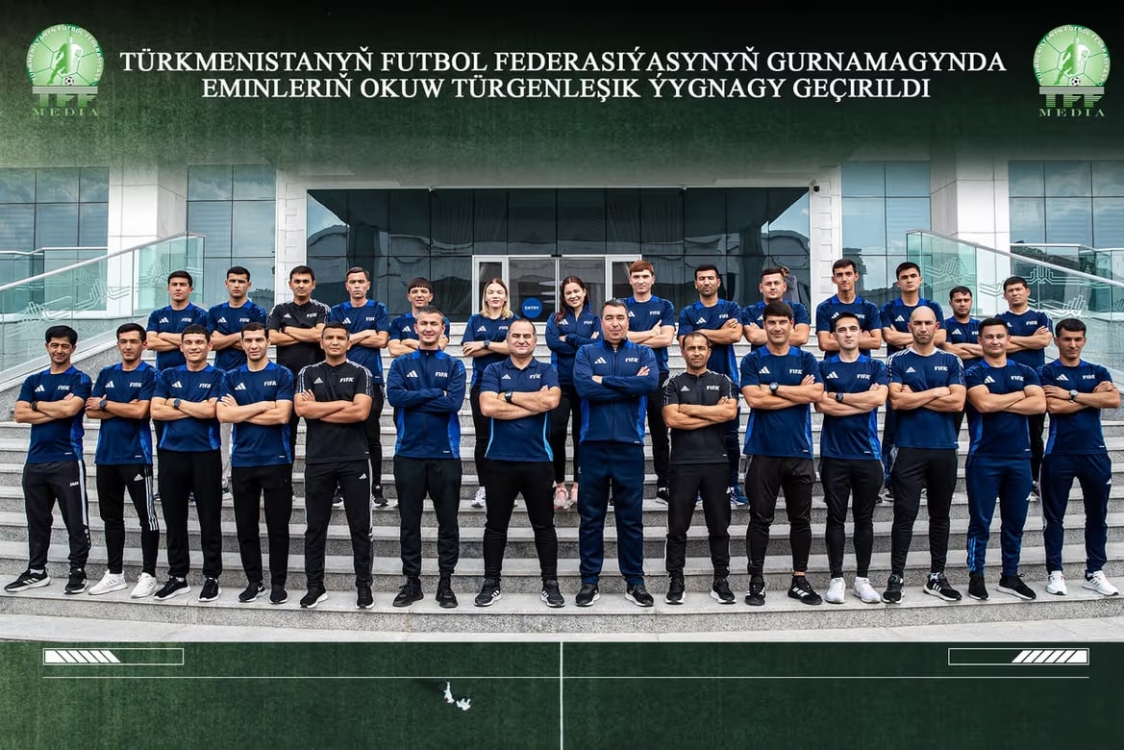
08.08.2026A training course for football referees, organised by the International Federation of Association Football (FIFA), has concluded in the city of Arkadag. The sessions took place from 30 July to 4 August and focused on changes to the laws of the game and improving refereeing standards, according to IIC of Turkmenistan. The programme included studying the new rules, decision-making practice, as well as physical and tactical training. The referees undertook specialised tests and video analysis of match situations. The training aims to improve the quality of refereeing and ensure the application of modern standards during matches.
Turkmenistan’s initiatives in the field of international law were presented in Baku
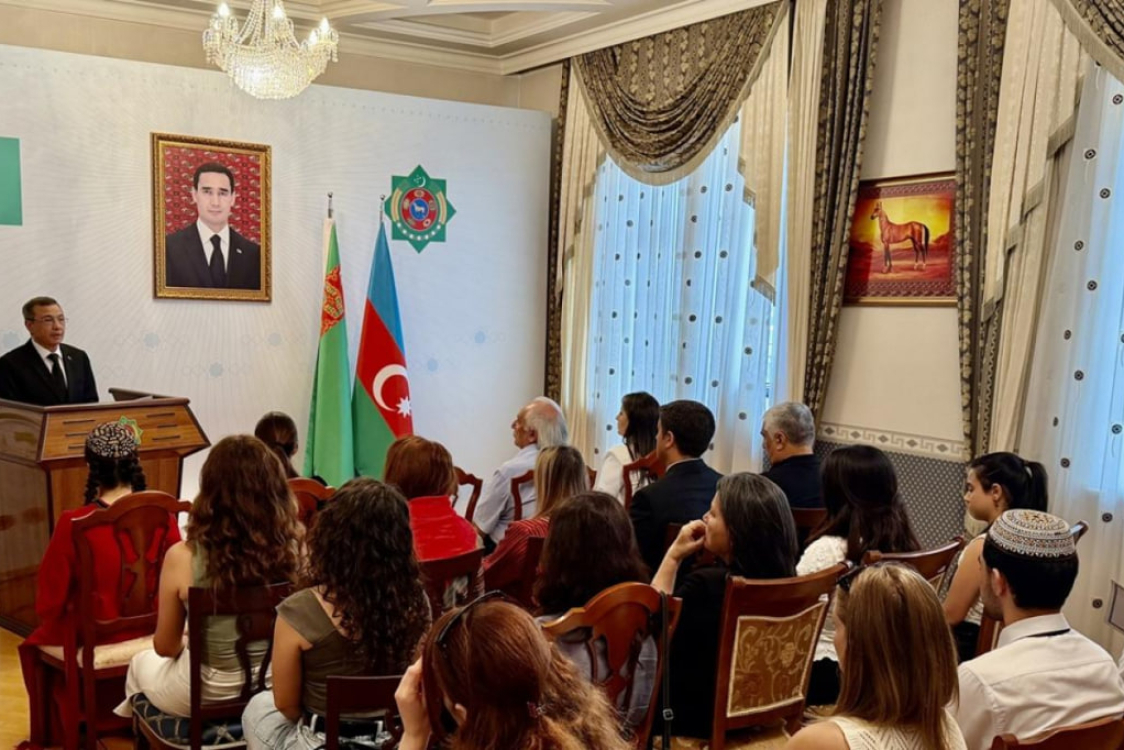
08.08.2026On 6 August 2026, a conference was held at the Embassy of Turkmenistan in the Republic of Azerbaijan, dedicated to the forthcoming session of the Halk Maslahaty of Turkmenistan and the UN General Assembly resolution ‘International Year of International Law, 2028’. This was reported by the press service of the Foreign Affairs Ministry of Turkmenistan. The event was attended by academics from the National Academy of Sciences of Azerbaijan, Turkmen students, representatives of the media and the Turkmen diaspora. Participants highlighted the role of the Halk Maslahaty of Turkmenistan in developing the system of public administration, strengthening democratic institutions and ensuring the country’s socio-economic development. The session of the Halk Maslahaty, scheduled for 23 September, will be devoted to reviewing the results of its work and determining future directions for development. An initiative by the President of Turkmenistan, Serdar Berdimuhamedov, to declare 2028 the International Year of International Law was also presented. The corresponding resolution of the United Nations General Assembly was adopted by consensus with the support of 78 states. The conference emphasised the importance of the initiative for strengthening the principles of international law, fostering dialogue and promoting the provisions of the United Nations Charter.
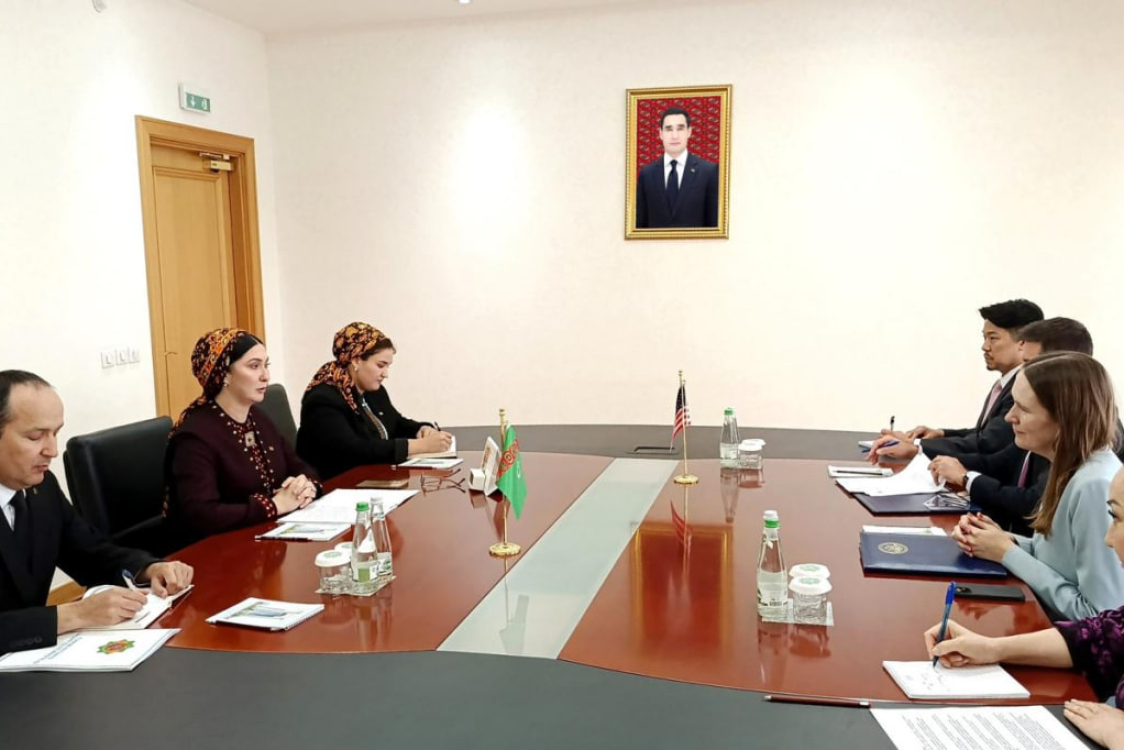
Turkmenistan and the US discussed prospects for cooperation
08.08.2026On 7 August, Myahri Byashimova, Deputy Foreign Affairs Minister of Turkmenistan, held a meeting with Kristin Hawkins, Chargé d’Affaires ad interim of the United States of America in Turkmenistan. This was reported by the press service of the Foreign Affairs Ministry of Turkmenistan. The parties discussed the current state of Turkmen-American cooperation, prospects for further collaboration and issues of mutual interest. Particular attention was paid to cooperation within the framework of international organisations, primarily the UN. Priority areas of humanitarian cooperation were also considered, including educational and sporting exchanges, as well as the implementation of joint projects and programmes. In addition, the participants discussed preparations for upcoming joint events and reaffirmed their readiness to continue regular dialogue on issues relating to the bilateral and multilateral agenda.
Read also
Advertising


 Read us in Zen


