

News
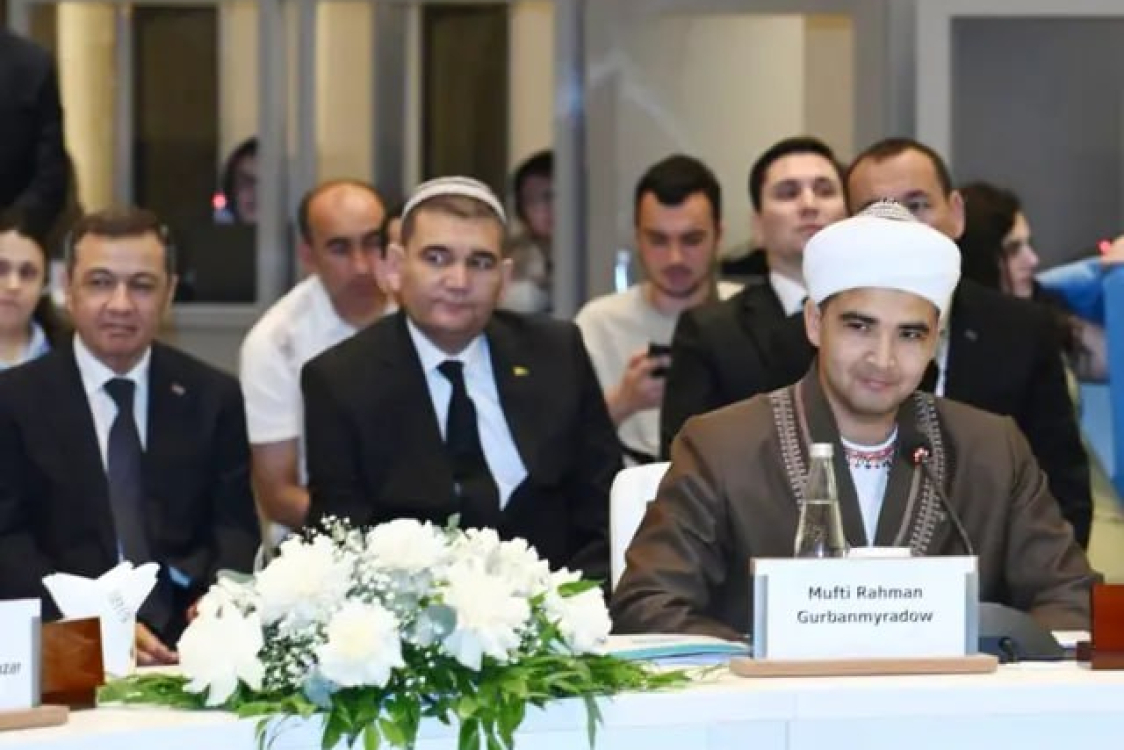
The Mufti of Turkmenistan addressed a meeting of the OTS in Baku
15.09.2026The Mufti of Turkmenistan, Rahman Gurbanmyradov, took part in the 7th Meeting of the Council of Heads of Muslim Religious Boards of the Organisation of Turkic States (OTS), which took place on 14 September in Baku. This was reported by the news website Turkmenportal. In his address, he emphasised that strong fraternal ties have developed between the peoples of the Turkic world throughout history, with roots in their shared history of cities, religious values, culture, customs and linguistic affinity. According to him, one of the main objectives is to further bring together the religious leaders of the Turkic peoples, strengthen mutual ties and cooperation, and jointly address pressing issues. The Mufti expressed his confidence that the meeting would benefit the Turkic peoples.
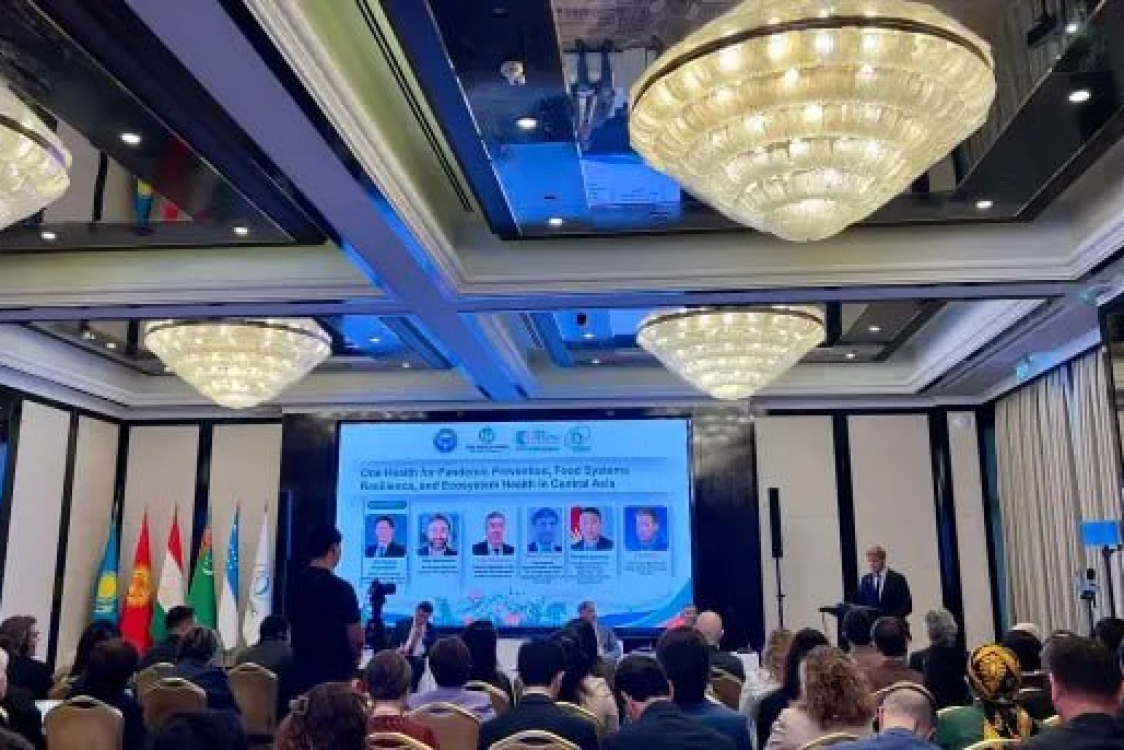
A delegation from Turkmenistan is taking part in the ‘One Health’ conference in Bishkek
14.09.2026The “One Health – 2026” Regional Conference opened in Bishkek on 14 September. More than 150 representatives of government bodies, international organisations and the expert community from five Central Asian countries, including Turkmenistan, are taking part, according to the news website Turkmenportal. Delegates are discussing ways to strengthen regional cooperation in the prevention of zoonotic diseases, pandemic preparedness, epidemiological and veterinary surveillance, as well as collaboration between the health, agriculture and environmental sectors. The event was organised by the Government of the Kyrgyz Republic, the Regional Environmental Centre for Central Asia (CAREC) and the World Bank, with the support of the Pandemic Fund and the Quadripartite Secretariat for One Health — FAO, WHO, WOAH and UNEP. The high-level plenary session was moderated by Zharkynbek Kasymbekov, Director of the National Institute of Public Health under the Ministry of Health of the Kyrgyz Republic. The session featured a presentation on the Kyrgyz component of the ‘One Health’ programme, which provides for funding of US$30 million in the form of a loan and US$1.79 million in the form of a grant. The funds are intended to strengthen governance in this sector, develop human resource capacity and improve systems for prevention, detection and response to threats, including laboratory networks and epidemiological surveillance. The World Bank’s Regional Director for Central Asia, Najy Benhassine, noted that the Bank provides financial and technical support to countries in the region, helping to strengthen national systems and foster collaboration on preventing cross-border infectious disease threats. Batyr Mammedov, Executive Director of CAREC, emphasised that the regional initiative is moving from the development of common approaches to practical implementation, and highlighted the role of the ‘One Health’ Regional Secretariat, based at CAREC, in coordinating actions between countries. During the conference, representatives from Kazakhstan, Kyrgyzstan, Tajikistan, Turkmenistan and Uzbekistan are discussing the progress of national programmes and priorities for further cooperation.
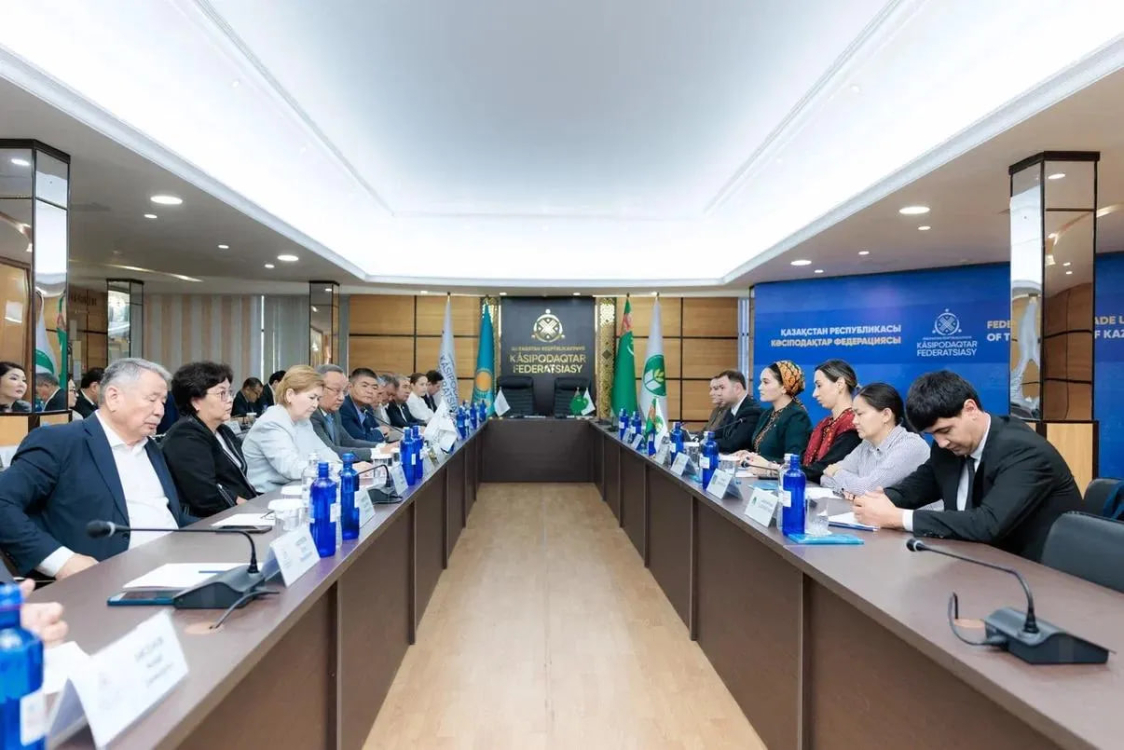
Trade unions in Turkmenistan and Kazakhstan are strengthening their cooperation
14.09.2026On 11 September, a meeting took place in Astana between the leaders of trade union federations from Turkmenistan and Kazakhstan. This was reported by the news website Turkmenportal. Oguljennet Berdiliyeva, Chairwoman of the National Trade Union Centre of Turkmenistan, held negotiations with Satybaldy Dauletalin, Chairman of the Federation of Trade Unions of the Republic of Kazakhstan. The parties discussed the protection of workers’ labour and socio-economic rights, social partnership, health and safety at work, trade union education and the exchange of experience. Following the negotiations, a Memorandum of Understanding and Cooperation was signed. The document provides for the expansion of professional contacts and the implementation of joint initiatives. As part of the visit, an international round-table discussion entitled ‘Strengthening social dialogue and the role of trade unions in ensuring decent work: the experience of Kazakhstan and Turkmenistan’ was also held, attended by representatives of trade unions from both countries and the International Labour Organisation. Particular attention was paid to regional cooperation. The parties noted the significance of the International Forum of Trade Union Presidents from Central Asian Countries and Azerbaijan, which is due to take place in Ashgabat in November 2026.
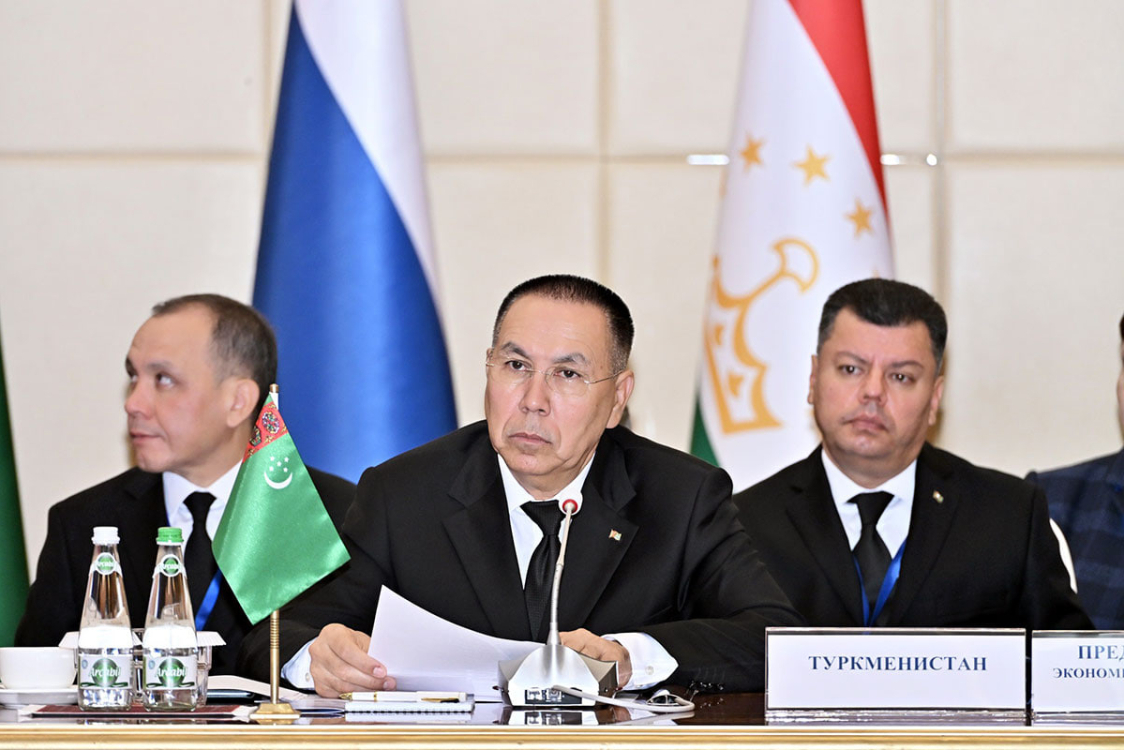
The transport potential of the CIS countries was discussed in Ashgabat
14.09.2026During his speech at the 111th meeting of the CIS Economic Council, Deputy Chairman of the Cabinet of Ministers of Turkmenistan H. Geldimyradov focused on the transport potential of the Commonwealth countries, according to the ‘Turkmenistan: Golden age’ news agency. According to the Deputy Prime Minister, the geographical location of the CIS states creates opportunities for the development of sustainable routes between Europe and Asia. The ‘North–South’ and ‘East–West’ international transport corridors were cited as priority areas. The role of the Caspian region in the international transport and logistics system was highlighted separately. Turkmenistan is keen to make effective use of the Caspian Sea’s transit potential on the basis of mutually beneficial cooperation. As part of its chairmanship, Turkmenistan proposed declaring 2029 the Year of Transport Connectivity. The initiative is aimed at developing transport infrastructure and international routes, digitising transport, expanding intermodal connections, enhancing transport security and removing infrastructural and administrative barriers. H. Geldimyradov noted that the thematic year should serve as a practical platform for implementing specific projects in the field of transport cooperation between the Commonwealth countries.
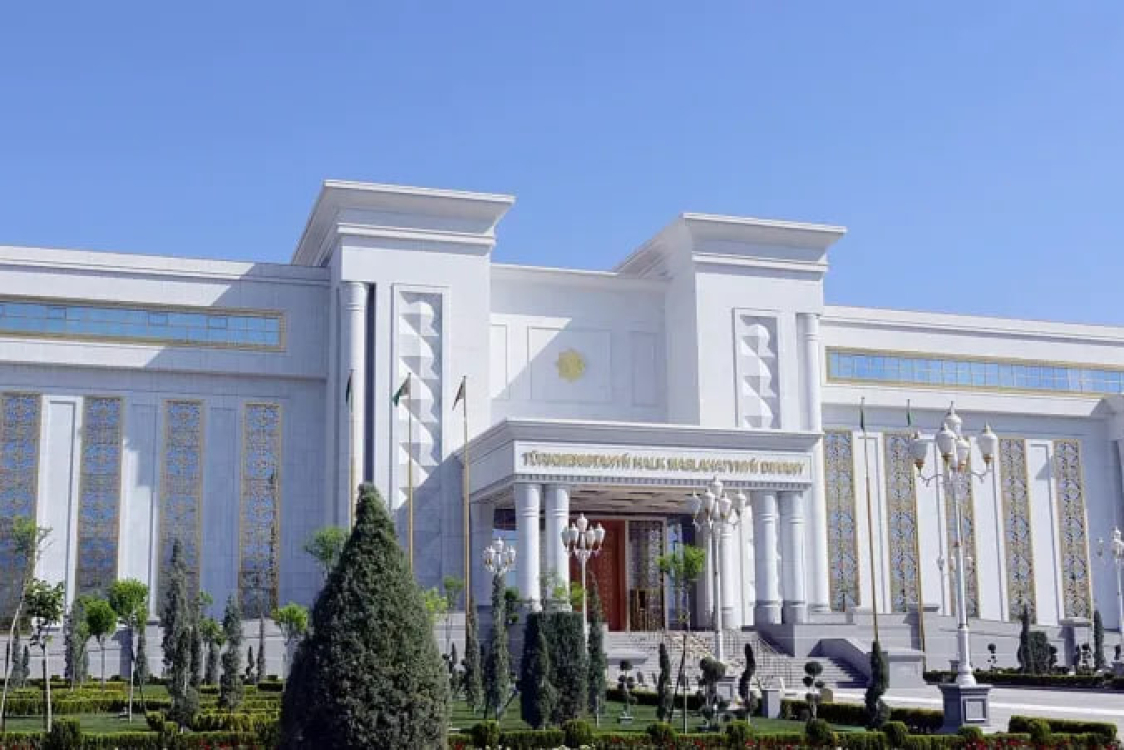
Gurbanguly Berdimuhamedov received a letter of thanks from Marian Weltevreden
14.09.2026Marian Weltevreden, Head of the European Ahal-Teke Horse Association, expressed her gratitude to the National Leader of the Turkmen people, Chairman of the Halk Maslahaty of Turkmenistan,Gurbanguly Berdimuhamedov, for his support and personal involvement in organising the World Equestrian Championships and the Ahal-Teke Beauty Contest in the Kingdom of the Netherlands. This was reported by the news agency TDH. The letter notes that the competitions and accompanying international events took place at the Peelbergen Equestrian Complex and brought together owners and breeders of Ahal-Teke horses, experts, equestrian industry specialists and representatives from various countries. According to Marian Weltevreden, the event attracted interest from both the professional community and the general public. Participants and guests praised the high standard of organisation and the programme’s content. The letter paid particular attention to the international conference and expert discussions dedicated to the conservation, breeding and promotion of the Ahal-Teke breed. The cultural programme introduced guests to the traditions, art and music of Turkmenistan. The Association’s Chair emphasised Gurbanguly Berdimuhamedov’s contribution to the organisation of the event and to the preservation and promotion of the Ahal-Teke breed. Marian Weltevreden also welcomed the initiative to hold the next championship in five years’ time and expressed her hope for the further development of cooperation in the field of Ahal-Teke horse breeding.
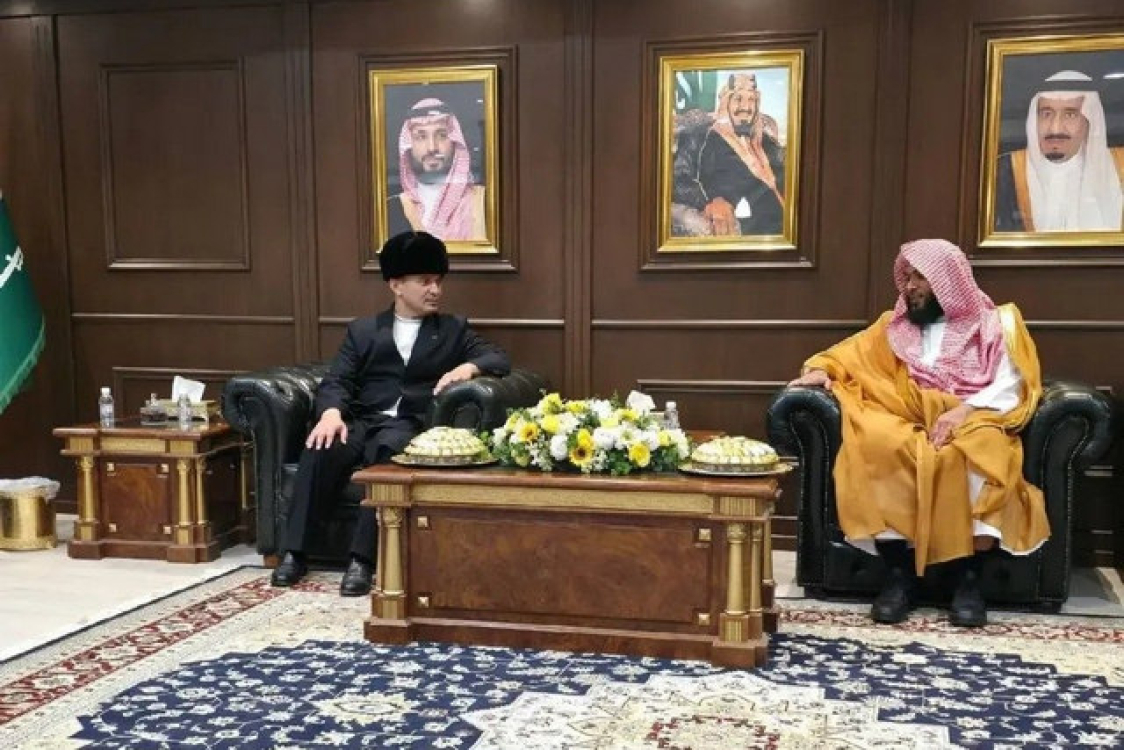
Turkmenistan and Saudi Arabia discussed cooperation in the religious sphere
14.09.2026On 12 September, the Turkmen delegation met with Dr. Salem bin Hajj Al-Khamri, Head of the Ministry of Islamic Affairs, Dawah and Guidance for the Mecca region in the Kingdom of Saudi Arabia. This was reported by the news website Turkmenportal. The parties discussed Saudi Arabia’s experience in training Islamic scholars, as well as the management of mosques and educational institutions. The meeting took place as part of a working visit to Saudi Arabia by Yalkap Hojaguliyev, Chairman and Chief Imam of the religious organisation ‘Arkadagyň Ruhy metjidi’. Earlier in the trip, meetings were held with the President of the Islamic University of Medina, Dr Saleh bin Ali Al-Aqla, following which the parties agreed to sign a Memorandum of Understanding, and with the Head of the Institute attached to the Prophet’s Mosque, Dr Salman bin Joudallah Al-Fakih — with whom issues relating to the exchange of expertise in the field of Islamic studies and academic programmes were discussed.
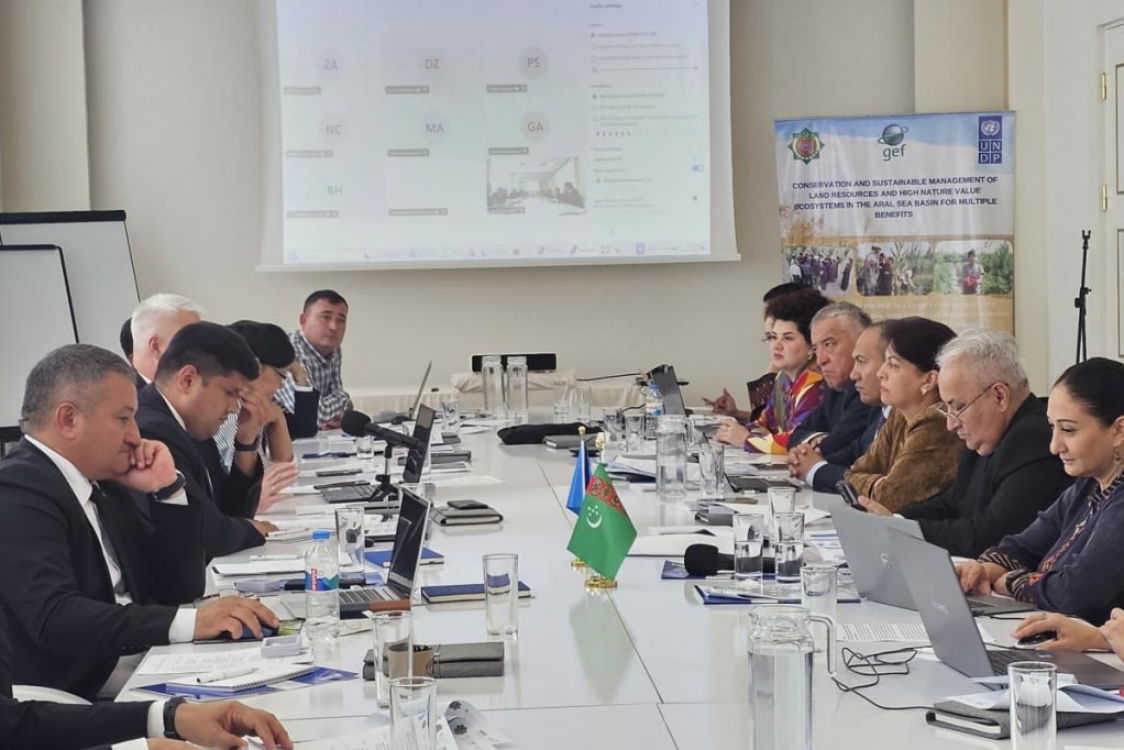
A meeting on the implementation of the UN programme for the Aral Sea was held in ‘Awaza’
14.09.2026The second consultative meeting of Central Asian countries on the development of a mechanism for implementing the United Nations Special Programme for the Aral Sea Basin (UN SPAS) and a regional seminar on water diplomacy took place in the ‘Awaza’ National Tourist Zone from 11 to 12 September 2026. This was reported by the press service of the Foreign Affairs Ministry of Turkmenistan. The events were organised by the Foreign Affairs Ministry of Turkmenistan, the Ministry of Environmental Protection of Turkmenistan and the State Committee for Water Resources of Turkmenistan, with the support of the UNDP/GEF project and in collaboration with the Blue Peace Central Asia initiative. The meetings were attended by representatives of relevant ministries and agencies from Kazakhstan, Tajikistan, Turkmenistan and Uzbekistan, the International Fund for Saving the Aral Sea, UNDP, the United Nations Regional Centre for Preventive Diplomacy for Central Asia (UNRCCA), as well as international and regional organisations. Participants discussed the further development of regional cooperation in the Aral Sea basin and the priorities of the Central Asian countries within the framework of the UN Special Programme. The delegations presented their positions on further cooperation and possible directions for the development of UN SPAS. Following the meeting, a Final Summary of the participating countries was adopted. The document sets out practical steps regarding the format, legal basis, operational mechanisms and funding of the UN Special Programme for the Aral Sea Basin.
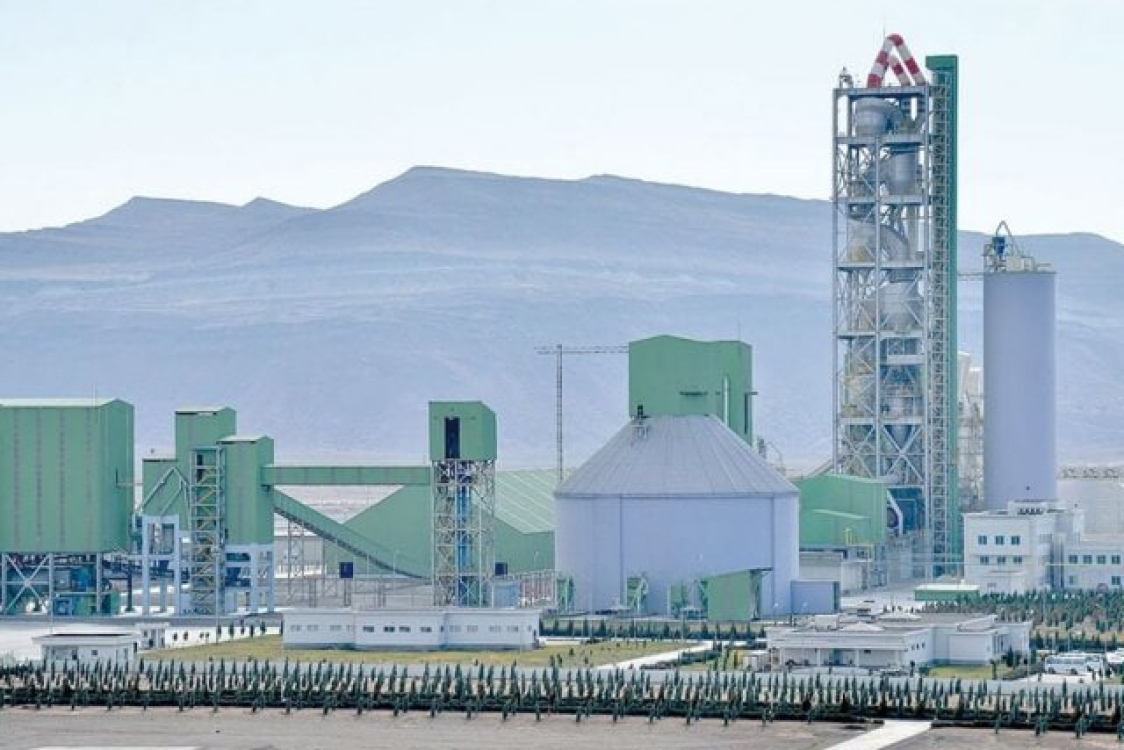
Turkmenistan’s cement works will ensure uninterrupted production
14.09.2026On 11 September, at a meeting of the Cabinet of Ministers of Turkmenistan, Deputy Chairman of the Cabinet of Ministers B. Annamammedov reported on the activities of the Ministry of Industry and Construction. This was reported by the news agency TDH. Measures are being taken in the country to ensure that cement works operate at full capacity. Enterprises must supply construction sites, economic sectors and the population with high-quality cement products. Cooperation with foreign companies is also being developed. The Deputy Prime Minister presented a draft of the relevant resolution to the President of Turkmenistan. Having heard the report, the President of Turkmenistan, Serdar Berdimuhamedov, signed the document aimed at ensuring the uninterrupted operation of the ‘Bäherden’, ‘Balkan’ and ‘Lebap’ cement plants, and instructed the Deputy Prime Minister to carry out the necessary work.
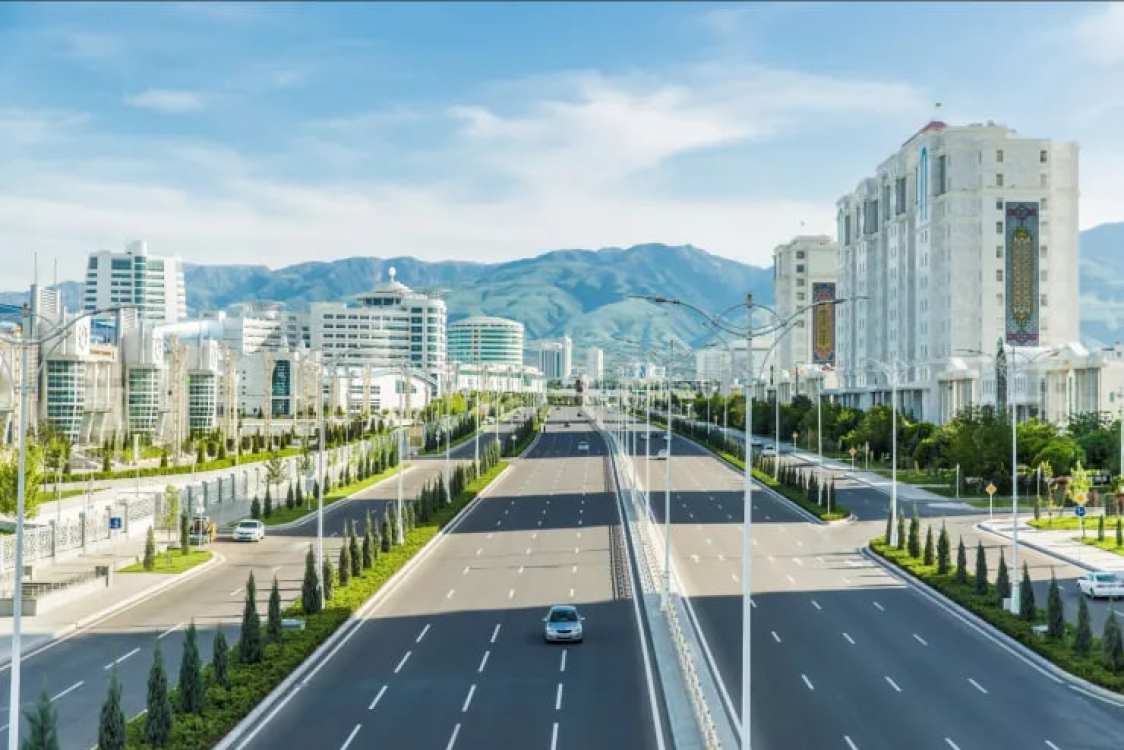
A conference on innovation and digital technologies is to be held in Ashgabat
14.09.2026On 11 September, at a meeting of the Cabinet of Ministers of Turkmenistan, Deputy Chairman of the Cabinet of Ministers H. Geldimyradov reported on preparations for the scientific and practical conference ‘Innovation and Digital Technologies – Driving Forces of Economic Development’. The forum is due to take place in Ashgabat in September, according to the news agency TDH. The conference is set to discuss the innovative development of the national economy and the prospects for the digital economy. Topics will include the application of cutting-edge technologies in public administration and economic sectors, e-government, artificial intelligence, financial technologies and digital services. Participants will also consider ways to improve production activities, train qualified specialists and study international best practice. After hearing the report, the President of Turkmenistan, Serdar Berdimuhamedov, emphasised the importance of introducing modern digital technologies into the economy. The Deputy Prime Minister has been tasked with organising a scientific and practical conference dedicated to Turkmenistan’s economic growth.
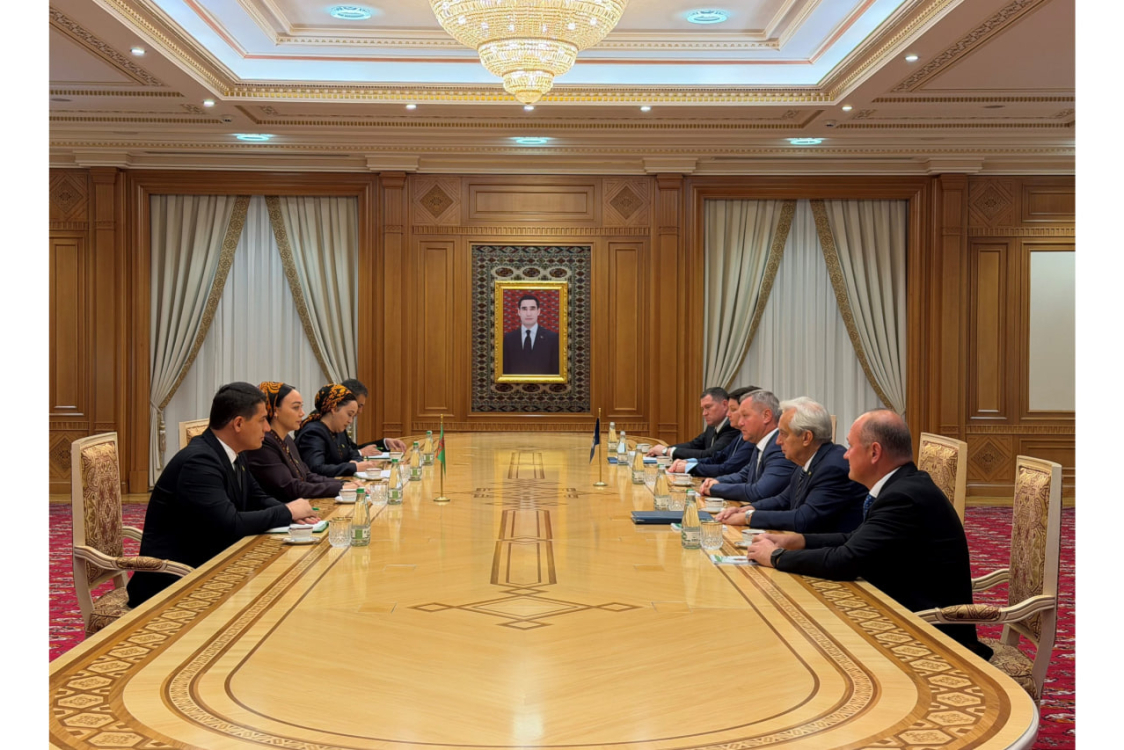
The Chairwoman of the Mejlis of Turkmenistan met with the Secretary-General of the CIS Interparliamentary Assembly
14.09.2026On 11 September 2026, the Chairwoman of the Mejlis of Turkmenistan, D. Gulmanova, held a meeting with Dmitry Kobitsky, Secretary-General of the Council of the Interparliamentary Assembly of Member States of the Commonwealth of Independent States. This was reported by the press office of the Mejlis of Turkmenistan. The parties discussed the development of inter-parliamentary cooperation, the promotion of parliamentary diplomacy and the exchange of experience in the field of law-making. D. Gulmanova noted Turkmenistan’s interest in strengthening interaction with countries around the world and international organisations, as well as in expanding cooperation within the CIS. Particular attention was paid to the international and parliamentary events planned for 2026 at the ‘Awaza’ National Tourist Zone as part of Turkmenistan’s chairmanship of the CIS and the Consultative Meeting of the Heads of State of Central Asia and the Republic of Azerbaijan. Preparations for the meeting of the Council of the CIS Interparliamentary Assembly, scheduled for November, were also discussed during the meeting. It was noted that the meeting would be aimed at improving the national legislation of the member states and the legal framework for multilateral cooperation.
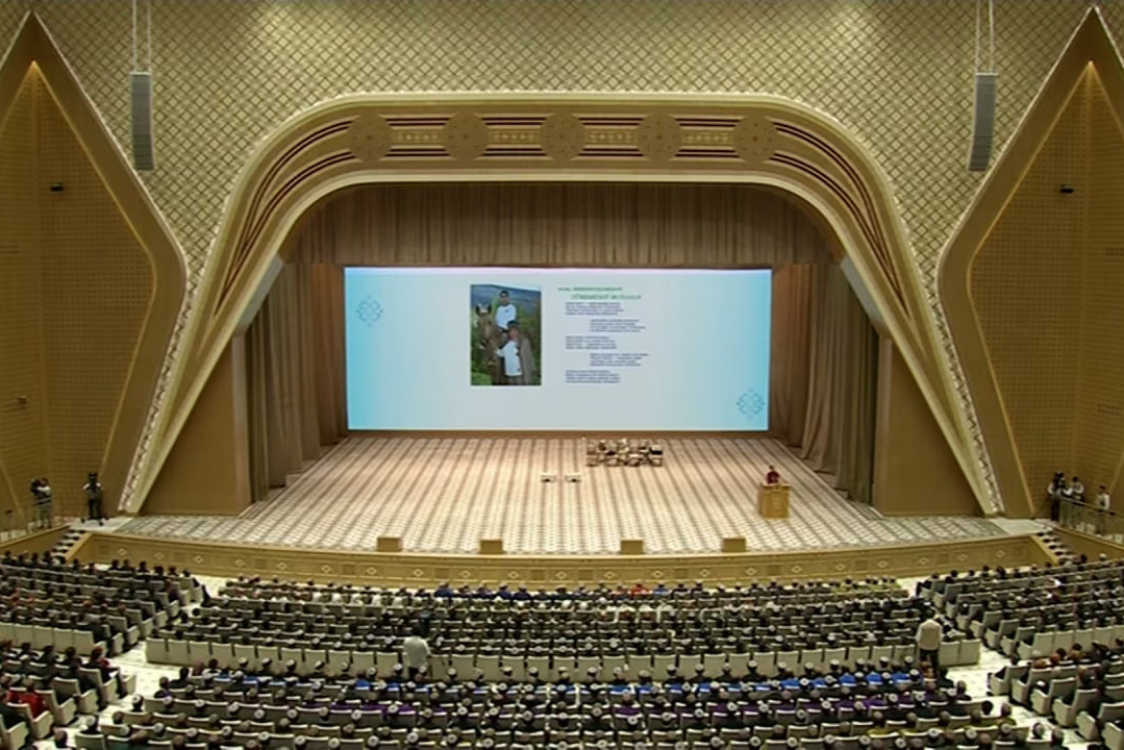
The results of the first World Ahal-Teke Championship were discussed in the city of Arkadag
14.09.2026A conference was held at the ‘Ruhyýet’ Palace in Arkadag to review the results of the first World Ahal-Teke Horse Championship, which took place in Kronenberg, the Netherlands. Participants discussed the results of the competition and the development of international cooperation in the field of Ahal-Teke horse breeding, according to IIC of Turkmenistan. At the ‘Peelbergen’ arena, Turkmen stallions won several top prizes. The competitions included dressage, show jumping and other disciplines. As part of the championship, representatives of the horse breeding sector from Europe and Asia discussed issues relating to selection, the maintenance of stud books and uniform breed standards. The ‘Galkynyş’ group of show riders also presented a programme featuring elements of traditional Turkmen show riding. As noted by Dayanch Reyimov, a lecturer at the Aba Annayev International Academy of Horse Breeding, the championship brought together athletes, breeders and specialists from various countries. The black stallion Yyndam, from the French stud farm, was crowned the undisputed world champion. This prestigious title was awarded following the results of the competition held in the Netherlands. Alena Grand, France’s Ambassador Extraordinary and Plenipotentiary to Turkmenistan, highlighted the significance of Yyndam’s victory for the French equine industry and the international interest in the Ahal-Teke breed. The art of Ahal-Teke horse breeding has been included on UNESCO’s list of cultural heritage. At the conference, representatives from foreign countries emphasised the cultural significance of the traditions associated with Ahal-Teke racehorses. The celebrations concluded in the city’s main square, by the ‘Arkadag’ monument. The President of Turkmenistan, Serdar Berdimuhamedov, arrived to congratulate the horse breeders and spectators. The programme of celebrations concluded with a performance of the national dance, the ‘kushtdepdi’, and a festive fireworks display.
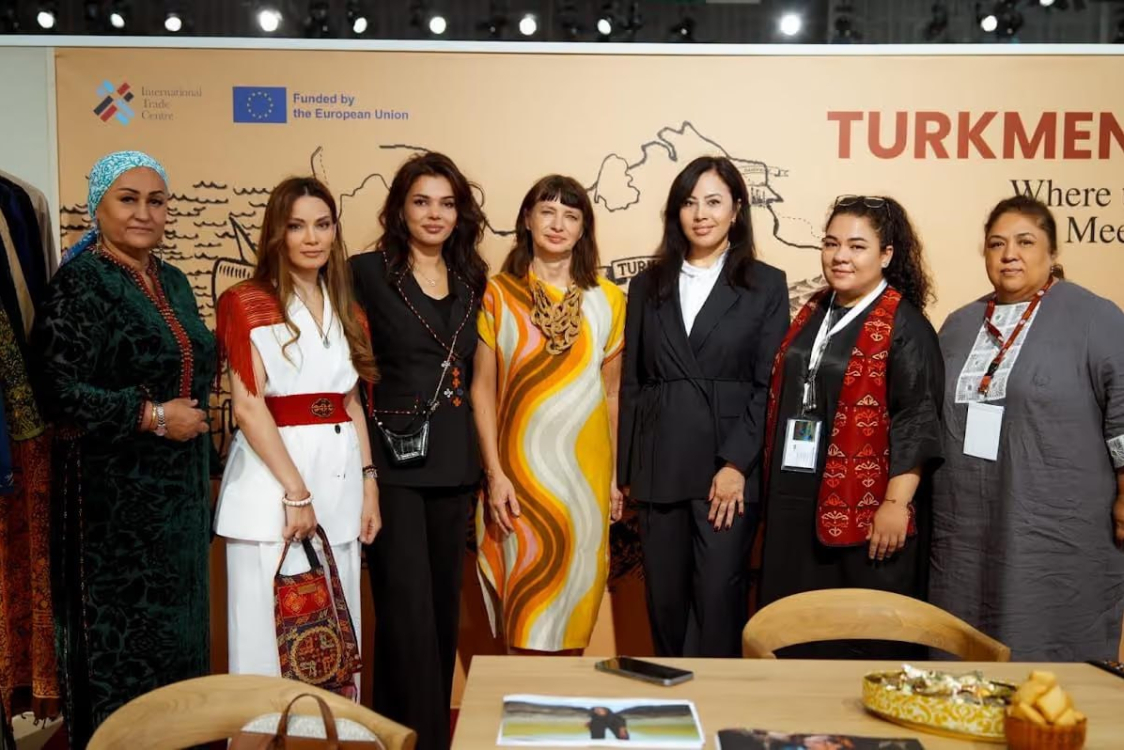
Turkmen designers showcased their products at the ‘Who’s Next’ exhibition
14.09.2026The Turkmen brands ‘Desert Heritage’, ‘Binaym’, ‘Mukaddes’ and ‘AyMahri’ presented their collections at the ‘Who’s Next’ international fashion exhibition, which took place on 5–7 September in Paris. This was reported by the IIC. The participation of the Turkmen companies was organised by the International Trade Centre as part of the ‘Turkmenistan: Enhancing Trade Resilience and Integration’ project, funded by the European Union. Company representatives held negotiations with potential partners from Italy, France, Spain, Saudi Arabia, Japan, Greece, Zambia and Armenia. Overseas buyers, particularly those from Italy, expressed an interest in cooperation. During the trip, the entrepreneurs also visited the ‘Texworld’ and ‘Première Vision’ trade fairs, where they familiarised themselves with global fashion trends, new materials and technologies, as well as the specifics of the European market. According to Merdan Hudayberdiyev, director of the ‘AK Aýna’ Joint-Stock Company, the trip helped ‘Aýna Denim’ to find potential partners, buyers and suppliers, as well as to gain a better understanding of the requirements of the European market. Participation in ‘Who’s Next’ formed part of the International Trade Centre’s efforts to promote Turkmen enterprises in the fashion and textile sectors in international markets.
Read also
Advertising

 Read us in Zen


