


News
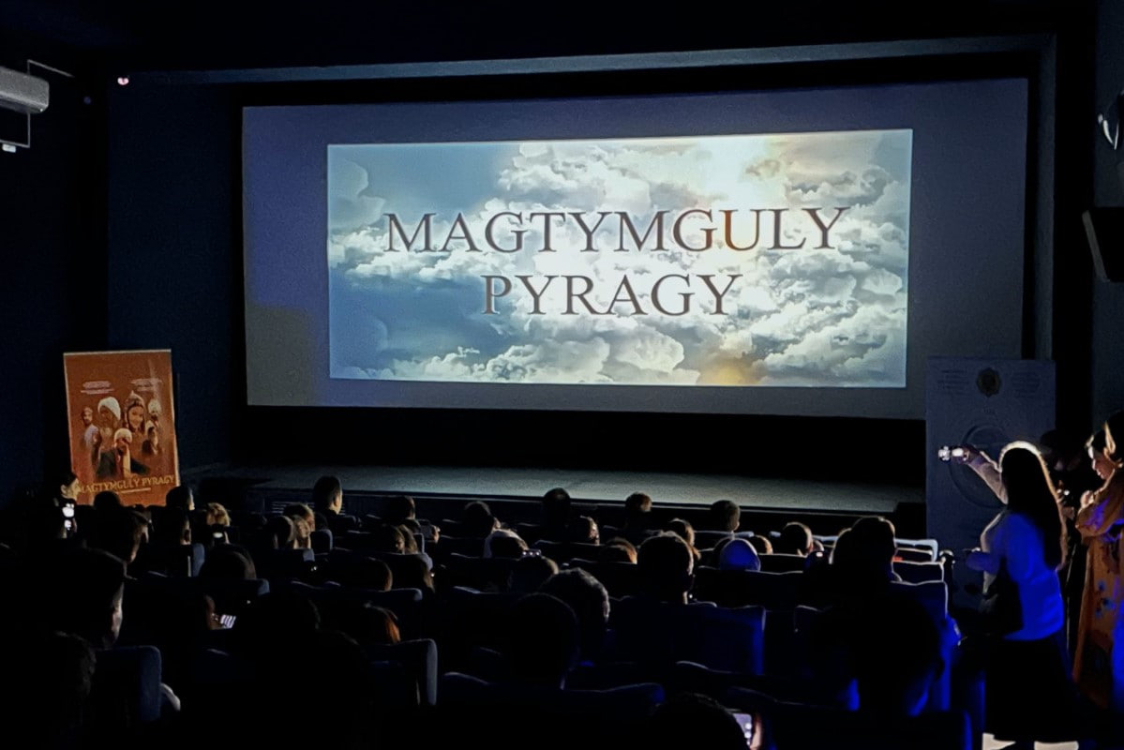
A joint film by Turkmenistan and Uzbekistan will be screened at the LEFF festival
13.08.2026The joint film by filmmakers from Turkmenistan and Uzbekistan, ‘Magtymguly Pyragy’, has been included in the official programme of the 7th Lendoc Film Festival (LEFF), which will take place in St Petersburg from 20 to 22 August. This was reported by the Orient news agency. The film was produced by the Oguzhan ‘Türkmenfilm’ Association and the Cinematography Agency of Uzbekistan under the direction of director Muzaffarkhon Erkinov. This historical biopic explores the poet’s formative years, his studies at the madrasahs of Bukhara and Khiva, and his ideas on the unity of peoples. The lead role is played by the Turkmen actor Ahmet Amandurdyev. The film was made to mark the 300th anniversary of Magtymguly Pyragy’s birth. Previously, the film won the top prize in the ‘Best Feature Film’ category at the 4th ‘Gorkut-Ata’ International Film Festival in Ashgabat and first prize at the ‘Turan’ Film Festival in Turkey. It also won the Audience Award at the ECG Film Festival in London and was selected for the competition programmes of the ‘Eurasia’ Festival in Almaty and the ‘Altyn Minbar’ Festival in Kazan. LEFF 2026 will feature 40 feature films and documentaries from 13 countries, including Turkmenistan, Uzbekistan, Russia, China, India, Iran and Belarus. One of the festival’s objectives is to foster international co-productions and joint film projects.
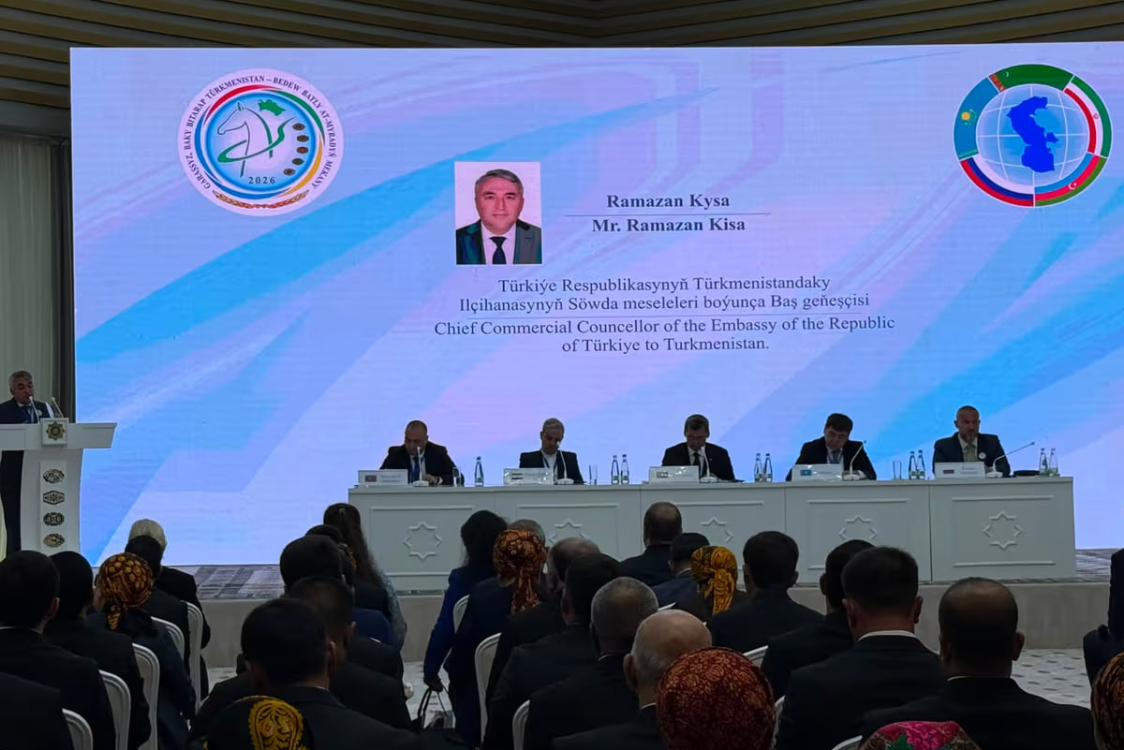
The Turkish Ambassador to Turkmenistan called for closer cooperation in the region
13.08.2026Speaking at a scientific and practical conference at the ‘Awaza’ National Tourist Zone, the Turkish Ambassador to Turkmenistan emphasised the need for joint efforts to create a clean, safe and sustainable Caspian region, according to IIC of Turkmenistan. The diplomat highlighted the importance of expanding multilateral dialogue and practical cooperation between the countries of Central Asia, the Caspian states, and the states to the north and south. The focus is on the development of transport and communication corridors between Europe and Asia and the environmental agenda. According to the Ambassador, Turkey is ready to share its experience in the field of environmental protection with its regional partners.
The folk calendar links the arrival of ‘Yaldyrak’ to the end of the summer heat
13.08.2026According to the Turkmen folk calendar, from 12 August, ‘Yaldyrak’ — Sirius, the brightest star in the constellation Canis Major — can be seen in the east before dawn. This is reported by the news website Turkmenportal, citing the newspaper ‘Turkmenistan’. The appearance of ‘Yaldyrak’ is associated with the end of the intense summer heat and the gradual onset of cooler weather. Dew forms in the evenings, and the daytime heat gives way to cooler air. ‘Yaldyrak’ got its name due to its brightness. According to the folk calendar, the star can be seen in this part of the sky until 22 September. From 23 September, it is replaced by the constellation ‘Mizan’ — Libra, which corresponds to the autumnal equinox, when the length of day and night are roughly equal. The warm period between the appearance of ‘Yaldyrak’ and the arrival of ‘Mizan’ coincides with the formation of cotton fibre in the bolls. According to folk observations, the moderately warm weather during this period helps to improve the quality of the cotton.
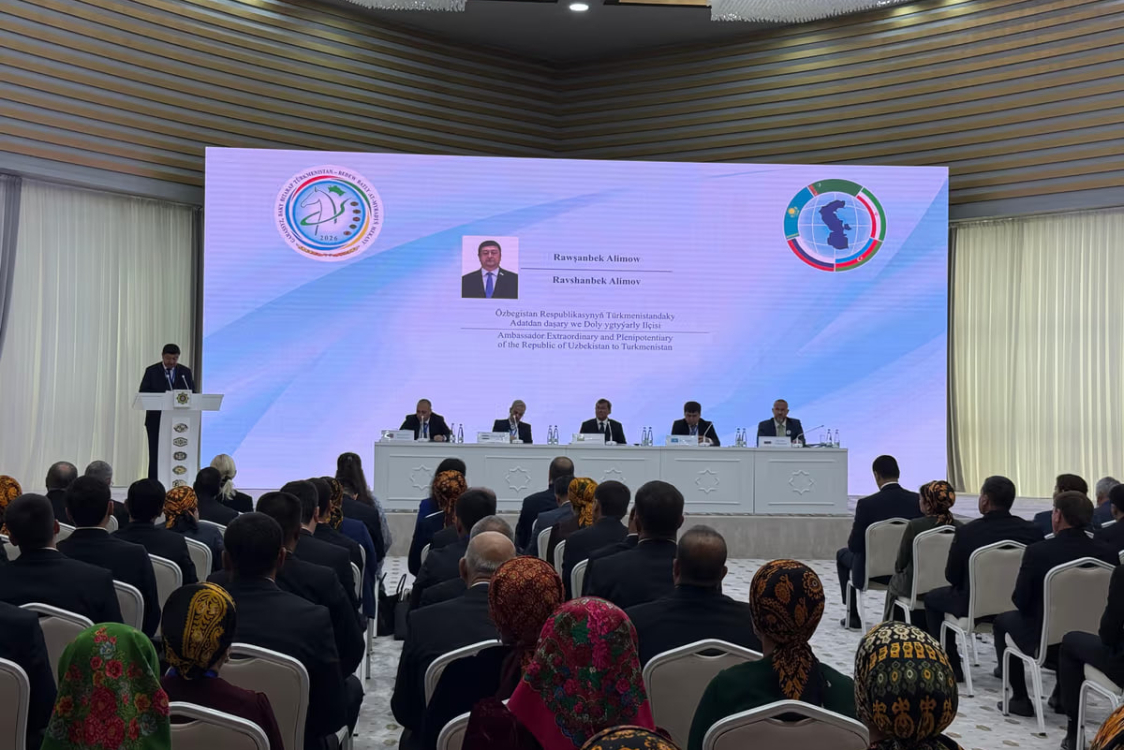
The Uzbek Ambassador to Turkmenistan addressed a conference marking Caspian Day
13.08.2026Speaking at the scientific and practical conference ‘Protection of the Caspian Sea Ecosystem: Regional Cooperation and Sustainable Development’, the Uzbek Ambassador to Turkmenistan stated that environmental diplomacy in the region is reaching a systematic and trust-based level. According to him, the Caspian region is becoming a key factor in interconnectedness and sustainable development, reports IIC. The Ambassador noted that Uzbekistan is committed to ensuring the prosperity and sustainable development of the Caspian Basin. The diplomat emphasised the need for joint action to tackle climate challenges. Temperatures in Central Asia are rising twice as fast as the global average. At the same time, water shortages are worsening, and land degradation has affected more than 80 million hectares. According to the Ambassador, the President of Uzbekistan, Shavkat Mirziyoyev, considers it essential to adopt new approaches based on solidarity, practical action, structural reforms and the pooling of resources.
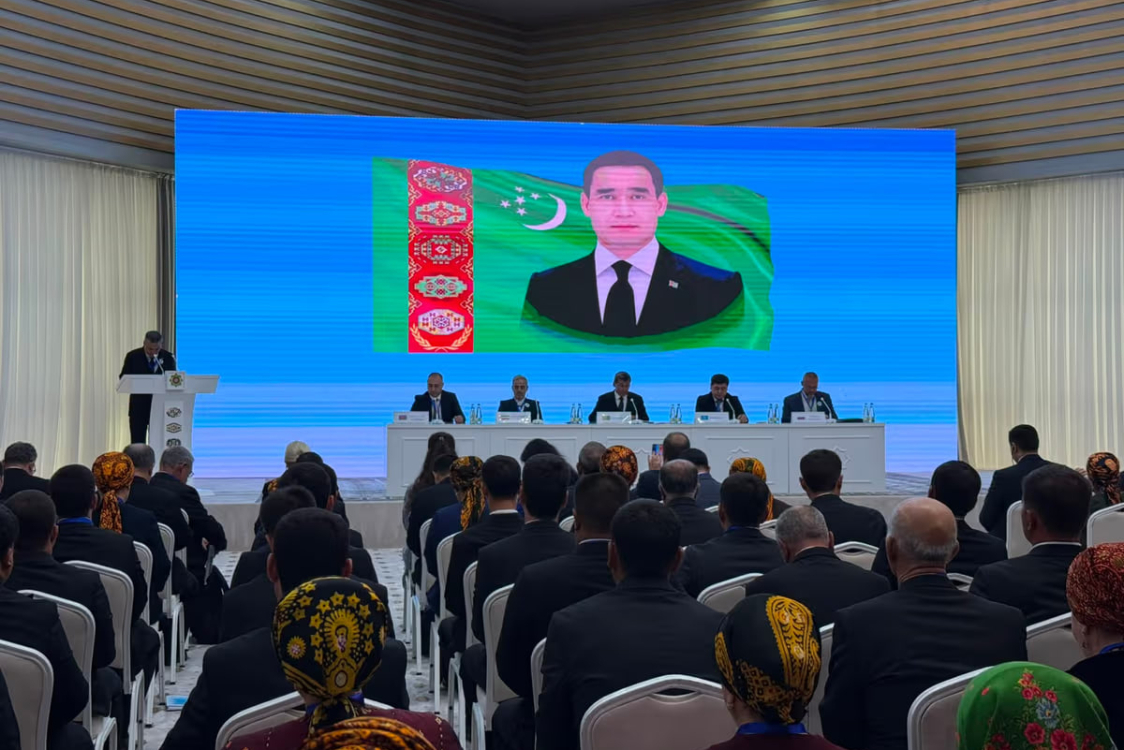
Turkmenistan and Georgia are developing cooperation in the field of transport and transit
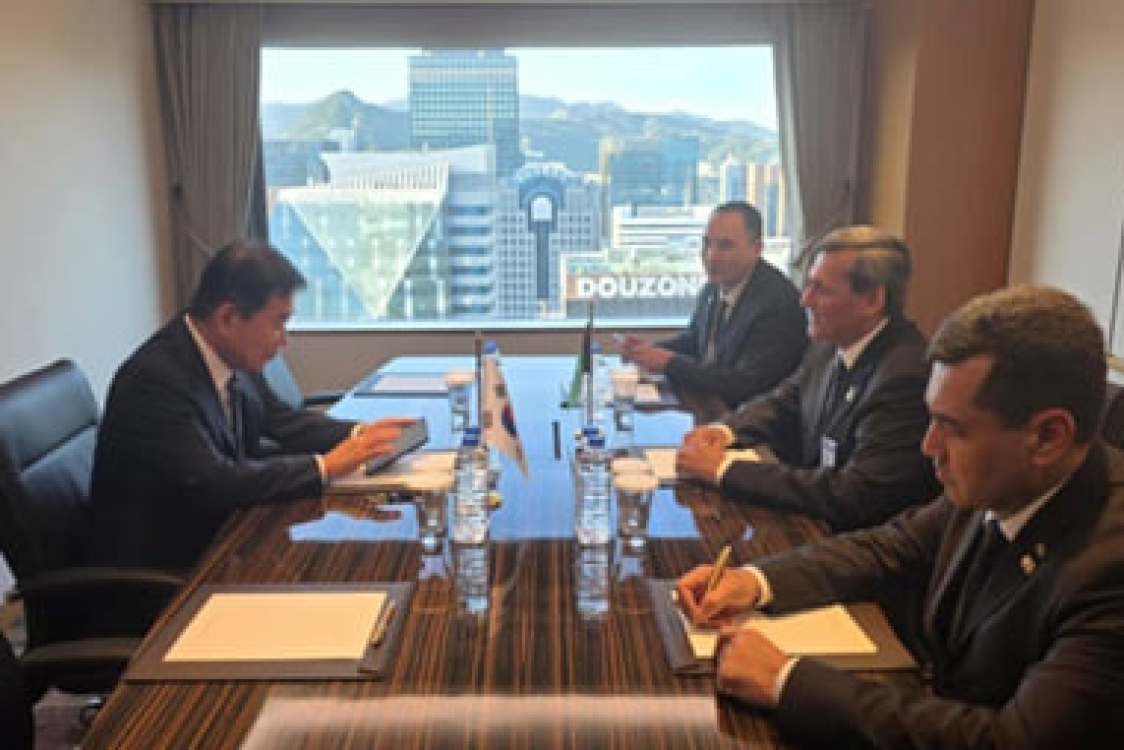
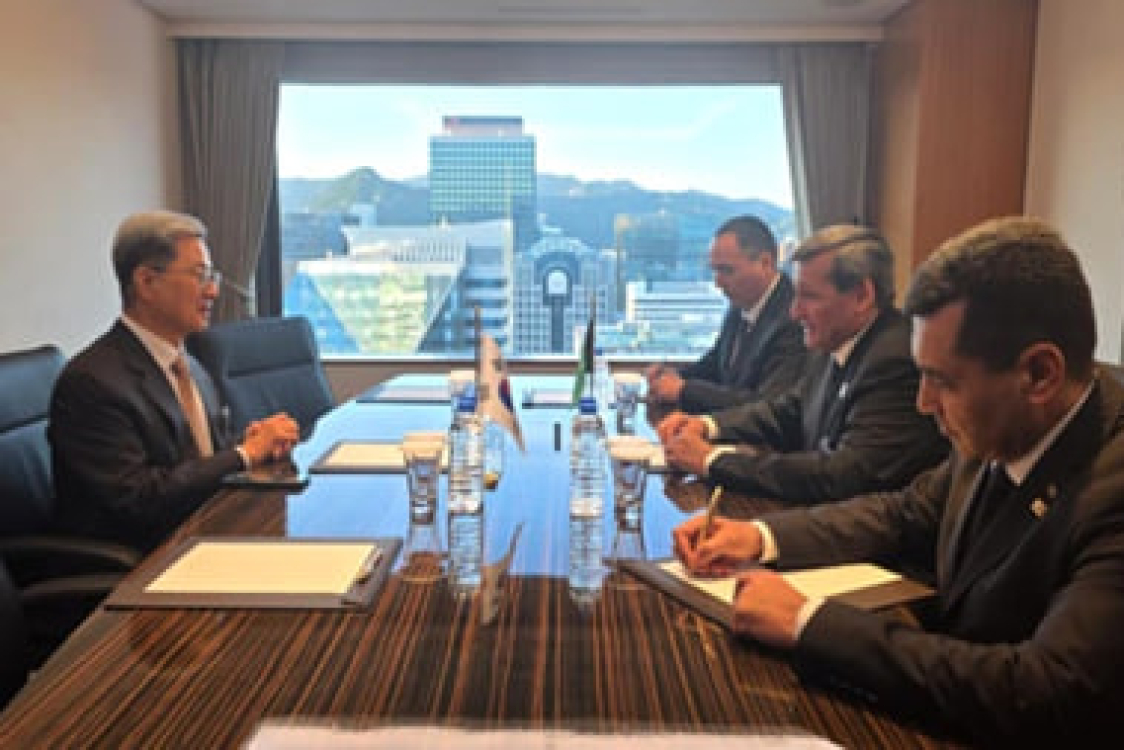
13.08.2026The Foreign Affairs Minister of Turkmenistan highlighted the high level of bilateral relations with Georgia and active cooperation at regional and inter-regional levels. One of the key areas remains the development of transport corridors between Asia and Europe, including the Central and Trans-Caspian routes, according to the IIC of Turkmenistan. The Head of the Foreign Affairs Ministry noted that the parties are implementing a number of international transport initiatives. In November 2017, in Ashgabat, Turkmenistan, Azerbaijan, Georgia, Turkey and Afghanistan signed a five-party agreement on the ‘Lapis Lazuli’ Corridor. In March 2019, in Bucharest, the Heads of the Foreign Affairs Ministries of Turkmenistan, Azerbaijan, Georgia and Romania signed memoranda on the establishment of the ‘Caspian Sea–Black Sea’ Corridor. The expansion of mutual trade and the utilisation of Georgia’s transport and transit potential are also aimed at addressing regional challenges, including environmental issues in the Caspian Sea. Active cooperation between government bodies and companies in the two countries is contributing to the further development of interregional partnership.
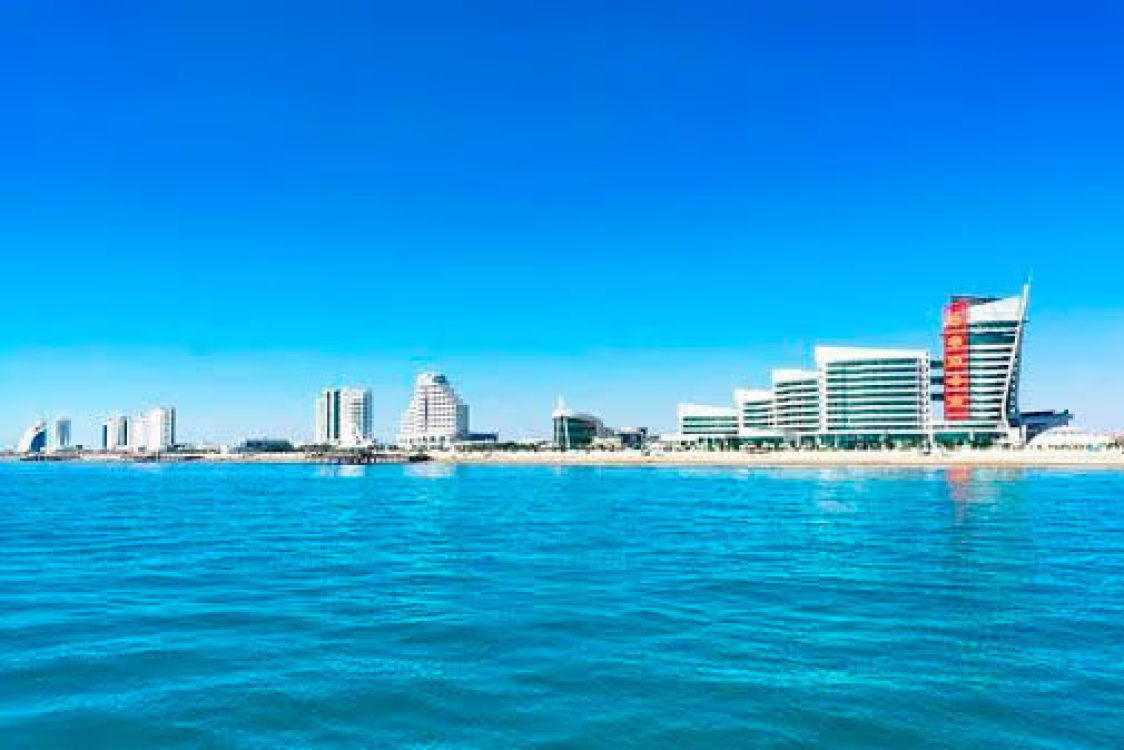
Turkmenistan continues its environmental efforts to protect the Caspian Sea
13.08.2026Ovezgeldi Goshjanov, Minister of Environmental Protection of Turkmenistan, highlighted the consistent implementation of the country’s environmental policy at the conference ‘Protecting the Caspian Sea Ecosystem: Regional Cooperation and Sustainable Development’. This was reported by IIC of Turkmenistan. According to him, the main priorities remain the development of a ‘green’ economy, the introduction of environmentally friendly technologies, the protection of biodiversity and the assurance of environmental safety. Turkmenistan is also strengthening trade, economic and humanitarian ties in the Caspian region and putting forward international initiatives to protect the sea’s ecosystem. The Minister for Environmental Protection of Turkmenistan recalled that the first Caspian Summit took place in Ashgabat in 2002, the first Caspian Environmental Forum in ‘Awaza’ in 2012, the first Caspian Economic Forum in 2019, and the sixth Caspian Summit on 29 June 2022. This year marks the 20th anniversary of the entry into force of the Tehran Convention, which was signed in 2003 and came into force on 12 August 2006. O. Goshjanov also highlighted the risks associated with climate change and fluctuations in the water level of the Caspian Sea. The Minister for the Environment recalled the proposal by the President of Turkmenistan, Serdar Berdimuhamedov, to promote the Caspian Environmental Initiative and to hold the Caspian Environmental Forum in 2026. According to O. Goshjanov, the implementation of the initiative will enable the Caspian states to join forces to ensure the region’s environmental well-being.
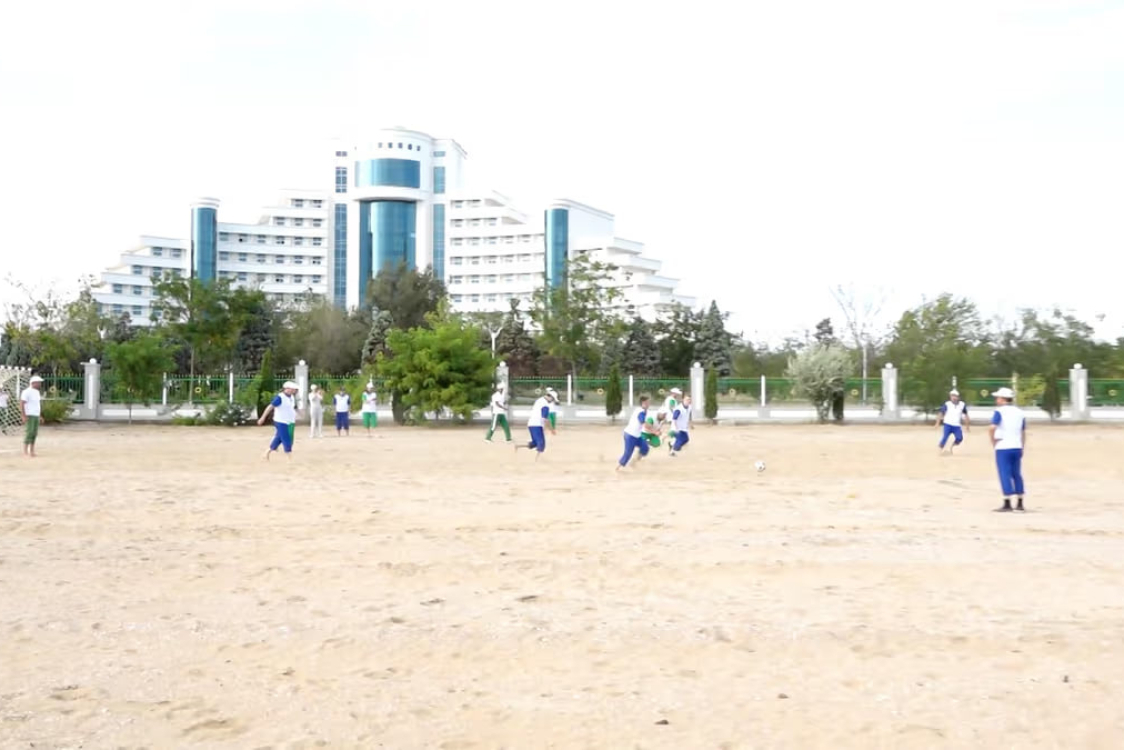
Friendly beach volleyball and football matches between diplomats were held at ‘Awaza’
13.08.2026Friendly beach volleyball and football matches were held in the ‘Awaza’ National Tourist Zone, involving diplomats accredited to Turkmenistan, representatives of international organisations and staff from the Ministry of Environmental Protection. This was reported by IIC of Turkmenistan. The sporting events took place as part of the celebrations for Caspian Sea Day and coincided with the start of the international conference ‘Protection of the Caspian Sea Ecosystem: Regional Cooperation and Sustainable Development’, which opened in ‘Awaza’ on 12 August. The matches took place in a friendly atmosphere and served as a platform for sporting and environmental interaction among the participants.
Turkmenistan and Afghanistan have reaffirmed their close historical ties
13.08.2026The National Leader of the Turkmen people and Chairman of the Halk Maslahaty of Turkmenistan, Gurbanguly Berdimuhamedov, held bilateral negotiations with Abdul Ghani Baradar, Deputy Chairman of the Cabinet of Ministers of Afghanistan for Economic Affairs. This was reported by the news agency ‘Turkmenistan: Golden age’. During the meeting, the Afghan side emphasised that the good-neighbourly relations between the two states are based on shared cultural and spiritual values, as well as the close historical ties between the Turkmen and Afghan peoples. Abdul Ghani Baradar noted that Turkmenistan’s peaceful foreign policy contributes to sustainable development in the region, and expressed his gratitude for the regular humanitarian aid provided to Afghanistan by the Turkmen side.
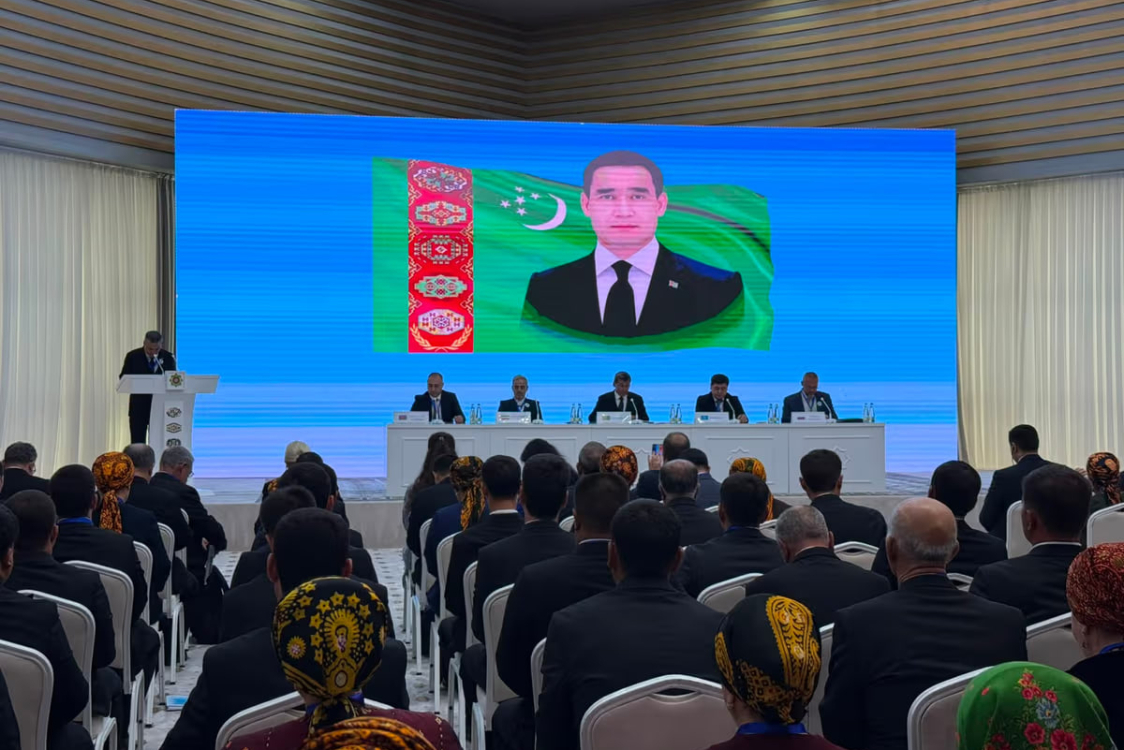
A conference on the protection of the Caspian ecosystem has begun in Turkmenistan
13.08.2026A scientific and practical conference entitled ‘Protection of the Caspian Sea Ecosystem: Regional Cooperation and Sustainable Development’, held to mark Caspian Sea Day, has begun at the ‘Berkarar’ Hotel in the ‘Awaza’ National Tourist Zone. This was reported by the IIC of Turkmenistan. The forum is being attended by specialists, environmentalists, experts and representatives of international organisations. They are discussing issues relating to the conservation of the Caspian Sea ecosystem, the protection of biodiversity, the prevention of pollution and adaptation to climate change. The conference opened with the reading of a welcome address from the President of Turkmenistan, Serdar Berdimuhamedov. The message was read out by Foreign Affairs Minister Rashid Meredov. The message highlighted the importance of strengthening inter-state cooperation, implementing the Caspian Environmental Initiative and ensuring the region’s sustainable development. Conference participants are considering joint approaches to environmental protection, the development of scientific research and the conservation of the Caspian Sea’s natural potential.
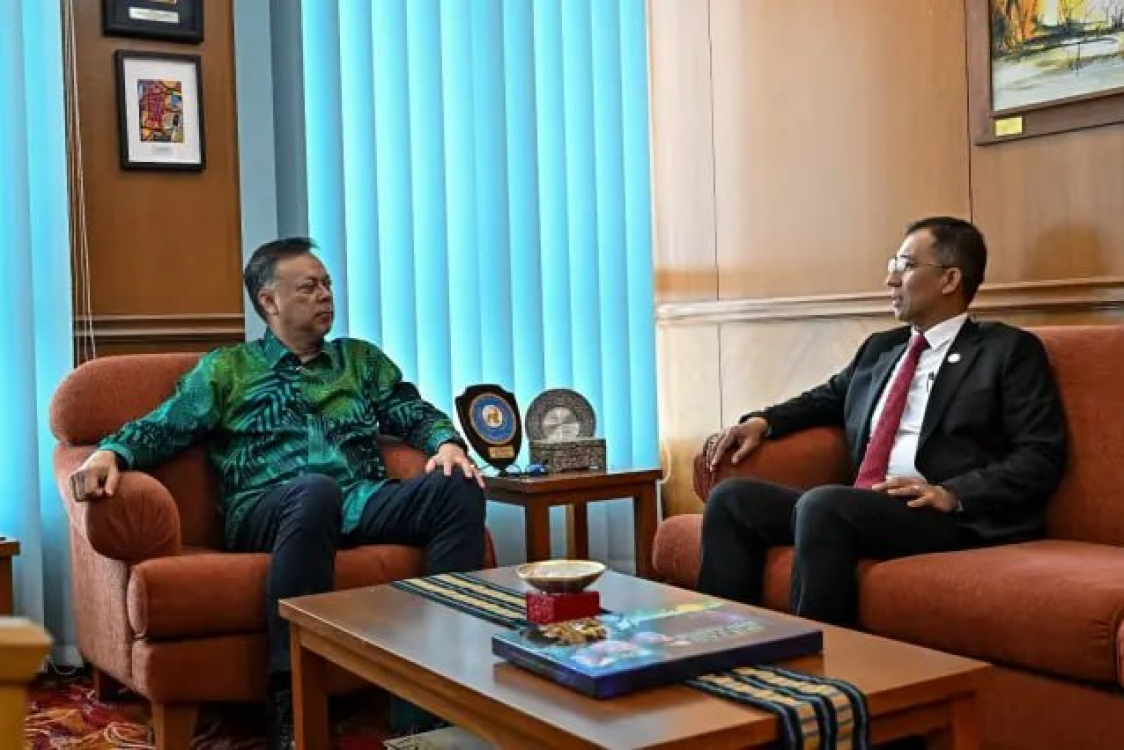
The MFA of Malaysia discussed cooperation with Turkmenistan with PETRONAS
12.08.2026On 10 August 2026, Dato' Syed Mohamad Hasrin Tengku Hussin, Deputy Secretary-General for Bilateral Affairs at the Malaysian Foreign Affairs Ministry, received Ismadi Ismail, Managing Director of PETRONAS Carigali (Turkmenistan) Sdn. Bhd. (PC(T)SB), on a courtesy visit. This was reported by the news website Turkmenportal. The parties discussed PETRONAS’s main areas of activity in Turkmenistan, as well as the progress made in implementing bilateral agreements in the oil and gas sector, which were reached during the Malaysian Prime Minister’s official visit to Turkmenistan. Particular attention was paid to the participation of Malaysian companies in the 31st International Exhibition and Conference ‘Oil and Gas of Turkmenistan’ (OGT 2026).
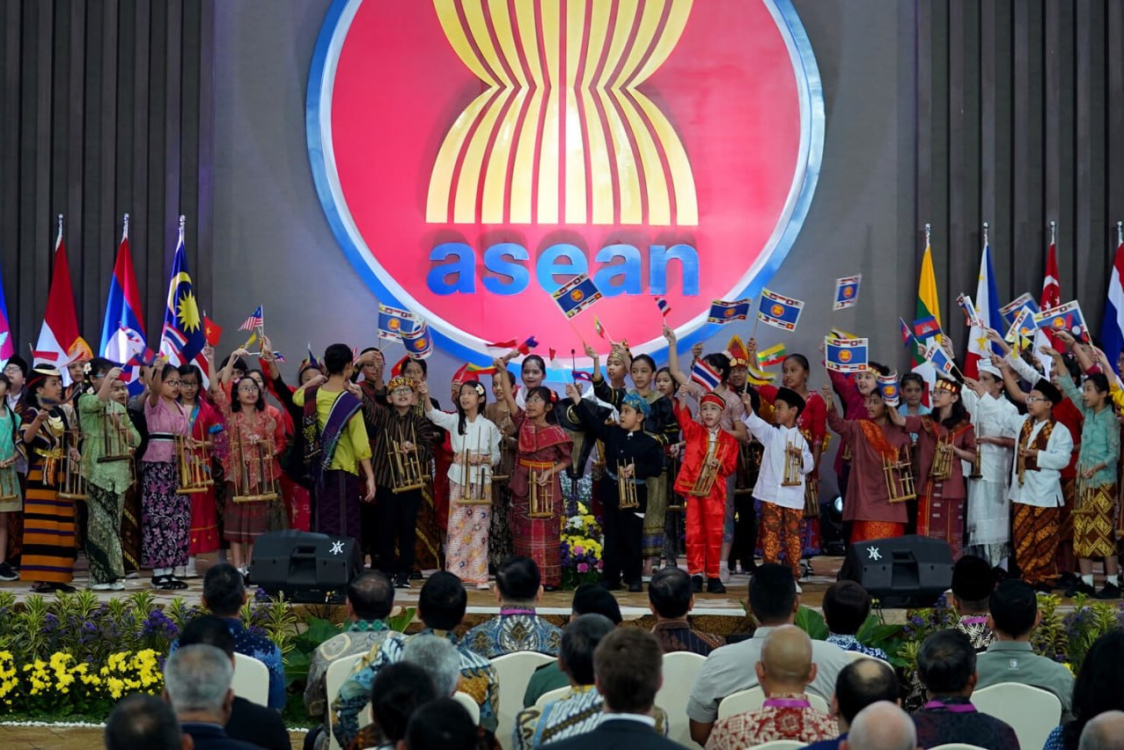
Turkmenistan and ASEAN: The Malaysian Embassy as a bridge between the regions
12.08.2026The Association of Southeast Asian Nations (ASEAN) has marked the 59th anniversary of its founding. The group, established on 8 August 1967 by five member states, now comprises 11 countries with a combined population of around 700 million people. The Philippines, which holds the chairmanship in 2026, is marking the year under the motto ‘Navigating Our Future, Together’, with a focus on strengthening security, expanding economic corridors and promoting integration, reports the news agency Orient. The celebrations coincided with the 50th anniversary of the Treaty of Amity and Cooperation in Southeast Asia, signed in Bali in 1976. The principles of mutual respect for sovereignty, non-interference in internal affairs and the peaceful settlement of disputes have transformed the treaty from a regional document into an international platform for dialogue. Malaysia has traditionally regarded ASEAN as the cornerstone of its foreign policy. The culmination of Malaysia’s recent chairmanship of the organisation was the adoption of the Kuala Lumpur Declaration ‘ASEAN 2045: Our Shared Future’, which set out the framework for the bloc’s development up to 2045. In the economic sphere, ASEAN aims to become one of the world’s four largest economies by 2030; this is set to be facilitated by the conclusion of negotiations on the Framework Agreement on the Digital Economy, which is scheduled to be signed at the end of 2026. Speaking at a ceremony in Putrajaya, Malaysia’s Foreign Affairs Minister, Dato’ Seri Mohamad Hasan, emphasised that, amidst competition between major powers, ASEAN must maintain its central role and autonomy. The Malaysian Embassy in Ashgabat remains the only permanent diplomatic mission of an ASEAN member state in Turkmenistan. The diplomatic mission serves as a channel for communication and information on the bloc’s opportunities for Turkmenistan’s government bodies, business circles and academic communities. The Malaysian diplomatic mission notes Turkmenistan’s growing interest in developing ties with South-East Asia, highlighting trade and investment, transport infrastructure, energy, education, tourism, digitalisation and cultural and humanitarian exchanges as promising areas for cooperation. Deepening this dialogue is intended to build lasting bridges between Central and South-East Asia.
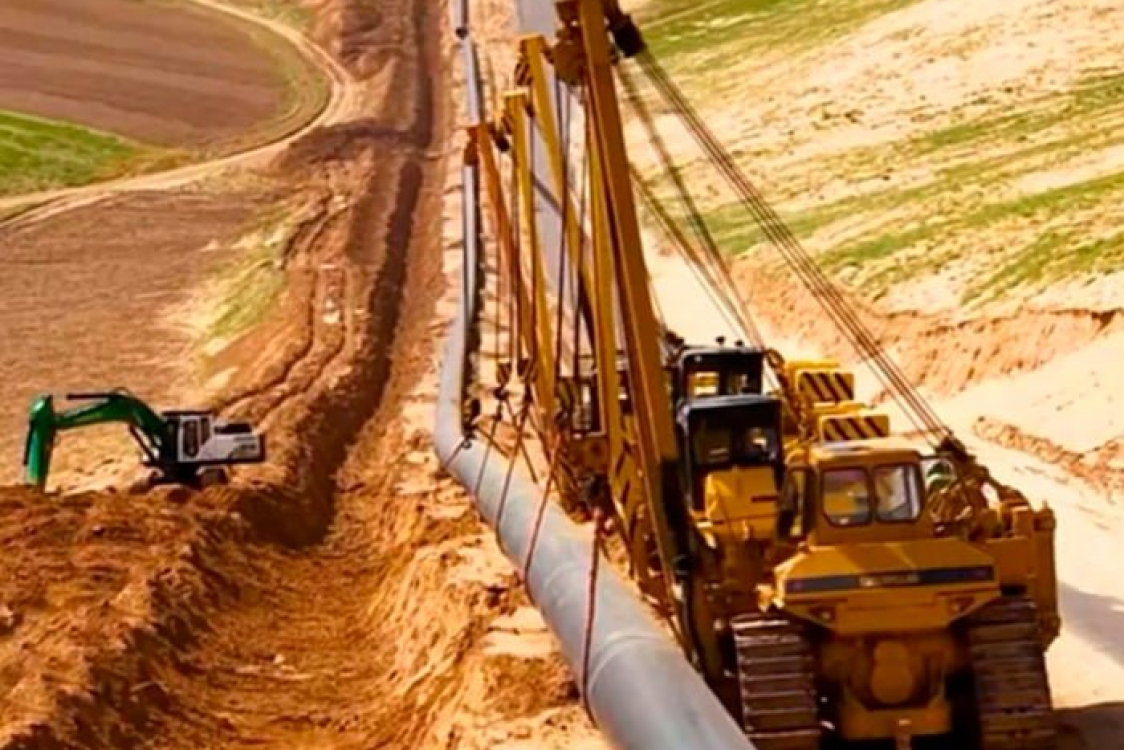
Turkmen gas workers are entering the final stage of the TAPI pipeline’s construction
12.08.2026Construction of the 153-kilometre ‘Serhetabat–Herat’ gas pipeline — a key section of the ‘Turkmenistan–Afghanistan–Pakistan–India’ (TAPI) project, known as ‘Arkadagyň ak ýoly’ — is nearing completion. This was reported by the online publication ‘Business Turkmenistan’. Surveying work along the route has been fully completed. The technical design documentation and construction drawings have been prepared in accordance with international standards. 120 kilometres of 1,422-millimetre-diameter pipes, out of the total required for the entire route, have been delivered to the construction site, and deliveries are continuing. Of the 25 contracts for the project’s logistical support, the majority have been fully executed. The bulk of the certified equipment has cleared customs and been delivered to the site in Afghanistan. Around 300 units of specialised machinery are being used in the construction and installation works. The route of the gas pipeline has been surveyed over a distance of 140 km, and a 123-km-long access road has been constructed. Welding and installation work on the pipeline has been completed over a distance of 117 km, and the welded sections are undergoing hydraulic pressure testing in stages. The necessary facilities have been provided for workers involved in the construction: temporary accommodation camps No. 1 and No. 2 have been built at the 12th and 86th kilometres of the gas pipeline.
Read also
Advertising
 Read us in Zen


