

News
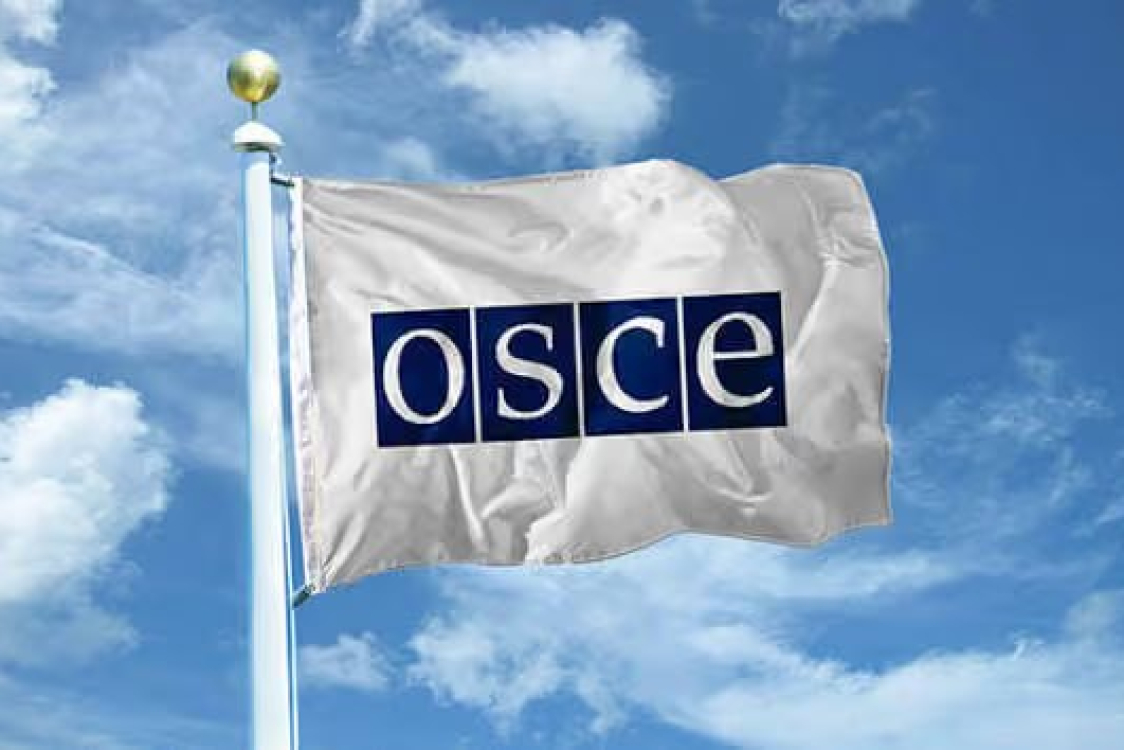
Turkmen migration experts took part in an OSCE seminar in Bari
20.09.2026Representatives of the State Migration Service of Turkmenistan took part in the 42nd training seminar on border management for senior staff. The seminar took place in the Italian city of Bari, according to IIC of Turkmenistan. The seminar was organised by the OSCE Border Management Staff College (BMSC). It was attended by specialists from various countries and international organisations. The programme was designed to enhance the professional skills of senior officials. Participants studied international standards for integrated border management, as well as methods of strategic planning, risk assessment and crisis management. In addition, they discussed inter-agency cooperation, the modernisation of border control procedures and the implementation of best practices in the field of migration security.
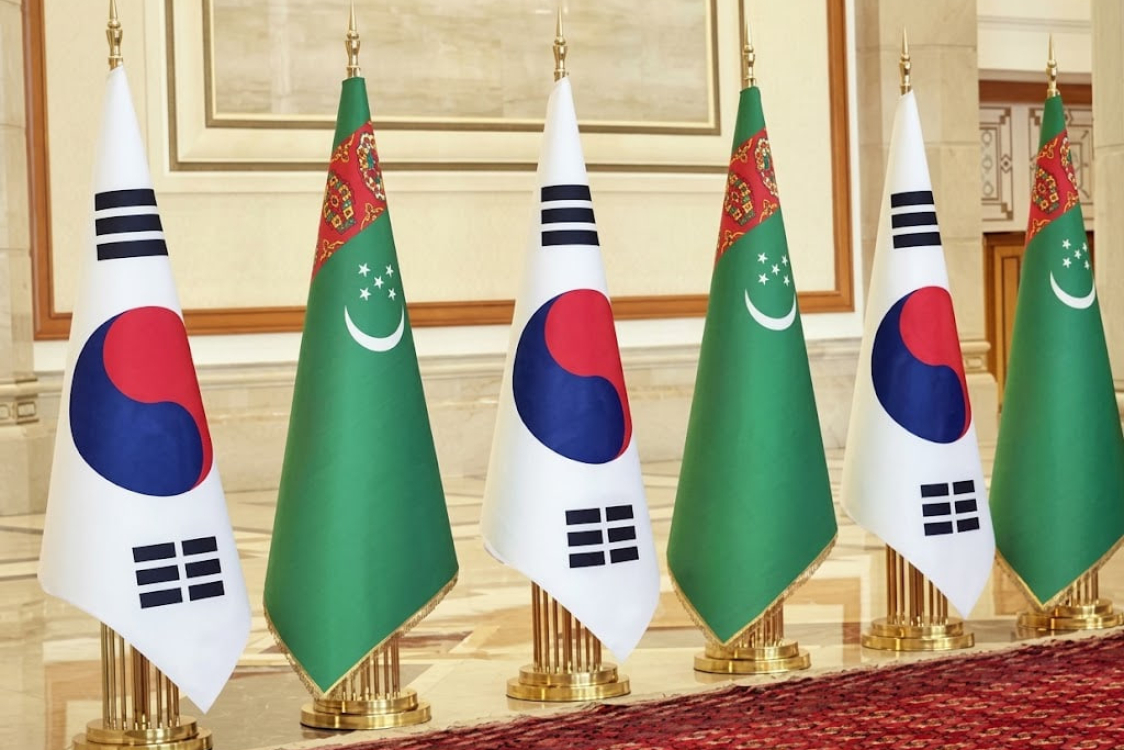
The visit by the Head of Turkmenistan broadens the scope of cooperation between Ashgabat and Seoul
19.09.2026Next year, Turkmenistan and the Republic of Korea will mark the 35th anniversary of the establishment of diplomatic relations. Over this period, bilateral ties have expanded and are now developing on the basis of a strategic partnership, encompassing the political, trade and economic, energy, transport, educational, scientific and humanitarian spheres. The state visit by the President of Turkmenistan, Serdar Berdimuhamedov, to the Republic of Korea, which took place from 14 to 16 September 2026, gave further impetus to bilateral relations. The highlight of the visit was the Head of State’s participation in the first ‘Republic of Korea–Central Asia’ Summit, held on 16 September in Seoul. The meeting of the Heads of State of the five Central Asian countries and the Republic of Korea marked the first summit at the highest level in this format. The ‘Republic of Korea–Central Asia’ format has a history stretching back at least 20 years. Cooperation was launched in 2007 on the initiative of the Korean side as a multilateral consultative platform. The first summit of Heads of State elevated this dialogue to a new political level. The Presidents of Turkmenistan, Kazakhstan, the Kyrgyz Republic, the Republic of Tajikistan, the Republic of Uzbekistan and the Republic of Korea gathered in Seoul. The summit agenda covered issues relating to transport and logistics connectivity, energy, industrial cooperation, high technology, digitalisation, the environment and the climate agenda. Particular attention was paid to the processing of raw materials using South Korean technologies, the joint development of deposits, the establishment of industrial enterprises and the development of transport corridors providing Central Asian countries with access to global markets. Projects in the fields of artificial intelligence, the digitalisation of public services, ‘green’ technologies and adaptation to climate change were also discussed. Following the meeting, the Seoul Declaration of the first ‘Republic of Korea–Central Asia’ Summit was adopted. In addition, the parties adopted a number of documents setting out specific areas for further cooperation. Turkmenistan’s Initiatives In his address at the summit, the President of Turkmenistan noted that the summit lays the foundation for a new phase of cooperation between the Republic of Korea and the states of Central Asia. Turkmenistan regards peace and trust as essential conditions for sustainable development and bases its foreign policy on its status of permanent neutrality, which has been recognised three times by the UN General Assembly. One of the areas proposed by Turkmenistan was urban development and infrastructure. In particular, the Head of State presented the ‘Smart Cities Diplomacy’ initiative, which envisages the pooling of efforts, the exchange of experience and information, the joint implementation of scientific and technical achievements, and the creation of integrated models of urban planning. A separate set of proposals concerned education, science and youth cooperation. Turkmenistan proposed developing new forms of interaction between educational institutions in Central Asian countries and the Republic of Korea, including dual-degree programmes. The need to expand young people’s digital literacy and to organise joint academic competitions, contests and conferences was also highlighted. In the scientific sphere, it was proposed to step up joint research and project-based research work by young scientists, as well as to establish an Institute to support the development and implementation of innovative ideas by young people. Cultural cooperation is to be developed through the Roadmap for Intercultural Exchanges between Young People from Central Asian Countries and the Republic of Korea and the ‘Young Talents’ programme. In the sporting sphere, Turkmenistan has proposed expanding the exchange of specialists, promoting a healthy lifestyle and exploring the possibility of organising International Youth Sports Games involving the countries of Central Asia and the Republic of Korea. Economy and the involvement of Korean business Economic cooperation is one of the key areas of Turkmen-Korean relations. Over recent years, Korean companies have been involved in major projects in the oil and gas, gas chemical, industrial, transport and infrastructure sectors. According to data presented by the President of Turkmenistan at the Turkmen-Korean Business Forum, 17 investment projects involving Korean companies, with a total value of over 12 billion US dollars, are registered in the country. New projects are currently being implemented and discussed in Turkmenistan involving Daewoo Engineering & Construction Co., Ltd., Koryo Shipbuilding Industry Technology Co., Ltd., Korea Meditech Co., Ltd. and other companies. During the negotiations and business meeting, opportunities were identified for expanding cooperation in the energy sector, gas chemistry, the chemical industry, transport, logistics, shipbuilding, construction, medicine, digital technologies and environmental projects. Transport and logistics as a separate priority Cooperation in transport and logistics has become one of the key elements of both intergovernmental and business dialogue. Turkmenistan is developing ‘East–West’ and ‘North–South’ infrastructure, viewing it in the context of strengthening Eurasia’s transit and logistical connectivity. During the summit and the Business Summit, discussions centred on the development of multimodal corridors, the expansion of logistics routes and the enhancement of the region’s transit capacity. Particular attention was paid to the potential of the Trans-Caspian Transport Corridor. Practical issues included the digitalisation of customs procedures, the harmonisation of standards, the protection of intellectual property and the streamlining of cargo clearance. For Turkmenistan, the participation of Korean businesses in these projects is linked not only to the development of transport infrastructure, but also to the expansion of Central Asia’s links with the Caspian region and other international destinations. The Business Summit as a mechanism for practical cooperation The first ‘Republic of Korea–Central Asia’ Business Summit served as a dedicated platform for discussing investment, trade and economic projects. In his speech, Serdar Berdimuhamedov identified the business community as one of the key elements in the practical implementation of intergovernmental agreements. Thematic sessions addressed cooperation on rare-earth mineral resources, energy and supply chains, as well as issues relating to trade and investment, industry, transport and logistics. In particular, discussions centred on the joint development of deposits using Korean technological and environmental standards, the expansion of lending programmes through Korean financial institutions, and the establishment of high-tech manufacturing facilities in Central Asian countries. The industry and transport session examined multimodal corridors, the expansion of logistics routes—including the Trans-Caspian route—the digitalisation of customs procedures, and the harmonisation of standards to accelerate freight flows. Bilateral package of agreements An important outcome of the state visit was Serdar Berdimuhamedov’s negotiations with the President of the Republic of Korea, Lee Jae-myung, as well as meetings with the Prime Minister of the Republic of Korea, Han Seong-sook, and the Speaker of the National Assembly, Cho Jeong-sik. During the negotiations, the parties identified investment, trade, energy, industry, the chemical sector, rail transport, artificial intelligence, science and technology, water management and the environment as areas for further cooperation. A separate set of bilateral documents covered the areas of investment, customs, industry, water resources, youth policy, law, security, transport, digital technologies and the climate agenda. Agreements and memoranda of understanding were also signed by Turkmen and South Korean organisations in the fields of oil refining, road and rail transport, telecommunications, water management, shipbuilding, aviation, education, science, IT and culture. In the fields of education and science, agreements were concluded between Turkmen higher education institutions and Kangwon National University, KOREATECH, Kyung Hee University, Incheon National University, Seoul National University and other organisations. Also, during the visit, the President of Turkmenistan was awarded the title of ‘Honorary Doctor of Political Science’ by Sungkyunkwan University. During his address at the university, the Head of State emphasised the need to expand exchanges of students, lecturers and researchers, as well as to implement joint educational programmes in the fields of artificial intelligence, engineering, energy, digital technologies and industrial management. Parliamentary and humanitarian dimensions Inter-parliamentary ties between Turkmenistan and the Republic of Korea have been developing since 2015. The first consultative meeting between representatives of the Mejlis of Turkmenistan and the National Assembly of the Republic of Korea took place in September 2023, followed by a second meeting in October 2024. At a meeting with Cho Jeong-sik, Speaker of the National Assembly of the Republic of Korea, the parties noted the importance of parliamentary contacts in strengthening mutual understanding and trust. Furthermore, on 16 September, the Turkmenistan Culture Days opened at the National Centre for Asian Culture in Gwangju. The event was attended by representatives of the two countries’ ministries of culture, artists and other guests. The programme included a concert by master artists and an exhibition of national decorative and applied arts, museum exhibits, works by painters and sculptors, as well as national costumes. The state visit covered several levels of Turkmen-Korean cooperation at once: negotiations between the Heads of State, contacts with the government and parliament, business dialogue, educational and scientific ties, as well as cultural cooperation. A key outcome was the integration of the bilateral agenda with a new regional framework. Whilst bilateral relations encompass specific investment, industrial, transport, educational and humanitarian projects, the ‘Republic of Korea– Central Asia’ summit created an additional platform for linking these to regional objectives. The next important milestone will be 2027, when Turkmenistan and the Republic of Korea will mark the 35th anniversary of the establishment of diplomatic relations. During the negotiations, Serdar Berdimuhamedov proposed marking this date with a wide range of events in both countries, and also invited President Lee Jae-myung to visit Turkmenistan next year. Thus, the September visit shaped both the bilateral and regional agendas for Turkmen-Korean cooperation.
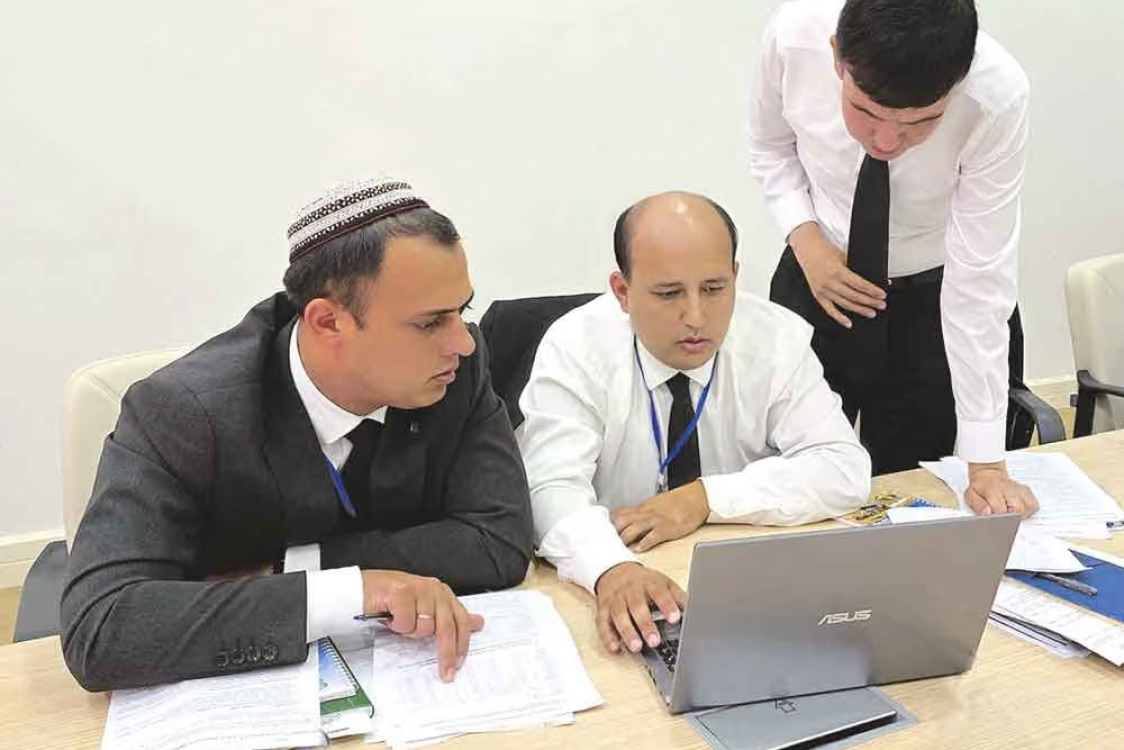
In Turkmenistan, ‘CROPWAT’ has been adapted to arid conditions
19.09.2026The Food and Agriculture Organisation of the United Nations (FAO)’s ‘CROPWAT’ programme was presented at the UN building in Ashgabat. It enables the calculation of crop irrigation regimes under conditions of climate change, according to IIC of Turkmenistan. The event took place as part of a joint project between the Government of Turkmenistan, UNDP and the GEF on water and land resource management in the Aral Sea basin. The methodology has been adapted to the arid conditions of the Saparmyrat Turkmenbashi etrap in Dashoguz velayat. Local agronomists and engineers will now be able to calculate crop water requirements rather than relying on approximate estimates. Participants discussed combating secondary soil salinisation, hydromodular zoning and the role of protective forest strips. At the end of the event, certificates were awarded to specialists who had successfully completed the training on the digital tool.
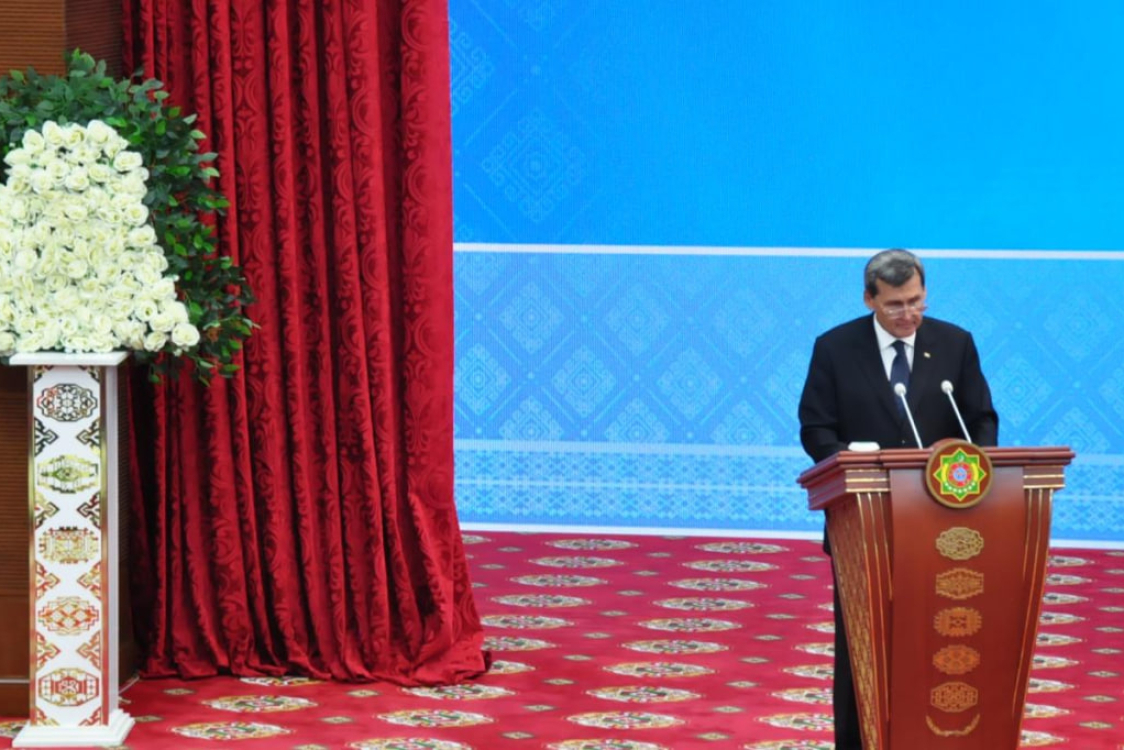
Ashgabat marked the conferral of an honorary title on Serdar Berdimuhamedov
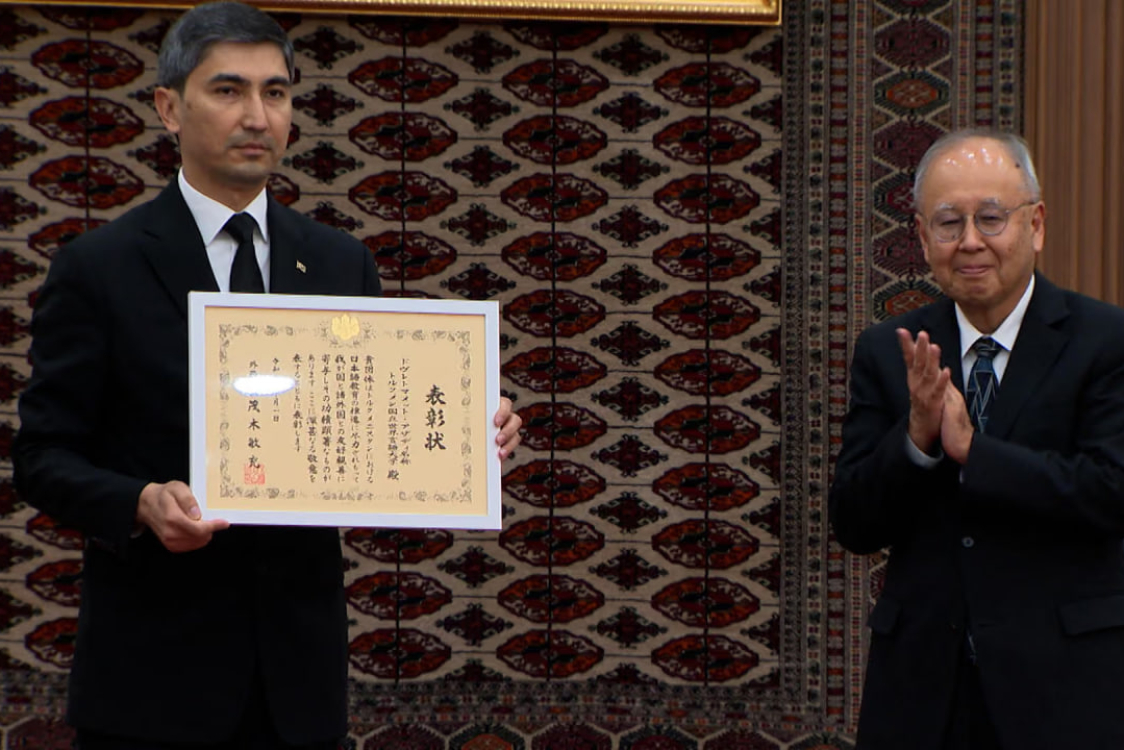
19.09.2026On 18 September 2026, a conference was held at the Institute of International Relations of the Foreign Affairs Ministry of Turkmenistan to mark the conferral of the title of ‘Honorary Doctor of Political Science’ from Sungkyunkwan University in the Republic of Korea upon the President of Turkmenistan, Serdar Berdimuhamedov. This was reported by the press office of the Foreign Affairs Ministry of Turkmenistan. The event was attended by representatives of the Ministry of Foreign Affairs, the Ministry of Education, the Academy of Sciences of Turkmenistan, higher education institutions, the academic community, the diplomatic corps, the media and students. Rashid Meredov, Deputy Foreign Affairs Minister of Turkmenistan, delivered a welcoming address. The Foreign Affairs Ministry highlighted the significance of the honorary title and the contribution of the President of Turkmenistan to the country’s development and international cooperation. Participants emphasised the event’s role in further strengthening the partnership between Turkmenistan and the Republic of Korea in the fields of science, education, digitalisation and workforce development. As part of the conference, a thematic exhibition was held, dedicated to Turkmenistan’s achievements in the fields of science and education and the development of international relations. Following the event, the participants adopted an Address to the President of Turkmenistan, Serdar Berdimuhamedov.
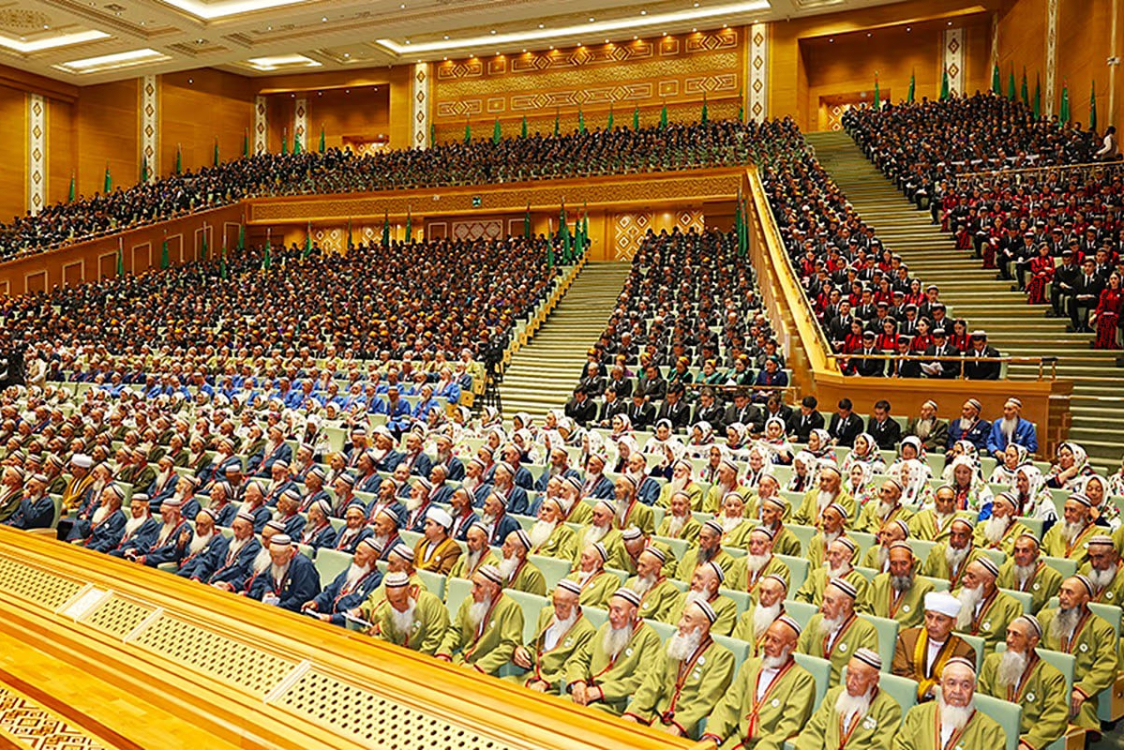
Halk Maslahaty of Turkmenistan outlines the key priorities for Turkmenistan’s development
19.09.2026The Halk Maslahaty of Turkmenistan holds a special place in the country’s socio-political system as the highest representative body representing the interests of the people. Its work involves examining issues relating to state and public life, discussing strategic directions for development, and taking into account proposals from representatives of various regions and civil society organisations. One of the key events in the Halk Maslahaty of Turkmenistan’s calendar for 2026 will be its next session, which is to be held on 23 September in Ashgabat at the ‘Maslahat köşgi’ Palace in the run-up to the 35th anniversary of Turkmenistan’s independence, a fact which lends the event a special significance. Preparations for this session began in July. On 10 July, the President of Turkmenistan, Serdar Berdimuhamedov, issued instructions on organising preparations for the Halk Maslahaty session and the celebrations marking the 35th anniversary of the country’s independence. On 15 July, a meeting of the Presidium of the Halk Maslahaty was held, chaired by the National Leader of the Turkmen people and Chairman of the Halk Maslahaty, Gurbanguly Berdimuhamedov. At this meeting, issues relating to the convening of the nationwide forum were discussed, the date and venue were determined, an Organising Committee was established and its membership approved. Particular attention was paid to the preparation of materials, the coordination of actions by state bodies and public organisations, media coverage, public outreach and the consideration of proposals from citizens. The Mejlis, the Cabinet of Ministers, ministries and departments, administrations, political parties and civil society organisations are all involved in preparing for the meeting. Work is also being carried out at regional level. Meetings and conferences are being held in the velayat, etrap and city Halk Maslahaty, where issues relating to the forthcoming forum are being discussed, and work is underway on proposals and appeals from the public. The international dimension of the preparations for the session has been reflected in a series of events organised abroad. Turkmenistan’s diplomatic missions in foreign countries are holding conferences and round-table discussions dedicated to the forthcoming session. Participants in these meetings included representatives of the Turkmen diaspora, students, lecturers, academics, parliamentarians, journalists and public figures. Furthermore, preparations for the session include the work of state and civil society organisations within the country, collaboration with the regions, gathering proposals from citizens, preparing materials and, at the same time, informing an international audience about the forthcoming forum and the related areas of state policy. From an institutional perspective, this highlights several distinctive features of the Halk Maslahaty’s current activities. On the one hand, this nationwide forum brings together representatives from various levels of the state and civil society. On the other hand, its activities involve considering long-term development issues and proposals received from regional and civil society levels. It is precisely this combination of elements that defines the significance of the forthcoming session. It is taking place in a commemorative year for the country, when the achievements of 35 years of independence are being assessed, current socio-economic indicators are being reviewed, and objectives for the future are being formulated. The meeting on 23 September can therefore be regarded as one stage in a broader process of defining the future direction of Turkmenistan’s development. Its substantive agenda will centre on the issues put forward for discussion, the proposals received, and the decisions that will determine the future direction of work. The forthcoming session of the People’s Council will not only form part of the events marking the 35th anniversary of Turkmenistan’s independence, but will also serve as an important forum for discussing the country’s development.
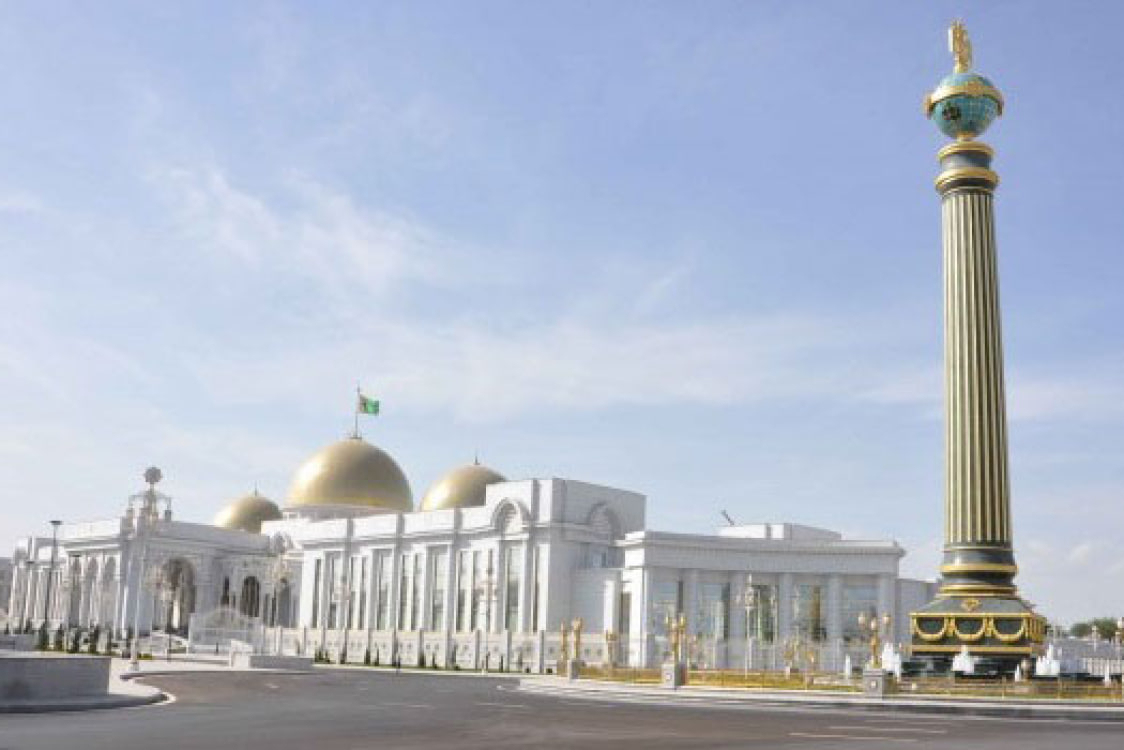
The Head of Turkmenistan highlighted the role of the Humanitarian Association of Turkmen Worldwide
19.09.2026The President of Turkmenistan, Serdar Berdimuhamedov, has extended his congratulations to the participants of the 27th conference of the Humanitarian Association of Turkmen Worldwide, which is taking place in Ashgabat on the eve of the country’s 35th anniversary of independence. This was reported by the news agency TDH. In his message, the Head of State highlighted the role of the Humanitarian Association of Turkmen Worldwide in strengthening ties between compatriots living in different countries, as well as in promoting the national culture, traditions and history of Turkmenistan. The President of Turkmenistan emphasised that, over the 35 years since its establishment, the Association has fostered cooperation in the fields of the economy, culture, science, education, healthcare, tourism and entrepreneurship. The organisation also contributes to the preservation and enrichment of the material and spiritual heritage of the Turkmen people. According to Serdar Berdimuhamedov, Turkmenistan’s independence and status of permanent neutrality have created the conditions for expanding international ties. The country currently maintains diplomatic relations with more than 160 states and is a member of 55 international and regional organisations. The Head of State made a special point of emphasising the importance of cooperation with countries home to the Turkmen diaspora. Among the Association’s main objectives, the President of Turkmenistan cited the expansion of economic, cultural and humanitarian ties with the historical homeland, as well as the promotion of national culture, art and traditions. Serdar Berdimuhamedov expressed his confidence that Turkmen people around the world would continue to participate in promoting Turkmenistan’s initiatives in the fields of peace, security and international cooperation. In conclusion, Serdar Berdimuhamedov congratulated the participants on the start of the 27th Conference and wished them good health, well-being and success.
Turkmenistan is set to develop its chemical industry and museum sector
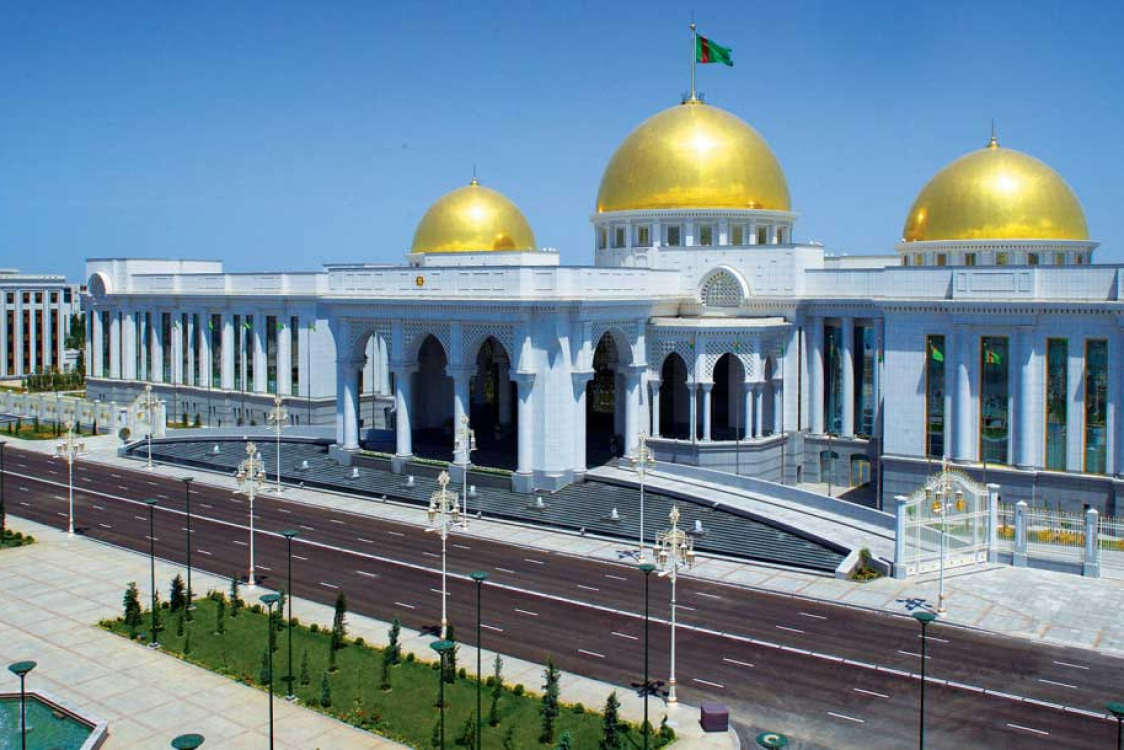
19.09.2026The President of Turkmenistan has signed two resolutions aimed at developing the chemical industry and improving museum services. This was reported by the online news site AsmanNews. The first Resolution instructs the State Concern ‘Türkmenhimiýa’ to ensure the effective operation of the ‘Tejenkarbamid’ plant. The Resolution is aimed at the further development of the domestic chemical industry and the modernisation of its material and technical base. The second Resolution provides for the further development of the country’s museums and museum services. The document is aimed at promoting the rich heritage and history of the Turkmen people, as well as preserving cultural treasures for future generations.
The UN marks the International Day of Peace
19.09.202621 September marks the International Day of Peace, proclaimed by the UN General Assembly. On this day, the symbolic ‘Peace Bell’ is traditionally rung at the UN headquarters in New York, according to IIC of Turkmenistan. Conferences, humanitarian and educational initiatives dedicated to strengthening a culture of peace and trust are held in various countries. These events also aim to promote the peaceful resolution of conflicts, respect for international law and the development of dialogue. For Turkmenistan, the issues of peace and neutrality occupy an important place in its foreign policy. The country links these to the development of international dialogue, the maintenance of stability and the expansion of cooperation.
43 students from Turkmenistan have been awarded grants to study in China
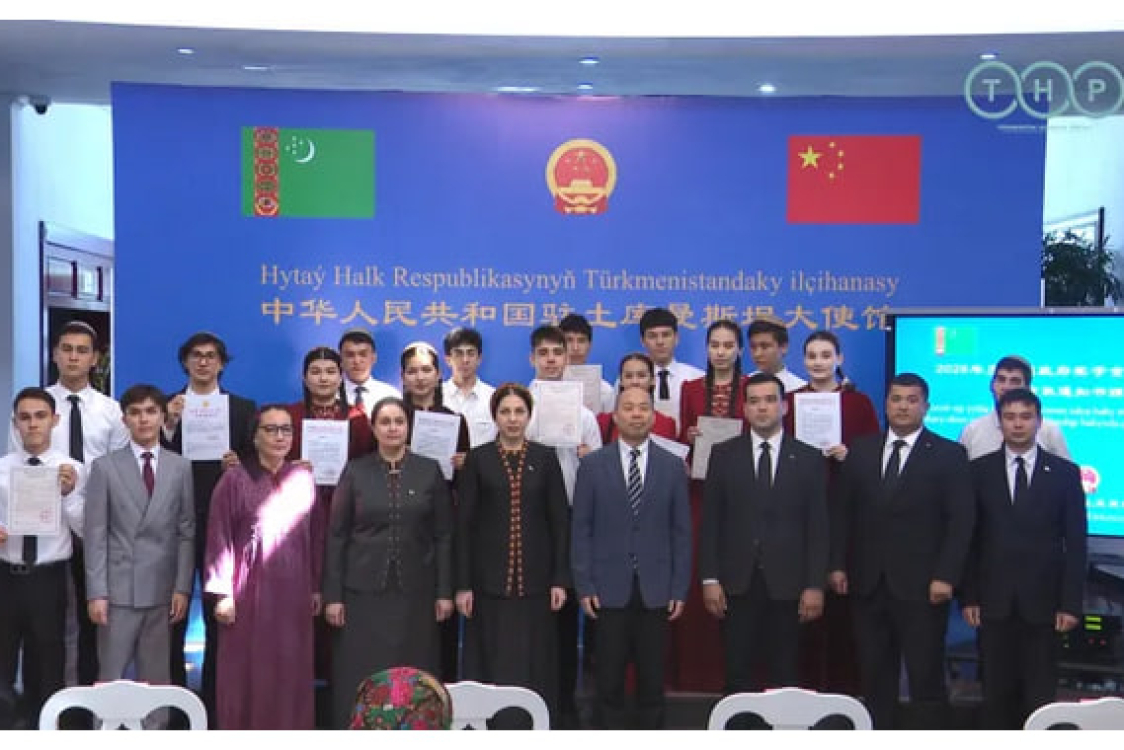
19.09.2026A ceremony was held at the Embassy of the People’s Republic of China in Ashgabat to present acceptance letters to the successful applicants for the Chinese Government’s scholarship programme. Forty-three Turkmen students received the documents, according to the IIC of Turkmenistan. They will be able to study at universities in the PRC on educational grants provided by the Xinjiang Uyghur Autonomous Region of the PRC. Ji Shumin, Ambassador Extraordinary and Plenipotentiary of the PRC to Turkmenistan, congratulated the students and their parents on successfully passing the competitive selection process. At the same time, the study of the Chinese language is expanding in Turkmenistan. It is being studied by around 1,000 students at nine higher education institutions and around 6,000 pupils at ten secondary schools across the country. Currently, more than 10,000 citizens of Turkmenistan are studying at universities in the PRC. Around 350 of them are studying under inter-governmental agreements.
The Foreign Affairs Ministry of Turkmenistan discussed priorities for the 81st session of the UN General Assembly
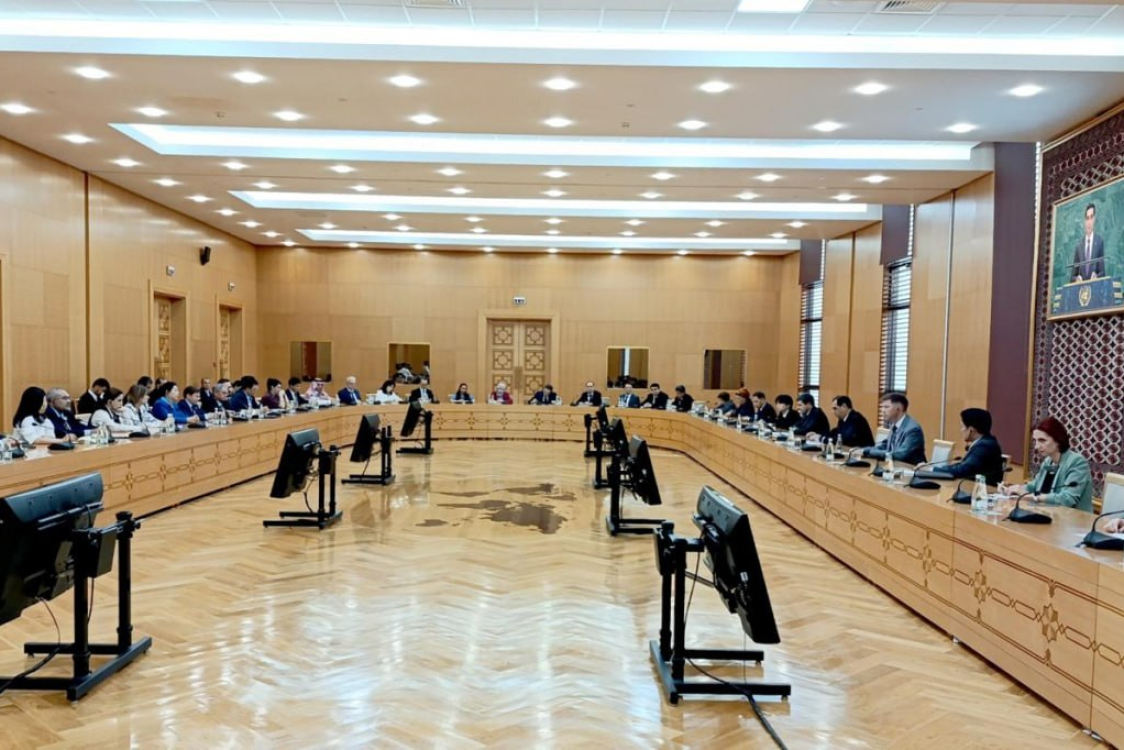
19.09.2026On 18 September, a briefing was held at the Foreign Affairs Ministry of Turkmenistan on the country’s priorities for the 81st session of the UN General Assembly and on cooperation with international and regional organisations. This was reported by the press office of the Foreign Affairs Ministry of Turkmenistan. The key areas highlighted included peace, security and neutrality; sustainable development; transport; energy; climate; environmental protection; humanitarian cooperation; and international law. Particular attention was paid to preventive diplomacy, the strengthening of international trust and the peaceful resolution of disputes. In the economic sphere, discussions centred on international trade and economic cooperation and Turkmenistan’s accession to the World Trade Organisation. In the transport sector, attention was drawn to the UN Decade of Sustainable Transport for 2026–2035 and the Global Atlas of Sustainable Transport Connectivity. Initiatives in the fields of energy, climate and water resources were also presented, including the Caspian Environmental Initiative and the establishment of the UN Special Programme for the Aral Sea Basin. In the humanitarian sphere, issues relating to healthcare, education, youth, the empowerment of women and the preservation of cultural heritage were addressed. To conclude, the participants exchanged views on topical issues on the international and regional agenda.
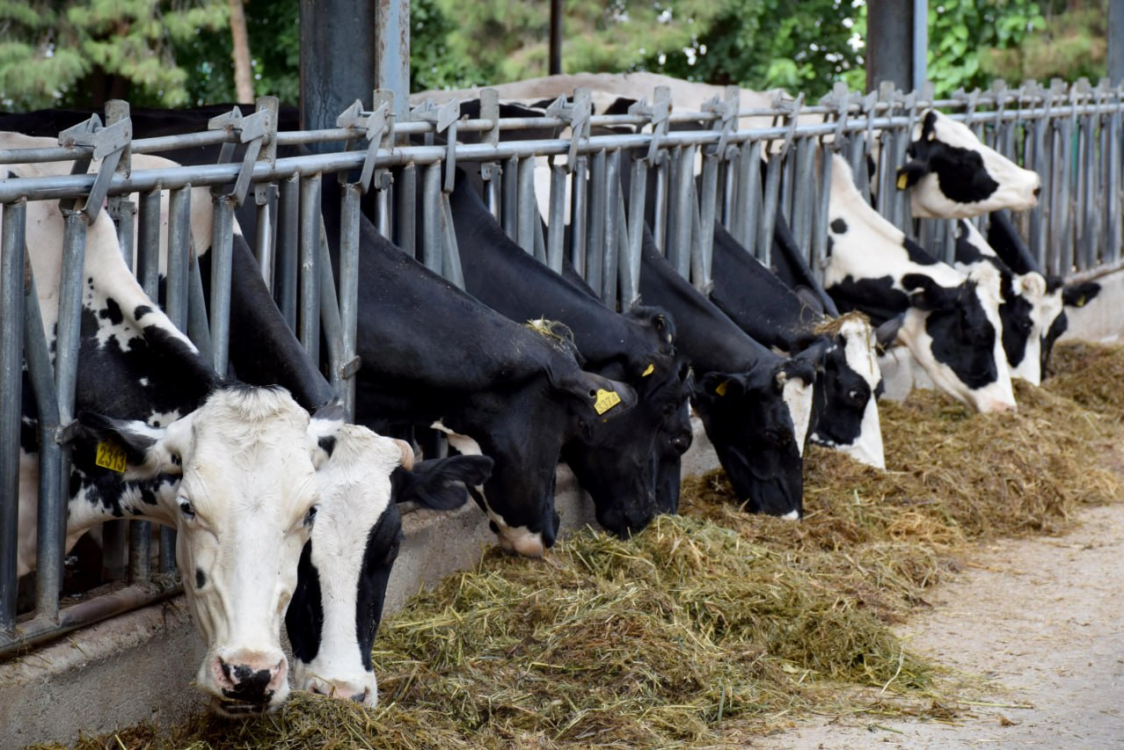
Turkmenistan and the FAO are introducing an animal traceability system
19.09.2026The State Association of the Livestock and Poultry Industry of Turkmenistan, in collaboration with the FAO, is implementing a project to establish a National Strategy for the Registration and Traceability of Farm Animals. This was reported by Turkmenportal. The ‘Şa Ýoly’ livestock complex in the Ahal velayat has been selected as the pilot site. Here, young cattle are being tagged and microchipped in stages. The second phase of fitting animals with electronic microchips is currently underway. The system will enable the creation of a unified digital database of animals and simplify the work of veterinary services, relevant government departments, livestock associations and farms. The project aims to improve animal health monitoring, prevent diseases, enhance the quality of veterinary services and strengthen food security. The system will also ensure product traceability and enable the verification of its origin. In the long term, there are plans to extend the project to livestock farms throughout the country.
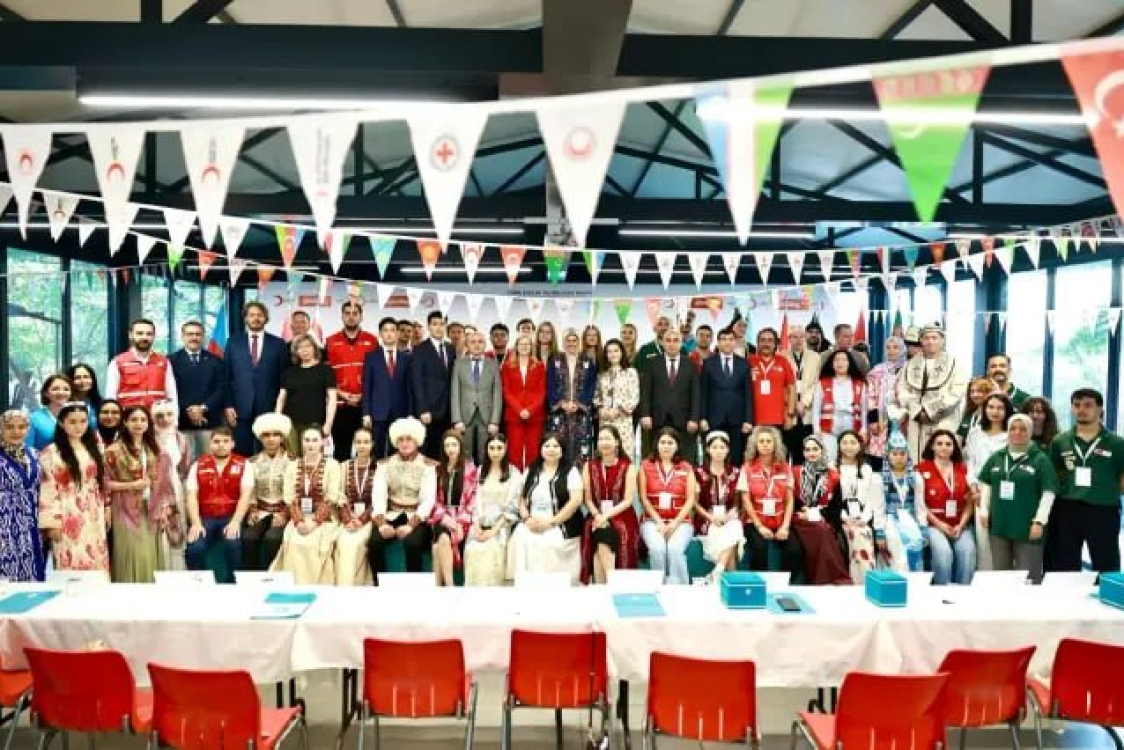
Turkmenistan showcased its Ahal-Teke horses at the Red Crescent forum in Istanbul
19.09.2026Representatives of the National Red Crescent Society of Turkmenistan (NRCS) took part in the 2nd Volunteer Camp and experience-sharing programme organised by the Turkic Red Network (TRN) Secretariat with the support of the Turkish Red Crescent. This was reported by the news website Turkmenportal. Representatives from Kazakhstan, Turkmenistan, Hungary, Cyprus, Kyrgyzstan, Uzbekistan, Azerbaijan and Turkey took part in the events. The NRCS delegation comprised three volunteers from the Balkan and Lebap velayats and Ashgabat, as well as two staff members of the organisation. The volunteer camp took place from 31 August to 5 September on Heybeliada Island, whilst the experience-sharing programme ran from 6 to 12 September in Istanbul. The camp was aimed at developing the volunteers’ leadership skills and strengthening cooperation between national societies. The programme included seminars and practical sessions on providing assistance during emergencies. As part of the practical exercises, an earthquake simulation was carried out: participants, who had been assigned roles in advance, administered first aid, worked in the emergency response centre, pitched tents and organised meals for those affected. In the evenings, the delegations showcased the national culture and traditions of their countries, as well as the activities of their national Red Crescent Societies. The Turkmenistan delegation gave a presentation on Ahal-Teke horses, timed to coincide with the Year of ‘Independent Neutral Turkmenistan − the Homeland of Purposeful Winged Horses’ and the 35th anniversary of the country’s independence. The experience-sharing programme in Istanbul was designed for staff of national societies and included practical training in emergency preparedness and response, as well as the exchange of expertise in the areas of volunteering, disaster risk reduction and strengthening community resilience.
Read also
Advertising
 Read us in Zen


