

News
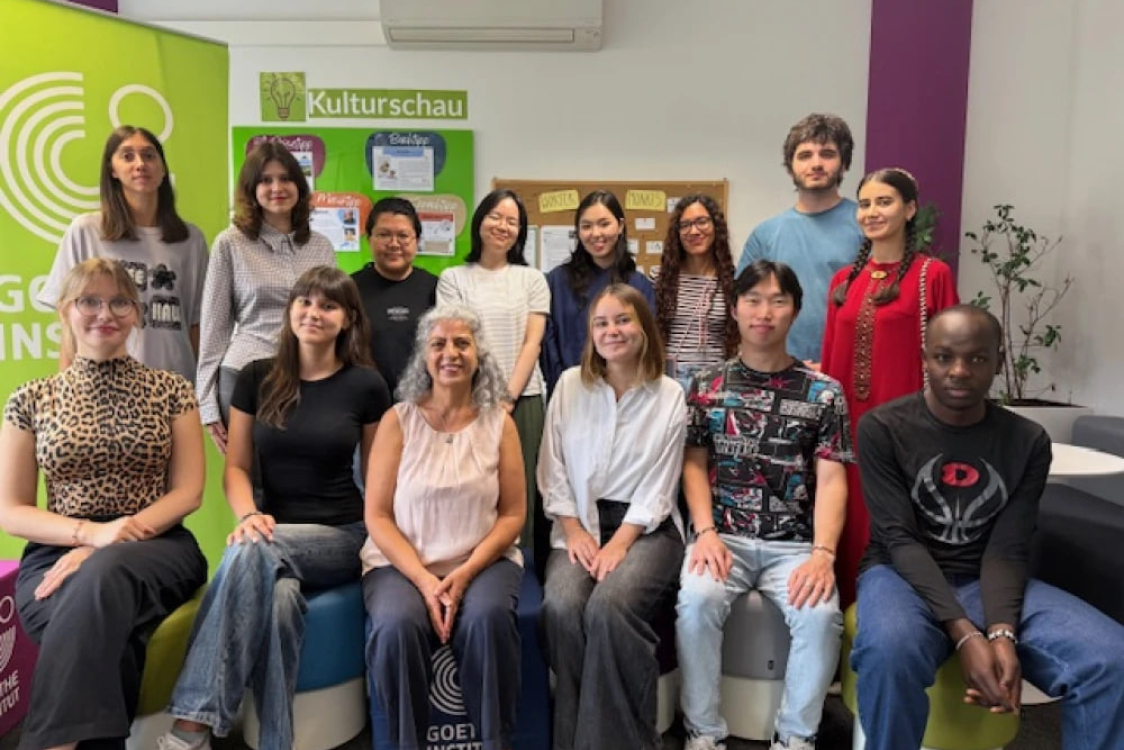
A student from Turkmenistan has won the DAAD programme
20.08.2026Aynur Dovletyarova, a third-year student at the Faculty of International Relations of the Institute of International Relations under the Foreign Affairs Ministry of Turkmenistan, has been awarded a scholarship under the ‘Hochschulsommerkurse’ programme run by the German Academic Exchange Service (DAAD). This was reported by the press office of the Institute of International Relations under the Foreign Affairs Ministry of Turkmenistan. As part of the programme, the Turkmen student undertook a one-month summer language course in German at B2 level at the Goethe-Institut in Bonn. The programme brought together young participants from various countries. The course included lessons on grammar and conversational skills, academic writing and the coherent presentation of ideas. Participants also studied Germany’s socio-political structure, its economy, cultural heritage and role in international relations. The programme included excursions to historical sites, museums and cultural centres. Interacting with participants from different countries helped to develop language skills and foster international connections. According to Aynur Dovletyarova, the experience she gained will form part of her future professional and academic career.

The President of Turkmenistan inspected the modernisation work at the ‘Arçman’ health resort
20.08.2026On 19 August, the President of Turkmenistan, Serdar Berdimuhamedov, visited the ‘Arçman’ sanatorium in the Baherden etrap of the Ahal velayat. The Head of State inspected the progress of construction work on the new complex and the modernisation of existing facilities. The work is in its final stages, according to the TDH news agency. The Minister of Health and Medical Industry, M. Gayipov, reported on the condition of the facilities, their equipment and improvements. The Head of State was presented with plans for the new 400-bed sanatorium building, the modernised ‘A’ and ‘B’ blocks, as well as the canteen, herbal bar, a tea house, a 300-seat conference hall, a drinking fountain, children’s playrooms, a gym, a balneotherapy block and a four-storey car park. Serdar Berdimuhamedov reviewed the designs, made the necessary adjustments and instructed that the work be completed within the set deadlines whilst meeting quality requirements. The President of Turkmenistan also ordered that closer supervision be exercised over the complex’s preparation for commissioning, which is scheduled for this year and will coincide with Healthcare and Medical Industry Workers’ Day. The Head of State emphasised the importance of landscape design and the preservation of the ecological environment on the sanatorium’s grounds. Specific instructions concerned the effective utilisation of ‘Arçman’s’ health and wellness potential, scientific research into the reserves of therapeutic water, the professional development of medical staff and the introduction of digital technologies. The President of Turkmenistan also inspected the treatment rooms and guest rooms in the new building. Particular attention was paid to modern medical equipment, diagnostics and the quality of services. The sanatorium features treatment rooms for mineral water therapy, hydrotherapy, halotherapy and aromatherapy, various types of baths, including a hammam, as well as fitness centres and a children’s playroom. At the drinking fountain, the Head of State instructed that doctors’ consultations be organised regularly on the correct use of mineral water, including its temperature and recommended intake levels. Serdar Berdimuhamedov also instructed that comfortable conditions be provided for holidaymakers, including the improvement of the grounds, opportunities for walks and physical exercise, and the proper organisation of parking facilities. He recommended that particular attention be paid to the quality of the sanatorium’s services during periods of increased visitor numbers.

The ‘Körpeje’ drilling team has brought three productive wells into operation
20.08.2026Since the start of the year, specialists from the ‘Körpeje’ Drilling Operations Department of the State Concern ‘Türkmennebit’ have drilled 11,994 metres through rock and brought three new productive wells into operation. This was reported by the online news site AsmanNews. The drilling teams are continuing to explore and develop new reservoirs, working in promising areas and at deep levels. All three wells are production wells and have been handed over to the ‘Gumdagnebit’ Oil and Gas Production Department. Commercial oil flow has been achieved at the sites.
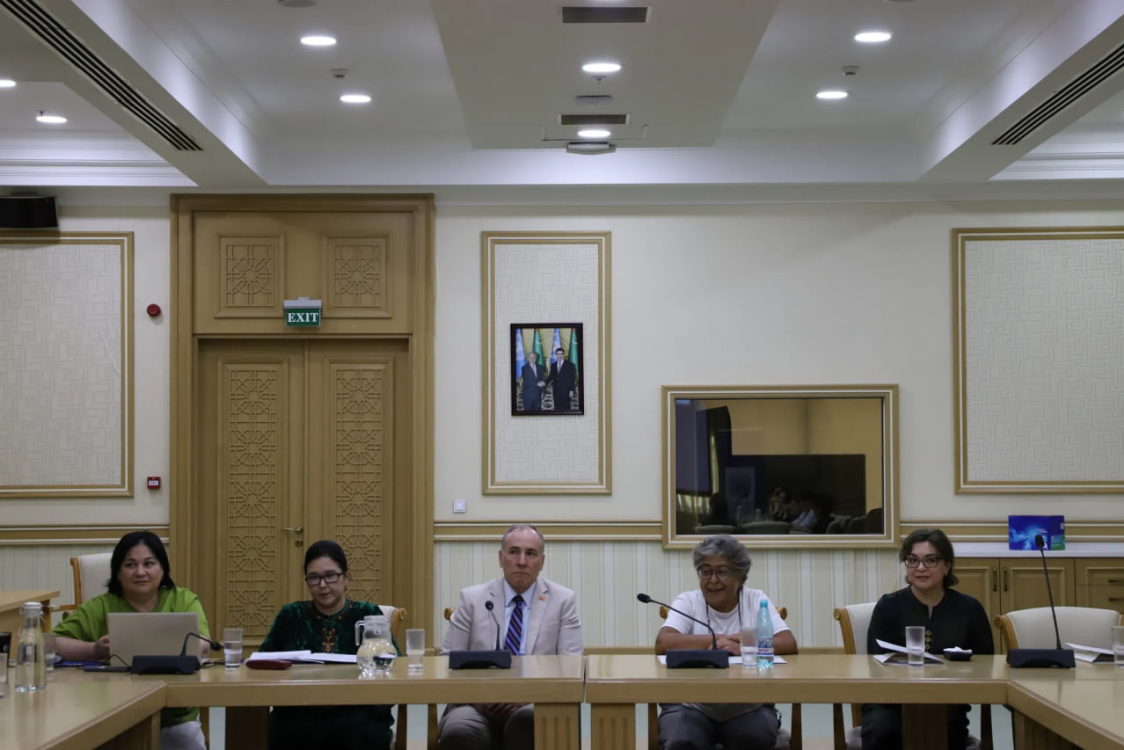
A training course for leading medical specialists is taking place in Ashgabat
20.08.2026On 19 August, a three-day training course entitled ‘Gender-Responsive Approach in Healthcare’ began in Ashgabat for 30 leading medical specialists from all regions of Turkmenistan. The event was organised by the United Nations Development Programme (UNDP) and the United Nations Population Fund (UNFPA), according to the news website Turkmenportal. Participants in the training include chief general practitioners, obstetricians and gynaecologists, and specialists in reproductive health and family medicine from five velayats, Ashgabat and the city of Arkadag. The training aims to develop skills in applying gender-sensitive and rights-based approaches when providing healthcare. Participants are learning methods of gender-sensitive communication, reducing stigma and discrimination, and ensuring equal access to high-quality healthcare services. The training is being conducted as part of a joint initiative between UNDP and UNFPA to support inclusive and people-centred healthcare services. The programme has been developed in line with the recommendations of the 2024 assessment of community participation, human rights and gender aspects in the context of tuberculosis in Turkmenistan. The initiative also provides support to the Ministry of Health and Medical Industry of Turkmenistan in strengthening the national health system.
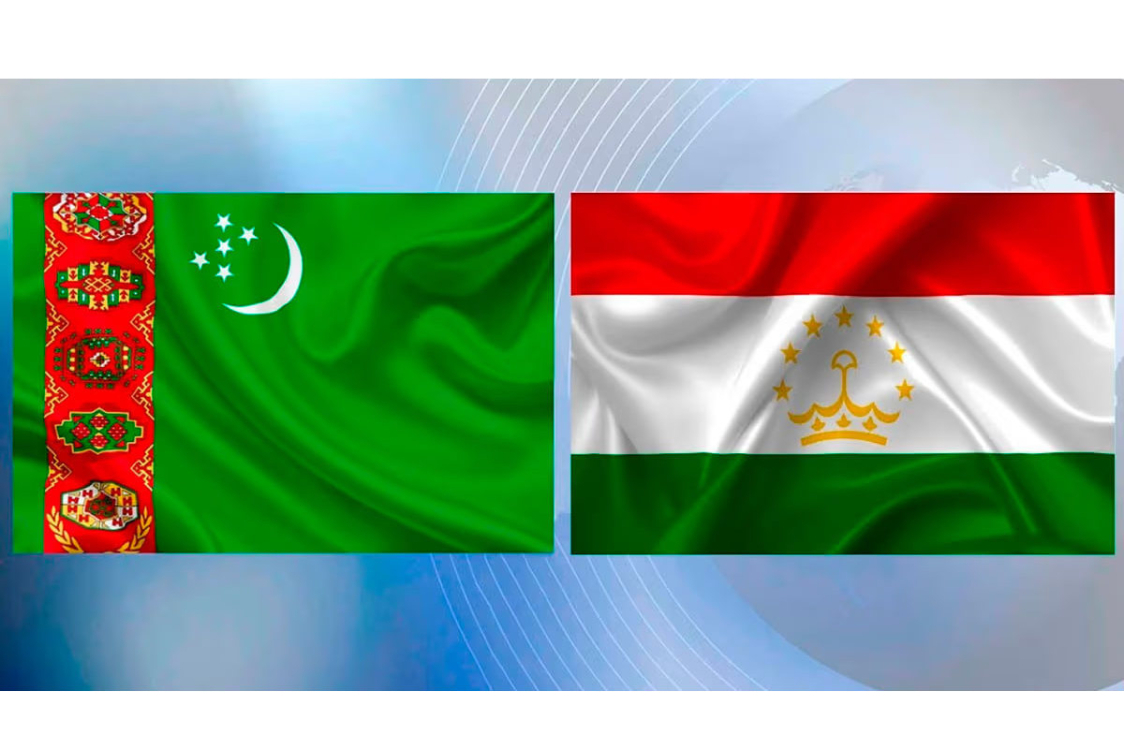
The Tajik Foreign Affairs Minister has arrived in Ashgabat
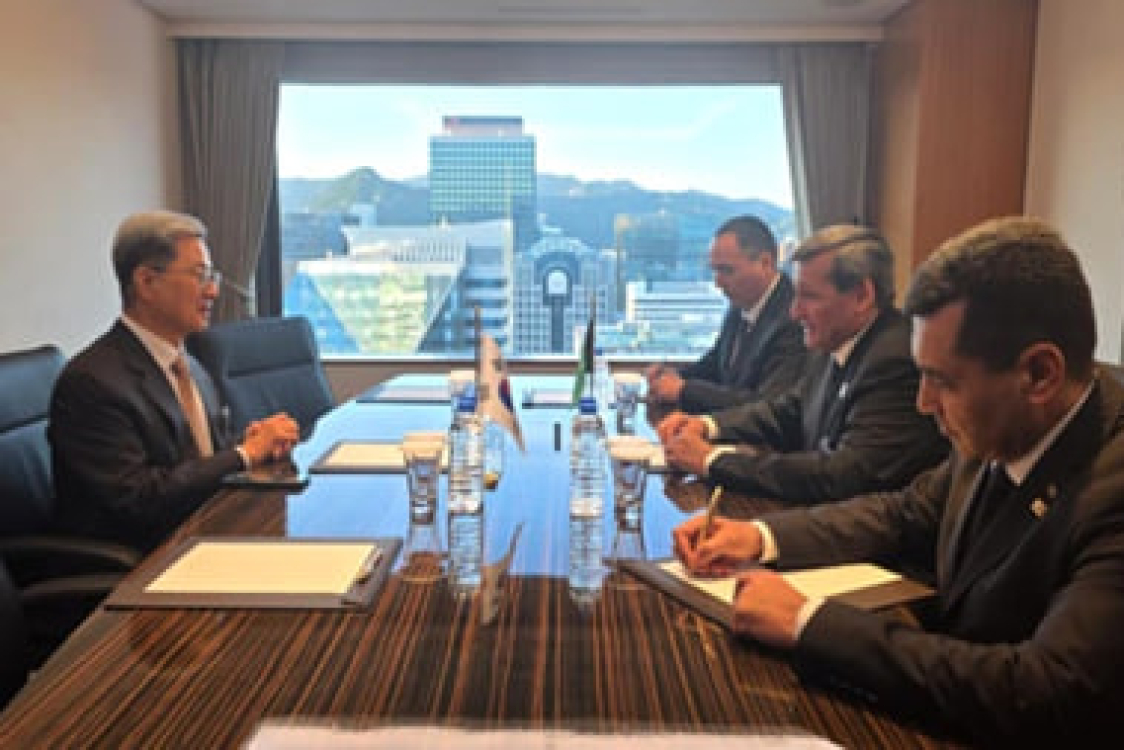
20.08.2026A delegation from Tajikistan, led by Foreign Affairs Minister Sirojiddin Muhriddin, has arrived in Ashgabat for a three-day visit. The main purpose of the visit is to hold political consultations between the foreign ministries of the two countries, according to IIC of Turkmenistan. On the first day, the delegation visited the Chamber of Commerce and Industry of Turkmenistan and viewed the exhibition at the ‘Kids Expo: Everything for Children’ international trade fair. The Tajik delegation also laid flowers at the Monument to Independence of Turkmenistan and at the monument to the Tajik poet and thinker Sayido Nasafiy in the ‘Magtymguly Pyragy’ cultural and park complex. The programme of the visit included a tour of the Ashgabat International Equestrian Sports Complex. The Tajik delegation will remain in Ashgabat until 21 August.
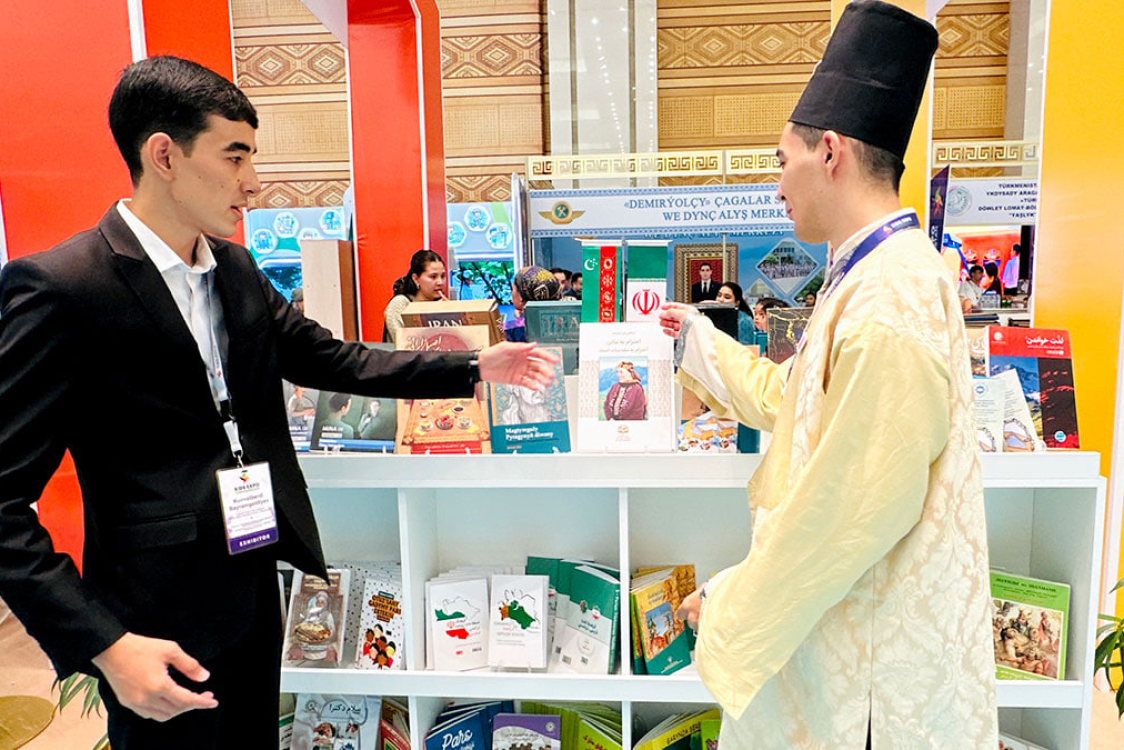
Projects by the Iranian Cultural Centre were presented at the ‘Kids Expo’ in Ashgabat
20.08.2026The ‘Kids Expo: Everything for Children’ international exhibition and fair is taking place at the Turkmenistan Chamber of Commerce and Industry, bringing together educational centres and organisations working in the field of child development. The Cultural Centre attached to the Embassy of the Islamic Republic of Iran has set up its own stand at the exhibition, according to the news agency ‘Turkmenistan: Golden age’. The Centre runs Persian language courses, classes in calligraphy and the visual arts, as well as academic, educational and creative events. Its library houses works by the National Leader of the Turkmen people and Chairman of the Halk Maslahaty of Turkmenistan, Gurbanguly Berdimuhamedov, in Persian, the poetry of Magtymguly Pyragy, as well as translated Iranian and Turkmen folk tales. Among the most popular publications are a Persian-Turkmen dictionary and a collection of recipes for traditional Iranian cuisine. The Cultural Centre’s activities are aimed at developing humanitarian and friendly ties between Turkmenistan and Iran.
Participants from Turkmenistan won prizes in the ‘Bharat Ko Janiye’ quiz
20.08.2026Five participants from Turkmenistan were among the prize-winners in a special edition of the international quiz ‘Bharat Ko Janiye’, dedicated to the history, culture, traditions and modern development of India. This was reported by the IIC of Turkmenistan. The quiz aims to broaden knowledge of India amongst an international audience. Its questions cover the country’s economy, science, culture and historical heritage. The prize-winners from Turkmenistan were presented with certificates and commemorative awards. The ceremony took place as part of the events marking the 80th anniversary of the independence of the Republic of India.
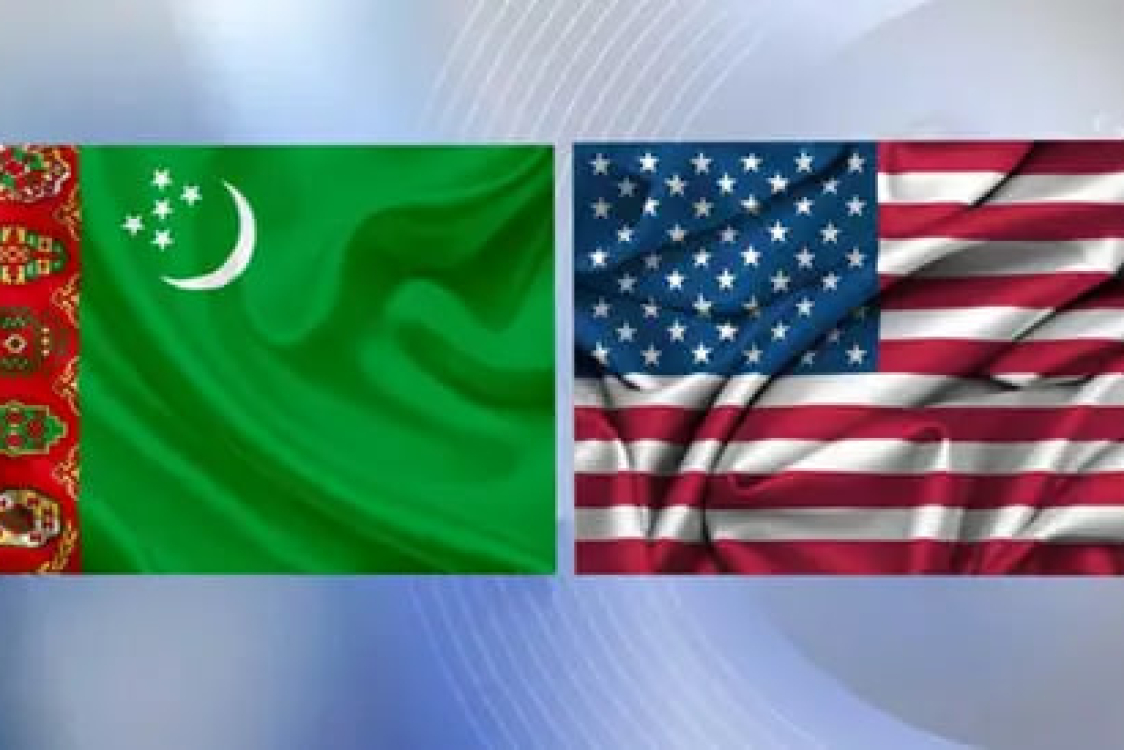
Enrolment has opened in Turkmenistan for an online course for teachers
20.08.2026The US Embassy in Turkmenistan has announced a call for applications from English language teachers for a free online course entitled ‘Teaching English Academic Writing to Speakers of Other Languages’. This was reported by the IIC of Turkmenistan. The course is being run as part of the ‘Online Professional English Network’ project, with the support of the US Department of State. The programme focuses on modern methods of teaching academic writing. Participants will learn about text structure, formulating theses, argumentation, preparing introductions and conclusions, as well as working on the main body of written assignments. The sessions will be held online. Registration is open until 28 September 2026. Applications are open to professionals in the field of English language teaching.
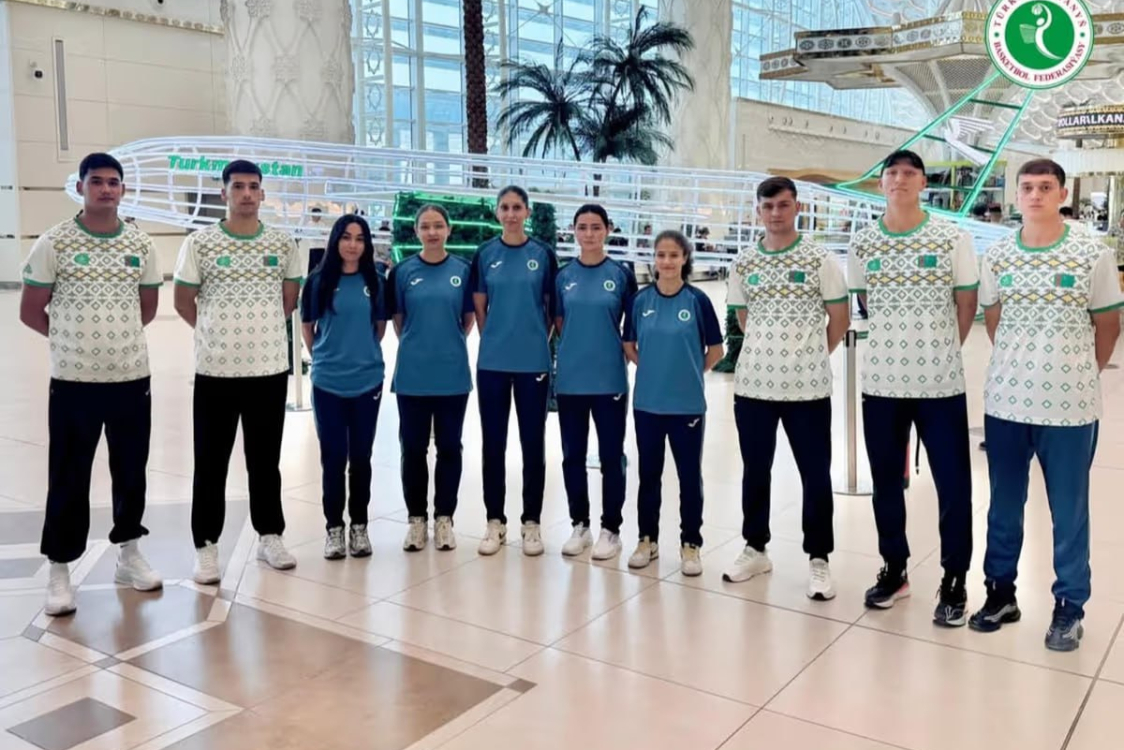
The Turkmenistan 3x3 basketball team will compete in a tournament in Singapore
20.08.2026The Turkmenistan U23 3x3 basketball team is set to take part in the FIBA 3x3 Youth Nations League 2026 international tournament. This was reported by IIC of Turkmenistan. The competition will take place from 20 to 26 August in Singapore at the SCAPE Arena. Taking part in the Nations League will give the Turkmen athletes the opportunity to improve their skills and exchange experiences with the world’s strongest teams.
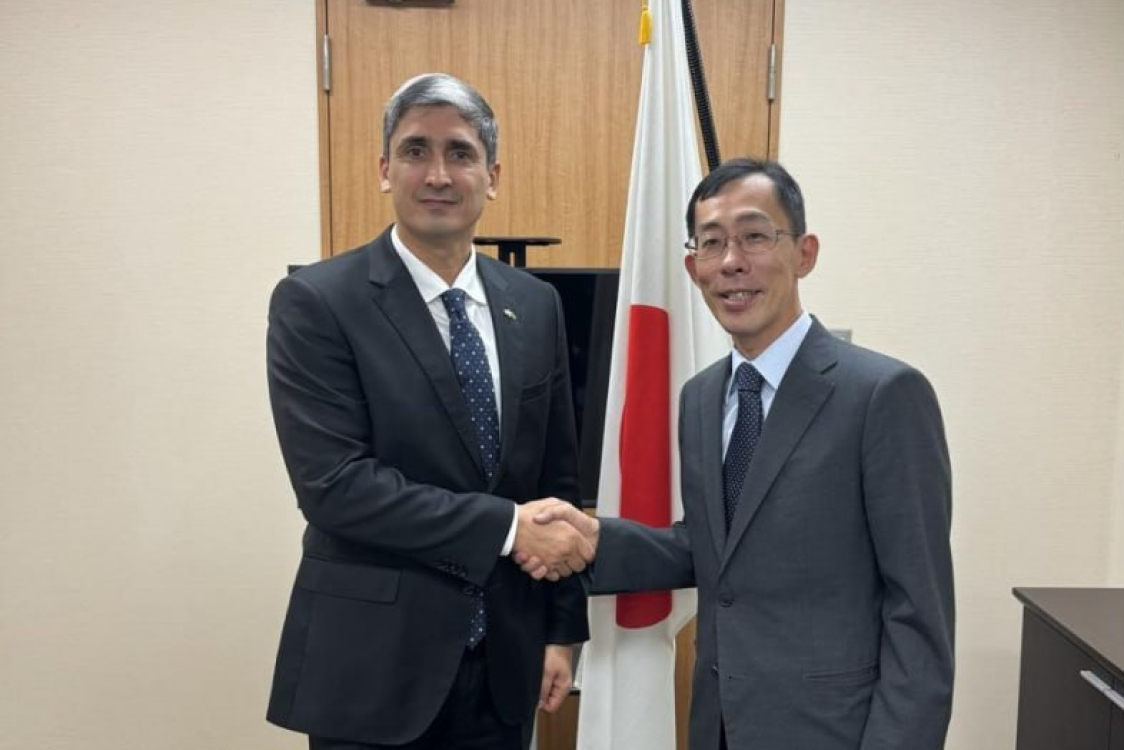
Turkmenistan and Japan discussed the development of bilateral relations
20.08.2026On 19 August, a meeting took place in Tokyo between A. Bayramov, Ambassador of Turkmenistan to Japan, and T. Ishigaki, the newly appointed Special Representative of the Foreign Affairs Ministry of Japan for Central Asia and the Caucasus. The parties discussed issues of bilateral cooperation and high-level visits, according to the press office of the Embassy of Turkmenistan in Japan. During the meeting, the rapid pace of development in bilateral relations was noted, underpinned by the two visits by the President of Turkmenistan to Japan which took place in 2025. The parties exchanged views on the further development of political and diplomatic, trade and economic, and cultural and humanitarian ties. Particular attention was paid to preparations for the meeting of the Turkmen-Japanese High-Level Committees on Economic Cooperation, which is scheduled for December 2026 in Tokyo.
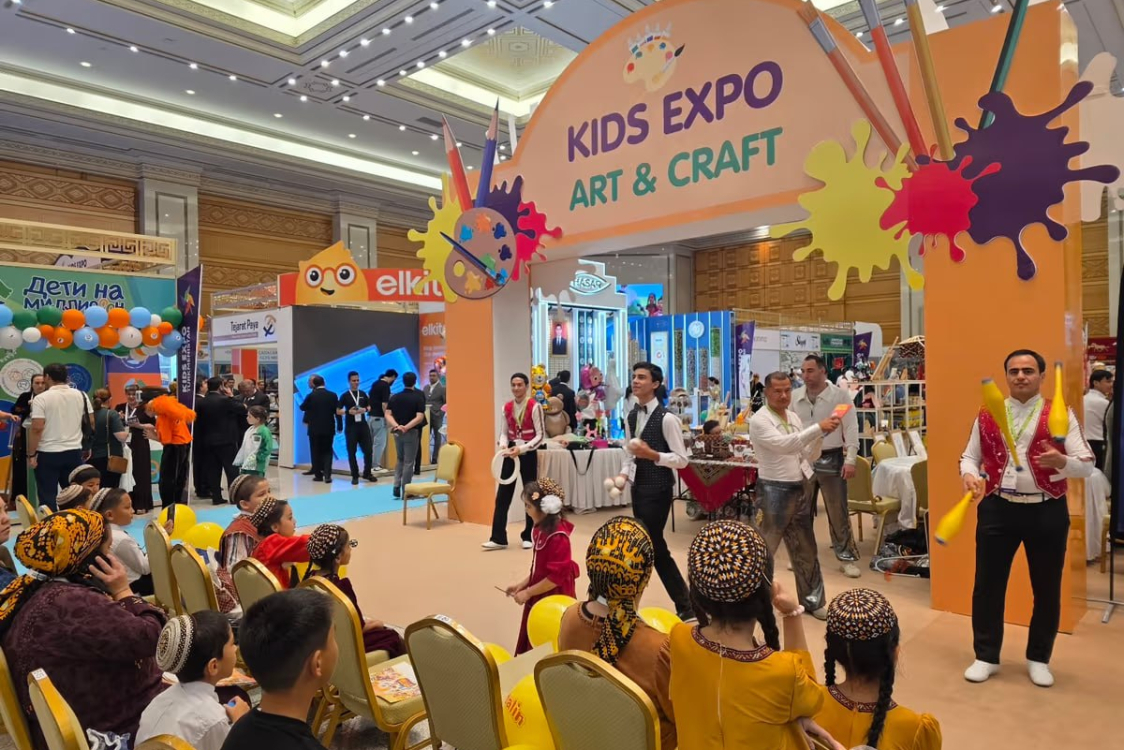
The international exhibition ‘Kids Expo: Everything for Children’ has opened in Ashgabat
20.08.2026The ‘Kids Expo: Everything for Children’ international exhibition and trade fair has opened in Ashgabat at the Chamber of Commerce and Industry of Turkmenistan. The event has provided a platform for leading manufacturers and suppliers of children’s goods and services, according to the IIC of Turkmenistan. More than 100 companies from over 30 countries, including Russia, Turkey, Germany, Japan and Iran, are taking part in the exhibition. Visitors are presented with a wide range of products — from baby food, goods for newborns and cosmetics to educational technology and school supplies. The Expo Centre is divided into themed zones. The venue features a book fair, workshops on pottery, fashion design and shopping bag painting, advice stands run by educational centres offering career guidance, as well as a food court serving refreshments and ice cream. For the first time, the ‘Kids Expo-Chess Cup 2026’ chess championship is being held as part of the exhibition. Schoolchildren from eight countries – Azerbaijan, Kazakhstan, Kyrgyzstan, Uzbekistan, Tajikistan and Iran – are taking part in the rapid and blitz competitions. The programme also includes a mental arithmetic tournament and a children’s fashion show featuring local designers, representatives of the children’s fashion industry and young models. The exhibition’s business programme also kicked off on 19 August: participants are holding meetings and negotiations, presenting projects and discussing prospects for cooperation. The exhibition will run until 22 August.
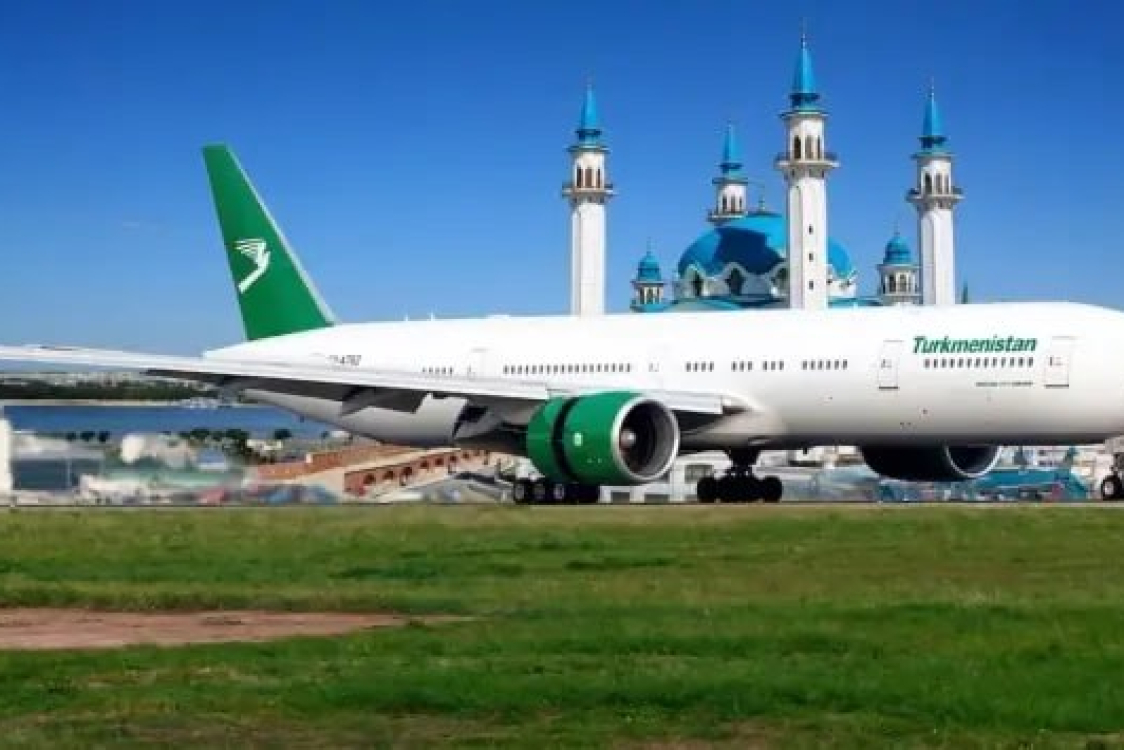
‘Turkmenistan’ is set to expand its flight schedule from 25 October
19.08.2026From 25 October, ‘Turkmenistan’ Airlines will increase the number of flights from Ashgabat to Kazan from four to six per week. This was reported by the news website Turkmenportal. Flights on this route currently operate on Tuesdays, Wednesdays, Saturdays and Sundays. From 25 October, flights will also be added on Thursdays and Fridays. The departure times for a number of flights will also change: the Sunday flight T5-737 will be moved from the morning to the evening – instead of 09:25, the aircraft will depart at 22:45. The airline will also increase flight frequency on other routes. The number of flights to Ho Chi Minh City will increase from two to three a week with the addition of a Friday flight; to Seoul from one to two with the addition of a Thursday flight; and to Milan from two to three with the addition of a Friday flight. It was previously reported that from 25 October, the frequency of flights to Istanbul will also increase — from 12 to 13 a week. However, the number of flights to Delhi will be reduced from three to two a week: the Saturday flight will be removed from the timetable. On routes to Beijing, Bangkok, Kuala Lumpur, London and Frankfurt, the frequency of flights will remain unchanged, but the departure times of some flights will be adjusted.
Read also
Advertising

 Read us in Zen


