


News
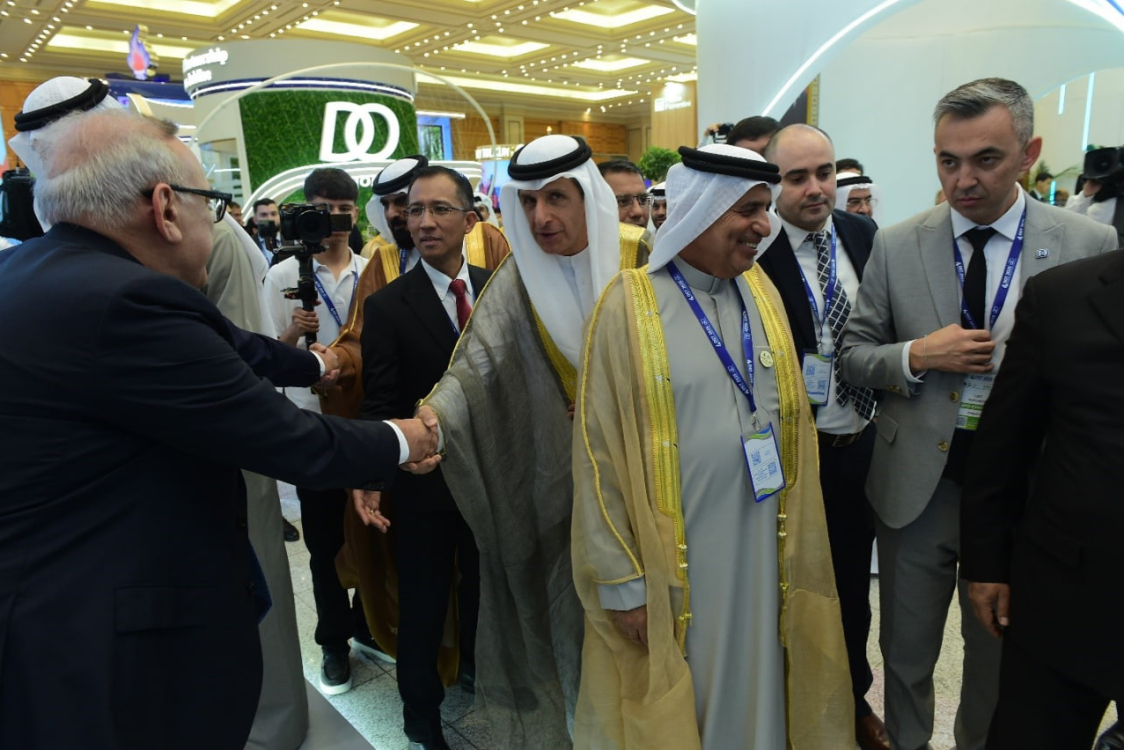
Ashgabat will host the OGT 2026 forum for the global energy sector in October
24.04.2026The 31st International Conference and Exhibition ‘Oil and Gas of Turkmenistan – OGT 2026’ will take place in Ashgabat from 21 to 23 October 2026. Registration is now open, according to the publication ‘Turkmenistan: Golden age’. The forum’s motto is ‘Energy. Partnership. Progress.’ The previous OGT 2025 conference brought together over 1,400 delegates from 70 countries, more than 100 exhibiting companies and 80 speakers. The main topic will be the development of the ‘Galkynysh’ gas field – one of the largest in the world. Its fourth phase has recently commenced: the new capacity will enable the production of up to 10 billion cubic metres of gas per year. Also on the agenda are the TAPI gas pipeline, offshore blocks in the Turkmen sector of the Caspian Sea, infrastructure modernisation and the diversification of export routes. A separate session will be dedicated to sustainable development: reducing methane emissions, the digitalisation of the industry, hydrogen energy and carbon capture technologies. The programme includes a plenary session, a ministerial round table, panel discussions, industry sessions and an international exhibition. B2B and B2G meetings are planned.
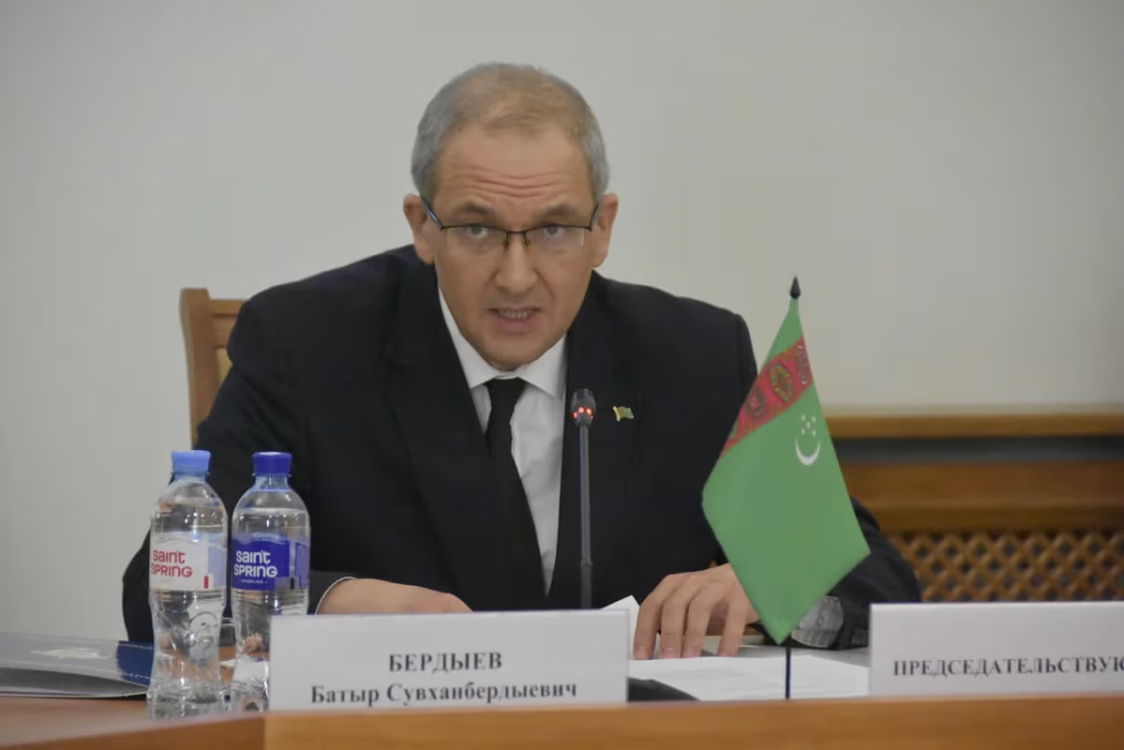
Turkmenistan hosted a meeting of the CIS Economic Commission in Moscow
24.04.2026A meeting of the Commission on Economic Issues under the CIS Economic Council was held in Moscow, chaired by B.S. Berdiyev, the representative of Turkmenistan. This was reported by IIC. The participants reviewed the results of the first phase of the CIS Economic Development Strategy and analysed the macroeconomic indicators of the region’s countries for 2025. The Commission approved a number of documents on cooperation in the forestry industry, labour standards and innovative collaboration. The ‘Digital Platform’ project has been granted the status of a CIS technology platform. Recommendations on the mutual recognition of methods for identifying quarantine objects to facilitate trade between member states were also agreed. Most of the materials considered will be submitted for approval to the CIS Economic Council in June. The Commission’s next meeting is scheduled for 26 May 2026.
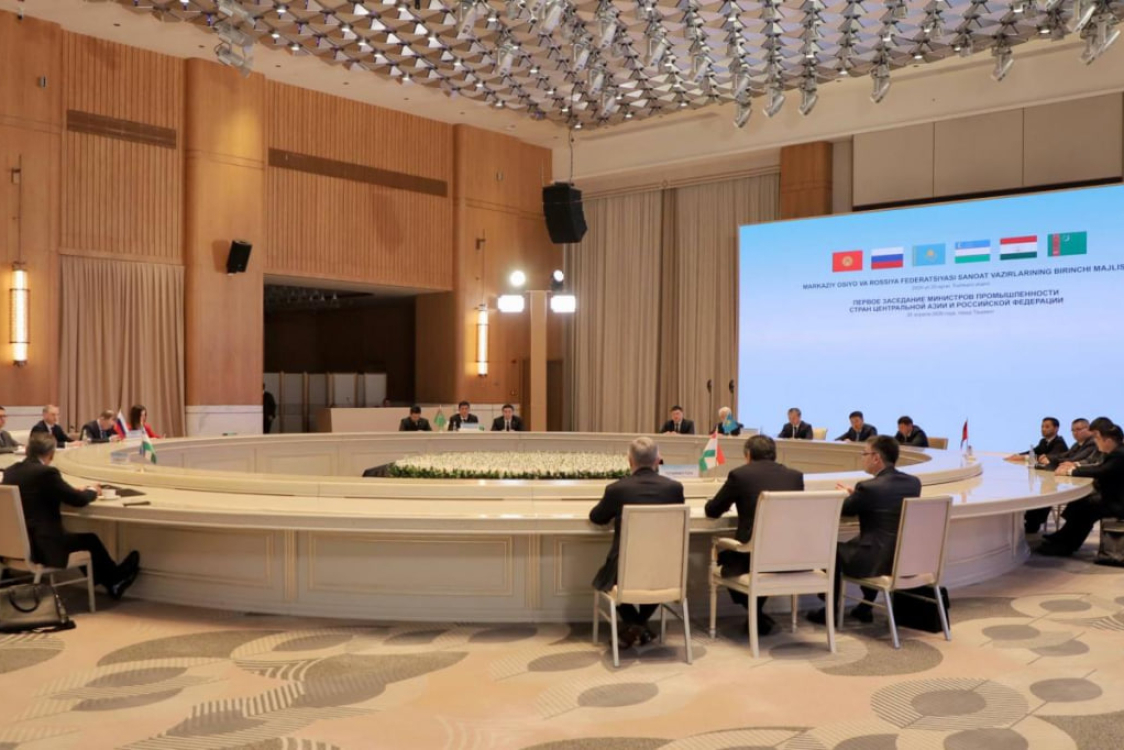
A Turkmen delegation attended an industrial forum in Tashkent
24.04.2026From 20 to 22 April, a Turkmen delegation led by B. Tatov, Deputy Minister of Industry and Construction of Turkmenistan, took part in the 6th International Industrial Exhibition ‘INNOPROM. Central Asia’ in Tashkent. This was reported by the press service of the Foreign Affairs Ministry of Turkmenistan. As part of the exhibition, the delegation took part in the first meeting of the Ministers of Industry of the Central Asian countries and the Russian Federation. The parties discussed industrial cooperation, the implementation of joint projects and the training of personnel for the industrial sector.
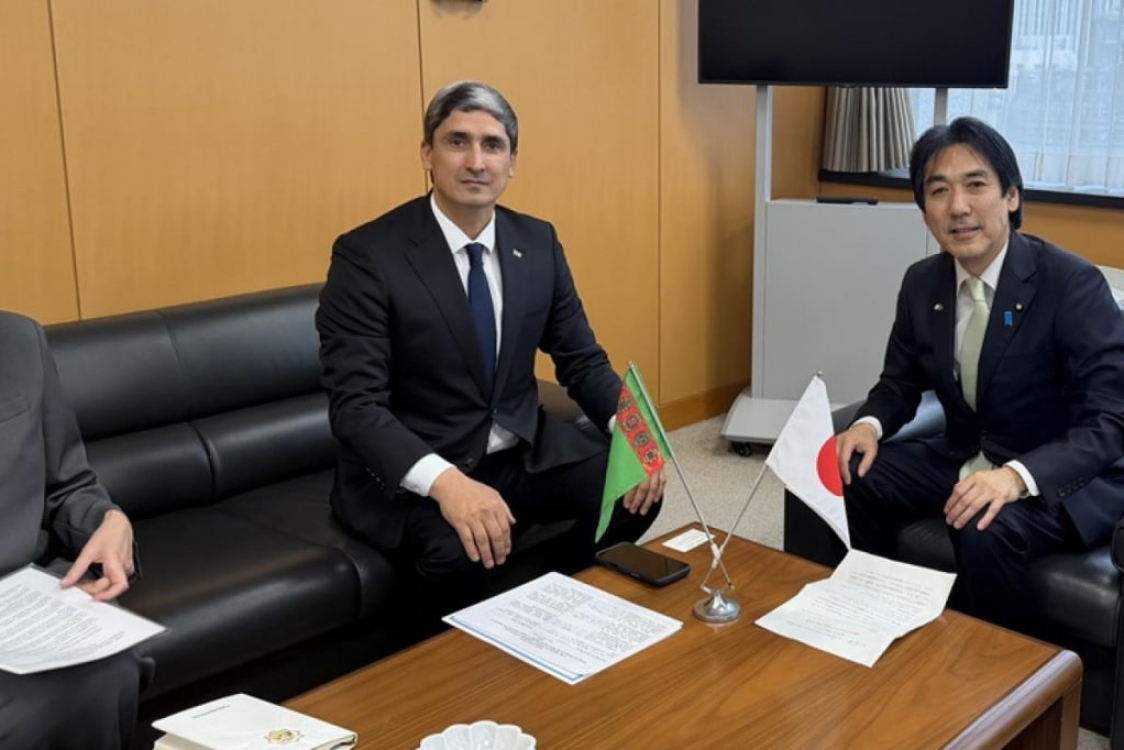
The Turkmen Ambassador discussed digitalisation and the economy with the Japanese minister
24.04.2026On 23 April, Turkmenistan’s Ambassador to Japan, A. Bayramov, met in Tokyo with the Minister in charge for Growth Strategy and Social Security Reforms of Japan, Minoru Kiuchi, who is a member of the Japan-Turkmenistan Inter-Parliamentary Friendship Group. This was reported by the press service of the Foreign Affairs Ministry of Turkmenistan. The Minister noted the importance of joint economic projects involving Japanese companies in Turkmenistan, and also expressed interest in increasing the number of Turkmen youth studying the Japanese language. The parties discussed prospects for cooperation in the fields of artificial intelligence, digital transformation, ‘green’ technologies, education, as well as economic and cyber security.
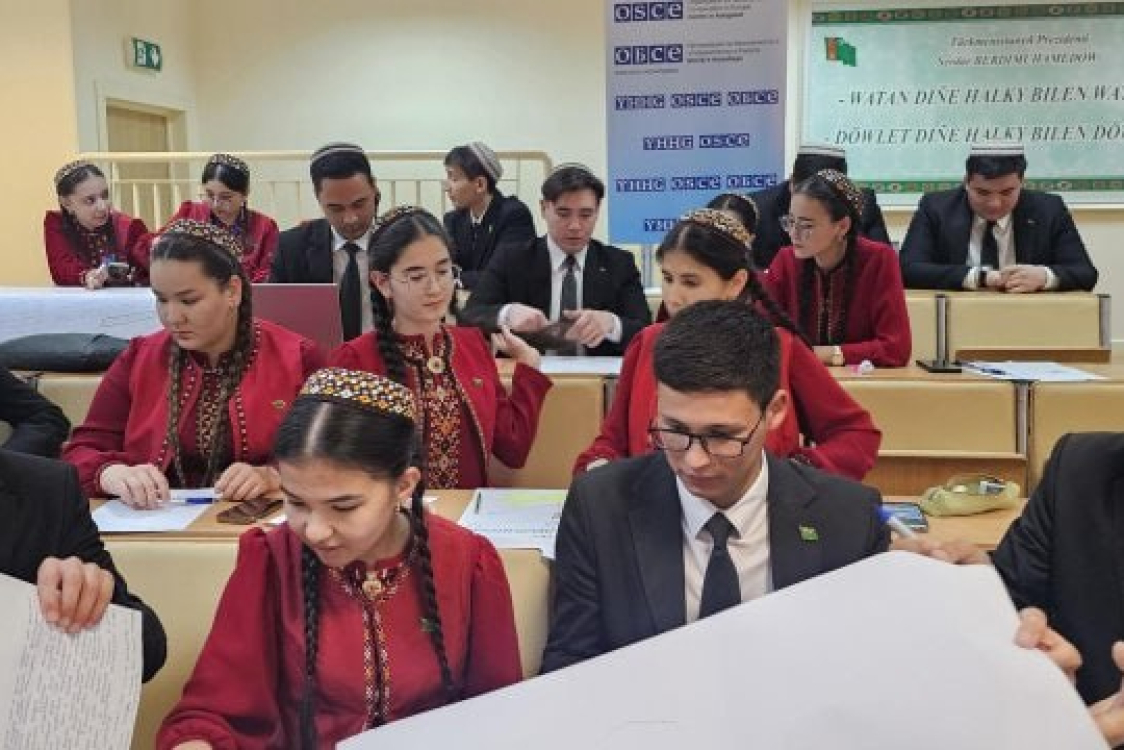
The OSCE held a lecture on public speaking for Turkmen students
23.04.2026On 20 April, the OSCE Centre in Ashgabat held a lecture entitled ‘The art of public speaking to promote the economic and environmental agenda’ for 50 students from Turkmen universities studying economics, finance, international relations and environmental studies. This was reported by the news website Asmannews. The session was led by an international expert and a national trainer. It was designed to develop public speaking and presentation skills, with a focus on economic and environmental topics, as well as the use of effective communication formats. Participants were introduced to the basic principles of public speaking, practical techniques for holding the audience’s attention and adapting presentations to different groups of listeners, including the use of digital tools and the correct choice of terminology. During the session, students prepared group presentations, delivered talks and took part in discussions and a question-and-answer session. The event took place at the Magtymguly Turkmen State University and brought together students from several of the country’s leading universities.
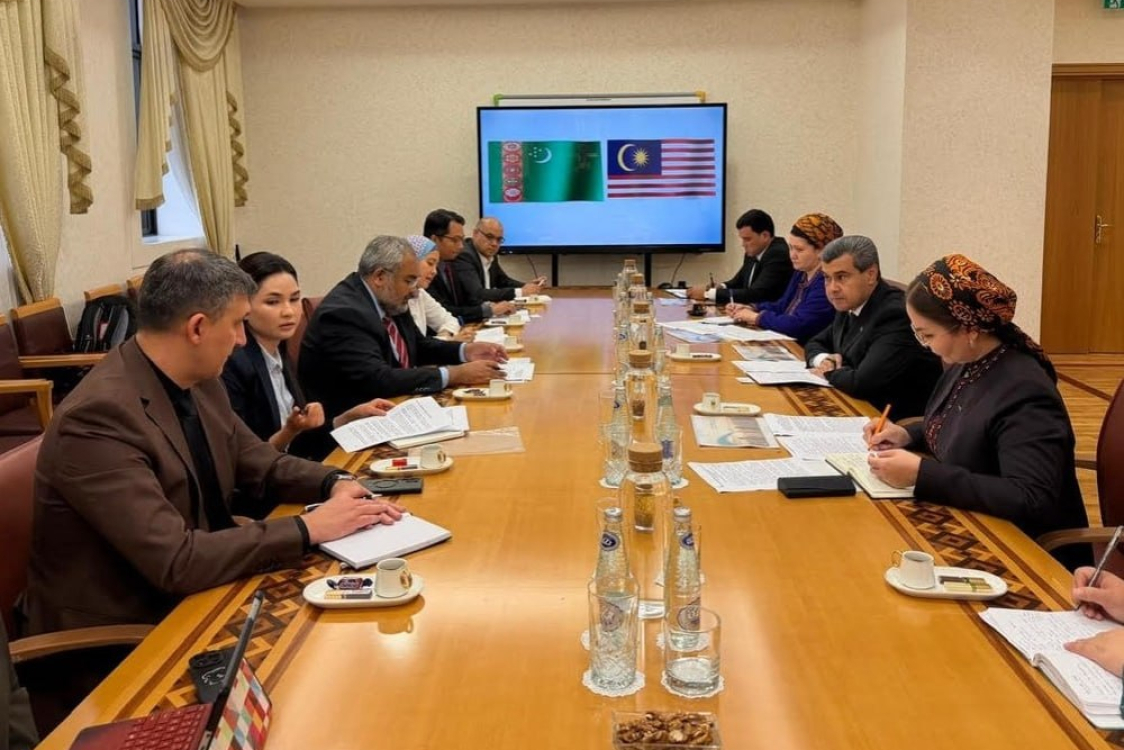
Turkmenistan and Malaysia are strengthening their partnership in the field of education
23.04.2026On 22 April, Minister of Education of Turkmenistan Jumamyrat Gurbangeldiyev met with the Ambassador Extraordinary and Plenipotentiary of Malaysia to Turkmenistan, Mohd Suhaimi bin Ahmad Tajuddin, as well as representatives of ‘Petronas’ and its University of Technology. This was reported by the press service of the Ministry of Education of Turkmenistan. The main topic of the negotiations was the expansion of cooperation in training specialists for the oil and gas industry. The development of links between vocational and higher education institutions in Turkmenistan and ‘Petronas’s educational and scientific bodies was discussed. The company emphasised its commitment not only to resource development but also to the development of human capital in partner countries through the exchange of expertise and educational programmes, including vocational training and professional development courses. The parties reviewed cooperation with a number of ‘Petronas’s educational and research centres. It was noted that Turkmen students are already studying at Petronas University of Technology on scholarships provided by the company, whilst lecturers and students from a relevant university in Turkmenistan are undertaking internships there. It was also emphasised that the documents signed during the visit of the President of Turkmenistan Serdar Berdimuhamedov to Malaysia in 2024 confirm the steady development of educational cooperation between the two countries.
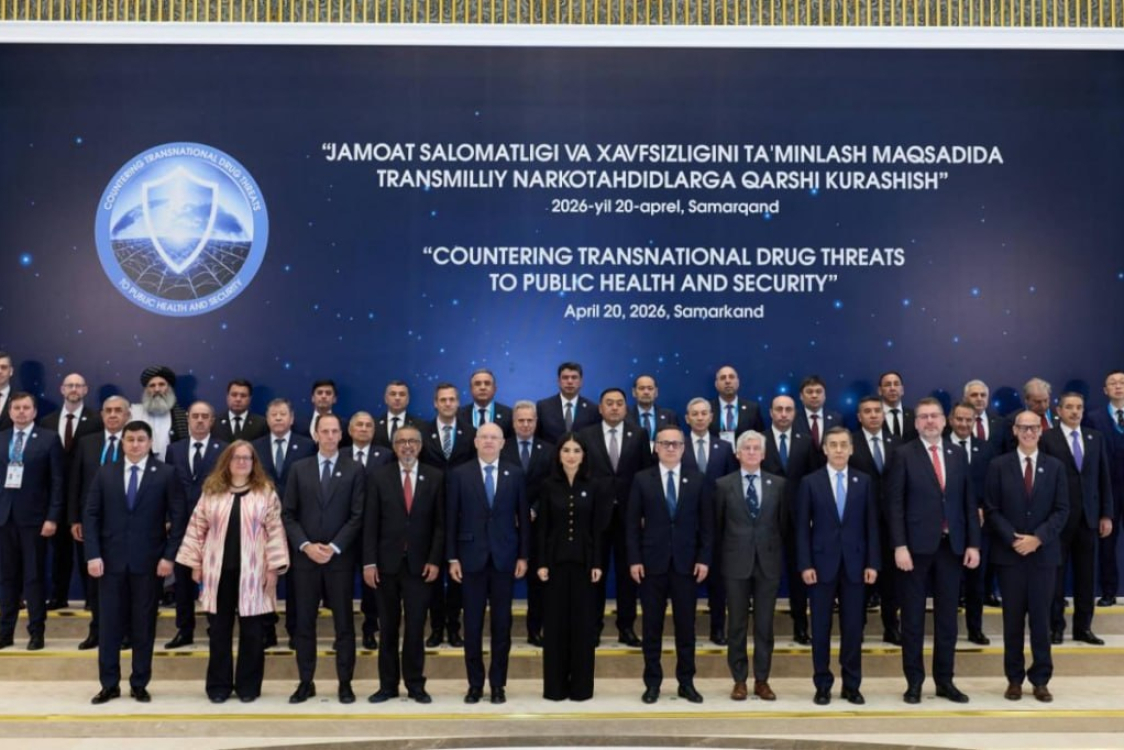
Turkmenistan took part in an anti-drug forum in Samarkand
23.04.2026A delegation from Turkmenistan, led by Deputy Minister of Internal Affairs O. Kakalyev, took part in the International Forum ‘Countering Transnational Drug Threats to Public Health and Security’, which took place on 20–21 April in Samarkand. This was reported by the press service of the Foreign Affairs Ministry of Turkmenistan. The event was organised by the Agency for the Control of Narcotics and Firearms under the Administration of the President of Uzbekistan, in conjunction with the United Nations Office on Drugs and Crime. Forum participants discussed key global and regional trends in the illicit drug trade, as well as preventive measures targeting young people. Particular attention was paid to the development of treatment, rehabilitation and social reintegration systems, as well as the introduction of digital technologies and artificial intelligence-based solutions to counter drug-related threats. During the discussions, the importance of further strengthening international cooperation in this area was emphasised.
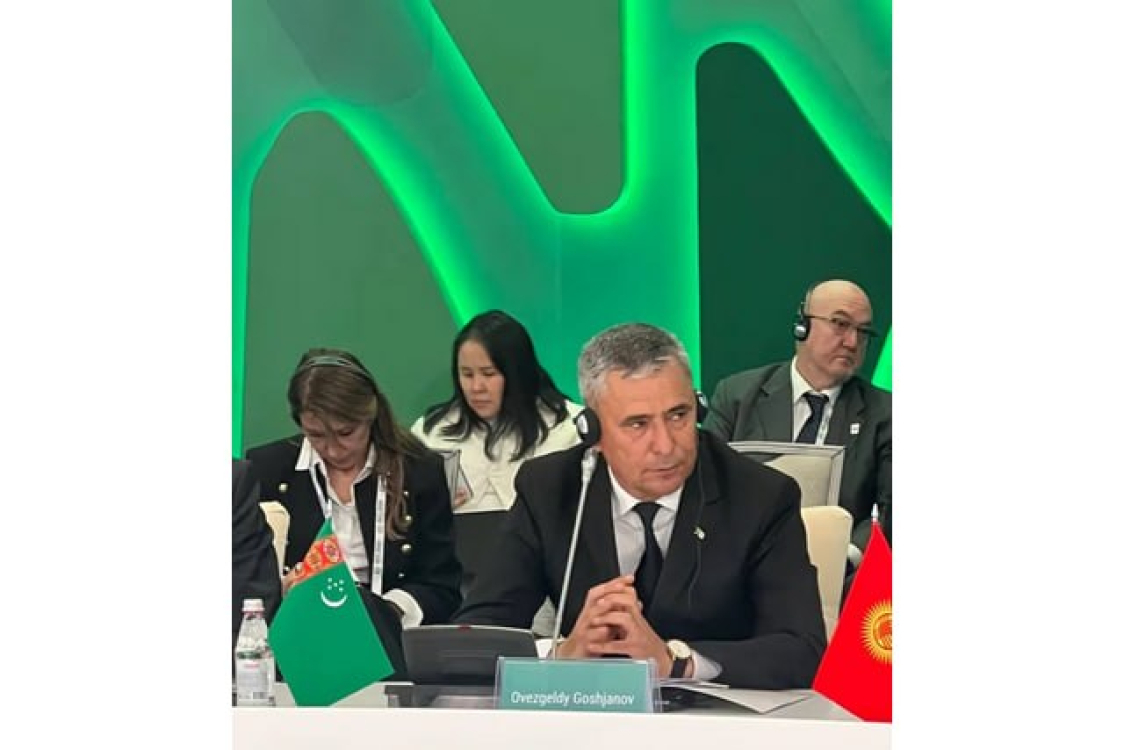
Turkmenistan has outlined its priorities for climate investment in the region
23.04.2026Ovezgeldi Goshjanov, Turkmenistan’s Minister for Environmental Protection, spoke at the ministerial-level round table on climate investment in Central Asia, held as part of the ‘RES 2026’ Regional Ecological Summit in Astana. This was reported by the news website Turkmenportal. Heads of environmental agencies from countries across the region also took part. The main topics were the coordination of policy decisions and the mobilisation of funding for climate projects in Central Asia. Participants discussed how to translate climate commitments into concrete investment programmes, identify priorities and strengthen inter-agency cooperation. In his speech, O. Goshjanov noted that Turkmenistan attaches great importance to climate and sustainable development. Among the priorities, he cited the creation of early warning systems for risks, the development of a portfolio of climate projects, as well as cooperation in the areas of adaptation, environmental monitoring and sustainable natural resource management. The Minister also confirmed the country’s interest in partnership support for the preparation of regionally significant projects and its readiness to work actively on specific climate investments. Following the summit, it is planned to identify key areas for climate investment in Central Asia and, possibly, to develop a common regional strategy.
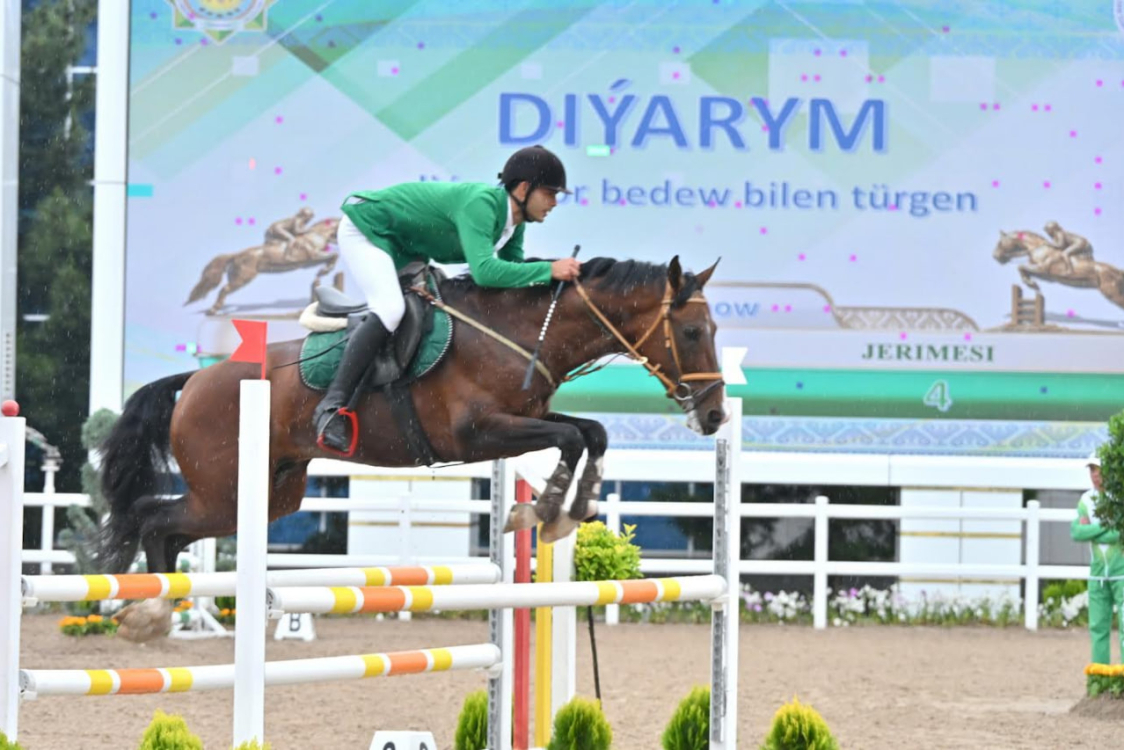
A three-stage show jumping cup was held at the Ashgabat equestrian arena
23.04.2026Show jumping competitions dedicated to the National Day of the Turkmen Horse were held in the open arena of the Ashgabat Equestrian Complex. Ten riders from three organisations took part in the competition: the Ahal-Teke Equestrian Complex of the President of Turkmenistan, the Equestrian Sports Federation of Turkmenistan and the National Equestrian Sports Centre. This was reported by IIC. The competition took place in three stages. In the first stage, the riders cleared 12 obstacles 110 cm high; in the second, 15 barriers 120 cm high. In the final, the participants cleared five obstacles 130 cm high at speed. The winner was Mergen Gurbanlyev on his horse Gudratly, who cleared all the obstacles flawlessly. The prize-giving ceremony will take place on 26 April as part of the celebrations marking the National Day of the Turkmen Horse.
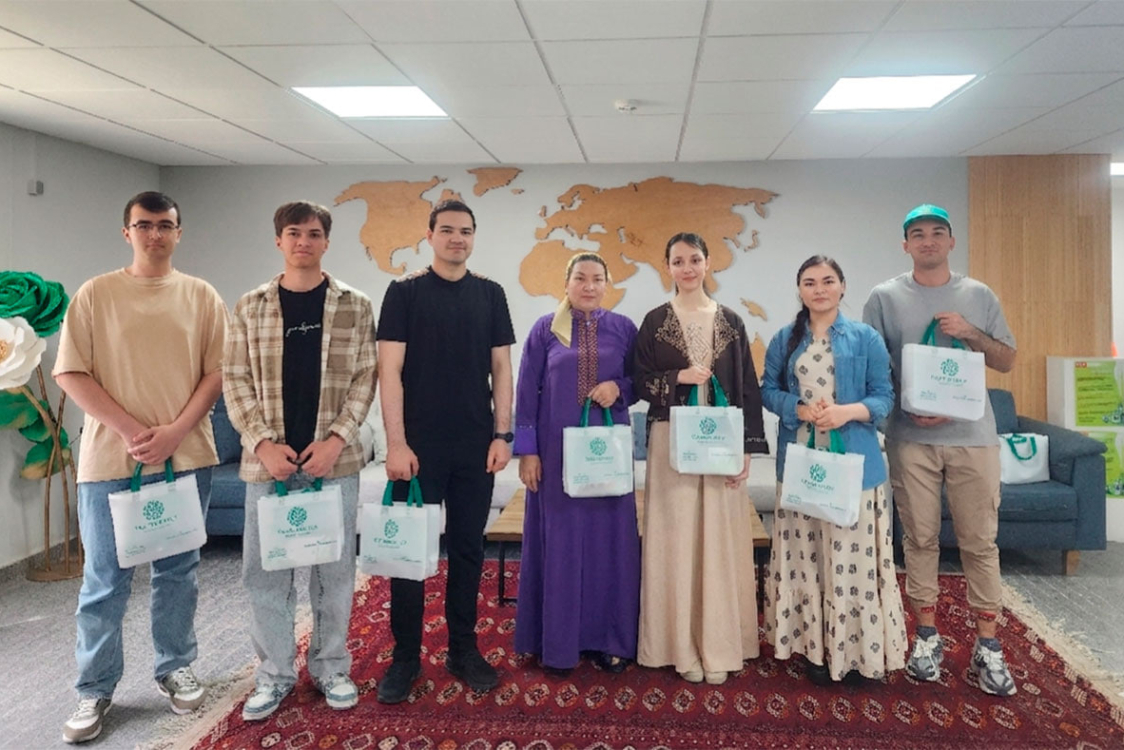
A seminar on the protection of ecosystems in the Aral Sea basin was held in Ashgabat
23.04.2026An educational seminar on ecology for young people was held in Ashgabat. The event was organised by the non-governmental organisation ‘Young Naturalist’ (‘Ýaş tebigatçy’) as part of a UNDP and GEF project on the conservation of land resources and ecosystems in the Aral Sea basin, reports ‘Turkmenistan: Golden age’. The seminar took place at the offices of ‘Bouygues Turkmen’, whose specialists delivered training using the ‘Climate Fresk’ methodology. Participants studied the causes and consequences of climate change and acquired the skills to pass on this knowledge to others. The seminar discussed the role of state nature reserves in protecting biodiversity. Using the Amu darya State Nature Reserve as an example, they examined how the disappearance of a single species affects the entire ecosystem. The use of innovative technologies in the fight against climate change was also considered separately. The event, which began in Lebap, formed part of the initiatives marking World Earth Day.
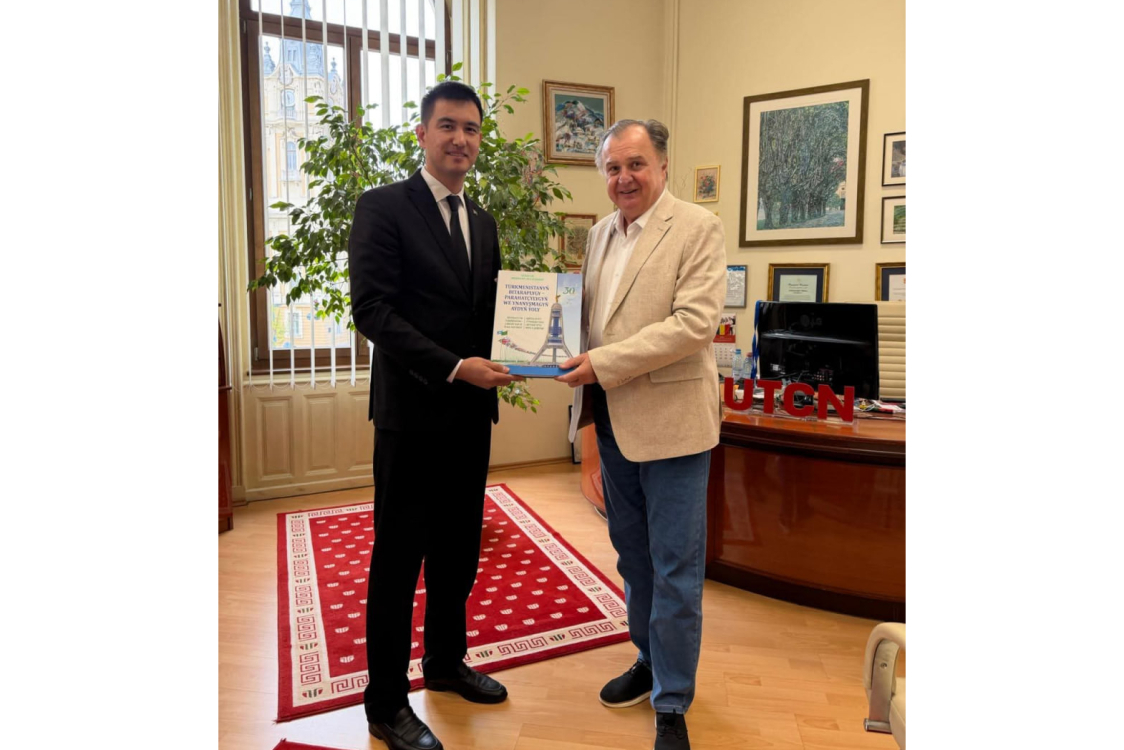
Lecturers from a Turkmen university are undertaking a placement at a university in Romania
23.04.2026Lecturers from the Institute of Telecommunications and Information Technology of Turkmenistan are undertaking a training placement at the Technical University of Cluj-Napoca in Romania. The programme includes lectures, seminars and practical sessions on artificial intelligence, innovative educational technologies and sustainable development, reports the online publication ‘Turkmenistan: Golden age’. Participants are familiarising themselves with cutting-edge teaching methods and modern approaches to curriculum development. During bilateral meetings, lecturers from both universities discussed the training of specialists in the field of ‘smart’ technologies and innovative sciences. The Turkmen lecturers also visited the university’s research laboratories, which are equipped with state-of-the-art facilities. Following the visit, meetings are planned to discuss new joint educational initiatives. These placements take place on a regular basis under the Cooperation Agreement between the two universities, signed in 2019.
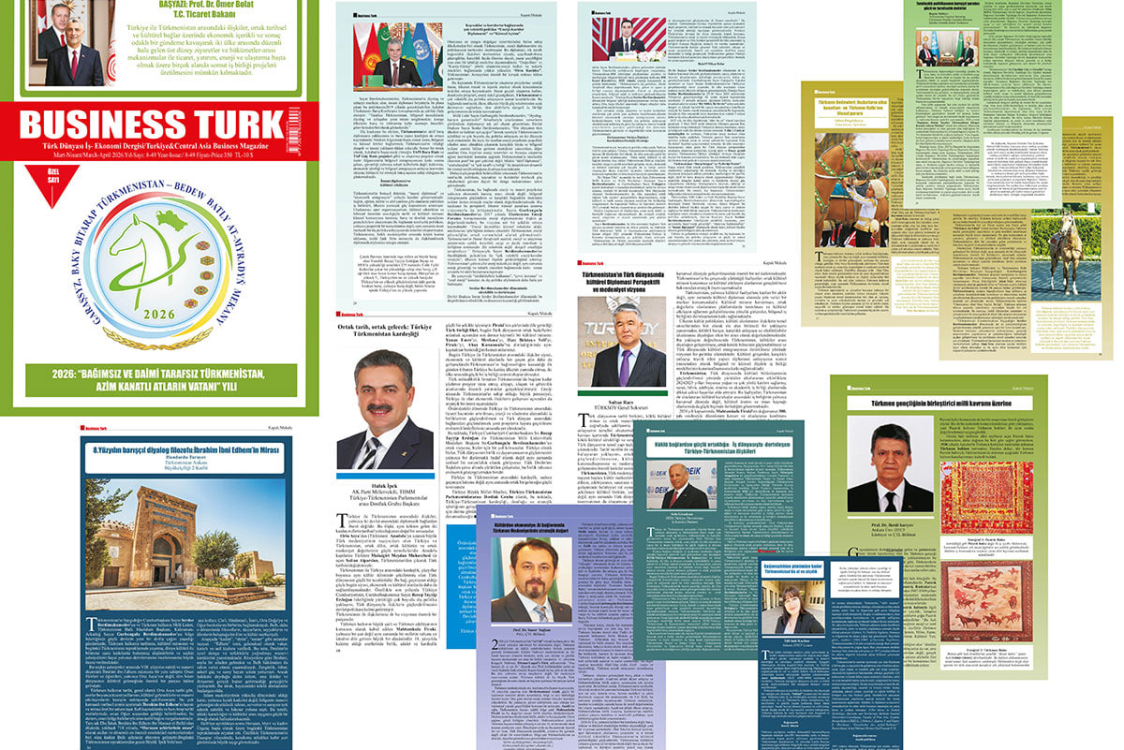
The Turkish magazine ‘Business Türk’ has dedicated an issue to Turkmenistan’s motto of the year
23.04.2026The Turkish magazine ‘Business Türk’ has published a special issue dedicated to Turkmenistan’s 2026 motto. The initiative for the publication came from the Embassy of Turkmenistan in the Republic of Turkey. This was reported by the publication ‘Turkmenistan: Golden age’. The issue highlights the country’s history of independence and its achievements in the political, economic, social, legal, scientific and cultural spheres. The authors of the articles — Turkish statesmen, political scientists and university leaders — particularly emphasised the uniqueness of Turkmen neutrality and its role in regional stability. The magazine also features articles on the prospects for Turkmen-Turkish cooperation and Turkmenistan’s international initiatives in the fields of energy, transport and water diplomacy. The publication coincides with the upcoming celebrations marking the 35th anniversary of Turkmenistan’s independence.
Read also
Advertising


 Read us in Zen


