

Health
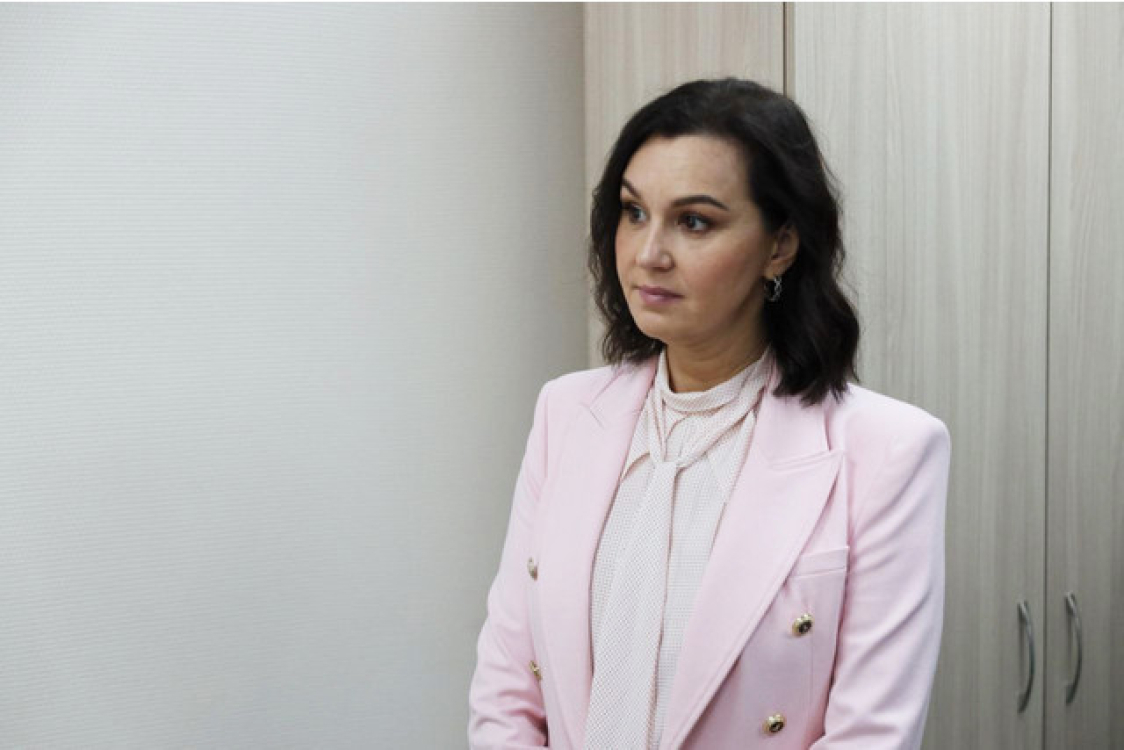
The Russian delegation assessed the new medical centers in Ashgabat
14.10.2026An international exhibition and scientific conference entitled «Healthcare, Education and Sports in the Era of the Revival of a New Epoch of a Powerful State» were held in Ashgabat. A delegation from the Russian Ministry of Health, headed by Deputy Minister Evgenia Kotova, took part in the events, according to the news agency «Turkmenistan: Golden Age». As part of the celebration of Turkmenistan's Healthcare and Medical Industry Workers' Day, with the participation of President Serdar Berdimuhamedov, three medical institutions were opened: the International Scientific and Clinical Oncology Center, the Dental Center and the International Center of Pediatrics. The Russian delegation visited the new facilities and noted the modern equipment, as well as the attention to patient comfort and the working conditions of medical staff. According to Evgenia Kotova, the opening of the centers will help improve the accessibility and quality of specialized medical care. At the opening of the oncology center, Russian specialists presented the results of the implementation of the national project to combat cancer. According to the data presented, over the past ten years, the share of cancer cases detected at early stages in Russia has exceeded 60%, and diagnostic indicators have improved by more than twofold. During the meetings the parties discussed prospects for bilateral cooperation in healthcare and the exchange of professional experience. The Russian delegation expressed its readiness to share its experience with Turkmen specialists in diagnostics, treatment and the organization of medical care.
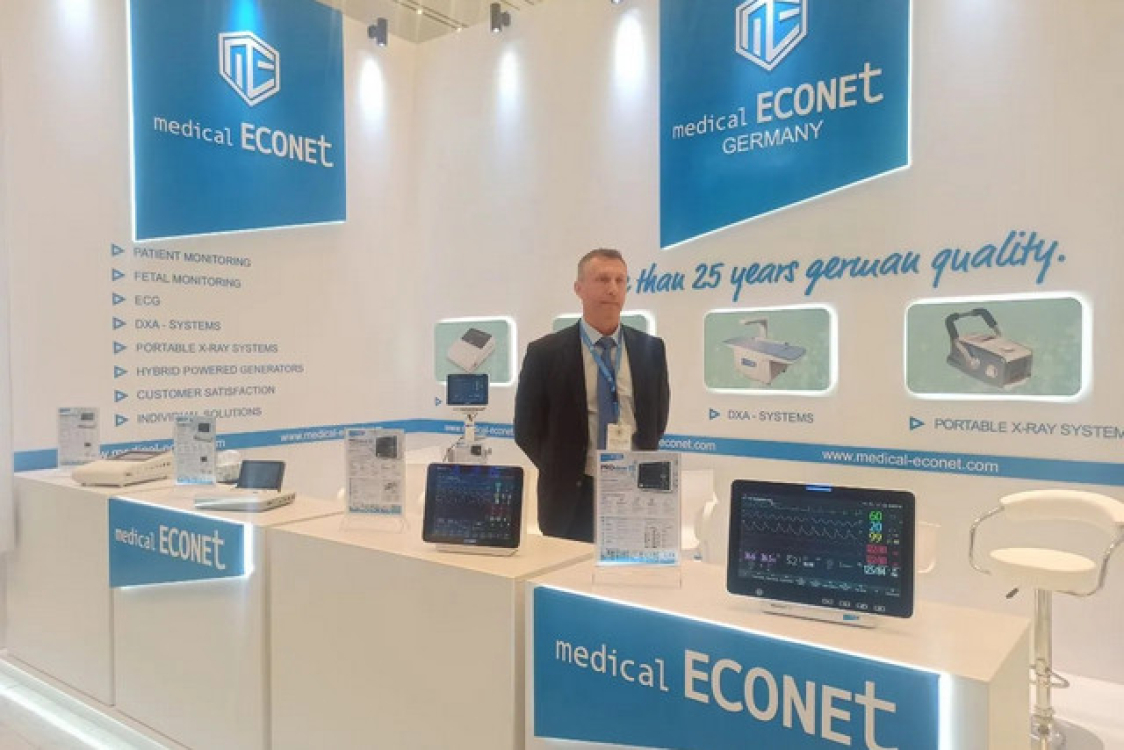
Medical Econet GmbH showcased medical equipment in Ashgabat
11.10.2026The German company Medical Econet GmbH has showcased diagnostic and monitoring equipment at the ‘Healthcare-2026’ International Medical Exhibition, which is taking place in Ashgabat from 10 to 12 October. This was reported by the news website Turkmenportal. At the company’s stand, official representative Peter Nachtigal is introducing doctors and clinic managers to solutions for diagnosing and monitoring patients. The exhibition features cardiotocographs for monitoring the condition of the mother and foetus, portable electrocardiographs and bedside monitors for round-the-clock monitoring of patients’ vital signs in resuscitation and intensive care units. The equipment complies with the requirements of the Ministry of Health of Turkmenistan. The ‘Healthcare-2026’ exhibition will run until 12 October inclusive.
A new complex of buildings at the ‘Arçman’ health resort has opened in Turkmenistan
10.10.2026On 9 October, the opening of the new complex of buildings at the ‘Arçman’ sanatorium took place, attended by the National Leader of the Turkmen people and Chairman of the Halk Maslahaty of Turkmenistan, Gurbanguly Berdimuhamedov. This was reported by the news agency ‘Turkmenistan: Golden age’. Construction of medical and health resort facilities continues in Turkmenistan. These facilities are equipped with modern equipment, and the services provided meet international standards. The ‘Arçman’ sanatorium is one of the country’s health centres. Its healing waters and wellness services attract visitors seeking treatment and relaxation. A large-scale modernisation of the sanatorium began on the initiative of the Hero Arkadag. In 2009, a new 400-bed wing was built here, a supply of drinking water was organised from a spring located seven kilometres away, and the grounds were landscaped. A health trail was also laid out, allowing visitors to combine treatment with physical activity.

Turkmenistan is steadily developing its healthcare system
08.10.2026The development of the national healthcare system, medical infrastructure and pharmaceutical industry continues in Turkmenistan. Over the years since independence, the country has established a modern healthcare model that combines international standards, cutting-edge technologies and domestic medical expertise, according to the news agency ‘Turkmenistan: Golden age’. As part of the ‘Saglyk’ State Programme, developed over 30 years ago, hospitals, diagnostic and scientific-clinical centres, health centres and sanatoriums have been built. Programmes are being implemented in the areas of immunisation, disease prevention, healthy lifestyles and the development of sport. International medical cooperation plays a significant role in state policy. In March 2026, a Resolution issued by President Serdar Berdimuhamedov approved the National Strategy for International Medical Cooperation for 2026–2052 and the Action Plan for its implementation. The document provides for further cooperation with foreign partners and specialised agencies of the United Nations system, including the World Health Organisation. The development of specialised fields of medicine is continuing. In 2024, the International Health and Rehabilitation Centre and the International Scientific and Clinical Centre for Physiology opened in Ashgabat. In 2025, a modern Health Centre began operating in the capital, whilst the 300-bed Mary Regional Infectious Diseases Hospital opened in the ‘Täze güýç’ residential complex. In 2026, President Serdar Berdimuhamedov inspected the progress of construction and modernisation at a number of medical facilities. These included the ‘Arçman’ sanatorium, the International Paediatric Centre and the Dental Centre in Ashgabat. The National Leader of the Turkmen people and Chairman of the Halk Maslahaty of Turkmenistan, Gurbanguly Berdimuhamedov, also inspected the final stage of construction of the International Scientific and Clinical Centre for Oncology. Cooperation with the International Atomic Energy Agency is developing in the field of oncology, disease prevention and treatment. The new Country Framework Programme for 2026–2030 provides for further technical cooperation and the introduction of innovative technologies into nuclear medicine. Particular attention is being paid to the protection of maternal and child health. In 2026, the National Programme for the Protection of Maternal and Child Health in Turkmenistan for 2026–2030, ‘Healthy Mother – Healthy Child – Healthy Future’, was approved. It provides for disease prevention, the promotion of maternal and child health, and the improvement of medical infrastructure, reproductive and perinatal services. The development of paediatric medicine and social support remains a separate priority. The Gurbanguly Berdimuhamedov Charitable Foundation for Assistance to Children in Need of Guardianship provides medical facilities with equipment and supports the treatment and surgery of children. The Foundation’s international cooperation is based on Memoranda of Understanding with the United Nations Children’s Fund (UNICEF), China’s Soong Ching Ling Foundation and Azerbaijan’s Heydar Aliyev Foundation. At the same time, the domestic pharmaceutical industry is expanding. The company ‘Arkadag Medisina Klasteri Menejment’ manufactures medical devices and baby food, whilst the construction of the Medical Cluster complex in the city of Arkadag will enable the range of domestic medical products to be expanded. The development of the healthcare system continues within the framework of government programmes and new projects aimed at improving medical infrastructure, introducing modern technologies and enhancing the quality of medical services.
An international conference on healthcare has begun in Turkmenistan
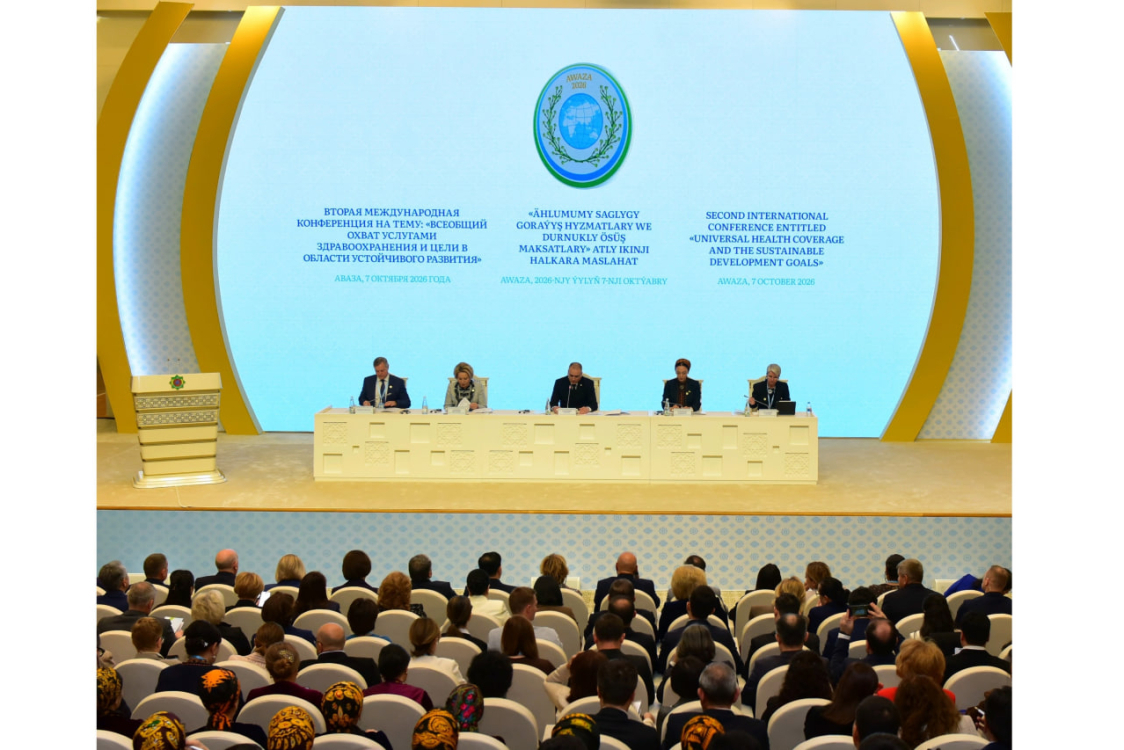
07.10.2026On 7 October 2026, the Second International Conference entitled ‘Universal Health Coverage and the Sustainable Development Goals’ got underway at the ‘Awaza’ National Tourist Zone. This was reported by the press office of the Mejlis of Turkmenistan. This high-level forum aims to improve the healthcare system, achieve the Sustainable Development Goals and strengthen international cooperation. It also serves as a platform for sharing national experiences and promoting positive initiatives. The conference will continue with a plenary session and thematic sessions.
An international conference on healthcare issues is to be held in Awaza
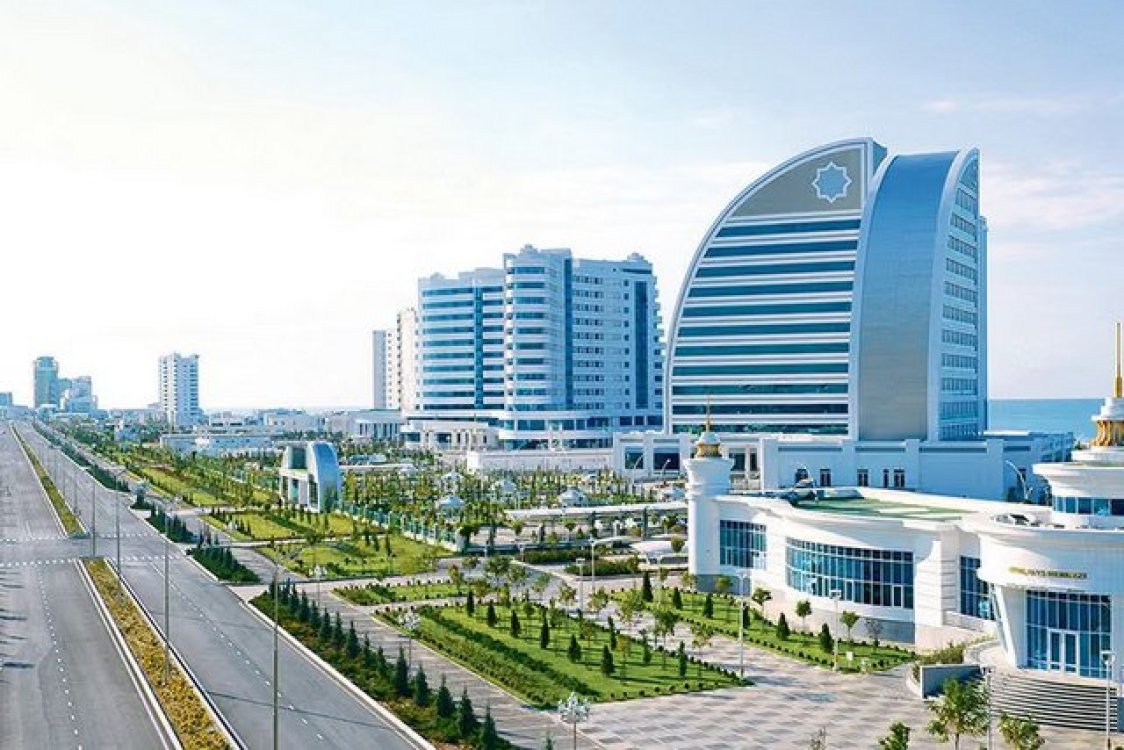
02.10.2026On 7 October, Turkmenistan will host the Second International Conference on ‘Universal Health Coverage and the Sustainable Development Goals’. The forum is being organised by the Mejlis of Turkmenistan, the CIS Interparliamentary Assembly and the WHO Regional Office for Europe, according to IIC of Turkmenistan. The conference will take place as part of Turkmenistan’s chairmanship of the CIS and the Year of Health Promotion in the Commonwealth. It will follow on from the first conference, held in November 2021. The forum will be attended by heads of parliaments and health ministries from CIS countries, representatives of the WHO and the CIS Executive Committee, and international experts in the fields of law and public health. Participants will discuss the development of primary healthcare, access to medicines and the legislative regulation of tax policy, taking into account health protection issues. The conference will also serve as a platform for preparing inter-regional proposals for the high-level meeting of the UN General Assembly on universal health coverage, scheduled for September 2027.
Turkmenistan took part in discussions on investment in the ‘One Health’ approach
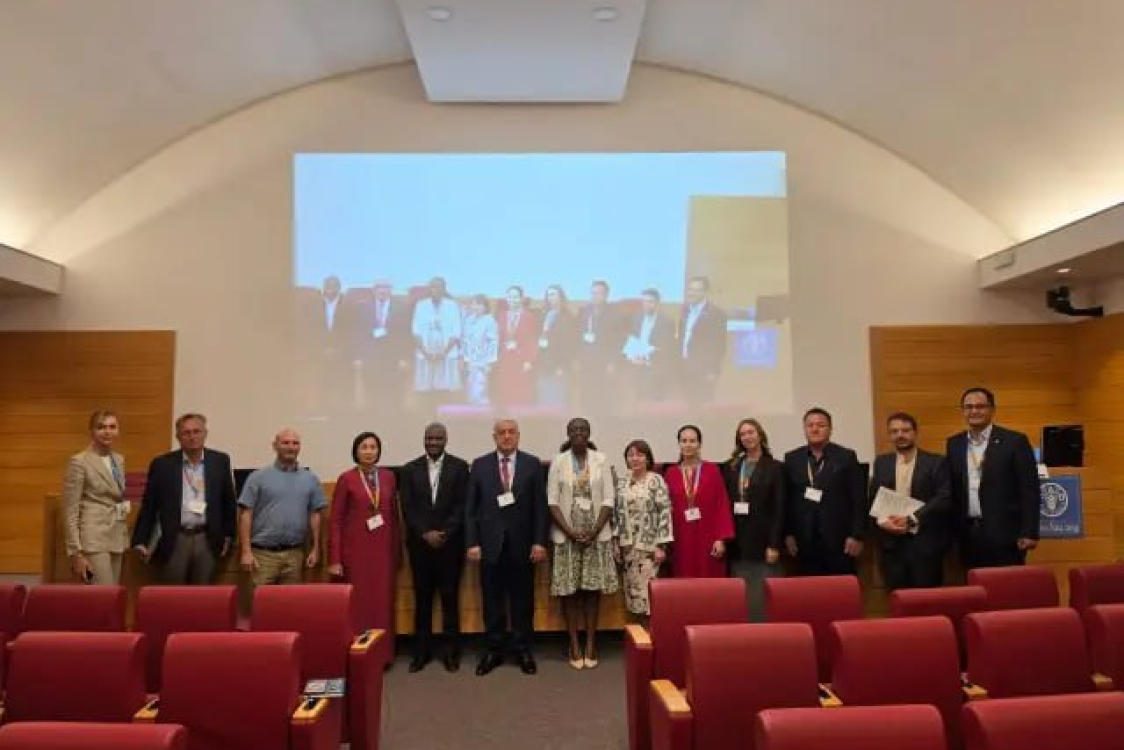
25.09.2026Representatives from Turkmenistan took part in a meeting on investment in the ‘One Health’ approach in Central Asia. The event took place on 23 September at FAO headquarters in Rome as part of the FAO Global Conference on implementing this approach in agri-food systems, reports Turkmenportal. The event was organised by the Regional Environmental Centre for Central Asia (CAREC) and the World Bank. Representatives from five countries in the region discussed investment priorities for the next two to three years and regional cooperation in tackling cross-border threats. As part of the regional plan, efforts are being made to develop laboratory cooperation, joint risk assessment and preparedness for cross-border threats. Issues such as antimicrobial resistance, the harmonisation of legislation and the creation of a unified information platform are also being addressed. Participants discussed mechanisms for sustainable financing, including national budgets, blended finance and public-private partnerships. It is planned to take the meeting’s recommendations into account during the next phase of implementing the ‘One Health’ Regional Action Plan.
New healthcare facilities are set to open in time for the professional holiday
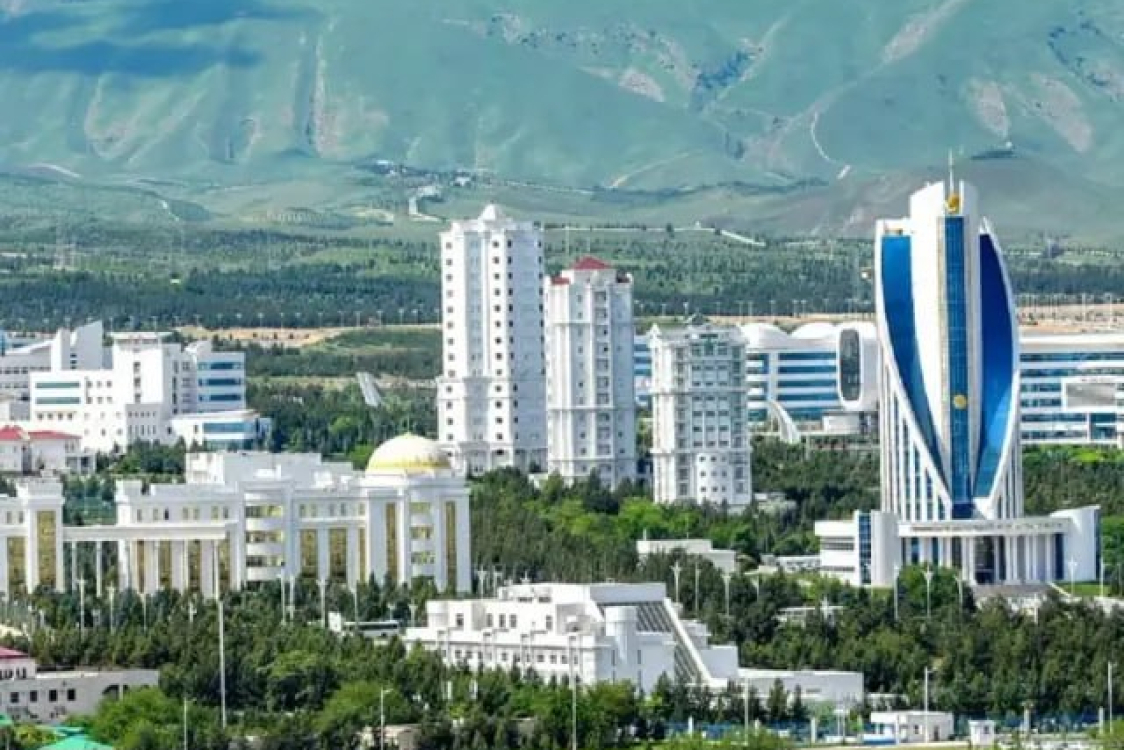
20.09.2026On 18 September, at a meeting of the Cabinet of Ministers of Turkmenistan, Deputy Chairman of the Cabinet of Ministers B. Mammedov reported on preparations for events to mark Healthcare and Medical Industry Workers’ Day. This was reported by the TDH news agency. As part of the ‘Saglyk’ State Programme, an additional complex of buildings at the ‘Arçman’ sanatorium in the Baherden etrap of the Ahal velayat is scheduled to be commissioned in October. In Ashgabat, the International Scientific and Clinical Centre for Oncology, the International Centre for Paediatrics and the Dental Centre will be opened. The professional holiday will also be marked by the International Exhibition and Scientific Conference ‘Healthcare, Education and Sports in the Renaissance Era of a New Epoch of a Powerful State’ and other events. The Deputy Prime Minister presented the relevant proposal to the Head of State. The President of Turkmenistan, Serdar Berdimuhamedov, instructed that preparations be made for the exhibition and conference, and that opening ceremonies be organised for the new medical facilities.
A delegation from Turkmenistan is taking part in the ‘One Health’ conference in Bishkek
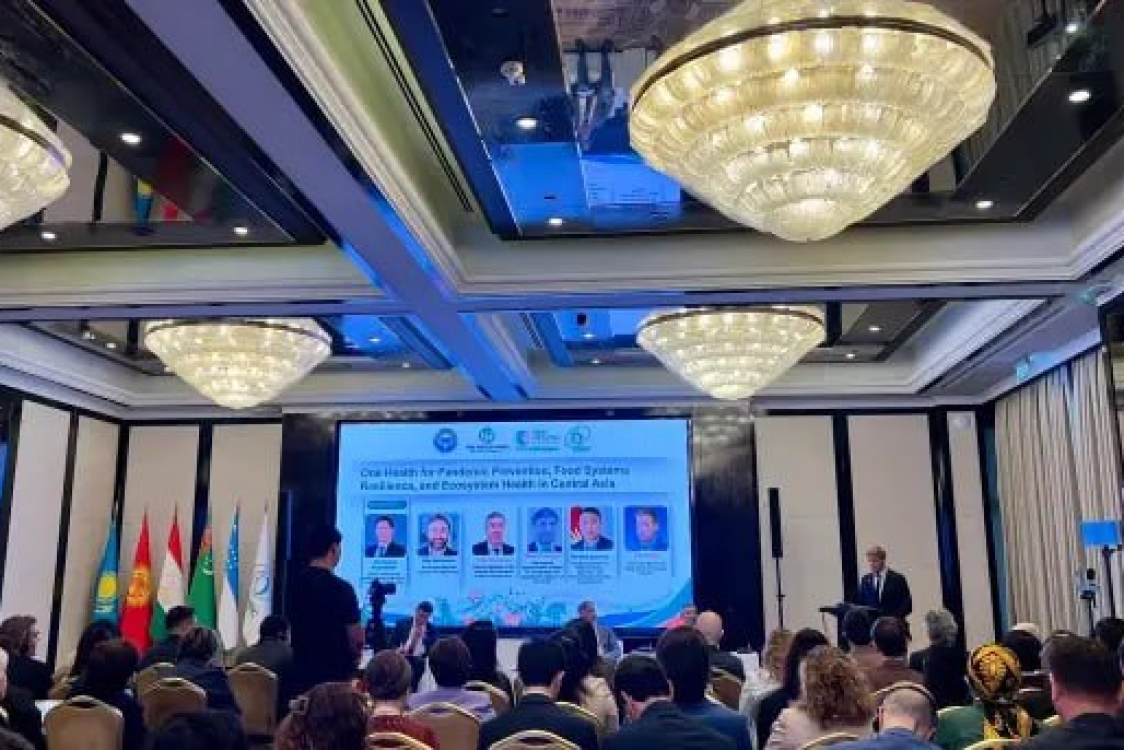
14.09.2026The “One Health – 2026” Regional Conference opened in Bishkek on 14 September. More than 150 representatives of government bodies, international organisations and the expert community from five Central Asian countries, including Turkmenistan, are taking part, according to the news website Turkmenportal. Delegates are discussing ways to strengthen regional cooperation in the prevention of zoonotic diseases, pandemic preparedness, epidemiological and veterinary surveillance, as well as collaboration between the health, agriculture and environmental sectors. The event was organised by the Government of the Kyrgyz Republic, the Regional Environmental Centre for Central Asia (CAREC) and the World Bank, with the support of the Pandemic Fund and the Quadripartite Secretariat for One Health — FAO, WHO, WOAH and UNEP. The high-level plenary session was moderated by Zharkynbek Kasymbekov, Director of the National Institute of Public Health under the Ministry of Health of the Kyrgyz Republic. The session featured a presentation on the Kyrgyz component of the ‘One Health’ programme, which provides for funding of US$30 million in the form of a loan and US$1.79 million in the form of a grant. The funds are intended to strengthen governance in this sector, develop human resource capacity and improve systems for prevention, detection and response to threats, including laboratory networks and epidemiological surveillance. The World Bank’s Regional Director for Central Asia, Najy Benhassine, noted that the Bank provides financial and technical support to countries in the region, helping to strengthen national systems and foster collaboration on preventing cross-border infectious disease threats. Batyr Mammedov, Executive Director of CAREC, emphasised that the regional initiative is moving from the development of common approaches to practical implementation, and highlighted the role of the ‘One Health’ Regional Secretariat, based at CAREC, in coordinating actions between countries. During the conference, representatives from Kazakhstan, Kyrgyzstan, Tajikistan, Turkmenistan and Uzbekistan are discussing the progress of national programmes and priorities for further cooperation.
The Mejlis of Turkmenistan is improving the legislative framework
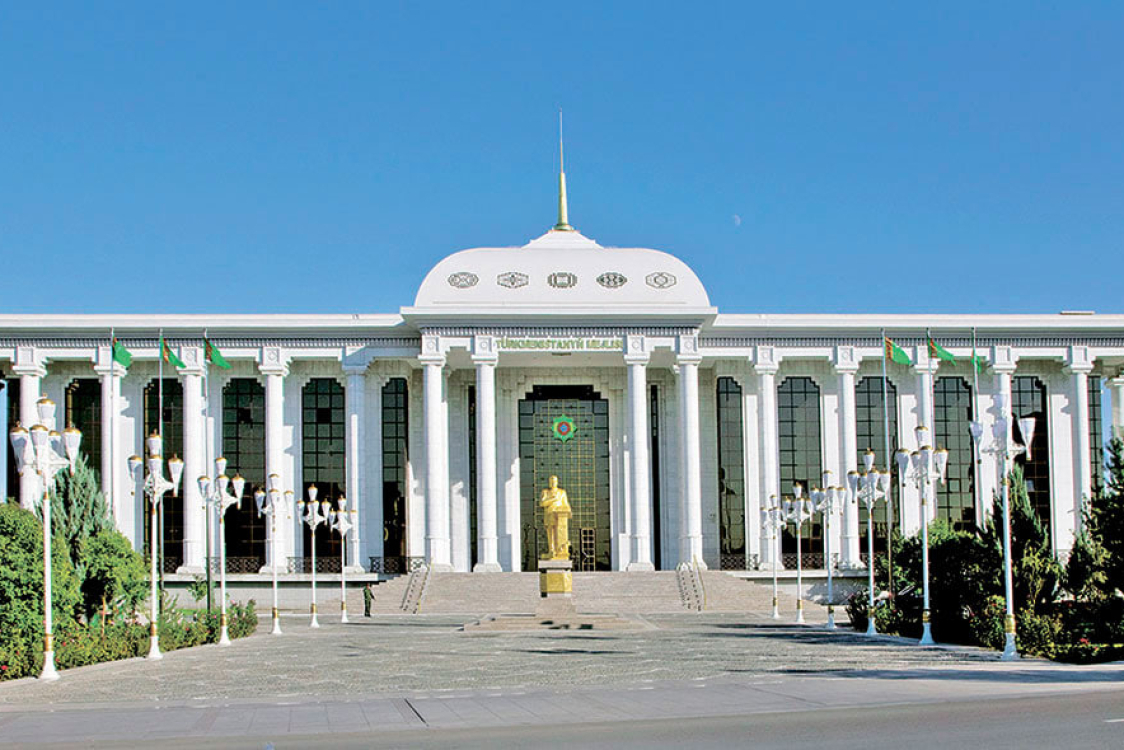
12.09.2026On 11 September, at a meeting of the Cabinet of Ministers of Turkmenistan, the Chairwoman of the Mejlis, D. Gulmanova, presented information on efforts to improve the country’s legislation. This was reported by the news agency TDH. Working groups are currently drafting the Laws of Turkmenistan ‘On State Registration of Rights to Real Estate’ and ‘On State Protection of Ahal-Teke Horses in Turkmenistan’. Amendments and additions are also being prepared for the laws ‘On Leasing’, ‘On Joint-Stock Companies’, ‘On Publishing Activities’ and ‘On the Licensing of Certain Types of Activities’. In addition, information was presented on preparations for the next session of the Halk Maslahaty of Turkmenistan. As part of an exchange of experience in the field of law-making, representatives of the national parliament visited Samarkand (Republic of Uzbekistan) and Kuala Lumpur (Malaysia). President Serdar Berdimuhamedov emphasised the importance of further strengthening the country’s legal framework and improving legislative activity.

A delegation from Turkmenistan took part in an obstetrics conference in Ankara
10.09.2026A delegation from Turkmenistan took part in the regional conference ‘Accelerating Midwifery in Eastern Europe and Central Asia’, held on 7–8 September in Ankara. This was reported by Turkmenportal. The conference was attended by representatives of health ministries, international experts and specialists from countries in the region. Participants discussed the development of midwifery, regional cooperation and the preparation of multi-year national action plans to ensure safe motherhood and strengthen health systems. The event was organised by the United Nations Population Fund (UNFPA), the Turkish Ministry of Health and the Turkish Cooperation and Co-ordination Agency (TIKA). The conference also served as a platform for political dialogue, the exchange of experiences and the alignment of national practices with international standards in the field of maternal and newborn health.
St. Petersburg has proposed cooperation with Turkmenistan in the fields of medicine and culture
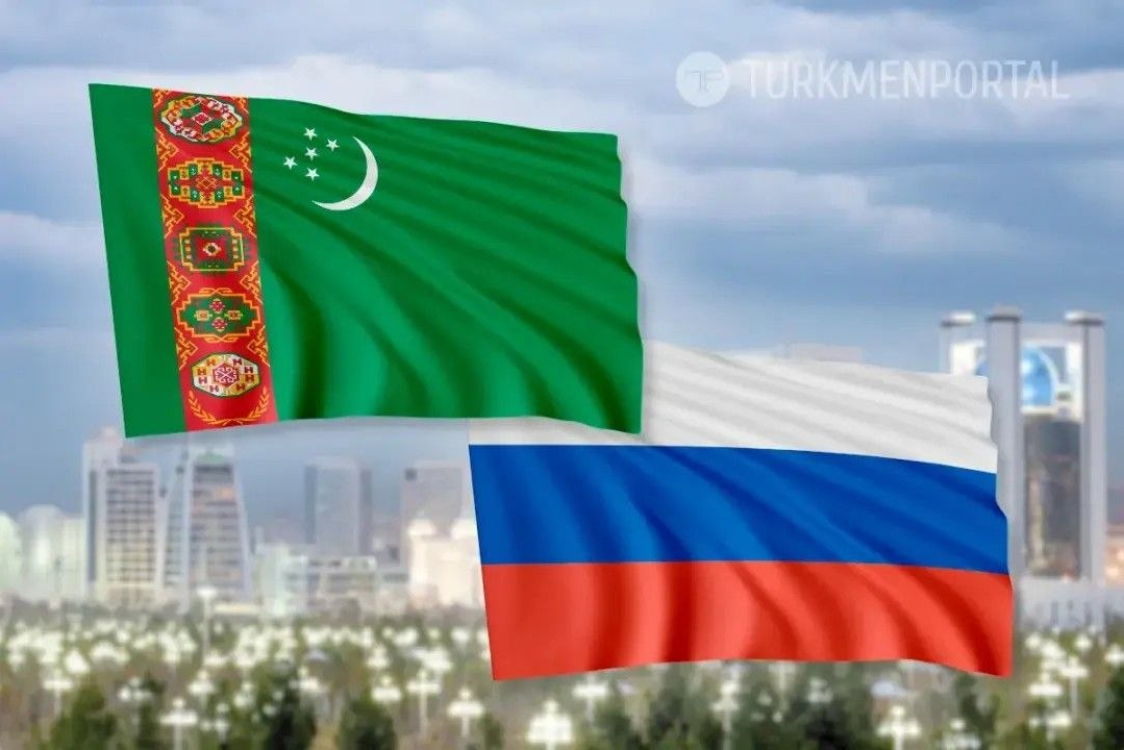
10.09.2026St. Petersburg has proposed that Turkmenistan develop cooperation in the field of medicine, as well as organise cultural exchanges and tours by theatre companies. This was stated to journalists by the city’s vice-governor, Vladimir Omelnytsky, according to the news website Turkmenportal. ‘We proposed the possibility of holding so-called video conferences using artificial intelligence to exchange expertise, because there are top-level professionals in medical institutions in both Turkmenistan and St. Petersburg,’ he said, adding that St. Petersburg’s medical professionals have accumulated a wealth of experience in preserving health and saving lives, which they are ready to share. Furthermore, according to Omelnytsky, the parties discussed cooperation in the cultural sphere — St. Petersburg proposed organising touring performances by theatre companies and presenting exhibitions from its museums in Ashgabat. ‘The cultural capital — the city of St. Petersburg — is ready to share everything we have... I am talking about museums and exhibitions that we are ready to stage here, in the halls of Ashgabat,’ said the vice-governor. He expressed confidence that all the proposals put forward by the St. Petersburg side would be implemented, and thanked the Government of Turkmenistan for its attentive consideration of them. Omelnytsky is on a working visit to Turkmenistan on behalf of the Governor of St. Petersburg, Alexander Beglov. As part of the trip, he held a meeting with Bahar Seyidova, Deputy Chairwoman of the Cabinet of Ministers of Turkmenistan for Culture and the Media, during which the parties discussed promising areas for cooperation.
Read also
Advertising


 Read us in Zen


