

Policy
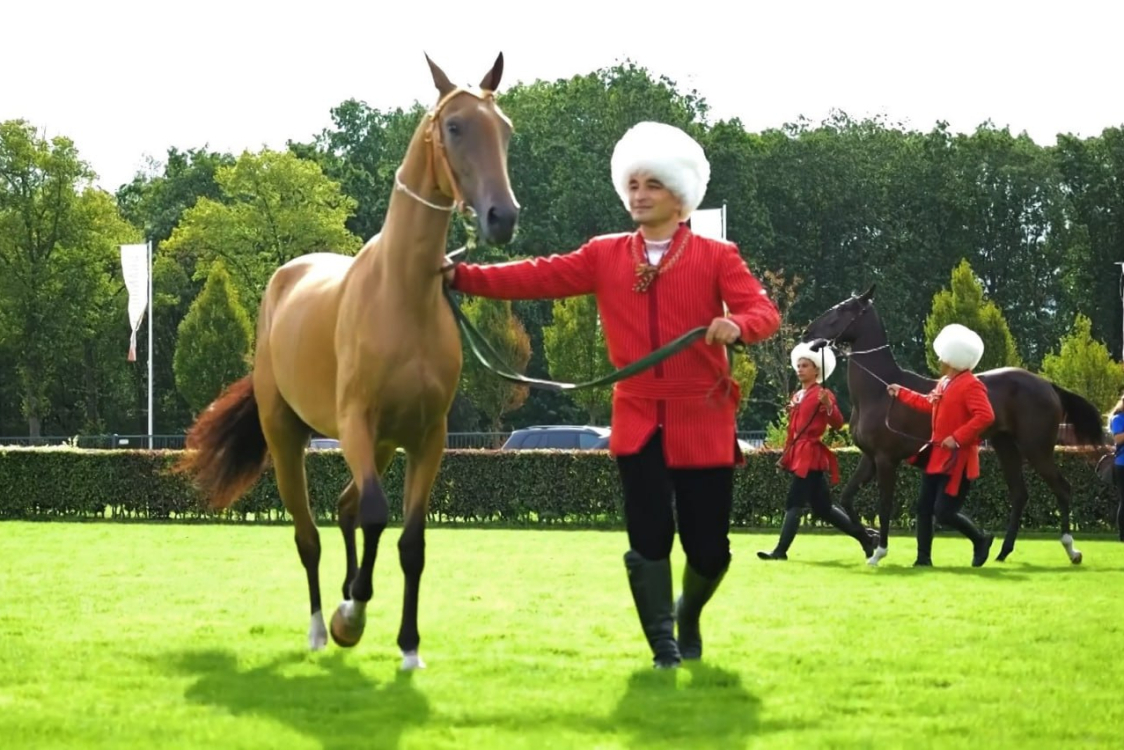
The Hero Arkadag’s visit to the Netherlands has strengthened equine diplomacy
06.09.2026On 5 September, the National Leader of the Turkmen people and Chairman of the Halk Maslahaty of Turkmenistan, Gurbanguly Berdimuhamedov, visited the Kingdom of the Netherlands, where the World Equestrian Games and the Ahal-Teke Horse Beauty Contest are taking place. This was reported by the Orient news agency. As part of the visit, Gurbanguly Berdimuhamedov took part in an open meeting of the International Association of Ahal-Teke Breeding. The forum and professional competitions organised in Europe highlight the status of the Ahal-Teke breed as a cultural heritage of Turkmenistan. The visit contributes to the expansion of international contacts, the promotion of the Ahal-Teke breed and the development of humanitarian dialogue between Turkmenistan and European countries.
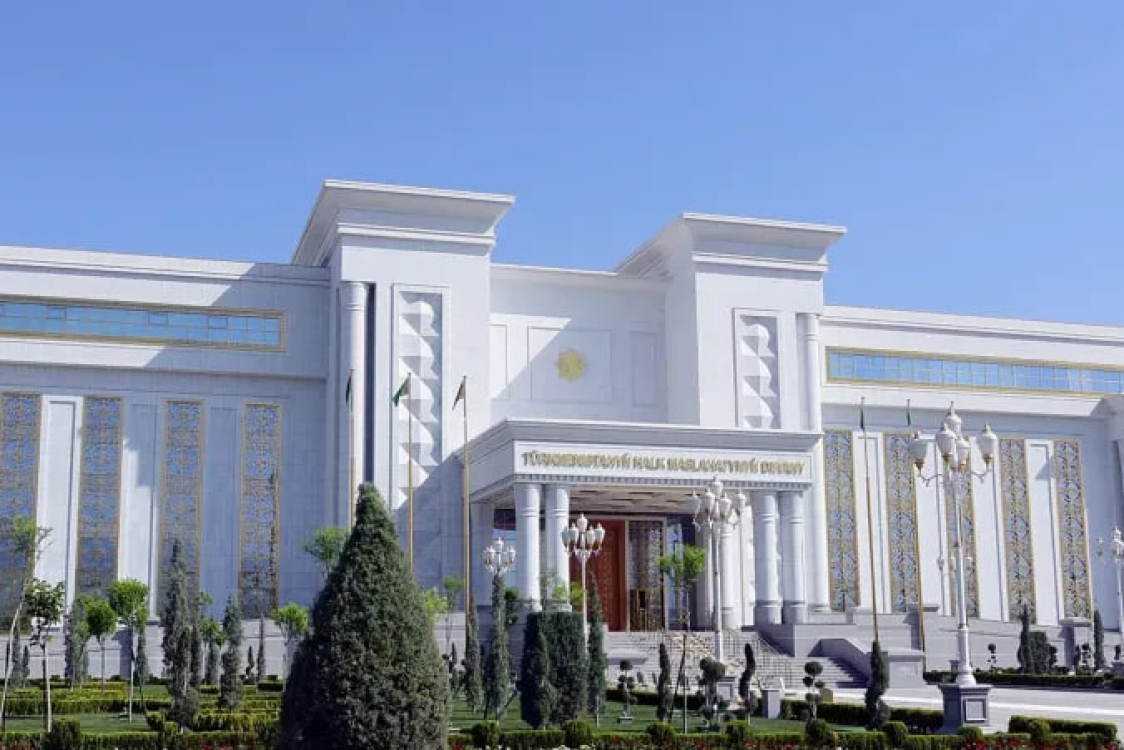
Gurbanguly Berdimuhamedov has left on a visit to the Kingdom of the Netherlands
06.09.2026The National Leader of the Turkmen people and Chairman of the Halk Maslahaty of Turkmenistan, Gurbanguly Berdimuhamedov, departed on 5 September for a visit to the Kingdom of the Netherlands to take part in the World Ahal-Teke Horse Beauty Championship and equestrian competitions. This was reported by the news website Turkmenportal. According to the source, Hero Arkadag will take part in events marking the conclusion of the first World Championship for Ahal-Teke horses in beauty, dressage and show jumping. As part of the events, an open meeting of the International Association of Ahal-Teke Breeding is expected to take place. The National Leader of the Turkmen people was welcomed at Ashgabat International Airport by officials of the country.
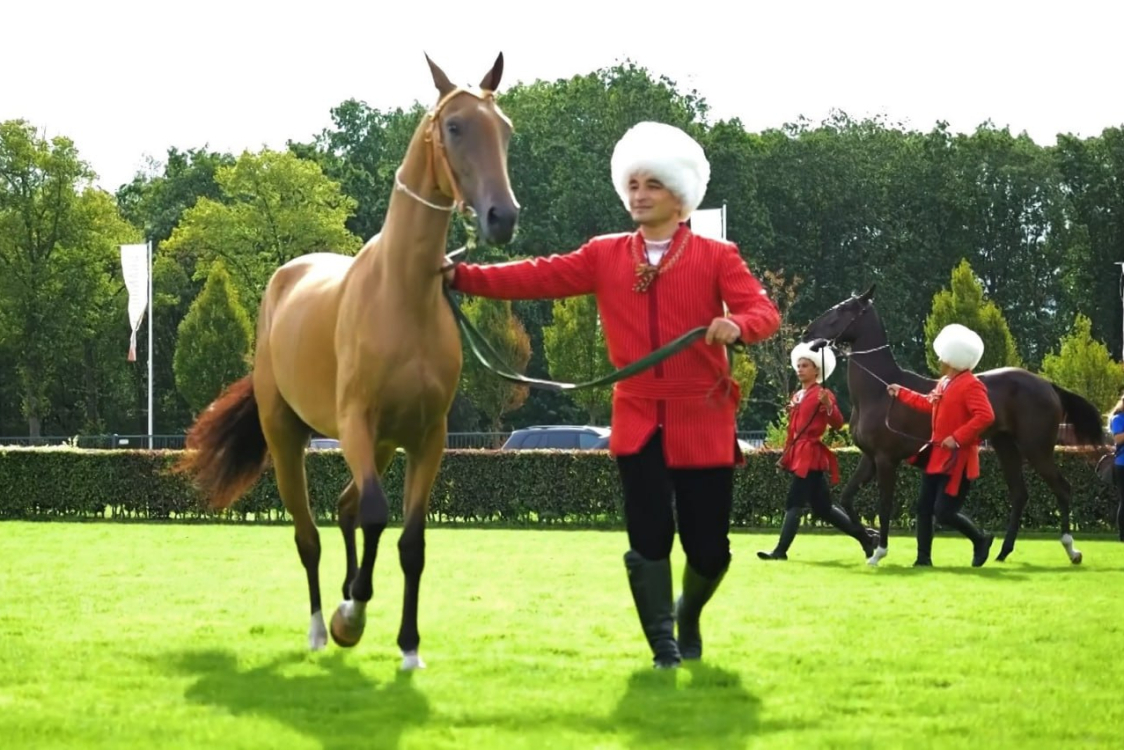
The Hero Arkadag’s visit to the Netherlands has strengthened equine diplomacy
06.09.2026On 5 September, the National Leader of the Turkmen people and Chairman of the Halk Maslahaty of Turkmenistan, Gurbanguly Berdimuhamedov, visited the Kingdom of the Netherlands, where the World Equestrian Games and the Ahal-Teke Horse Beauty Contest are taking place. This was reported by the Orient news agency. As part of the visit, Gurbanguly Berdimuhamedov took part in an open meeting of the International Association of Ahal-Teke Breeding. The forum and professional competitions organised in Europe highlight the status of the Ahal-Teke breed as a cultural heritage of Turkmenistan. The visit contributes to the expansion of international contacts, the promotion of the Ahal-Teke breed and the development of humanitarian dialogue between Turkmenistan and European countries.
Gurbanguly Berdimuhamedov has left on a visit to the Kingdom of the Netherlands
06.09.2026The National Leader of the Turkmen people and Chairman of the Halk Maslahaty of Turkmenistan, Gurbanguly Berdimuhamedov, departed on 5 September for a visit to the Kingdom of the Netherlands to take part in the World Ahal-Teke Horse Beauty Championship and equestrian competitions. This was reported by the news website Turkmenportal. According to the source, Hero Arkadag will take part in events marking the conclusion of the first World Championship for Ahal-Teke horses in beauty, dressage and show jumping. As part of the events, an open meeting of the International Association of Ahal-Teke Breeding is expected to take place. The National Leader of the Turkmen people was welcomed at Ashgabat International Airport by officials of the country.
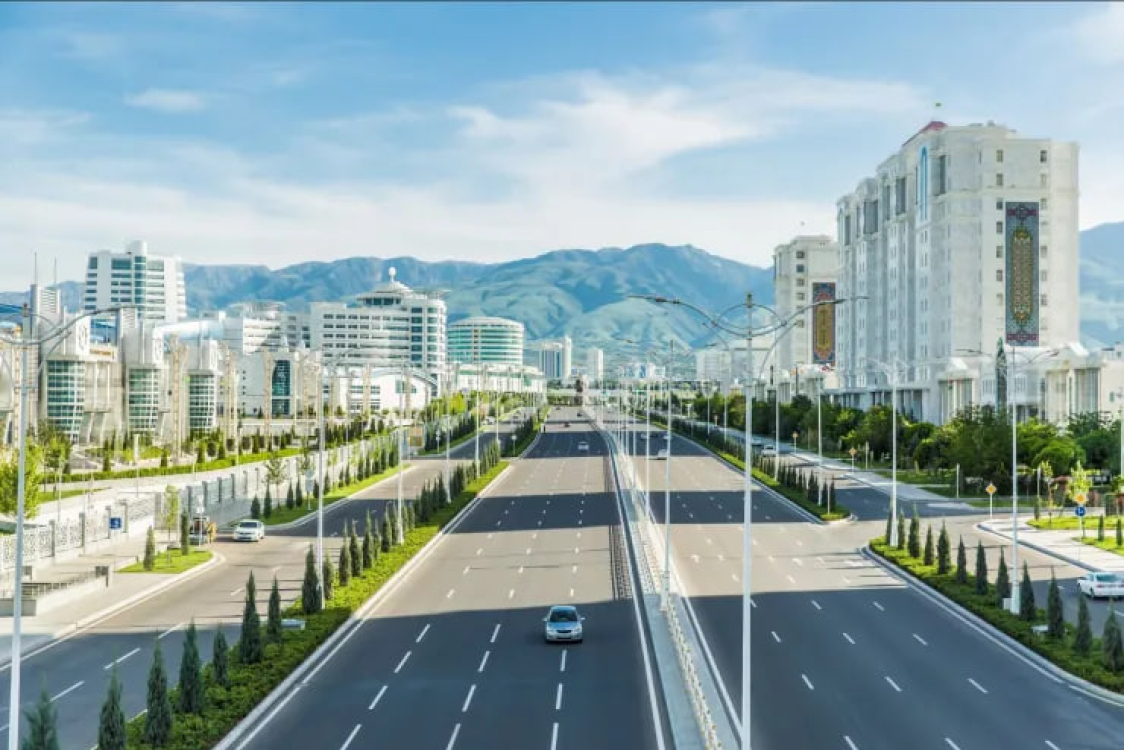
Turkmenistan is preparing to mark the 35th anniversary of its independence
06.09.2026On 27 September, Turkmenistan will mark the 35th anniversary of its independence. The National Leader of the Turkmen people and Chairman of the Halk Maslahaty of Turkmenistan, Gurbanguly Berdimuhamedov, highlighted the special significance of this date for the country and its people, reports Arzuw.news, citing the newspaper ‘Neutral Turkmenistan’. Over the years since independence, programmes to modernise the economy have been implemented in the country. The energy, transport, communications, agro-industrial and financial-banking sectors are developing. GDP growth stood at 6.3 per cent in the first half of 2026. More than 70 per cent of the state budget is allocated to the social sector. During the reporting period, 309,000 square metres of housing were brought into use. The President of Turkmenistan, Serdar Berdimuhamedov, highlighted the increase in the country’s export potential and the introduction of digital technologies into the economy. Turkmenistan is a member of the United Nations and maintains a status of permanent neutrality, enshrined in a UN General Assembly resolution in 1995. In 2026, the country holds the chairmanship of the Commonwealth of Independent States.
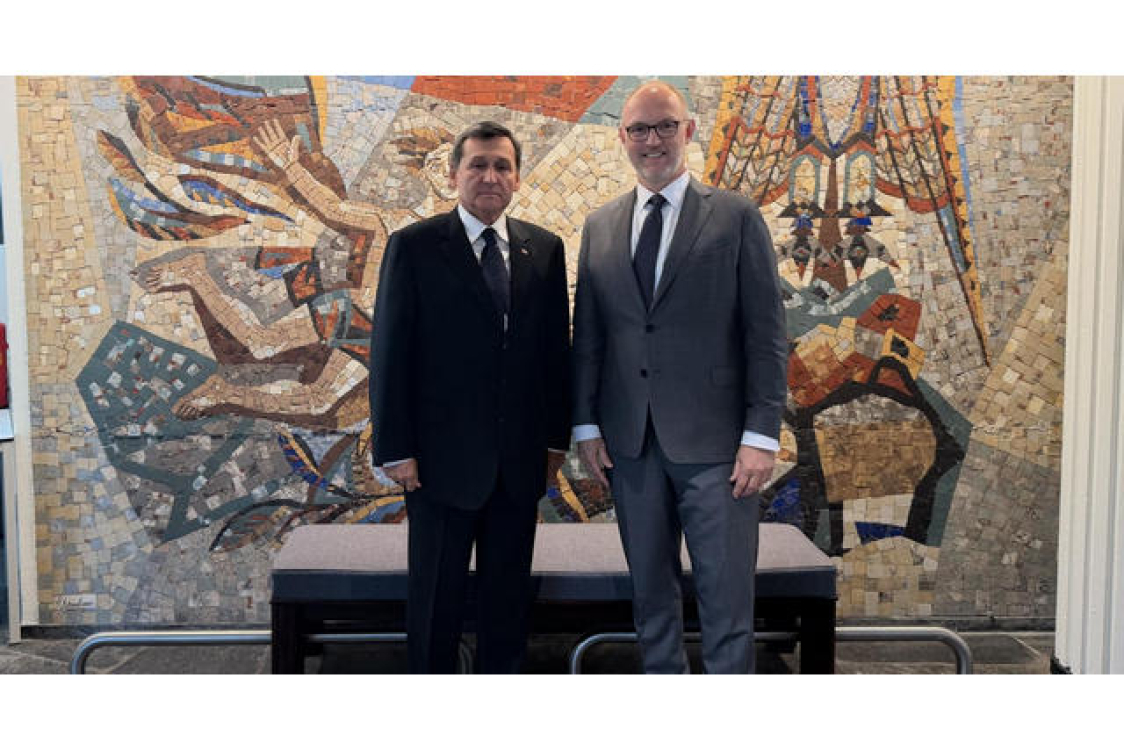
Rashid Meredov held a meeting with an adviser to the Prime Minister of the Netherlands
06.09.2026On 3 September 2026 in The Hague, Turkmenistan’s Foreign Affairs Minister, Rashid Meredov, met with Christoffer Jonker, Adviser to the Prime Minister of the Kingdom of the Netherlands on foreign policy and defence. This was reported by the press office of the Foreign Affairs Ministry of Turkmenistan. The parties discussed the development of Turkmen-Dutch relations, the intensification of political contacts and the expansion of bilateral dialogue, including within the Turkmenistan–European Union framework. During the meeting, views were also exchanged on the international and regional situation. The Turkmen side outlined its approaches, based on the country’s status of permanent neutrality, and emphasised the importance of preventive diplomacy, political dialogue and peaceful means of settlement. Particular attention was paid to economic cooperation, including the involvement of Dutch businesses in projects in Turkmenistan in the fields of shipbuilding and maritime infrastructure, healthcare, innovative technologies and the reduction of methane emissions. The Turkmen side expressed its readiness to facilitate visits by the heads of leading Dutch companies to Turkmenistan and to organise their meetings with representatives of the country’s government bodies and business community. The parties also discussed cultural and humanitarian cooperation. They noted the holding of the World Ahal-Teke Horse Beauty Championship and the International Equestrian Competition in the province of Limburg. The Turkmen side expressed its gratitude for the conditions created to host these events. Following the meeting, the parties reaffirmed their interest in continuing the dialogue and implementing the initiatives discussed.
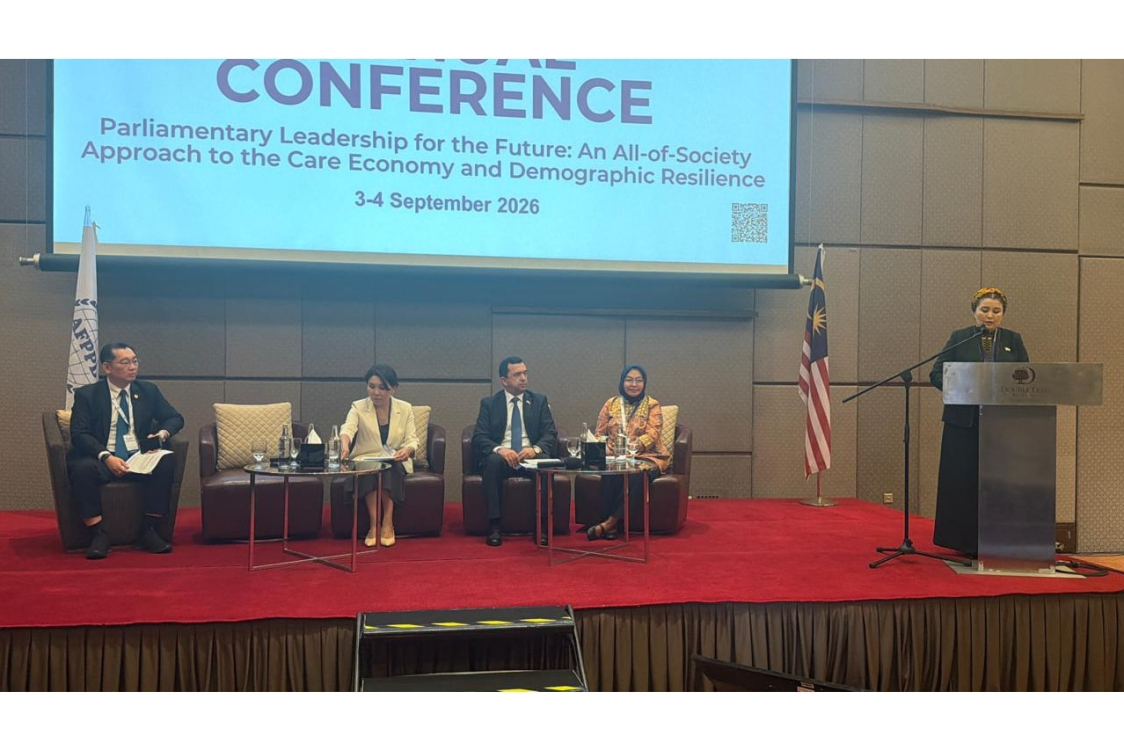
Turkmenistan took part in a regional parliamentary conference
05.09.2026From 3 to 4 September 2026, a representative of the Mejlis of Turkmenistan took part in the regional conference ‘Parliamentary Leadership for the Future: An All-of-Society Approach to the Care Economy and Demographic Resilience’, held in Kuala Lumpur, Malaysia. This was reported by the press office of the Mejlis of Turkmenistan. Participants discussed ways to strengthen inter-parliamentary cooperation, improve legislation, and increase youth engagement and participation in public administration. They also discussed gender equality, the empowerment of women, demographic stability, digital technologies and the implementation of the Sustainable Development Goals. In his address, the representative of the Mejlis of Turkmenistan spoke about state policy in the areas of protecting human rights and freedoms, supporting families and young people, ensuring gender equality and demographic development. It was also noted that measures to develop education and healthcare, digitalise the economy, protect the environment, and promote vocational training and youth employment are being implemented in accordance with the Law of Turkmenistan ‘On State Youth Policy’. Following the conference, participants emphasised the importance of further international cooperation in implementing the United Nations 2030 Agenda, achieving the Sustainable Development Goals, and exchanging experience in the field of demographic and sustainable development.
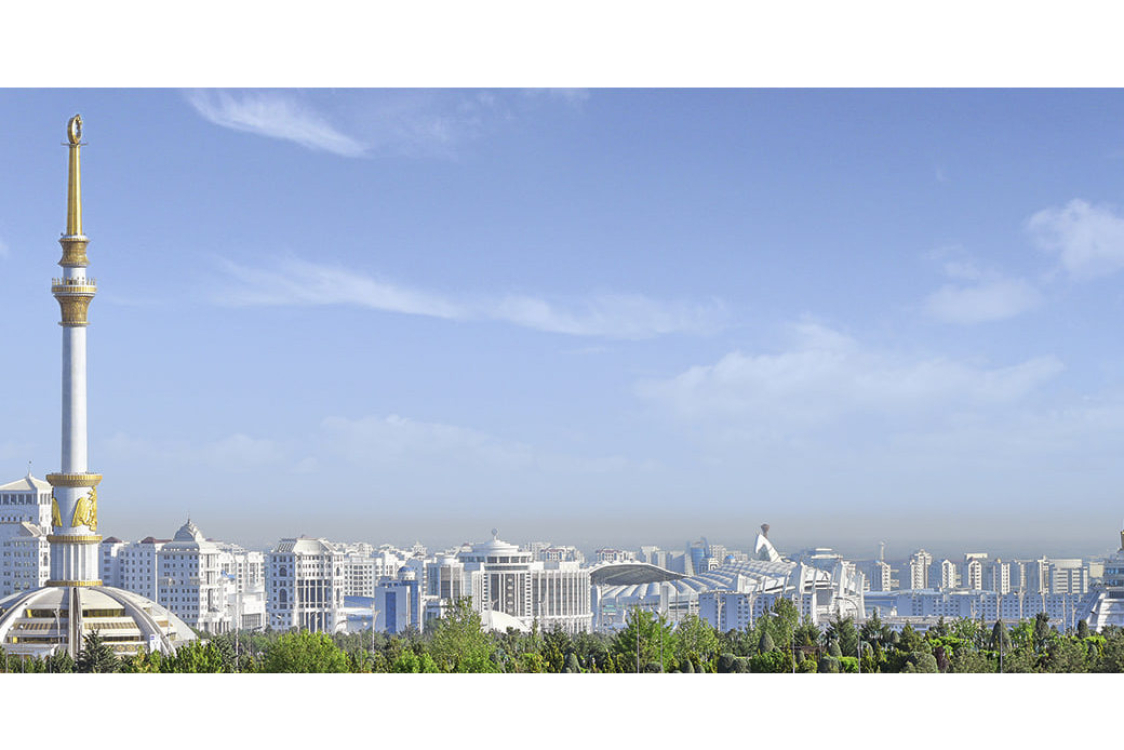
Gurbanguly Berdimuhamedov emphasised the importance of patriotism
05.09.2026At the ‘Ruhyýet’ Palace in Arkadag, the National Leader of the Turkmen people and Chairman of the Halk Maslahaty of Turkmenistan, Gurbanguly Berdimuhamedov, delivered a public lecture to young people. In his speech, Hero Arkadag paid special attention to patriotism, the historical development of the state, and the strengthening of sovereignty, reports the ‘Turkmenistan: Golden age’ news agency. Gurbanguly Berdimuhamedov emphasised that love for one’s homeland is a key sentiment, the foundations of which are laid in one’s youth. The National Leader of the Turkmen people also noted the approaching 35th anniversary of Turkmenistan’s independence and highlighted the country’s achievements over the years since independence. According to the National Leader of the Turkmen people, Turkmenistan is strengthening its international standing and continues to develop as a consistent and dynamically developing state. He cited the motto ‘The Motherland is the Motherland only with the people! The state is a state only with the people!’ as an important guiding principle.
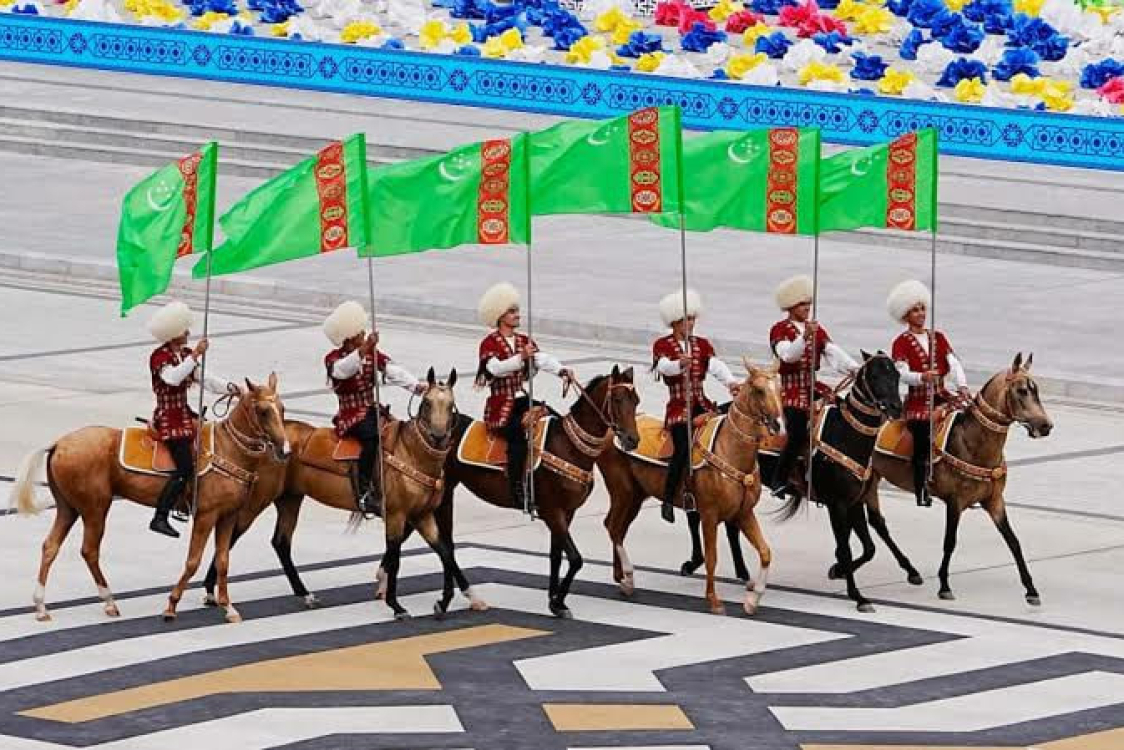
Hero Arkadag highlighted the role of Ahal-Teke horses in the culture of Turkmenistan
05.09.2026Speaking at a general lesson for young people, National Leader of the Turkmen People and Chairman of the Halk Maslahaty of Turkmenistan Gurbanguly Berdimuhamedov spoke about the role of Ahal-Teke horses as a symbol of national dignity and a tool of cultural diplomacy, according to the news agency ‘Turkmenistan: Golden age’. Hero Arkadag noted that the Ahal-Teke horse is a symbol of the independence, sovereignty and national dignity of the Turkmen people. The international promotion of the breed is facilitated by the activities of the International Ahal-Teke Horse Breeding Association, the successes of the ‘Galkynyş’ National Equestrian Games Group, and the inclusion of the art of Ahal-Teke horse breeding and the traditions of horse decoration on UNESCO’s Representative List of the Intangible Cultural Heritage of Humanity. The Chairman of the Halk Maslahaty of Turkmenistan emphasised that in 2026, under the motto ‘Independent Neutral Turkmenistan − the Homeland of Purposeful Winged Horses’, a series of major equestrian events will be organised in Turkmenistan and abroad.
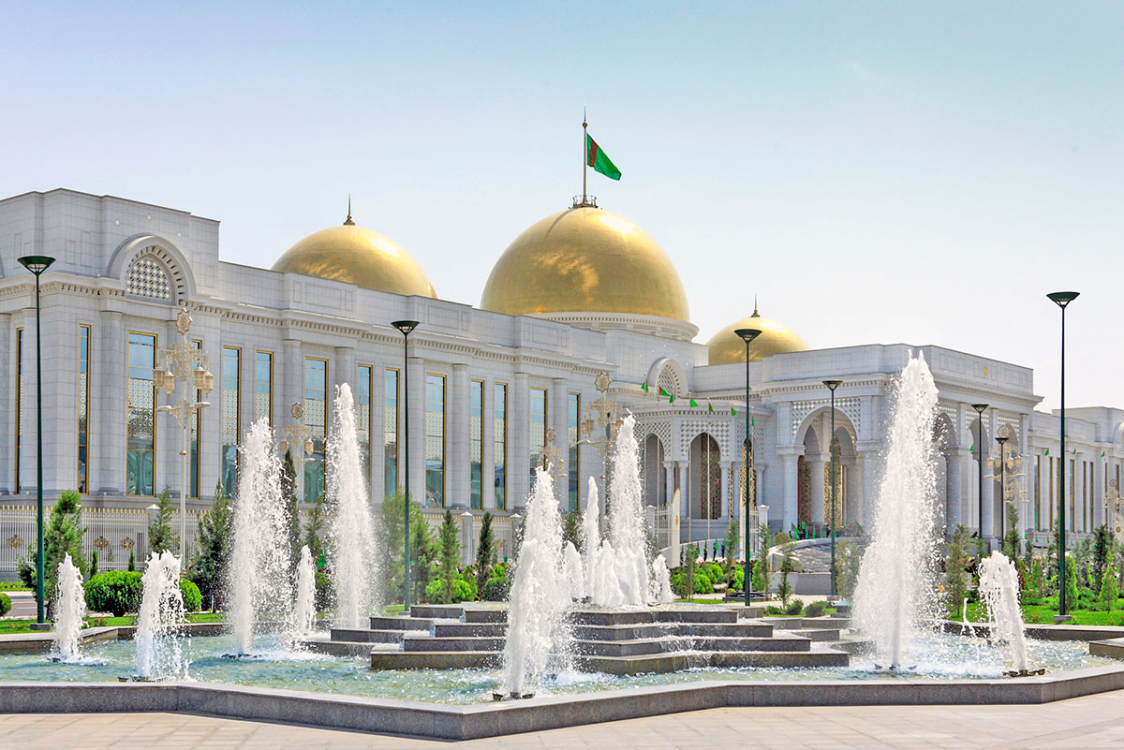
The President of Turkmenistan held a telephone conversation with Nikol Pashinyan
05.09.2026On 4 September, a telephone conversation took place between the President of Turkmenistan, Serdar Berdimuhamedov, and the Prime Minister of the Republic of Armenia, Nikol Pashinyan. The parties discussed the development of bilateral relations and international cooperation, according to the TDH news agency. During the telephone conversation, Nikol Pashinyan noted Armenia’s interest in further strengthening cooperation with Turkmenistan on the basis of friendship and equality. The President of Turkmenistan emphasised that bilateral relations are built on the principles of mutual trust, respect and openness. The parties also discussed environmental issues. Nikol Pashinyan invited the President of Turkmenistan to take part in the Leaders’ Summit, which will be held in Yerevan in October on the eve of the 17th meeting of the Conference of the Parties (COP 17) to the UN Convention on Biological Diversity. Serdar Berdimuhamedov confirmed Turkmenistan’s participation. The President of Turkmenistan, in turn, invited the Prime Minister of Armenia to the CIS Heads of State Summit, which will take place on 9 October at the ‘Awaza’ National Tourist Zone as part of Turkmenistan’s chairmanship of the Commonwealth of Independent States. Expressing his gratitude for the invitation, Nikol Pashinyan confirmed Armenia’s active participation in the Summit. During the conversation, the parties also exchanged views on topical issues of Turkmen-Armenian cooperation and noted the importance of its further expansion. The telephone conversation took place at the initiative of the Armenian side.
Hero Arkadag emphasised the role of Turkmenistan’s neutrality in ensuring peace
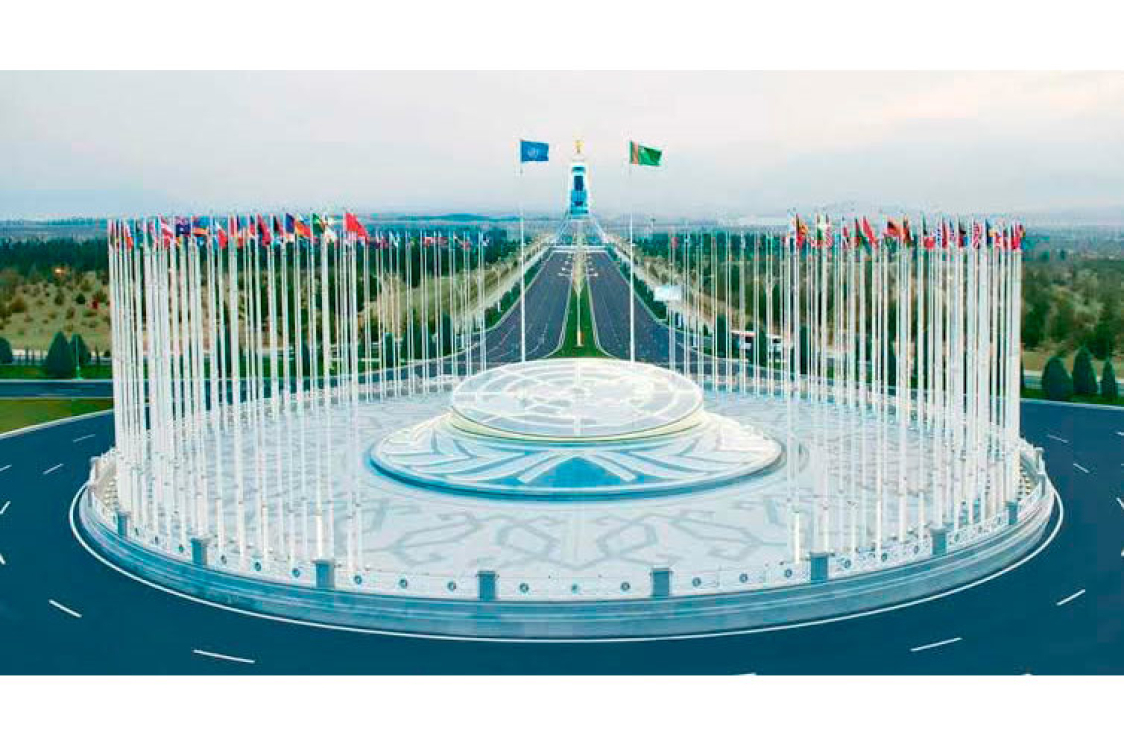
05.09.2026On 2 September, during a speech at a public lecture for young people, the National Leader of the Turkmen people and Chairman of the Halk Maslahaty of Turkmenistan, Gurbanguly Berdimuhamedov, emphasised the importance of permanent neutrality in ensuring peace, stability and the country’s foreign policy course. This was reported by the news agency ‘Turkmenistan: Golden age’. The Chairman of the Halk Maslahaty of Turkmenistan noted that Turkmenistan’s neutral status, recognised by the UN in 1995 and confirmed by three General Assembly resolutions, has historical roots and is an important asset of the nation. Speaking of the nation’s peace-loving traditions, the National Leader of the Turkmen people referred to the legacy of Magtymguly Pyragy. Hero Arkadag also emphasised that Turkmenistan continues to put forward peacekeeping initiatives on the international stage and to develop the theory and practice of neutrality, including through the training of specialists in international relations.
Turkmenistan is developing major energy projects in the region
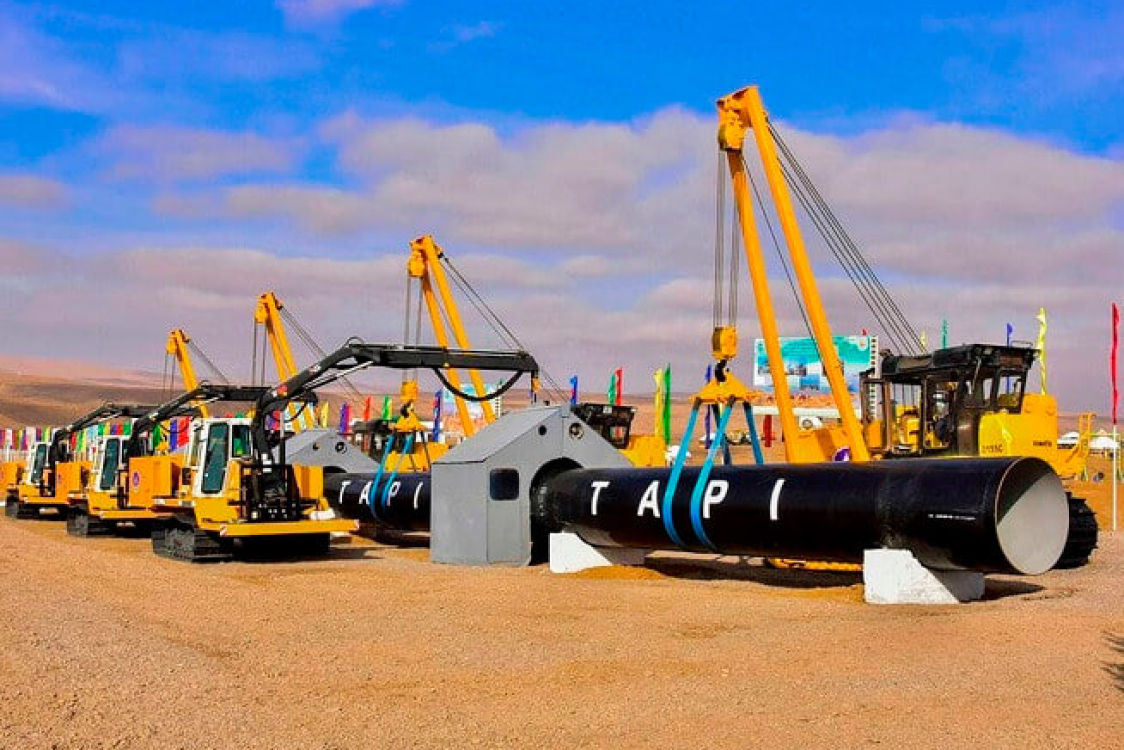
05.09.2026The National Leader of the Turkmen people and Chairman of the Halk Maslahaty of Turkmenistan, Gurbanguly Berdimuhamedov, addressed a public lecture at the ‘Ruhyýet’ Palace in the city of Arkadag. Speaking to representatives of the youth, the Hero Arkadag outlined Turkmenistan’s energy strategy and the implementation of regional infrastructure projects, according to the news agency ‘Turkmenistan: Golden age’. The Chairman of the Halk Maslahaty of Turkmenistan noted that the development of energy cooperation requires the effective utilisation of countries’ potential, taking into account the interests of producers, consumers and transit countries. Turkmenistan’s energy strategy provides for the diversification of supply routes and equal access to energy resources. Particular attention was paid to the ‘Turkmenistan–Afghanistan–Pakistan–India’ (TAPI) gas pipeline. In the long term, the project will enable the region, with a population of around 2 billion people, to be supplied with energy and will create more than 12,000 jobs in Afghanistan. Furthermore, Turkmenistan has the capacity to increase electricity supplies as part of the ‘Turkmenistan–Afghanistan–Pakistan’ project.
Read also
Advertising
 Read us in Zen


